
Tenjiku Sapporo kiyota honten belongs to Sapporo’s soup curry conversation rather than Japan’s broader curry-rice lane. Its Tabelog Curry EAST 100 selections in 2019, 2020, 2023, and 2024 mark it as a serious address for the city’s spice-and-broth ritual, with a casual format that keeps the meal grounded rather than ceremonial.
Pearl is the En Primeur Club membership app — saves, bookings, and concierge access live there. Same editors, same standards.
- Address
- 北海道札幌市清田区平岡1条1-7-1
- Website
- curry-tenjiku.myshopify.com
 Saves & bookings on Pearl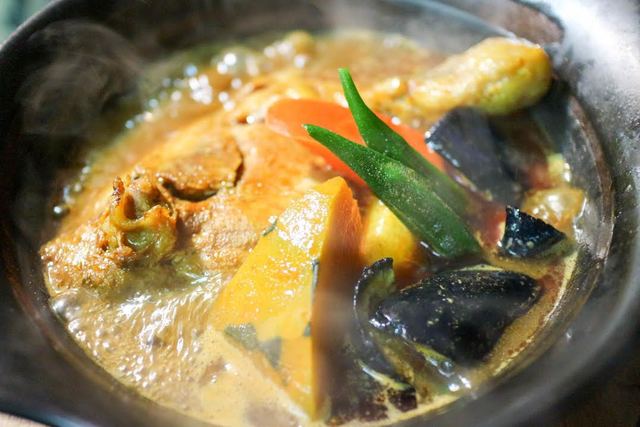
In Sapporo, soup curry announces itself differently from the heavier, roux-bound curry found across much of Japan. The ritual is built around broth, rice, heat level, and the slow dismantling of ingredients with a spoon. Tenjiku Sapporo kiyota honten belongs to that local grammar: not a fine-dining performance, not a quick curry-rice stop, but a sit-down bowl culture that rewards appetite, pacing, and a tolerance for spice.
The city’s curry identity has long been more varied than visitors expect. Ramen may dominate the national shorthand, but Sapporo’s soup curry rooms form a parallel map: suburban counters, family tables, spice specialists, and curry houses with enough local loyalty to turn a simple lunch into a planned detour. Recognition from Tabelog Curry EAST 100 in 2019, 2020, 2023, and 2024 places this address in the more scrutinised tier of that scene, where consistency matters as much as novelty.
Soup curry as a Sapporo dining rhythm
The key difference is structural. Soup curry is not curry sauce poured over rice; it is closer to a composed broth meal, with rice kept separate and the bowl treated as the main field of action. The diner controls the pace: spoon broth, break down vegetables or meat, adjust rice intake, repeat. That sounds simple, but it changes the mood of the meal. It is slower than ramen and less formal than a tasting menu, with enough customisation to make regulars particular about spice, texture, and balance.
Tenjiku Sapporo kiyota honten is listed in the Soup Curry and Curry categories, which matters in a city where the soup curry label carries its own expectations. A Sapporo bowl generally needs clarity rather than thickness, spice that builds rather than flattens, and ingredients that can survive broth without losing definition. The appeal is not only heat. It is the way the format lets Hokkaido’s casual dining culture absorb comfort, spice, and portion into one weekday-compatible meal.
That is also why the comparison set in Sapporo is broader than curry alone. Ramen RS Kai, TORA, and Menya Takahashi represent the city’s noodle discipline at lower-ticket casual prices, while soup curry tom tom kikir and Pot-au-feu sit closer to the same broth-and-spice orbit. For travellers using Our full Sapporo restaurants guide, the more useful question is not whether to choose ramen or curry, but what tempo the meal should have. Ramen compresses intensity into minutes; soup curry stretches the table.
A casual room with award-level scrutiny
The Tabelog Curry EAST 100 signal is useful because curry in Japan is a crowded category with many low-cost, high-frequency meals. Selection across multiple years indicates that this is not merely a neighbourhood convenience address. It has held attention in a field where diners compare spice structure, broth depth, and value with unusual precision. The Tabelog score of 3.58 also reads differently in Japan than many overseas rating systems; on that platform, mid-threes can already indicate a restaurant with serious local traction.
The format remains approachable. This is the kind of Sapporo meal that fits families, friends, and solo diners without demanding a special-occasion script. The venue lists counter seating and table seating, a no-smoking policy, take-out, photo menus, wheelchair accessibility, and family-friendly provisions including children’s welcome status and a kids menu. Those details shape the experience more than décor language ever could: soup curry here functions as a democratic local ritual, not a rarefied reservation trophy.
There is a practical intelligence to that informality. Sapporo’s strongest casual meals often live outside the hotel-core itinerary, and curry specialists reward travellers willing to move beyond the obvious central circuit. For a broader stay, pair this kind of lunch planning with Our full Sapporo hotels guide, then treat the evening separately through Our full Sapporo bars guide. The city works better when daytime comfort food and nighttime drinking are allowed to occupy different neighbourhood logics.
How it fits into a wider Sapporo curry crawl
Soup curry invites comparison because every house makes different decisions about broth, spice, rice, and portion. Ajanta Indo Curry Ten and Ajanta Sohonke point toward another strand of Sapporo curry history, while Ajanta Indo Curry Ten and Ajanta Sohonke are useful reference points for diners tracking how Indian-influenced spice culture intersects with the city’s local soup curry habits. [Curry Senmon Ten] Maruyama Kyoju. broadens the curry map again, while 175°DENO Tantanmen Sapporo kitaguchi ten helps frame the city’s appetite for heat outside curry altogether.
That is the smarter way to read Tenjiku Sapporo kiyota honten: as one stop in a city where spice is not an imported novelty but part of the casual dining infrastructure. It is not competing with elaborate kaiseki or luxury sushi for the same night. It competes for the meal when the weather is sharp, the schedule is loose, and a bowl of broth with rice on the side makes more sense than another train-station ramen.
Travellers building a longer Japan food route can place Sapporo’s curry culture beside other regional formats rather than ranking them against one another. The contrast runs from Aigues Vives in Hokkaido to -Grilled beef Sukiyaki- KAMAKURA TANUKIAN 鎌倉 たぬき庵 in Kamakura. 鮪と炭火焼き うお炭 秋葉原店 in Tokyo.cafe in Osaka.know in Kumamoto, (Shoku) Vietnam in Kawasaki, and [ki:] in Kyoto. For international palate calibration, Jōdo Saké Bar in Los Angeles and Onigiri Time in Pasadena show how Japanese formats shift once they leave Japan.
The editorial verdict is simple: this is a Sapporo curry address for diners who want the city’s everyday food culture with credible recognition attached. Its repeated Tabelog Curry EAST 100 selections give it a trust signal; the soup curry format gives it a reason to matter. Use Our full Sapporo experiences guide and Our full Sapporo wineries guide for the rest of the itinerary, but leave room for the meal that explains why Sapporo’s curry scene has its own rhythm.
Style and Standing
Side-by-side context: comparable cuisine and price.
| Venue | Cuisine | Price | Notes |
|---|---|---|---|
| Tenjiku Sapporo kiyota hontenThis venue — the venue you are viewing | South Indian Soup Curry | $$ | Not listed |
| DELHI Sapporo ten | Indian curry and soup curry | $ | Chūō |
| Indian Restaurant Ram | Indian & Nepalese Curry House | $$ | Kita |
| Yakiniku Horumon Fudo. | Yakiniku, horumon & jingisukan tavern | $$ | Chūō |
| BAR PROOF | Bar / Cocktails | $$ | Chūō |
| soup curry Suage+ | Sapporo soup curry specialty shop | $$ | Chūō |
Recognition history
Dated appearances from independent guides and award organizations, with the underlying list record or original source where available.
Tabelog 100 #62 · No. 62
Tabelog · Tabelog 100 - Curry - EAST - 2024



At a Glance
- Cozy
- Casual
- Casual Hangout
- Family
- Group Dining
- Standalone
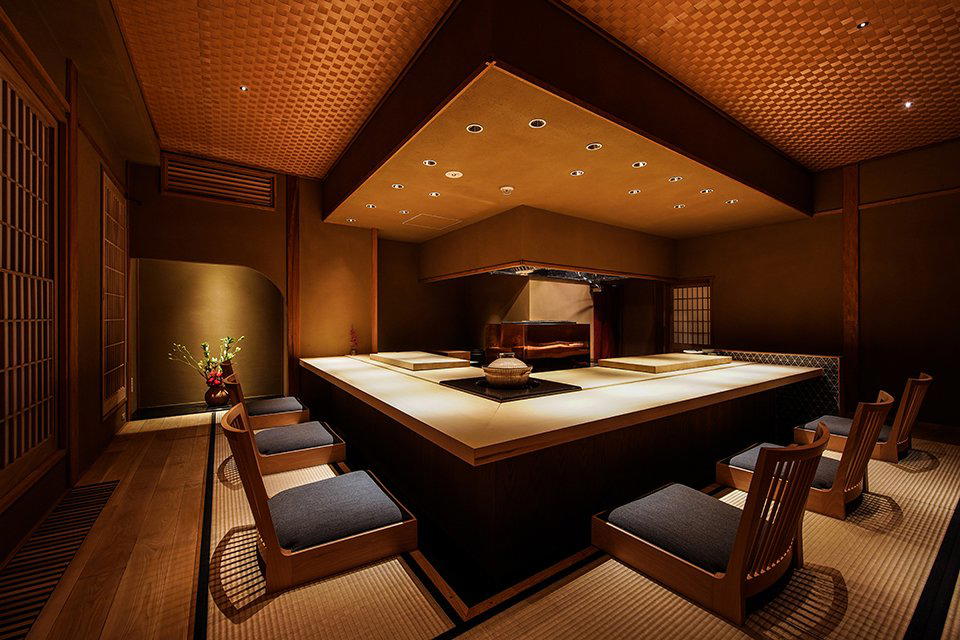
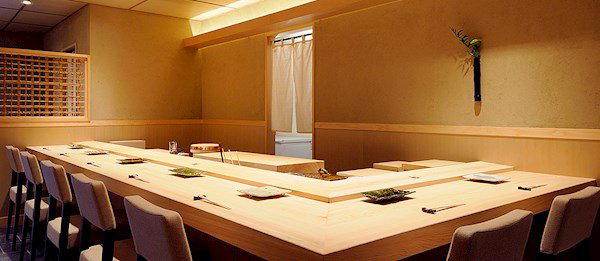
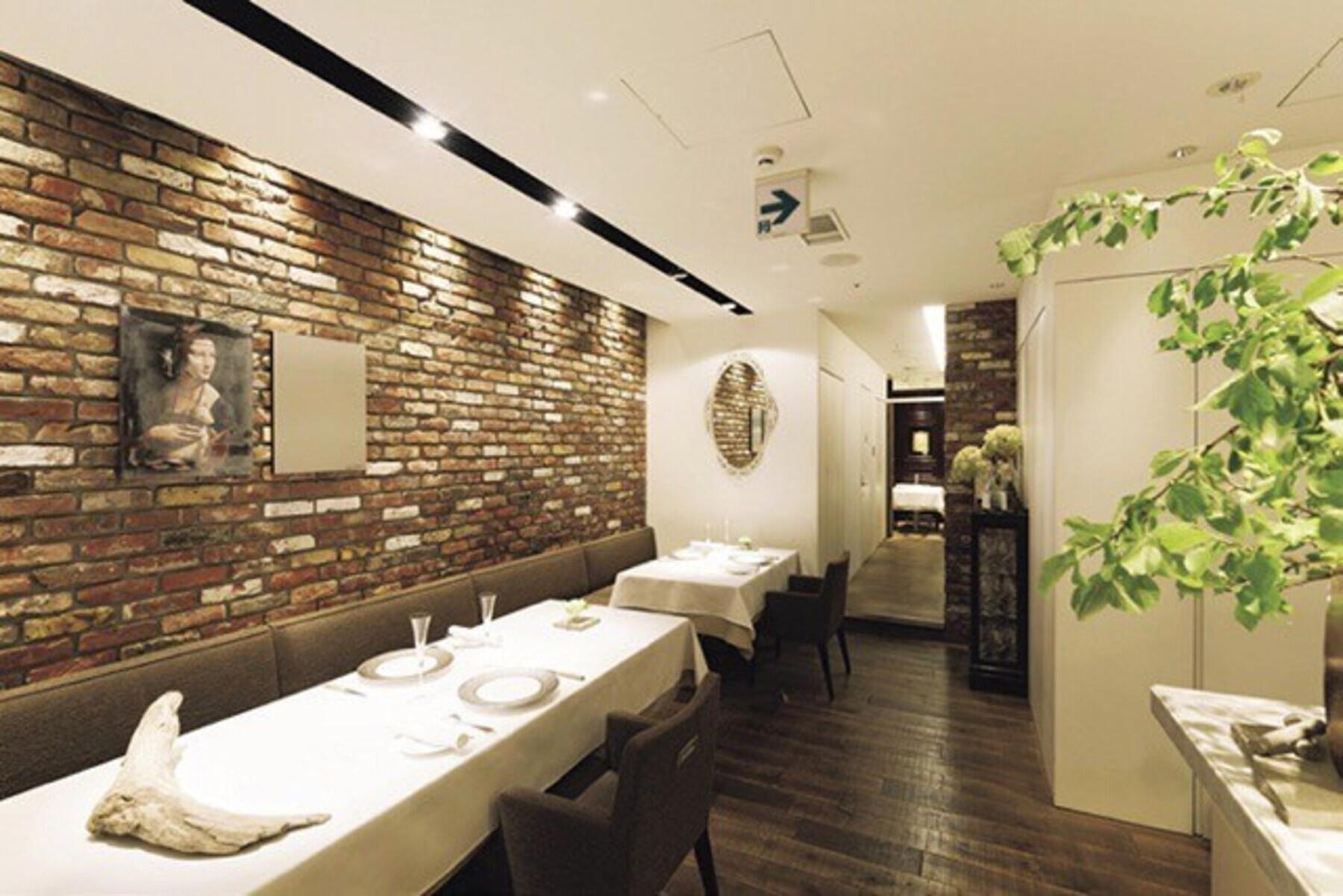
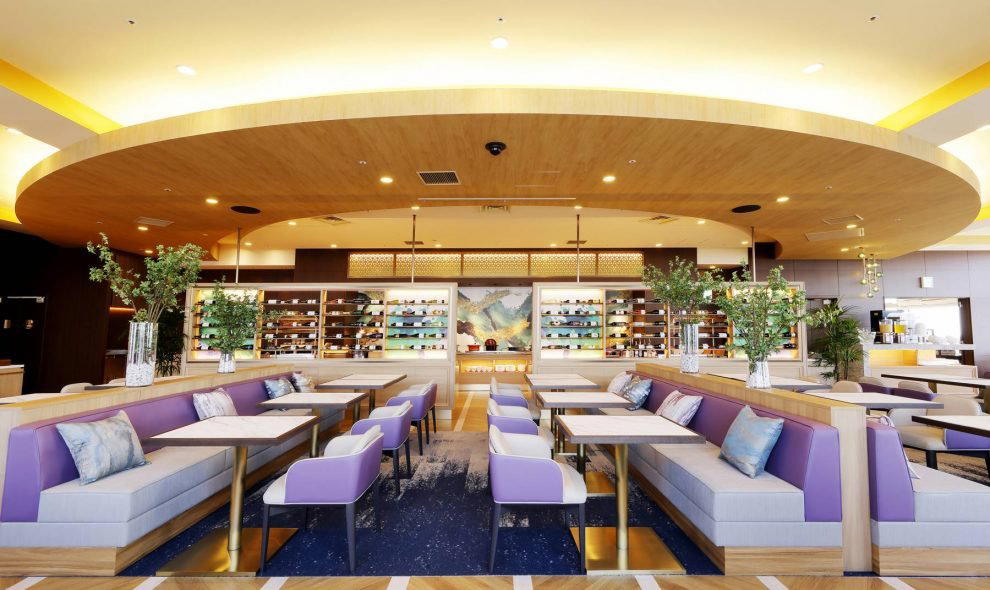
A casual soup-curry restaurant atmosphere centered on spice-forward dishes rather than formal dining, with a relaxed, family-friendly feel.