
Sapporo’s curry culture is usually read through soup curry and ramen-adjacent spice, but Indian Restaurant Ram belongs to a different lane: Indian curry and Nepalese cooking interpreted for a Hokkaido audience. Its Tabelog 100 selections for Asian and ethnic cuisine in 2024 and 2022, plus earlier curry recognition in 2020 and 2019, make it a useful marker for how imported technique settles into local dining habits.
Pearl is the En Primeur Club membership app — saves, bookings, and concierge access live there. Same editors, same standards.
- Address
- 4 Chome-1-12 Kita 32 Jonishi, Kita Ward, Sapporo, Hokkaido 001-0032, Japan
- Phone
- +81 11-756-1765
- Website
- tabelog.com
 Saves & bookings on Pearl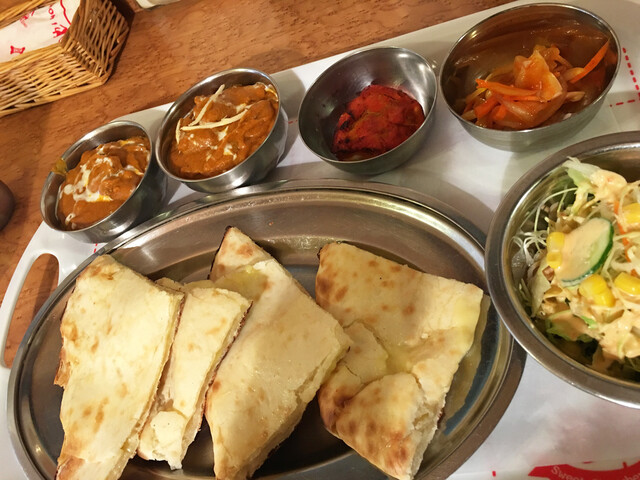
Approaching a neighbourhood curry room in northern Sapporo is unlike arriving at a hotel dining room or tourist-market counter. The signal is quieter: a compact street-level address, a regulars’ room rather than ceremony, and a menu outside the city’s better-known ramen and soup-curry circuits. Indian Restaurant Ram belongs to the small but telling group of Sapporo restaurants where imported spice grammar has been absorbed into local eating patterns rather than presented as novelty.
That matters in Hokkaido. The island’s restaurant identity is often framed through dairy, seafood, wheat, lamb, miso ramen and soup curry, but Sapporo’s appetite for spice is broader. Indian and Nepalese restaurants occupy a practical middle ground: affordable for weekday use, specific enough for serious curry discussion, and flexible for groups wanting rice, bread, meat, vegetables and heat levels without tasting-menu formality. Ram’s Tabelog 100 recognition in Asian and ethnic cuisine for 2024 and 2022, plus curry-category selections in 2020 and 2019, places it inside that conversation, not on its margins.
Indian and Nepalese curry in a city better known for soup curry
Sapporo’s soup curry has taught visitors to expect spice in a bowl, with vegetables and broth treated almost as an extension of the city’s produce culture. Indian and Nepalese curry follows another logic: sauces carry the meal, breads change the pace, and seasoning is less about the clear, soupy architecture of Sapporo’s local style. That contrast makes Ram useful for travellers who know the headline dishes and want to understand the city’s everyday spice economy.
The categories attached to the restaurant, Indian, Indian curry and Nepalese, explain its position. This is not a chef-counter performance built around a named individual, nor a luxury room using curry as a theme. It sits near the democratic end of Sapporo dining, where recognition comes from repeat usefulness and consistency rather than spectacle. A Tabelog score of 3.51 is meaningful in Japan’s review culture, especially with multiple Hyakumeiten selections. The number is not the whole story; it shows the restaurant has been repeatedly sorted into a national-level curry and ethnic-cuisine conversation.
For readers mapping Sapporo by category, the comparison is revealing. Ramen addresses such as 175°DENO Tantanmen Sapporo kitaguchi ten and curry specialists such as [Curry Senmon Ten] Maruyama Kyoju. show how the city uses spice across formats. Ajanta Indo Curry Ten and Ajanta Sohonke point to a longer local curry tradition, while Ram sits in the Indian and Nepalese lane rather than the soup-curry lineage. Travellers often flatten all Sapporo curry into one category, but the better reading is plural: broth curry, Japanese curry, Indian curry, Nepalese cooking and ramen-derived spice each answer a different appetite.
A compact room built for regular use, not ceremony
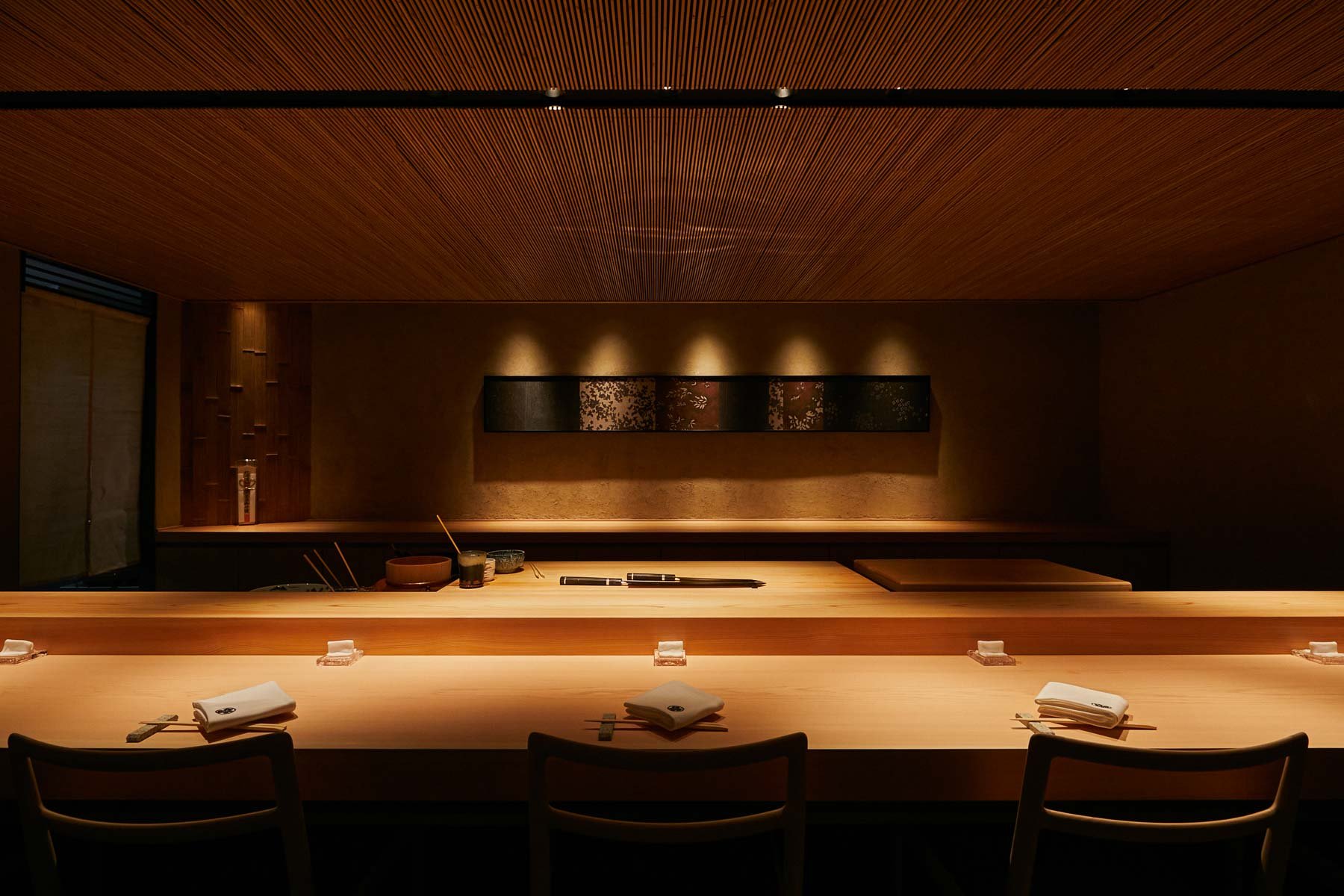
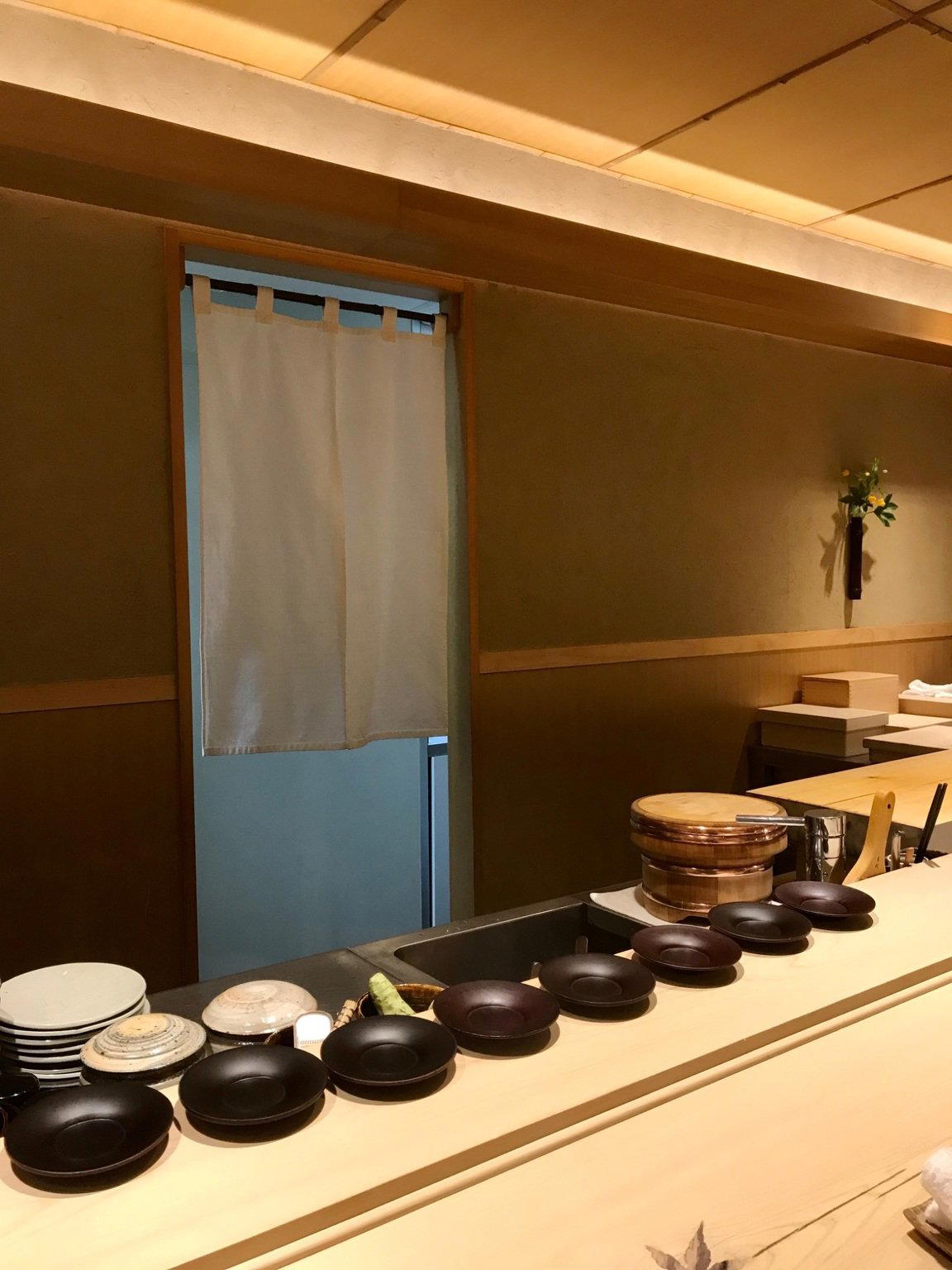
The format reinforces that reading. The room has 32 seats, including counter seats, table seating and raised-platform tables, suiting solo lunches, families and small groups without turning the meal into an event. There are no private rooms, the non-smoking policy keeps attention on the food rather than old-izakaya atmosphere, and take-out pushes the restaurant further into daily dining rather than destination-only territory.
The price band matters without being a bragging point. Lunch and dinner both sit at JPY 1,000 to JPY 1,999, placing Ram near Sapporo’s serious casual bracket rather than higher-spend yakiniku or hotel dining. Many of Japan’s most useful food cities reveal themselves here: not rarefied rooms, but places where distinctive cuisine can be eaten often enough to enter local rhythm. Against Sapporo comparison venues ranging from sub-JPY 1,000 ramen to higher-spend grilled meat, Ram occupies the middle: more structured than a quick noodle stop, less financially loaded than a celebratory dinner.
Practical intelligence is simple but important. Reservations are available, cards are not accepted, PayPay is accepted, and there is limited parking associated with the building and a nearby lot. The nearest station is Kita Sanjuyo Jo on the Namboku Line, making the restaurant easier to fold into a northern Sapporo itinerary than a Susukino bar crawl. The right use case is curry-focused eating, not late-night glamour or chef-led performance.
How Ram fits into a wider Sapporo itinerary
For a city itinerary, Ram corrects the usual Sapporo shorthand. It tells a different story from seafood markets, miso ramen queues and winter beer-hall nostalgia. It broadens the meaning of local ingredients and global technique: Hokkaido dining is not only native dishes, but also how imported methods become normal through repetition, accessible pricing and neighbourhood loyalty. Indian and Nepalese curry in Sapporo is part of that process, especially when a restaurant earns repeated national category recognition without joining the luxury tier.
Travellers building a broader food map should read it alongside bakeries and French-leaning rooms such as Aigues Vives, spice and noodle addresses, and the city’s familiar soup-curry names. For the wider edit, use Our full Sapporo restaurants guide for dining context, Our full Sapporo hotels guide for where to stay, Our full Sapporo bars guide for drinking, Our full Sapporo wineries guide for wine-related planning, and Our full Sapporo experiences guide for cultural pacing around meals.
The appeal is clearest for diners who value category depth over ceremony. A Sapporo trip built only around ramen, crab and soup curry misses how much of the city’s eating happens in everyday specialist rooms. Ram gives that tier a credentialed example: affordable, family-friendly, recognized by Tabelog’s Hyakumeiten program, and specific enough for visitors who usually reserve research for higher-budget tables. For cross-city readers comparing Japanese dining formats, it sits far from the special-occasion idiom of -Grilled beef Sukiyaki- KAMAKURA TANUKIAN 鎌倉 たぬき庵 in Kamakura, the casual Tokyo izakaya register of. 鮪と炭火焼き うお炭 秋葉原店 in Tokyo, the cafe format of.cafe in Osaka, the Kumamoto city-room feel of.know in Kumamoto, Vietnamese cooking at (Shoku) Vietnam in Kawasaki, Kyoto’s smaller-format dining at [ki:] in Kyoto, sake-led Los Angeles dining at Jōdo Saké Bar in Los Angeles, and the Japanese comfort-food portability of Onigiri Time in Pasadena. That spread clarifies the point: Ram is not performing luxury. It is category-specific dining that makes a city legible beyond headline dishes.
Budget Reality Check
Comparable venues to anchor price and recognition.
| Venue | Cuisine | Price | Notes |
|---|---|---|---|
| Indian Restaurant RamThis venue — the venue you are viewing | Kita, Indian & Nepalese Curry House | $$ | Not listed |
| Karabato Curry | Minami, Pakistani-style Curry House | $ | Not listed |
| Future Curry Koris | Chūō, Indian-style curry house | $$ | Not listed |
| Minami Indian DAL | Not listed | $$ | Obihiro, South Indian (Meals-focused) restaurant |
| Sapporo Soup Curry Senmon Ten Esper Ito Hachiken souhonten | Nishi, Sapporo soup curry | $$ | Not listed |
| Chinese Momiji | Not listed | $$ | Chūō, Casual Chinese Bistro in Tanukikoji Market |
Recognition history
Dated appearances from independent guides and award organizations, with the underlying list record or original source where available.
Tabelog 100 #5 · No. 5
Tabelog · Tabelog 100 - Asian cuisine / Ethnic cuisine - EAST - 2024




At a Glance
- Cozy
- Lively
- Family
- Casual Hangout
- Group Dining
- Solo
- After Work
- Standalone
Current opening hours
- Monday
- 11 AM–3 PM, 5–10:30 PM
- Tuesday
- 11 AM–3 PM, 5–10:30 PM
- Wednesday
- 11 AM–3 PM, 5–10:30 PM
- Thursday
- 11 AM–3 PM, 5–10:30 PM
- Friday
- 11 AM–3 PM, 5–10:30 PM
- Saturday
- 11 AM–3 PM, 5–10:30 PM
- Sunday
- 11 AM–3 PM, 5–10:30 PM
Hours can change for holidays and private events. Last verified .
Casual, cozy neighborhood spot with a small counter and a few tables, relaxed enough for families and friends while staying busy and energetic at peak hours.