Where George Town's Hawker Tradition Sits Down at a Table Arrive at Tek Sen Restaurant before the lunch rush and you'll find a room that belongs firmly to a particular tradition in George Town's eating culture: the shophouse canteen, operating...

Pearl is the En Primeur Club membership app — saves, bookings, and concierge access live there. Same editors, same standards.
Where George Town's Hawker Tradition Sits Down at a Table
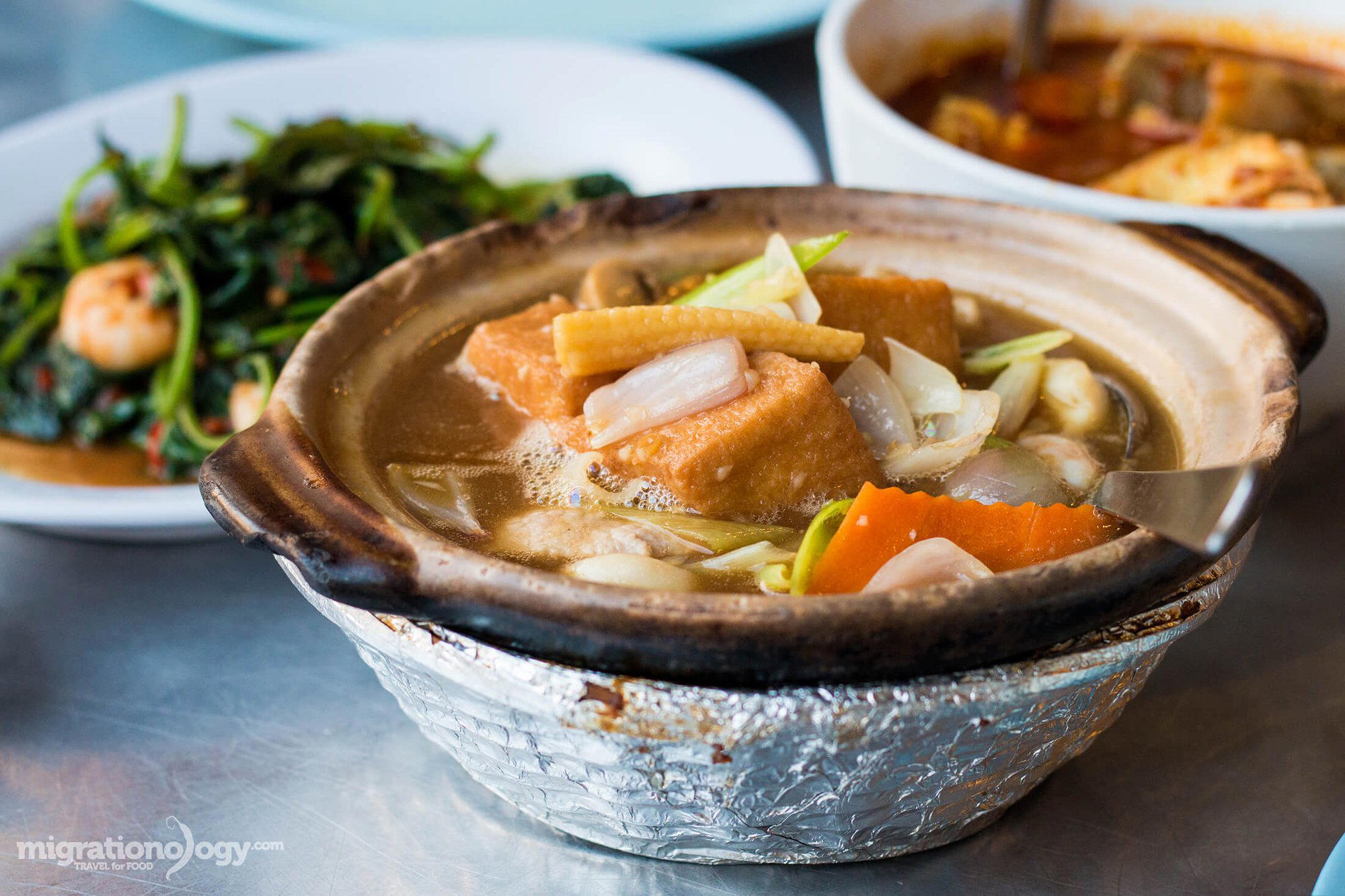
Arrive at Tek Sen Restaurant before the lunch rush and you'll find a room that belongs firmly to a particular tradition in George Town's eating culture: the shophouse canteen, operating on decades of muscle memory rather than any contemporary hospitality formula. The tables fill quickly. The kitchen doesn't pause. What Tek Sen represents is a specific tier of Penang dining that exists between the open-air hawker stall and the formal restaurant, a category the city has refined across generations and one that George Town's UNESCO-listed heritage district has preserved partly by accident and partly by institutional loyalty from a customer base that doesn't switch restaurants lightly.
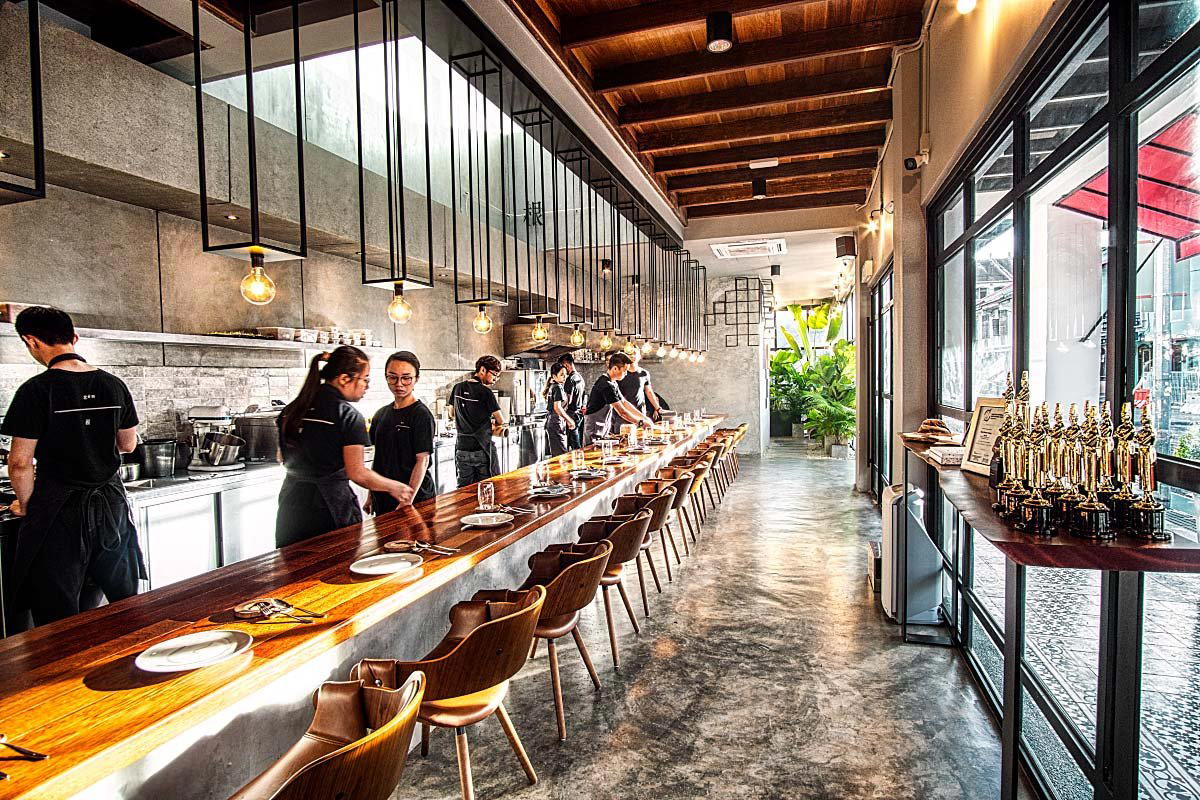
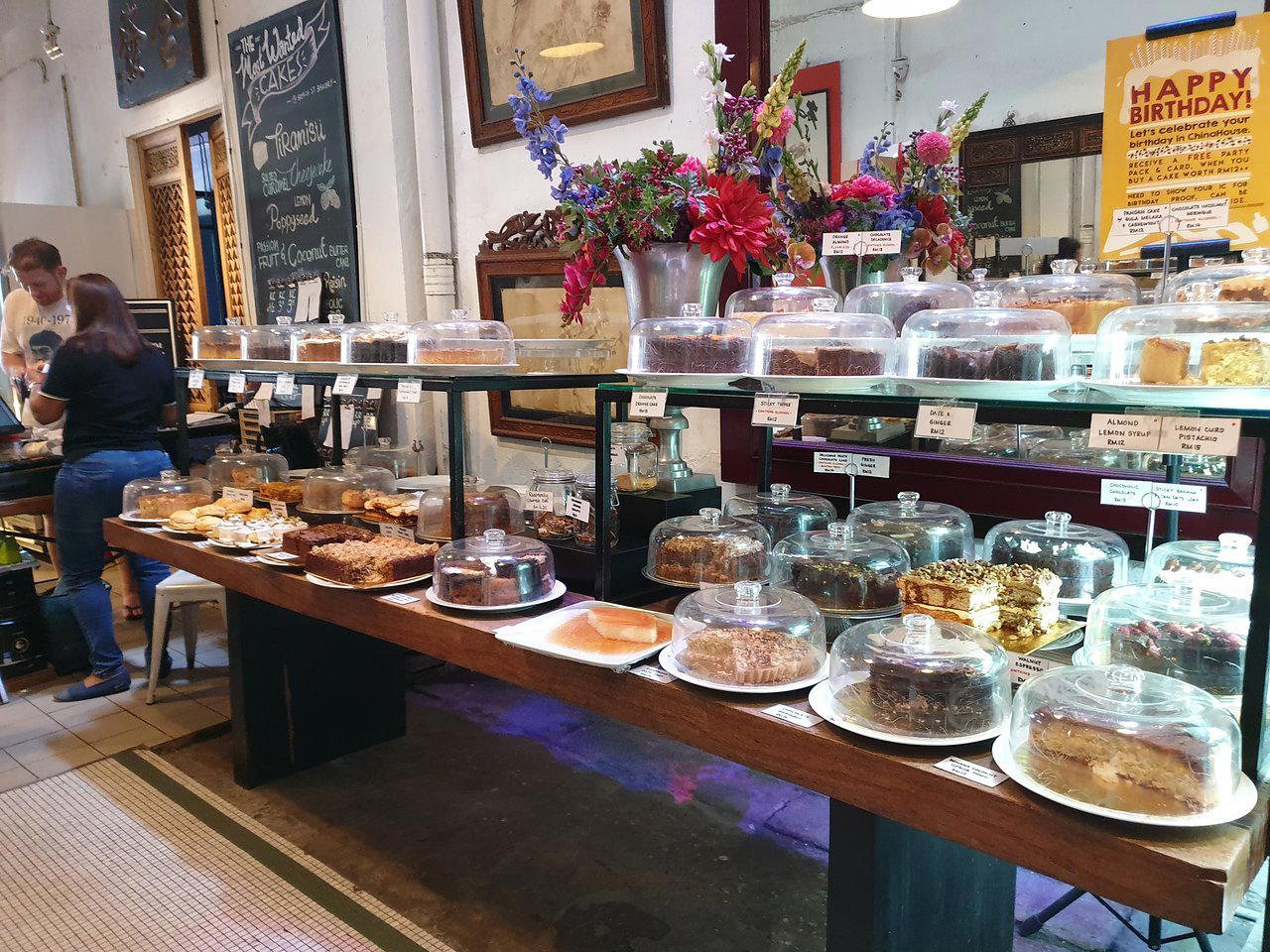
George Town's dining character has always been defined by this kind of accumulated trust. Unlike the curated dining programs at places such as ChinaHouse, which occupies a different position in the city's hospitality mix, or the European-inflected cooking at Christoph's, Tek Sen belongs to the lineage of family-run Chinese restaurants that have held a neighbourhood together through consistency rather than reinvention. In a city where food is discussed the way other cities discuss sports results, that kind of institutional presence carries its own authority.
The Arc of a Meal: How the Kitchen Builds a Table
The Tek Sen experience is best understood as a sequenced argument rather than a menu of independent options. The kitchen operates from a repertoire shaped by Penang Chinese Zi Char traditions, rooted in the island's Chinese home-style cooking. These are not cuisines given to showmanship. Their logic is built on layering: fermented ingredients, slow-cooked proteins, aromatics introduced in stages.
A meal here tends to open on lighter registers before moving into the kitchen's more assertive preparations. Vegetable dishes arrive with wok-char still present, the kind of breath-of-the-wok that requires both high heat and the confidence to time the exit correctly. Pork preparations carry the weight of long braising, the kind of patience that the shophouse format traditionally protects because the kitchen has been running the same dish for long enough to have memorized it rather than followed it. This kind of institutional knowledge, passed across generations in a family operation, produces a consistency that younger or more trend-responsive kitchens rarely match.
The movement of a Tek Sen meal follows a rhythm familiar to anyone who has eaten seriously in the Hokkien and Hakka restaurants of Southeast Asia's older port cities. Penang's position as a historic trading entrepôt meant that its Chinese immigrant communities cooked in proximity to Malay, Indian, and Peranakan kitchens, and those adjacencies show up in the depth of flavour profiles even in dishes that are nominally direct. The sambal work, the use of fermented shrimp paste, the balance of sour against salt: these are not decorative touches but structural decisions.
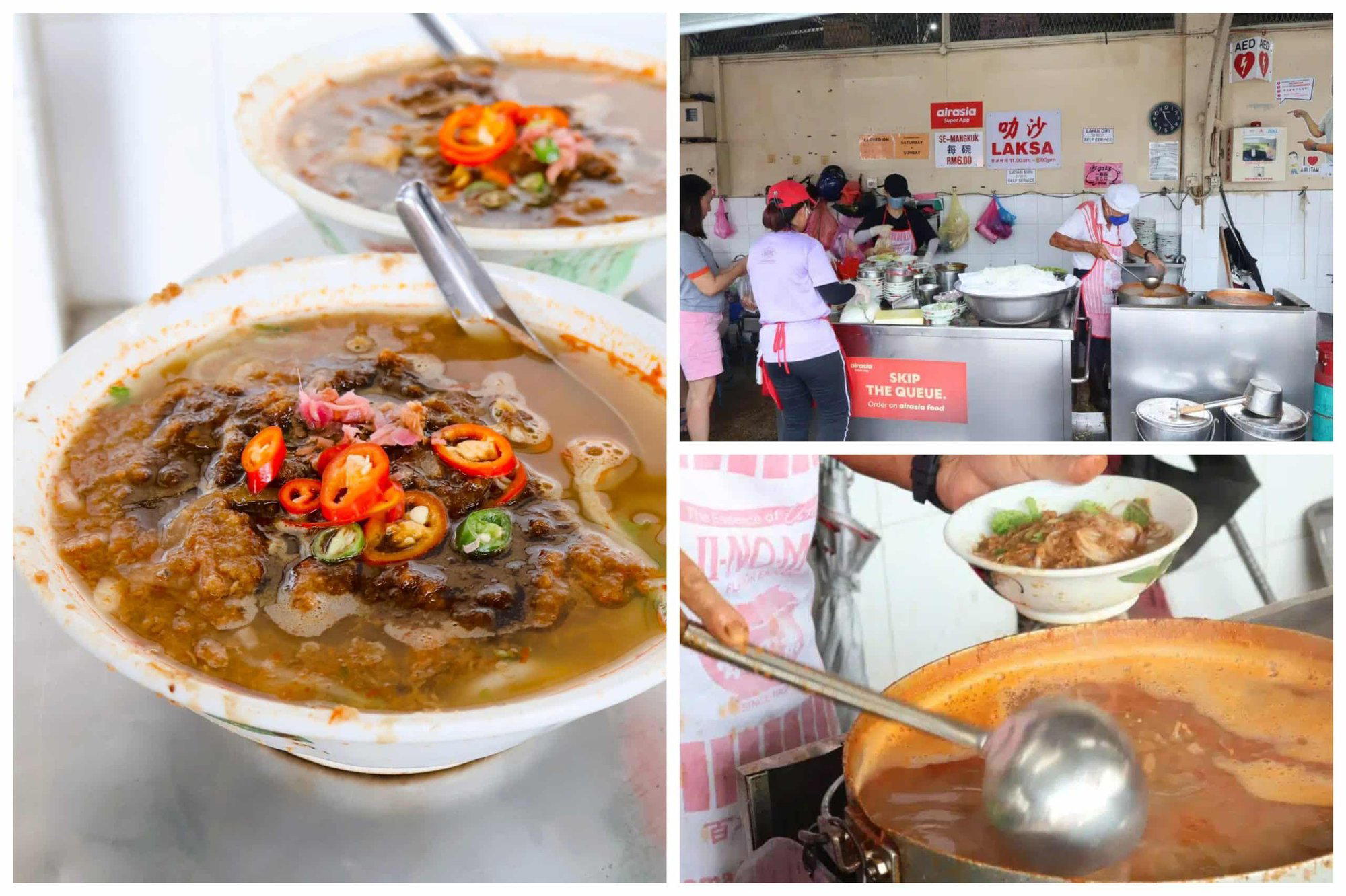
For comparison, the open-air stall cooking that defines George Town's street food identity, including the operations clustered around markets like those featured at Air Itam Asam Laksa, Chong Char Koay Teow, and 888 Hokkien Mee or the laksa traditions at Ka Bee Cafe and Laksa Mamu, operates on a different principle: a single dish, perfected and sold at speed. Tek Sen's shophouse format allows for a complete meal, which gives the kitchen the chance to sequence flavours across several courses in a way that a single-dish stall never can. That structural difference is what makes it a distinct proposition within Penang's eating ecosystem.
How Tek Sen Sits in the City's Wider Food Conversation
Penang has developed a reputation among serious food travellers that extends well beyond Malaysia's borders, and the city's dining scene now covers a wider range than its hawker credentials alone would suggest. Restaurants like Auntie Gaik Lean's Old School Eatery in George Town have made a similar argument for the institutional value of Nyonya cooking, while Dewakan in Kuala Lumpur represents a different ambition entirely, using Malaysian ingredients inside a contemporary fine dining framework. Tek Sen operates at neither extreme. It is not nostalgia tourism, and it is not culinary experimentation. It occupies the serious middle ground of a restaurant that knows what it does and does it without apology.
That positioning matters in a market like Penang's, where food credibility is built slowly and lost quickly. Among the city's longer-operating Chinese restaurants, CRC Restaurant in Georgetown has held a different position, angled toward banquet-style seafood and larger group dining. Tek Sen's scale is smaller and its cooking more domestic in register, which is precisely why its regulars return with the frequency they do. The dishes are not designed to impress a table of twelve; they are designed to satisfy a table of four who know what they are ordering before they open the menu.
Across Malaysia's broader restaurant geography, from the bak kut teh operations in Borneo like Da De Bah Kut Teh to the Hokkien traditions maintained in Perai at Jit Seng Roasted Duck Rice, the family-run shophouse format has proven to be durable container for Chinese-Malaysian cooking. Tek Sen sits squarely in that tradition, and its continued operation represents something worth noting in a city where heritage buildings are easier to preserve than the culinary knowledge housed inside them.
Planning Your Visit
Tek Sen operates as a walk-in restaurant without a formal online booking system, which means arrival timing is the main variable a visitor controls. Lunch service draws a significant crowd from George Town's working population and is often treated as the sharper window for the kitchen at full pace. Coming mid-morning before service begins, or arriving early in the dinner hour, gives a better chance of being seated without a wait. The restaurant's location within the UNESCO-listed heritage core of George Town places it within walking distance of the district's main concentration of shophouse architecture and cultural sites, making it a natural anchor point for a longer afternoon in the area. Dress is entirely informal; this is not a room that rewards anything other than appetite.
A Credentials Check
Comparable venues nearby, for context on price, style, and recognition.
| Venue | Cuisine | Price | Notes |
|---|---|---|---|
| Tek Sen RestaurantThis venue — the venue you are viewing | Penang Chinese Zi Char | $$ | Not listed |
| OO White Coffee, Tiger Char Kway Teow, Gow Thew Chik Hainana Chicken Rice | Traditional Penang Kopitiam Breakfast | $ | George Town |
| ChinaHouse | Trendy Fusion Cafe & Bakery | $$ | George Town |
| Sri Ananda Bahwan | South Indian Banana Leaf | $ | Little India |
| Jit Seng Roasted Duck Rice | Peking Roast Duck Rice | $ | George Town |
| Woong Kee Beancurd and Tong Sui Po | Traditional Chinese Beancurd Desserts | $ | Not listed |
At a Glance
- Classic
- Well Known
- Cozy
- Group Dining
- Casual Hangout
- Historic Building
Current opening hours
- Monday
- 11:30 AM–2 PM, 5:30–8 PM
- Tuesday
- Closed
- Wednesday
- 11:30 AM–2 PM, 5:30–8 PM
- Thursday
- 11:30 AM–2 PM, 5:30–8 PM
- Friday
- 11:30 AM–2 PM, 5:30–8 PM
- Saturday
- 11:30 AM–2 PM, 5:30–8 PM
- Sunday
- 11:30 AM–2 PM, 5:30–8 PM
Hours can change for holidays and private events. Last verified .
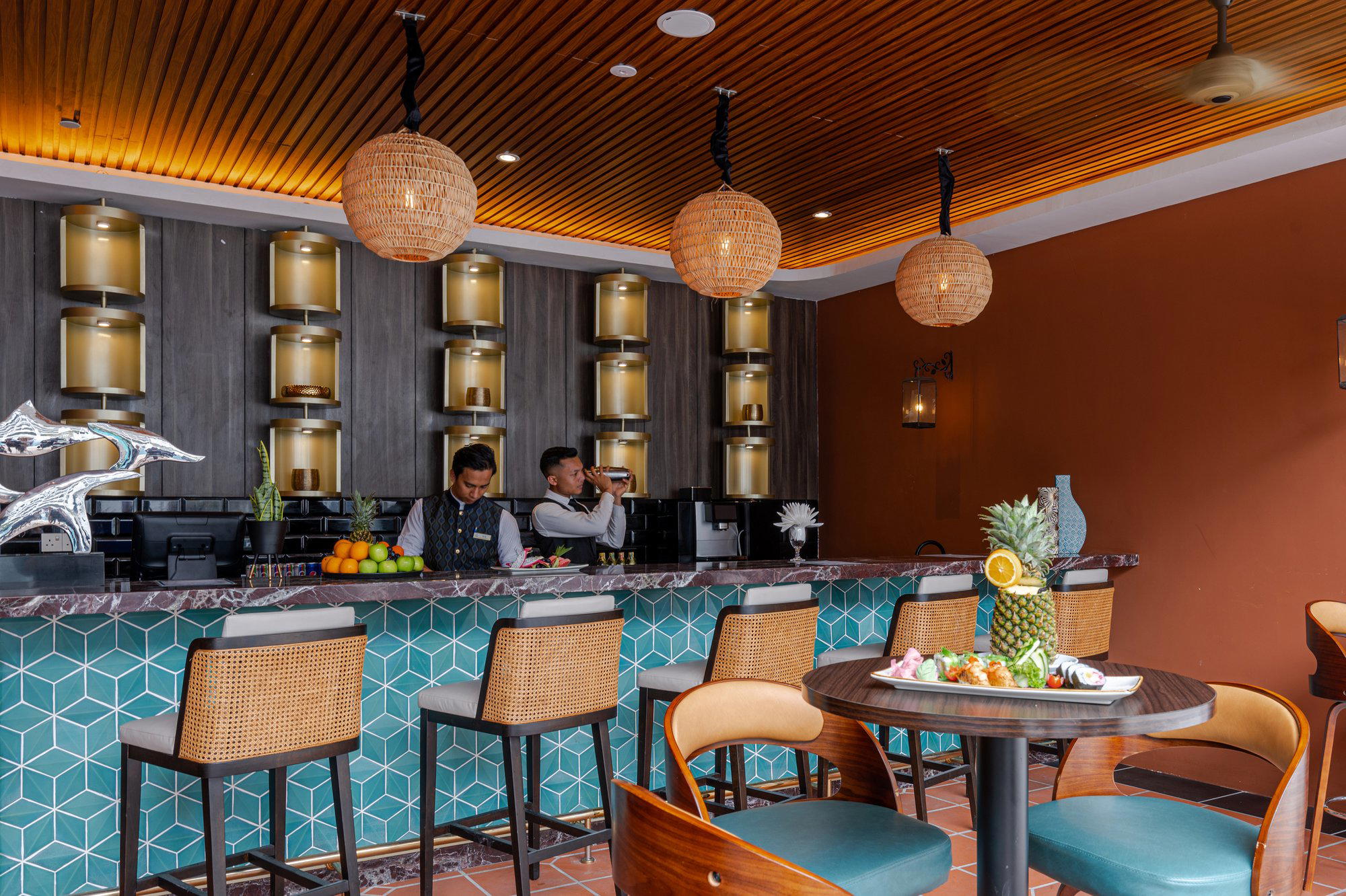
No-frills bustling atmosphere in a busy lane with packed tables and lively local energy.