On Penang Street in George Town's heritage core, Sri Ananda Bahwan occupies a double shophouse that has fed the city's South Indian Tamil community for decades. Banana-leaf rice, dosai, and a rotating roster of vegetarian curries anchor the menu at prices that reflect the restaurant's role as a neighbourhood institution rather than a tourist destination. Among George Town's South Indian venues, it sits in the mid-tier of accessibility and authenticity.
Pearl is the En Primeur Club membership app — saves, bookings, and concierge access live there. Same editors, same standards.
- Address
- 53 & 55, 53 & 55, Penang St, Georgetown, 10200 George Town, Penang, Malaysia
- Phone
- +6043310781
- Website
- sabgroup.com.my
- Directions
- Get directions
 Saves & bookings on Pearl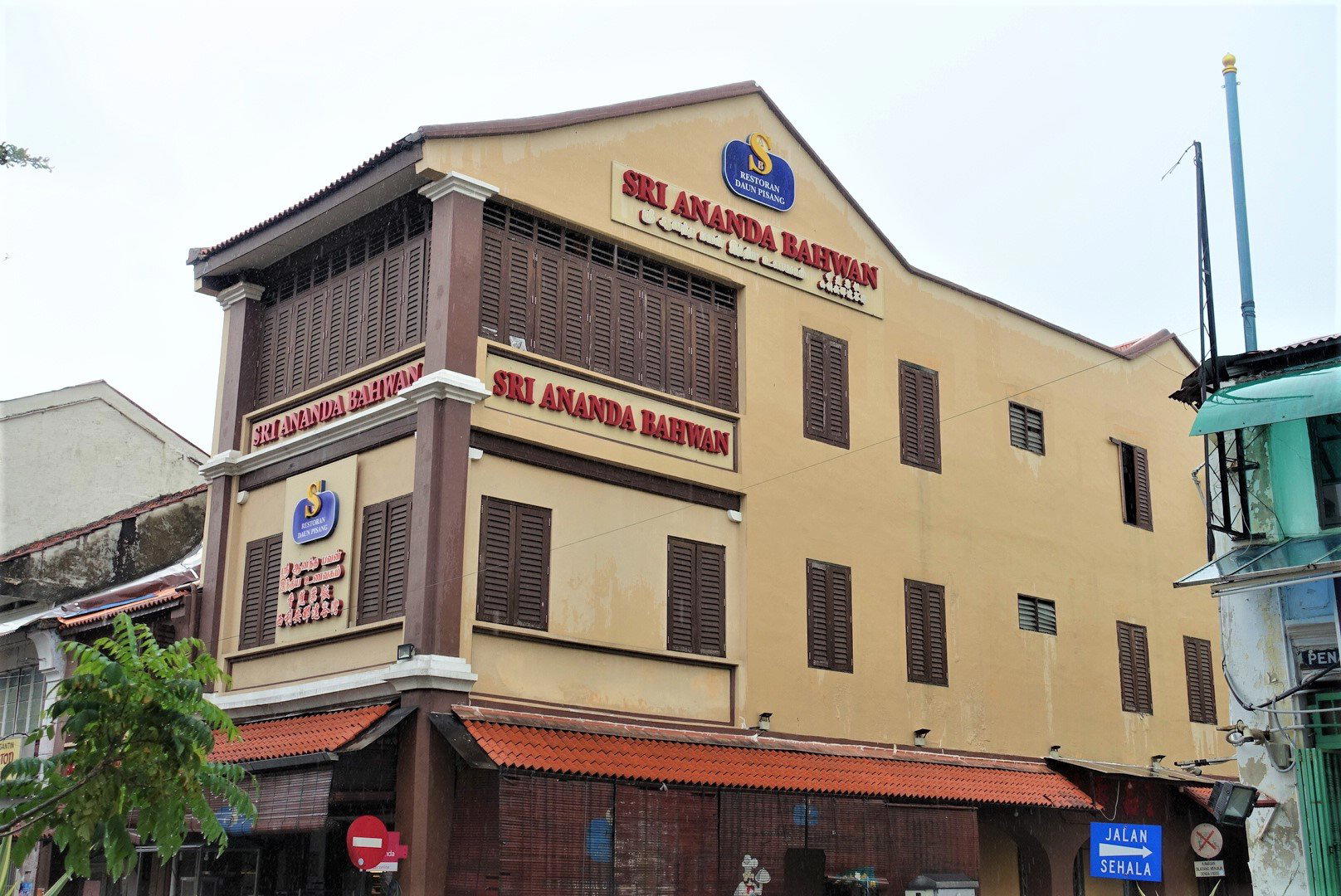
The Shophouse as Dining Format: How George Town's Heritage Buildings Shape the Meal
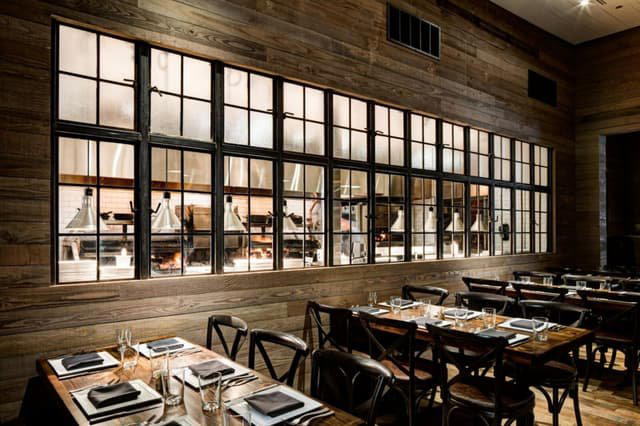
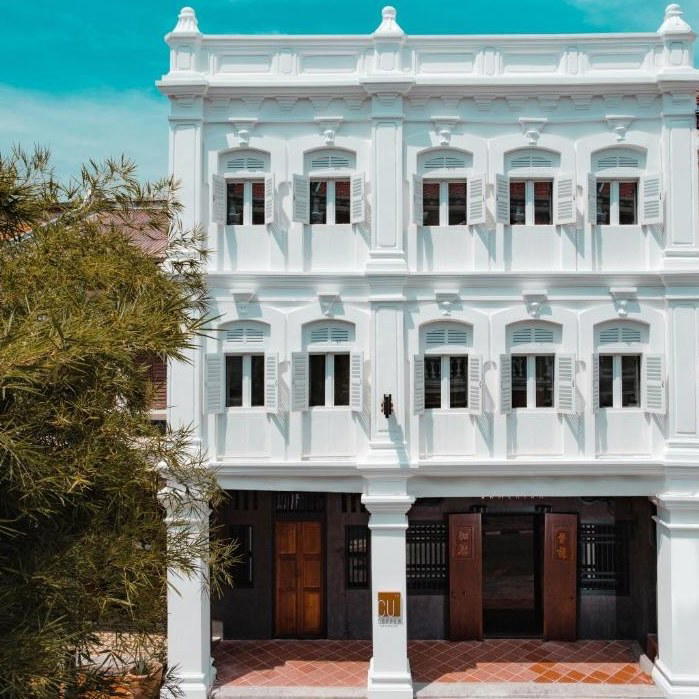
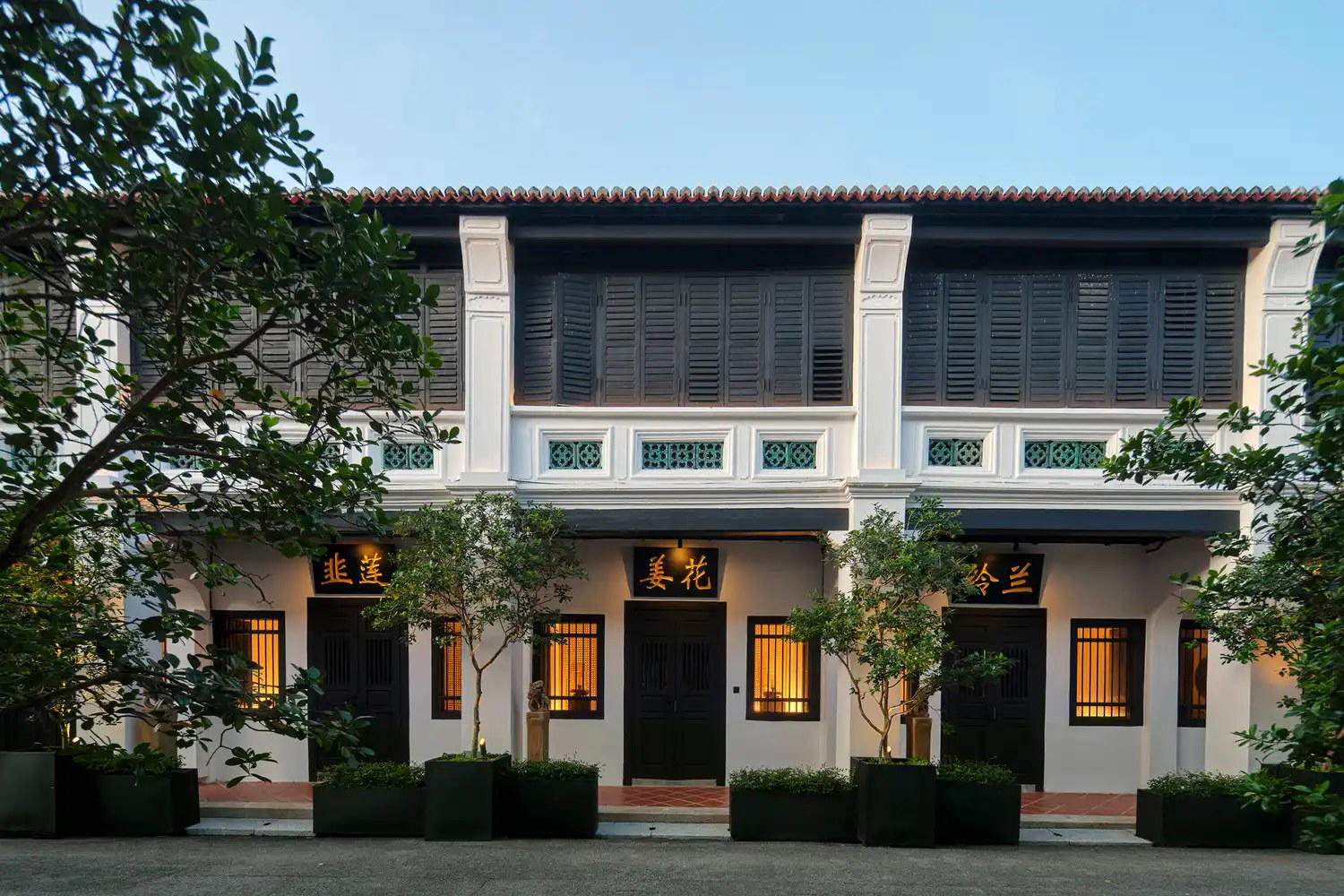
In George Town, the five-foot way tells you what kind of restaurant you are about to enter. The covered walkway running along the front of a double shophouse on Penang Street sets an immediate register: working tables, stainless steel trays, ceiling fans doing real work overhead, and the kind of institutional fluorescent light that no design brief would approve but that regulars never seem to notice. Sri Ananda Bahwan occupies numbers 53 and 55 on that street, a pairing of pre-war shophouse units that gives the space more lateral room than most of its South Indian peers in the city. The result is a dining room that functions at volume without feeling particularly rushed, a balance that shophouse geometry tends to either solve or destroy, and here it largely solves it.
George Town's Penang Street corridor sits between the old banking quarter near Beach Street and the more densely tourist-facing lanes of the Armenian Street precinct. The positioning matters for context: this stretch draws a mixed crowd of office workers, local families, and heritage visitors, and a South Indian vegetarian restaurant here operates in a different social register than one tucked into Little India around Masjid Kapitan Keling. The built environment encourages a faster, more functional relationship with the food, which suits the banana-leaf format well.
South Indian Vegetarian Dining in Penang: Where Sri Ananda Bahwan Fits
Penang's South Indian Tamil community has maintained a consistent dining culture across the island, with banana-leaf rice, dosai, and tiffin formats remaining the primary expressions of that tradition. Within George Town's heritage zone, South Indian vegetarian restaurants occupy a distinct category from the hawker stalls that define the city's wider reputation. They operate out of permanent shophouse premises, run through a more structured service format, and draw a customer base that often returns daily rather than occasionally.
Sri Ananda Bahwan positions itself within that category as a broad-menu, high-volume operation rather than a specialist house. The banana-leaf rice format, where rice arrives on a pressed banana leaf and is surrounded by rotating vegetable dishes, sambar, and rasam, is the genre's dominant midday ritual across Tamil Nadu and its diaspora. In Penang, this format competes across price points: hawker-adjacent tiffin stalls at the low end, smarter air-conditioned South Indian restaurants at the higher. The restaurant sits in the mid-range of that spectrum, accessible enough to function as a daily option for locals while presentable enough to absorb walk-in heritage tourists without friction.
For comparison elsewhere in the city's broader dining scene, ChinaHouse operates in entirely different register, Western bakery and café culture in a stretch of renovated shophouses, while Christoph's pushes into European fine dining territory. The contrast illustrates how George Town's heritage corridor accommodates a wide spread of formats under similar pre-war rooflines.
Penang's hawker tradition is the city's most documented culinary export, with Air Itam Asam Laksa, Chong Char Koay Teow, and 888 Hokkien Mee representing the Hokkien-Chinese strand of that inheritance. The restaurant operates on a parallel track, drawing from the Tamil community's own long-established culinary presence on the island, one that rarely receives the same tourist attention but has equal institutional depth. Ka Bee Cafe and Laksa Mamu and Jit Seng Roasted Duck Rice reflect other parallel traditions operating across the city's heritage food culture.
Vegetarian Depth in a Meat-Heavy City
Penang's culinary identity is built on dishes that are largely not vegetarian: char koay teow with lard and cockles, Hokkien mee with prawn-pork broth, asam laksa with mackerel. Against that backdrop, a restaurant with a genuinely extensive vegetarian menu, grounded in South Indian Tamil cooking, occupies a distinct and useful niche. The kitchen at the restaurant works within a tradition that treats vegetarian cooking as the default rather than an accommodation, which produces a different quality of dish than a menu where vegetable preparations are secondary to meat.
Dosai formats, vadai, idli, and the various tiffin items that circulate through South Indian vegetarian menus represent a breakfast and mid-morning culture with its own internal logic. The banana-leaf rice format, which moves toward midday service, operates on a different tempo. Both coexist in South Indian restaurants of this type, making the all-day operational model essential to how the category functions. For visitors interested in how vegetarian cooking operates at depth in Malaysian Chinese and broader Southeast Asian contexts, Jia Yi Dao Vegetarian Restaurant in Taiping offers a contrasting Buddhist vegetarian tradition to set against the restaurant's Tamil Hindu framework.
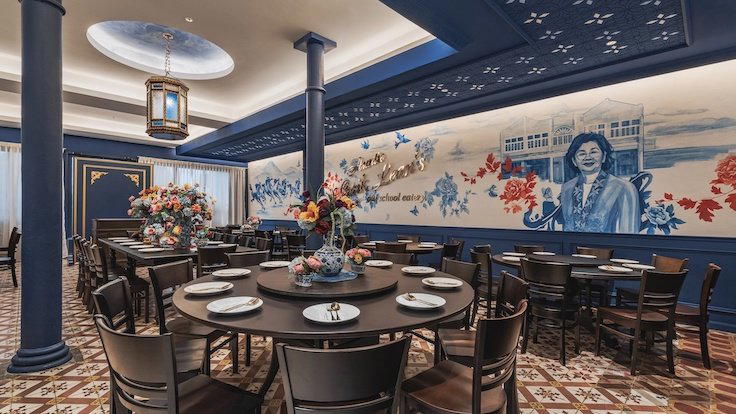
Malaysia's restaurant scene across other cities reflects different points on the same spectrum of influence. Dewakan in Kuala Lumpur represents the contemporary fine dining end of Malaysian identity, while Auntie Gaik Lean's Old School Eatery in George Town anchors the Peranakan heritage end of the local dining spectrum. The restaurant fits neither of those poles; it operates in the broad middle of daily-use community dining where authenticity is assumed rather than argued for.
Planning a Visit: What to Expect Logistically
The restaurant is located at 53 and 55 Penang Street in George Town, within walking distance of most of the heritage district's core points of interest. The restaurant draws consistent footfall from the surrounding commercial streets, and midday service, when the banana-leaf rice format is in full operation, tends to be the busiest period. Arriving early in the lunch window or allowing for a later sitting reduces the pressure of peak-hour seating. Walk-in service is standard for this category of South Indian restaurant in Malaysia, and there is no evidence that advance booking is the norm here.
Just the Basics
Comparable venues nearby, for context on price, style, and recognition.
| Venue | Cuisine | Price | Notes |
|---|---|---|---|
| Sri Ananda BahwanThis venue — the venue you are viewing | Little India, South Indian Banana Leaf | $ | Not listed |
| Air Itam Asam Laksa, Chong Char Koay Teow, and 888 Hokkien Mee | Not listed | $ | George Town, Traditional Penang Hokkien Noodles & Asam Laksa |
| Tek Sen Restaurant | George Town, Penang Chinese Zi Char | $$ | Not listed |
| Loong Fong Cafe | Not listed | $ | George Town, Pork-Free Traditional Penang Cafe |
| Au Jardin | Not listed | $$$ | George Town, Modern European fine dining with Malaysian produce |
| Ka Bee Cafe and Laksa Mamu | George Town, Penang Café | $ | Not listed |
At a Glance
- Rustic
- Lively
- Well Known
- Family
- Casual Hangout
- Historic Building
- Street Scene
Current opening hours
- Monday
- 7 AM–10:30 PM
- Tuesday
- 7 AM–10:30 PM
- Wednesday
- 7 AM–10:30 PM
- Thursday
- 7 AM–10:30 PM
- Friday
- 7 AM–10:30 PM
- Saturday
- 7 AM–10:30 PM
- Sunday
- 7 AM–10:30 PM
Hours can change for holidays and private events. Last verified .
Atmospheric South Indian neighborhood vibe with bustling, classic eatery feel.