Our verdict
A Penang institution in the tong sui tradition, Woong Kee Beancurd and Tong Sui Po serves the kind of soy-based sweets and silken tofu preparations that define the city's Chinese dessert culture. The setting is casual and communal, the prices accessible, and the menu rooted in Cantonese and Hokkien sweet-soup customs that have shaped Penang's late-night eating habits for generations.

Pearl is the En Primeur Club membership app — saves, bookings, and concierge access live there. Same editors, same standards.
- Address
- Penang, Malaysia
- Directions
- Get directions
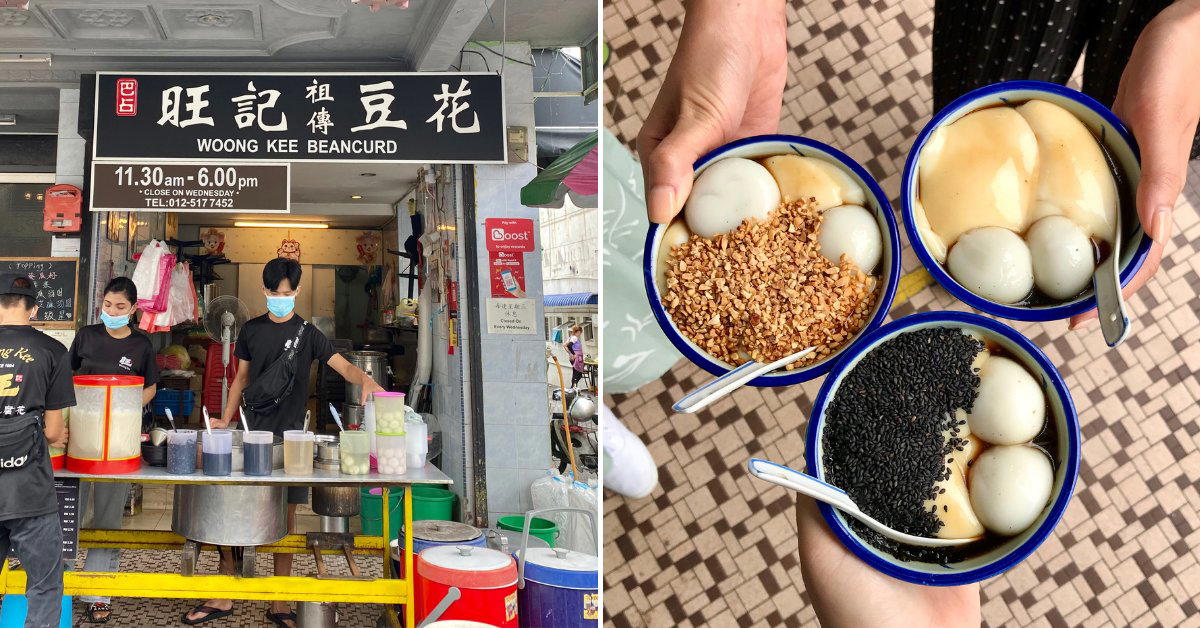
The menu
What to order
- Osmanthus Syrup Tau Foo Fah
- Brown Sugar Tau Foo Fah
- Black Sesame Rice Ball
- Soy Bean Milk
Penang's Tong Sui Tradition and Where Woong Kee Fits
In Penang, the hours between dinner and midnight belong to tong sui. These Chinese sweet soups and beancurd desserts occupy a culinary register that sits entirely outside the fine-dining conversation, yet they carry as much cultural weight as any hawker dish the city is known for. The tradition draws from Cantonese and Hokkien roots, where warm sweetened broths, silken tofu preparations, and red bean or barley soups serve as the default close to an evening meal, a late snack after a night market visit, or simple comfort on a humid evening. Woong Kee Beancurd and Tong Sui Po operates squarely within this tradition, representing the kind of specialist dessert house that Penang still sustains in numbers that most other Malaysian cities cannot match.
Understanding Woong Kee means understanding what tong sui shops do and do not do. They are not restaurants in any conventional sense. There are no mains, no wine lists, no dress considerations. The format is condensed: a focused repertoire of sweet soups and beancurd dishes, a casual environment, and a rhythm that accelerates after 9pm as the dinner crowd thins elsewhere and the dessert crowd begins. For visitors oriented toward Penang's hawker circuit, a tong sui stop is the natural punctuation at the end of an evening that might have started at Air Itam Asam Laksa, Chong Char Koay Teow, and 888 Hokkien Mee or wound through the lanes around ChinaHouse.
Beancurd in the Penang Context
Tau foo fah, the silken tofu dessert served warm with sugar syrup or ginger broth, is one of the most discussed items in Penang's Chinese dessert repertoire. The dish requires precise control of the soymilk coagulation process: too much coagulant and the texture turns rubbery; too little and it fails to set. The leading versions arrive trembling, barely holding their shape, and dissolve almost immediately against the palate.
Penang's Chinese dessert houses compete on narrower grounds than most diners expect. Sweetness levels, the fineness of the soy, the temperature of service, and the quality of the accompanying syrup are the differentiators that generate loyalty. It is a category where longevity and consistency matter more than innovation, which explains why the older shops in George Town and its surrounding areas continue to draw regulars despite the proliferation of newer cafes. Woong Kee sits in that traditionalist bracket, which positions it differently from the kind of modern dessert-cafe format that has spread across Malaysian cities.
The Setting and the Crowd
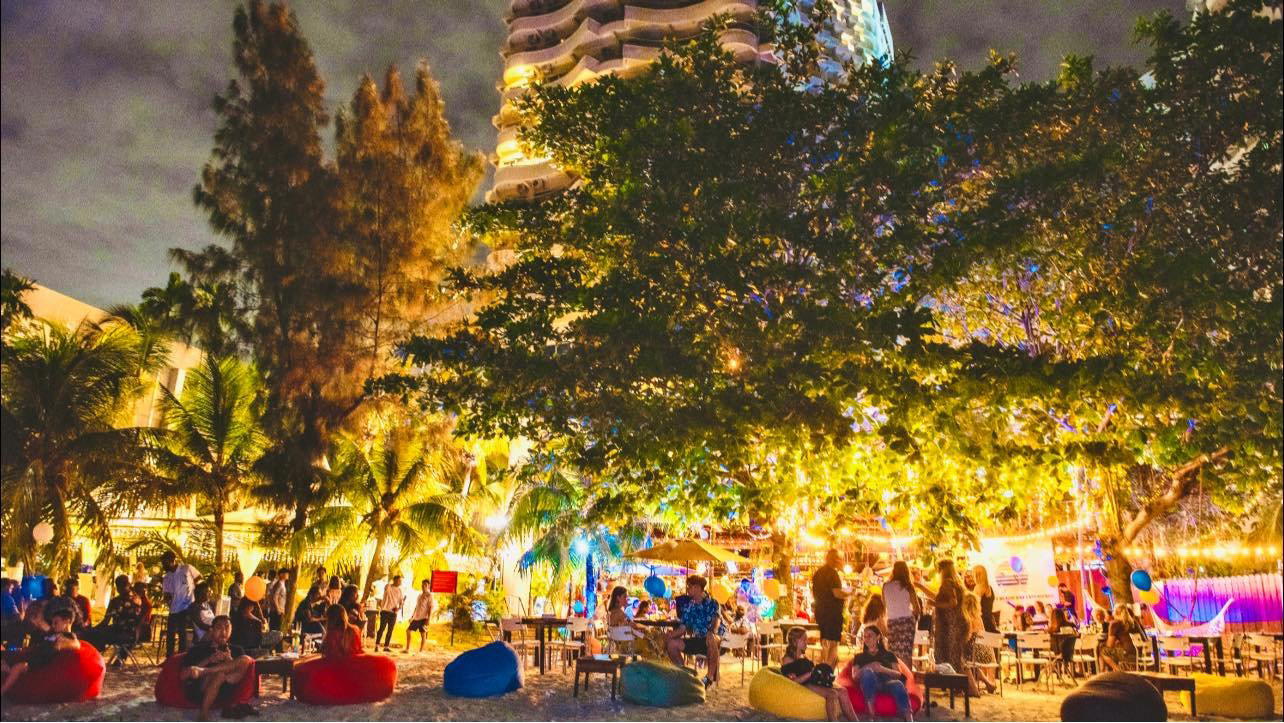
Tong sui shops in Penang rarely offer atmosphere in the designed sense. The setting at places like Woong Kee is functional: tables arranged for turnover, overhead lighting calibrated for operation rather than ambience, and service that moves efficiently because the menu is tight and the preparations are made in volume. This is not a criticism. It reflects a format where the food and the social habit of gathering late at night are the point, not the room. The crowd tends to be multi-generational, with families, young couples, and older regulars occupying the same space in a way that few other dining formats in the city produce. For visitors accustomed to stratified dining environments, the egalitarianism of a good tong sui shop is part of what makes it worth seeking out.
Penang's ability to sustain this kind of specialist dessert culture connects to the broader food infrastructure the city has maintained through decades of demographic stability in its older neighbourhoods. Where other Malaysian cities have seen traditional dessert shops displaced by shopping-mall food courts or chain cafes, Penang's George Town and surrounding areas continue to support independent operators with established local followings. Woong Kee is one example of a category that the city protects almost by collective habit. For those mapping Penang's food scene through our full Penang restaurants guide, the tong sui tier represents an essential register that more prominent hawker dishes sometimes overshadow.
Cultural Roots Worth Noting
Sweet soups in the Chinese culinary tradition carry functional as well as pleasurable associations. Many are understood within the framework of traditional Chinese medicine, where particular ingredients, such as white fungus, lotus seeds, red dates, or barley, serve warming or cooling functions depending on the season and the individual's constitution. This is not pseudoscience in the context of how Penang's Chinese community engages with tong sui: it is an inherited framework that shapes which dishes are ordered at which time of year, and why certain combinations appear together on menus. A shop serving both hot and cold versions of the same base preparation is not offering a gimmick; it is reflecting a system of food logic that the community has carried from Guangdong and Fujian provinces across generations of migration to Penang.
That heritage places Woong Kee in a longer lineage than its physical setting might suggest. The same cultural thread connects to dessert traditions across the region. Auntie Gaik Lean's Old School Eatery in George Town operates in a comparable register of preserved culinary heritage, as does Jia Yi Dao Vegetarian Restaurant in Taiping, which draws on similar Hokkien food traditions further north. The contrast with the more format-driven experiences found at DIN by Din Tai Fung in Sepang or the international scale of Haidilao in Malacca throws the independent, neighbourhood-anchored character of Penang's dessert houses into sharper relief. At the further end of the spectrum, the fine-dining ambitions of Dewakan in Kuala Lumpur or the precision of Le Bernardin in New York City and Atomix in New York City share no operational DNA with a tong sui shop, but they occupy the same food-culture argument: that what a place chooses to specialise in, and how it maintains that specialisation over time, is the measure of its credibility.
Planning a Visit
Woong Kee is the kind of place that fits into a Penang evening rather than anchoring it. Visit after dinner, later rather than earlier, when the pace of the shop picks up and the full range of preparations is in rotation. No booking is required or possible for a format of this type. Pricing sits at the accessible end of Penang's already affordable food scale, making it a low-commitment stop that delivers genuine cultural depth. Nearby options for those building a fuller evening include Jit Seng Roasted Duck Rice for a savoury course beforehand, or Ka Bee Cafe and Laksa Mamu if the itinerary runs toward the early evening. Those extending the trip into George Town's broader heritage dining circuit might also consider CRC Restaurant in Georgetown for a contrasting register. Dress is casual without qualification. Arrive prepared for basic seating and efficient service; neither is a shortcoming in a format where the product is the point.
Frequently asked questions
Is Woong Kee Beancurd and Tong Sui Po a family-friendly restaurant?
Yes. Tong sui shops in Penang are communal by nature, and Woong Kee fits that mold — the format suits all ages, with sweet soups and silken tofu that appeal across generations. The no-frills setting means there is no dress code or formality to navigate, and the pace is relaxed enough for groups of any size.
What kind of setting is Woong Kee Beancurd and Tong Sui Po?
Functional rather than designed. Woong Kee follows the template of Penang's tong sui trade: tables arranged for turnover, open-air or semi-open layout, and a crowd that ranges from post-dinner families to late-night regulars. The focus is entirely on the food, not the room.
How does Woong Kee Beancurd and Tong Sui Po fit into Penang's broader Chinese dessert scene?
Penang carries one of the most intact Chinese dessert traditions in Southeast Asia, sustained by its Hokkien, Teochew, and Cantonese communities. Woong Kee sits within that lineage as a tong sui specialist, a category that in Chinese culinary tradition carries both everyday and restorative associations. For visitors working through Penang's food culture, it represents the dessert end of an evening rather than a standalone destination.
What's the best thing to order at Woong Kee Beancurd and Tong Sui Po?
Tau foo fah — silken tofu served warm with sugar syrup or ginger broth — is the signature item that draws most visitors to beancurd-focused tong sui shops in Penang. Beyond that, the broader tong sui menu follows the Chinese sweet soup tradition, with options varying by season and availability.
Do I need a reservation for Woong Kee Beancurd and Tong Sui Po?
Tong sui shops in Penang, including Woong Kee, operate as walk-in venues by convention. Reservations are not part of the format. Later evening hours tend to draw a steady crowd, so arriving after the main dinner rush is a reasonable approach if you prefer a shorter wait.
What has Woong Kee Beancurd and Tong Sui Po built its reputation on?
Its standing in Penang rests on consistency within a specific category: beancurd desserts and Chinese sweet soups served during the late-evening hours that define the city's tong sui culture. In a food city where specialisation earns loyalty, Woong Kee is associated with doing one register of dessert well rather than offering a broad menu.
Budget and Context
| Venue | Cuisine | Price | Awards |
|---|---|---|---|
| Woong Kee Beancurd and Tong Sui PoThis venue — the venue you are viewing | Traditional Chinese Tong Sui / Beancurd Desserts | $1–10 | Not listed |
| Christoph's | Austrian & German Brasserie | $50–100 | Michelin Plate · Star Wine List |
| ChinaHouse | Trendy Fusion Cafe & Bakery | $10–20 | Not listed |
| Jit Seng Roasted Duck Rice | Hong Kong Roasted Duck Rice | $1–10 | Michelin Plate |
| La Vie | European with Asian Fusion Fine Dining | $50–100 | Not listed |
| Sri Ananda Bahwan | South Indian Banana Leaf | $1–10 | Not listed |


Details
- Classic
- Cozy
- Casual Hangout
- Late Night
- Solo
- Standalone
- A La Carte
- Tea
- Vegetarian Friendly
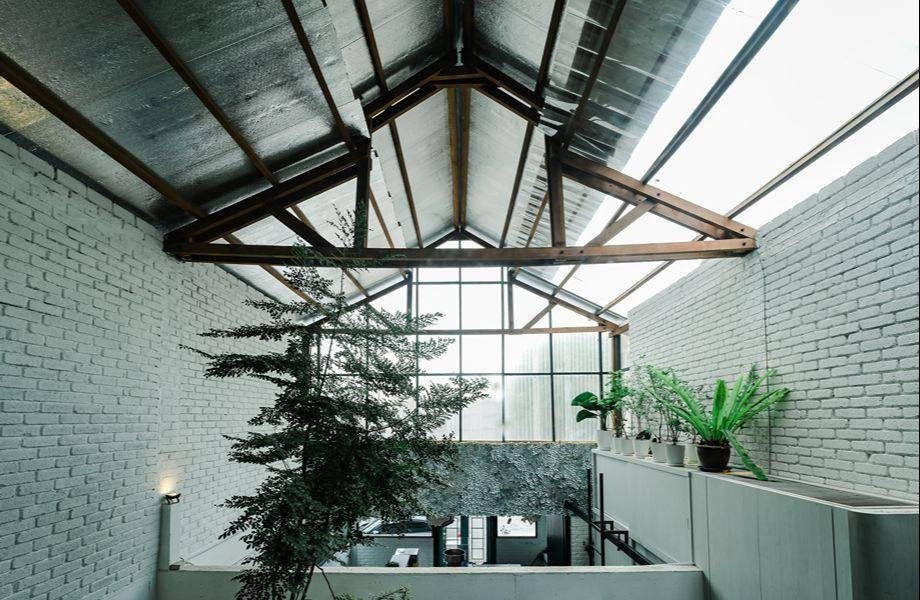
Casual, communal, and relaxed, with a simple neighborhood dessert-shop feel.