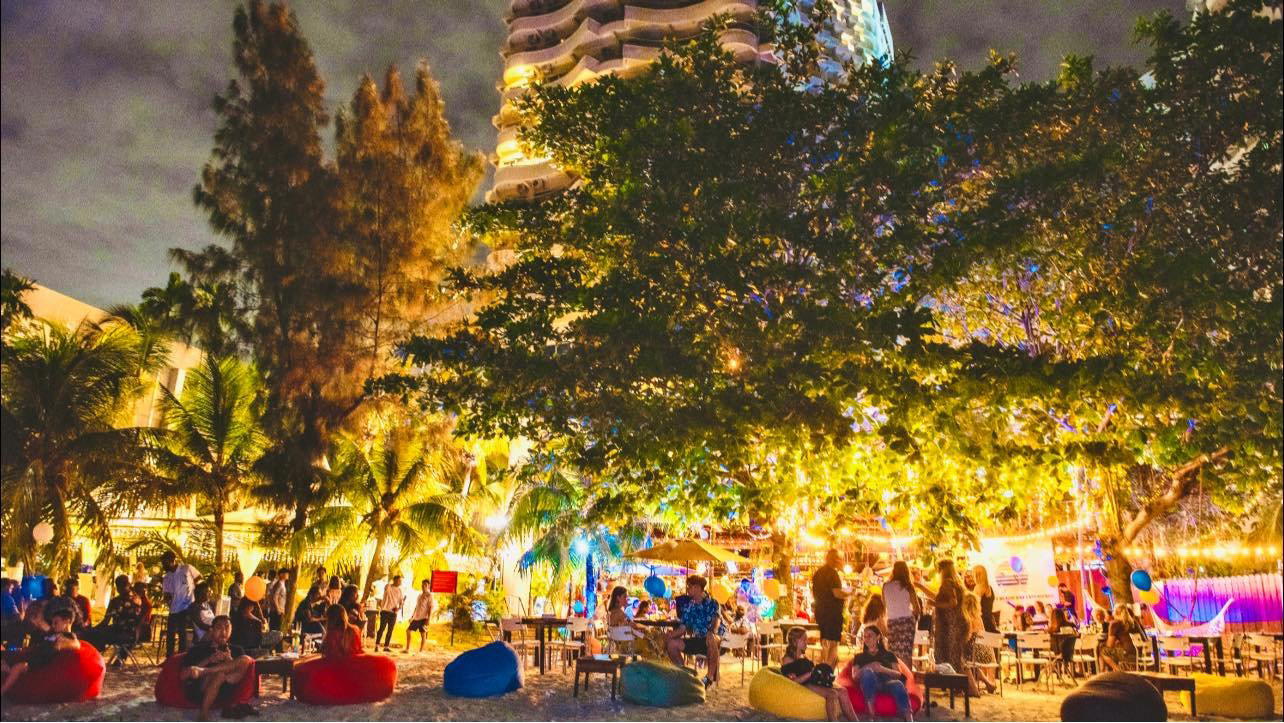
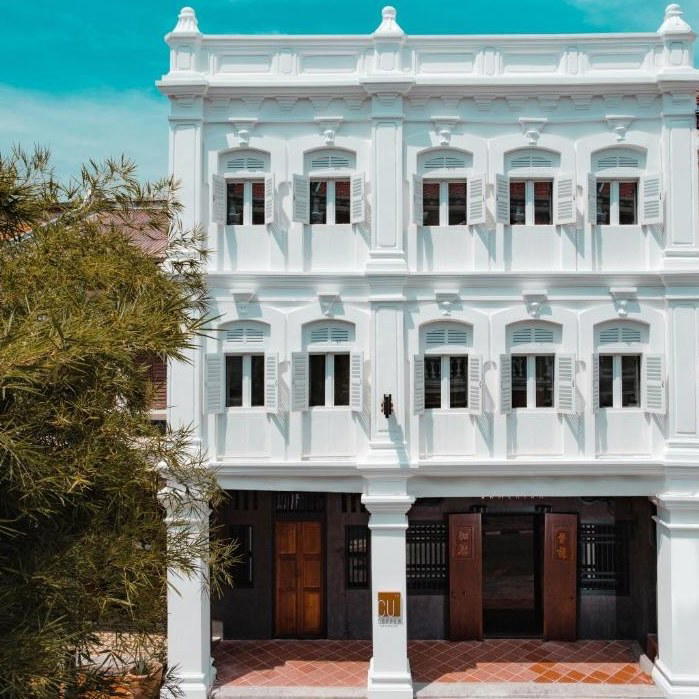
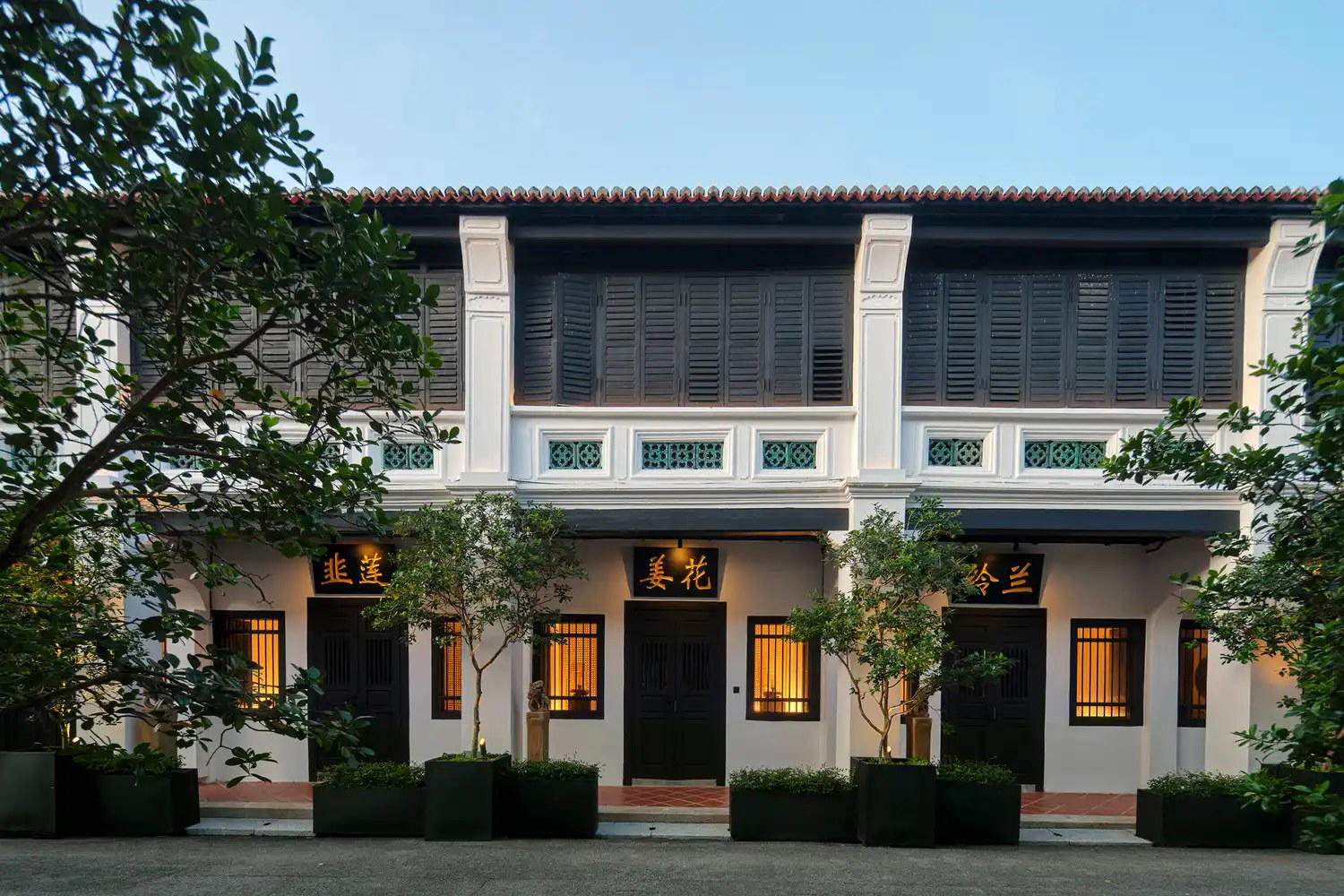
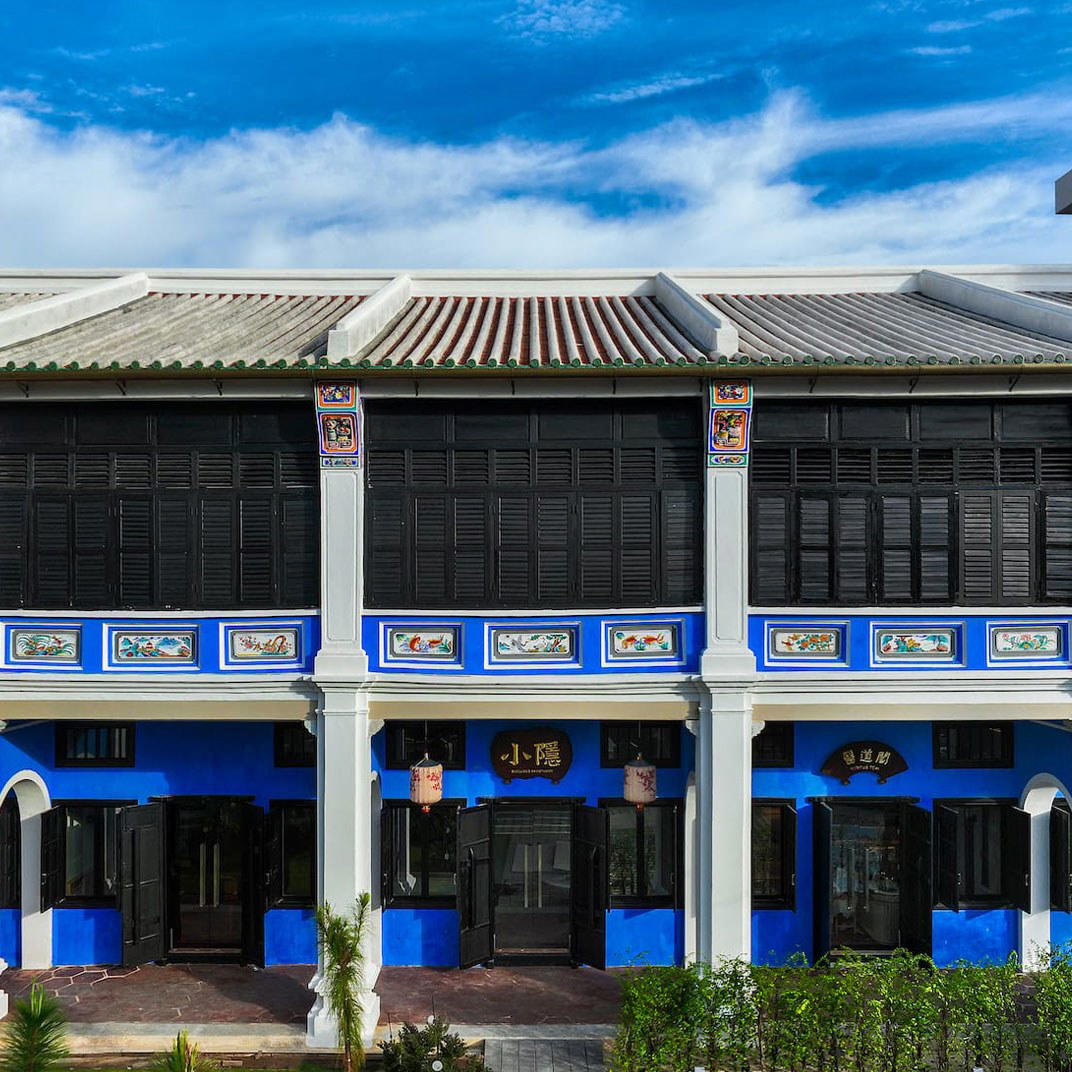
ChinaHouse occupies a cluster of pre-war shophouses on Beach Street in George Town, Penang, making it among the more architecturally layered gathering spaces in the city. The venue draws on the heritage fabric of its surroundings, functioning as a café, bakery, bar, and cultural space under one roof. It sits at the intersection of Georgetown's conservation district and its contemporary creative scene.
Pearl is the En Primeur Club membership app — saves, bookings, and concierge access live there. Same editors, same standards.
- Address
- 153, Beach St, Georgetown, 10300 George Town, Penang, Malaysia
- Phone
- +60147369645
- Website
- chinahouse.com.my
- Directions
- Get directions
 Saves & bookings on Pearl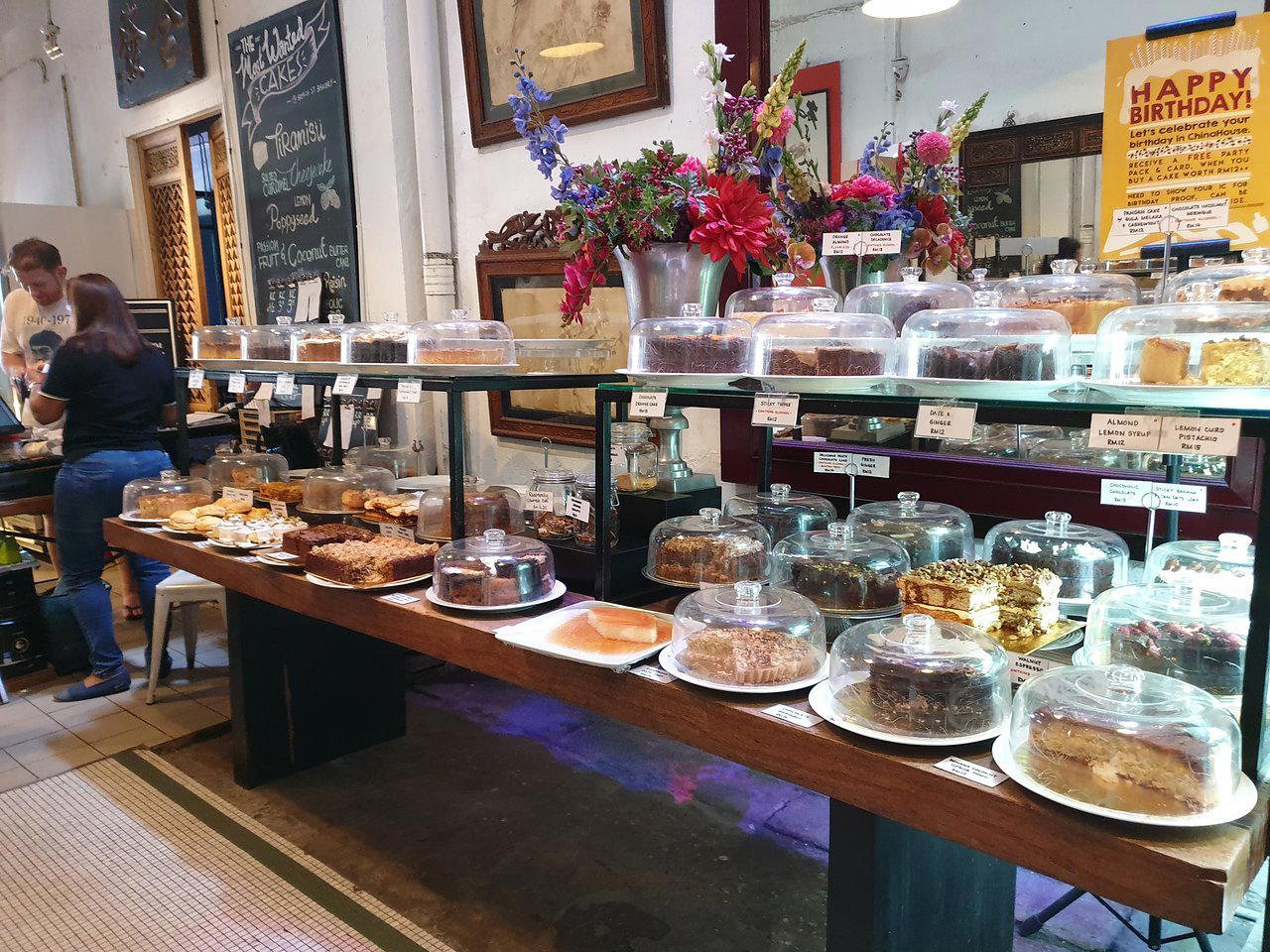
Pre-War Bones, Present-Tense Penang
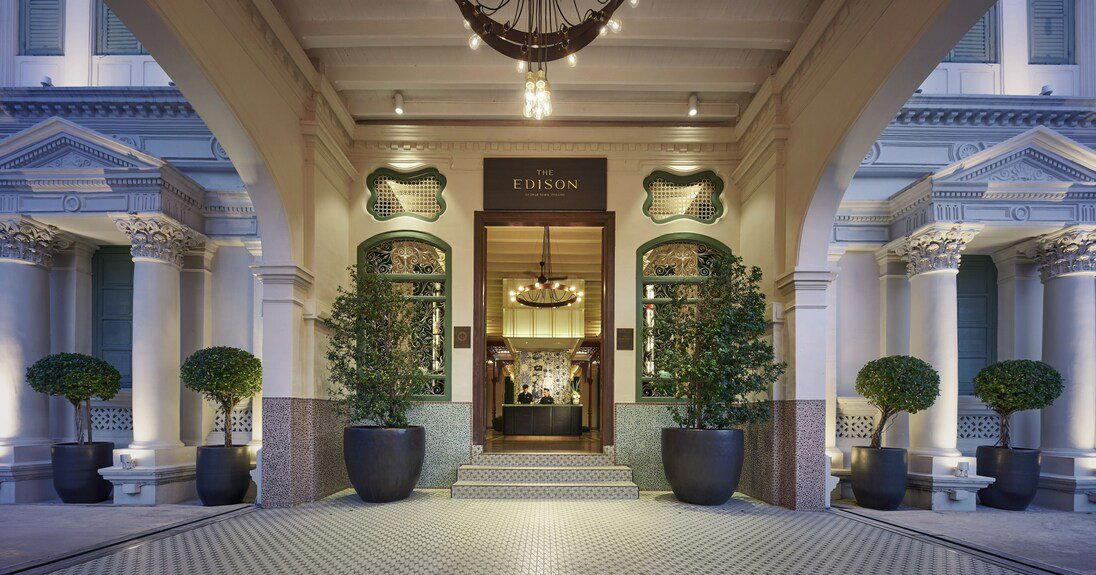
Beach Street in George Town runs parallel to the waterfront, and for much of its length it reads like a compressed timeline of Penang's commercial history: colonial banking facades, clan house remnants, and the slow conversion of ground-floor spaces into something the neighbourhood's original occupants would not have anticipated. ChinaHouse, at number 153, occupies a run of interconnected pre-war shophouses that gives it more interior volume than almost any other heritage venue in the conservation district. Walking through its successive rooms, each with its own ceiling height, light quality, and function, shows how George Town's built environment has been repurposed rather than replaced.
That architectural layering is not incidental to what ChinaHouse offers. In a city where the tension between preservation and commerce plays out on nearly every block, the venue represents a particular answer: retain the bones, activate the interior with something genuinely local. George Town earned UNESCO World Heritage status in 2008, and the years since have seen a range of responses to that designation, from boutique hotels to street art trails. ChinaHouse sits in the category of spaces that treat heritage as a framework rather than a costume.
What the Kitchen Is Working With
One useful angle on ChinaHouse is where the ingredients originate and what that says about Penang's broader food culture. George Town is the kind of city where provenance is embedded in the food at a granular level: the particular shrimp paste from one kampung, the flat rice noodles made by a family supplier in a specific part of Seberang Perai, the rempah ground fresh each morning rather than bought pre-mixed. That local sourcing culture is the water in which places like ChinaHouse swim.
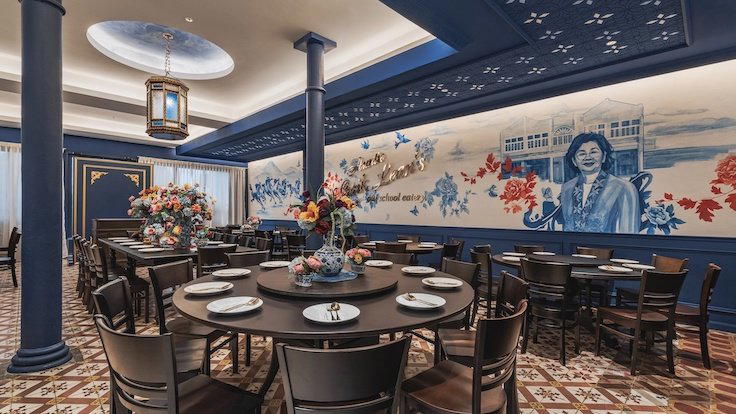
Penang's food identity is assembled from distinct ethnic and regional streams, Hokkien, Hakka, Peranakan, Malay, Tamil, and the raw materials that define each tradition come from a dense network of small producers and market traders. Visiting Auntie Gaik Lean's Old School Eatery in George Town shows how much Peranakan cooking depends on sourcing pandan, galangal, and candlenut from long-standing wet market suppliers. The same logic applies across the city's food economy. Venues that position themselves at the contemporary end of Penang dining, which ChinaHouse does, at least in part, through its bakery and café functions, have to decide how far to reach into that local supply web.
ChinaHouse's bakery output is one legible part of this equation. Penang has a strong tradition of artisan bread and pastry that traces through its Hainanese coffee-shop culture and the Peranakan kuih tradition. When a venue in the heritage district produces its own baked goods, it is participating in a conversation about what local craft looks like in a contemporary format, not simply replicating hawker staples, but not importing foreign references wholesale either. That middle register is where interesting food decisions in George Town currently happen.
Where ChinaHouse Sits in George Town's Dining Picture
George Town's restaurant scene splits broadly between hawker-format specialists who do one thing at a precise standard and multi-function venues that occupy a wider social bandwidth. Jit Seng Roasted Duck Rice and Air Itam Asam Laksa, Chong Char Koay Teow, and 888 Hokkien Mee sit firmly in the first category: narrow focus, high execution, decades of refinement. ChinaHouse operates in the second category, functioning at different times as a morning café, afternoon bakery, event space, and evening bar. That breadth is both its appeal and the lens through which it should be assessed, not as a direct competitor to the hawker specialists, but as a different kind of institution serving a different kind of need.
At the contemporary end of Penang's dining range, Christoph's and La Vie occupy more focused fine-dining positions. Ka Bee Cafe and Laksa Mamu represents the casual-café end of the spectrum. ChinaHouse sits across several of these registers simultaneously, which makes peer comparison complicated but also explains its consistent draw for visitors who want a single address that works across multiple parts of the day.
Across Malaysia more broadly, the question of how to build a contemporary food venue around local ingredient networks has been explored most explicitly at places like Dewakan in Kuala Lumpur, where sourcing from indigenous Malaysian producers became the structural principle of the menu. ChinaHouse operates at a different register and without that level of programmatic commitment, but the underlying question, what does it mean to cook in Malaysia from Malaysian materials, runs through both.
Planning a Visit
ChinaHouse is located at 153 Beach Street in George Town, within walking distance of the main heritage zone and easily reached on foot from the ferry terminal. The multi-room format means the experience shifts depending on where you position yourself and at what time of day: the bakery counter draws a morning crowd, the bar section comes into its own later, and the gallery and event spaces operate on their own programming calendar. For visitors approaching Penang as a food city, it functions well as an orientation point before moving into more specialist territory. Those planning broader itineraries across Malaysia's west coast should also consider Bismillah Cendol in Taiping and BM Cathay Pancake in Seberang Perai as part of the regional picture. For the full context on where ChinaHouse sits among George Town's options, our full Penang restaurants guide maps the city's dining options in more detail.
Quick Comparison
Comparable venues nearby, for context on price, style, and recognition.
| Venue | Cuisine | Price | Notes |
|---|---|---|---|
| ChinaHouseThis venue — the venue you are viewing | Trendy Fusion Cafe & Bakery | $$ | Not listed |
| Tek Sen Restaurant | Penang Chinese Zi Char | $$ | George Town |
| Air Itam Asam Laksa, Chong Char Koay Teow, and 888 Hokkien Mee | Traditional Penang Hokkien Noodles & Asam Laksa | $ | George Town |
| Penang Road Famous Laksa and Penang Road Famous Teochew Chendul | Traditional Penang Assam Laksa | $ | George Town |
| La Vie | European with Asian Fusion Fine Dining | $$$ | George Town |
| Jit Seng Roasted Duck Rice | Peking Roast Duck Rice | $ | George Town |
At a Glance
- Trendy
- Bohemian
- Modern
- Cozy
- Casual Hangout
- Brunch
- Late Night
- Courtyard
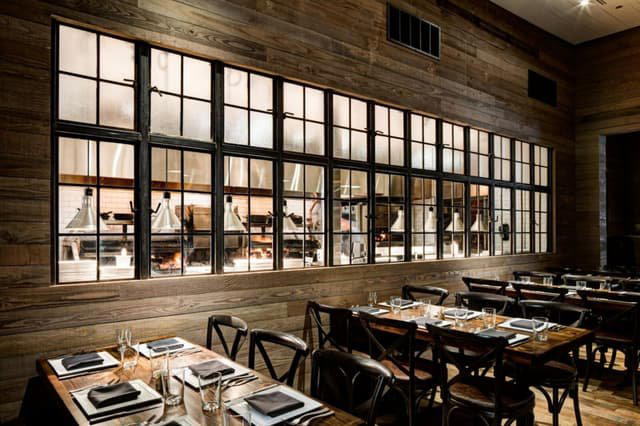
- Open Kitchen
- Historic Building
Current opening hours
- Monday
- 10 AM–12:30 AM
- Tuesday
- 10 AM–12:30 AM
- Wednesday
- 10 AM–12:30 AM
- Thursday
- 10 AM–12:30 AM
- Friday
- 10 AM–12:30 AM
- Saturday
- 10 AM–12:30 AM
- Sunday
- 10 AM–12:30 AM
Hours can change for holidays and private events. Last verified .
Hip and uber stylish interiors in heritage houses with relaxed bohemian vibes, open air courtyard, art murals, and creative atmosphere.