Jit Seng Roasted Duck Rice serves Peking Roast Duck Rice at 246, Lebuh Carnarvon in George Town, with counter service and a quick lunch pace.
Pearl is the En Primeur Club membership app — saves, bookings, and concierge access live there. Same editors, same standards.
- Address
- 246, Lebuh Carnarvon, George Town, 10450 George Town, Pulau Pinang, Malaysia
- Phone
- +60164561019
- Website
- m.facebook.com
- Directions
- Get directions
 Saves & bookings on Pearl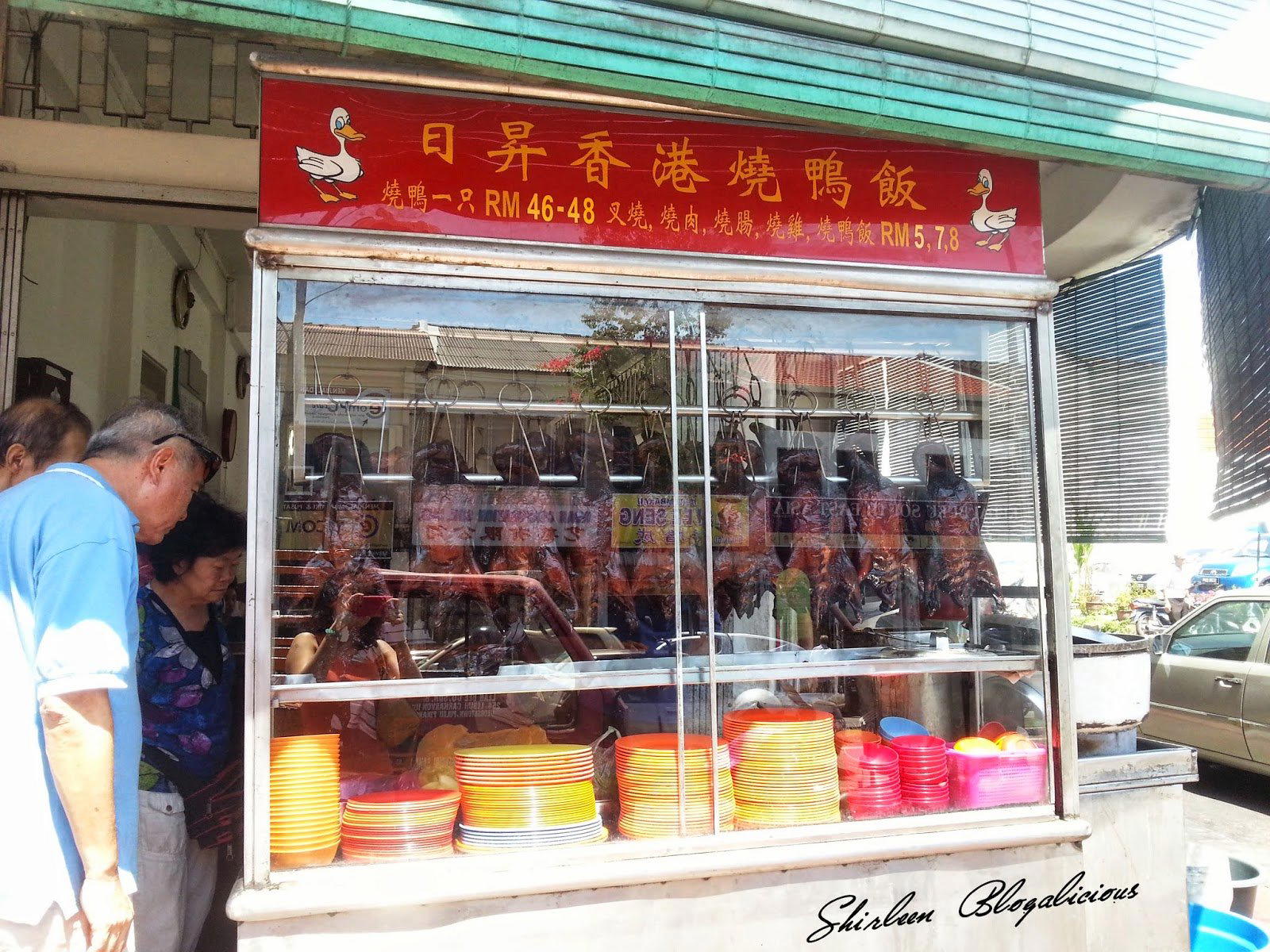
Carnarvon Street at Peak Hours
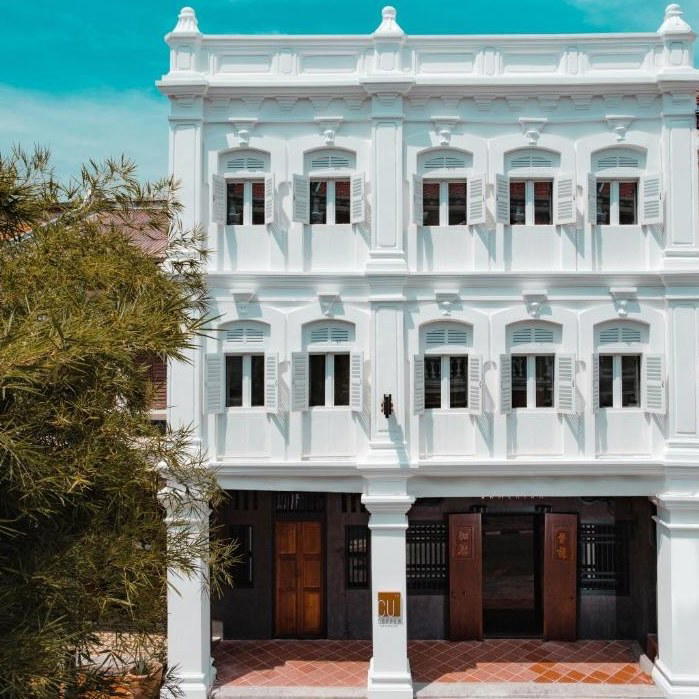
Lebuh Carnarvon runs through the dense commercial grid of George Town's old Chinese quarter, a street where five-foot-ways stay busy from breakfast through early afternoon and the competition for pavement space between motorcycles, market traders, and hungry regulars is part of the daily choreography. Jit Seng Roasted Duck Rice is a casual, walk-in-friendly restaurant in George Town, Penang, serving Peking Roast Duck Rice at 246, Lebuh Carnarvon. The smell of roasted duck fat and char siu reaches the pavement before the stall does. This is a neighbourhood that does not need to advertise. The foot traffic is the advertisement.
George Town's roast meat trade follows a pattern common across Chinese-majority cities in Malaysia and Singapore: a core of longstanding family-run stalls, each serving a compressed menu of roasted duck, char siu, and soy-poached chicken over rice, with differentiation arriving through fat rendering, skin lacquer, and the balance of the accompanying dark sauce. In Penang specifically, these stalls operate within a dense competitive field where reputation travels by word of mouth and queues function as the primary quality signal. Jit Seng sits inside that tradition, on a street that concentrates several of George Town's most-referenced hawker addresses within a short walk.
The Broader Roast Meat Context in George Town
Penang's food culture draws frequent comparison to Hong Kong's in the way it has preserved techniques and formats that have been diluted or priced out of other cities. The Cantonese roast meat tradition, in particular, has maintained a shophouse presence in George Town that is harder to find in Kuala Lumpur's more commercially stratified food scene. Where Kuala Lumpur has produced ambitious contemporary Malaysian cooking, as seen at Dewakan in Kuala Lumpur, Penang's older districts have held to formats that prioritise volume, consistency, and price accessibility over dining room design.
The roasted duck rice format itself is deceptively simple to describe and genuinely difficult to execute at the level that sustains a loyal lunchtime crowd over years or decades. The duck must be roasted to render subcutaneous fat without drying the breast meat; the skin requires a lacquered finish that holds through the chopping and plating process; the rice, cooked in stock or with rendered drippings, carries as much weight as the protein. Stalls that get all three right tend to develop the kind of repeat patronage that makes them reference points in their neighbourhood rather than casual stops.
George Town's inner heritage zone, where Carnarvon Street sits, concentrates a disproportionate share of these reference-point stalls. The area's UNESCO World Heritage designation in 2008 created both a tourism floor that sustains foot traffic and a preservation pressure that has, in some cases, kept rents and format changes slower than in undesignated commercial areas. For a hawker stall operating within a shophouse on a street like Carnarvon, that context matters: the built environment around Jit Seng has remained relatively stable compared to more commercially redeveloped parts of the city.
For a broader view of what George Town's food culture encompasses across registers, from street level through to sit-down dining, Auntie Gaik Lean's Old School Eatery in George Town represents the Nyonya side of the same heritage-zone conversation, while ChinaHouse operates at the intersection of the café culture and art space category that the heritage zone has also produced. Christoph's and La Vie represent George Town's fine-dining tier, a cohort with a different competitive logic entirely. Jit Seng belongs to the foundational layer that all of these operate above.
Planning Around the Format
For Jit Seng, logistics matter most. Roasted duck rice stalls in Penang operate on the rhythm of the meat supply: when the duck runs out, service ends. This is not a format where a reservation buys you a table at 8pm. It is a format where arrival time determines whether you eat what you came for. Regulars know this. First-time visitors frequently do not.
The practical implication is that peak lunch service, roughly from late morning through early afternoon, carries the highest risk of sell-out and the highest concentration of neighbourhood regulars. Arriving at or before the opening window is the functional equivalent of booking in other formats. There is no reservation system here. The queue, or its absence, is the only booking signal available.
For visitors already oriented in George Town's hawker geography, Carnarvon Street offers enough density to make a missed stall at one address recoverable at the next. Air Itam Asam Laksa, Chong Char Koay Teow, and 888 Hokkien Mee represents the kind of multi-format cluster that characterises Penang's hawker streets at their most concentrated. Ka Bee Cafe and Laksa Mamu sits in a different neighbourhood format, offering a useful comparison point for how the same city's hawker culture expresses differently by district.
Within Malaysia more broadly, the roast meat stall format has counterparts across states and city types. CRC Restaurant in Georgetown operates in a different register of the same city's Chinese dining scene. Further afield, Jia Yi Dao Vegetarian Restaurant in Taiping and Da De Bah Kut Teh in Borneo illustrate how Chinese Malaysian food traditions diverge significantly once you move beyond the peninsula's northwest coast. The international reference points are even more distant: the precision-led tasting menu culture of Le Bernardin in New York City or Atomix in New York City occupies a parallel universe of dining logic.
Comparable Spots, Quickly
Comparable venues nearby, for context on price, style, and recognition.
| Venue | Cuisine | Price | Notes |
|---|---|---|---|
| Jit Seng Roasted Duck RiceThis venue — the venue you are viewing | Peking Roast Duck Rice | $ | Not listed |
| Loong Fong Cafe | Pork-Free Traditional Penang Cafe | $ | George Town |
| OO White Coffee, Tiger Char Kway Teow, Gow Thew Chik Hainana Chicken Rice | Traditional Penang Kopitiam Breakfast | $ | George Town |
| Woong Kee Beancurd and Tong Sui Po | Traditional Chinese Beancurd Desserts | $ | Penang |
| Air Itam Asam Laksa, Chong Char Koay Teow, and 888 Hokkien Mee | Traditional Penang Hokkien Noodles & Asam Laksa | $ | George Town |
| Nasi Kandar Deen Mutiara, Padang Tembak Claypot, and Loh Kei Duck Meat | Penang Nasi Kandar | $ | George Town |
At a Glance
- Well Known
- Rustic
- Casual Hangout
- Group Dining
- Open Kitchen
Current opening hours
- Monday
- 8 AM–5 PM
- Tuesday
- 8 AM–5 PM
- Wednesday
- 8 AM–5 PM
- Thursday
- 8 AM–5 PM
- Friday
- 8 AM–5 PM
- Saturday
- 8 AM–5 PM
- Sunday
- 8 AM–5 PM
Hours can change for holidays and private events. Last verified .
Bustling, casual hawker stall atmosphere with communal seating; customers queue continuously during lunch hours; simple, no-frills setting with energetic service.