TEATRO Restaurant at the Arsht
TEATRO Restaurant at the Arsht occupies a defining position on Biscayne Boulevard, where Miami's performing arts corridor meets serious dining. Set inside the Adrienne Arsht Center complex, the restaurant draws a crowd that moves between curtain calls and courses, placing it inside a small national category of cultural-institution dining that earns its own reputation apart from the stage next door.
Pearl is the En Primeur Club membership app — saves, bookings, and concierge access live there. Same editors, same standards.
- Address
- 1300 Biscayne Blvd, Miami, FL 33132
- Phone
- +17864682366
- Website
- constellationculinary.com
- Directions
- Get directions
 Saves & bookings on Pearl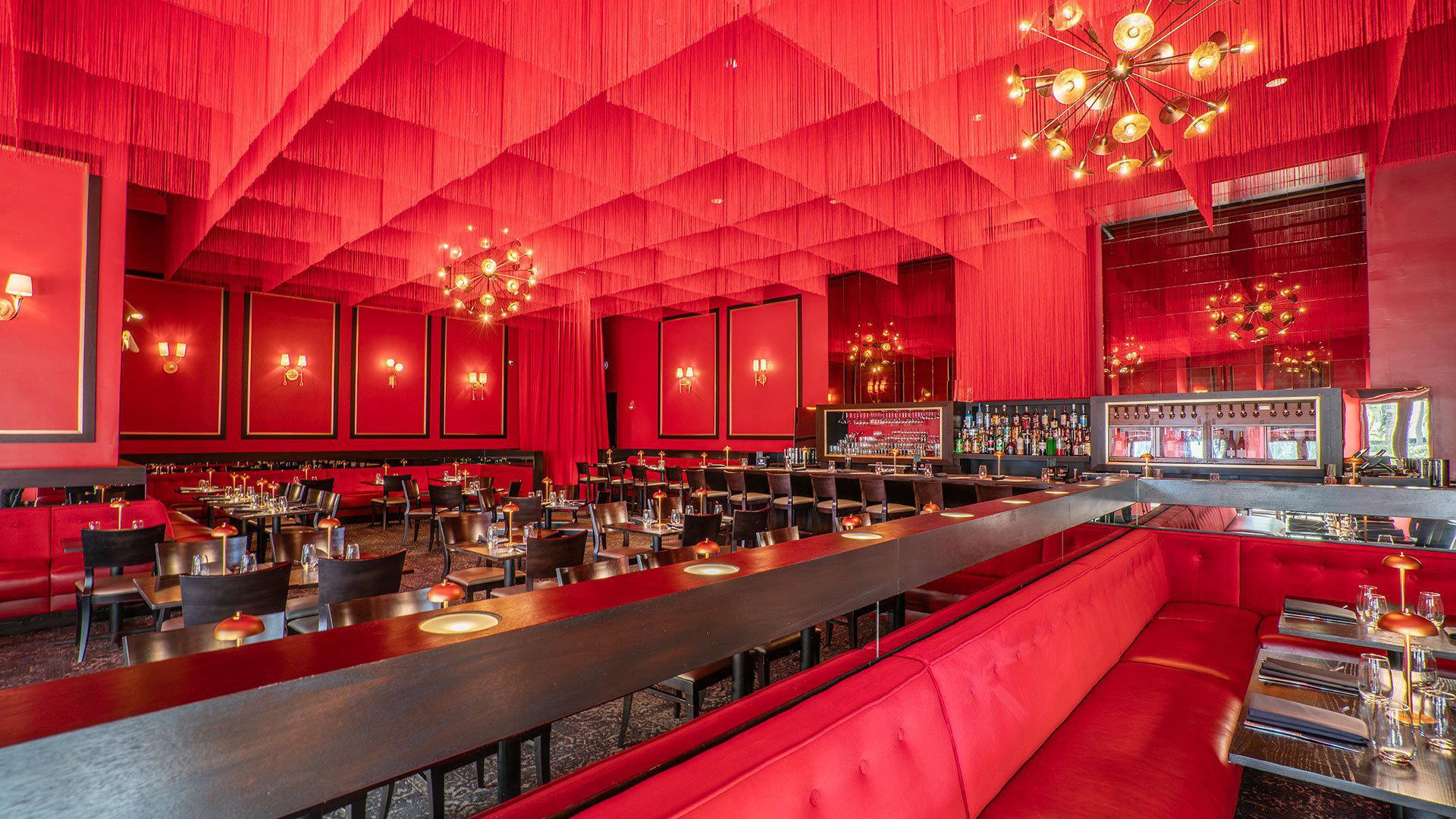
Where the Arts District Meets the Table
Biscayne Boulevard's transformation from traffic corridor to cultural address took roughly two decades, and the Adrienne Arsht Center anchored much of that shift. TEATRO Restaurant at the Arsht is a restaurant in Miami at 1300 Biscayne Blvd, with a price tier around $70 per person and a smart casual dress code.
That address matters more than it might first appear. Miami's dining geography has long clustered around Wynwood, the Design District, and South Beach, with Biscayne's cultural corridor functioning as a separate circuit. A restaurant embedded in the Arsht complex draws from a different crowd than Boia De in its compact Little Haiti space or Cote Miami in Brickell. The Arsht's footfall is occasion-driven, which shapes both what the kitchen needs to deliver and how front-of-house manages the rhythm of an evening.
The Logic of the Cultural-Institution Dining Tier
Across the United States, a specific category of restaurant has emerged inside or adjacent to major performing arts venues. These are not hotel lobby restaurants, nor direct event-catering operations. They occupy a harder position: expected to function as independent dining destinations while serving the logistical demands of pre-curtain seatings, interval service, and post-performance crowds on unpredictable timelines. The operational pressure this creates separates serious programs from ceremonial ones.
What distinguishes the programs that earn their own reputations is usually the degree to which kitchen, sommelier, and floor work as an integrated unit rather than three departments running parallel tracks. A sommelier who cannot read a pre-theater table and adjust pacing accordingly, or a floor team that does not communicate kitchen timing to guests managing curtain calls, collapses the entire premise of the dining experience. At this tier, the team dynamic is the product.
Miami's broader fine-dining tier has demonstrated that this integration is achievable: Ariete in Coconut Grove and ITAMAE have both built reputations around coherent programs where cooking and hospitality operate in alignment. The question for any arts-district dining room is whether it can hold that standard against the additional variable of performance scheduling.
Miami in the National Fine-Dining Conversation
That reading is now outdated. A tier of restaurants with genuine culinary identity has developed, some with national-level recognition, and Miami now participates in the same conversation as cities with deeper dining histories.
The reference points within that national conversation are instructive. Programs like Le Bernardin in New York City and The French Laundry in Napa have set standards for what integrated kitchen-and-floor teamwork looks like at the highest tier. On the West Coast, Providence in Los Angeles and Single Thread Farm in Healdsburg demonstrate how a unified service philosophy shapes the entire guest experience, not just plate quality. Closer to Miami's geography, Emeril's in New Orleans showed for years how a restaurant anchored to a cultural identity could sustain a dining reputation independent of any single chef's celebrity cycle.
Programs like Lazy Bear in San Francisco, Alinea in Chicago, and Atomix in New York City have each demonstrated how a restaurant can develop a distinct identity through the discipline of its entire team rather than the signature of a single figure. Blue Hill at Stone Barns in Tarrytown, Addison in San Diego, and The Inn at Little Washington add further evidence that venue-embedded dining, when executed with rigor, can exceed the reputation of its physical context. Even internationally, restaurants like 8 1/2 Otto e Mezzo Bombana in Hong Kong and L'Atelier de Joël Robuchon Miami demonstrate that format and team discipline are the variables that separate institution-adjacent dining from genuinely independent restaurant identity.
The Team Dynamic as the Real Menu
Pre-theater service windows compress timelines in ways that expose any misalignment between kitchen output and floor management. A kitchen running behind on a first course when the curtain rises at eight is not a minor service hiccup; it is a broken promise to the guest. Conversely, a floor team that can read a table's timeline and communicate it to the kitchen, adjusting pacing, sequencing wine service, signaling when to hold or accelerate, converts a logistical constraint into a demonstration of craft.
The sommelier's role inside this context is particularly revealing. Wine service at a pre-theater table demands a different calculus than at a leisurely weekend dinner: selections need to reward the guest without requiring extended deliberation, pairings need to work across the tempo of a compressed meal, and the sommelier's reading of the table needs to happen in the first two minutes of service rather than over the course of an hour. Programs that handle this well tend to have sommeliers who function as floor collaborators rather than independent specialists.
Miami's dining scene includes examples of this integration working at a high level. The question worth asking of any restaurant in the Arsht's position is whether the team has built the internal communication systems that make it possible consistently, across the full range of a week's service, not just on a good Friday night.
Planning Your Visit
Know Before You Go
- Address: 1300 Biscayne Blvd, Miami, FL 33132
- Setting: Inside the Adrienne Arsht Center complex, Biscayne Boulevard arts corridor
- Timing: Pre-theater bookings are standard; confirm evening performance schedules at the Arsht Center when planning your reservation
- Parking: The Arsht Center has structured parking garages accessible from Biscayne Blvd, confirm availability on performance nights when garage demand peaks
Category Peers
Comparable venues nearby, for context on price, style, and recognition.
| Venue | Cuisine | Price | Notes |
|---|---|---|---|
| TEATRO Restaurant at the ArshtThis venue — the venue you are viewing | New American with European and Latin Influences | $$$$ | Not listed |
| Dasher & Crank | Craft Ice Cream & Desserts | $$$ | Midtown |
| Alter | Progressive American | $$$ | Miami Fashion District |
| HOUSE OF FOOD PORN | Avant-Garde Shushi Fusion | $$$$ | Little Haiti |
| Cream Parlor | Homemade Ice Cream & Cafe | $$ | Shorecrest |
| News Cafe | American Café & Brunch | $$$ | Miami Beach / South Beach / Ocean Drive |
Continue exploring
More in Miami
Restaurants in Miami
Browse all →

At a Glance
- Elegant
- Sophisticated
- Well Known
- Date Night
- Special Occasion
- Business Dinner
- Hotel Restaurant
- Historic Building
- Open Kitchen
- Craft Cocktails
- Extensive Wine List
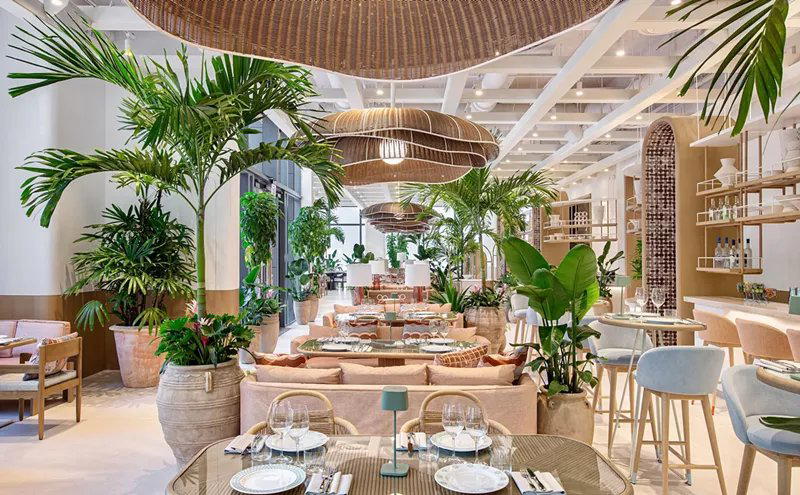
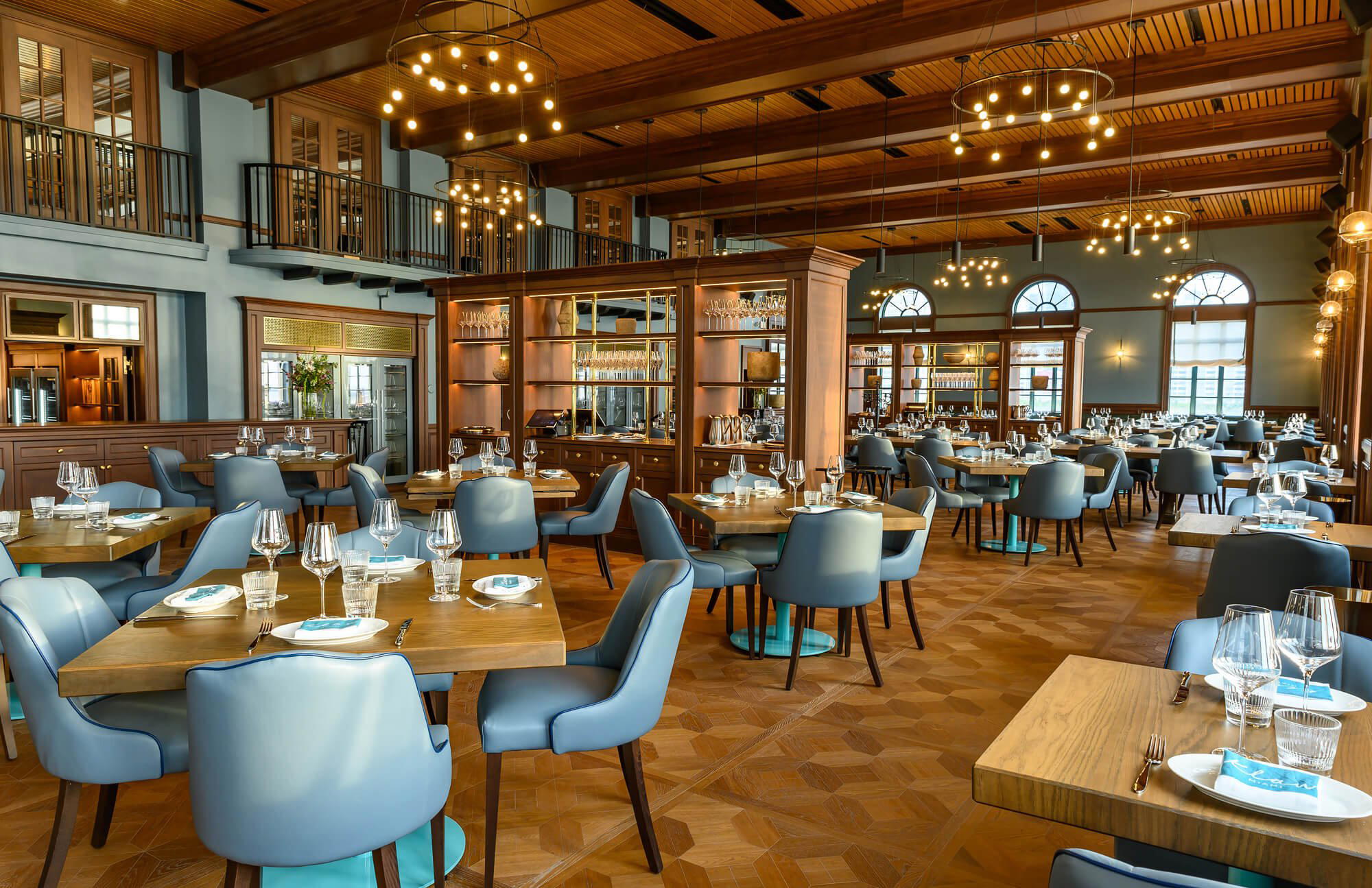
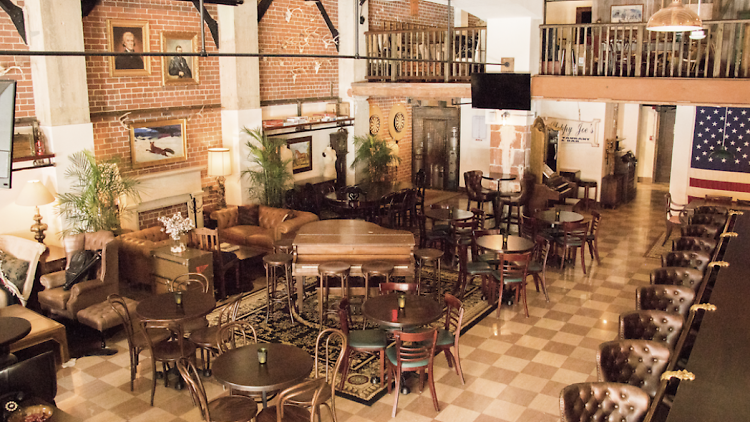
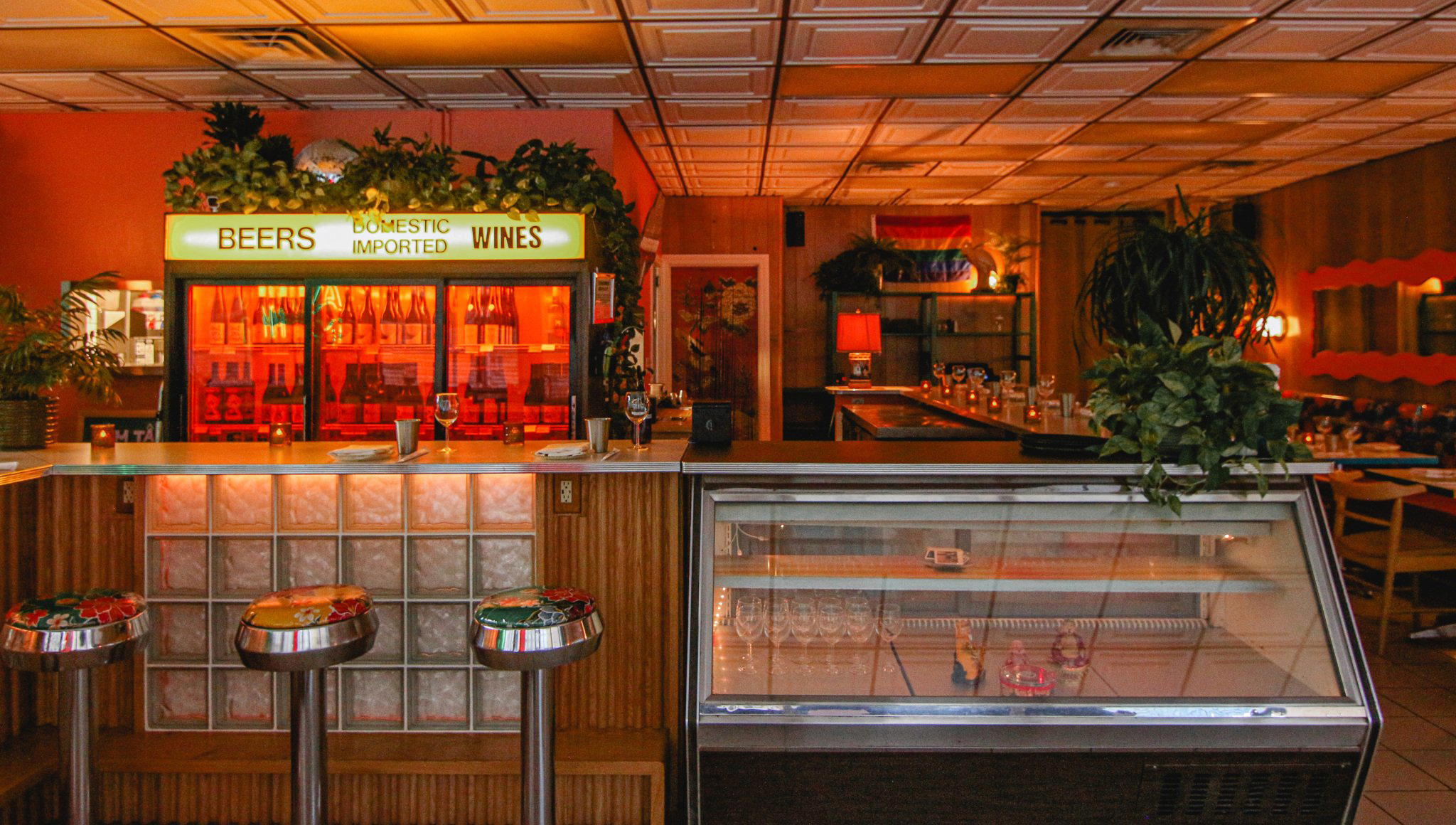
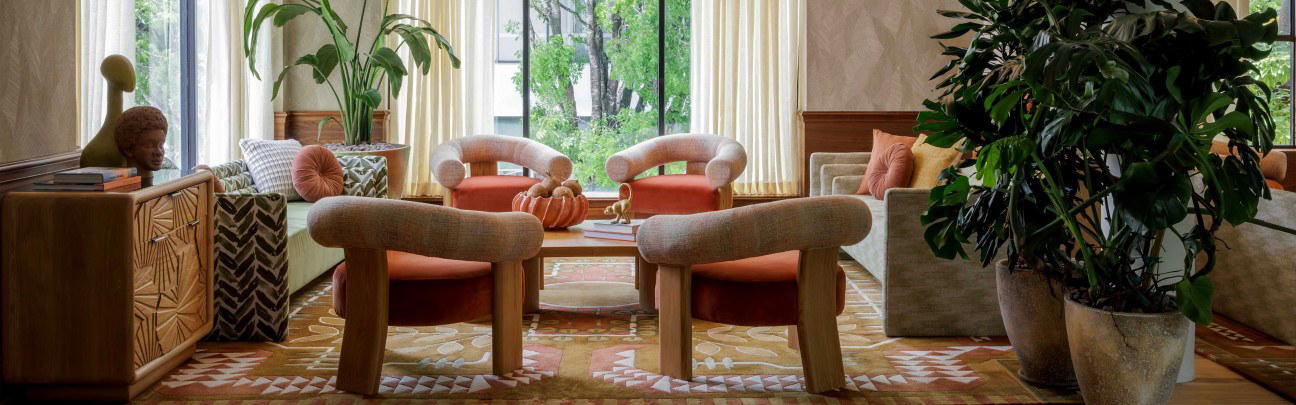
Striking red color palette evoking theater curtains, immersive and elegant atmosphere with bold, avant-garde design.