Roka Akor
Roka Akor sits at 801 Montgomery St in San Francisco's Jackson Square, where the robata grill format has found its footing among the city's serious dining tier. The restaurant draws on Japanese yakitori and robatayaki tradition while operating in a market that now expects both technical precision and a considered drinks program alongside the fire-cooked menu.
Pearl is the En Primeur Club membership app — saves, bookings, and concierge access live there. Same editors, same standards.
- Address
- 801 Montgomery St, San Francisco, CA 94133
- Phone
- +14153628887
- Website
- rokaakor.com
- Directions
- Get directions
 Saves & bookings on Pearl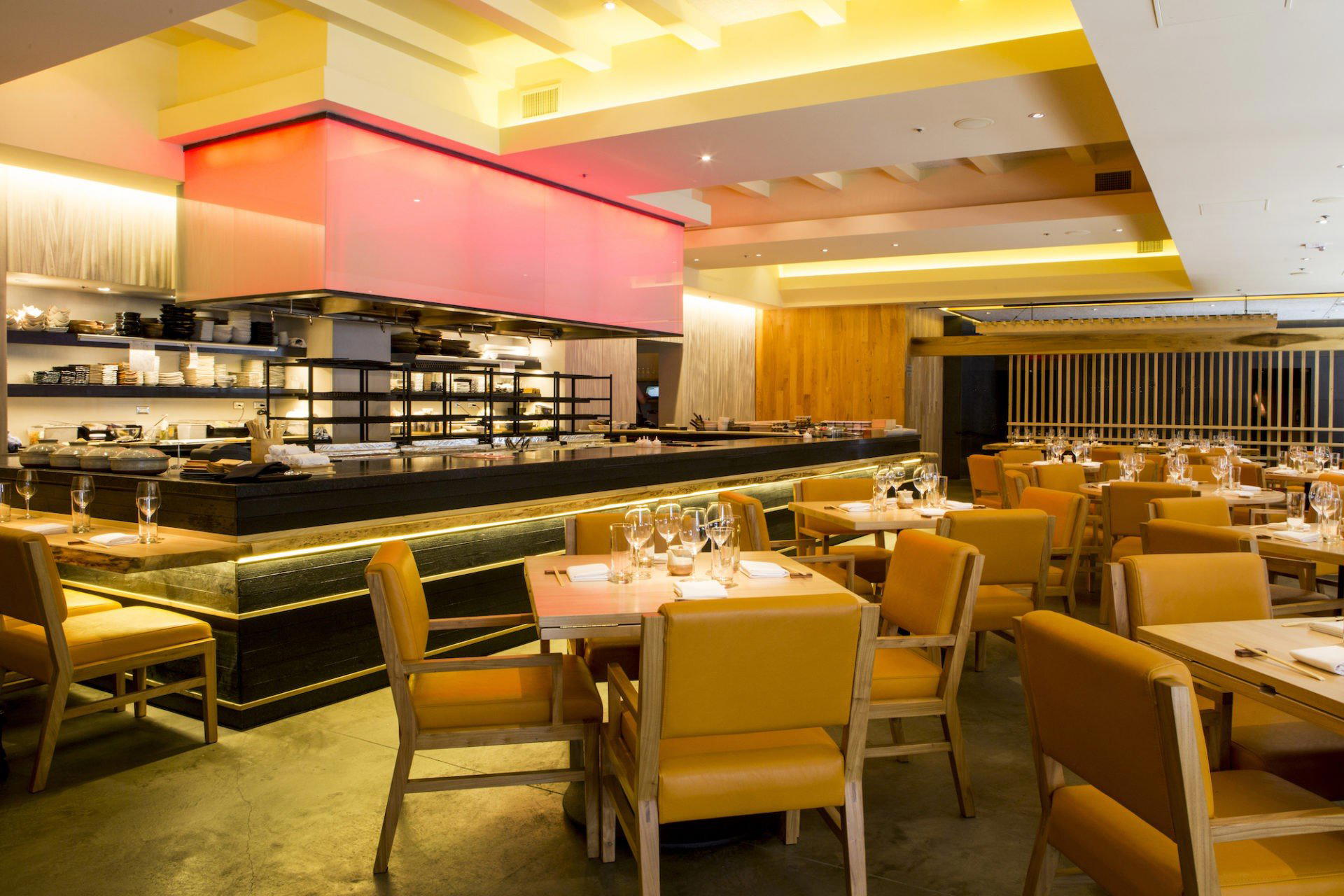
Fire, Wood, and What Jackson Square Expects Now
The robata grill arrived in American dining as a curiosity, a format borrowed from northern Japan's Hokkaido fishing villages, where food cooked slowly over charcoal on long wooden paddles became a communal ritual rather than a performance. In San Francisco, where the dining conversation is dominated by Michelin-chasing tasting menus at Benu, the inventive French-inflected work at Atelier Crenn, and the progressive American format at Lazy Bear, a fire-led Japanese concept occupies a distinct lane. Roka Akor, positioned on Montgomery Street in Jackson Square, operates in that lane at the intersection of Japanese technique and American appetite for high-quality protein cooked over real heat.
Jackson Square itself matters here. San Francisco's dining geography has shifted considerably in the past decade: the neighborhood, historically associated with antique dealers and legal offices, has accumulated a serious restaurant density. The adjacency to the Financial District means weekday dinner draws a clientele that treats this as a destination rather than a neighborhood habit. In that context, a robata-anchored restaurant is less of an anomaly and more of a calculated position, offering something technically specific enough to hold attention in a city that rewards specificity.
The Robata Format and Its American Evolution
Understanding what Roka Akor does requires some grounding in what the robata format actually demands. Unlike teppanyaki, which is a tableside theater format, or the omakase counter model that has colonized the premium Japanese dining tier across cities like New York (see Atomix for a related but distinct Korean-Japanese high-concept model), robata is fundamentally about sustained, controlled heat and the quality of the ingredient going onto the grill. The format doesn't hide behind sauce or transformation, it exposes the source material directly.
American robata restaurants have tended to evolve in one of two directions since the early 2000s: toward casualization, where the grill becomes a backdrop for an izakaya-style sharing format, or toward formalization, where premium cuts and a structured menu push the ticket price toward the territory of tasting-menu restaurants. Roka Akor has navigated that fork by occupying the formal end of the sharing format, a structure familiar enough to American diners accustomed to the steakhouse idiom, but anchored in Japanese sourcing and grill discipline rather than American butchery convention.
That positioning places it in a different competitive set than San Francisco's full omakase counters, and also distinct from the fire-led Californian register you find at Saison. Where Saison treats wood fire as a philosophical commitment to Californian terroir, the robata format at Roka Akor draws on a codified Japanese tradition with its own grammar of temperature, distance, and timing. The distinction is worth understanding before you book.
How the Concept Has Shifted Over Time
The restaurant as a group launched in Scottsdale, Arizona, before expanding to Chicago, San Francisco, and Houston. That trajectory is relevant: the concept was not conceived for the San Francisco market, and the translation of a restaurant originally built for a Southwest American clientele into a city with among the more demanding and food-literate dining publics in the country required adjustment. Early versions of the format across the group leaned heavily on the spectacle of the open grill and an expansive menu that attempted to cover the full range of Japanese robata and sushi. That breadth was, in many markets, a commercial necessity, but in San Francisco, where Quince and the Italian contemporary tier operate at the same price point with far greater editorial focus, breadth reads as diffusion rather than generosity.
The evolution of the restaurant's San Francisco location has tracked the broader shift in how American diners engage with Japanese formats. The sushi and sashimi component, once a secondary draw to the grill, has become more central as the market's expectations around raw fish quality have risen sharply. The drinks program, which in early robata restaurants skewed heavily toward sake as the obvious pairing, has had to integrate a wider cocktail and wine range to hold the attention of a clientele that also considers places like The French Laundry in Napa and Single Thread Farm in Healdsburg as relevant reference points on the same occasion spectrum.
The physical space on Montgomery Street supports that repositioning. The restaurant's interior works with the industrial bones common to Jackson Square's converted warehouse stock, high ceilings, exposed materials, a layout that keeps the open kitchen legible from most seats. The grill itself functions as a visual anchor, which is both a practical choice and an editorial one: it communicates, before any menu arrives, what the restaurant's logic is built around.
Where Roka Akor Sits in the San Francisco Tier
Placing the restaurant in the city's broader dining hierarchy requires honesty about what the robata format can and cannot deliver in a market where the conversation about Japanese cuisine has been sharpened by a run of high-profile omakase openings and the sustained dominance of Benu's French-Chinese synthesis. The restaurant does not compete on the tasting-menu axis, it is not trying to. The format is structured around choice and sharing, which positions it closer to the upscale casual end of the $$$$ tier than to the fixed-menu leading.
That's not a limitation, it's a clarity that makes the booking decision easier. For a city that also has access to Providence in Los Angeles, Le Bernardin in New York, or Alinea in Chicago as reference points for what the country's high-end tasting format looks like, knowing what the restaurant is for sharpens the occasion calculus. It is a destination for groups who want genuine fire-cooked Japanese technique without the constraints of a set progression. The restaurant also draws comparisons to peers in other cities: Addison in San Diego and Bacchanalia in Atlanta represent different regional takes on the high-end sharing format, though neither deploys robata as its organizing principle. For the full San Francisco dining picture, see our San Francisco restaurants guide.
The international comparison is also instructive: 8½ Otto e Mezzo Bombana in Hong Kong demonstrates how a non-native cuisine format can achieve market authority through consistency and ingredient sourcing discipline. The restaurant's San Francisco location faces the same test, in a city that applies a skeptical eye to chain restaurants operating at premium prices, the differentiator has to be the quality of the grill product rather than the brand name on the door. The trajectory suggests the location has understood that, even if the full execution is better evaluated by those who visit regularly. For reference on how American restaurants outside the two-coast tier operate at comparable ambition levels, Emeril's in New Orleans and Blue Hill at Stone Barns in Tarrytown offer useful counterpoints on what sustained institutional presence looks like. The Inn at Little Washington similarly demonstrates how a restaurant anchored to a specific technique can hold its position over decades. The comparison is useful because it frames what longevity requires.
Planning Your Visit
Address: 801 Montgomery St, San Francisco, CA 94133, in Jackson Square. Reservations: Recommended, particularly for weekend evenings and the period between November and January when the neighborhood's business-dinner traffic thins but destination dining increases. Dress: Smart casual is the operative register, the room runs formal enough that athletic wear reads as an error, but jacket requirements are not enforced. Budget: Expect about $100 per person. Getting there: Jackson Square sits at the edge of the Financial District; both BART and Muni reach the area, with the Embarcadero station one practical entry point.
Comparable Venues
Comparable venues nearby, for context on price, style, and recognition.
| Venue | Cuisine | Price | Notes |
|---|---|---|---|
| Roka AkorThis venue — the venue you are viewing | Modern Japanese Robata Grill & Steakhouse | $$$$ | Not listed |
| Yakiniku Shodai 初代 | Authentic Japanese Yakiniku | $$$$ | Tenderloin |
| Nakama Sushi | Traditional Japanese Sushi & Omakase | $$$ | Hayes Valley |
| Ace Wasabi San Francisco | Modern Japanese Sushi | $$$ | Marina |
| Akikos | Modern Japanese Omakase | $$$$ | Financial District/South Beach |
| TBD | Modern Japanese Izakaya | $$$$ | Financial District |
Continue exploring
More in San Francisco
Restaurants in San Francisco
Browse all →
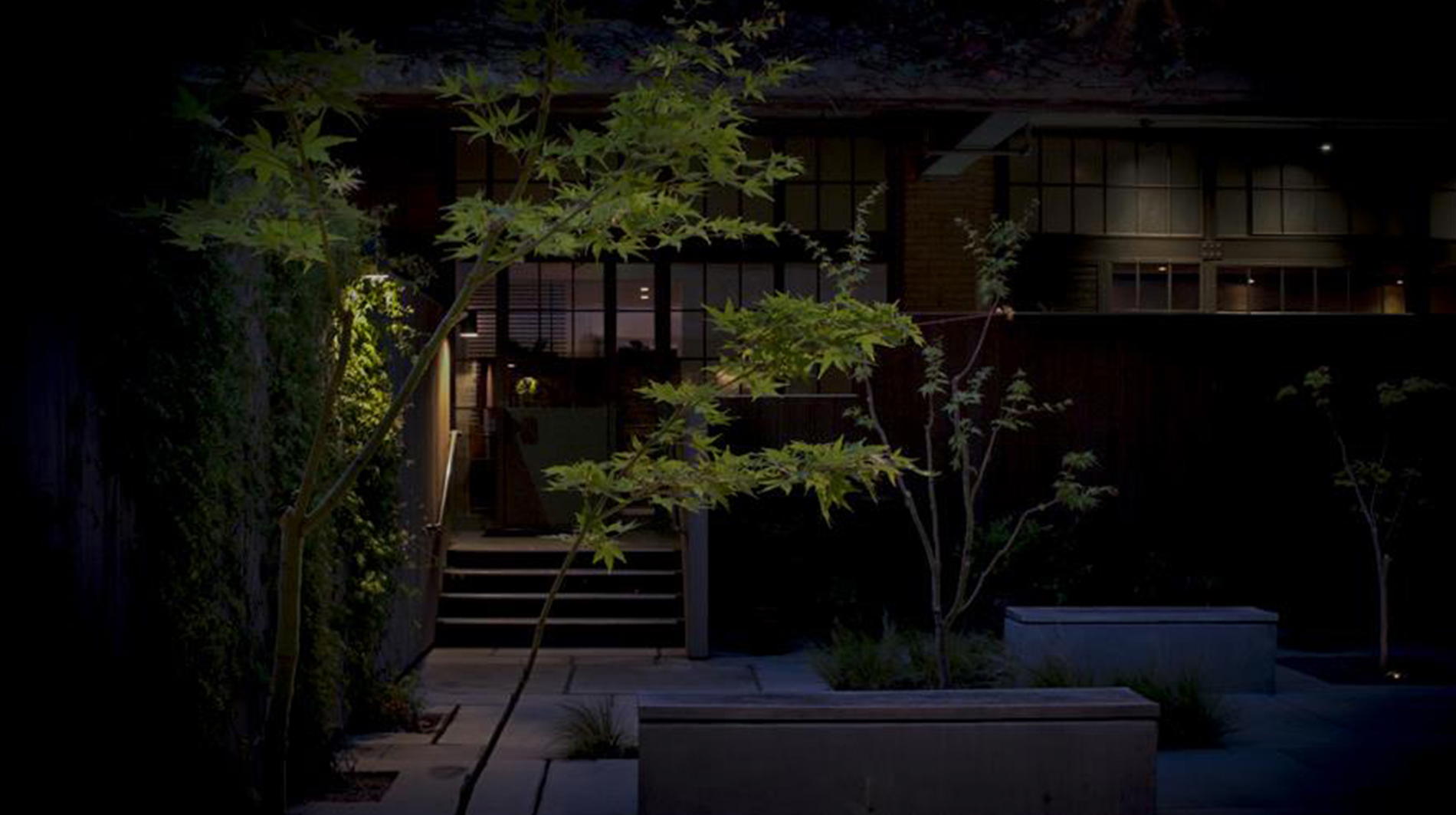
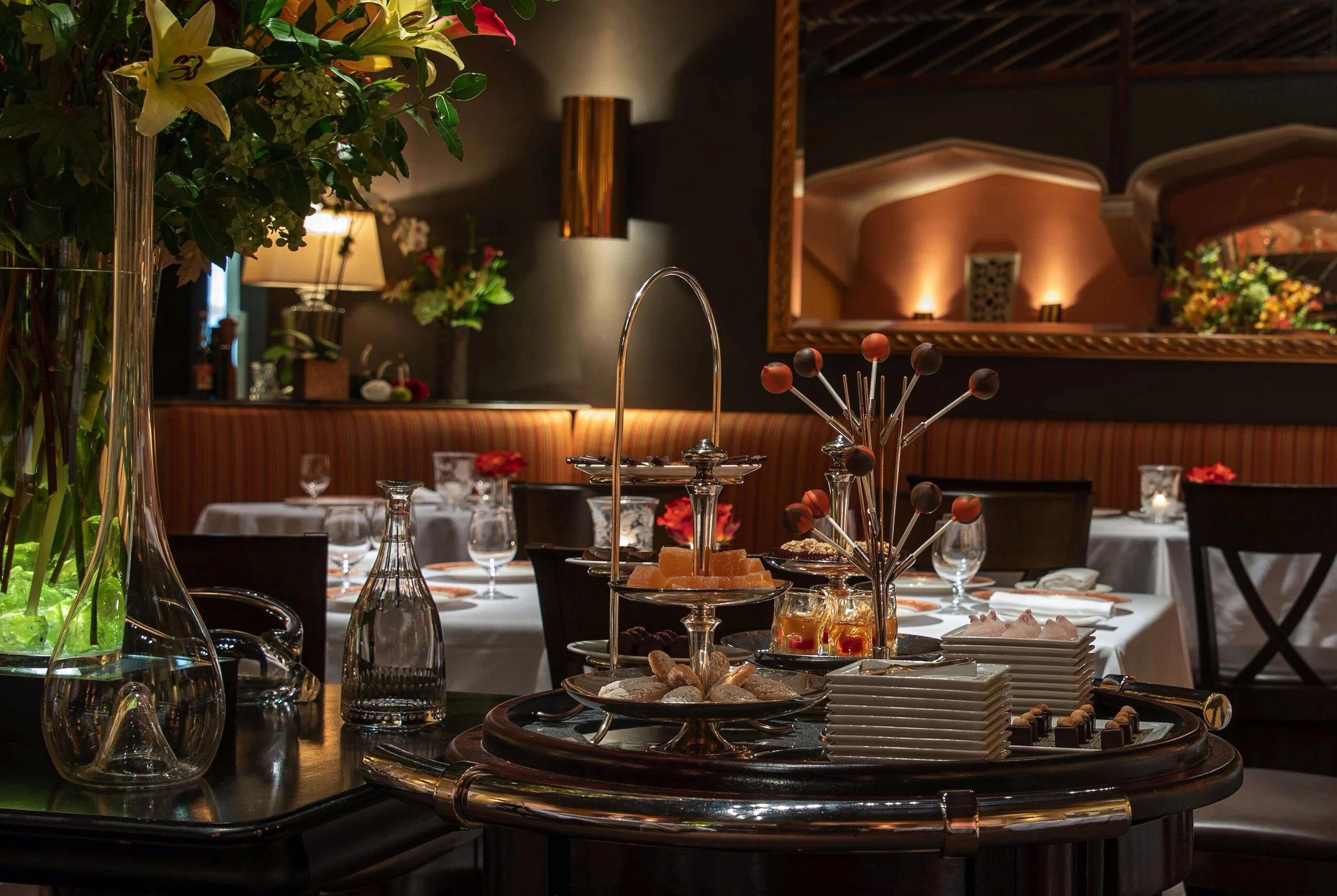
Bars in San Francisco
Browse all →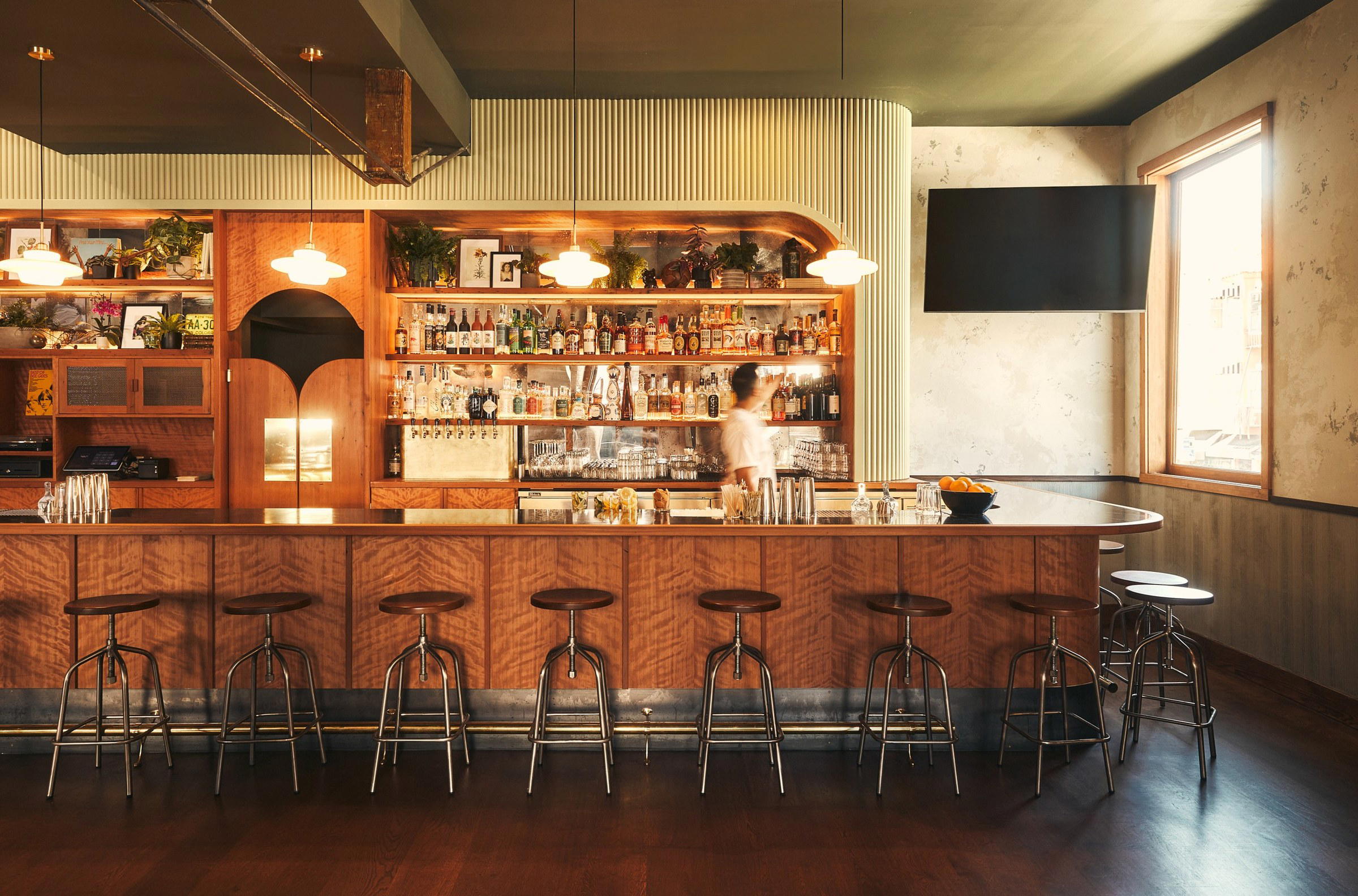
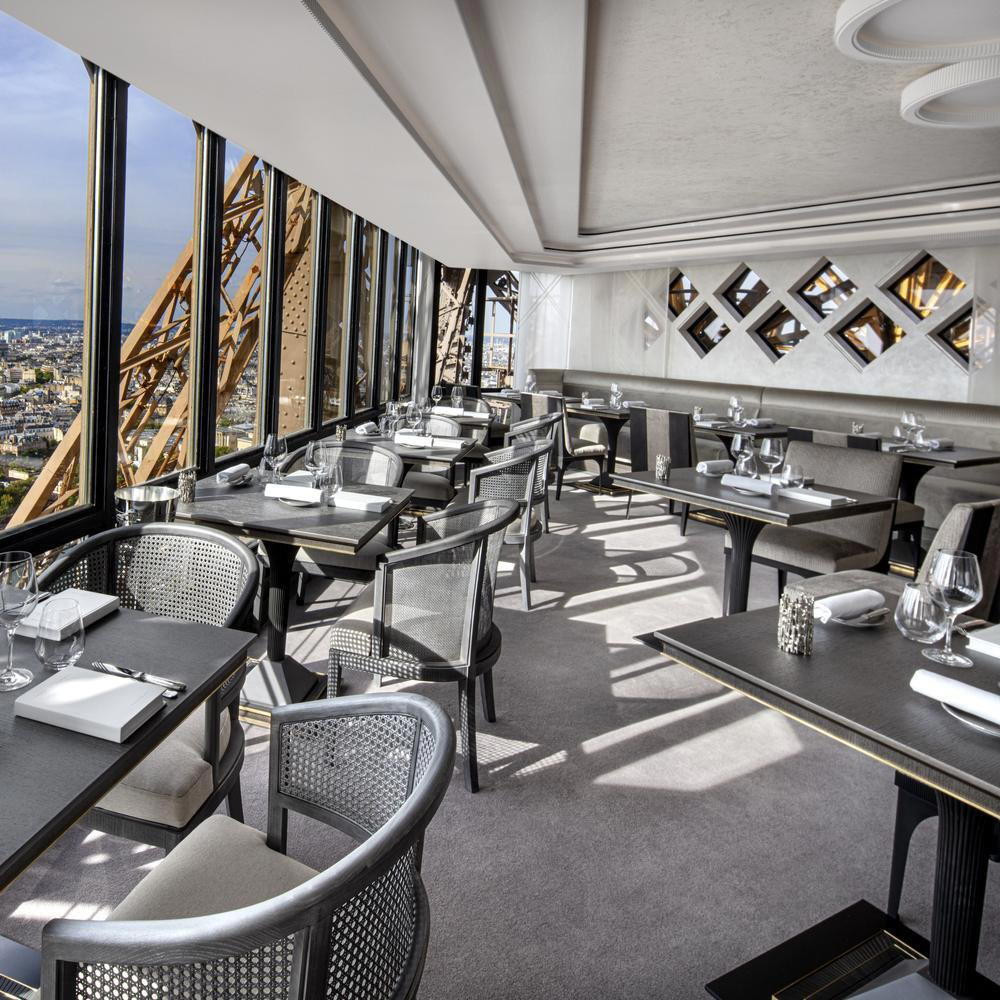
Hotels in San Francisco
Browse all →
At a Glance
- Modern
- Elegant
- Sophisticated
- Business Dinner
- Special Occasion
- Date Night
- Group Dining
- Open Kitchen
- Private Dining
- Extensive Wine List
- Sake Program
- Craft Cocktails
Current opening hours
- Monday
- 11:30 AM–2:30 PM, 4:30–9 PM
- Tuesday
- 11:30 AM–2:30 PM, 4:30–9 PM
- Wednesday
- 11:30 AM–2:30 PM, 4:30–9 PM
- Thursday
- 11:30 AM–2:30 PM, 4:30–9 PM
- Friday
- 11:30 AM–2:30 PM, 4:30–9:30 PM
- Saturday
- 5–9:30 PM
- Sunday
- 5–9 PM
Hours can change for holidays and private events. Last verified .
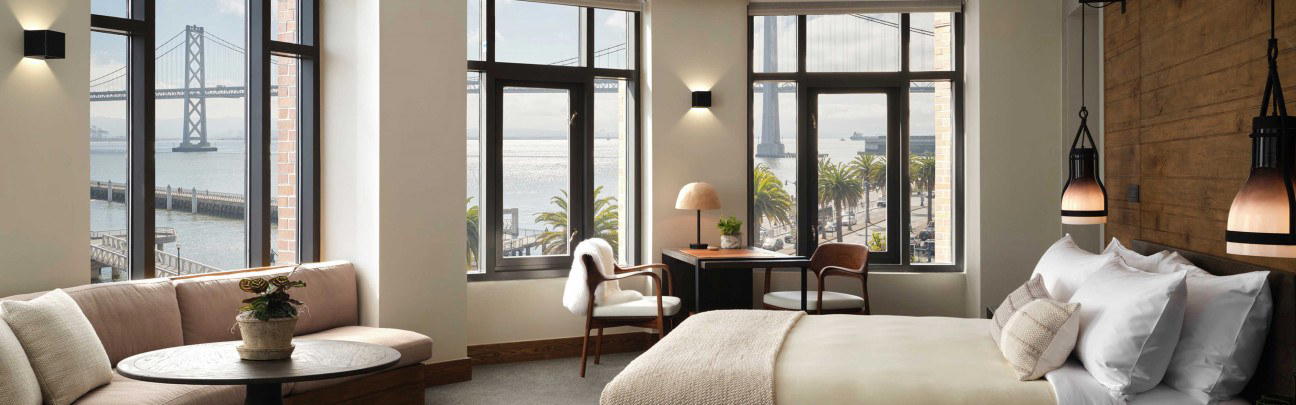
Timeless design with earthy natural elements creating a contemporary yet comfortable atmosphere.