
Tabelog 100 #4
Our verdict
Taverna Sukima places Nagoya’s yoshoku tradition in a small-format, reservation-led setting rather than a casual coffee-shop register. The room has 12 seats across counter, table, and sofa seating, with a monthly changing menu and selection for Tabelog 100 Yoshoku EAST 2025 giving it a clear position in the city’s Japanese-Western dining tier.

Pearl is the En Primeur Club membership app, where members save venues, book tables and use the concierge.
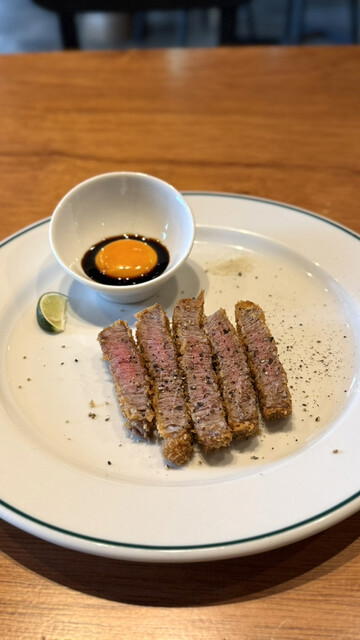
Nagoya has quieter dining rhythms beyond its busiest station districts: residential-feeling streets, small shops, and restaurants that do not need neon. Here, yoshoku reads not only as nostalgia plated with demi-glace and rice, but, at its sharper end, as a measured Japanese interpretation of Western dining, with enough care and formality to separate it from everyday lunch-counter cooking.
Taverna Sukima belongs to that narrower bracket. Its selection for Tabelog 100 Yoshoku EAST 2025 matters because yoshoku is crowded in Japan, and stronger addresses are judged less by novelty than by control: sauces, frying, heat, portion logic, and the ability to make familiar Western-derived dishes feel deliberate rather than heavy. In Nagoya, where local comfort dishes and café culture dominate many visitor itineraries, a yoshoku room raises a more local dining question: how much precision can be built into a cuisine often mistaken for comfort food alone?
A Nagoya address for yoshoku with discipline rather than nostalgia
Yoshoku has always been hybrid cooking: European forms filtered through Japanese ingredients, rice culture, and domestic taste. Its vocabulary can look simple, but serious versions depend on restraint. Sauce must carry depth without masking the plate; fried work must keep structure; a Western form must land with Japanese balance. That is the standard for reading this category, and why award recognition in yoshoku is more useful than broad popularity metrics.
The restaurant’s category sets the meal’s expected tempo. Taverna Sukima reads as a planned yoshoku choice rather than a broad, everyday 洋食 stop, with attention directed toward how Japanese-style Western cuisine is handled. The point is not excess or spectacle, but control: pacing, balance, and the clarity of the plate all matter when yoshoku is treated as a serious category.
That focus separates the restaurant from fixed-canon yoshoku houses. Many classic addresses trade on repetition, with regulars returning for familiar Western-derived Japanese dishes. Taverna Sukima’s appeal is less about chasing a publicized signature than accepting the house’s reading of the genre, judged through balance, heat, sauce work, and overall restraint.
Price also signals intent. At JPY 8,000 to JPY 9,999 for both lunch and dinner, this sits in a planned-meal bracket rather than a quick snack category. Travelers comparing Nagoya options might look at lighter stops such as tbz Kakuouzan honten, fika. and Kakuozan Kichi Imo Honten, or more formal dining such as CORK, but Taverna Sukima is best read on its own terms: a yoshoku restaurant with recognized standing and a clear listed budget.
Why Nagoya makes sense for this scale of cooking
Nagoya suits restaurants that rely on destination intent rather than passing crowds. Away from the most hurried parts of the city, dining rooms can set their own cadence. For visitors building a Nagoya itinerary, restaurants here can feel woven into daily city life without giving up technical ambition. The setting remains practical for planning, while the mood is far from transit-hub efficiency.
That matters in Nagoya. The city’s dining identity is often reduced to local specialties and hearty regional comfort, yet its stronger restaurant culture is broader: polished rooms, careful counters, and category-focused restaurants beneath the louder checklist dishes. Taverna Sukima adds to that quieter map by treating Japanese-style Western cuisine as a serious dinner decision rather than a lunch category.
For broader planning, Our full Nagoya restaurants guide is the natural starting point, especially when pairing Taverna Sukima with other parts of the city. Nearby restaurant research can also include other Nagoya dining rooms, lighter local stops, and more formal restaurants depending on the shape of the day. Visitors building a fuller city stay can cross-reference Our full Nagoya hotels guide, Our full Nagoya bars guide, Our full Nagoya wineries guide, and Our full Nagoya experiences guide.
How to read the meal decision
The best approach rewards diners less attached to a fixed order and more interested in how yoshoku can be edited. That differs from classic shops where the appeal is knowing exactly what arrives before sitting down. Here, confidence comes from category recognition, award context, and price structure rather than a list of invented specifics. For an EP Club reader, it fits an evening calling for a focused, controlled meal in Nagoya better than a fast regional-food survey.
The practical read is straightforward: treat Taverna Sukima as a planned meal rather than an improvised stop. Its Tabelog score of 3.64 and inclusion in the 2025 yoshoku selection give enough external context to justify advance attention, while the listed lunch and dinner budget keeps expectations clear. The value proposition is not bargain dining, but focused Japanese-style Western cuisine handled with care.
Across Japan, yoshoku ranges from everyday neighborhood cooking to highly polished rooms that treat Western forms with Japanese exactness. The useful comparison is not French fine dining or casual café food, but the group of restaurants that make sauce work, frying, and pacing feel intentional. Within Nagoya, Taverna Sukima sits in that conversation: recognized, clearly categorized, and priced for diners who want the category handled with care rather than sentimentality.
For wider Japan context beyond Nagoya, EP Club also covers unnamed dining rooms across other cities, from polished counters and casual specialists to compact neighborhood restaurants. For Japanese food culture outside Japan, the same principle applies: look past broad labels and read the room by execution, pacing, and how clearly a category has been interpreted.
Frequently asked questions
Is Taverna Sukima more mid-range or high-end?
Pricing at Taverna Sukima is listed as JPY 8,000 - JPY 9,999 for both lunch and dinner.
Where exactly is Taverna Sukima?
Nagoya.
Do I need a reservation for Taverna Sukima?
Advance planning is sensible. Taverna Sukima is recognized in Tabelog 100 Yoshoku EAST 2025, and its listed lunch and dinner budget places it in a planned-meal category rather than a casual drop-in stop.
What is Taverna Sukima known for?
Taverna Sukima is known as a Nagoya yoshoku restaurant recognized in Tabelog 100 Yoshoku EAST 2025.
Side-by-Side Snapshot
Comparable venues by cuisine and price in the same metro.
| Venue | Cuisine | Price | Awards | Notes |
|---|---|---|---|---|
| Taverna SukimaThis venue (the venue you are viewing) | Yoshoku (Japanese-style Western cuisine) | $50–100 | Tabelog 100 #4 | Not listed |
| Maruko | Traditional Wagyu Sukiyaki & Shabu‑shabu | $30–50 | Tabelog 100 #90 | Naka |
| Teppan Izumi ~Sankai~ | Teppanyaki Steakhouse | Not listed | Not listed | Higashi |
| Yanagiyanishiki | Gifu Regional Cuisine | $100–150 | Not listed | Naka |
| Teppan Ryori Rakuda Nagoya ten | Seasonal Teppanyaki | $50–100 | Tabelog 100 #42 | Higashi |
| Mikan Kotohogi | Seasonal Japanese Kaiseki | $50–100 | Tabelog 100 #33 | Higashi |
Recognition history
Dated appearances from independent guides and award organizations, with the underlying list record or original source where available.
Tabelog 100 #4 · No. 4
Tabelog · Tabelog 100 - Yoshoku - EAST - 2025
Continue exploring
More in Nagoya
Restaurants in Nagoya
All restaurants in Nagoya →




Details
- Cozy
- Intimate
- Classic
- Family
- Solo
- Casual Hangout
- Special Occasion
- Standalone
- Set Menu
- A La Carte
- Wine
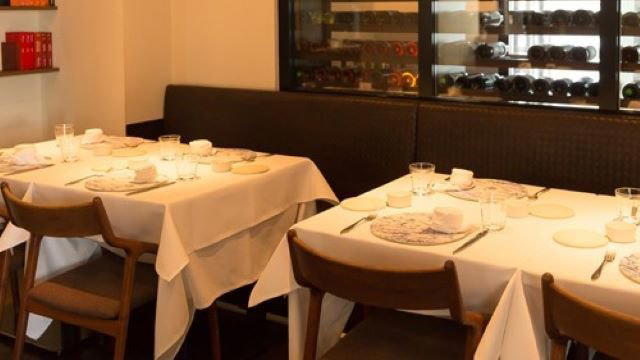
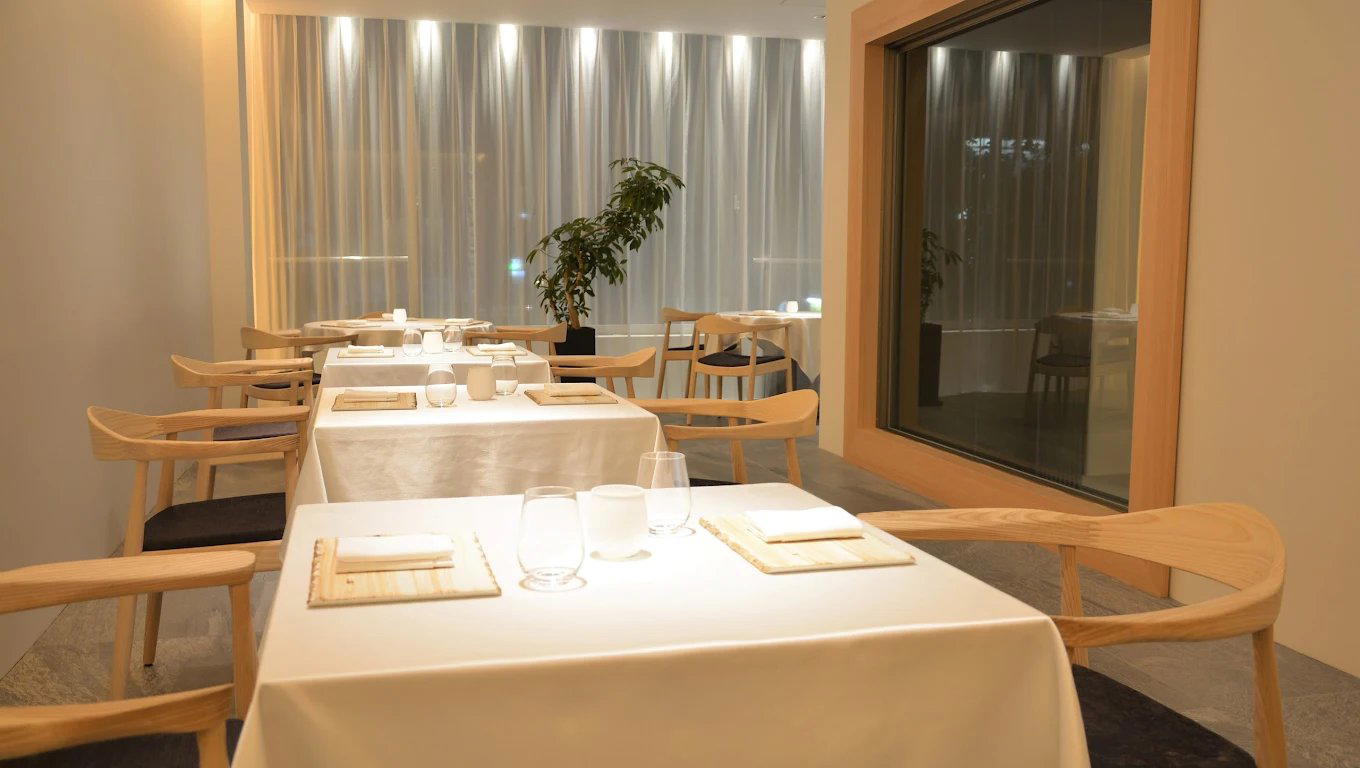
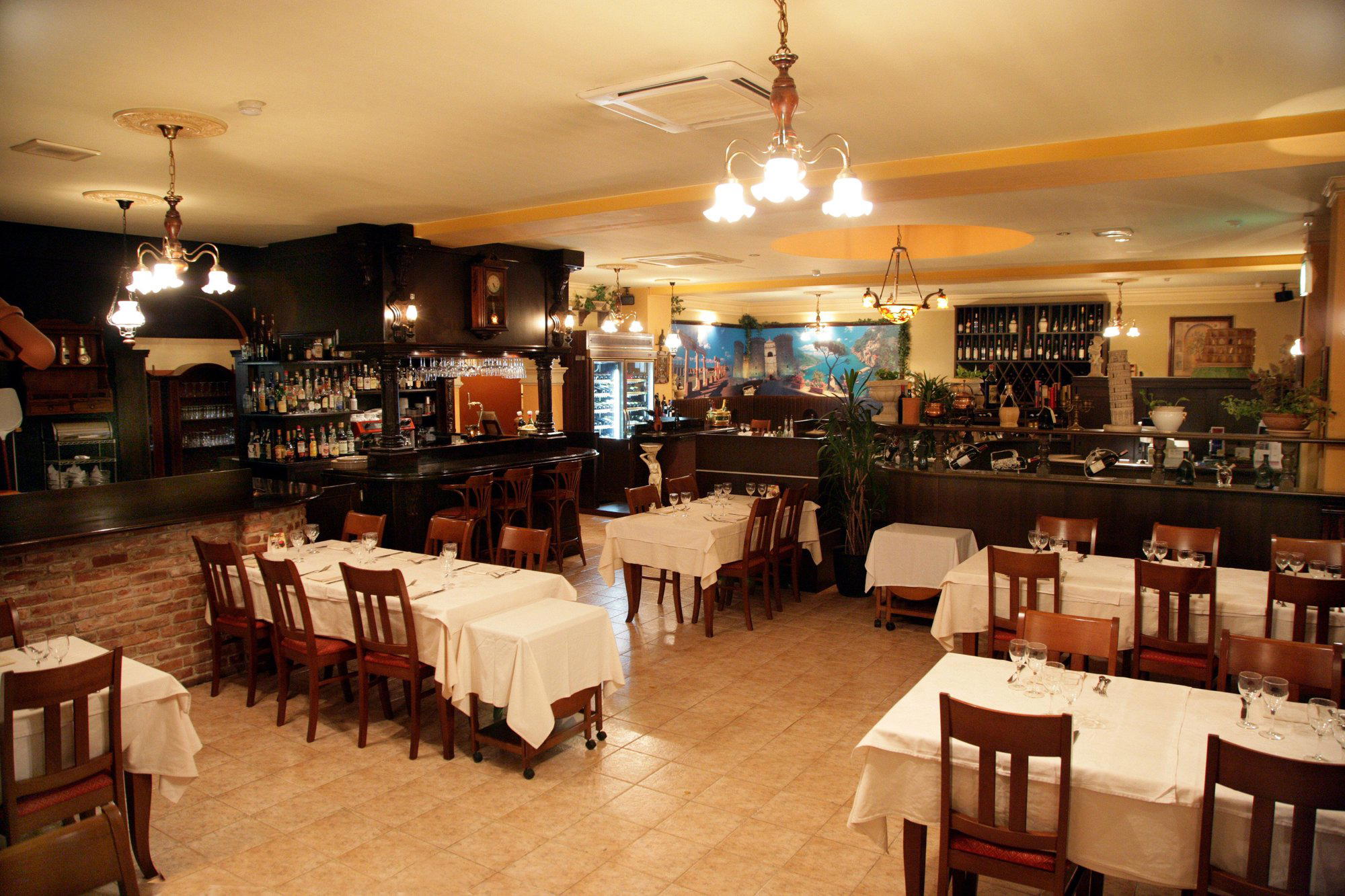
A small, stylish, hideout-like dining room with counter and sofa seating that feels intimate and casually refined.