
Tabelog 100 #90
Our verdict
A Higashisakura address for sukiyaki, shabu shabu and meat-focused Japanese dining, Maruko sits in Nagoya’s more grown-up hot-pot register rather than the casual nabe lane. Its Tabelog 100 Hot Pot 2024 selection, private-room range and sharp lunch-to-dinner price split make it useful for readers weighing daytime value against a more deliberate evening meal.

Pearl is the En Primeur Club membership app, where members save venues, book tables and use the concierge.
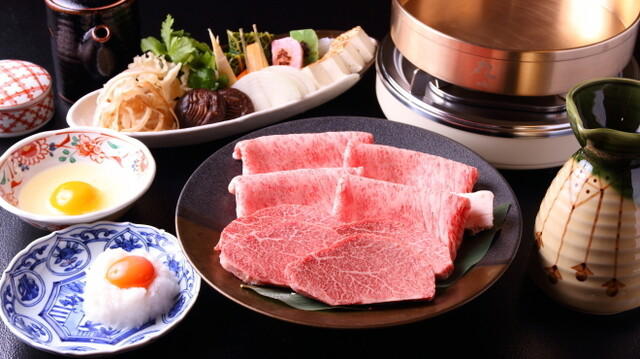
The menu
What to order
- Beef sukiyaki set
- Shabu‑shabu with black wagyu
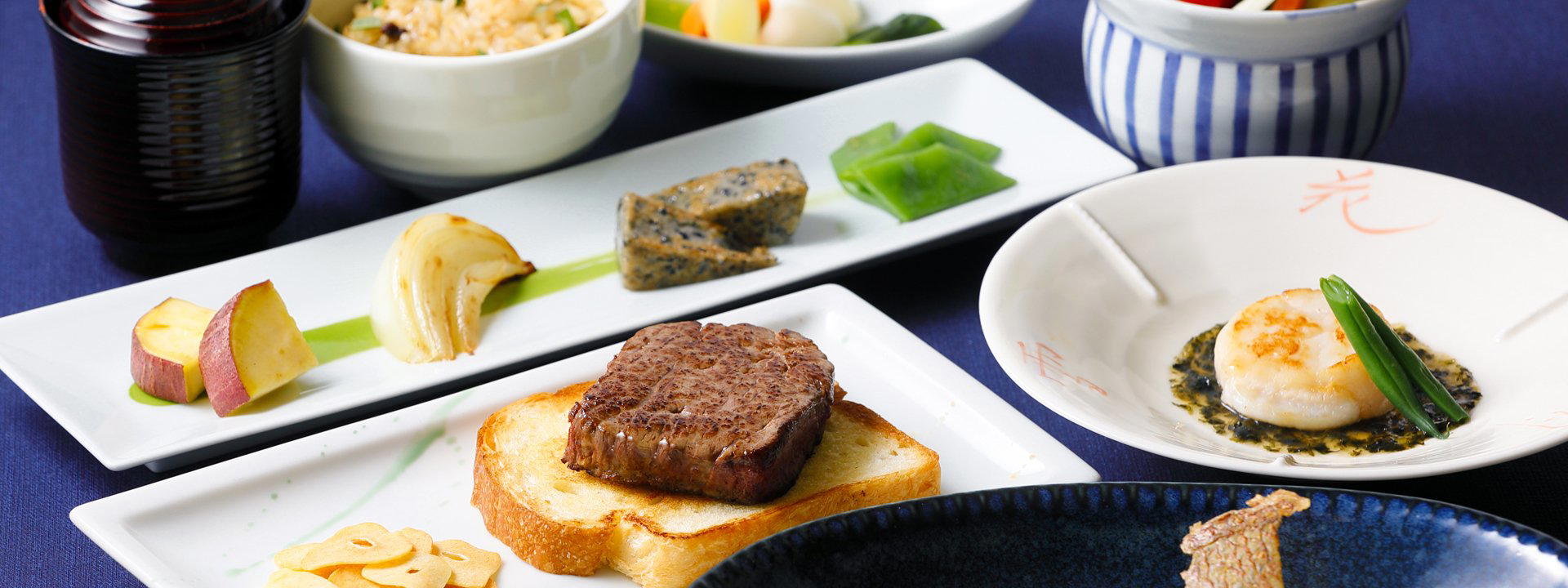
- Assorted premium wagyu steak
Nagoya changes register after office hours. The daytime rhythm gives way to a quieter Nagoya dining mood: groups arriving in pairs, families settling in, and meat-focused restaurants shifting from daytime utility to evening ceremony. In that context, Maruko belongs to the city’s serious sukiyaki and shabu shabu bracket, where the meal is less about novelty than control: heat, timing, broth, meat dishes, and the pacing of a table that is meant to sit for longer than a quick izakaya stop.
Nagoya’s dining reputation often gets flattened into miso katsu, hitsumabushi and tebasaki, but the city’s premium meat restaurants tell a different story. They are practical and built around groups as much as couples. Maruko’s selection for Tabelog 100 Hot Pot 2024 places it inside that national hot-pot conversation, while its format keeps the experience grounded in Nagoya dining habits: table-led pacing and a menu centered on sukiyaki, shabu shabu and meat dishes rather than a chef-counter performance.
Lunch shows the value case; dinner carries the ceremony
The useful way to read this Nagoya restaurant is through the lunch-versus-dinner split. Daytime hot-pot dining in Japan often functions as an access point: a shorter meal, a clearer budget, and a less formal read on the kitchen’s priorities. Maruko’s lunch pricing sits in a markedly lower band than dinner, which matters in a city where many serious restaurants reserve their full identity for the evening. For travelers building a Nagoya itinerary around multiple meals, lunch here offers a way into the category without committing the night to a long meat-led table.
Dinner changes the stakes. Sukiyaki and shabu shabu are social formats by design, and the evening version suits a slower pace: meat dishes at the center and the table organized around the shared rhythm of hot pot. This is where the restaurant’s category becomes part of the point. It sits in a different practical mood from Nagoya’s smaller destination rooms, with the focus less on restless novelty than on a complete meat-and-hot-pot meal.
That focus does not make the decision casual. In the same Nagoya price universe, prospero and Otsuaji Asai sit in a comparable dinner band but point toward different dining languages; kibi pushes higher at dinner, while Lucca and Kurumi occupy more modest spend levels. Maruko’s argument is narrower and clearer: choose it when the meal needs meat dishes and hot-pot ritual rather than a compact counter or Western-format tasting menu.
Hot pot in Nagoya rewards format discipline
Sukiyaki and shabu shabu can look simple from outside Japan: meat, heat, dipping, broth. The difference between a routine meal and a serious one sits in sourcing, slicing, temperature management and how the table is allowed to move. The strongest hot-pot rooms understand that the guest is part of the cooking process, but not left alone with it. Service has to manage rhythm without turning the meal into theatre.
Maruko’s category listing, sukiyaki, meat dishes and shabu shabu, is important because it signals specialization rather than a general washoku menu with hot pot attached. The Tabelog score of 3.72 and 2024 Hot Pot 100 selection give it a public recognition layer, but the more telling evidence is the directness of the proposition: a Nagoya restaurant built around meat dishes, hot pot and the kind of pacing that rewards a table staying with one format.
The lunch service will suit travelers who want a controlled stop between museums, shopping or transfers. Dinner is better for guests who want the meal itself to anchor the evening. Because the appeal is format-specific, planning should be intentional: this is most useful when sukiyaki, shabu shabu or meat dishes are the point of the booking, not just one option among many on a broader menu.
Where it fits in a Nagoya food itinerary
For a first Nagoya trip, the instinct is to chase the city’s famous comfort dishes. That is sensible, but it can miss the way Nagoya handles premium dining: less spectacle than Tokyo, less temple-like formality than Kyoto, and often more comfortable for mixed groups. Maruko fits the part of the itinerary where the table matters as much as the plate. It is particularly useful when a meal needs the structure of hot-pot tradition rather than another quick stop.
Its appeal also shifts by occasion. Travelers looking for a grown-up meat-focused meal can use Maruko as a focused counterpoint to the city’s more casual specialties, while business diners or small groups can treat it as a practical, category-specific dinner. The listed budget should be read clearly: dinner is JPY 10,000 - JPY 14,999, while lunch is JPY 2,000 - JPY 2,999, making the daytime visit the softer entry point and the evening meal the fuller commitment.
The editorial recommendation is simple: use lunch for value and category sampling; use dinner when the hot-pot format and group rhythm matter. This is not the address for a restless multi-stop night or a solo counter experience. It is better read as a Nagoya hot-pot room with enough recognition to justify attention and a clear enough identity to make the meal work for real travel schedules.
For wider planning, compare the city’s restaurant range through Our full Nagoya restaurants guide, then balance the trip with Our full Nagoya hotels guide, Our full Nagoya bars guide, Our full Nagoya wineries guide and Our full Nagoya experiences guide. Other restaurant pages worth cross-checking for itinerary shape include other Nagoya dining rooms. For broader Japanese and international reference points, compare Maruko with other dining rooms more generally rather than treating it as interchangeable with unnamed hot-pot or meat-focused restaurants elsewhere.
Frequently asked questions
Where is Maruko located?
Nagoya.
What's the pricing like at Maruko?
Pricing at Maruko is listed as dinner: JPY 10,000 - JPY 14,999; lunch: JPY 2,000 - JPY 2,999.
When can I go to Maruko?
Check current opening times directly before planning a visit to Maruko.
What is Maruko known for?
Maruko is known for sukiyaki, meat dishes and shabu shabu in Nagoya, with a Tabelog score of 3.72 and selection for Tabelog 100 Hot Pot 2024.
Standing Among Peers
Comparable venues by cuisine and category.
| Venue | Cuisine | Price | Awards | Notes |
|---|---|---|---|---|
| MarukoThis venue (the venue you are viewing) | Traditional Wagyu Sukiyaki & Shabu‑shabu | $30–50 | Tabelog 100 #90 | Not listed |
| Gensui | Traditional Soba & Sake | $50–100 | Tabelog 100 #20 | Naka |
| Tempura Yokoi | Traditional Tempura Restaurant | $50–100 | Tabelog 100 #33 | Moriyama |
| Shutei Nawa | Japanese Izakaya Seafood | $50–100 | Tabelog 100 #61 | Higashi |
| Tori Ryori Masa | Yakitori & Chicken Cuisine | $50–100 | Tabelog 100 #69 | Higashi |
| Teppan Izumi ~Sankai~ | Teppanyaki Steakhouse | Not listed | Not listed | Higashi |
Recognition history
Dated appearances from independent guides and award organizations, with the underlying list record or original source where available.
Tabelog 100 #90 · No. 90
Tabelog · Tabelog 100 - Hot Pot - 2024
Continue exploring
More in Nagoya
Restaurants in Nagoya
All restaurants in Nagoya →






Details
- Cozy
- Classic
- Elegant
- Romantic
- Business Dinner
- Group Dining
- Date Night
- Family
- Special Occasion
- Standalone
- Private Dining
- Sake Program
- Beer Program
- Local Sourcing
- A La Carte
- Set Menu
- Family Style
- Sake
- Beer
Current opening hours
- Monday
- Closed
- Tuesday
- 11:30 AM–2 PM, 5–10 PM
- Wednesday
- 11:30 AM–2 PM, 5–10 PM
- Thursday
- 11:30 AM–2 PM, 5–10 PM
- Friday
- 11:30 AM–2 PM, 5–10 PM
- Saturday
- 11:30 AM–2 PM, 5–10 PM
- Sunday
- Closed
Hours can change for holidays and private events. Hours as of .
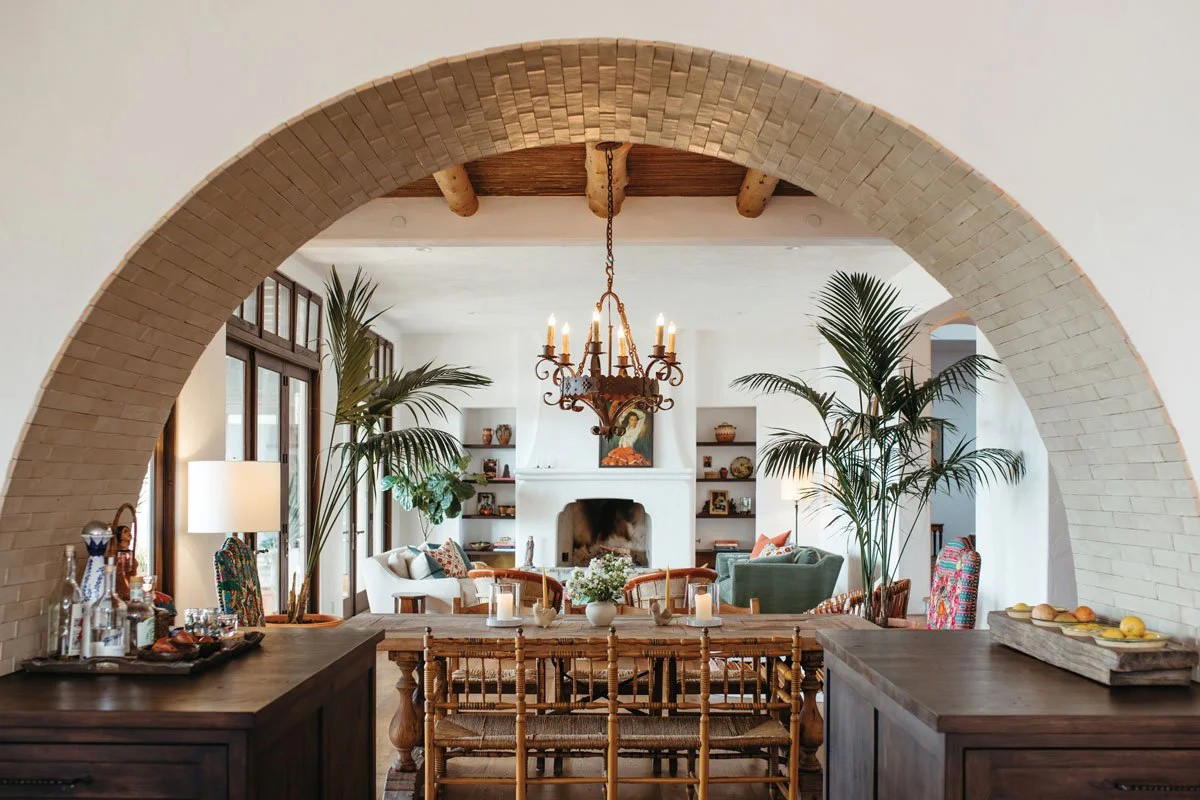
Calm, quietly elegant Japanese dining room with a classic feel, focused on relaxed meals built around premium wagyu hot pots and other meat dishes rather than a noisy izakaya atmosphere.