Taverna da Ciacco

A Michelin Plate-recognised family trattoria on San Quirico d'Orcia's pedestrian historic centre, Taverna da Ciacco sits at the accessible end of Tuscan dining without compromising on craft. The kitchen draws on Val d'Orcia's agricultural tradition, turning local ingredients into handmade pici and other regional staples in a rustic room that reflects the town's unhurried pace.
Pearl is the En Primeur Club membership app — saves, bookings, and concierge access live there. Same editors, same standards.
- Address
- Via Dante Alighieri, 30A, 53027 San Quirico d'Orcia SI, Italy
- Phone
- +39 0577 897312
- Website
- pnssm.pro
- Directions
- Get directions
 Saves & bookings on Pearl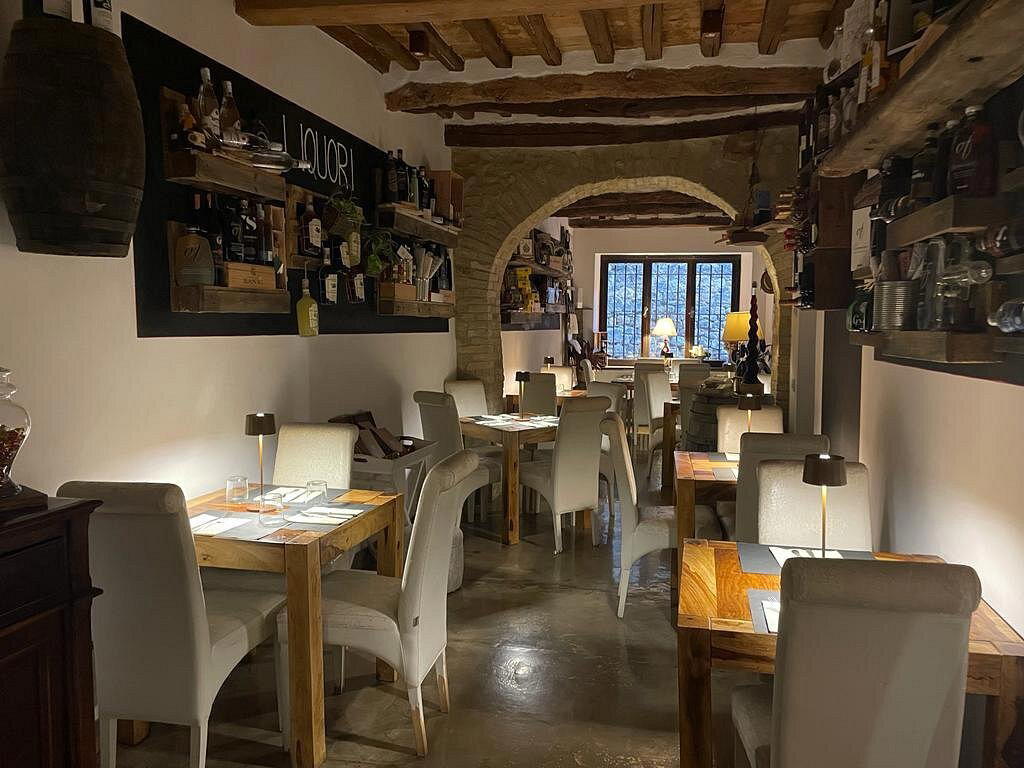
Where the Val d'Orcia Comes to the Table
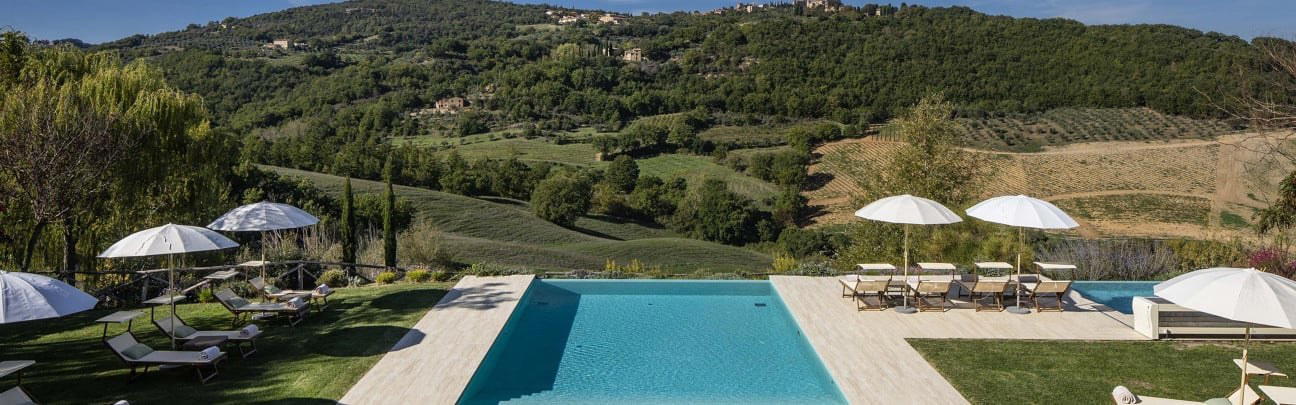
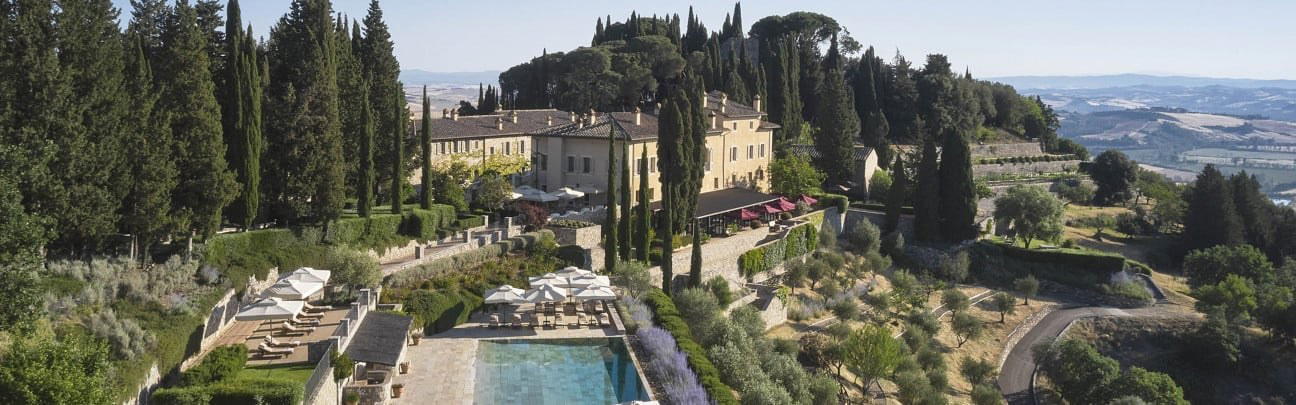
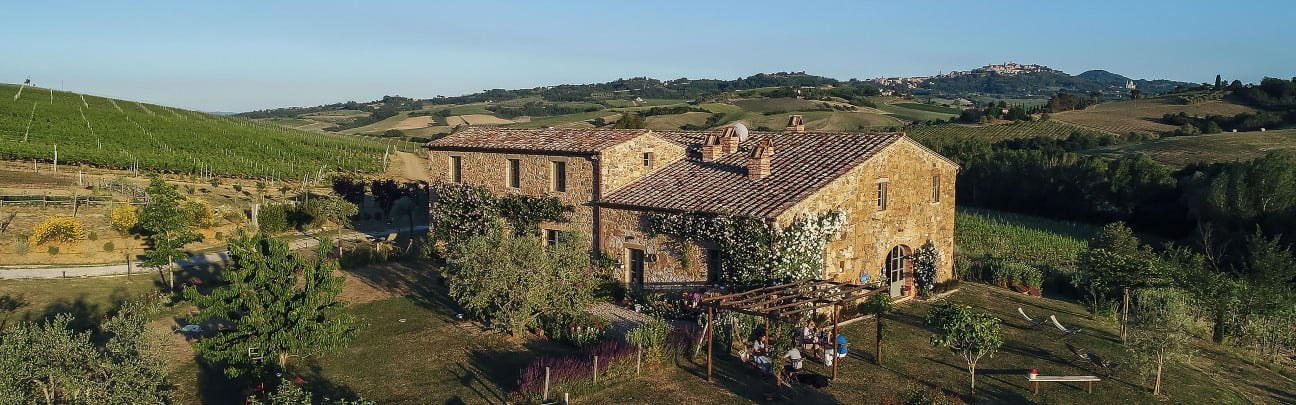
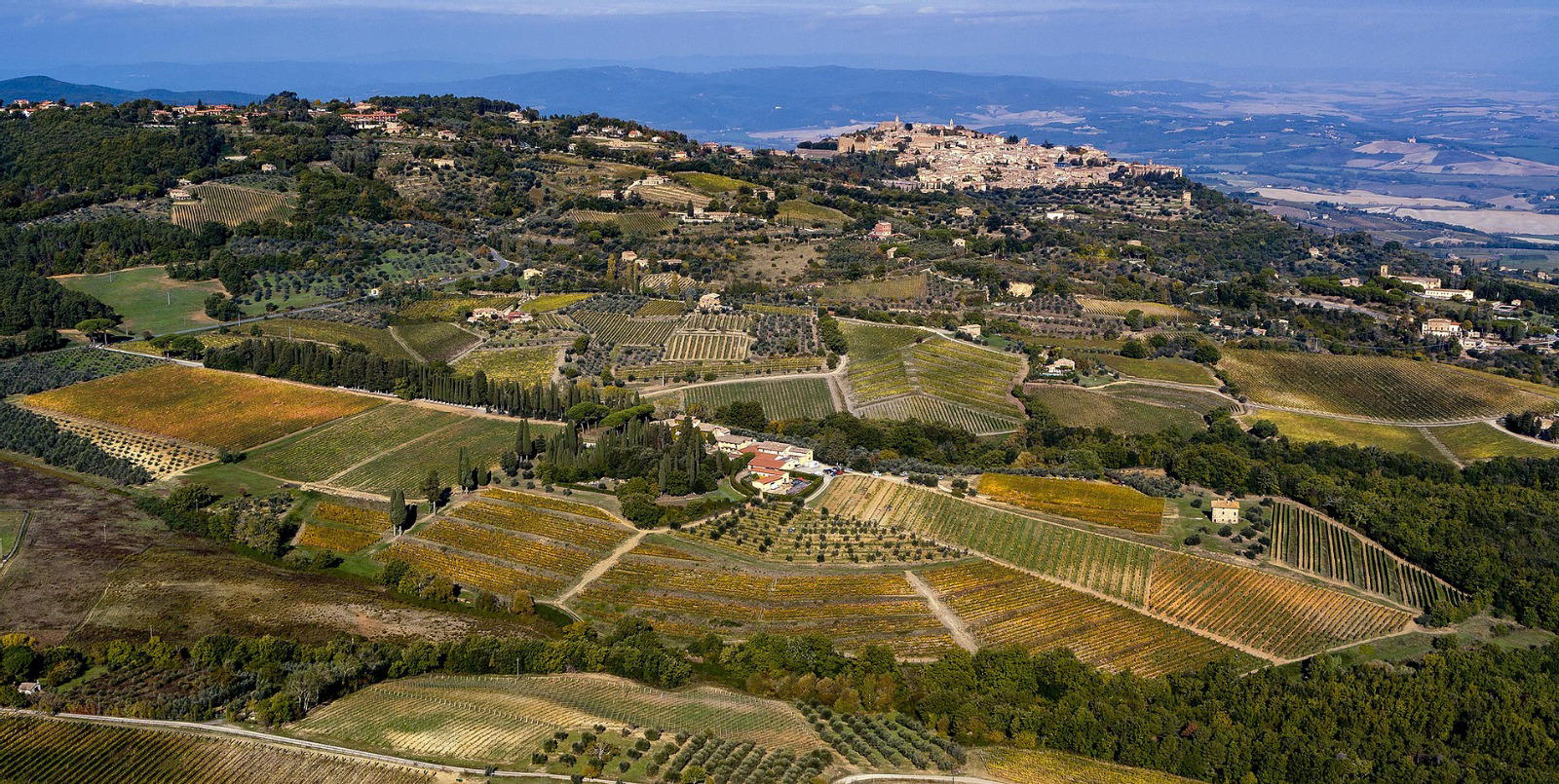
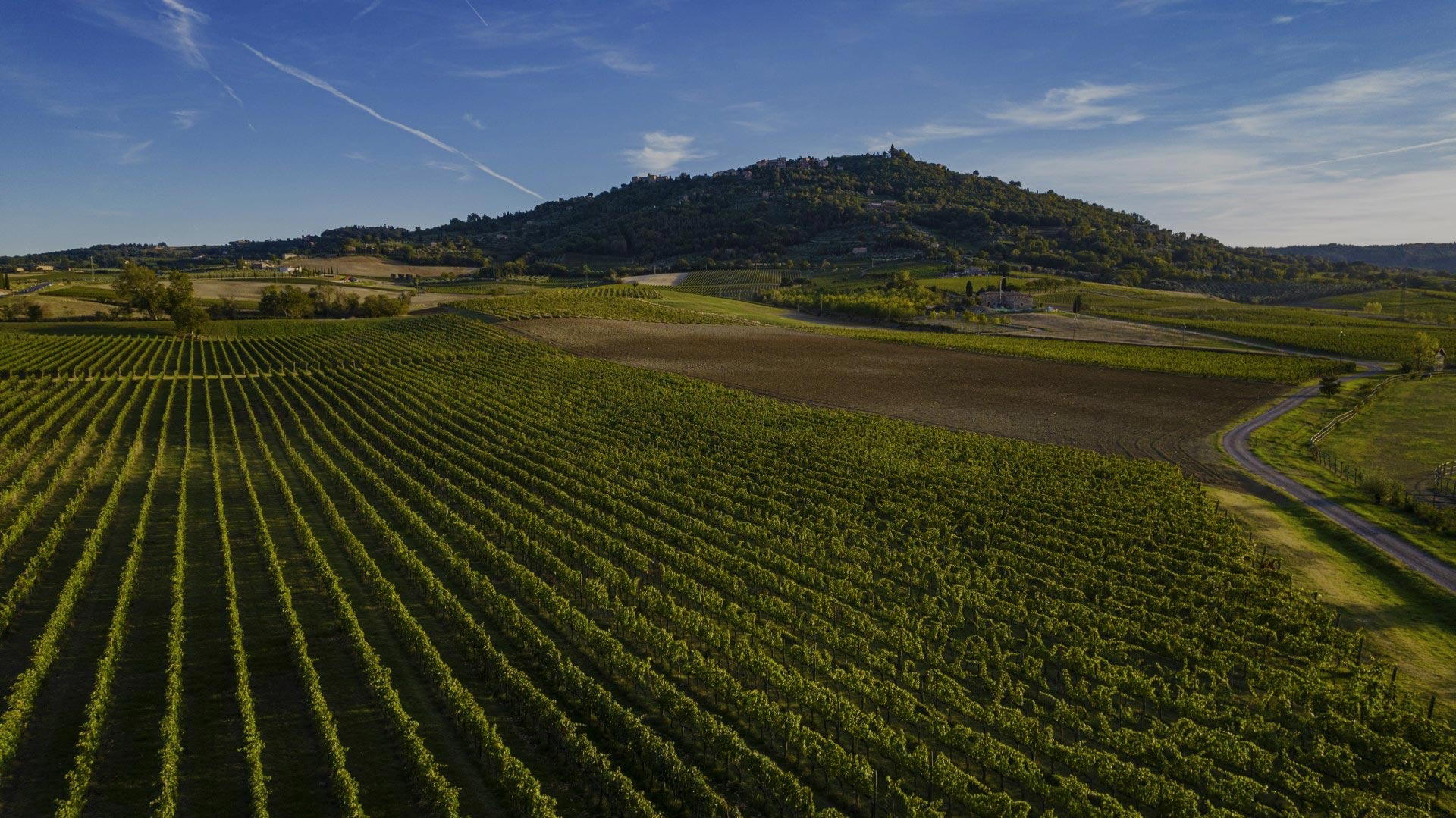
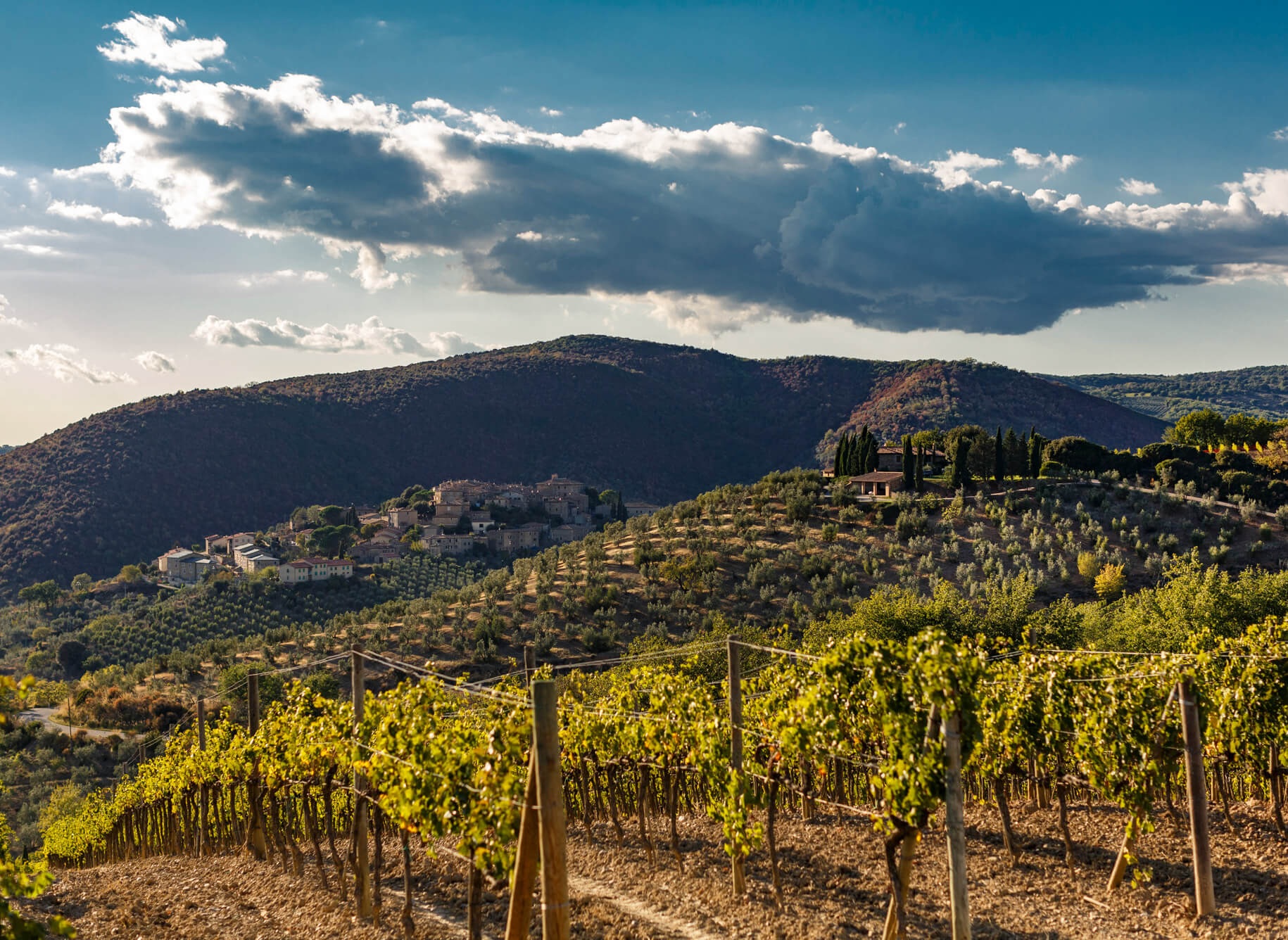
San Quirico d'Orcia sits on a limestone ridge above among the more farmed stretches of central Tuscany: the Val d'Orcia, a UNESCO-listed agricultural valley where wheat, legumes, pecorino sheep, and heritage grains have shaped local cooking for centuries. Restaurants here do not need to reach far for their ingredients. The supply chain is short by design, rooted in a regional economy that still organises itself around seasonal production and local provenance. In that context, a family-run trattoria on the main pedestrian corso is not a curiosity; it is the expected form for this kind of town.
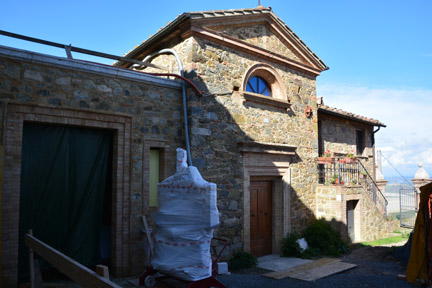
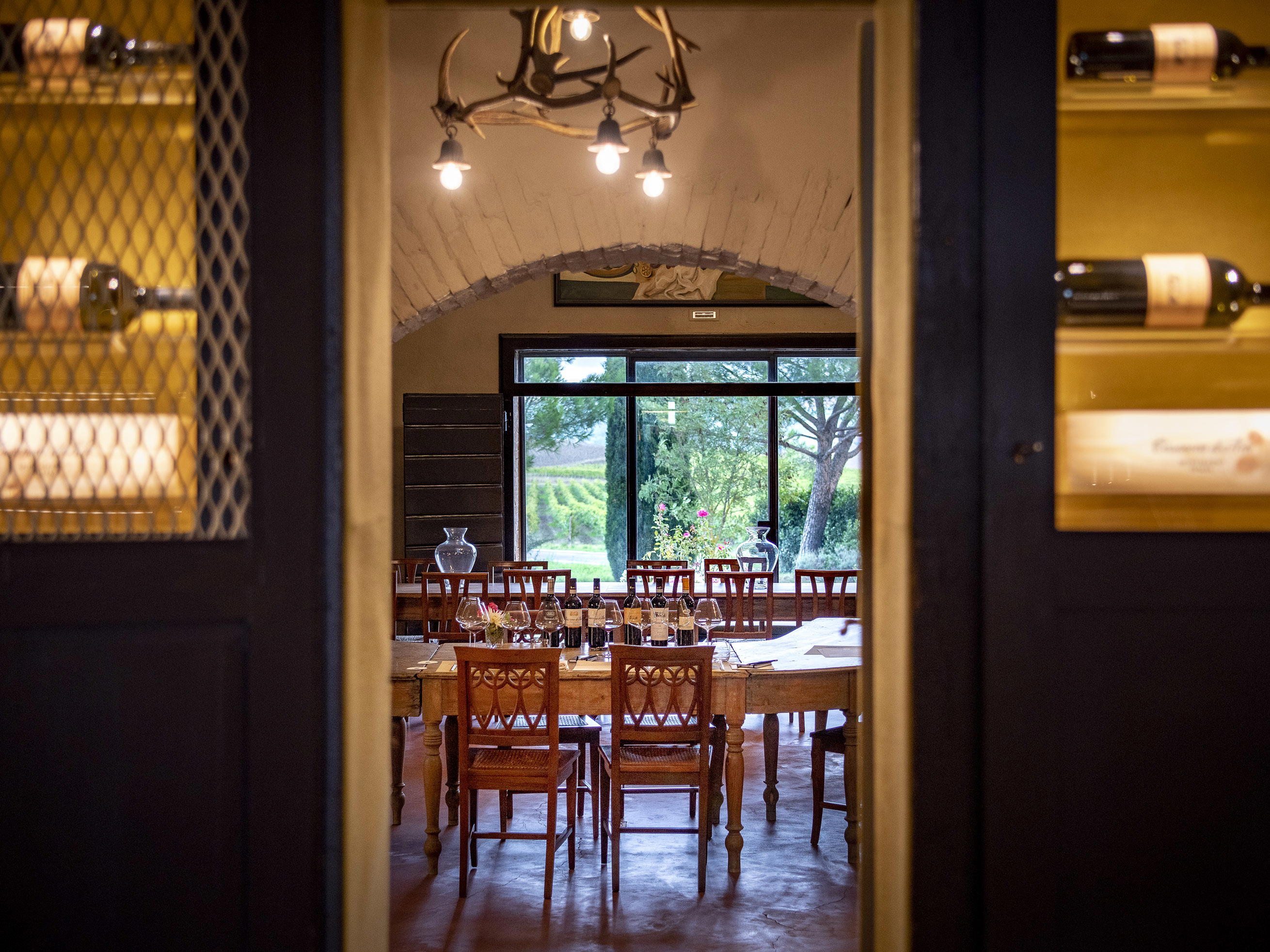
Taverna da Ciacco is a Traditional Tuscan Trattoria at Via Dante Alighieri 30A in San Quirico d'Orcia. The dining room is rustic in the practical sense: stone walls, modest furniture, the kind of space that prioritises a filled table over a designed one. A handful of tables face the paseo outside, giving a clear view of the medieval street that connects the town's church of the Collegiata to the Horti Leonini gardens. The setting frames the meal in a way that a room alone cannot.
What the Michelin Plate Actually Signals Here
In Italian regional dining, a Michelin Plate is a specific and useful signal. It does not indicate the tasting-menu ambition of operations like Osteria Francescana in Modena or Enoteca Pinchiorri in Florence, both of which operate in a stratospherically different price tier. It does not point toward the experimental technique visible at Enrico Bartolini in Milan or the produce-first philosophy taken to its furthest point at Atelier Moessmer Norbert Niederkofler in Brunico. The Plate designation, awarded consecutively in 2024 and 2025, marks a restaurant that Michelin's inspectors consider to prepare food carefully and honestly, without awarding the full star distinction. For a trattoria in a hill town of under 2,500 people, consecutive recognition of that kind is a meaningful credential, not a consolation prize.
Taverna da Ciacco prices in the €€ range, which places it alongside other regional trattorias. That pricing, combined with its Michelin Plate status, creates a comparable set defined by value-for-craft rather than prestige spend. For comparison, Trattoria Toscana al Vecchio Forno operates in the same town and similar price tier, making San Quirico d'Orcia something of a reliable stop for well-priced Tuscan cooking rather than a place where you have to gamble on quality.
Pici and the Logic of Handmade Pasta in This Region
Pici is the pasta most associated with the Sienese countryside. It is a thick, hand-rolled spaghetto made from flour and water, without eggs, which makes it dense and textured in a way that holds sauce differently from factory-cut pasta. The absence of eggs is not an economy measure; it reflects the grain-heavy, livestock-light cooking tradition of the inland hill towns, where the pantry was built around hard wheat and preserved ingredients rather than daily dairy.
The pici at Taverna da Ciacco comes with cherry tomatoes, olives, and anchovies, a combination that reads as a summer plate. The acidity of the tomatoes, the brine from the olives and anchovies, and a measure of chilli heat create a sauce that works with the pasta's density rather than against it. This is the kind of combination that appears throughout coastal and inland Tuscan cooking wherever preserved fish arrived via the old salt and fish trade routes from the Tyrrhenian coast into the interior. Anchovies in this context are not a garnish; they are a seasoning agent, dissolved or near-dissolved, providing depth rather than texture.
Handmade pici of this kind is labour-intensive relative to its price point. Rolling each strand by hand produces inconsistencies in diameter that a machine cannot replicate, and those inconsistencies change how the pasta cooks and chews. That the kitchen produces it in this format, at a €€ price point, says something about priorities. It is not the cheapest way to serve pasta, and it is not the fastest. It is, however, the regional way.
Sourcing in a UNESCO Valley
The Val d'Orcia's designation as a UNESCO World Heritage Cultural Landscape, granted in 2004, reflects the valley's long continuity of agricultural use. The fields visible from San Quirico's walls grow much of what ends up on tables in the town's restaurants: durum wheat for pasta, Cinta Senese pork from semi-wild pigs, Pecorino di Pienza cheese from sheep that graze the clay hills between here and Pienza, local olive oil pressed in the autumn from the valley's groves. Restaurants that source locally in the Val d'Orcia are not making a contemporary sustainability argument; they are following a supply chain that pre-dates industrial food distribution by several centuries.
For travellers planning time in the area, San Quirico d'Orcia sits within easy reach of Montalcino, Pienza, and Bagno Vignoni, which means a meal at the restaurant fits naturally into a wider circuit of the valley. The town itself requires no car once you arrive; the historic centre is pedestrian, and the restaurant's address on Via Dante Alighieri places it within the walking zone. Those coming from further afield should note that San Quirico is served by the SS2 Via Cassia and sits roughly midway between Siena and the Lazio border on the main route south.
Planning Your Visit
The family-run format, small room, and limited terrace seating suggest that tables book up during high season, particularly in summer when the outdoor paseo seating is available. Visitors planning a summer meal should plan ahead rather than arrive expecting a walk-in.
The restaurant sits at the accessible, honest end of that spectrum, which in the Val d'Orcia is exactly where the tradition points.
Comparable Spots, Quickly
Comparable venues nearby, for context on price, style, and recognition.
| Venue | Cuisine | Price | Awards | Notes |
|---|---|---|---|---|
| Taverna da CiaccoThis venue — the venue you are viewing | Traditional Tuscan Trattoria | $$ | Michelin Plate | Not listed |
| Trattoria Toscana al Vecchio Forno | Traditional Tuscan Trattoria | $$ | Michelin Plate | San Quirico d'Orcia |
| L'Officina | Modern Italian Fine Dining | $$ | Michelin Plate | Corso Cavour |
| L'Uva e il Malto | Tuscan Seafood | $$ | Michelin Plate | town centre |
| Del Fagioli | Authentic Florentine Trattoria | $$ | Michelin Plate | San Niccolo |
| Trattoria 'petito | Romagnola Trattoria | $$ | Michelin Plate | centro storico |
Recognition history
Dated appearances from independent guides and award organizations, with the underlying list record or original source where available.
Michelin Plate
Michelin
Michelin Plate
Michelin
Michelin Plate
Michelin
Continue exploring
More in San Quirico d'Orcia
Restaurants in San Quirico d'Orcia
Browse all →
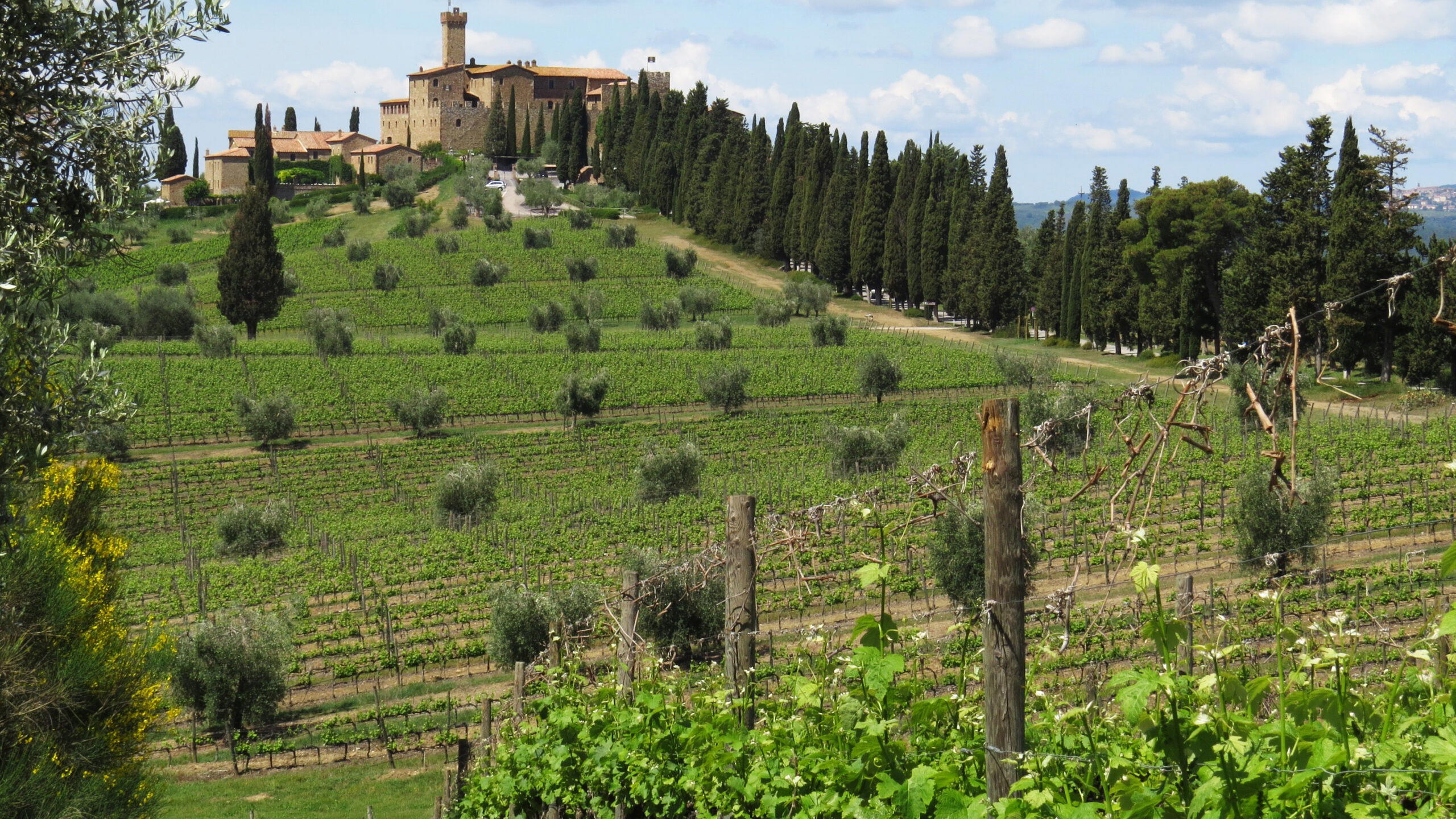
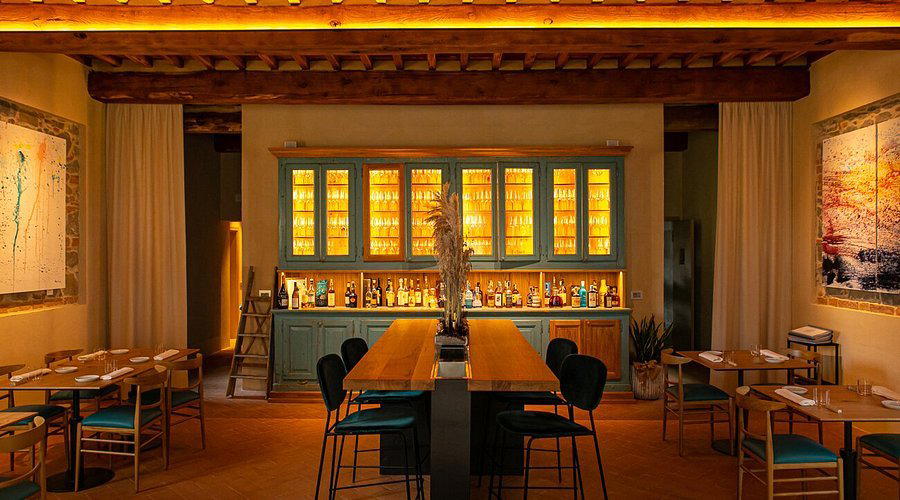
Bars in San Quirico d'Orcia
Browse all →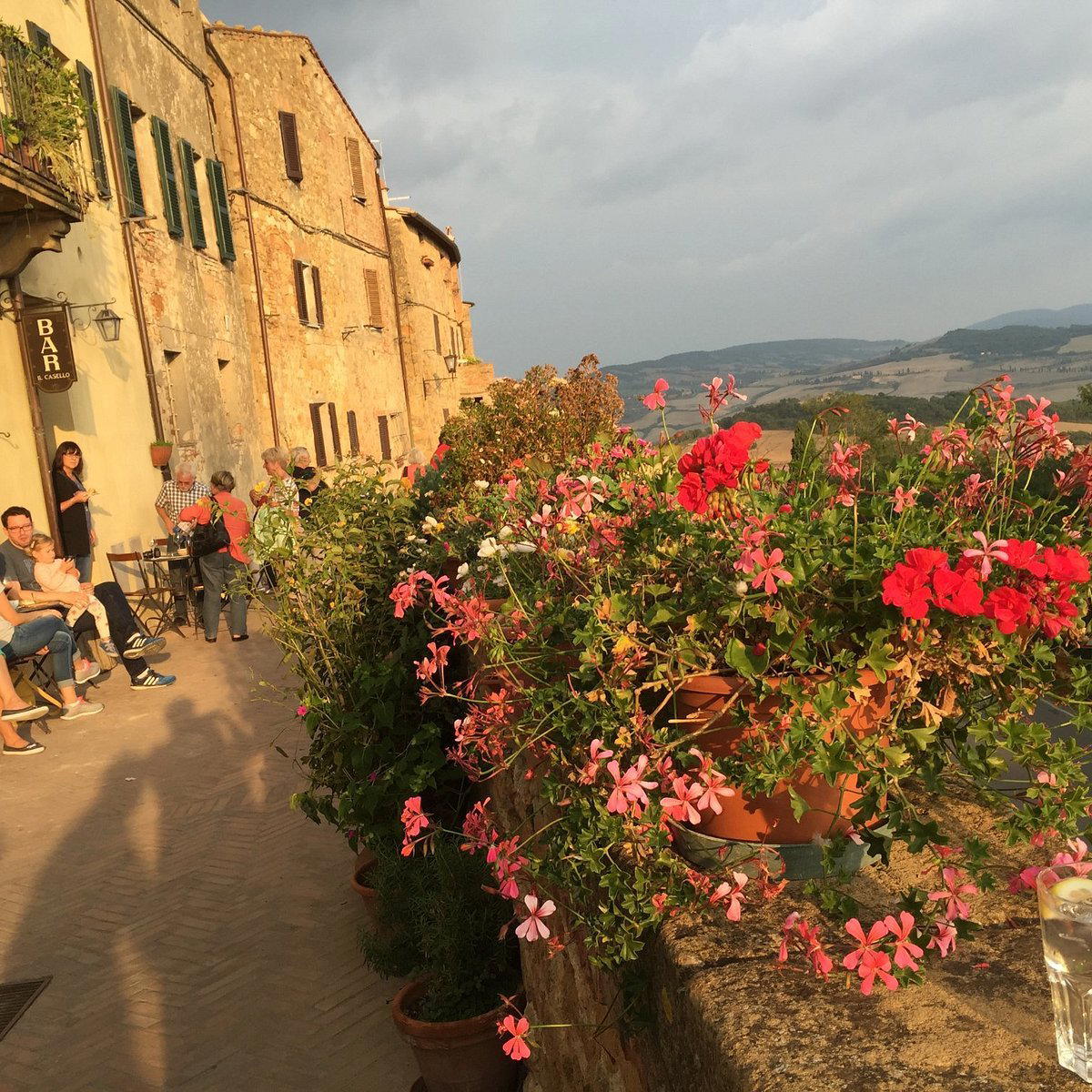
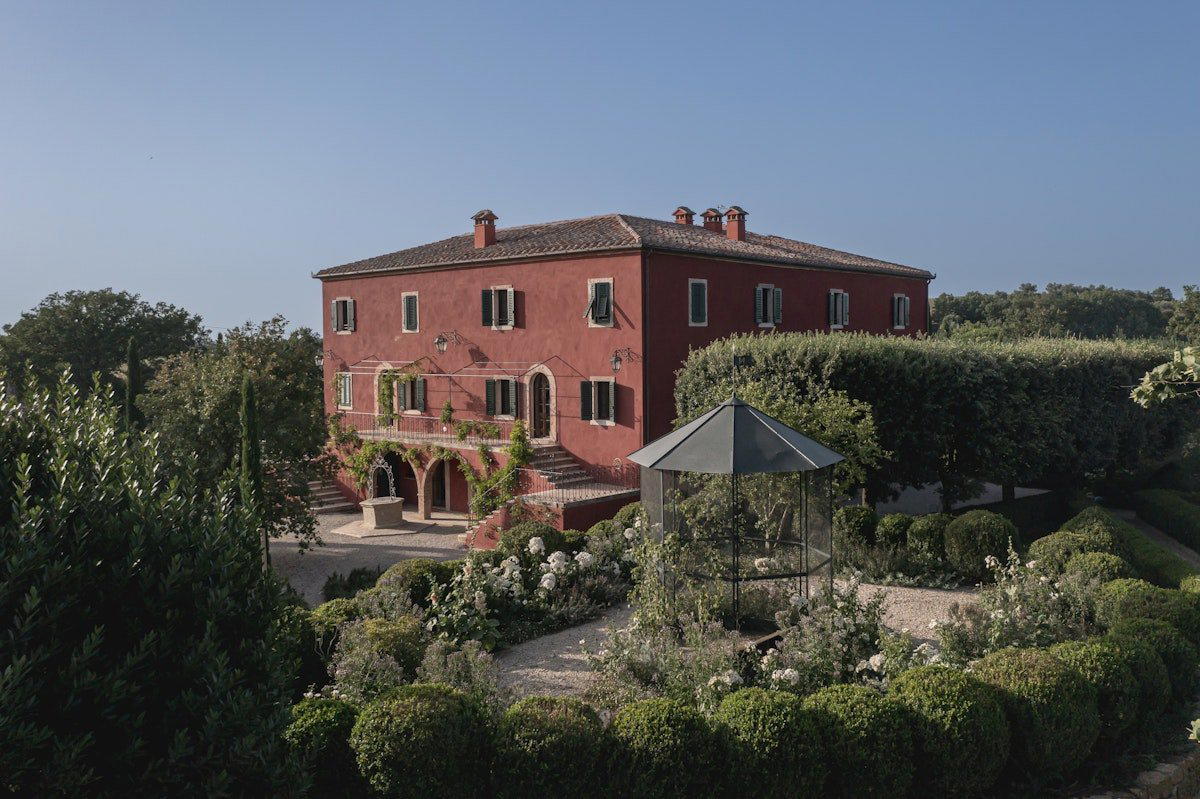
Hotels in San Quirico d'Orcia
Browse all →
At a Glance
- Rustic
- Cozy
- Intimate
- Elegant
- Date Night
- Special Occasion
- Historic Building
- Extensive Wine List
- Street Scene
Rustic dining room with candlelit tables, fresh flowers, well-spaced seating amid a grand wine cellar, creating a warm, elegant, and quiet atmosphere.