Tavern Mali Grad operates along the Kamniška Cesta corridor in Šmarca, within the agricultural orbit of the Kamnik valley. In a region where local taverns have long sourced from alpine farms and surrounding producers, the address at the edge of Kamnik municipality places it inside a dining tradition defined by seasonal produce and community regularity rather than destination-restaurant logic. For visitors to the Mali Grad castle area, it represents the working end of Slovenian regional cooking.
Pearl is the En Primeur Club membership app — saves, bookings, and concierge access live there. Same editors, same standards.
- Address
- Kamniška Cesta 19, 1241 Šmarca, Slovenia
- Phone
- +38670204283
- Website
- facebook.com
- Directions
- Get directions
 Saves & bookings on Pearl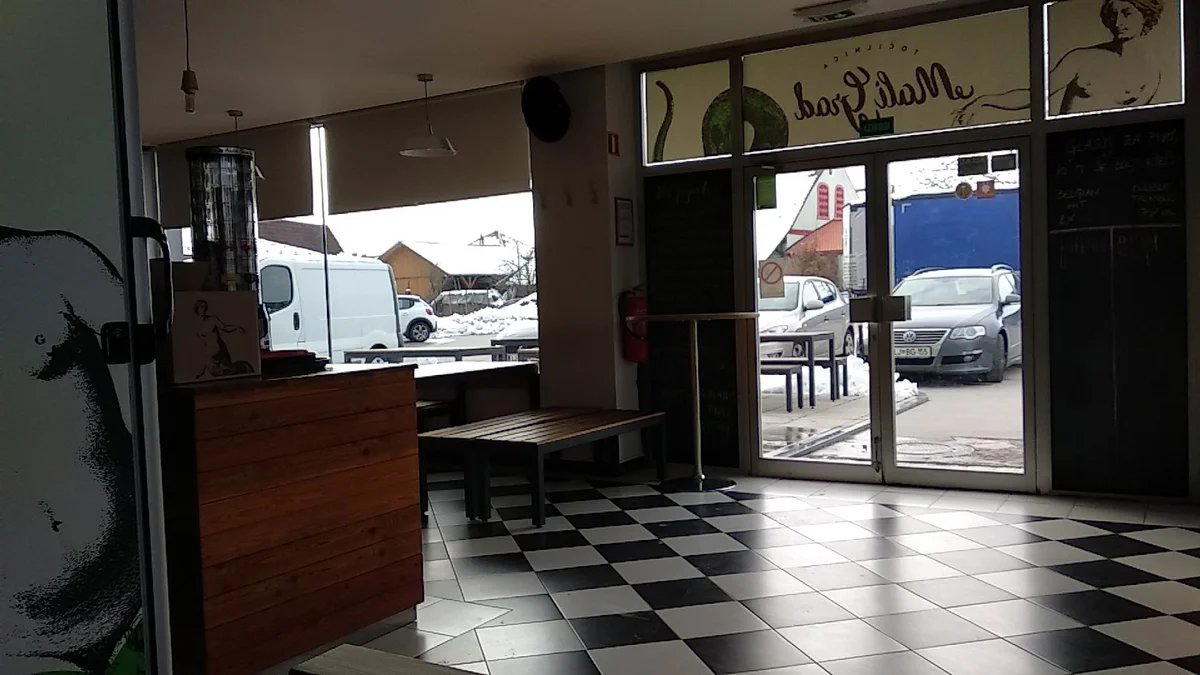
Šmarca and the Tavern Tradition Along the Kamnik Road
The stretch of road running out of Kamnik toward Šmarca carries a particular character in Slovenian dining culture. This is not the polished restaurant corridor of Ljubljana, nor the destination-driven mountain dining that draws international attention to places like Hiša Franko in Kobarid or Milka in Kranjska Gora. It is something older and less performative: the gostilna and tavern circuit that has fed the Kamnik valley's working population for generations, where the measure of a kitchen is not a tasting menu format but the reliability of what arrives on the table and where it was grown.
Tavern Mali Grad sits at Kamniška Cesta 19 in Šmarca, a short distance from the Kamnik town center, occupying the kind of position these establishments have always occupied: close enough to serve the town, far enough to maintain a certain remove from it. The name references Mali Grad, the small medieval castle that defines Kamnik's skyline and its local identity. That reference is not incidental. In a region where culinary character is inseparable from agricultural geography, the tavern form carries a specific set of expectations about produce sourcing, portion logic, and the relationship between kitchen and surrounding land.
What the Kamnik Valley Produces and Why It Matters
Slovenia's culinary conversation has shifted considerably in the past decade. The country now counts serious farm-to-table operators among its most discussed restaurants, including Grič in Šentjošt nad Horjulom, where the sourcing program has become as central to the offering as the cooking itself. That movement did not emerge from nowhere. It built on a pre-existing infrastructure of small producers, cooperative farming traditions, and regional taverns that had always sourced locally by necessity rather than philosophy.
The Kamnik area specifically benefits from proximity to the Kamnik-Savinja Alps to the north, which creates a microclimate suited to dairy farming, root vegetables, and the kind of slow-grown produce that defines central Slovenian cooking. Lamb from the higher pastures, cured meats from farms in the surrounding municipalities, and mushrooms from the alpine forests above the valley have long supplied establishments throughout this corridor. For a tavern operating on Kamniška Cesta, these supply lines represent not a sourcing strategy but a geographic given, the same one that has shaped what appears on tables here since the tavern tradition took hold in the region.
This distinguishes the Kamnik tavern circuit from the more tourist-oriented coastal dining found at places like Gostišče Neptun in Piran, where Mediterranean influence and visitor traffic reshape priorities. Here, the audience is largely local, which means the kitchen answers to a different set of demands: consistency over novelty, seasonal accuracy over year-round availability, and price points that reflect what the community will sustain across repeated visits.
The Tavern Format in a Changing National Context
Slovenia's dining scene has developed a clear two-tier structure. At the upper level, a cohort of destination restaurants, some with Michelin recognition, has established the country's international reputation. Restavracija Strelec in Ljubljana, Hiša Denk in Zgornja Kungota, and Gostilna Pri Lojzetu in Vipava operate in that upper register, drawing visitors willing to plan itineraries around a single meal. The comparison set for those establishments runs internationally, to places as far removed as Le Bernardin in New York or Atomix in New York City in terms of the booking logic and critical framework applied to them.
The tavern tier operates under entirely different conditions. Venues like Gostilna Pr'Bizjak in Preddvor, Gostilna Mlinar in Idrija, and Pavus in Lasko serve local populations first and absorb visitors as a secondary function. The quality signal in this tier is not awards or column inches but longevity: a tavern that has held its ground in the same community for years is demonstrating something that no external recognition can substitute for. Gostišče Karavla 297 in Trzic and Turistična Kmetija Breg in Brda represent similar models in their respective regions, where the agricultural context of the kitchen is part of the proposition.
For visitors coming to Kamnik, this context matters when calibrating expectations. The tavern form does not promise the composed plating or curated wine selection of a destination restaurant. It promises something else: proximity to regional production, format familiarity, and pricing that reflects the local economy rather than an international visitor premium.
Planning a Visit to Šmarca
Kamniška Cesta 19 in Šmarca is reachable from Kamnik town center by a short drive or, for those oriented toward the valley on foot, a walk along the main road corridor. The address sits within the broader Kamnik municipality, making it a natural stop when combining a visit to the Mali Grad castle ruins with lunch or an early dinner. Arriving directly and confirming availability on the day is the practical approach, as is common with taverns of this type throughout rural Slovenia. Hiša Linhart in Radovljica and Dam in Nova Gorica offer contrasting experiences for those building a broader Slovenian itinerary around this region and the northwest more generally. Gostilna Oštirka in Celje provides a comparable tavern-tier reference point further south.
At-a-Glance Comparison
Comparable venues nearby, for context on price, style, and recognition.
| Venue | Cuisine | Price | Notes |
|---|---|---|---|
| Tavern Mali Grad, kinweb D.O.O.This venue — the venue you are viewing | Gourmet Neapolitan Pizza & Craft Beer | $$ | Not listed |
| Picerija Orli | Neapolitan-style Sourdough Pizza | $$ | Tenetiše |
| Pop's Pizza & Sport | Authentic Neapolitan Pizza | $$ | Breg |
| Raw Pasta | Fresh Handmade Italian Pasta | $$ | Center |
| Gostilna in pizzerija Jurman | Slovenian Gostilna & Pizzeria | $$ | Zaloška cesta |
| Saraj Restavracija | Bosnian Grill & Balkan Cuisine | $$ | Ljubljana |



At a Glance
- Rustic
- Cozy
- Casual Hangout
- Group Dining
- Open Kitchen
- Beer Program
- Craft Cocktails
Current opening hours
- Monday
- 12–9 PM
- Tuesday
- 12–9 PM
- Wednesday
- 12–9 PM
- Thursday
- 12–9 PM
- Friday
- 12–11 PM
- Saturday
- 12–10 PM
- Sunday
- 12–8 PM
Hours can change for holidays and private events. Last verified .
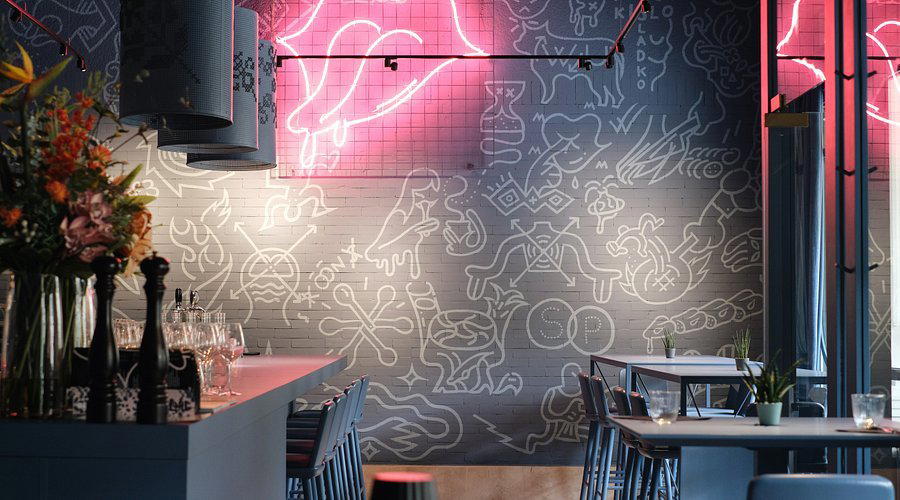
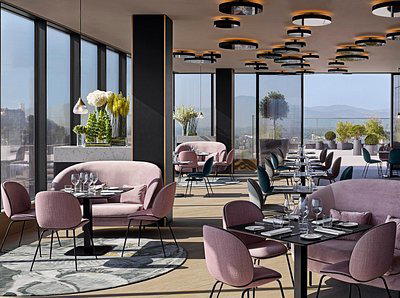
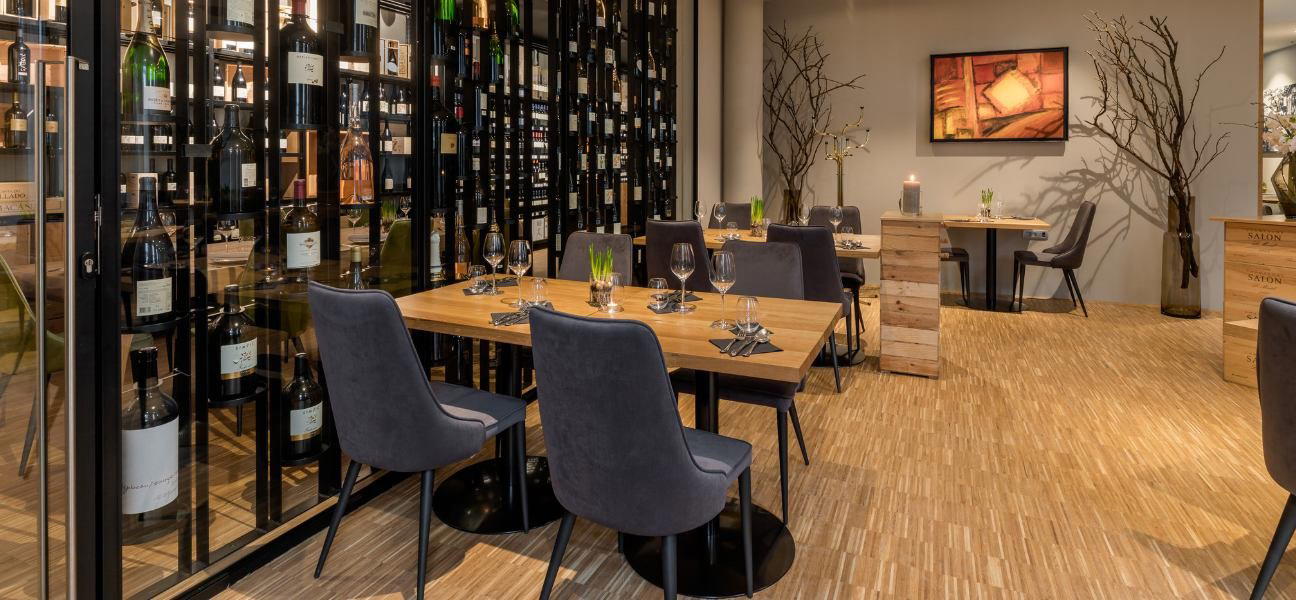
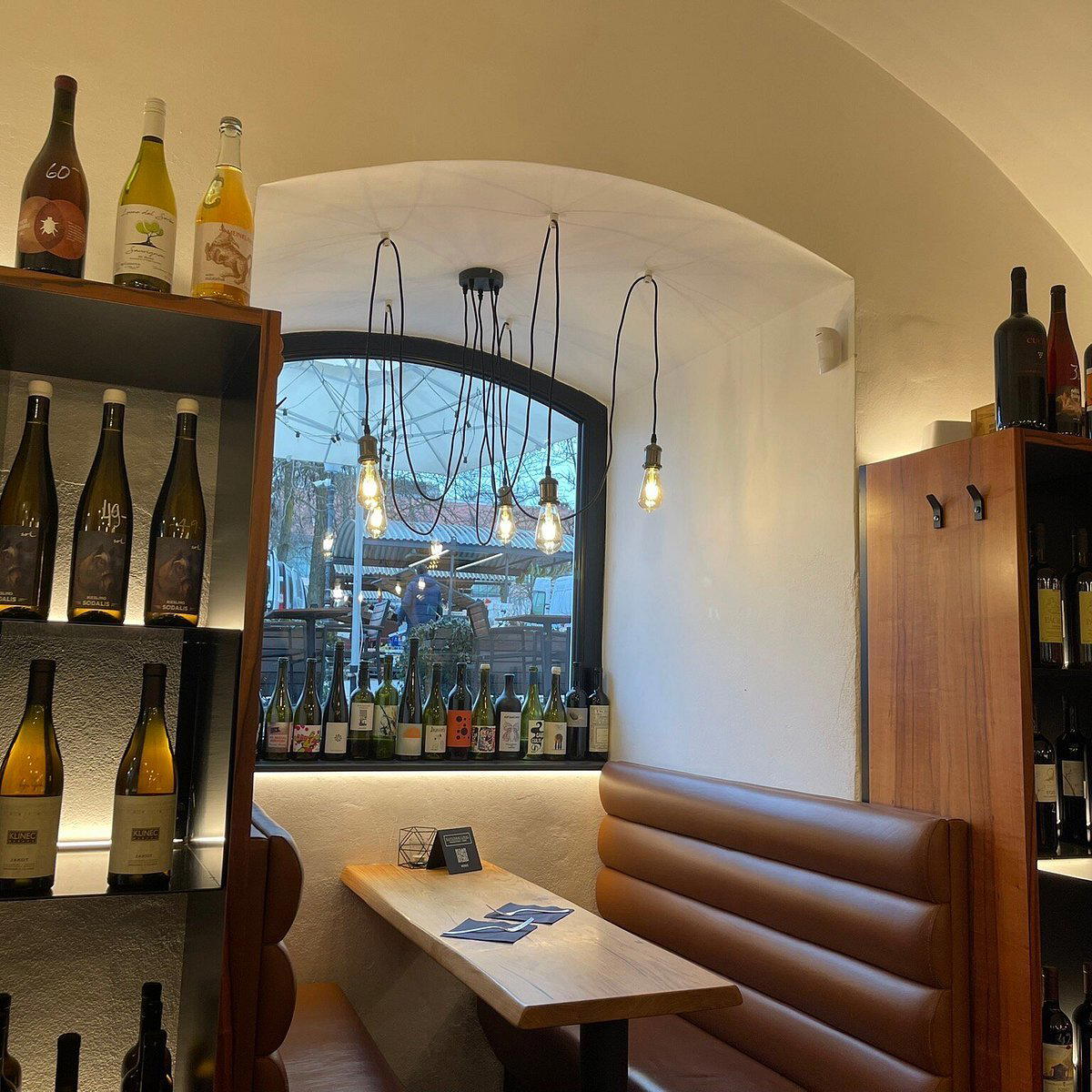
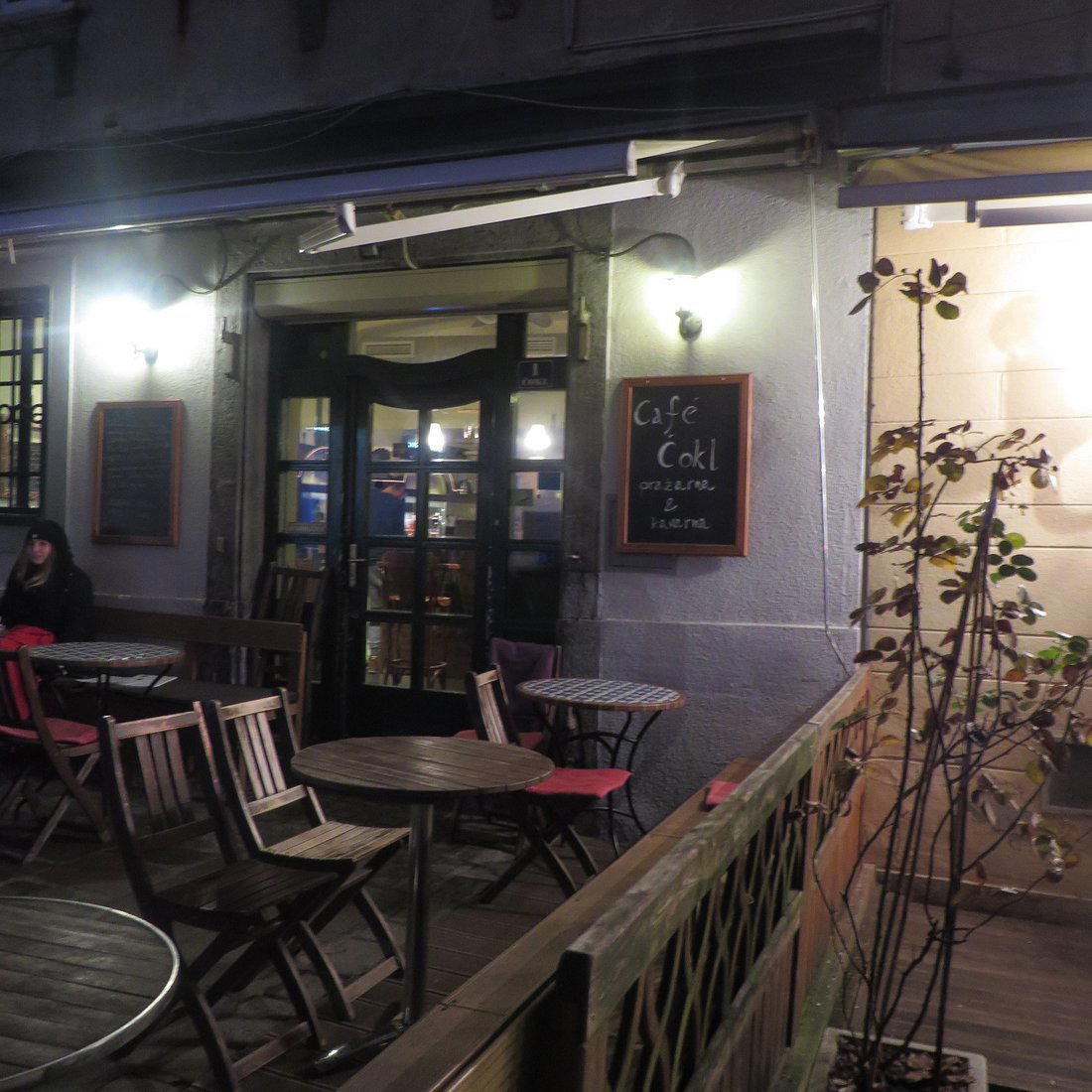
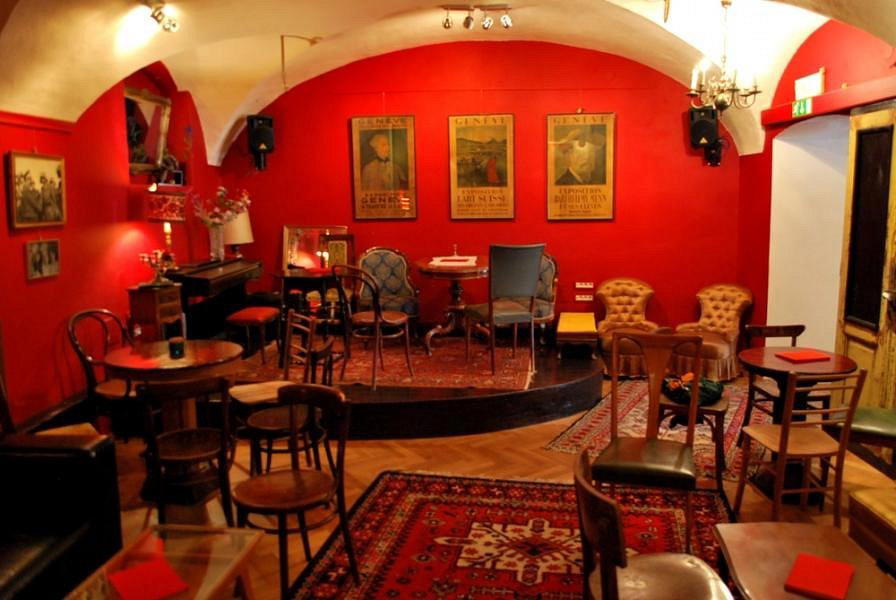
Authentic and charming atmosphere in a little town setting with a casual brewery tap room vibe.