Our verdict
On Zaloška cesta in Ljubljana's eastern residential belt, Gostilna in pizzerija Jurman occupies the kind of address that local regulars know by habit rather than by recommendation. The format pairs traditional gostilna cooking with pizza, a pairing common across Slovenia's neighbourhood dining scene. It sits in a different tier from the city's destination restaurants, serving the rhythms of everyday Slovenian table culture.

Pearl is the En Primeur Club membership app, where members save venues, book tables and use the concierge.

Where Neighbourhood Ritual Outweighs Destination Drama
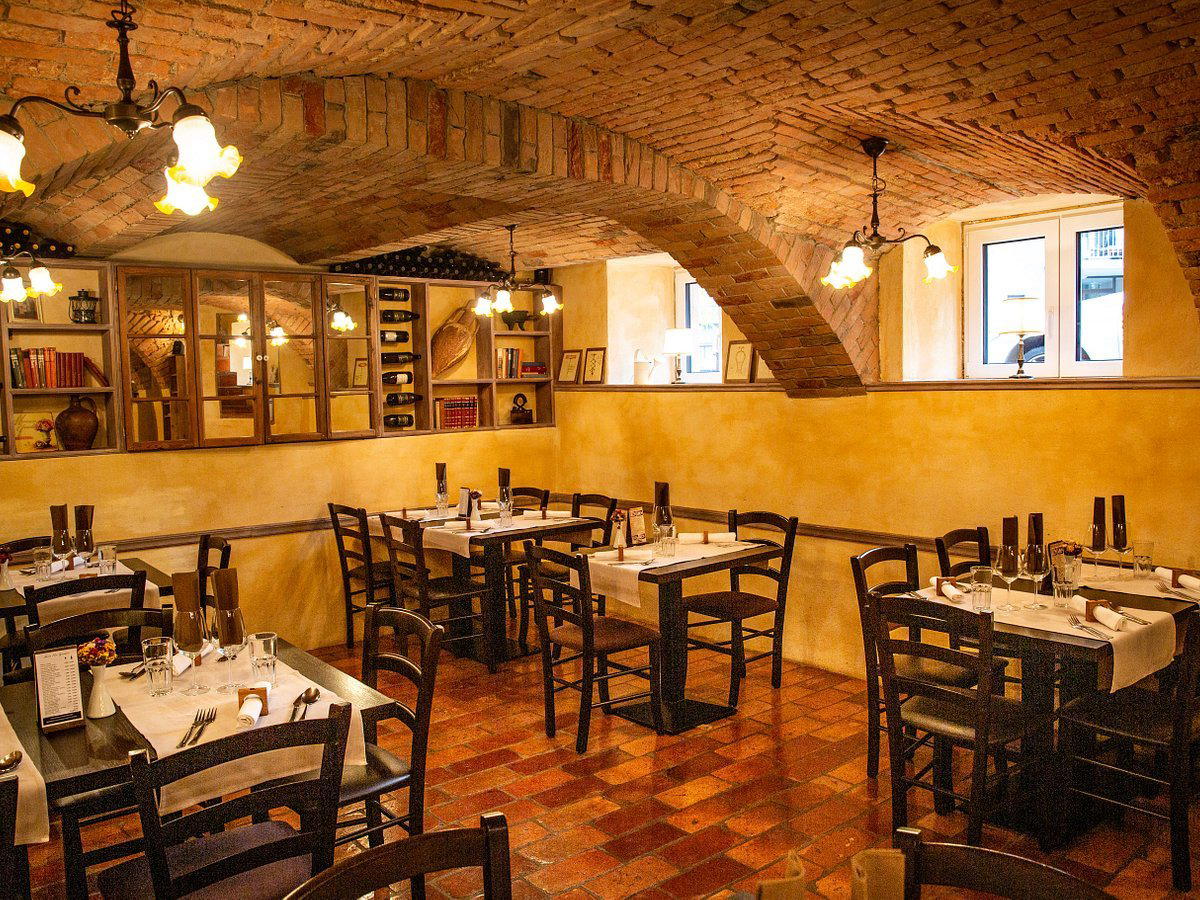
The stretch of Zaloška cesta that carries traffic east out of Ljubljana is not the city's dining showpiece. There are no cobblestones, no canal reflections, no terraces angled for tourist photography. What the street does have is the kind of residential density that sustains a particular type of eating place: the gostilna, Slovenia's most durable dining format, built around regulars who arrive at the same hour, order without consulting a menu at length, and treat the meal as punctuation in a working day rather than an occasion in itself. Gostilna in pizzerija Jurman on Zaloška cesta 151 operates inside that tradition.
The gostilna format is worth understanding before you arrive. Across Slovenia, it describes a category sitting between a pub and a full restaurant, typically offering cooked daily specials alongside a fixed menu, priced for repeat visits rather than special occasions. The pizza addition is pragmatic rather than aspirational: Slovenian neighbourhood dining absorbed Italian influence through geography long before pizza became a global shorthand, and the combination of traditional Slovenian plates alongside wood- or deck-oven pizza has been standard in many provincial and suburban establishments for decades. It is a format that prioritises breadth of appeal over editorial precision.
The Rhythm of a Slovenian Neighbourhood Table
In Ljubljana's more central dining rooms, the meal has become a structured event. At Restavracija Strelec, the progression through courses is deliberate, the setting theatrical. At AFTR, the format is tighter and more contemporary. At Altrokè, regional cuisine is the editorial spine. Jurman operates on a different axis entirely. The meal here follows the logic of the neighbourhood rather than the logic of a tasting menu: you arrive, you sit, you eat what is offered or what is familiar, and you leave in time for whatever comes next. Pacing is driven by the kitchen's daily output and by the habits of the room, not by a choreographed sequence.
This is not a criticism. In many European cities, the category of restaurant that serves the working lunch and the family Sunday meal without fanfare has thinned considerably as rents rise and dining culture tilts toward the experiential. Ljubljana has retained more of this layer than many comparable capitals, partly because of the gostilna tradition and partly because outer neighbourhoods like this one along Zaloška have not yet undergone the hospitality gentrification that has reshaped the old town and the Metelkova quarter. The meal at Jurman is an artefact of that retention.
For readers accustomed to the dining culture attached to restaurants like Le Bernardin in New York or Atomix, where the ritual of eating is itself the product, the register here is a significant shift. There is no theatre of presentation, no choreographed pour, no moment where the kitchen sends a compliment. What there is instead is the particular ease of a room that knows its regulars, serves without performance, and prices without premium. Those are not lesser qualities; they are a different set of values entirely.
Placing Jurman in Ljubljana's Dining Spread
Ljubljana's restaurant scene has developed two fairly distinct tiers in recent years. The first is the destination category, anchored by the old town and the market district, where venues compete on credential, concept, and the visibility that comes from international editorial coverage. The second is the neighbourhood category, distributed across the residential belt that surrounds the centre, where the competitive logic is local loyalty rather than national recognition. Jurman belongs to the second tier.
Within that second tier, the gostilna-pizzeria combination occupies a specific middle ground. It is not a specialist in the way that Abi Falafel is a specialist, nor does it carry the modern ambitions visible at Allegria. It is a generalist by design, structured to serve a broad catchment of local households across multiple meal occasions. The pizza component extends the kitchen's reach into evening family dining; the gostilna component anchors the weekday lunch trade. This dual-format approach is common enough in Slovenian provincial and suburban dining that it registers as a category rather than a quirk.
For context on what Slovenia's higher-register dining tradition looks like, the reference points are dispersed across the country rather than concentrated in the capital. Hiša Franko in Kobarid sits at the upper end of Slovenian fine dining with sustained international recognition. Gostilna Pri Lojzetu in Vipava anchors serious Karst-region cooking, while Hiša Denk in Zgornja Kungota and Hiša Linhart in Radovljica represent the regional tradition at a careful level. Milka in Kranjska Gora, Dam in Nova Gorica, Grič in Šentjošt nad Horjulom, Pavus in Lasko, and Gostilna Mlinar in Idrija each operate in a more deliberate culinary register. Jurman is not positioned in that conversation; it serves a different need and a different audience. Comparing the two categories is less useful than understanding what each one is actually for. You can find more context across Ljubljana's full dining range in our Ljubljana restaurants guide.
For completeness within the regional neighbourhood category, Gostišče Karavla 297 in Trzic represents a comparable format in a different Slovenian setting, with the same emphasis on local trade over destination dining.
Planning a Visit
Zaloška cesta 151 is east of Ljubljana's centre, accessible by city bus along the Zaloška corridor. The address places Jurman in a part of the city where foot traffic comes from the surrounding apartment blocks and light-industrial zones rather than from tourist circulation. Visits are leading framed as an immersion in the local meal rather than as a dining destination; arrive at lunch on a weekday and you will be in the company of a room that knows exactly what it wants. The combination of gostilna and pizzeria formats means the kitchen covers a wide range of occasions, from a quick midday plate to an early family evening meal.
Frequently asked questions
Is Gostilna in pizzerija Jurman a family-friendly restaurant?
The gostilna format, a Slovenian inn-style dining room built around everyday neighbourhood trade, is by tradition suited to mixed-age groups. Jurman sits on Zaloška cesta 151 in Ljubljana's residential east, where the regular clientele skews local rather than tourist, which typically means a relaxed, unpretentious room where children are unremarkable guests rather than an afterthought.
What's the vibe at Gostilna in pizzerija Jurman?
Zaloška cesta 151 is east of Ljubljana's polished old-town circuit, and the address signals the tone before you arrive. This is a working neighbourhood restaurant, not a destination room: the kind of place where the lunch crowd turns over efficiently and regulars don't need menus. The dual gostilna-and-pizzeria format is common in Slovenia's suburban and residential areas, where practicality and familiarity tend to outrank theatre.
How does Gostilna in pizzerija Jurman compare to Ljubljana's central dining options?
Where Ljubljana's old-town restaurants increasingly target visitors and operate as structured dining events, Jurman at Zaloška cesta 151 functions within a different register entirely: the local gostilna tradition that serves a residential catchment rather than a touring one. There are no documented awards or Michelin recognition, which in this context is beside the point, the venue's relevance is rooted in its role within Ljubljana's eastern neighbourhood rather than the city's destination-dining tier.
What do regulars order at Gostilna in pizzerija Jurman?
Jurman operates as both a gostilna and a pizzeria, which in the Slovenian context usually means a menu split between traditional cooked plates and pizza. Neighbourhood regulars at this type of Ljubljana establishment typically gravitate toward whichever side of the menu matches the day and occasion, hearty gostilna dishes at lunch, pizza in the evening, though specific dishes and current offerings are best confirmed directly with the venue at Zaloška cesta 151.
Budget and Context
Comparable venues nearby, for context on price, style, and recognition.
| Venue | Cuisine | Price | Awards | Notes |
|---|---|---|---|---|
| Gostilna in pizzerija JurmanThis venue (the venue you are viewing) | Slovenian Gostilna & Pizzeria | $10–20 | Not listed | Not listed |
| Evino | European Wine Bar | Not listed | Star Wine List | Bežigrad, European Wine Bar |
| Kult316 | Modern Slovenian Contemporary | $20–30 | Not listed | Šentvid, Modern Slovenian Contemporary |
| Cojzla | Gluten-Free Fast Casual | $10–20 | Not listed | Ljubljana BTC shopping center area, Gluten-Free Fast Casual |
| Barra | Japanese-Peruvian Nikkei Fusion | Not listed | Not listed | > Japanese-Peruvian Nikkei Fusion |
| Gostilna Pri Stričku | Traditional Slovenian | $10–20 | Not listed | Ljubljana, Traditional Slovenian |