Tatale
Pan-African cooking occupies a distinct and underserved space in London's restaurant culture, and Tatale sits within that conversation as one of the city's clearer expressions of the cuisine. The kitchen draws on ingredients, techniques, and traditions from across the African continent, presenting them in a setting that reads as contemporary rather than ceremonial. Booking ahead is advised, particularly for evening service.

Pearl is the En Primeur Club membership app — saves, bookings, and concierge access live there. Same editors, same standards.
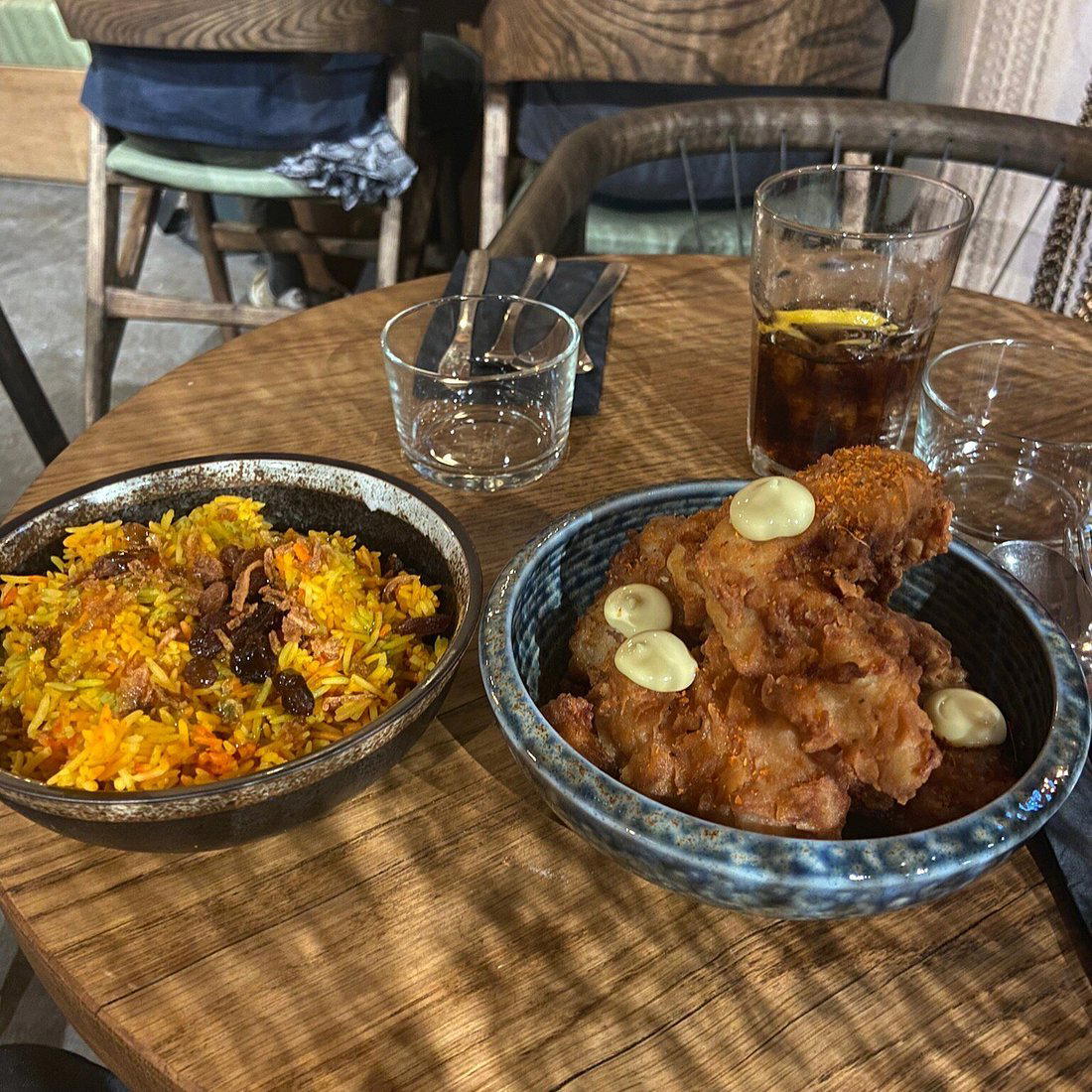
A Different Register in London Dining
Tatale is a London restaurant serving Contemporary Pan-African cuisine at a price tier of 3. London's most-discussed restaurant openings of the past decade have clustered around two poles: the Michelin-chasing modernist tasting menu, represented by operations like CORE by Clare Smyth and The Ledbury, and the casual neighbourhood bistro. Pan-African cooking has found space in neither category comfortably, which is precisely why restaurants operating in this register attract attention that outpaces their size. The cuisine draws on a continent of distinct food traditions, West African ferments, East African spicing, North African grain cookery, and the challenge for any kitchen is deciding how much of that range to reference and how coherently to frame it. Tatale, operating in London, works within that editorial challenge.
The Lunch and Dinner Divide
Few distinctions in a restaurant's operation reveal its identity more clearly than the gap between how it runs at noon and how it runs at nine in the evening. For Pan-African kitchens in particular, this divide often carries cultural weight: lunch-hour service tends to be looser, with more familiar reference points and lighter price commitments, while dinner invites the kitchen to be more deliberate about technique and proportion. At Tatale, the lunch-to-dinner shift reflects that broader pattern in the category.
Daytime service at venues in this register typically attracts a crowd more interested in accessibility than occasion. Plates arrive quickly, portions are generous by the standards of fine dining, and the menu is structured to move. The risk for kitchens is that the lunch format flattens the more interesting cooking into something too legible, too eager to explain itself. Evening service is where the cooking has room to assume more knowledge on the part of the guest, where a fermented shito paste or a slow-braised offcut doesn't need a footnote, because the table has arrived curious rather than convenient.
That structural difference is worth understanding before you book. Dinner is the more complete argument. Lunch is a reasonable entry point, but it presents a narrower version of what the kitchen can do when service is less pressured.
What Pan-African Cooking Looks Like at This Level
The term Pan-African, as a culinary designation, demands some unpacking. It doesn't describe a single national tradition the way French or Japanese cuisine does. Instead, it functions as an editorial frame, a signal that the kitchen is drawing from across the continent's traditions rather than anchoring in one country's canon. The practical implication is that menus in this register can move between registers quickly: a dish might reference Ghanaian technique in the base preparation and East African aromatics in the finish.
Tatale's name offers a clue to its orientation. A tatale is a Ghanaian plantain fritter, a street-food staple, fried and simple, that appears at markets and roadside stalls rather than at formal tables. Using it as a venue name is a positioning choice: it signals groundedness in West African cooking rather than a pan-continental survey approach, even if the menu ranges more widely in practice. That kind of specificity within a broad category is what separates restaurants that understand the food from those that merely represent it.
Plantain itself is a useful lens for understanding the ambition of kitchens working in this space. Overripe plantain behaves differently from firm green plantain; frying temperature determines whether the outside caramelises or stays pale; the accompaniment, whether palm oil-based, yogurt-based, or pickled, shifts the dish's register entirely. The decisions are technical, not decorative. Restaurants that have earned attention in analogous positions globally, like Lazy Bear in San Francisco working within American cooking traditions, demonstrate how deeply a kitchen can go into a single culinary culture when the intent is serious.
Where Tatale Sits in the London Conversation
London's formal dining tier skews heavily toward European technique. The city's four-star-and-above restaurants are almost entirely French-inflected, whether explicitly like Restaurant Gordon Ramsay and Sketch, The Lecture Room and Library, or in the broader modernist-European tradition like Dinner by Heston Blumenthal. That concentration means that restaurants working outside European traditions occupy a genuinely different space in the city's dining map, not competing for the same guest or the same occasion, but building their own case for why they deserve a place in a serious food itinerary.
Tatale operates in that independent space. It doesn't sit in the same competitive set as the multi-Michelin-starred European houses, and it isn't trying to. Its reference points are more usefully found in how comparable kitchens have developed in other cities, Emeril's in New Orleans made a parallel argument for Southern American cooking as a serious culinary tradition rather than a regional novelty, and the comparison holds in terms of cultural positioning if not in style. Closer to home, kitchens like Corner Shop in Glasgow and Franc in Canterbury demonstrate that regional British cities are developing their own non-European restaurant traditions, making Tatale part of a broader shift rather than an isolated case.
Planning Your Visit
Given the attention that Pan-African restaurants in London attract relative to their capacity, booking ahead is the sensible approach. Evening tables on Fridays and Saturdays fill fastest; midweek lunch offers the path of least resistance for a first visit, though as noted above, dinner is the more complete experience of what the kitchen is doing. Advance booking is sensible, especially for Friday and Saturday evenings.
Cuisine-First Comparison
Comparable venues nearby, for context on price, style, and recognition.
| Venue | Cuisine | Price | Notes |
|---|---|---|---|
| TataleThis venue — the venue you are viewing | Contemporary Pan-African | $$$ | Not listed |
| Three Falcons | Indian Gastropub | $$$ | Lisson Grove |
| ULI | Modern Pan-Asian | $$$ | Marylebone |
| Maze Grill | Modern Steakhouse Grill | $$$ | Mayfair |
| The Fat Badger | Modern British Gastropub | $$$ | North Kensington |
| Shiro Sushi | Contemporary Japanese Sushi | $$$ | Broadgate |
Continue exploring
More in London
Restaurants in London
Browse all →
Bars in London
Browse all →
Hotels in London
Browse all →



At a Glance
- Trendy
- Modern
- Intimate
- Celebration
- Group Dining
- Special Occasion
- Standalone
- Design Destination
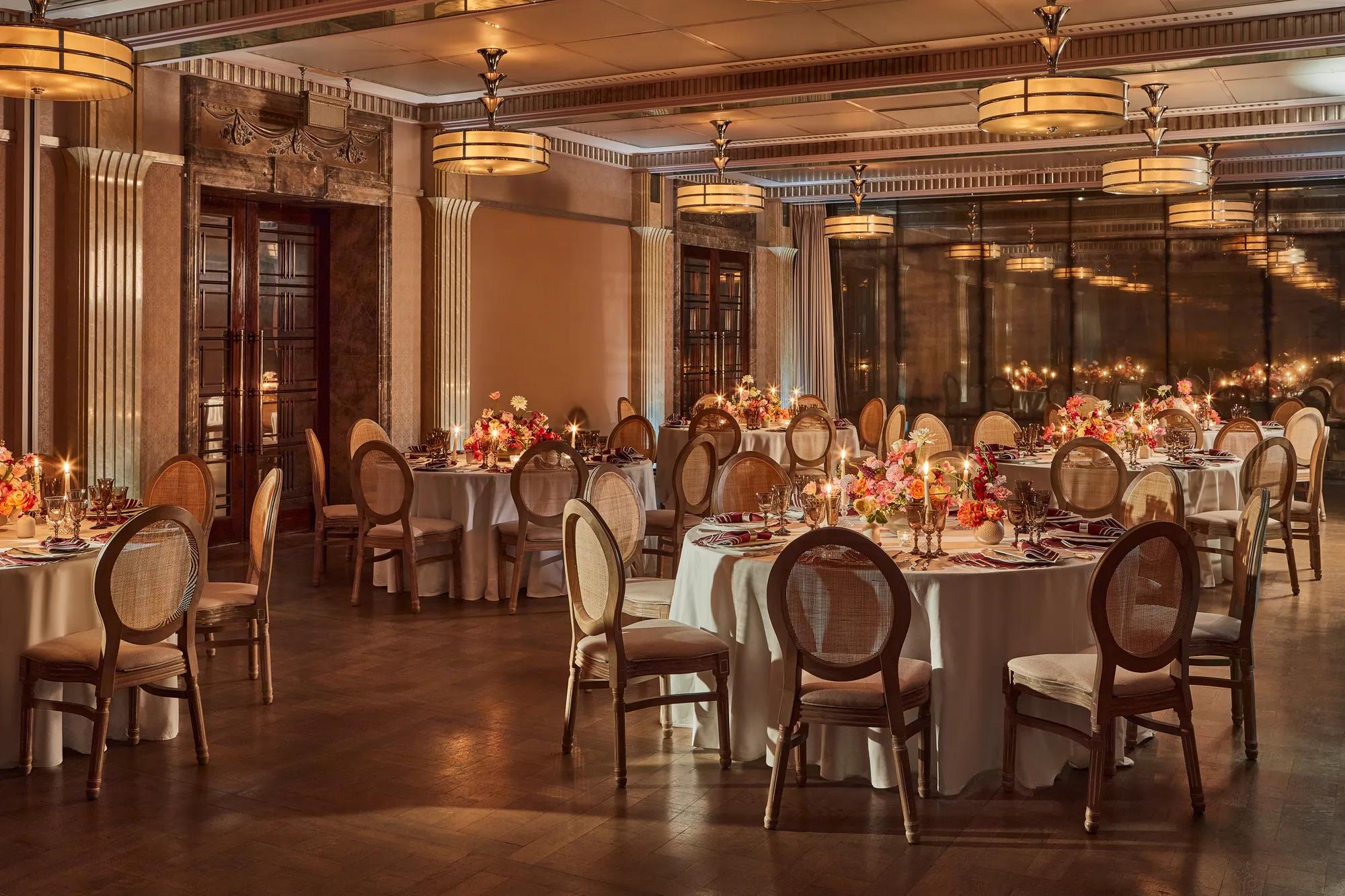
Modern, culturally immersive atmosphere with art and cultural elements integrated throughout the dining experience.