Taste of the Himalayas
Taste of the Himalayas brings the mountainous cooking traditions of Nepal and the broader Himalayan region to Sonoma's First Street dining corridor, where California-centric menus dominate. The kitchen draws on spice logic and slow-cooked techniques rarely found in Wine Country, positioning it as a distinct counterpoint to the farm-to-table Californian and Italian options that define the town square's restaurant scene.
Pearl is the En Primeur Club membership app — saves, bookings, and concierge access live there. Same editors, same standards.
- Address
- 464 1st St E Suite F, Sonoma, CA 95476
- Phone
- +17079961161
- Website
- order.online
- Directions
- Get directions
 Saves & bookings on Pearl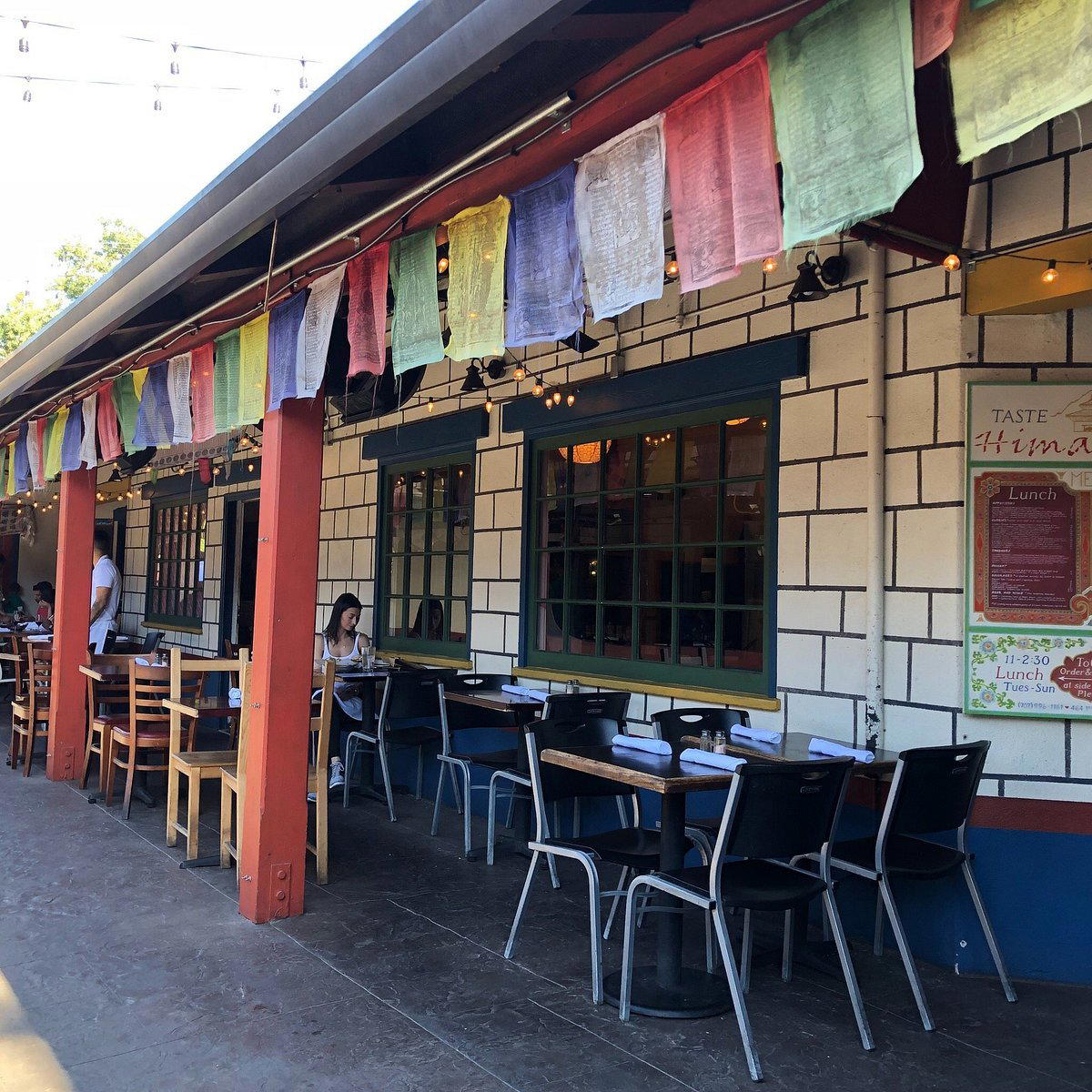
Where the Plaza's Orbit Shifts
Sonoma's First Street dining corridor runs predictably through California wine-country tropes: produce-driven Californian kitchens, Italian-American trattorias, and farm-adjacent tasting menus calibrated to accompany the next glass of Pinot. It occupies a deliberate detour from that pattern. Stepping through its entrance, you move from the sun-bleached plaza atmosphere into a room where the reference points are the Kathmandu Valley and the Himalayan foothills rather than the Sonoma Valley floor. That contrast is not incidental, it is the point. In a small city where Cafe La Haye and Enclos set the register for ingredient-led dining, and Della Santina's holds the Italian anchor, a Himalayan kitchen reads as genuinely distinct, not because distinctiveness is a virtue in itself, but because the cuisine brings a structural logic unavailable elsewhere on the square.
What Himalayan Menu Architecture Actually Means
Himalayan restaurant menus, as a category, are frequently misread as variations on North Indian cooking. The overlap is real, shared spice vocabulary, yogurt-based marinades, tandoor techniques, but the divergence matters. Nepali and Tibetan cuisines operate on a different thermal and textural register. The high-altitude cooking traditions of Nepal rely more heavily on fermented and preserved elements: gundruk (fermented leafy greens), dried proteins, and the long braise as a cold-weather survival technique rather than a stylistic choice. Tibetan influence introduces dumplings (momo) and noodle soups (thukpa) that share a conceptual family with Central Asian and Chinese border cooking, not with the subcontinental traditions most diners expect.
A menu built on this foundation organizes itself differently than an Indian restaurant. The appetizer tier tends to foreground momo, steamed or fried, with dipping sauces that lean sour and herbal, as a structural anchor that has no direct equivalent in Mughal-derived cooking. The main course section then moves through curried preparations where the spice profile is warmer and less aggressive than a South Indian or Punjabi model, with turmeric and cumin doing more work than chili heat. That architecture tells you something about the cuisine's geography: cooking for altitude, for cold, for a protein-and-grain diet shaped by what grows and keeps above 3,000 metres.
For a dining town as wine-fluent as Sonoma, this creates an interesting pairing challenge. The moderate spice register of Himalayan cooking, relative to, say, a vindaloo, is more compatible with the region's Pinot Noir and Chardonnay than most diners might assume. The fermented and umami-forward notes in dishes like dal bhat or aloo tama find sympathetic counterparts in earthier, cooler-climate Sonoma County reds.
Sonoma's Restaurant Map and Where This Fits
Sonoma's dining scene is compact by design. The town's population base is small, and the visitor economy skews toward wine tourists whose primary meal investment often happens at winery tasting rooms or in the county's bigger culinary draws. Single Thread Farm in Healdsburg and The French Laundry in Napa absorb the region's highest-spend dining attention, leaving Sonoma's plaza restaurants to compete in a mid-to-upper-casual register. Within that field, the Californian and Italian options, including El Dorado Kitchen and the value-tier El Molino Central, largely share a common vocabulary of local sourcing and wine-friendly simplicity.
Taste of the Himalayas operates outside that shared vocabulary. Its competitive comparable set is not other Sonoma restaurants but other Himalayan and Nepali kitchens in the broader Bay Area, a category that concentrates in the East Bay and San Jose, with relatively little representation in Wine Country. That geographic isolation from its own cuisine category gives the restaurant a different kind of relevance: for visitors spending several days in Sonoma County, it represents an evening departure from the farm-to-table loop that defines most of the local options.
Nationally, the restaurants drawing sustained critical attention, Le Bernardin in New York City, Alinea in Chicago, Atomix in New York City, operate in a tier defined by formal tasting menus and deep wine programs. The format at a Himalayan restaurant like this one sits at the opposite structural pole: an à la carte menu, accessible price positioning, and a cuisine built for sharing rather than sequential progression. That is not a limitation; it is a different kind of evening.
Planning a Visit
The restaurant sits in Suite F of the 464 1st St E address, placing it within walking distance of the Sonoma Plaza and the cluster of wine-tasting rooms that occupy the town center. For visitors already cycling through the county's higher-commitment dining options, this is a practical evening choice that requires no advance planning at the level demanded by, say, Lazy Bear in San Francisco or Blue Hill at Stone Barns. Given Sonoma's visitor-heavy summer and harvest-season calendar (peak months run roughly June through October), tables at the more casual plaza restaurants can fill on weekend evenings; arriving early or checking availability ahead on a Friday or Saturday is prudent even without a formal reservation system. Current hours are Mon: Closed; Tue to Sun: 11 AM to 2:30 PM and 5 to 8:30 PM. Reservations are recommended, and the price per person is about $20.
- Lamb Momo with Tomato Chutney
- Chicken Tikka Masala
- Tandoori Lamb
- Saag Paneer
- Garlic Naan
- Gulab Jamun
Accolades, Compared
Comparable venues nearby, for context on price, style, and recognition.
| Venue | Cuisine | Price | Notes |
|---|---|---|---|
| Taste of the HimalayasThis venue — the venue you are viewing | Himalayan (Nepalese, Tibetan & Indian) | $$ | Not listed |
| LaSalette Restaurant | Modern Portuguese Cuisine | $$$ | Sonoma Plaza |
| Mary's Pizza Shack | Classic Italian Pizza Shack | $$ | Sonoma Plaza |
| El Dorado Kitchen | Seasonal California Farm-to-Table | $$$ | Sonoma Plaza |
| Oso Sonoma | Modern California | $$ | Sonoma Plaza |
| Bohemian Bistro | French-influenced fine-dining prix-fixe | $$$ | Occidental |
Continue exploring
More in Sonoma
Restaurants in Sonoma
Browse all →
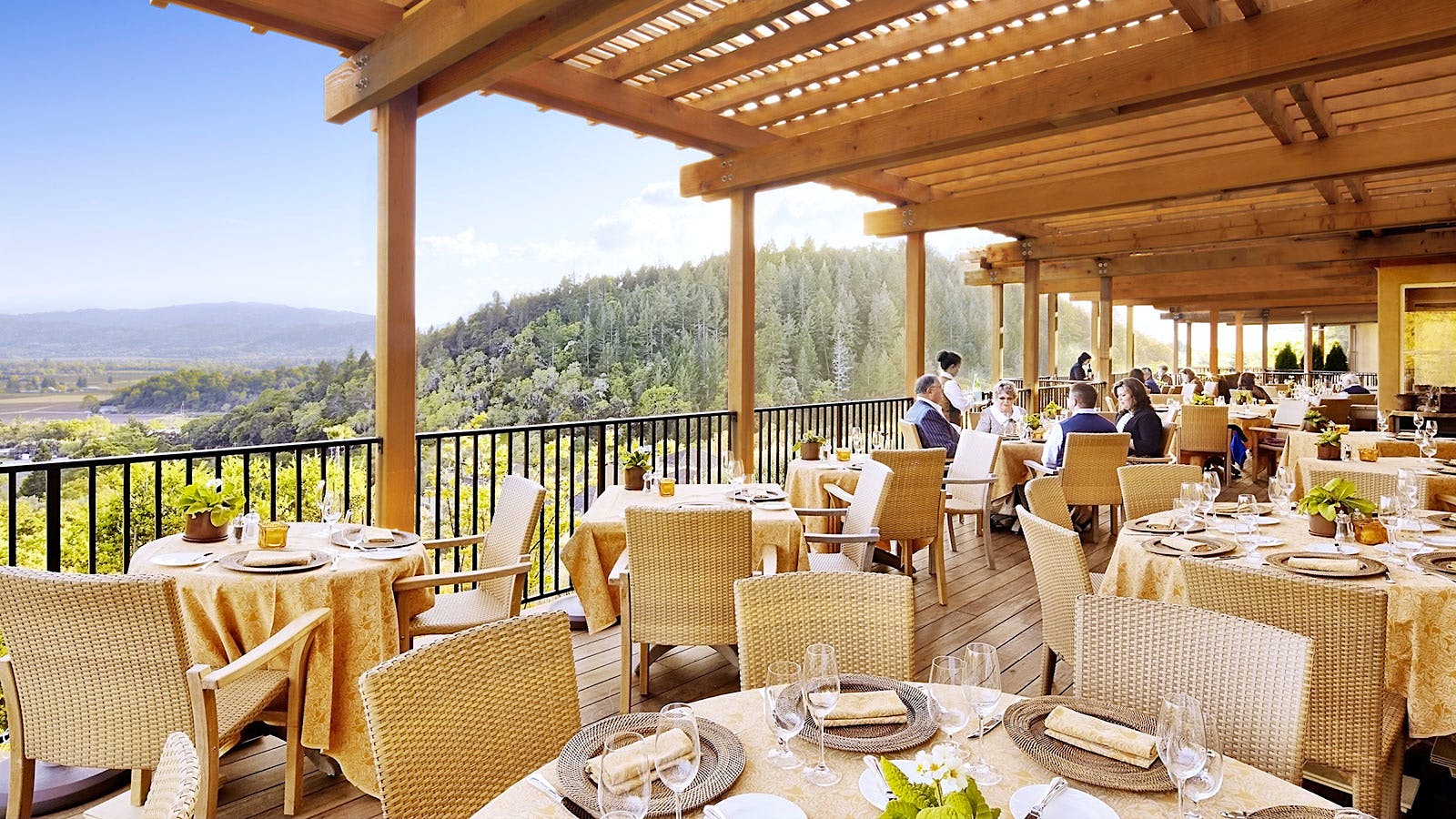
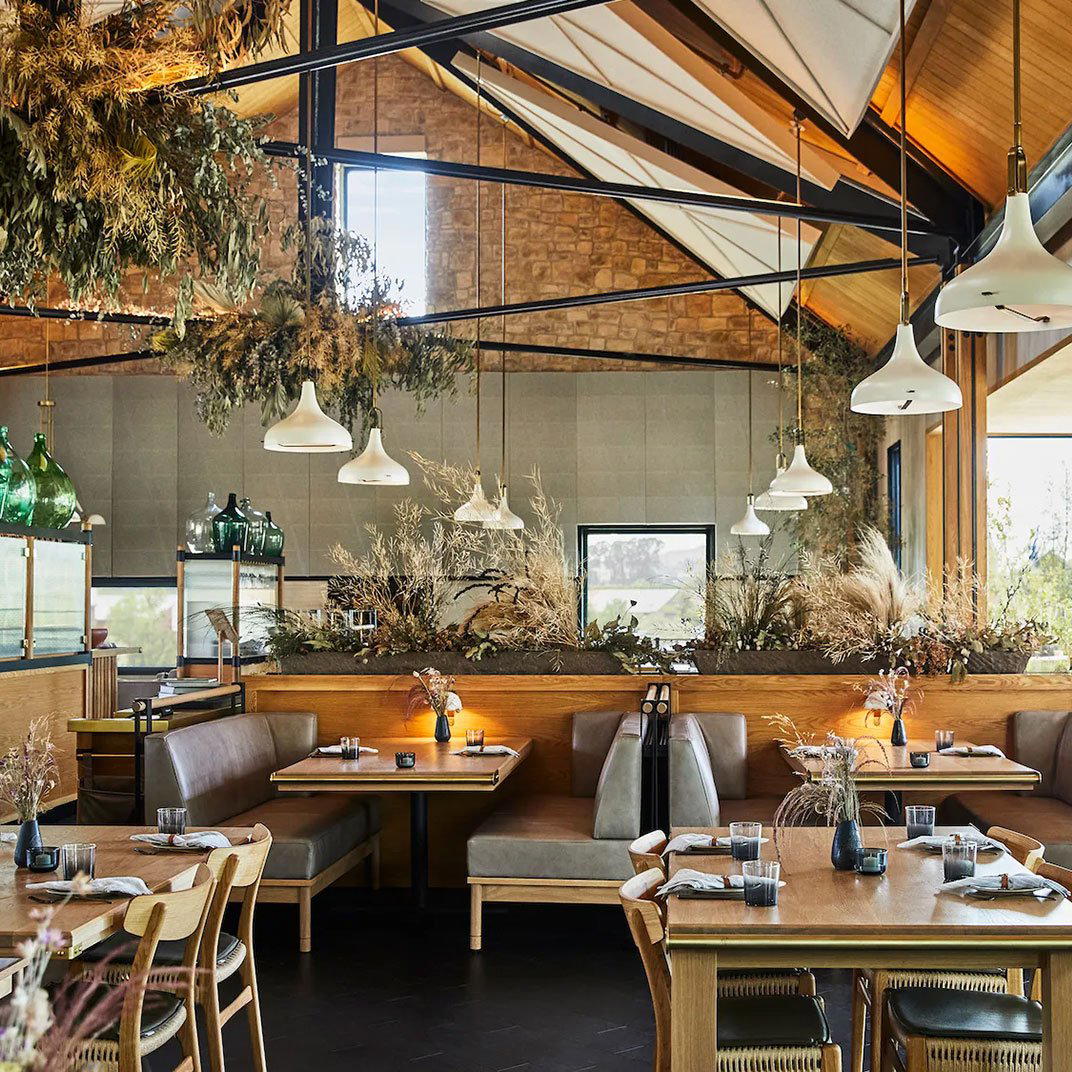
Bars in Sonoma
Browse all →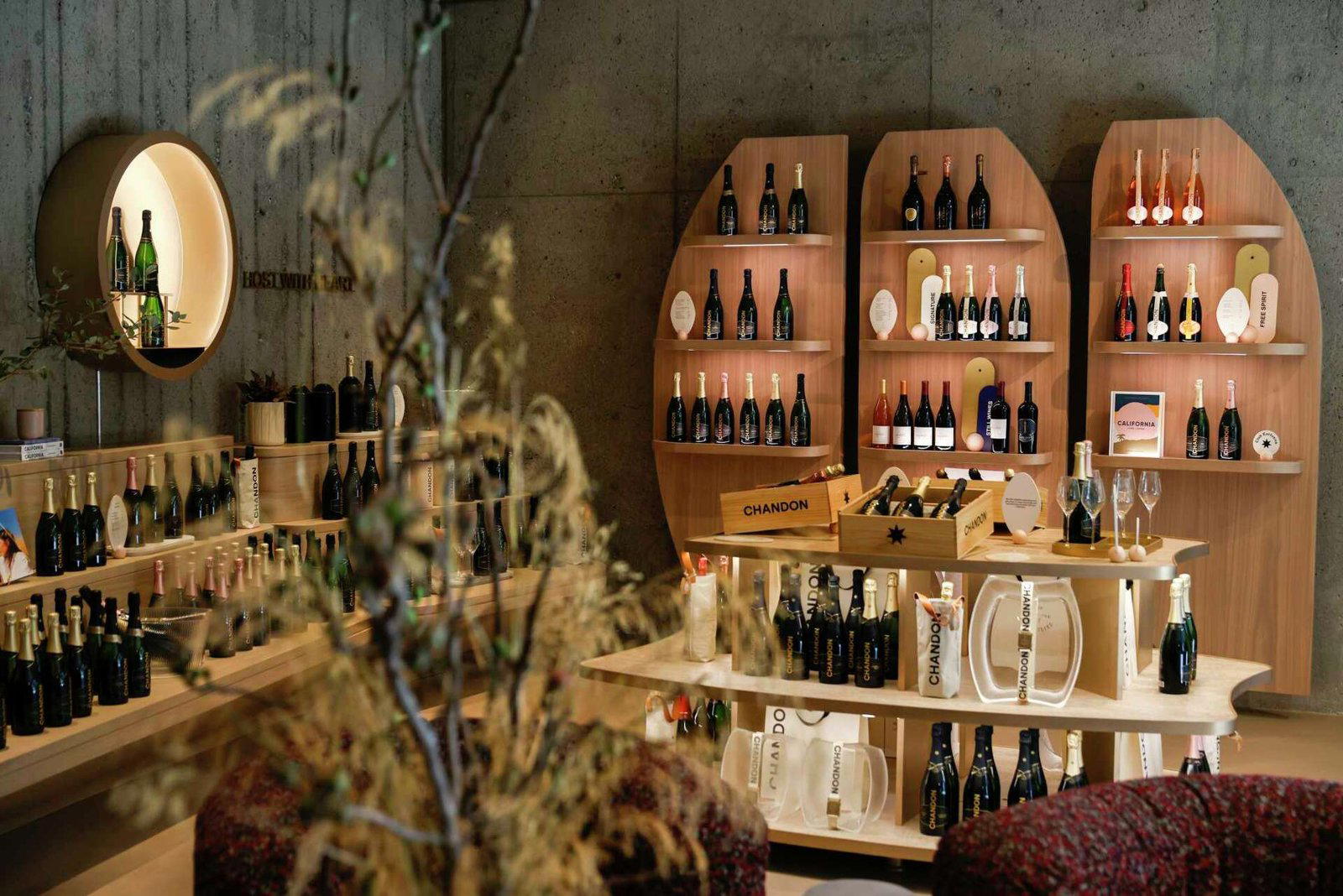
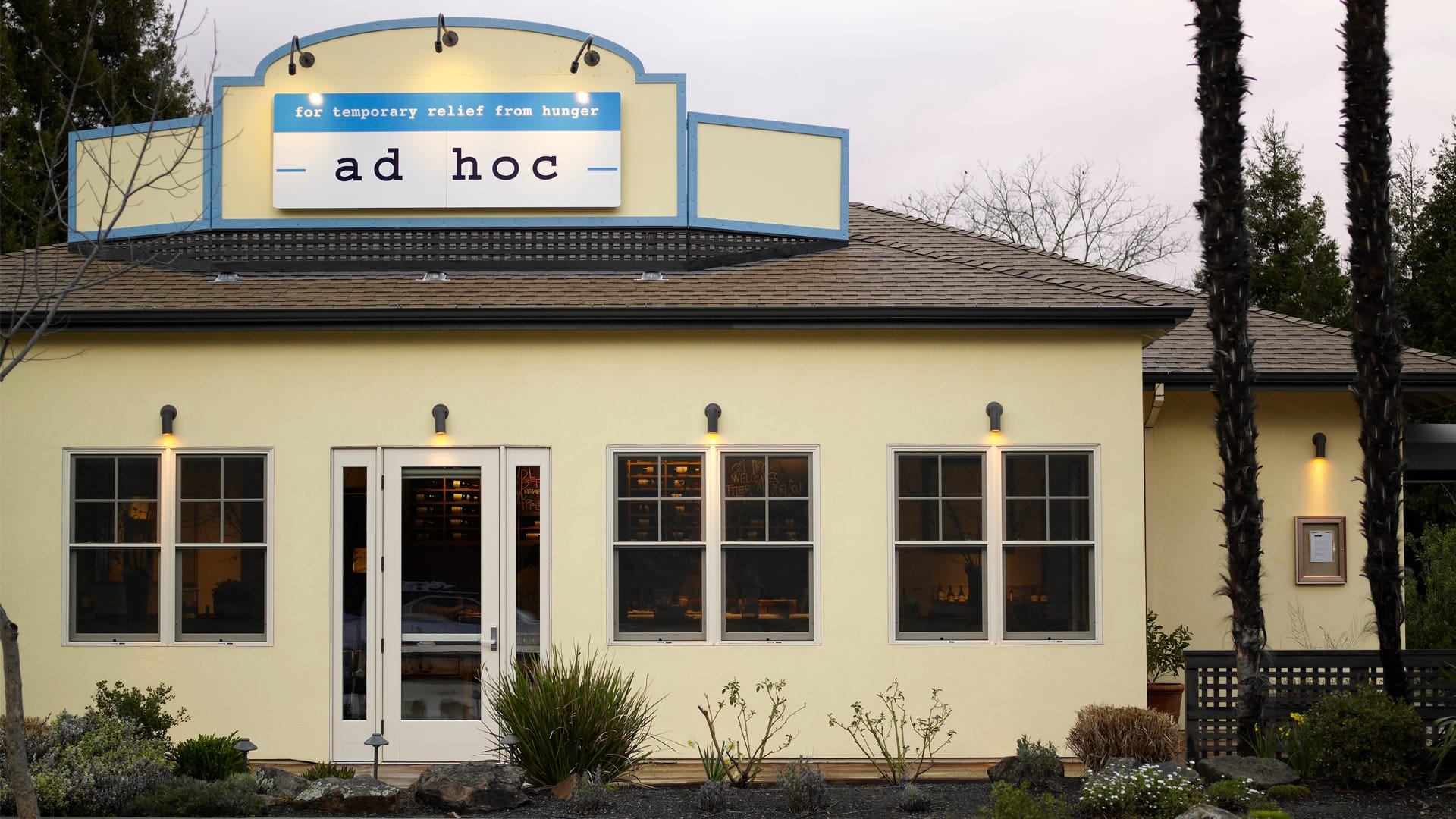
Hotels in Sonoma
Browse all →
At a Glance
- Cozy
- Casual
- Casual Hangout
- Family
- Group Dining
- Date Night
- Private Dining
- Courtyard
- Beer Program
Current opening hours
- Monday
- Closed
- Tuesday
- 11 AM–2:30 PM, 5–8:30 PM
- Wednesday
- 11 AM–2:30 PM, 5–8:30 PM
- Thursday
- 11 AM–2:30 PM, 5–8:30 PM
- Friday
- 11 AM–2:30 PM, 5–8:30 PM
- Saturday
- 11 AM–2:30 PM, 5–8:30 PM
- Sunday
- 11 AM–2:30 PM, 5–8:30 PM
Hours can change for holidays and private events. Last verified .
Intimate and welcoming with a homestyle atmosphere; casual indoor seating with small outdoor patio area featuring heat lamps; described by guests as feeling like dining in someone's home kitchen.