Della Santina's
A long-running Italian trattoria on Sonoma's East Napa Street, Della Santina's operates in a town where wine-country dining tends toward Californian eclecticism. The kitchen draws on Northern Italian traditions, positioning the restaurant as a counterpoint to the farm-to-table formats that dominate the plaza. For visitors calibrating their Sonoma itinerary, it represents a deliberate shift in register.
Pearl is the En Primeur Club membership app — saves, bookings, and concierge access live there. Same editors, same standards.
- Address
- 133 E Napa St, Sonoma, CA 95476
- Phone
- +17079350576
- Website
- dellasantinas.com
 Saves & bookings on Pearl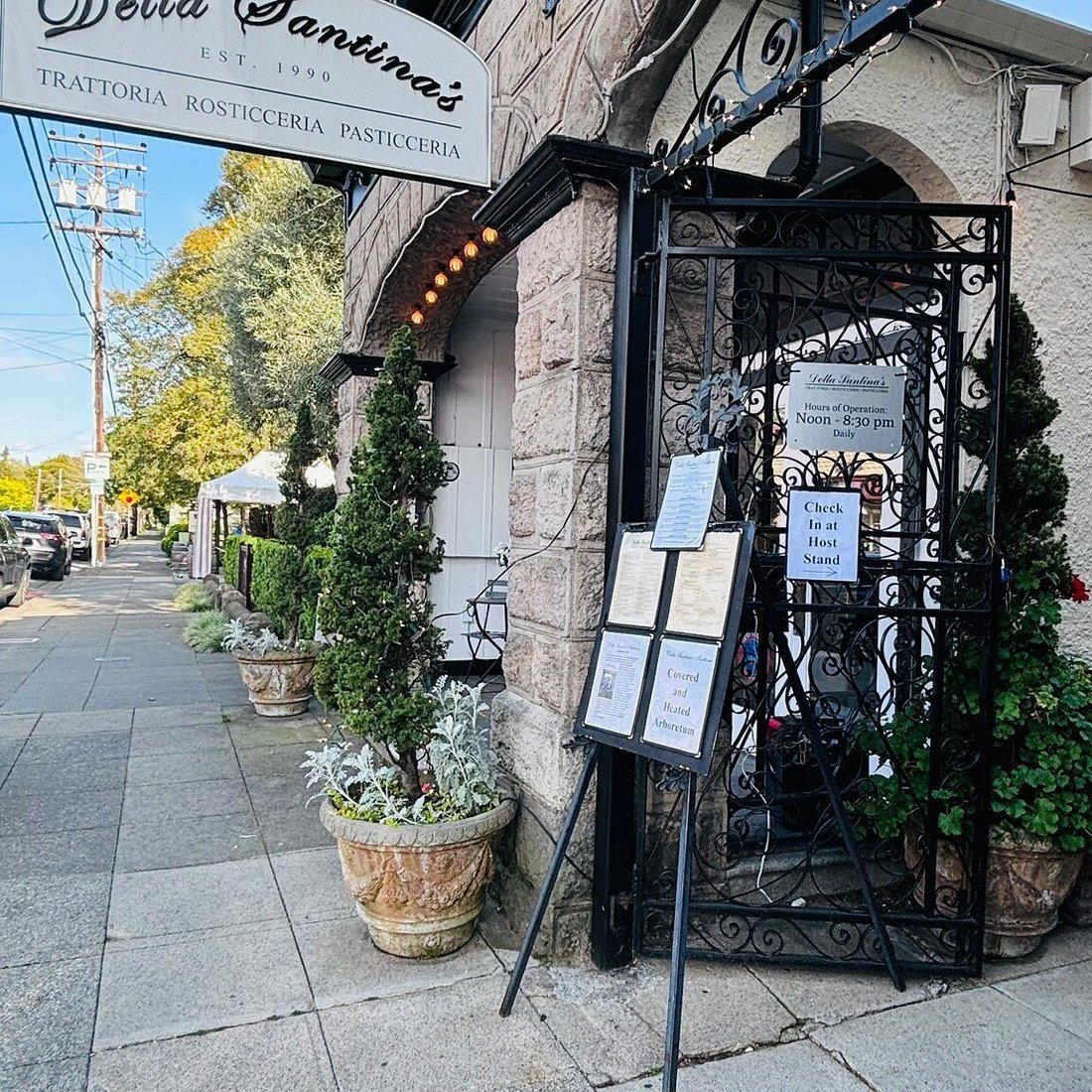
Italian Tradition on the Sonoma Plaza
Della Santina's is a Traditional Italian Trattoria in Sonoma, with a price per person around $40. Against that context, Della Santina's on East Napa Street reads as a straightforward Italian trattoria. Its Italian orientation is not a fusion gesture or a California-Italian hybrid play; it is a more direct line to the cooking traditions of Northern Italy, planted in a town better known for Pinot Noir and Chardonnay than for pasta and risotto.
That positioning matters because it tells you something about the durability of place-specific cooking in a region that frequently privileges novelty and seasonality over continuity. Where many Sonoma restaurants refresh their identity with each harvest cycle, an Italian trattoria format carries a different kind of institutional logic: one built on repetition, refinement, and the kind of menu familiarity that regulars return for year after year. That rhythm is common in Italy's restaurant culture, and relatively rare in Northern California's wine country, where the pressure to reflect each season's produce can work against long-term menu coherence.
The Northern Italian Register
Northern Italian cooking, at its core, is a study in restraint applied to rich ingredients. The traditions of Tuscany, Liguria, and Emilia-Romagna, which inform much of what Americans recognize as Italian cuisine, are built on technique-forward preparations: slow braises, handmade pasta forms, roasted birds, and the kind of grilled and cured meats that require patience rather than complexity. This is not the red-sauce Italian-American idiom that colonized much of the United States in the twentieth century. It favors slow braises, handmade pasta, roasted birds, and grilled or cured meats.
Della Santina's operates within that register. In a town where contemporary fine dining and casual-upscale California cooking set much of the tone, the Italian trattoria format sits in a distinct lane for diners who want a more specifically European reference point.
Trattoria-style Italian sits apart from both formal Italian dining and red-sauce comfort food. The trattoria model is its own category: mid-register in price, deliberate in its sourcing, and reliant on the kitchen's ability to coax flavor from a relatively short ingredients list. When it works, it offers something that neither casual nor fine-dining formats can replicate: a sense of domesticity and rhythm that makes a meal feel less like a performance and more like a habit worth forming.
Sonoma as a Setting for Italian Cooking
Sonoma suits Italian trattoria cooking better than its California-cuisine reputation might suggest. The town sits inside a wine-growing region whose viticulture history has genuine Italian roots. Sonoma Valley has long had Italian immigrant farming and wine-making roots. An Italian restaurant in this context is not an incongruity; it is, in some respects, a return.
That broader wine-country context also means that the pairing question is well served. Northern Italian food is among the most wine-accommodating of the European culinary traditions, designed around the assumption that the bottle on the table is part of the meal's architecture rather than an accessory. In a region that has produced wines with genuine Italian-variety ambitions, from Sangiovese to Barbera, the pairing opportunities are more specific and considered than in most American settings. By contrast, tasting-menu restaurants call for a different relationship between kitchen and cellar. The trattoria model at Della Santina's operates on a more relaxed register, where a bottle chosen from the local shelf integrates into the meal without requiring the sommelier choreography of a formal tasting menu format.
Where It Sits in the Sonoma Pecking Order
Sonoma's dining tier is narrower than Napa's. At the high end, Napa sets a benchmark that Sonoma's mid-register restaurants do not attempt to match. Within the town itself, the competition is between different interpretations of approachable, quality-conscious cooking. El Molino Central covers the Mexican tradition at a lower price point; Cafe La Haye and Hazel Hill cover the Californian register at the mid-to-upper tier. Della Santina's Italian positioning gives it a category to itself within that small field, which is structurally advantageous for a restaurant that wants a loyal, returning clientele rather than a rotating tourist audience.
Across American wine regions, the pattern of European-cuisine specialists finding durable niches is well documented. At Addison in San Diego or Providence in Los Angeles, the European classical tradition is filtered through a fine-dining ambition that requires significant investment from the diner. The trattoria format offers a lower-commitment version of the same European orientation, making it accessible to a wider Sonoma audience without sacrificing the specificity that gives the format its identity.
Planning Your Visit
Della Santina's is located at 133 East Napa Street, Sonoma, a short walk from the central plaza that anchors most of the town's dining activity. Given the volume of tourist traffic that passes through Sonoma on weekends and during harvest season in September and October, advance planning is advisable for anyone visiting on a Friday or Saturday. The restaurant's trattoria format and Italian-oriented menu make it a natural dinner choice after an afternoon of wine tasting in the Valley, particularly for diners who want to step away from the wine-country Californian idiom that characterizes most of the town's other options.
Price and Recognition
Comparable venues nearby, for context on price, style, and recognition.
| Venue | Cuisine | Price | Awards | Notes |
|---|---|---|---|---|
| Della Santina'sThis venue — the venue you are viewing | $$$ | , | ||
| The Depot Sonoma | Sonoma Plaza, Tuscan-Inspired Italian | $$$ | , | |
| Poppy | Glen Ellen, French Countryside Bistro | $$$ | ||
| Bohemian Bistro | $$$ | , | Occidental, French-influenced fine-dining prix-fixe | |
| Water Tower | $$$ | , | Boyes Hot Springs, Poolside California Bites | |
| Spread Kitchen | $$ | Boyes Hot Springs, Lebanese-Inspired Mediterranean |
Continue exploring
More in Sonoma
Restaurants in Sonoma
Browse all →
Bars in Sonoma
Browse all →
Hotels in Sonoma
Browse all →
At a Glance
- Romantic
- Rustic
- Cozy
- Elegant
- Classic
- Date Night
- Family
- Celebration
- Group Dining
- Private Dining
- Garden
- Extensive Wine List
- Local Sourcing
- Farm To Table
- Garden
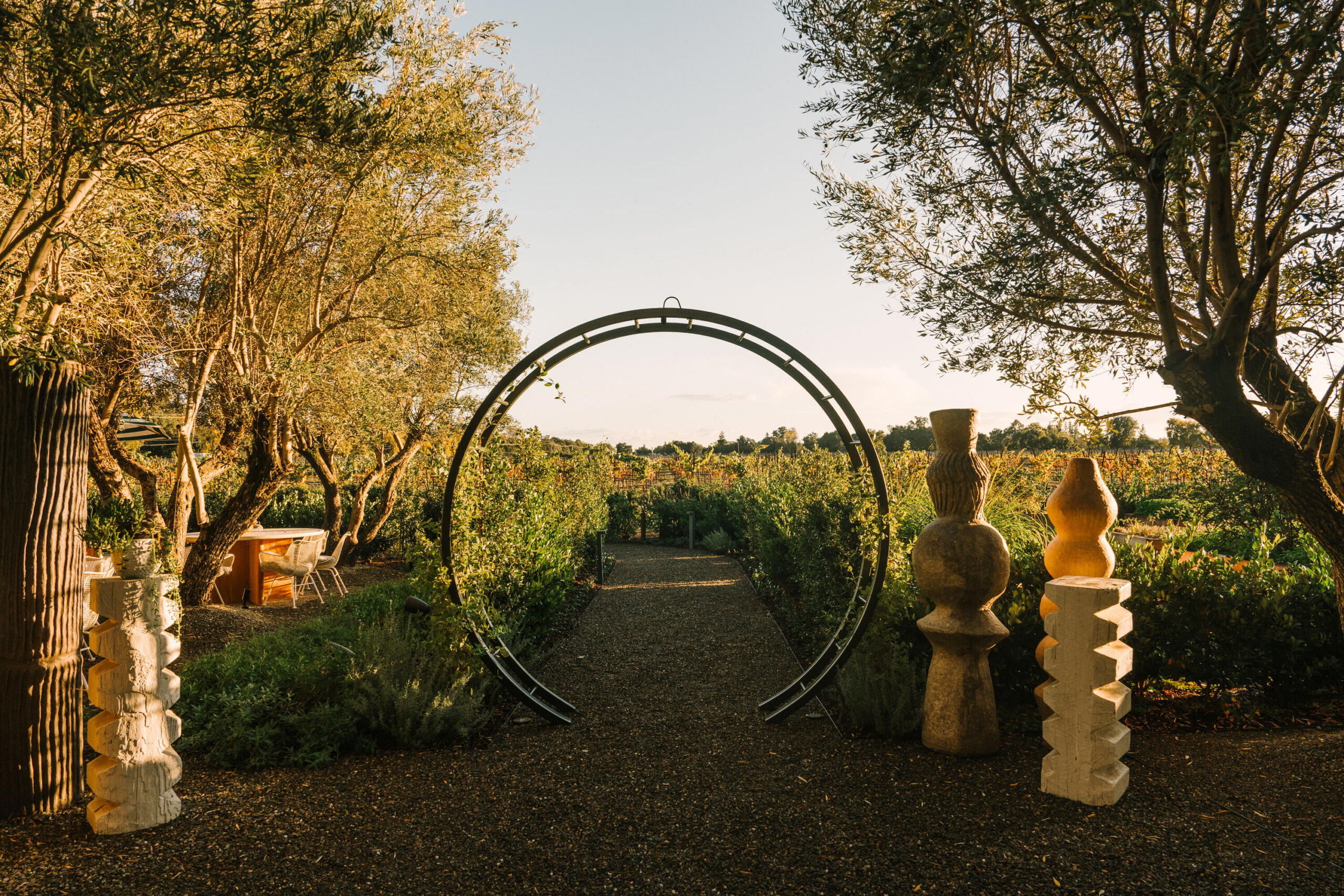
Charming garden patio with greenery, fountains, flowers, white lights, and overhead heaters creating an authentic Italian atmosphere.