Tasca NYC
Tasca NYC occupies a Columbus Avenue address on the Upper West Side, bringing a format rooted in Iberian dining customs to a neighborhood better known for its proximity to Lincoln Center than for destination dining. The room positions itself within a wider shift toward structured, convivial European dining rituals in New York, where the pacing of the meal carries as much weight as the plate.
Pearl is the En Primeur Club membership app — saves, bookings, and concierge access live there. Same editors, same standards.
- Address
- 505 Columbus Ave, New York, NY 10024
- Phone
- +12123622211
- Website
- tasca-nyc.com
- Directions
- Get directions
 Saves & bookings on Pearl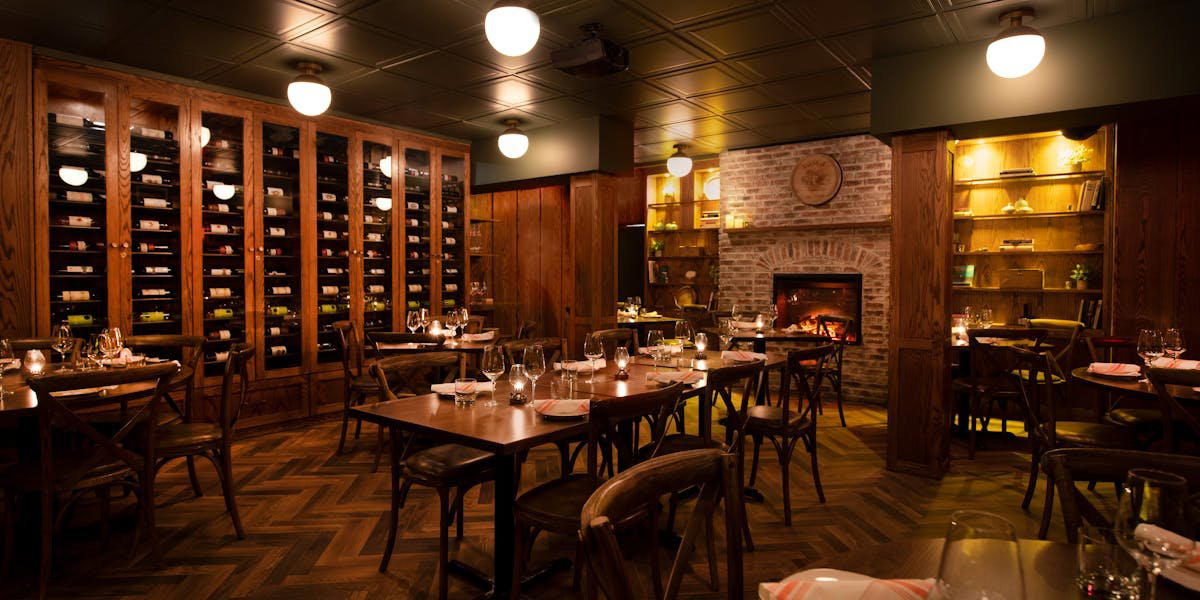
Where Columbus Avenue Meets the Iberian Table
Tasca NYC is a Spanish-Caribbean Fusion restaurant on the Upper West Side of New York City at 505 Columbus Ave. While the blocks south of 96th Street support a reliable neighborhood circuit, the kind of deliberate, destination-grade dining that defines Midtown's Le Bernardin or the tasting-menu formalism of Per Se has historically been scarce here. Tasca NYC, at 505 Columbus Avenue, represents a format with deeper European roots than its zip code might suggest: the tasca, in Portuguese and Spanish tradition, is a neighborhood tavern structured around sharing, unhurried conversation, and the kind of informal abundance that comes from a kitchen confident enough not to perform.
That dining ritual, transplanted to New York, carries specific implications. The tasca format resists the tyranny of the single plate. Dishes arrive in waves rather than in strict procession, and the expectation is that the table shares rather than each diner claiming territory. This is not the theatrical pacing of an omakase counter like Masa, where the chef controls the tempo from behind the bar. The rhythm here is negotiated across the table, shaped by how quickly the group moves and how generously they order. For diners accustomed to New York's more regimented formats, that informality can feel either liberating or disorienting depending on their expectations walking in.
The Ritual of the Iberian Table in a New York Context
Across Spain and Portugal, the tavern meal follows an understood set of customs that have little to do with the course-by-course European fine dining template. Bread arrives early and is meant to be used, not admired. Small cold preparations, preserved items, and house-cured proteins often precede cooked dishes. Wine is poured generously and continuously, not curated into pairings designed to frame each successive course. The meal ends when the group decides it has ended, not when a pre-set tasting sequence concludes.
New York has developed its own relationship with this format over the past decade. The city's Spanish dining scene has moved away from the tapas-as-novelty era of the early 2000s toward something more considered: restaurants that take the source tradition seriously rather than reducing it to small plates and sangria. This places Tasca NYC within a broader category shift in how the city treats European tavern and wine-bar formats, a shift visible across neighborhoods from the West Village to the East Village, where the operative model is less about elaborate kitchen technique and more about sourcing, curing, and respecting what the tradition actually involves.
The distinction matters because it changes what the reader should expect from an evening here versus what they would expect from the architecturally precise Korean tasting menus at Atomix or Jungsik New York. Those rooms are built around a composed, linear experience where the kitchen is in total command. A tasca-format room inverts that relationship: the kitchen provides, and the table governs.
Reading the Neighborhood
Columbus Avenue in the low 80s sits within walking distance of Lincoln Center, which shapes the area's dining patterns in a specific way. The pre-theater window is real and presses on reservation availability between 6 and 7:30 p.m. on performance nights. A restaurant that operates on a leisurely Iberian schedule, where no one is hurried toward dessert and the second carafe arrives without ceremony, can function well here precisely because it serves both the quick pre-curtain dinner and the extended post-performance meal with equal ease. The format accommodates duration without requiring it.
Where Tasca NYC Sits in the Wider American Dining Conversation
Across the United States, discussed fine dining rooms right now tend to cluster around either high-concept tasting formats or farm-to-table narratives with strong regional identity. Alinea in Chicago, Lazy Bear in San Francisco, and Single Thread Farm in Healdsburg each occupy a version of the high-concept, high-control end of that spectrum. Blue Hill at Stone Barns in Tarrytown and The French Laundry in Napa work the farm-anchored angle with well-documented rigour.
The Iberian tavern format sits apart from both of those poles. Its reference points are communal and historical rather than technical or regional-agricultural. The relevant comparisons are across the Atlantic: the tabernas of Lisbon's Alfama, the pintxos bars of San Sebastián, the wine-forward casas de comidas of Barcelona. When Alain Ducasse at Louis XV in Monte Carlo or 8½ Otto e Mezzo Bombana in Hong Kong interpret European heritage for international audiences, they do so through the lens of haute technique. The tasca tradition operates on a different set of values entirely, where the technique is in the sourcing, the preservation, and knowing when not to intervene.
Among American cities, a handful of restaurants have made that translation effectively. Providence in Los Angeles, Addison in San Diego, Bacchanalia in Atlanta, Emeril's in New Orleans, and The Inn at Little Washington each have defined regional identities, but none work the Iberian-tavern register that restaurant appears to occupy on Columbus Avenue.
Planning Your Visit
Reservations are recommended. Format: Arrive with a group if possible; the sharing format rewards tables of three or more.
- Paella for Two
- Crudo
- Ceviche
- Pescado a la Plancha
- Slow-Roasted Asados
- Jamon Cinco Jotas
A Credentials Check
Comparable venues nearby, for context on price, style, and recognition.
| Venue | Cuisine | Price | Notes |
|---|---|---|---|
| Tasca NYCThis venue — the venue you are viewing | Spanish-Caribbean Fusion | $$$ | Not listed |
| Alcala | Authentic Basque Spanish Tapas | $$$ | East Midtown-Turtle Bay |
| Bar Hugo - Rooftop | Cocktail-focused American rooftop bar with upscale bar bites | $$$ | SoHo |
| Twin Tails | Modern Thai & Vietnamese | $$$ | Upper West Side-Lincoln Square |
| Giardino 54 | Authentic Italian | $$$ | Hell's Kitchen |
| Herb N' Kitchen | American Market Cafe | $$$ | Midtown-Times Square |
Continue exploring
More in New York City
Restaurants in New York City
Browse all →

Bars in New York City
Browse all →

Hotels in New York City
Browse all →








At a Glance
- Romantic
- Elegant
- Sophisticated
- Lively
- Date Night
- Group Dining
- Celebration
- Special Occasion
- Brunch
- Late Night
- Wine Cellar
- Private Dining
- Terrace
- Extensive Wine List
- Craft Cocktails
Current opening hours
- Monday
- 4:30–11 PM
- Tuesday
- 4:30–11 PM
- Wednesday
- 4:30–11 PM
- Thursday
- 4:30–11 PM
- Friday
- 4:30–11:30 PM
- Saturday
- 11:30 AM–11:30 PM
- Sunday
- 11:30 AM–10:30 PM
Hours can change for holidays and private events. Last verified .
Warm and convivial with the charm of a traditional Spanish tavern combined with breezy elegance of a contemporary coastal Caribbean restaurant; features open, airy dining areas and intimate subterranean lounge.