Giardino 54
Giardino 54 occupies a discreet address on West 54th Street in Midtown Manhattan, where the density of serious dining rooms runs from Theater District prix-fixe staples to destination tasting menus. The restaurant sits in a neighborhood accustomed to high expectations, drawing on Italian garden tradition as an organizing principle for its kitchen. Reservations and details are best confirmed directly with the venue.
Pearl is the En Primeur Club membership app — saves, bookings, and concierge access live there. Same editors, same standards.
- Address
- 400 1/2 W 54th St, New York, NY 10019
- Phone
- +16467264575
- Website
- giardino54.com
- Directions
- Get directions
 Saves & bookings on Pearl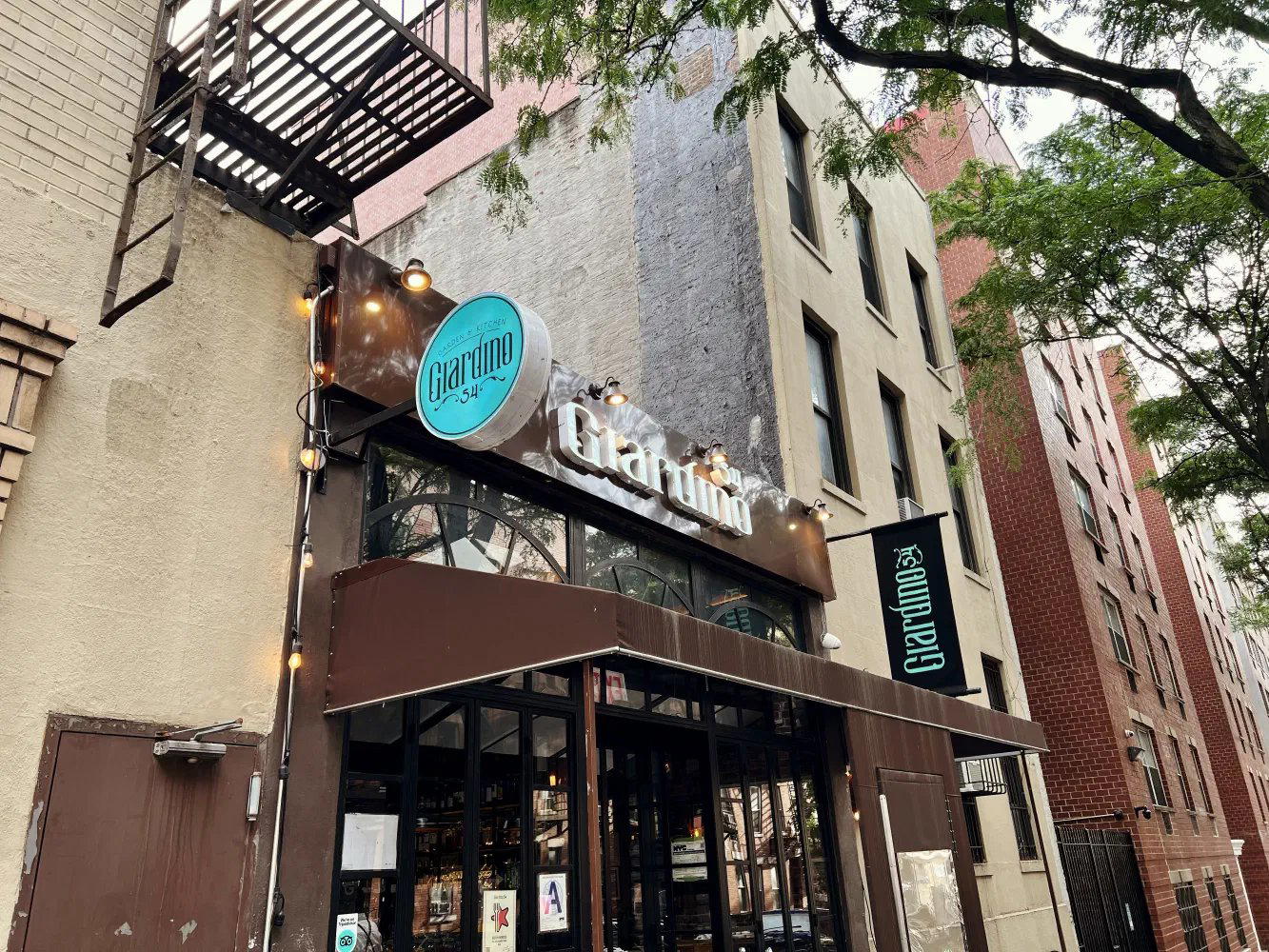
Midtown's Tasting Counter and the Italian Garden Tradition
West 54th Street sits one block north of the Theater District's pre-curtain rush and two blocks from the dense corporate dining corridor that runs through the Fifties. It is not, on the surface, where you would expect to find a restaurant named after a garden. Yet the Italian tradition of the giardino as a dining framework, a sequence of courses organized around seasonality and visual abundance, has found comfortable addresses in less obvious Manhattan pockets before. Giardino 54 operates at 400½ West 54th Street in New York City, an address that keeps it firmly in Midtown Manhattan.
The Italian multi-course format has a particular logic that separates it from its French tasting-menu peers. Where kitchens in the French tradition tend to build toward a single climactic protein course, the Italian progression moves through antipasto, primo, and secondo with roughly equal weight assigned to each register. Pasta is not a warm-up act; it is a structural pillar. That sequencing produces a different kind of pacing at the table, one where the middle of the meal carries as much editorial intent as the close. At the level of Midtown's more serious Italian rooms, that distinction matters.
Where Giardino 54 Sits in the Midtown Dining Grid
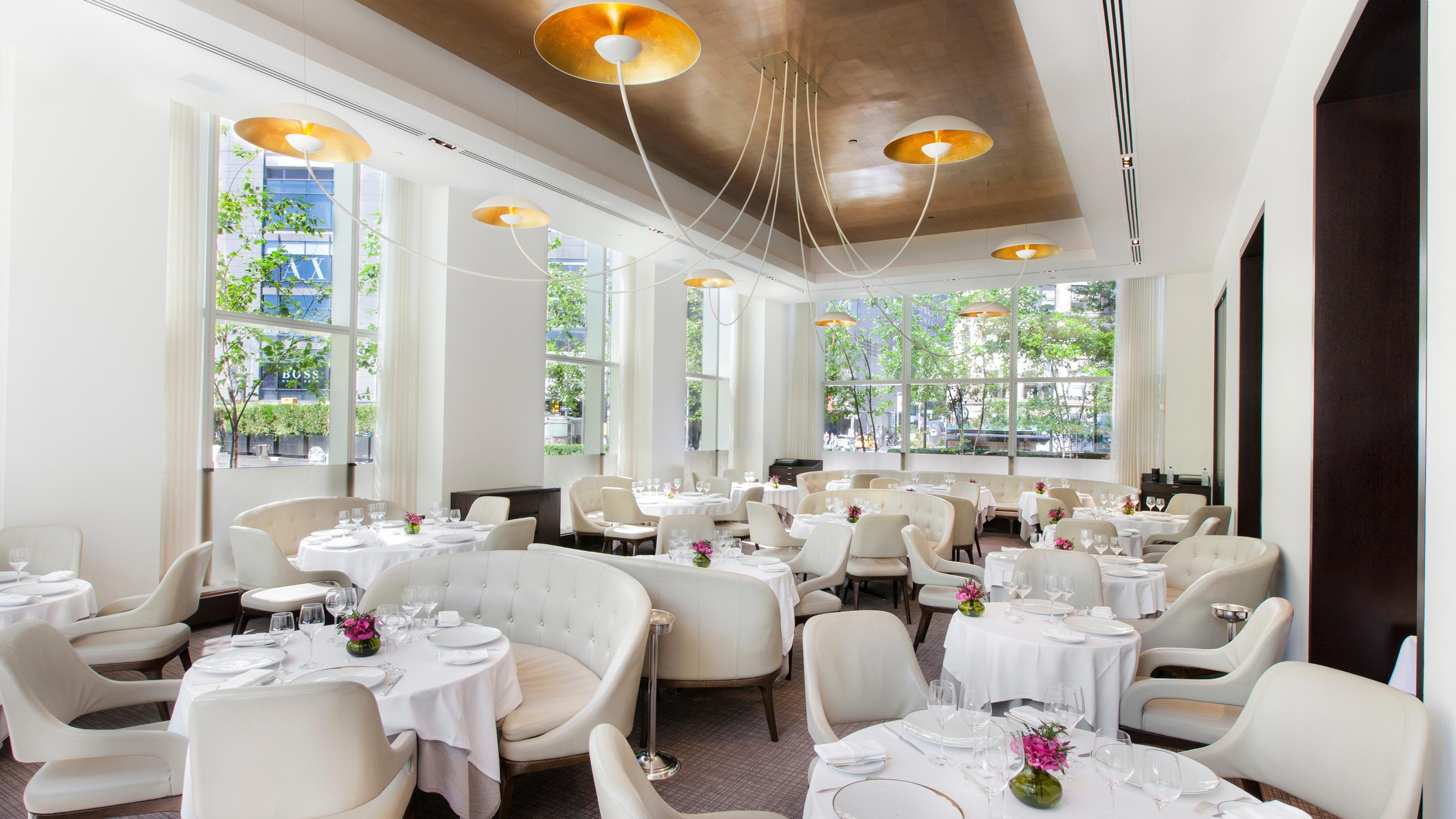
Midtown Manhattan's premium dining tier is dense enough to require some mapping. Le Bernardin on West 51st defines stronger examples from the French-seafood register; Per Se at Columbus Circle anchors the formal contemporary French end. Masa at the same address sets the ceiling for Japanese omakase pricing in the city. These are reference points, not direct competitors to an Italian room of Giardino 54's scale, but they define the expectations that diners carry into any serious Midtown table. The neighborhood has trained its guests to expect a clear through-line: ingredient sourcing as argument, service as information delivery, and a wine list that earns its depth.
Italian rooms at this address tier compete less with French tasting menus than with each other and with the broader New York Italian canon. The city's Italian dining spectrum runs from red-sauce institution through modern osteria to full tasting-counter format. Giardino 54's name suggests a kitchen with a clear aesthetic position in that range, one leaning toward the garden-sourced, composed end rather than the trattoria register. That positioning places it in a smaller, more specific comparable set than the category as a whole.
The Logic of the Progression: Antipasto Through Secondo
For a tasting menu to hold attention across six or more courses, each stage needs to do distinct work. The antipasto register in serious Italian kitchens has shifted over the past decade toward more architectural presentations, smaller in portion but higher in technical precision, functioning as an argument for the kitchen's range before the heavier commitments of the primo. Crudo preparations, cured components, and vegetable-forward openers now appear where bruschetta and charcuterie once did, reflecting the broader Italian fine-dining shift toward lighter, more ingredient-led beginnings.
The primo course is where Italian tasting formats earn or lose credibility. Pasta made in-house, shaped to order, and sauced with restraint is the single most legible signal of kitchen seriousness in this tradition. Across the city's Italian rooms, from Blue Hill at Stone Barns in Tarrytown's farm-to-counter format to the Italian-influenced progressions at Smyth in Chicago, the handling of a pasta course carries a disproportionate share of the kitchen's reputation. A well-timed tagliolini or a composed risotto signals technique, restraint, and sourcing discipline in a single plate.
The secondo in the Italian format typically arrives with less expectation of spectacle than the French main course. The logic is distributive: because the meal has already made several strong statements, the protein course can be quieter. That structure suits kitchens with strong vegetable and grain programs, where the animal protein is one voice in a longer conversation rather than the resolution of everything that came before. The approach has parallels in how Single Thread Farm in Healdsburg and Addison in San Diego handle the arc of their menus: the close is confident but not compensatory.
The Garden Concept as Editorial Framework
A name that invokes a garden is an editorial commitment. It sets sourcing expectations before the first course arrives. In the context of New York City dining, where ingredient provenance has become one of the primary ways serious kitchens signal their values, a garden-framed identity implies a kitchen that organizes its menu around what is in season rather than around a fixed signature repertoire. That approach carries operational cost: menus must change, supplier relationships must run deep, and the kitchen must be technically fluent enough to make a vegetable course as compelling as a protein one.
Across the American tasting-menu circuit, this kind of sourcing-led identity has become a competitive requirement at the upper tier. The French Laundry in Napa, Providence in Los Angeles, and Lazy Bear in San Francisco all organize their menus around seasonal specificity as a core editorial argument. The Italian garden tradition adds a regional layer to that framework: the orto, or kitchen garden, is not a trend import but a structural part of how Italian cooking has historically related to its landscape and season. A restaurant drawing on that tradition is invoking something with actual roots, not a positioning exercise.
Booking, Timing, and the West 54th Address
Addresses on the half-number in Midtown tend to require a slightly more deliberate approach than their main-block counterparts. The physical address at 400½ West 54th suggests a building configuration worth confirming before arrival, particularly for first-time guests arriving after dark or under time pressure from a nearby theater schedule. For guests with curtain constraints, the timing and pacing of a multi-course Italian menu is worth discussing at the time of reservation rather than managing at the table.
Comparable tasting-format experiences in other cities include Frasca Food and Wine in Boulder for its northern Italian tasting structure, Atelier Moessmer Norbert Niederkofler in Brunico for the Alpine Italian fine-dining register, and Dal Pescatore in Runate as a reference point for the Italian family-restaurant tradition at its most serious level. For the broader New York tasting-menu field, Eleven Madison Park and Atomix represent the contemporary format from different culinary traditions, while The Inn at Little Washington and Emeril's in New Orleans illustrate how the American tasting format has evolved across regions.
Credentials Lens
Comparable venues nearby, for context on price, style, and recognition.
| Venue | Cuisine | Price | Notes |
|---|---|---|---|
| Giardino 54This venue — the venue you are viewing | Authentic Italian | $$$ | Not listed |
| Via Toscana | Authentic Tuscan Italian | $$$ | Hell's Kitchen |
| Osteria al Doge | Authentic Venetian Italian | $$$ | Midtown-Times Square |
| Serafina Osteria | Authentic Italian Trattoria | $$$ | Upper East Side-Carnegie Hill |
| Barbaresco | Piedmontese Italian Trattoria | $$$ | Upper East Side-Carnegie Hill |
| BOTTINO | Modern Tuscan Italian | $$$ | Chelsea-Hudson Yards |
Continue exploring
More in New York City
Restaurants in New York City
Browse all →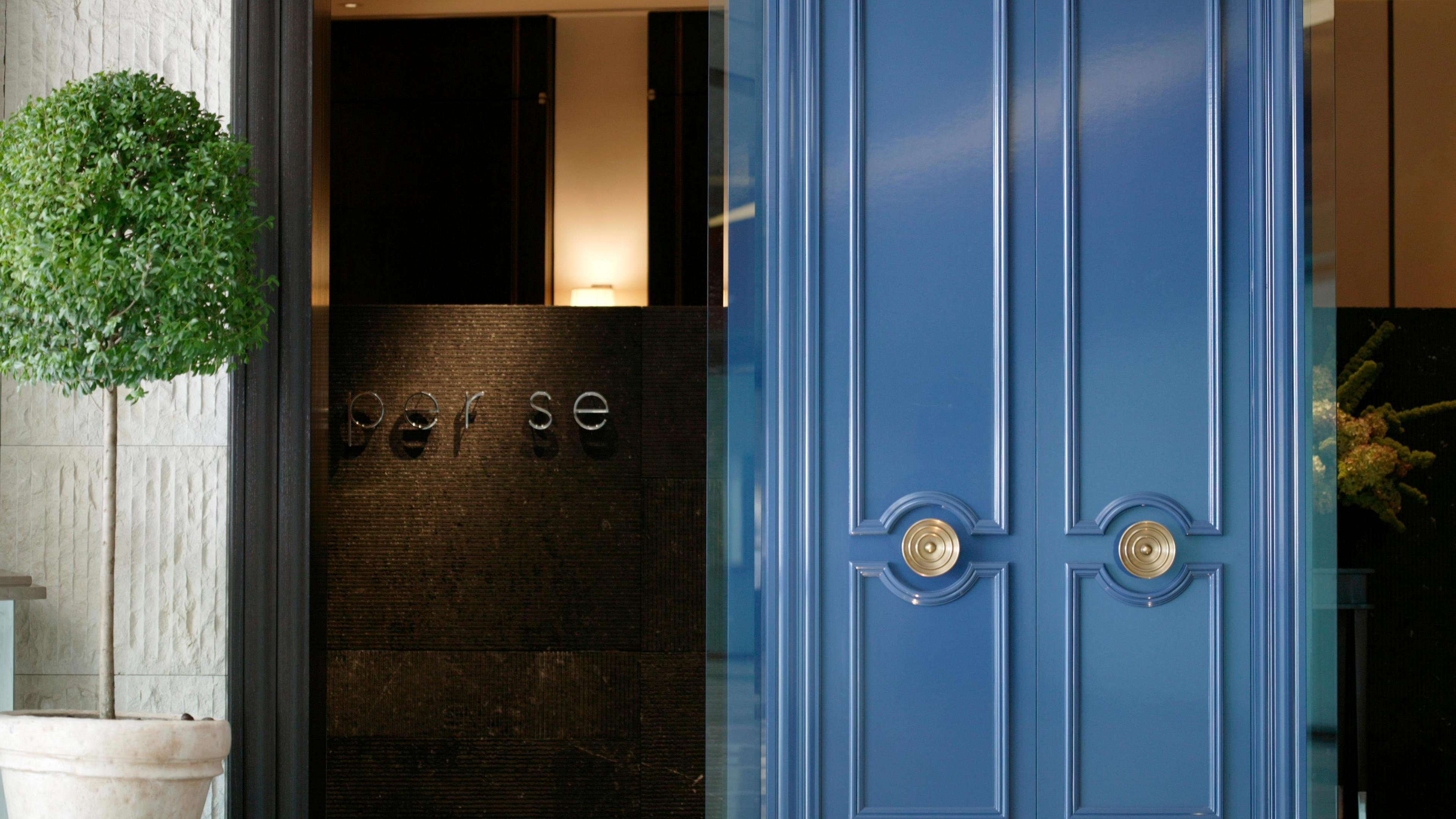
Bars in New York City
Browse all →

Hotels in New York City
Browse all →





At a Glance
- Cozy
- Romantic
- Intimate
- Elegant
- Date Night
- Group Dining
- Special Occasion
- Business Dinner
- Garden
- Craft Cocktails
- Garden
Current opening hours
- Monday
- 4–10 PM
- Tuesday
- 4–10 PM
- Wednesday
- 4–10 PM
- Thursday
- 4–10 PM
- Friday
- 4–11 PM
- Saturday
- 11 AM–11 PM
- Sunday
- 11 AM–10 PM
Hours can change for holidays and private events. Last verified .
Cozy atmosphere with botanical theme, red brick walls, smoky mirrors, glowing candlelight, and intimate indoor back garden.