Tara Kitchen Tribeca
On Church Street in Tribeca, Tara Kitchen occupies a corner of New York's dining scene where neighborhood restaurants carry more editorial weight than their square footage suggests. Without the Michelin flags or tasting-menu price points of Midtown's upper tier, it operates in a register that rewards repeat visits over occasion dining. A useful reference point for anyone tracing how ethical sourcing and waste-conscious cooking have moved from fringe principle to neighborhood expectation.
Pearl is the En Primeur Club membership app — saves, bookings, and concierge access live there. Same editors, same standards.
- Address
- 253 Church St, New York, NY 10013
- Phone
- +12122264400
- Website
- tarakitchentribeca.com
- Directions
- Get directions
 Saves & bookings on Pearl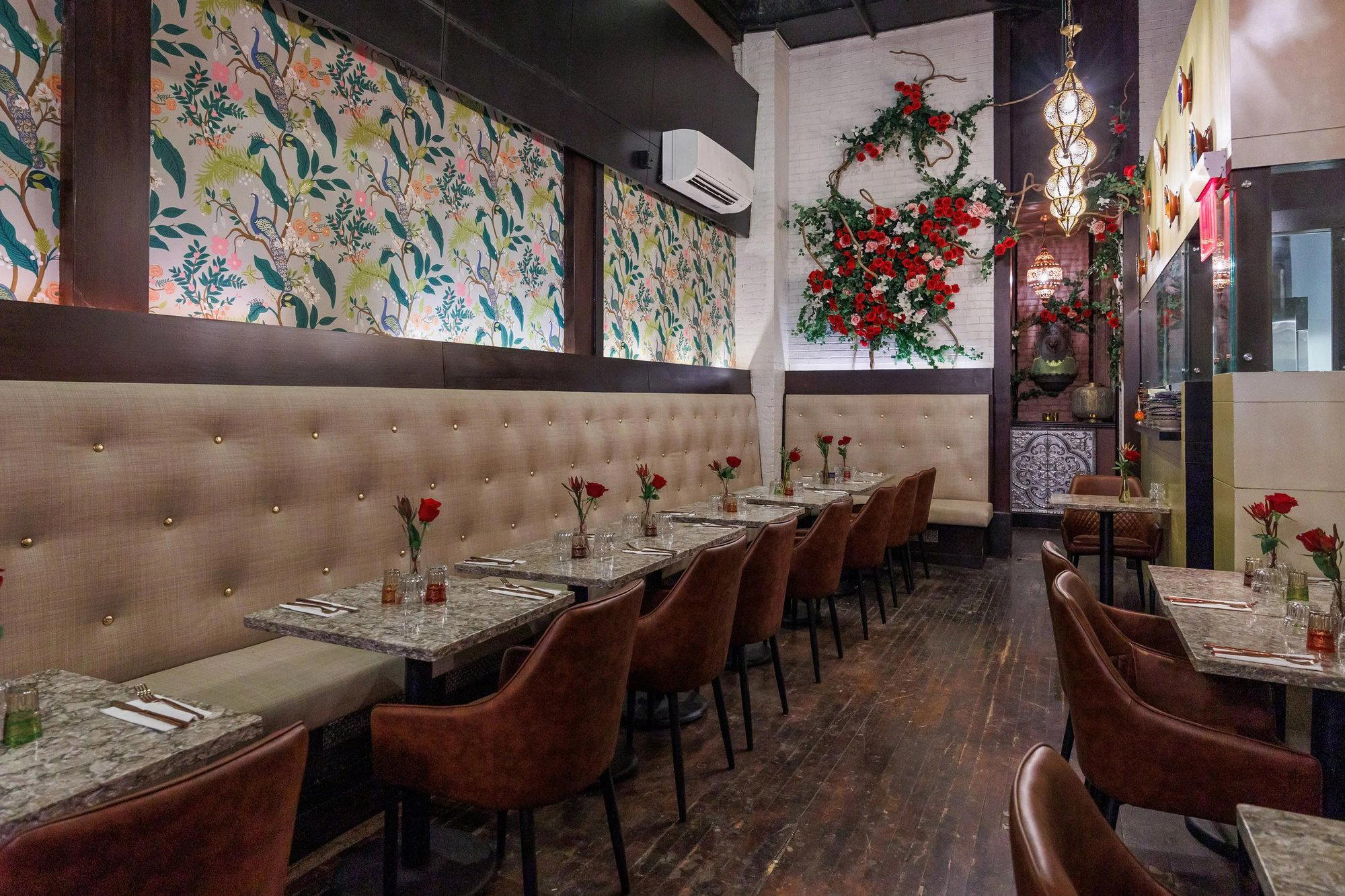
Tribeca's Quieter Dining Register
New York's most-discussed restaurants tend to cluster around two poles: the $400-per-head omakase counters of Midtown and the highly engineered tasting menus where a reservation functions more like a ticket than a booking. Venues like Masa, Per Se, and Le Bernardin define that upper bracket and price against each other rather than against their neighborhoods. Tribeca operates differently. The neighborhood's dining character has always been shaped by residents who eat out frequently and hold consistent standards without necessarily chasing Michelin validation. Tara Kitchen at 253 Church Street sits in that residential-grade, everyday-serious tier, the kind of spot that earns its place through dependability rather than spectacle.
That distinction matters more than it might appear. In a city where Korean tasting menus at Atomix and Jungsik New York have set a new ceiling for ambition and price, the mid-register neighborhood restaurant has had to sharpen its identity to survive. The ones that have done so successfully in Tribeca tend to anchor themselves in something specific: a sourcing story, a culinary tradition handled with precision, or a format that rewards the weekly visitor rather than the annual pilgrim.
The Sustainability Question in Neighborhood Cooking
Ethical sourcing and waste-reduction practices have traveled a significant distance in American dining over the past decade. What began as the signature language of destination restaurants, places like Blue Hill at Stone Barns in Tarrytown, where farm integration is the entire editorial premise, or Single Thread Farm in Healdsburg, where the supply chain is the tasting menu, has filtered into the neighborhood register with a different character. At destination-level properties, sustainability is curated and communicated. At the neighborhood level, it tends to be quieter and more operational: shorter supply chains because proximity is practical, less waste because margins demand it, and a menu that shifts because the available product shifts.
Across American cities, kitchens that have built their reputations in this mode share a few common signals. Menus change on weekly or even daily cycles. Proteins are used across multiple preparations. The vegetable program carries more weight than it does in conventionally structured restaurants. These are not marketing positions so much as operational realities that happen to align with what a more environmentally conscious dining public now actively looks for. Chicago's Alinea approaches sustainability through technical innovation at the high end; Lazy Bear in San Francisco builds it into a communal-dining format that reduces per-cover waste. The neighborhood kitchen works with simpler tools but often with comparable results in terms of actual environmental impact per meal served.
For diners in Tribeca, this context shapes how a place like Tara Kitchen reads. The Church Street address puts it within walking distance of a residential population that has been eating consciously for longer than most American neighborhoods. The expectation is not that a restaurant will announce its ethical commitments, but that it will demonstrate them through the consistency of what arrives at the table.
Placing Tara Kitchen in the Broader New York Scene
New York's restaurant ecology is large enough that every price tier contains serious cooking. The venues that attract international attention, Per Se, Le Bernardin, the Korean fine-dining houses that have redefined what progressive cuisine looks like in this city, represent one layer. Below that layer, and often more representative of how New Yorkers actually eat week to week, sit the neighborhood anchors. Tribeca's version of this tier skews toward the food-literate end of the spectrum. The area's dining history includes enough celebrated addresses that its residents tend to hold neighborhood spots to a higher implicit standard than comparable blocks in outer boroughs or less restaurant-dense neighborhoods.
Within that context, a kitchen's relationship to its ingredients, where they come from, how fully they are used, how the menu is structured around what is available rather than what is always available, becomes a distinguishing variable. Across the country, restaurants that have built lasting reputations without awards infrastructure tend to have found one clear thing to be disciplined about. Bacchanalia in Atlanta built decades of credibility around farm relationships long before farm-to-table became shorthand. Providence in Los Angeles made sustainable seafood sourcing a defining commitment at a time when that required more active effort than it does today. The through-line is not the marketing language but the operational consistency.
What the Address Tells You
253 Church Street is a Tribeca address, which carries specific meaning. The neighborhood is not where New York's highest-profile restaurant openings land, that gravity has shifted to the Lower East Side, the West Village, and Midtown's expense-account corridors. Tribeca's restaurant culture is older, more settled, and less driven by opening-week momentum. A restaurant that survives and repeats there is doing so on the basis of return visitors, not novelty traffic.
That dynamic rewards a certain kind of kitchen discipline. It also tends to favor restaurants with a clearer sense of what they are for. The neighborhood's residents are not looking for spectacle; they are looking for reliability, seasonal honesty, and a kitchen that treats the weekly regular with the same seriousness as the first-time visitor. Internationally, comparable dynamics show up in the dining cultures of neighborhoods like London's Clerkenwell or Paris's 11th arrondissement, where the ambient expectation is high but the mode is everyday rather than ceremonial. Closer to home, restaurants like The Inn at Little Washington and Addison in San Diego demonstrate how place-specific identity, knowing exactly what neighborhood or regional role you are filling, produces more durable restaurants than those built around trend cycles.
Planning Your Visit
Comparable Spots, Quickly
Comparable venues nearby, for context on price, style, and recognition.
| Venue | Cuisine | Price | Notes |
|---|---|---|---|
| Tara Kitchen TribecaThis venue — the venue you are viewing | Modern Moroccan | $$ | Not listed |
| Balade Your Way | Modern Lebanese Build-Your-Own | $$ | Midtown-Times Square |
| Moustache Pitza | Lebanese Pita Pizzas | $$ | West Village |
| Afghan Kebab House | Authentic Afghan Kebab | $$ | Upper East Side-Lenox Hill-Roosevelt Island |
| 12 Chairs | Authentic Israeli | $$ | SoHo-Little Italy-Hudson Square |
| Alshaybani Restaurant | Authentic Yemeni | $$ | Bay Ridge |
Continue exploring
More in New York City
Restaurants in New York City
Browse all →
Bars in New York City
Browse all →
Hotels in New York City
Browse all →






At a Glance
- Cozy
- Lively
- Rustic
- Date Night
- Casual Hangout
Current opening hours
- Monday
- Closed
- Tuesday
- 4–9 PM
- Wednesday
- 4–9 PM
- Thursday
- 4–9 PM
- Friday
- 4–10 PM
- Saturday
- 4–10 PM
- Sunday
- 4–9 PM
Hours can change for holidays and private events. Last verified .
Warm, lively decor with fragrant spices like cumin, coriander, and saffron creating an immersive Moroccan atmosphere.