Tanuki River Landing
Tanuki River Landing occupies a waterfront address at 1420 NW N River Dr in Miami's emerging river corridor, where the city's appetite for concept-driven dining meets the informal energy of the Miami River. Limited public information makes advance research essential before visiting. Check current hours, format, and booking requirements directly before planning a trip.
Pearl is the En Primeur Club membership app — saves, bookings, and concierge access live there. Same editors, same standards.
- Address
- 1420 NW N River Dr, Miami, FL 33125
- Phone
- +13054332436
- Website
- tanukimiami.com
- Directions
- Get directions
 Saves & bookings on Pearl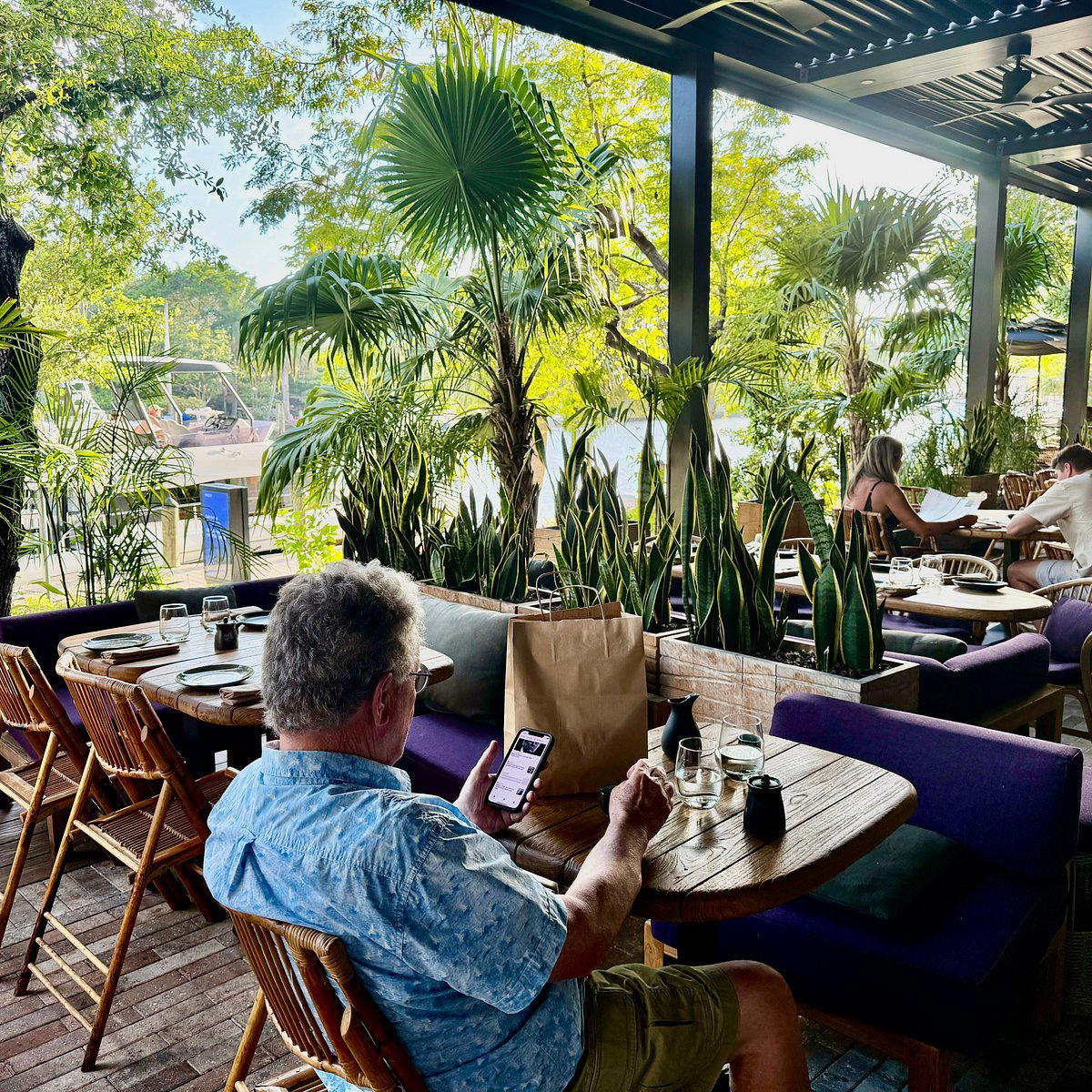
The Miami River Table
Miami's dining geography has long been anchored by Brickell towers and South Beach terraces, but the Miami River corridor has been accumulating a quieter density of independent operators over the past decade. The stretch of NW North River Drive sits at the edge of this shift, where industrial waterfront infrastructure gives way to something more provisional and, for that reason, often more interesting. Tanuki River Landing at 1420 NW N River Dr occupies a position in this zone, a part of the city where the usual markers of fine-dining legibility — hotel lobbies, valet lines, verified OpenTable slots — do not apply in the same way they do further south.
Understanding where Tanuki River Landing sits requires understanding what the Miami River corridor represents as a dining district. It is not the polished, reservation-driven tier occupied by venues like L'Atelier de Joël Robuchon Miami or the tightly edited neighborhood ambition of Ariete in Coconut Grove. Nor does it sit in the contemporary Italian precision bracket of Boia De in Little Haiti. The river corridor operates on different logic: proximity to water, informal access, and a clientele that ranges from marine industry workers to design professionals who have followed the neighborhood's slow gentrification.
Planning a Visit: What You Need to Know First
The core challenge with Tanuki River Landing, from a planning perspective, is the absence of verified public-facing operational data. No confirmed hours, no published booking method, no phone number in active circulation, and no website have been confirmed at the time of writing. This is not unusual for independent venues in transitional Miami neighborhoods, but it does mean the usual pre-trip research process needs adjustment.
For restaurants operating outside the major reservation platforms, outside the Cote Miami-tier venues that maintain active Resy or OpenTable profiles, the practical approach is direct engagement with the venue through whatever social media presence it maintains, or through neighborhood-level intelligence. Instagram, in particular, has become the de facto operational communication channel for independent Miami operators who do not maintain a traditional web presence.
Visitors accustomed to the planning certainty that comes with high-profile destinations, the confirmed reservation windows of Le Bernardin in New York City, the advance booking discipline required at Lazy Bear in San Francisco, or the structured format of Alinea in Chicago, should recalibrate expectations accordingly. The Miami River corridor rewards a different kind of traveler: one who builds flexibility into their itinerary and treats the planning process as part of the experience rather than an obstacle to it.
Before visiting, confirm: whether a reservation is required or accepted, current operating days and hours, payment methods accepted, and any format details (counter seating, communal tables, walk-in only). These are not details that can be assumed from the address or venue name alone.
The Waterfront Context
Miami's relationship with its river is distinct from the beachfront identity that dominates the city's international image. The Miami River is a working waterway, cargo vessels, fishing boats, and maintenance infrastructure share the water with the growing leisure and dining activity along its banks. Dining adjacent to this kind of working waterfront carries a different atmospheric register than the polished bayside settings further east. It is rougher, more provisional, and often more directly connected to the actual texture of the city.
This kind of waterfront positioning has precedent elsewhere in American dining. The farm-and-table integration at Blue Hill at Stone Barns in Tarrytown or the agricultural context at Single Thread Farm in Healdsburg both demonstrate that place-specificity, the sense that a restaurant could only exist in this exact location, adds a layer of meaning that urban dining rooms often lack. Whether Tanuki River Landing achieves that kind of environmental coherence is something a visit would need to confirm, but the address itself places it in a part of Miami where that possibility exists more organically than it does in the hotel-corridor dining zones.
Miami's Independent Dining Register
Miami's restaurant scene in the mid-2020s has split along a clear fault line. On one side: hotel-backed and celebrity-chef concepts with established booking infrastructure, dress codes, and price points that signal their tier immediately. On the other: independently operated venues, often in transitional neighborhoods, that operate with less institutional infrastructure but often with more editorial interest for the traveler who wants to understand how the city actually eats.
Tanuki River Landing belongs, at least by address and operational profile, to the second category. The venues in Miami's independent tier that have earned sustained critical attention, Boia De among Italian-leaning contemporaries, ITAMAE for its Peruvian-Japanese synthesis, have done so by building a clear culinary identity and maintaining it consistently. Whether Tanuki River Landing has developed that kind of identity is not something that can be confirmed from available data, which is itself instructive about where it sits in the city's dining ecology.
For the full picture of where Miami's dining scene is currently moving, including verified options across price tiers and neighborhoods, see our full Miami restaurants guide.
Comparable Ambition Elsewhere
For travelers using Miami as part of a broader American dining itinerary, the venues that set the benchmark for serious cooking in the United States include The French Laundry in Napa, Providence in Los Angeles, Addison in San Diego, The Inn at Little Washington, and Atomix in New York City. Internationally, the Korean-focused precision of Atomix has a loose parallel in the technique-driven Asian dining at 8 1/2 Otto e Mezzo Bombana in Hong Kong. The point is that Miami now operates within a national conversation about serious dining, and venues in the river corridor are increasingly part of that conversation, even when their operational profiles lag behind their culinary ambitions. See also Emeril's in New Orleans for a case study in how waterfront-adjacent Southern American dining has built long-term critical credibility.
Know Before You Go
- Address: 1420 NW N River Dr, Miami, FL 33125
- Hours: Not confirmed at time of writing, verify before travel
- Phone: Not published in current records
- Website: Not confirmed, search venue name for current social media presence
- Price range: Not confirmed, budget accordingly for an independent waterfront operator
- Neighborhood: Miami River corridor, NW Miami, allow extra travel time if coming from South Beach or Brickell
- Accessibility note: Waterfront industrial areas can have limited street parking; confirm logistics in advance
How Tanuki River Landing Miami compares with similar nearby venues.
| Venue | Cuisine | Price |
|---|---|---|
| Hometown Barbecue Miami | Barbecue | $$ |
| Palma | Contemporary | $$$$ |
Continue exploring
More in Miami
Restaurants in Miami
Browse all →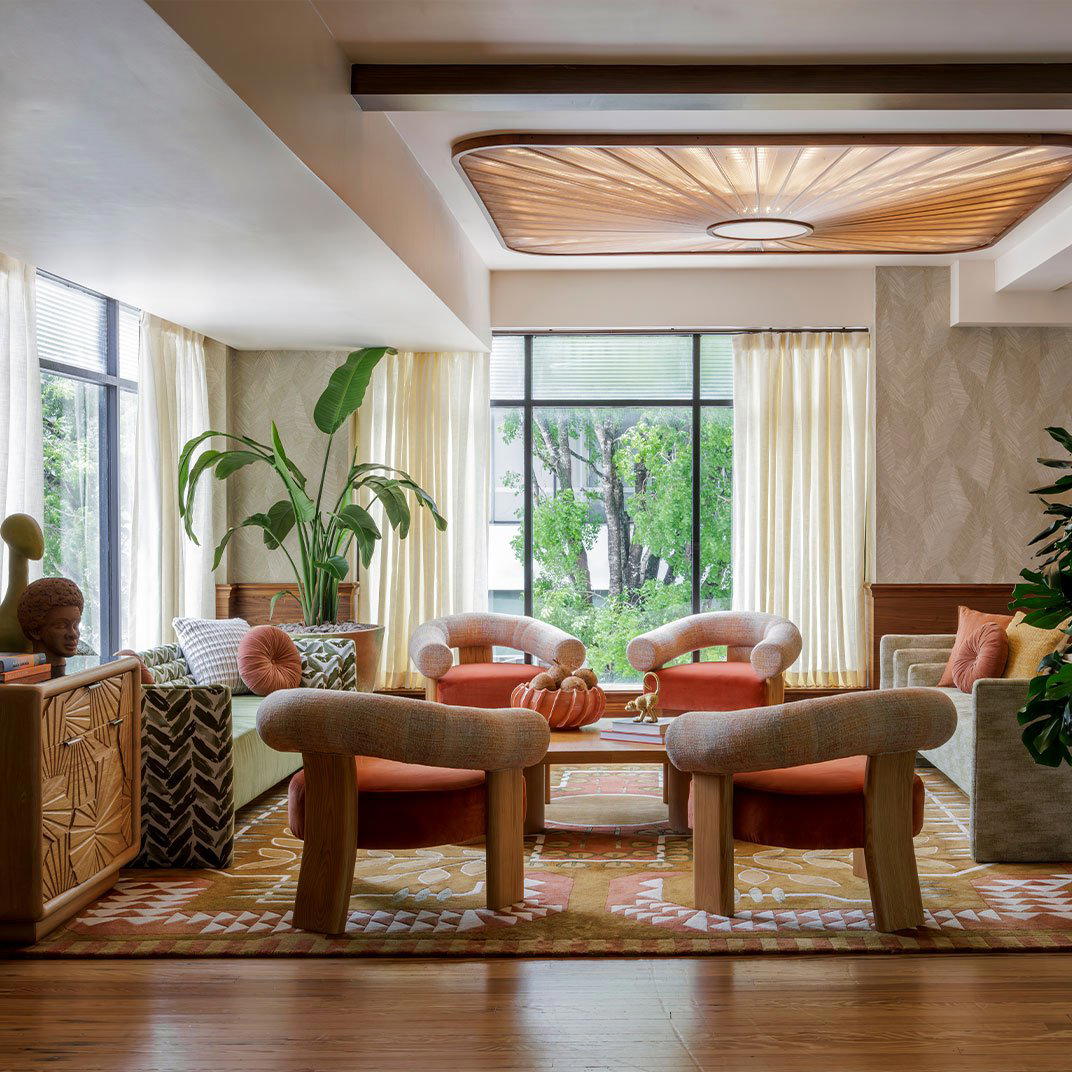
At a Glance
- Trendy
- Bohemian
- Lively
- Date Night
- Group Dining
- Casual Hangout
- Waterfront
- Live Music
- Open Kitchen
- Terrace
- Craft Cocktails
- Sake Program
- Waterfront
Current opening hours
- Monday
- 12–11 PM
- Tuesday
- 12–11 PM
- Wednesday
- 12–11 PM
- Thursday
- 12–11 PM
- Friday
- 12 PM–12 AM
- Saturday
- 12 PM–12 AM
- Sunday
- 12–11 PM
Hours can change for holidays and private events. Last verified .
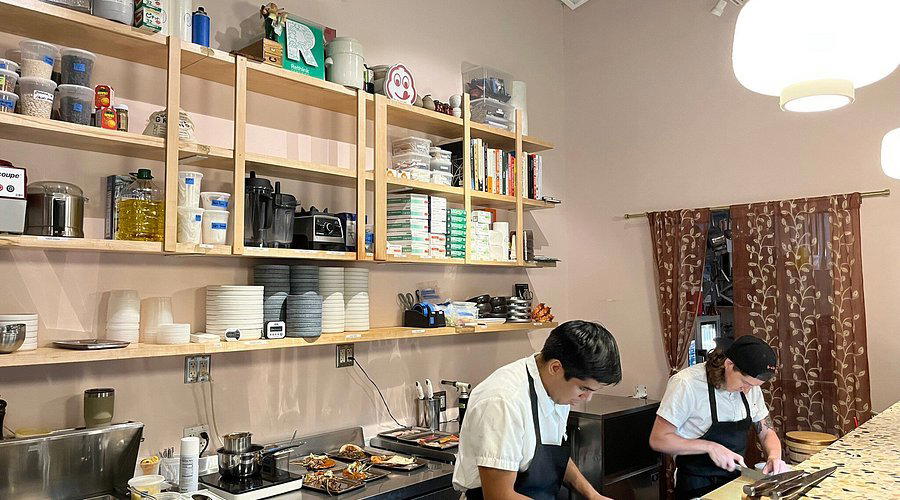
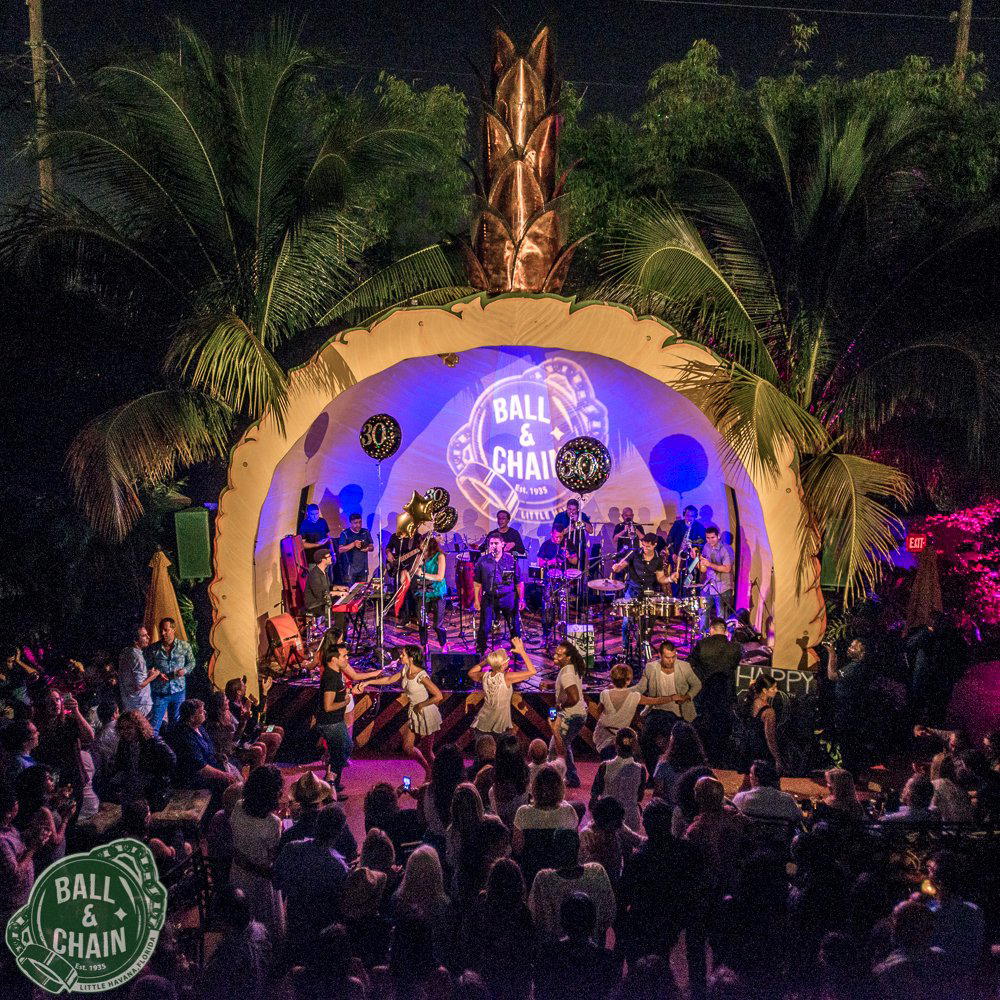
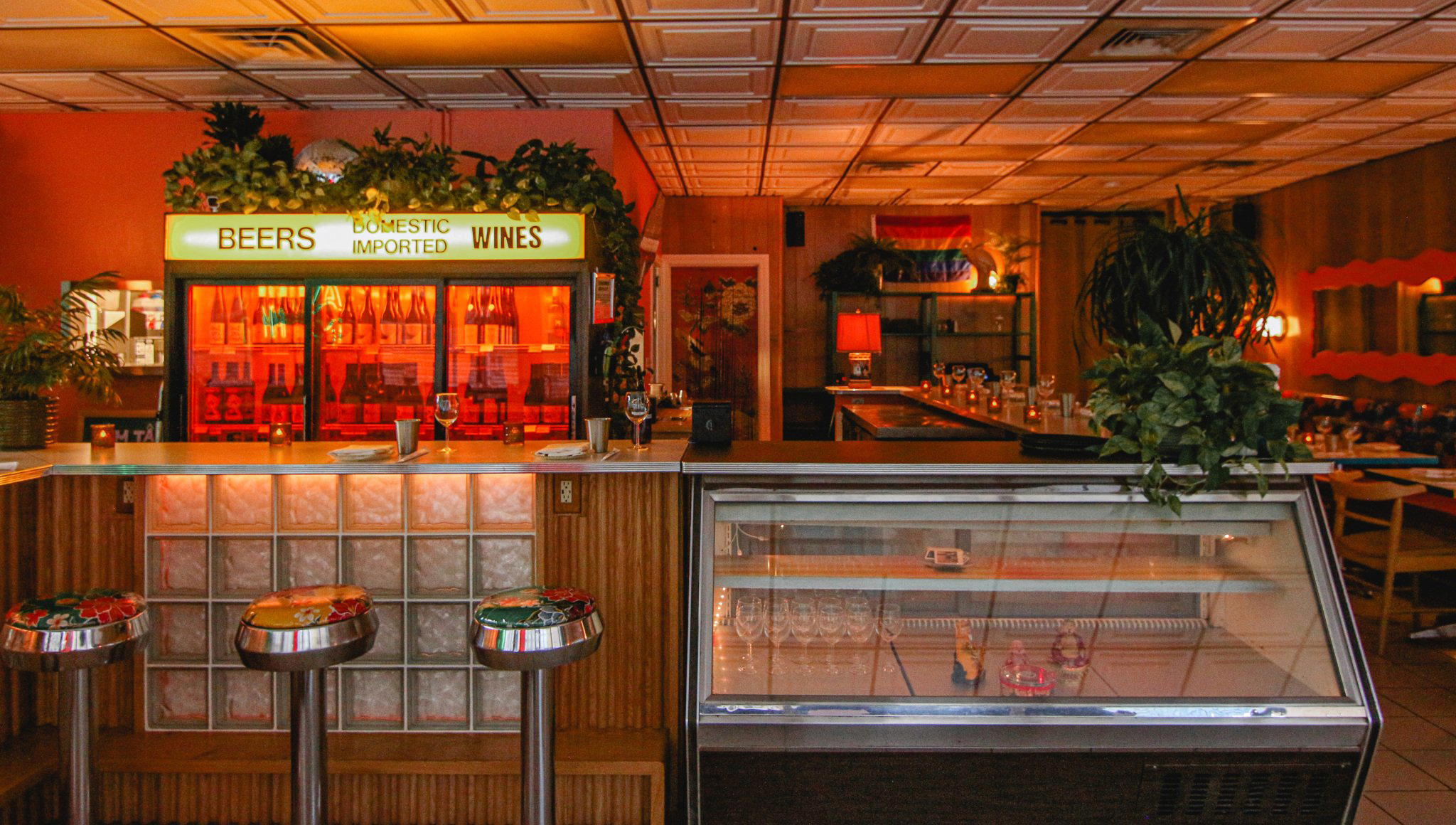
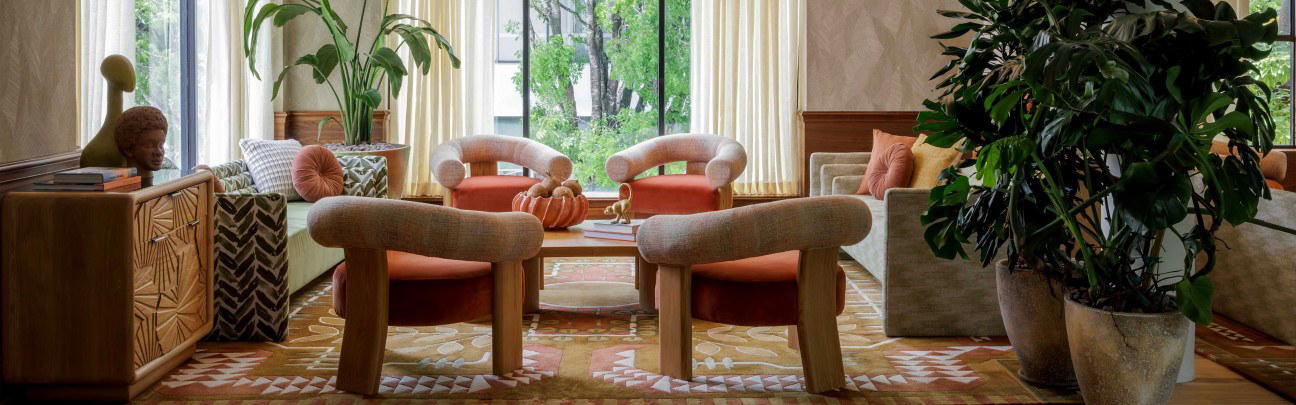
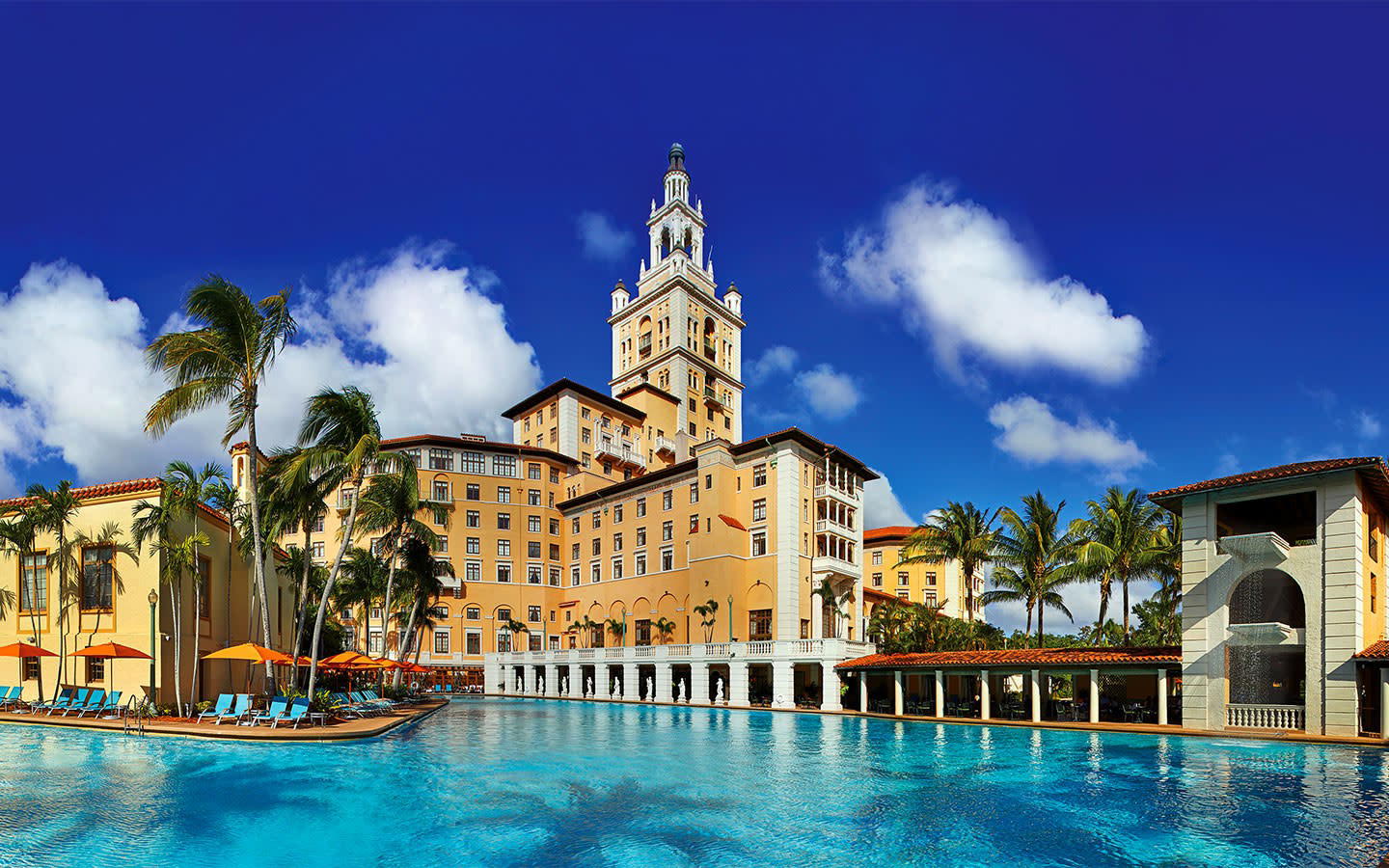
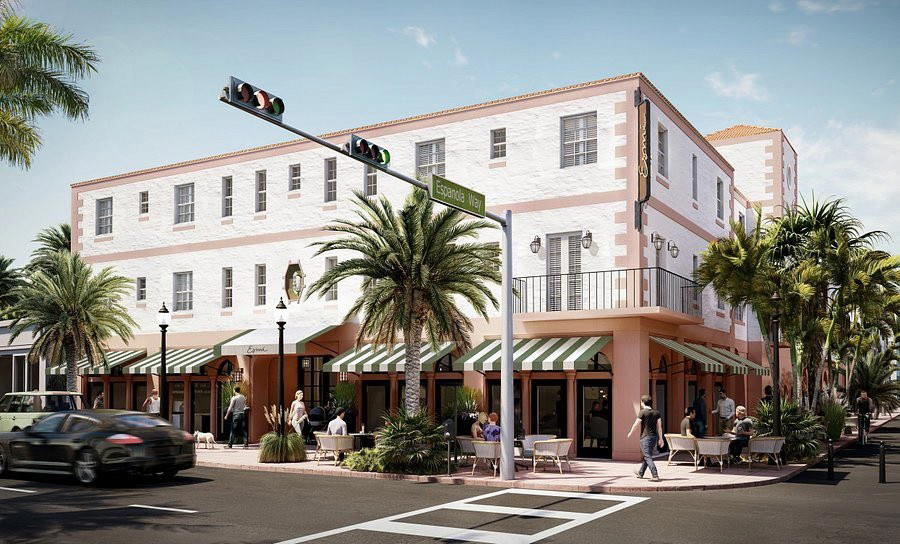
Boho chic aesthetic featuring teak furniture, lush ceiling vines, energetic tropical atmosphere with live entertainment and river views.
Know Before You Go
- Getting there
- 1420 NW N River Dr, Miami, FL 33125