SuViche – Sushi and Ceviche
On Wynwood's northern edge, SuViche has spent years refining a format that few Miami restaurants have committed to seriously: the intersection of Japanese and Peruvian coastal cooking. The address on North Miami Avenue places it in a neighbourhood moving faster than most, while the menu holds a position between casual accessibility and genuine technical range. It reads differently from the city's omakase counters and cevicherías alike.
Pearl is the En Primeur Club membership app — saves, bookings, and concierge access live there. Same editors, same standards.
- Address
- 2751 N Miami Ave, Miami, FL 33127
- Phone
- +1 305 501 5010
- Website
- suviche.com
- Directions
- Get directions
 Saves & bookings on Pearl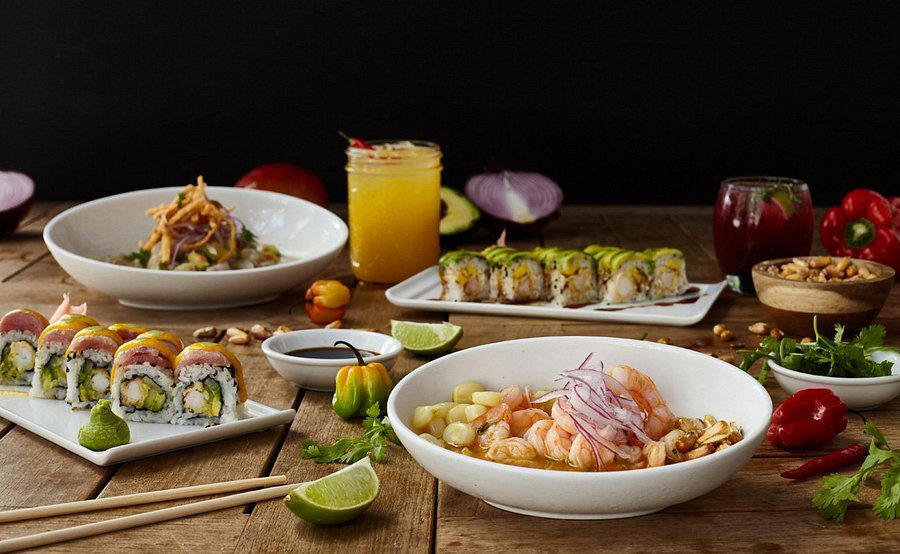
Where Two Coastal Traditions Meet in Wynwood
North Miami Avenue, at the point where Wynwood shades into Edgewater, has the particular energy of a corridor still deciding what it wants to be. Warehouses converted into studios sit beside newer residential towers; the street-level retail alternates between the speculative and the established. SuViche occupies 2751 on that strip, and the name alone telegraphs the premise before you reach the door: this is a restaurant built around the productive tension between Japanese raw-fish discipline and Peruvian ceviche tradition, two approaches to seafood that share more technical vocabulary than most diners initially expect.
That tension, rather than being a novelty act, has a genuine culinary history behind it. Peru's Nikkei tradition — the cooking that emerged from Japanese immigration to Peru in the late nineteenth and early twentieth centuries — is one of the more coherent cross-cultural fusions in the Americas. Restaurants working in this register can be found in Lima's Miraflores district, in São Paulo's Liberdade neighbourhood, and now with increasing regularity in cities with strong Latin American communities. Miami's dining scene, shaped by Cuban, Venezuelan, Colombian, and more recently Peruvian populations, is a plausible place for this format to land and find an audience. SuViche has been present long enough to have watched that audience grow.
How the Format Has Shifted
The evolution angle matters here. Miami's casual dining tier has changed substantially in the past decade. When SuViche established itself on the North Miami Avenue address, the surrounding neighbourhood offered fewer options at the accessible-price end of the market, and a concept combining sushi with ceviche occupied genuinely underserved territory. The growth of Wynwood as a cultural and culinary destination has since altered the competitive context considerably. Spots that once stood out by proximity default now compete against a much deeper field of chef-driven casual venues.
What this means for SuViche's positioning is that the format has had to sharpen. The Nikkei framework, done well, is not simply about putting tiradito and a spicy tuna roll on the same menu, it requires an understanding of where the acid-cure logic of a leche de tigre marinade intersects with the fat-and-rice logic of nigiri, and how those two approaches can be made to speak to each other. Miami has developed enough dining literacy to notice the difference between a concept-driven execution and a kitchen simply covering two bases. Comparison venues in the mid-casual tier, including Cote Miami at the Korean steakhouse end and Boia De in contemporary Italian, demonstrate what focused category commitment looks like when a concept matures. SuViche's continued presence signals that its version of this format has found a durable audience rather than riding a novelty cycle.
The Nikkei Context in Miami's Dining Scene
To understand where SuViche sits in Miami's broader map, it helps to look at the city's appetite for Peruvian cooking specifically. ITAMAE, operating at a higher price point and with a more formal Nikkei-focused execution, represents one pole of this tradition in the city: chef-driven, tasting-format adjacent, with James Beard recognition attached. SuViche occupies the other pole, higher-volume, accessible pricing, a full menu rather than a curated sequence. Neither approach invalidates the other; they serve different parts of the same culinary tradition to different types of dining occasion.
This kind of vertical spread within a single cuisine category is a marker of a maturing food city. When a culinary tradition can support both a tasting-counter format and a neighbourhood casual format, it has moved beyond trend status into something more structural. Miami's Peruvian and Nikkei dining options have reached that point. The city's dining infrastructure, particularly in the Brickell, Wynwood, and Design District corridors, now supports price-tiered exploration across several Latin-inflected cuisines in a way that was not true fifteen years ago.
The same applies to The French Laundry in Napa, Smyth in Chicago, or Blue Hill at Stone Barns in Tarrytown. SuViche's value proposition is legibility and accessibility, a restaurant where a first-time diner curious about Nikkei cooking can orient themselves without committing to the full tasting-menu format that defines venues like Atomix in New York City or Atelier Moessmer Norbert Niederkofler in Brunico.
The Neighbourhood Pull
The Wynwood address does specific work for this kind of restaurant. The neighbourhood draws a cross-section of Miami's population, international visitors, local professionals, art-world regulars, who share an appetite for mid-casual dining that does not require either formal reservation protocols or the commitment of a tasting menu. The concentration of galleries, murals, and street-level food and drink venues creates a grazing-and-wandering dining culture that suits a menu structured around shareable portions of ceviche and smaller sushi formats.
For context on what else operates in Miami's upper-casual and fine-dining tiers near this corridor, Ariete in Coconut Grove and L'Atelier de Joël Robuchon Miami represent higher price points and more demanding reservation windows. SuViche's positioning below those tiers makes it a more flexible option for the kind of spontaneous evening that Wynwood's street culture encourages. The full picture of what Miami's dining scene offers across price points and neighbourhoods is mapped in our full Miami restaurants guide.
Planning Your Visit
SuViche is located at 2751 N Miami Ave, Miami, FL 33127, on the northern edge of Wynwood's gallery and dining corridor. The neighbourhood is most accessible by rideshare or taxi given limited street parking during peak evening hours; the Design District and Edgewater are within a short drive for those extending an evening across multiple stops. Given the casual-format structure and the neighbourhood's walk-in dining culture, the venue is generally more approachable without advance booking than Miami's higher-end tasting counters, though weekend evenings during Art Basel and the broader winter season tend to compress availability across the entire Wynwood corridor. Those planning around peak Miami calendar events, Art Basel in December, the winter high season running through March, should factor Wynwood's broader foot traffic into their timing. For references to the fuller range of Miami's dining options, including venues at significantly higher price and formality tiers, the restaurants listed in our Miami guide cover the spectrum from chef-driven casual through Michelin-level fine dining, including Lazy Bear in San Francisco-style tasting-format venues and spots comparable to Single Thread Farm in Healdsburg, Emeril's in New Orleans, Addison in San Diego, and The Inn at Little Washington for those benchmarking across American fine dining.
How SuViche Miami compares with similar nearby venues.
| Venue | Cuisine | Price |
|---|---|---|
| Hiyakawa Miami | Japanese | $$$ |
| Ossobuco | Contemporary | $$$ |
Continue exploring
More in Miami
Restaurants in Miami
Browse all →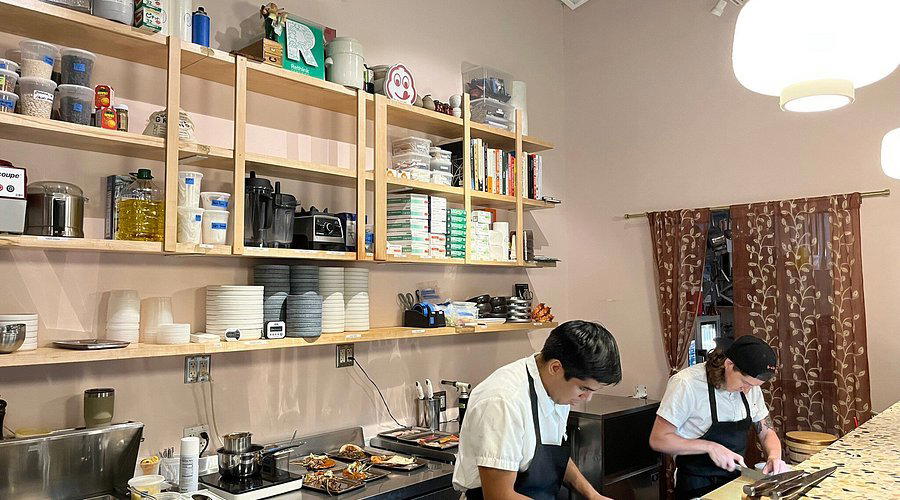
At a Glance
- Trendy
- Lively
- Modern
- Casual Hangout
- Group Dining
- Happy Hour
- Open Kitchen
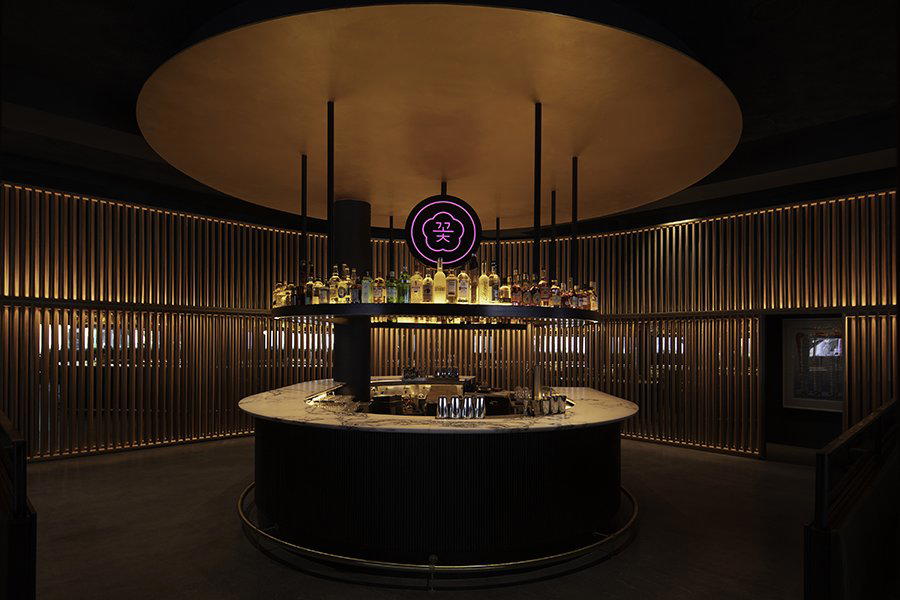
- Craft Cocktails
- Sake Program
- Sustainable Seafood
Current opening hours
- Monday
- 11:30 AM–11 PM
- Tuesday
- 11:30 AM–11 PM
- Wednesday
- 11:30 AM–11 PM
- Thursday
- 11:30 AM–11 PM
- Friday
- 11:30 AM–12 AM
- Saturday
- 11 AM–12 AM
- Sunday
- 11 AM–11 PM
Hours can change for holidays and private events. Last verified .
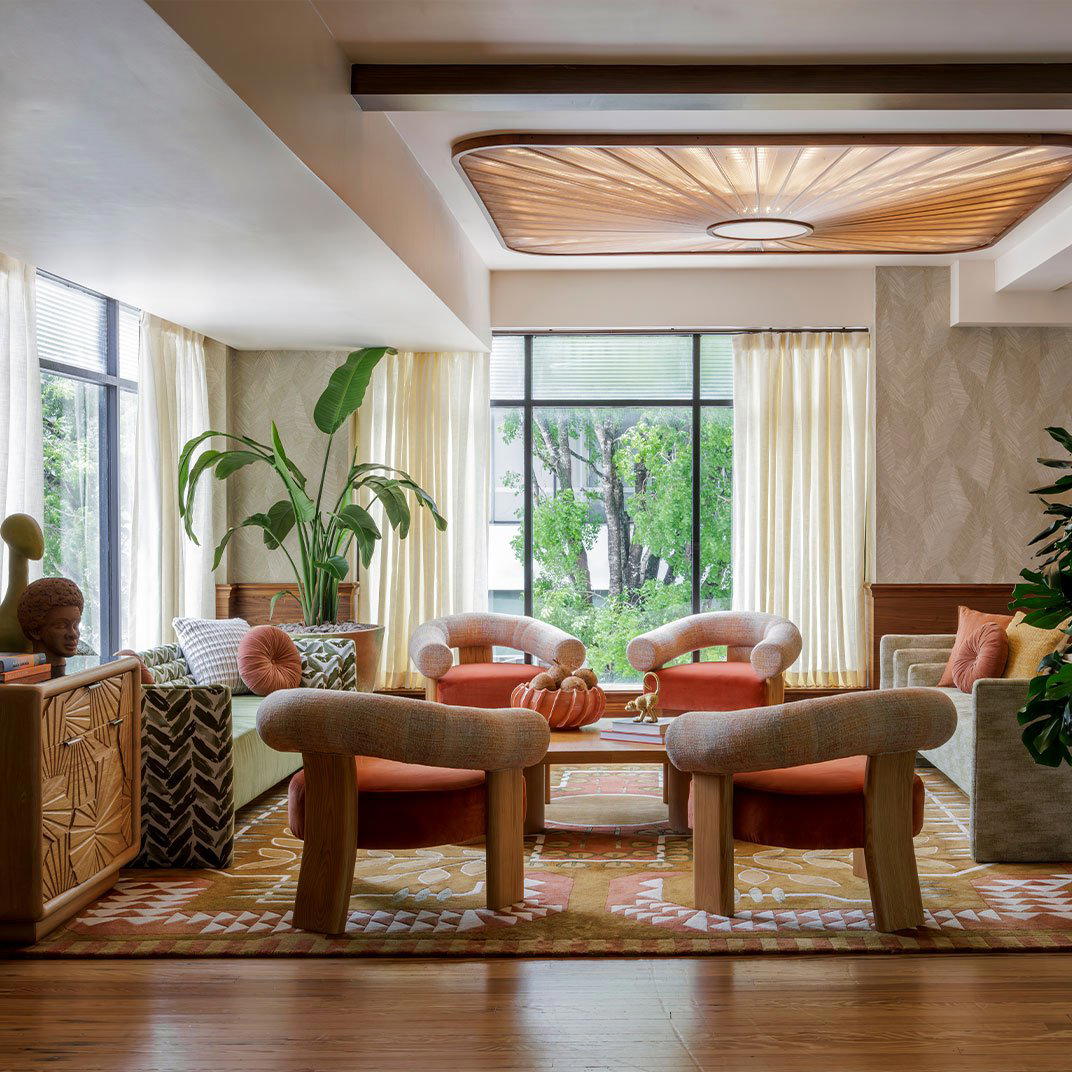
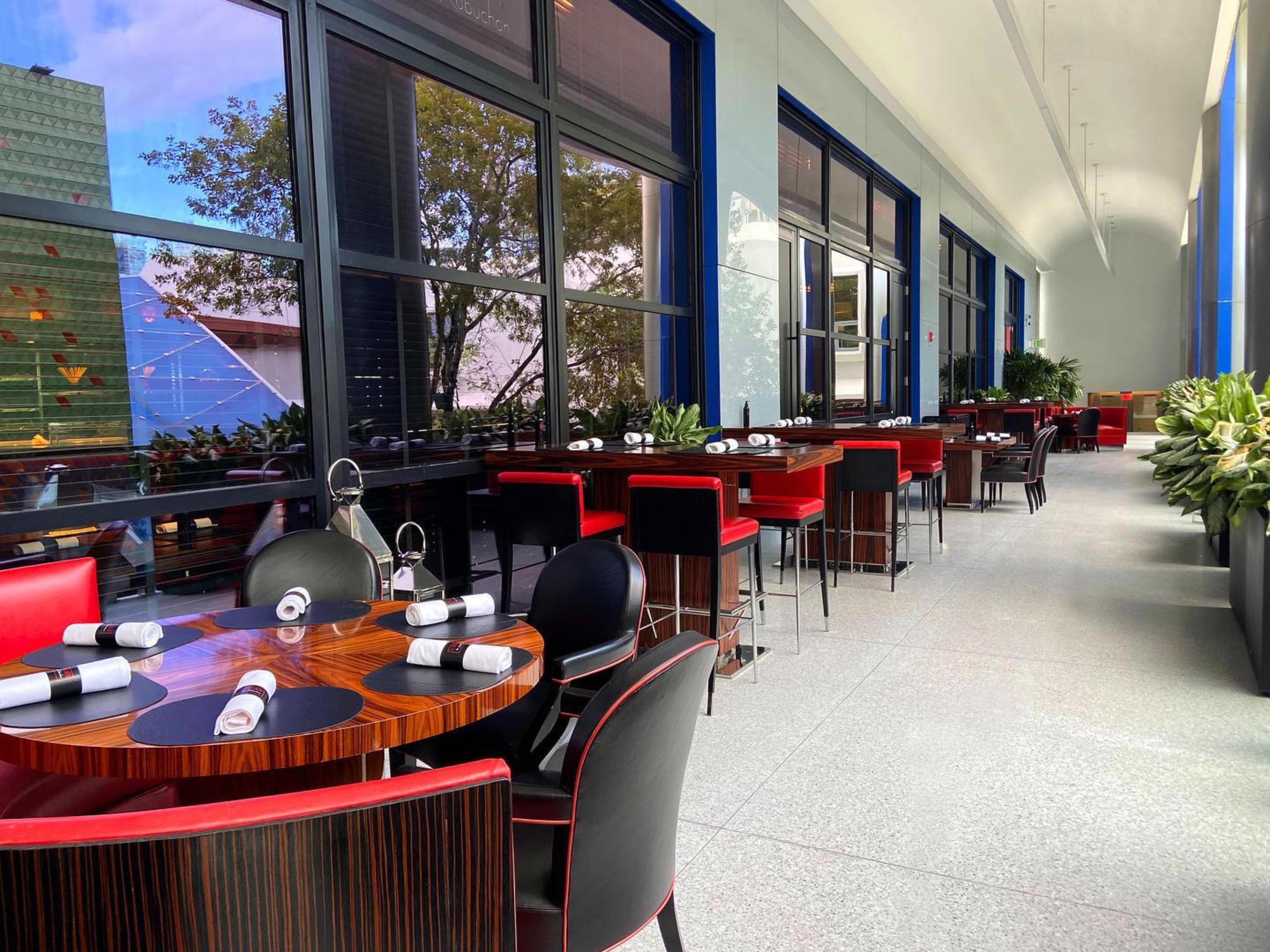
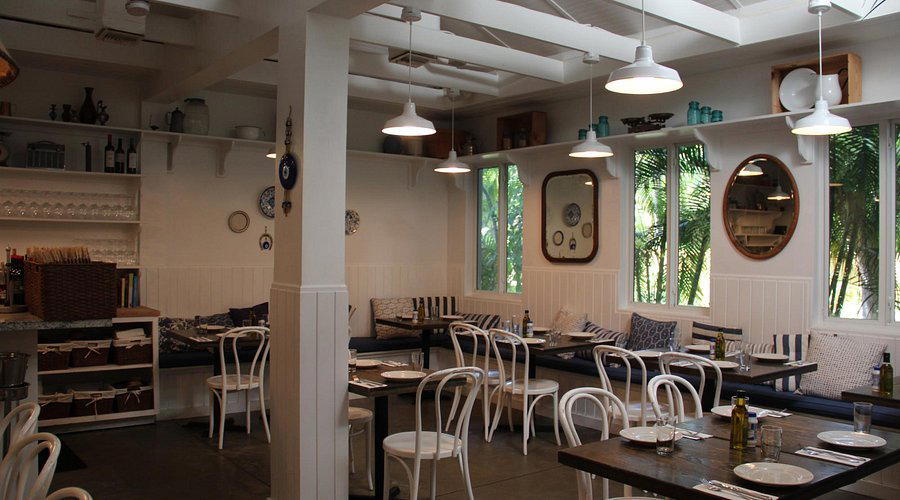
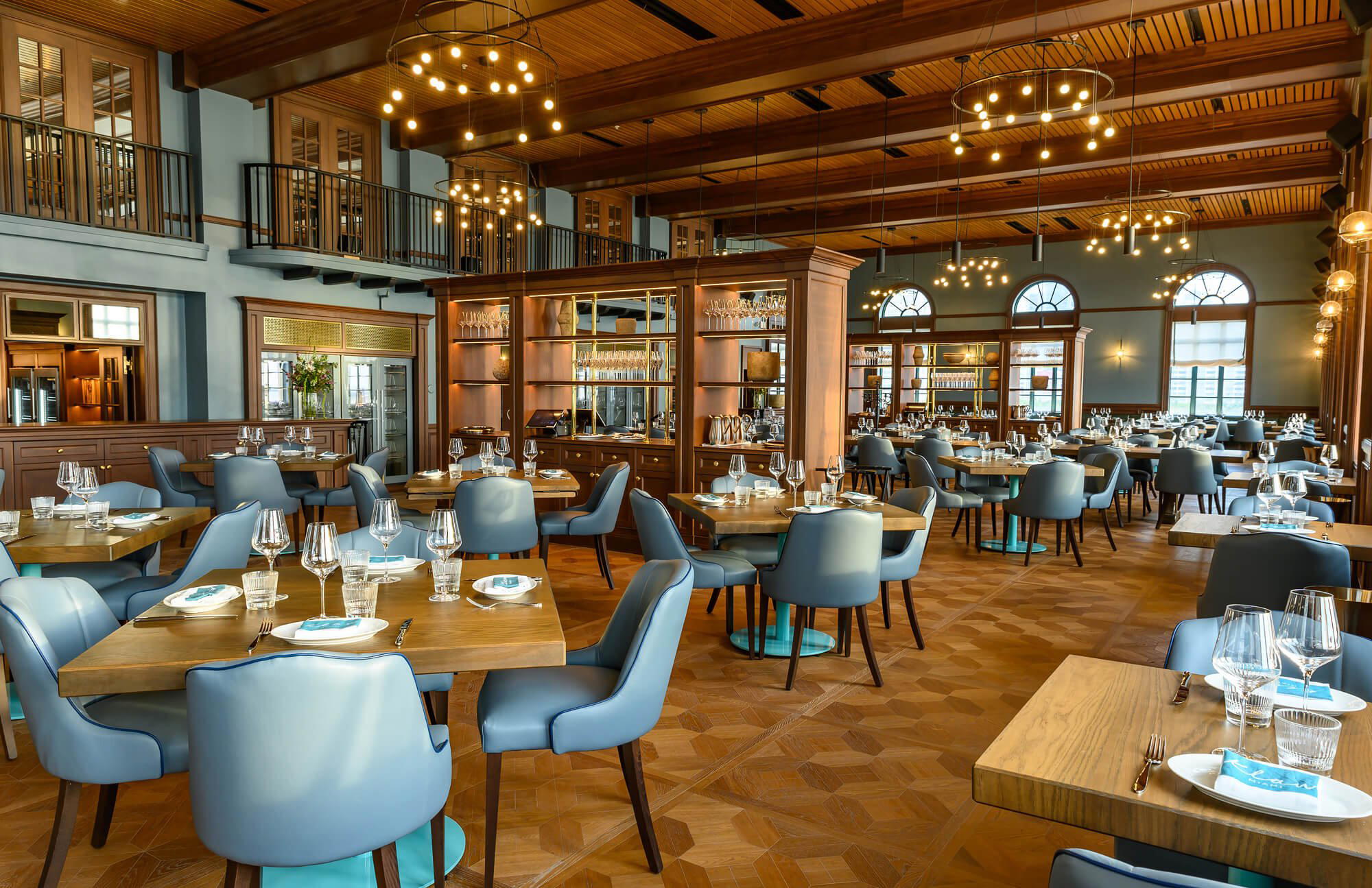
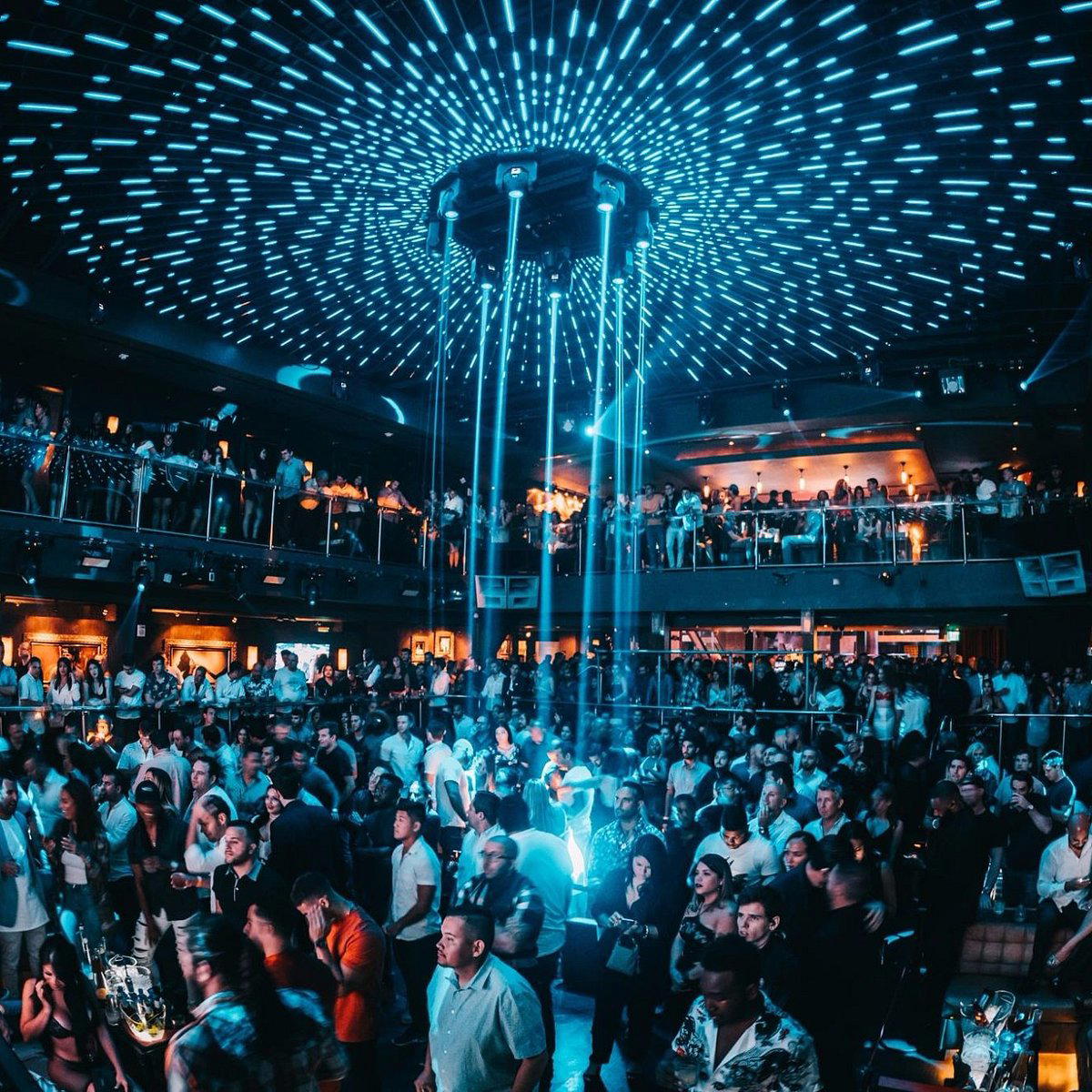
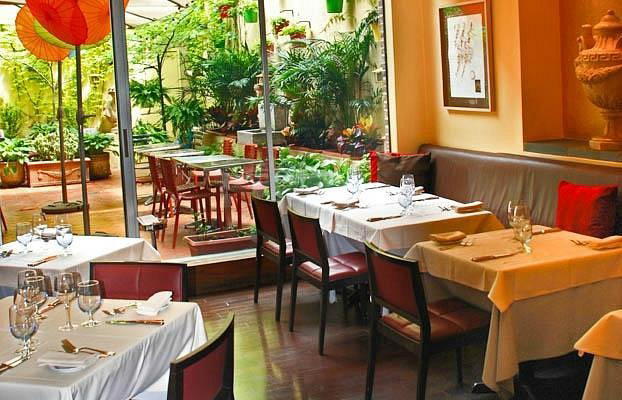
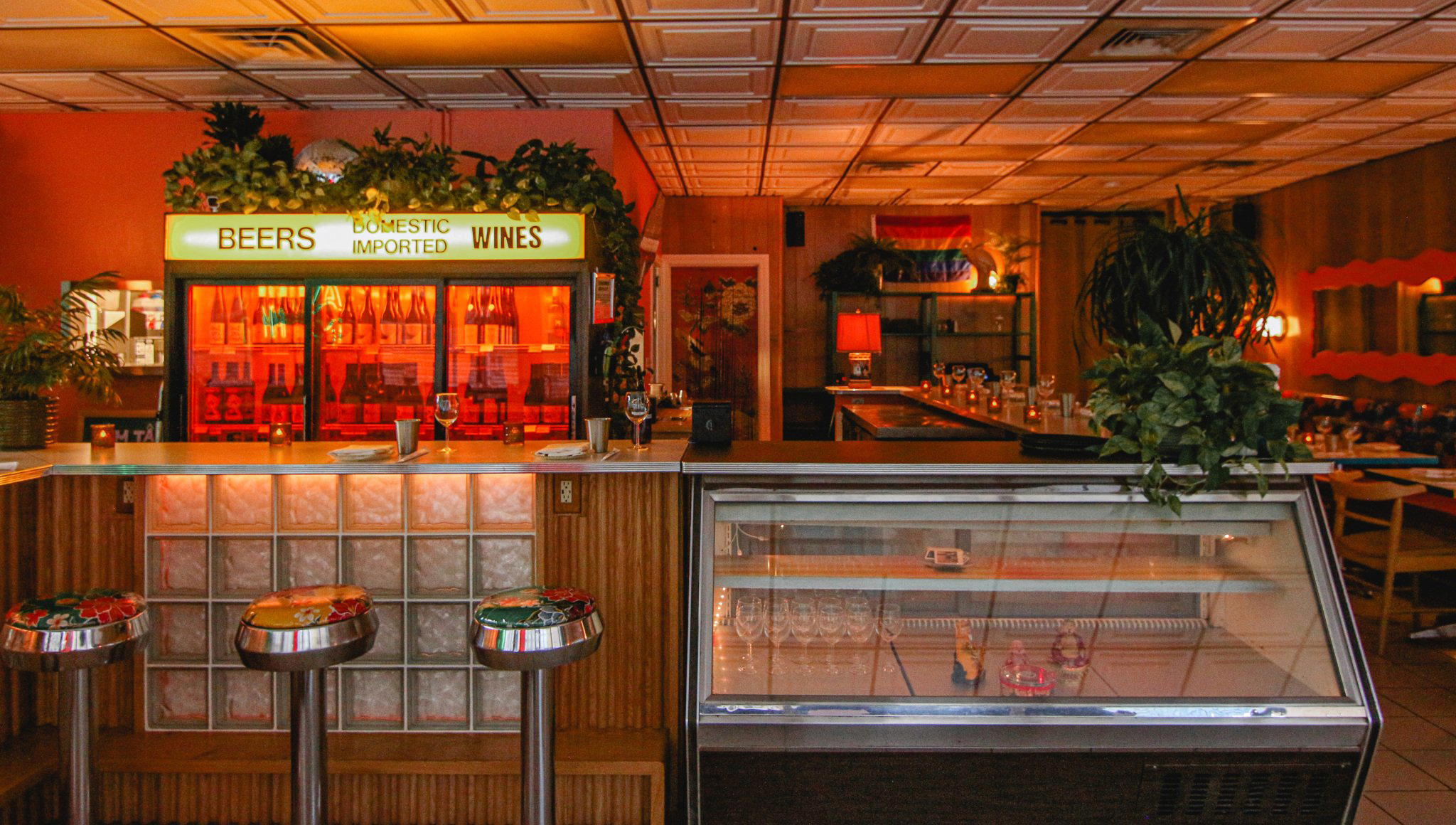
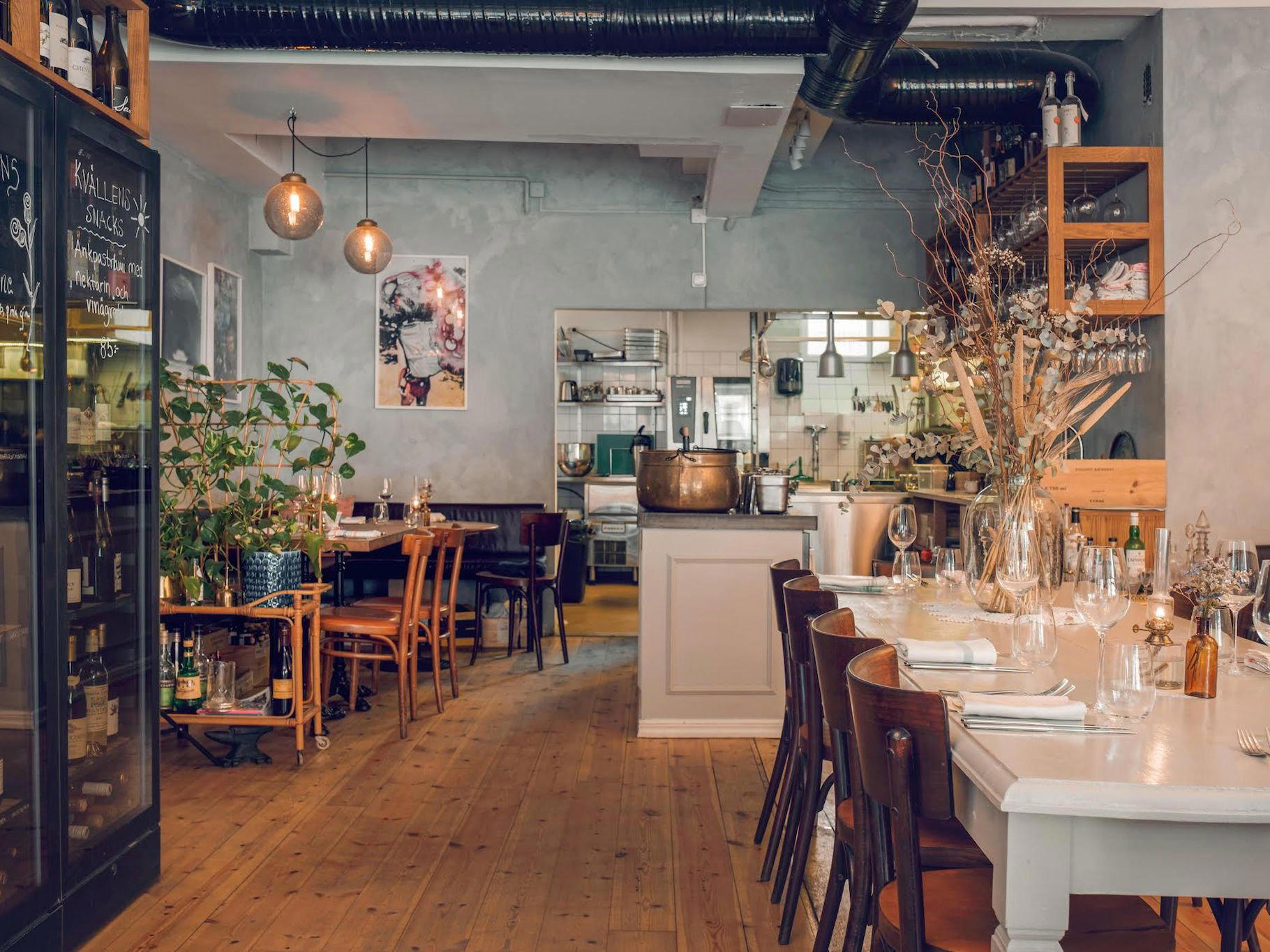
Buzzy and casual atmosphere with lively, tropical-inspired design blending Peruvian colors and Miami flair.
Know Before You Go
- Getting there
- 2751 N Miami Ave, Miami, FL 33127