
Tom Yum Kung. gives Beppu a serious Thai and Asian counterpoint to its onsen-town dining habits: small-scale, ingredient-led, and far more structured than casual curry or izakaya eating. Recognition from Tabelog 100 Asian/Ethnic WEST in 2022, 2023, and 2024, plus a 2018 Michelin Guide Kumamoto Oita Bib Gourmand, puts it in a rare Kyushu category for destination-minded diners.
Pearl is the En Primeur Club membership app — saves, bookings, and concierge access live there. Same editors, same standards.
- Address
- 大分県別府市浜脇2-2-3 再開発ビル 1F
- Phone
- +81977236303
- Website
- tabelog.com
 Saves & bookings on Pearl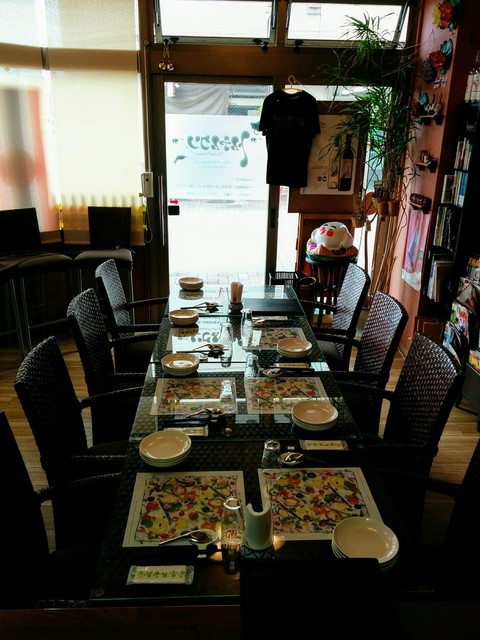
Hamawaki’s dining rhythm is quieter than central Beppu’s station-side drinking streets. Around Tom Yum Kung. the mood fits the city’s older edge: low-rise, practical, close to the hot-spring neighbourhoods that made Beppu famous, yet away from hotel buffets and lantern-lit izakaya blocks. In a city where visitors often default to seafood, onsen-steamed vegetables, toriten, or Bungo beef, Thai cooking here feels less like novelty than a pointed itinerary correction.
The distinction is scale and sourcing. Beppu dining often rewards immediacy: grills, taverns, gyoza counters, and casual seafood rooms for movement between baths and bars. Tom Yum Kung. works tighter, with Thai, Asian, ethnic, and curry categories shaped around fish, health-minded cooking, and wine. In Oita, where the sea is a working pantry, a Thai format that takes fish seriously can speak to the region without local-food cosplay.
Thai cooking in Beppu, treated as a sourced-course format
Thai restaurants in Japan usually split between casual urban canteens built around familiar dishes and specialist rooms translating Thai structure through Japanese seasonality and service discipline. Beppu is not Tokyo or Osaka, so a highly selective Thai address in Hamawaki changes the map. Tom Yum Kung. was selected for Tabelog 100 Asian cuisine / Ethnic cuisine WEST in 2022, 2023, and 2024, and received a Bib Gourmand in the 2018 Michelin Guide Kumamoto Oita. Those signals put it beyond dependable neighbourhood ethnic cooking.
The menu is described as creative Thai cuisine with natural wine, with food emphasis on fish and health-and-wellness cooking. That last phrase can sound soft until placed in context. Thai cuisine depends on acid, herbs, heat, fermented depth, and controlled sweetness; Japanese coastal cooking depends on clarity, season, and fish handling. The overlap is not fusion for its own sake, but seafood carrying Thai seasoning without losing regional identity.
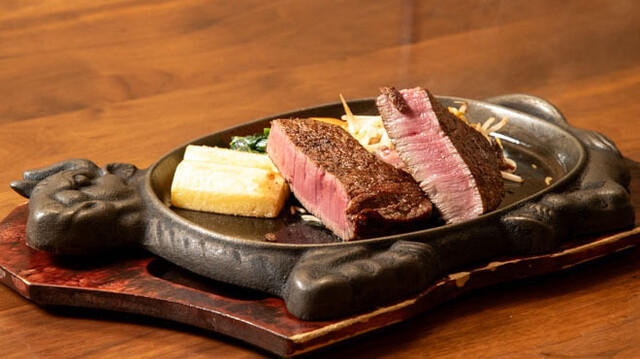
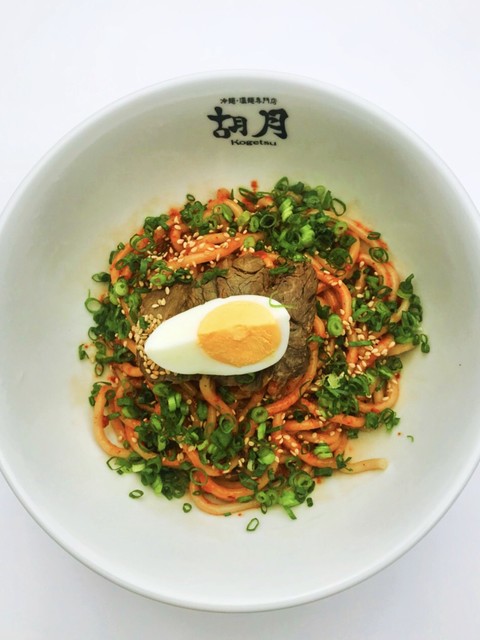
Beppu’s better-known dining references often sit in familiar Japanese lanes. Bungo Beef Steak no Mise Somuri Beppu honten occupies the city’s beef conversation at a similar dinner spend, while Gyoza Kogetsu and Bepper's Tavern ベッパーズタバーン speak to the casual, night-out side of town. Against that field, the restaurant is not simply another choice; it is a different tempo, closer to a private-course meal than a stop between drinks.
Why the room size changes the meal
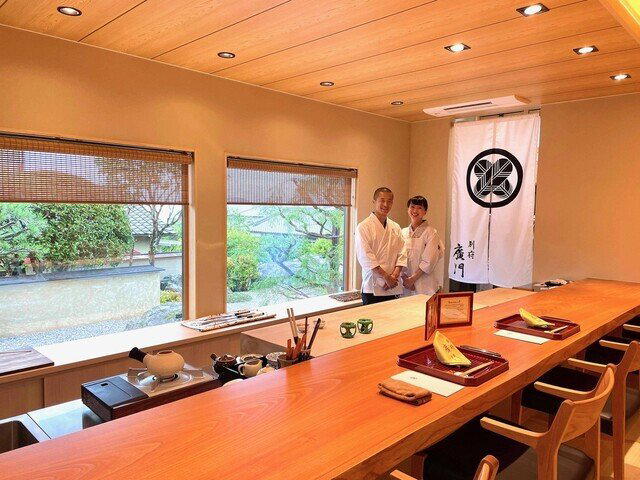
Small restaurants are common in Japan, but this format is unusually compressed. The setting is private-use friendly, non-smoking, built for small groups, with private rooms for two to four people. That matters because Thai food is usually communal: shared heat, sauces, rice, and pacing. In Beppu, the intimacy turns dinner into a controlled exchange between the kitchen’s sourcing decisions and the table’s tolerance for spice, acid, and wine.
Natural wine is a serious clue. In Japan, wine-led Thai cooking remains a narrow niche beside sake-led washoku, beer-led izakaya food, or highball-driven yakiniku. Thai seasoning can be difficult with conventional pairings: chilli heat distorts alcohol, lime and tamarind sharpen acidity, and coconut richness can flatten delicate bottles. Foregrounding wine with Thai cooking is a technical decision, not a fashionable beverage label.
The opening date, December 2010, adds another layer. Longevity in a regional Japanese city is a harsher test than brief attention in a metropolitan dining district. Three consecutive Tabelog 100 selections for the WEST Asian and Ethnic category show sustained relevance in a field including larger cities with deeper immigrant and specialist-dining communities. For Beppu, that recognition explains interest beyond local regulars.
The comparison set within Beppu clarifies the choice. Norary-Crary and Seafood Izakaya Ren sit at lower dinner bands, Karin is nearby but slightly lower spend, and Bungo Beef Steak no Mise Somuri Beppu honten reaches the same dinner range through a classical local-luxury route. The restaurant asks diners to choose a narrower, deliberate experience: Thai technique, seafood awareness, wine, and a small-table format over the broader comfort of steak, izakaya, or tavern dining.
How it fits into a sharper Beppu itinerary
Beppu rewards visitors who separate daytime bathing culture from dinner planning. The city can look easy from outside, but its stronger meals require deciding the evening: casual drinking, local beef, gyoza, hotel dining, or a smaller specialist room. For the city’s food map, start with Our full Beppu restaurants guide, then use Our full Beppu bars guide if the night is structured around drinks. Travellers pairing meals with ryokan or resort stays should also check Our full Beppu hotels guide.
Within that itinerary, the restaurant is better treated as the anchor meal, not a flexible add-on. The format, small-group orientation, and ingredient-led cooking point to diners wanting one carefully paced table rather than a crawl. Nearby alternatives change the mood: Atelier and Elements broaden the restaurant search, while Beppu’s wider culture can be mapped through Our full Beppu experiences guide and, for drink-focused travellers, Our full Beppu wineries guide.
The useful comparison beyond Beppu is not another Thai restaurant by name, but Japan’s broader appetite for tightly defined specialists. A cross-country food route might move from curry specificity at [Curry Senmon Ten] Maruyama Kyoju. in Sapporo to Vietnamese cooking at (Shoku) Vietnam in Kawasaki, then to compact urban formats such as.know in Kumamoto.cafe in Osaka, or. 鮪と炭火焼き うお炭 秋葉原店 in Tokyo. The through-line is not cuisine type, but discipline: small formats with a clear point of view.
For international readers, that logic extends beyond Japan. Jōdo Saké Bar in Los Angeles and Onigiri Time in Pasadena show how Japanese and Asian formats travel when they retain focus rather than broaden into catch-all menus. In Kamakura, -Grilled beef Sukiyaki- KAMAKURA TANUKIAN 鎌倉 たぬき庵 in Kamakura makes the opposite case through beef and sukiyaki tradition. The restaurant belongs in that conversation because it proves Beppu’s dining identity is not limited to hot springs, seafood restaurants, and local beef. Its value is the precision of the alternative.
A Quick Peer Check
Comparable venues by cuisine and price in the same metro.
| Venue | Cuisine | Price | Notes |
|---|---|---|---|
| Tom Yum Kung. | Creative Thai Omakase with Natural Wine | $$$ | Higashi Beppu |
| Norary-Crary | North Indian Spice Restaurant with Taiwanese Breakfast & Moroccan Tagines | $$ | Motomachi |
| TANE | South Indian curry & thali | $$ | Ekimae Honmachi |
| Yakiniku Ichiriki | Traditional Yakiniku (Japanese BBQ) | $$ | Ekimae Honmachi |
| Bungo Beef Steak no Mise Somuri Beppu honten | Bungo Beef Steak / Teppanyaki | $$$ | Kitahama |
| Ikkyu no Namida | Beppu Cold Noodles (Beppu Reimen) | $$ | Ishigaki Nishi |
Recognition history
Dated appearances from independent guides and award organizations, with the underlying list record or original source where available.
Tabelog 100 #27 · No. 27
Tabelog · Tabelog 100 - Asian cuisine / Ethnic cuisine - WEST - 2024
Continue exploring
More in Beppu
Restaurants in Beppu
Browse all →


At a Glance
- Cozy
- Intimate
- Quiet
- Date Night
- Special Occasion
- Private Event
- Casual Hangout
- Private Dining
- Standalone
- Natural Wine
- Natural Wine
A quiet hideout-style space with only one table, designed for a relaxed, private experience where guests can focus on inventive Thai fusion dishes and natural wines.