Located on Bình Giã street in Vũng Tàu's Rạch Rừa ward, Tan Long Hung Restaurant sits within a city defined by its seafood culture and coastal dining traditions. The address places it away from the main beachfront tourist strip, embedding it in a more local residential and commercial stretch where Vietnamese families and working crowds form the core audience.
Pearl is the En Primeur Club membership app — saves, bookings, and concierge access live there. Same editors, same standards.
- Address
- 844 Bình Giã, Phường Rạch Rừa, Vũng Tàu, Bà Rịa - Vũng Tàu 78000, Vietnam
- Phone
- +84702727777
- Website
- zalo.me
- Directions
- Get directions
 Saves & bookings on Pearl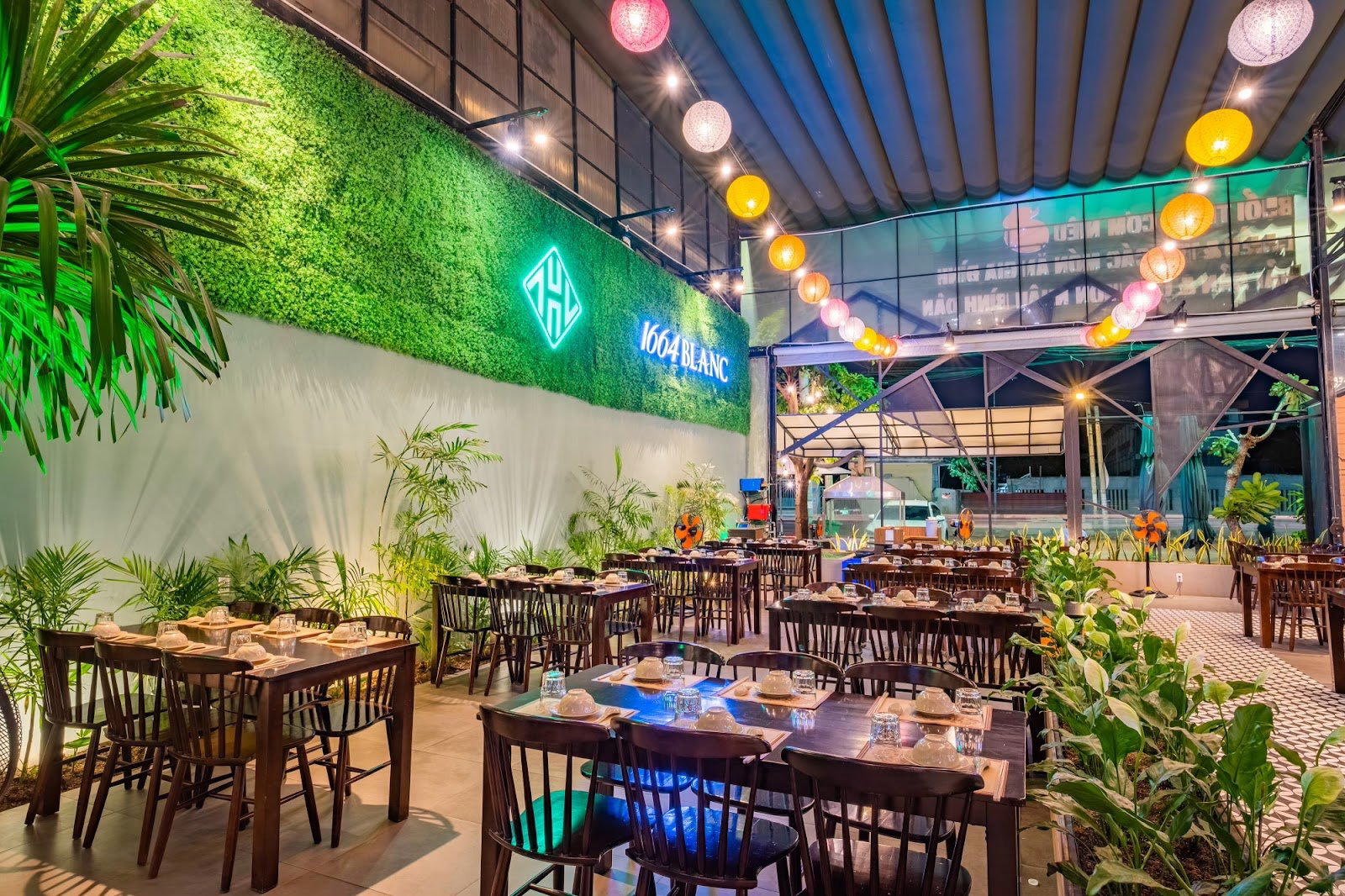
Vũng Tàu's Coastal Dining Character and Where Tan Long Hung Fits
Vietnam's southern coast has produced a dining culture that operates at a fundamentally different register from the fine-dining circuits of Hanoi or Ho Chi Minh City. In Vũng Tàu specifically, the city's role as both a domestic beach resort and a historic fishing port has shaped a food scene oriented around fresh seafood, communal formats, and neighbourhood-level restaurants that serve the same households week after week rather than chasing tourist traffic. This is a city where the leading intelligence comes from following locals rather than review aggregators, and where a restaurant's longevity is a more reliable signal than any award shortlist. For context on how the broader Vietnamese fine-dining circuit operates, see venues like Gia in Hanoi or Akuna in Ho Chi Minh City, both of which operate in a distinct tier of formal, internationally recognised Vietnamese contemporary cooking. Tan Long Hung occupies a different, more grounded position on that spectrum.
The restaurant sits on Bình Giã, a street in the Rạch Rừa ward of Vũng Tàu. This ward is not the beachfront promenade or the tourist-facing cluster around the central market. It is a residential and commercial zone where the clientele skews local: families, tradespeople, office workers from the nearby oil and gas industry that has long defined Vũng Tàu's economic identity. That geographic context matters because it tells you something about what to expect from the format, the pricing logic, and the atmosphere before you arrive.
What Coastal Vietnamese Dining Looks Like at Street Level
Across southern Vietnam, the template for a neighbourhood restaurant of this kind follows a recognisable pattern. Seating tends to be functional rather than designed: plastic chairs or wooden stools, laminate tables, fluorescent lighting or open-air covered terraces. Noise levels are high, service is fast, and the menu reflects whatever the local market supplies. In a port city like Vũng Tàu, that typically means whole fish steamed with ginger and scallion, crab cooked in salt and chilli, clams stir-fried in lemongrass, and grilled prawns served with salt, pepper, and lime. These are not dishes invented for tourists. They are the standard vocabulary of coastal Vietnamese eating, executed at varying degrees of quality depending on the sourcing and the kitchen's discipline.
The cultural logic behind this food tradition is worth understanding separately from any single venue. Southern Vietnamese seafood cooking draws on a preference for clean, high-heat preparation that lets the ingredient speak clearly. The counterpoint to the elaborate herb tables and dipping sauces of central Vietnamese cuisine, this southern coastal style tends toward directness: fewer components, shorter cooking times, and a strong emphasis on sourcing quality over technique complexity. It is a tradition that scales naturally to high-volume, informal settings, which is precisely what defines most of Vũng Tàu's restaurant ecosystem outside the hotel dining rooms. Compare this approach to the more internationally inflected format at La Maison 1888 in Da Nang, and the stylistic distance between Vietnam's fine-dining tier and its neighbourhood seafood culture becomes clear.
Reading the Address: What Bình Giã Street Suggests
Restaurants on Bình Giã and the surrounding streets in Rạch Rừa tend to serve a working-city crowd rather than a leisure crowd. The street connects residential blocks with light commercial activity, and the dining options along it are typically priced and formatted for repeat local use. This is in contrast to the seafood strip closer to Vũng Tàu's beaches, where restaurants are more likely to have English menus, higher price points, and a format calibrated for weekend visitors from Ho Chi Minh City, a city roughly two hours north by road or ferry. For a sense of how Vũng Tàu's broader restaurant scene compares across formats and price points, our full Vũng Tàu restaurants guide maps the options in more detail.
Among other seafood-focused venues in the city, Quach's Seafood Restaurant offers a point of comparison for understanding how the local seafood dining format varies in presentation and scope across different parts of Vũng Tàu.
The confirmed address is 844 Bình Giã, Phường Rạch Rừa, Vũng Tàu, Bà Rịa - Vũng Tàu 78000. At this type of neighbourhood restaurant in southern Vietnam, walk-in dining is the conventional approach, though it is advisable to arrive early during peak meal periods, particularly weekend lunches when Vietnamese families tend to gather in larger groups. Pricing data is not confirmed, but the geographic and format context suggests positioning at the accessible end of Vũng Tàu's dining range rather than the premium tier.
Visitors arriving from Ho Chi Minh City should factor in travel time: the road route via the Phước Tỉnh corridor or the expressway takes approximately two to two and a half hours by private car or bus depending on traffic, while the high-speed ferry from Bach Dang terminal in District 1 offers a roughly two-hour alternative. Rạch Rừa ward sits in the northern part of Vũng Tàu city proper, so visitors coming from the main beach areas will need to account for a short additional transit leg.
For those interested in comparing coastal Vietnamese seafood culture with other regional formats across the country, venues such as Bien 14 Seafood Buffet Restaurant in Hạ Long and White Rose in Hội An each illustrate how regional identity shapes seafood dining conventions in the north and centre of the country. The contrast with southern Vietnamese coastal cooking is instructive. Additional restaurant formats across Vietnam's cities and towns are covered in profiles including Dookki Vincom Plaza Tuyên Quang in Minh Xuân, GoGi House in Bạc Liêu, King BBQ Vincom Kiên Giang in Rạch Giá, Big Bowl in Cam Ranh, Han Yang BBQ in Ông Hội, Big Chill International Food Court in Mũi Né, Duyên Anh Restaurant in Phú Vang, Fujiya Sushi in Đà Lạt, and Jollibee in Kon Tum. At the international end of the spectrum, Le Bernardin in New York City and Atomix in New York City represent the formal fine-dining tier against which casual coastal formats like Vũng Tàu's neighbourhood restaurants are usefully measured.
Budget and Context
Comparable venues nearby, for context on price, style, and recognition.
| Venue | Cuisine | Price | Notes |
|---|---|---|---|
| Tan Long Hung RestaurantThis venue — the venue you are viewing | Rạch Rừa, Vietnamese Seafood | $$ | Not listed |
| Quach's Seafood Restaurant | Not listed | $$ | Phường Thắng Tam, Fresh Vietnamese Seafood |
| Ka Cong Coffee | Da Nang, Vietnamese Coffee Café | $ | Not listed |
| Madam Khanh The Banh Mi Queen | Tran Cao Van Street, Hoi An Banh Mi | $ | Not listed |
| Phở Việt Nam | Not listed | $ | Quan 1, Traditional Vietnamese Phở |
| HOME Saigon | Not listed | $$$ | Quan 3, Modern Vietnamese Fine Dining |
At a Glance
- Lively
- Energetic
- Group Dining
- Casual Hangout
- Open Kitchen
Current opening hours
- Monday
- 10 AM–10:30 PM
- Tuesday
- 10 AM–10:30 PM
- Wednesday
- 10 AM–10:30 PM
- Thursday
- 10 AM–10:30 PM
- Friday
- 10 AM–10:30 PM
- Saturday
- 10 AM–10:30 PM
- Sunday
- 10 AM–10:30 PM
Hours can change for holidays and private events. Last verified .
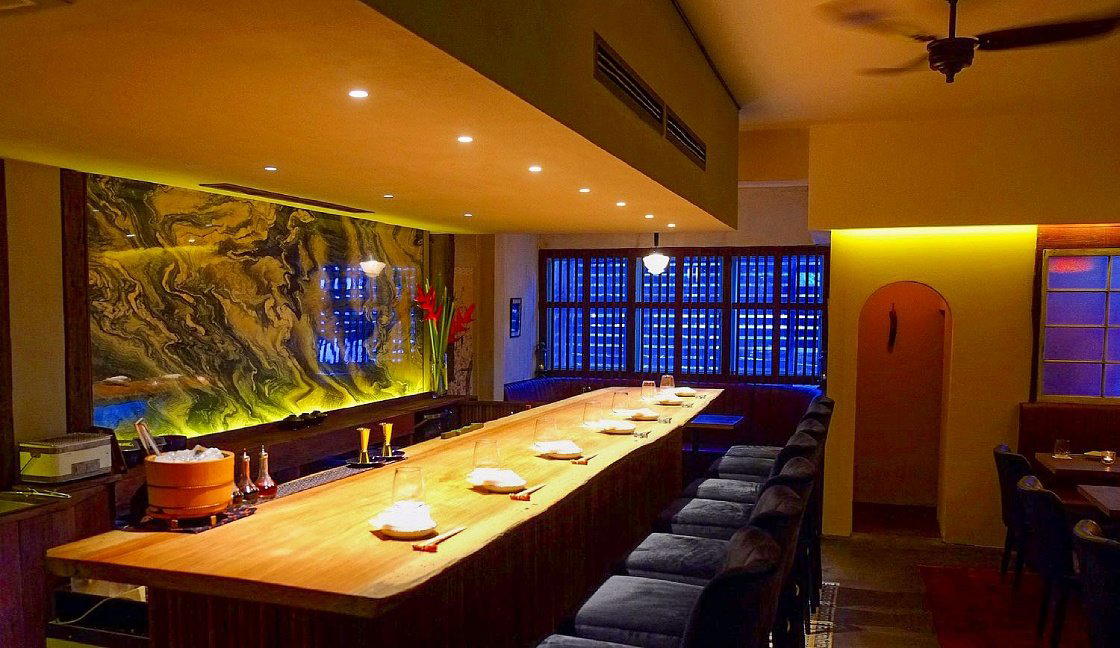
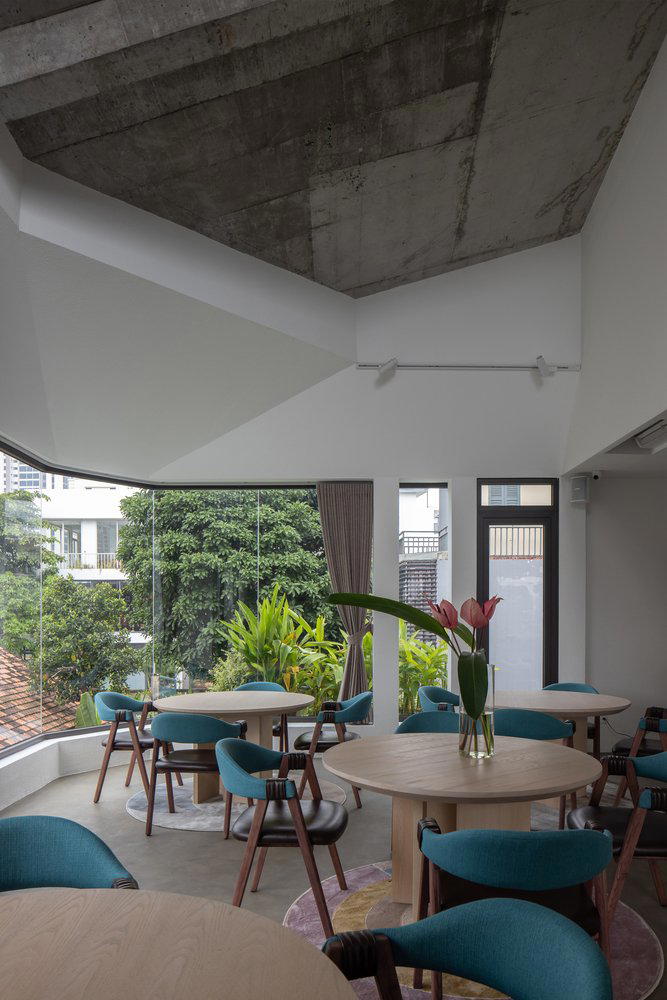
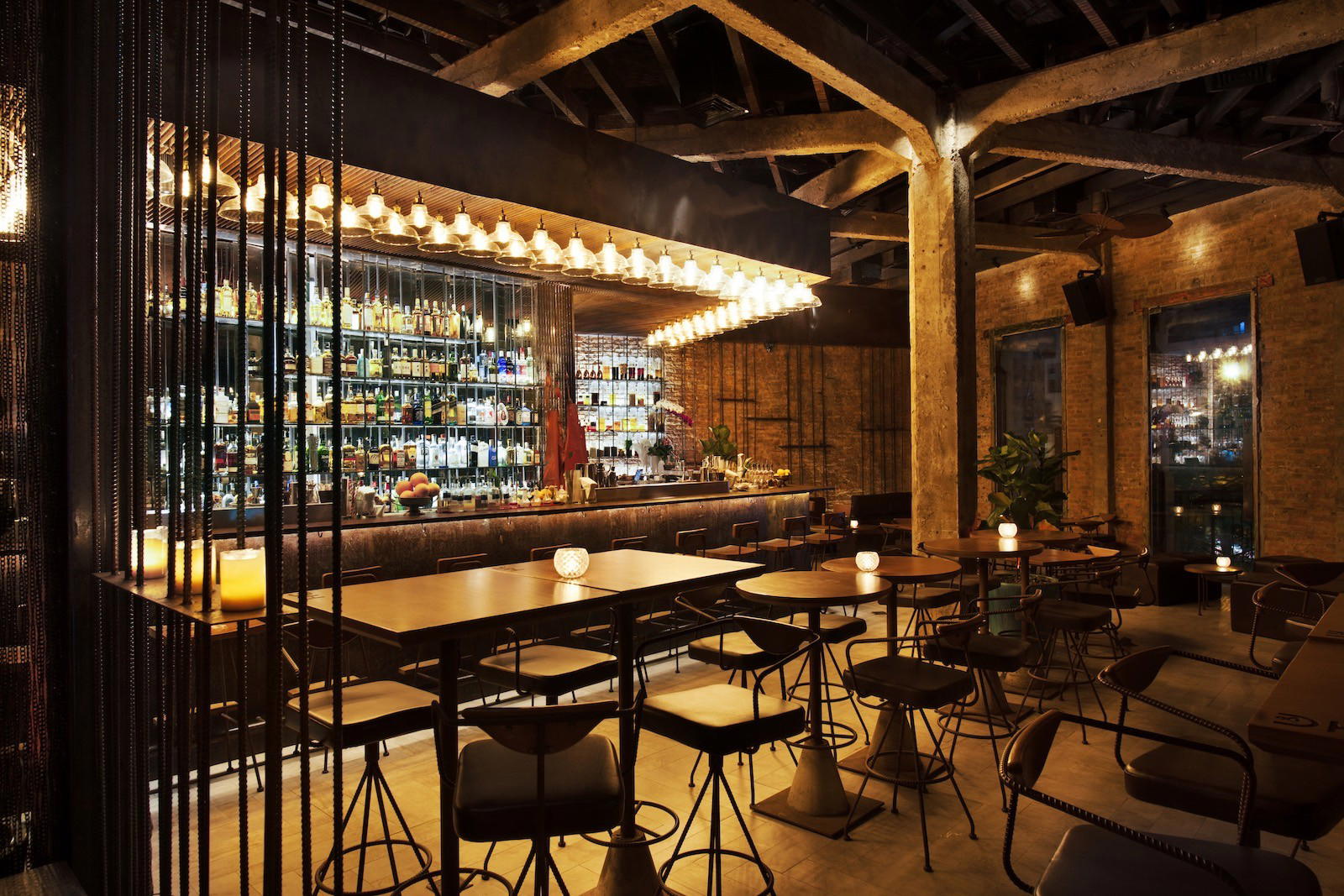
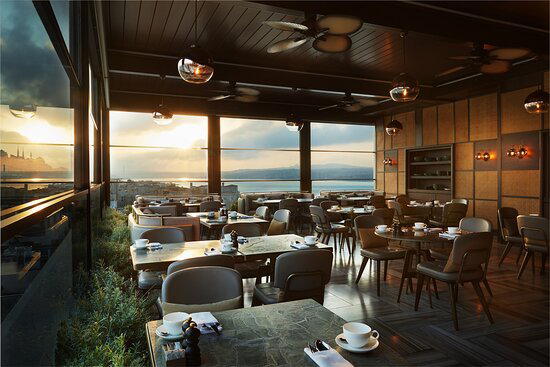
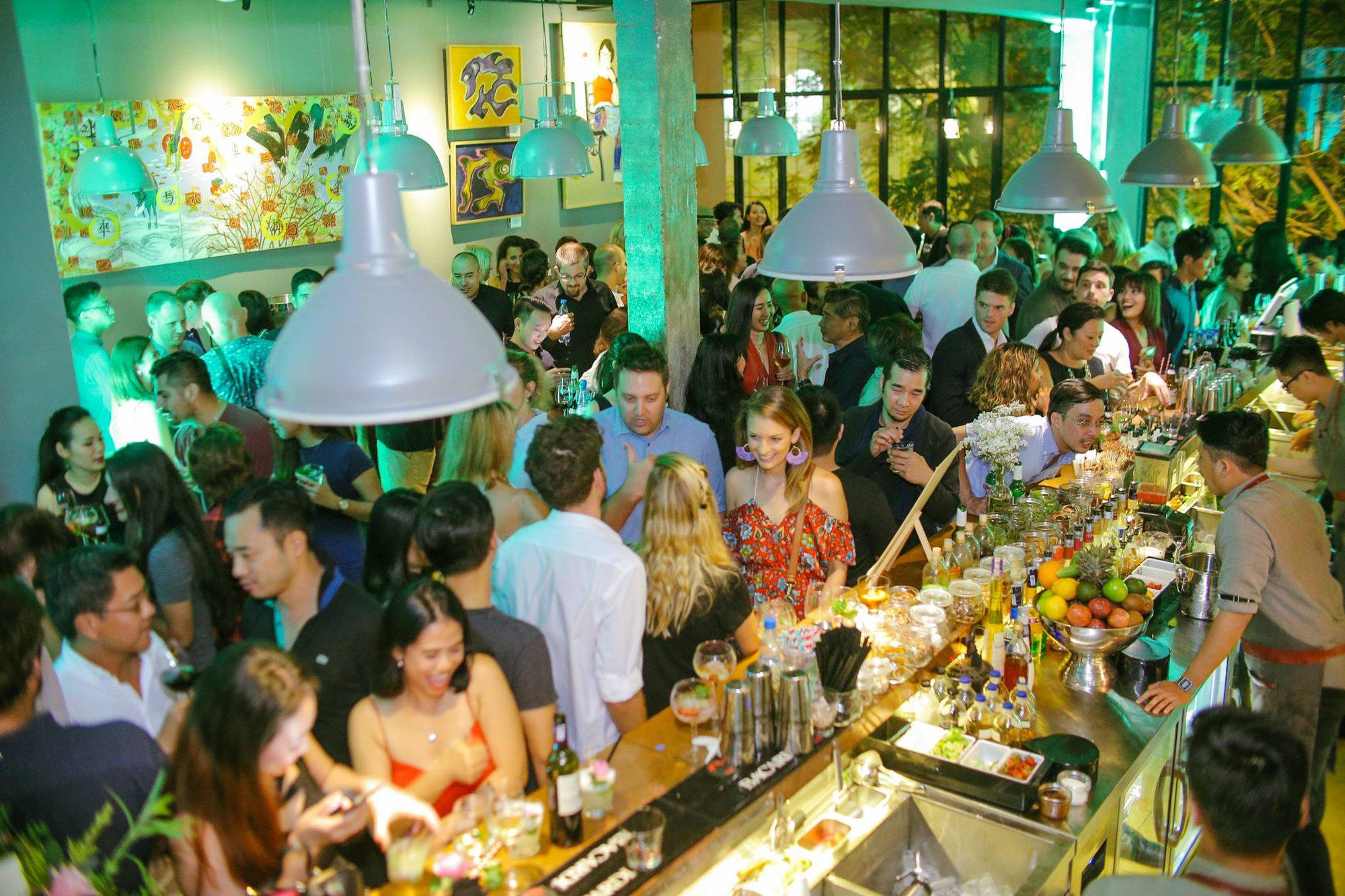
Lively open-air setting with an energetic atmosphere enhanced by weekly DJ nights.