Our verdict
In the narrow lanes of Hoi An's Old Town, Madam Khanh has spent decades refining a bánh mì tradition that locals and repeat visitors treat as a fixed point on any trip to the city. The shop operates as a study in focus: one format, executed daily, with the kind of consistency that earns a street address its own reputation. For the bánh mì category in central Vietnam, this counter sets a reference point.

Pearl is the En Primeur Club membership app — saves, bookings, and concierge access live there. Same editors, same standards.
- Address
- 115 Đ. Trần Cao Vân, Hội An, Đà Nẵng, Vietnam
- Phone
- +84 905 404 816
- Hours
- Mon–Fri 6:30 AM–10 PMSat 6:30 AM–7 PMSun 6:30 AM–10 PM
- Website
- madamkhanh.vn
- Directions
- Get directions
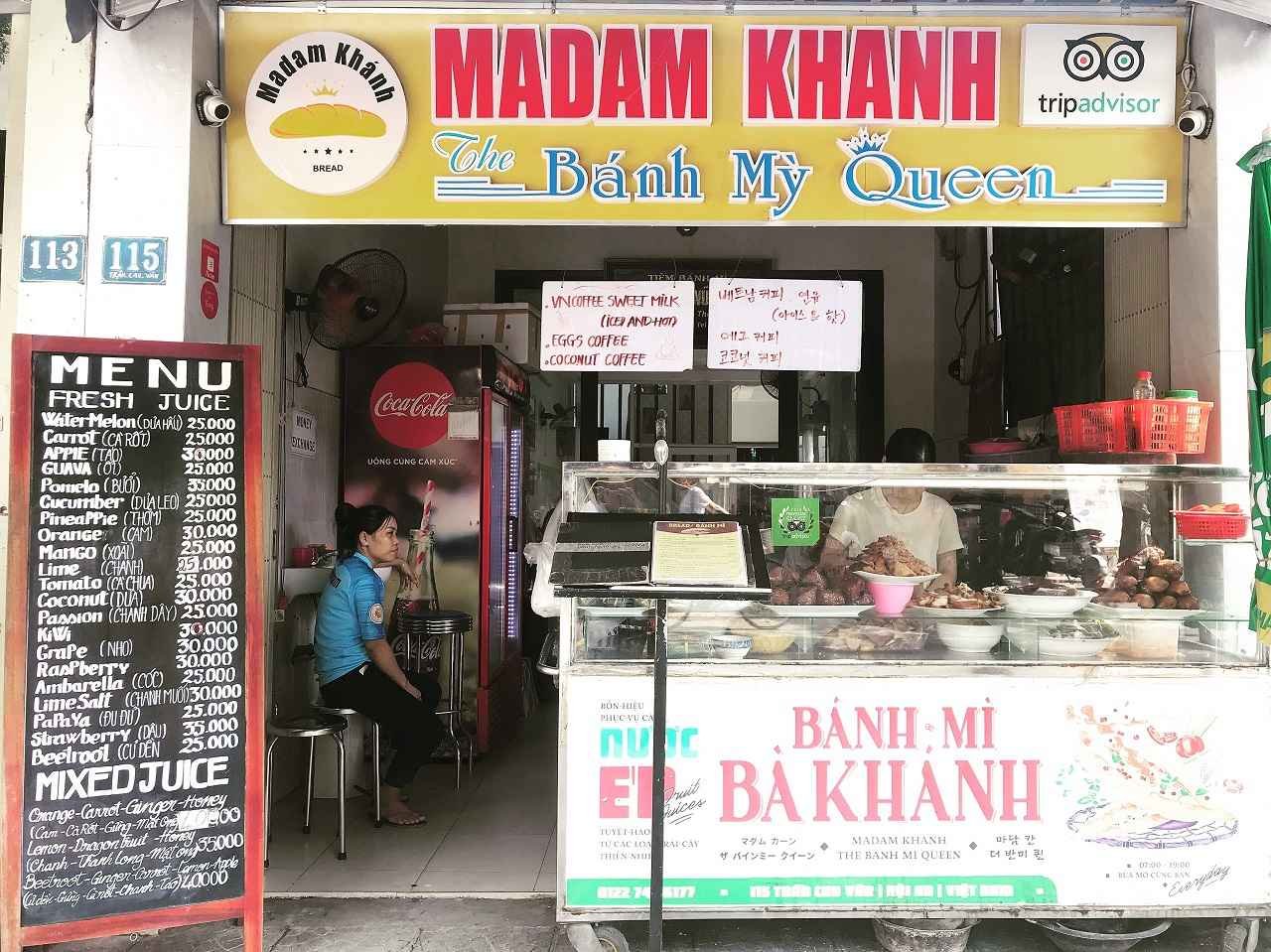
The Queue Before the Bite
Approach Madam Khanh The Banh Mi Queen at the right hour and the scene tells you most of what you need to know before you order. A line forms not because the space is large or the menu is complex, but because word has moved steadily through Hoi An's traveller circuit for long enough that the shop's reputation now precedes it by years. This is how street food legitimacy works in Vietnamese cities: not through press releases or social campaigns, but through accumulated mornings, returned visitors, and a consistent product that survives the comparison test. In Hoi An specifically, where the bánh mì has developed a distinct regional character shaped by Chinese, French, and central Vietnamese influences, a stall that holds its position over decades is carrying real culinary weight.
What the Bánh Mì Format Demands
To understand why a place like Madam Khanh earns its following, it helps to understand what the bánh mì format actually requires. The bread must carry a crust that shatters cleanly without crumbling, and an interior soft enough to absorb fillings without collapsing. The filling balance, typically some combination of pâté, cold cuts, pickled daikon and carrot, cucumber, chilli, and fresh herbs, has to be calibrated so no single element overwhelms the others. In Hoi An's version, the bread tends to run slightly smaller and crispier than the Saigon standard, a regional variation that affects the filling-to-bread ratio and therefore the whole experience. These are the technical constraints against which every bánh mì shop in the city is implicitly measured, and they are harder to satisfy consistently than they appear.
Hoi An's bánh mì scene has two or three shops that function as genuine reference points rather than tourist conveniences. Bánh Mì Phượng and Banh Mi Phuong (Hoi An) operate in the same tier and draw comparable lines. Madam Khanh sits within that small competitive set, distinguished by a shop identity built around a single person's name and reputation rather than a broader brand, which in Vietnamese street food culture signals a particular kind of commitment to consistency. The name is the product guarantee.
The Ritual of Ordering
The dining ritual here is worth examining as a format in itself. There is no sit-down service, no menu deliberation that takes more than a moment, no course structure. You order at the counter, watch the assembly happen in front of you, pay a sum that sits at the lower end of any price comparison in the city, and eat either standing at the shopfront or walking. This is the bánh mì as it was designed to function: fast, portable, complete. The ritual compresses what a longer meal spreads across an hour into about ninety seconds of focused transaction, and the pleasure is in that compression. Eating it while still warm, within a block of the shop, is not an affectation; it is the intended sequence.
For visitors arriving from restaurants like Before and Now or the more composed dining formats found along Hoi An's riverfront, the shift in register is deliberate and instructive. The city's food culture runs across a wide range, from the careful plating of places like 115 Đ. Trần Cao Vân to the directness of a street counter like this one. Both ends of that range are taken seriously by people who eat well in Hoi An. The bánh mì is not a lesser format; it is a different discipline.
Hoi An's Street Food in Regional Context
Central Vietnam maintains a distinct food culture that differs meaningfully from both the north and the south. Hoi An in particular carries the layered history of a port city: Chinese merchant influence visible in its dumplings and noodle soups, French colonial infrastructure reflected in the bread tradition that made bánh mì possible, and indigenous central Vietnamese flavour preferences that tend toward balance rather than heat. That convergence is what makes Hoi An's bánh mì a genuinely regional product rather than a local copy of a national format.
Elsewhere in Vietnam, the street food reference points operate at a different scale. Akuna in Ho Chi Minh City and Gia in Hanoi represent the more structured end of Vietnamese dining, where regional ingredients are recontextualised for a different audience. At the street level, the logic is reversed: the format is fixed, and the craft lies in executing it without variation across hundreds of orders a day. Madam Khanh's longevity in Hoi An is a function of that discipline. For a broader view of where this fits in the city's food scene, see our full Hoi An restaurants guide.
Getting There and Timing Your Visit
The shop operates in the older residential sections of Hoi An rather than in the heavily touristed Ancient Town core, which means a short walk or bicycle ride from most guesthouses. Mornings are the most reliable window: bánh mì is a breakfast and mid-morning format in Vietnamese food culture, and shops often sell through their daily bread supply before early afternoon. Arriving after midday risks finding the counter closed or the selection reduced. The Ancient Town area itself is leading approached on foot or by bicycle; motorbikes are restricted in parts of the heritage zone. From the riverfront, allow ten to fifteen minutes on foot. No reservation is required or possible; the format is walk-in only. For nearby dining options across different formats, 42 Đường Phan Bội Châu offers a distinct contrast in style and pacing.
Frequently asked questions
Why does Madam Khanh The Banh Mi Queen have such a following among travellers to Hoi An specifically?
Hoi An sits in central Vietnam, a region with a food culture distinct from both Hanoi and Ho Chi Minh City, and Madam Khanh has become a reference point for visitors trying to understand that local specificity rather than a generic tourist stop. The shop's location outside the Ancient Town core places it in a working residential neighbourhood, which itself signals something about its primary audience. Over years of operation, it has accumulated consistent editorial mentions across food-focused travel coverage — not through marketing, but through word-of-mouth rooted in repeat visits from returning travellers.
What should I order at Madam Khanh The Banh Mi Queen?
The bánh mì is the only item that matters here — this is a single-format operation in Hoi An built around getting that one thing right. Most visitors order the signature combination version, which typically layers multiple fillings across the house-baked baguette. Arrive with a clear order in mind; the queue moves and hesitation slows the line.
Can I walk in to Madam Khanh The Banh Mi Queen?
Yes — there are no reservations and no booking system. Madam Khanh operates as a walk-up street counter in Hoi An, which means your access depends entirely on timing. Early morning or off-peak hours on weekdays reduce wait times considerably; mid-morning on weekends can mean a queue that stretches well past the shopfront.
What's the defining dish or idea at Madam Khanh The Banh Mi Queen?
The central idea is that bánh mì, a format often treated as a quick snack elsewhere in Vietnam, deserves the same attention to ingredient quality and bread texture that a serious kitchen would give a composed dish. Madam Khanh's reputation in Hoi An rests on the consistency of that execution across high-volume service, not on menu complexity.
Can Madam Khanh The Banh Mi Queen handle vegetarian requests?
Vegetarian options exist at the counter, though the menu is structured around the full bánh mì build rather than specifically designed plant-based alternatives. Communicate your requirements clearly at the point of order; the format allows for component adjustments. Those with strict dietary requirements should confirm availability on arrival, as the offering can vary.
Cuisine and Awards Snapshot
Comparable venues nearby, for context on price, style, and recognition.
| Venue | Cuisine | Price | Notes |
|---|---|---|---|
| Madam Khanh The Banh Mi QueenThis venue — the venue you are viewing | Hoi An Banh Mi | $1–10 | Not listed |
| Banh Mi Phuong (Hoi An) | Iconic Hoi An Bánh Mì | $1–10 | Hoi An Old Town |
| Bánh Mì Phượng | Iconic Hoi An Bánh Mì | $1–10 | Hoi An Ancient Town |
| Cargo Club Cafe & Restaurant | Vietnamese-Western Fusion Cafe | $10–20 | Hoi An Old Town |
| Cầu An Bàng | Vietnamese Seafood | $10–20 | An Bang Beach |
| Tam Tam Cafe & Restaurant Hoi An | Vietnamese Cafe | $10–20 | Hoi An Ancient Town |

Details
- Rustic
- Cozy
- Casual Hangout
- Solo
- Standalone
- A La Carte
- Vegetarian Friendly
Current opening hours
- Monday
- 6:30 AM–10 PM
- Tuesday
- 6:30 AM–10 PM
- Wednesday
- 6:30 AM–10 PM
- Thursday
- 6:30 AM–10 PM
- Friday
- 6:30 AM–10 PM
- Saturday
- 6:30 AM–7 PM
- Sunday
- 6:30 AM–10 PM
Hours can change for holidays and private events. Last verified .
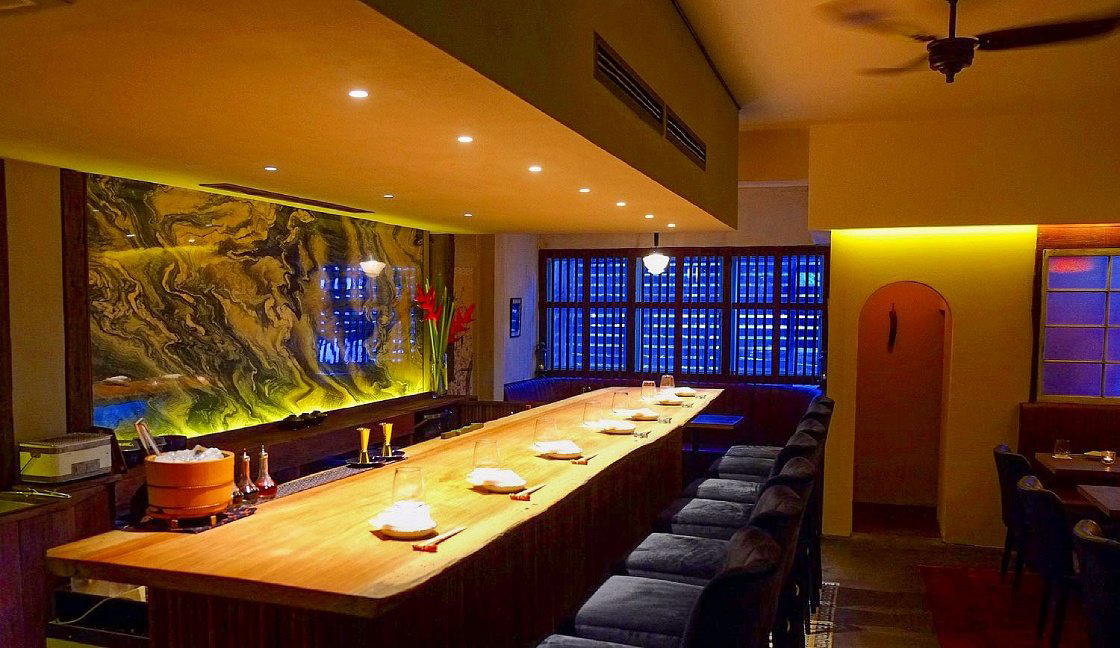
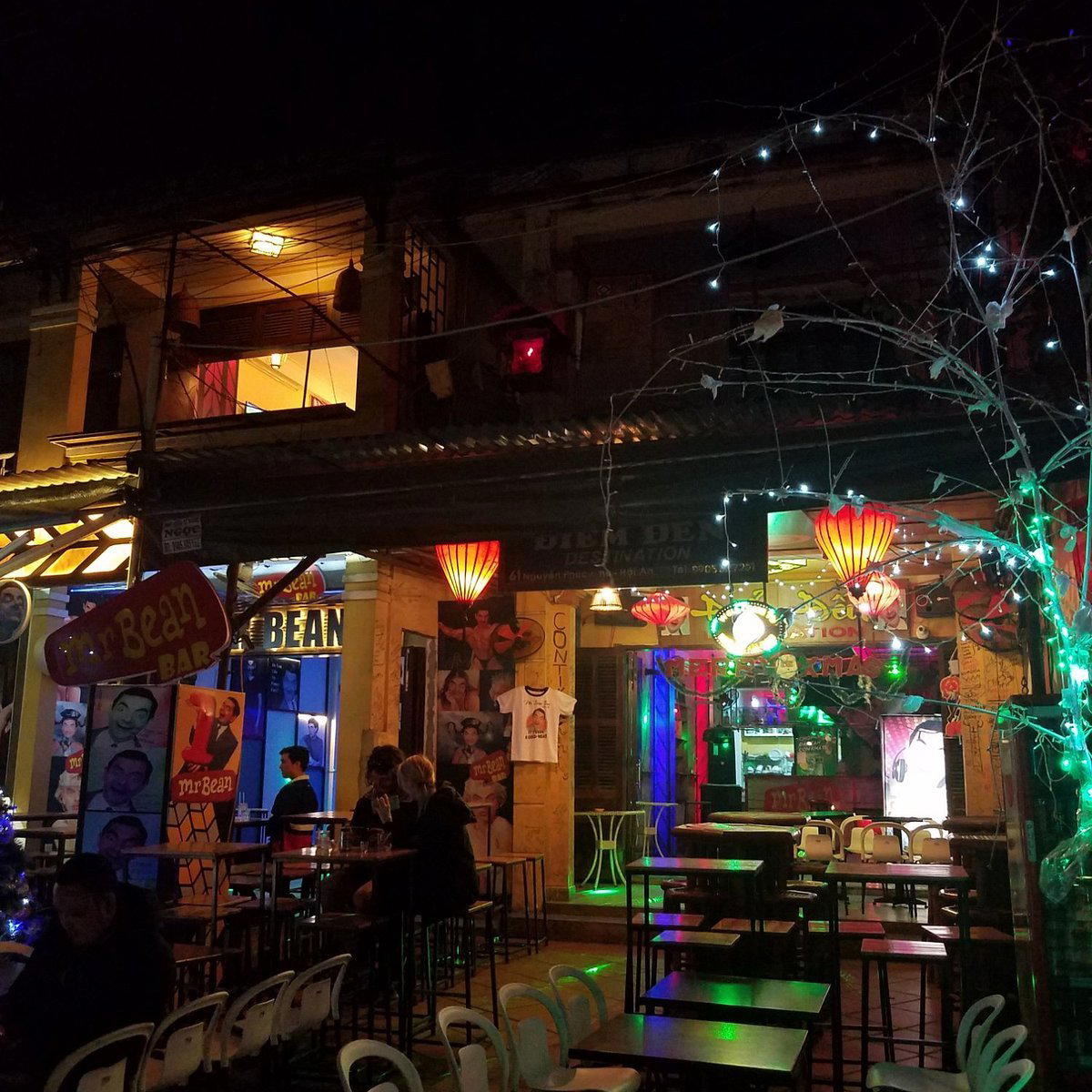
Casual street-side eatery with simple indoor seating, focused on quick, authentic sandwich preparation in a no-frills atmosphere.