Margherí

50 Top Pizza World #72
Our verdict
In District 7's Mỹ Hưng quarter, Margherí brings Neapolitan pizza technique to one of Ho Chi Minh City's most internationally minded neighbourhoods. Chef Ciro Sorrentino's kitchen works with authentic Italian ingredients and a contemporary dough method that produces a light, pronounced crust. The dining room is spacious and well-lit, with an Italian wine list and a supporting cast of regional appetisers that rounds out the offer.

Pearl is the En Primeur Club membership app, where members save venues, book tables and use the concierge.
The menu
What to order
- Neapolitan Margherita
- Marinara Pizza
- Tagliatelle Bolognese
- Spaghetti Pesto with Clams
- Carbonara Pizza
District 7 and the Case for Italian Seriousness in Saigon
Ho Chi Minh City's restaurant map has long been concentrated in Districts 1 and 3, where tourist footfall and expat density create reliable demand for international kitchens. District 7, and specifically the Mỹ Hưng residential enclave within it, operates on a different logic. The quarter developed as a planned urban zone with a large Korean and Japanese residential community, and the dining scene that grew around it reflects that demographic: precise, repeat-customer focused, and less interested in novelty than in consistency. It is in this context that an Italian kitchen committed to Neapolitan pizza technique makes particular sense. The audience in Mỹ Hưng includes residents who have eaten well across Asia and beyond, and who will notice when a dough is handled correctly.
Margherí sits inside that dynamic. The address on Hưng Phước 4 places it within walking distance of the residential towers and low-rise houses that define the neighbourhood's texture, rather than on a high-visibility arterial road. That positioning is a signal: the kitchen is not angling for passing trade.
The Room: Light, Space, and a Considered Interior
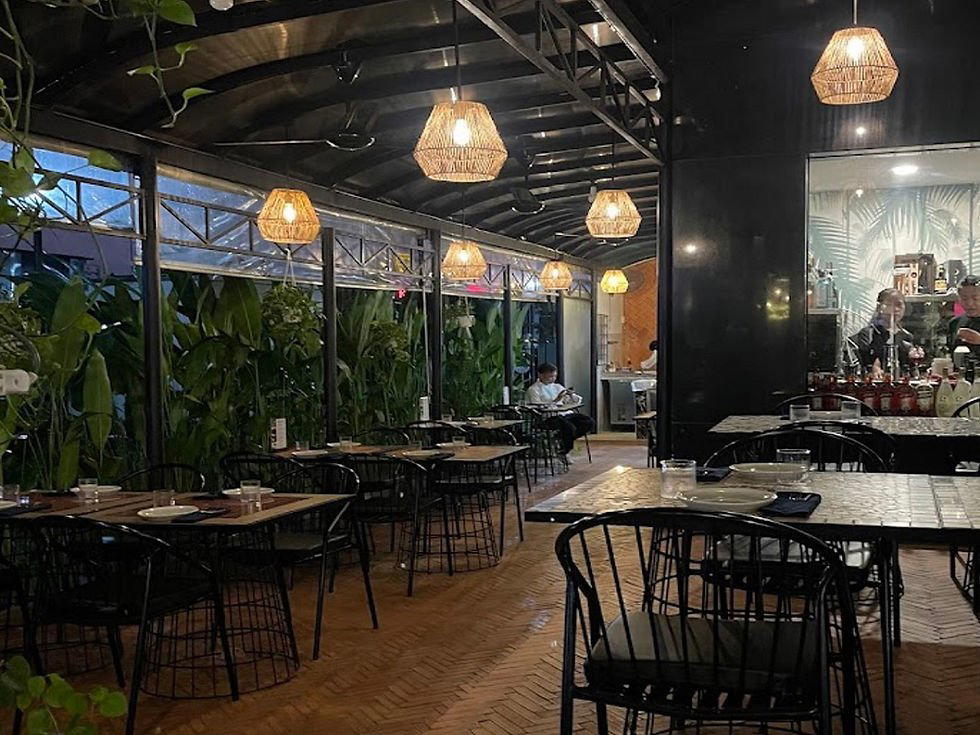
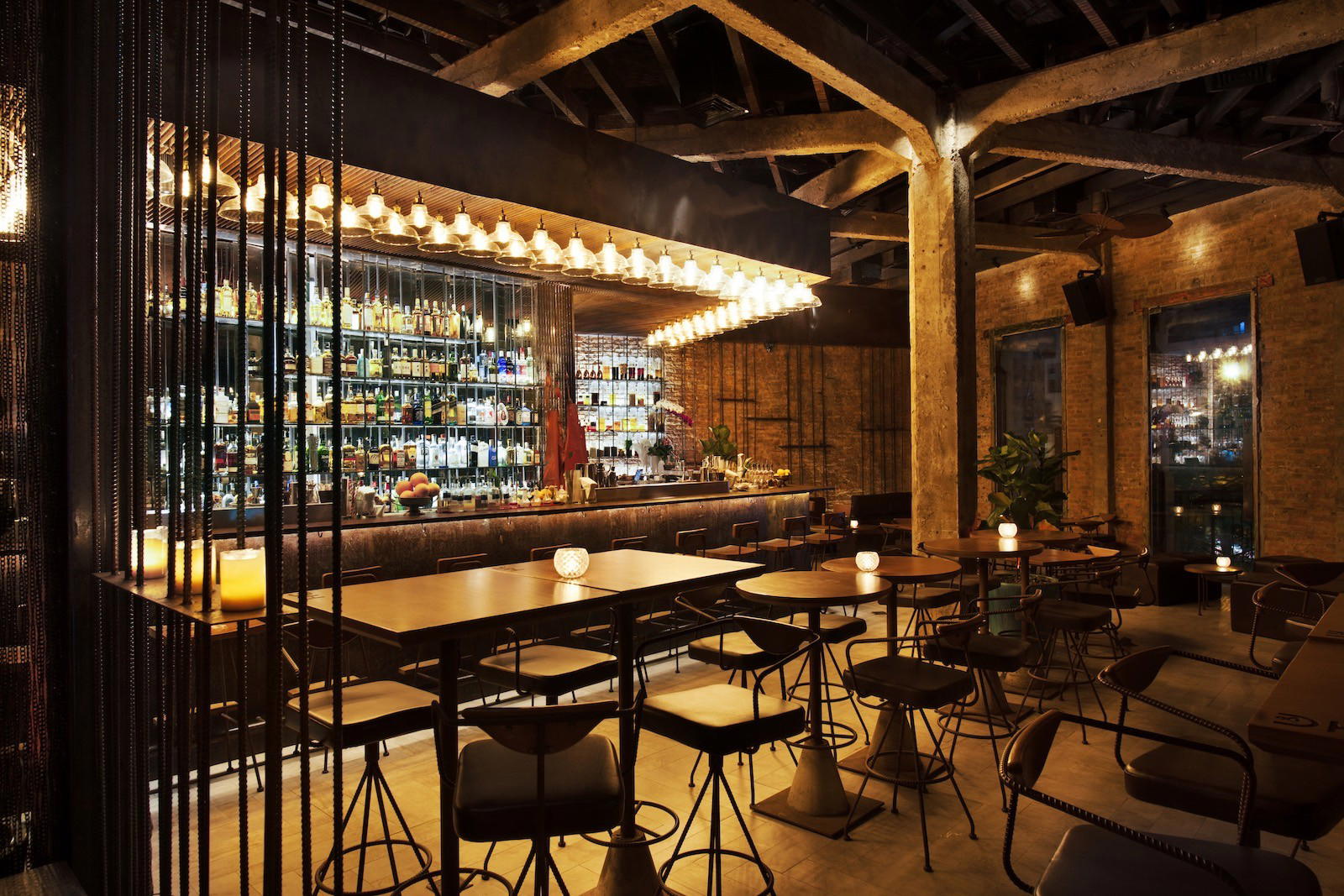
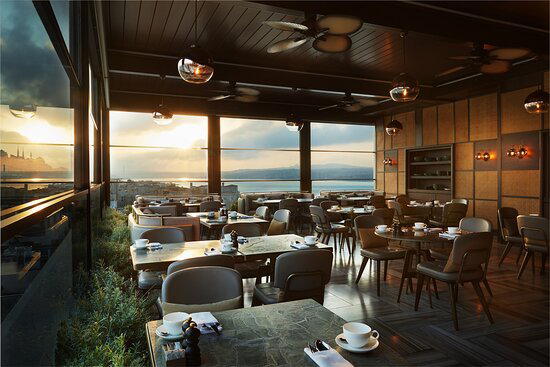
Pizza restaurants in Vietnam frequently occupy cramped shophouse formats, where the oven dominates and seating is an afterthought. Margherí takes the opposite approach. The dining room is spacious, with natural light and a decorative scheme that introduces green elements without tipping into the ersatz trattoria styling common to Italian imports across Southeast Asia. The atmosphere reads as relaxed rather than formal, which aligns with the neighbourhood's domestic character. This is a room designed for returning customers eating with family or a group of friends, not for first-impression theatre.
For context, the dining environments at places like CieL or Coco Dining are calibrated toward occasion dining and tasting-menu pacing. Margherí sits at the other end of that spectrum: the format here is convivial and accessible, which is its own kind of discipline to execute well night after night.
The Pizza: Dough Technique as the Central Argument
Neapolitan pizza has a specific technical tradition, and the gap between a kitchen that understands it and one that approximates it is immediately legible in the crust. The dough at Margherí is described as contemporary, meaning it draws on the Neapolitan base while allowing for refinements in hydration, fermentation time, or flour blend that produce a crust that is simultaneously light and structured, with a pronounced cornicione that holds its texture. The cook on the base and the topping works in concert rather than at cross-purposes, which is the core challenge of the format and the point where most pizza outside of Naples falters.
Chef Ciro Sorrentino's name is attached to the kitchen, and the use of authentic Italian ingredients rather than locally substituted alternatives matters here. Ingredient sourcing for Italian pizza outside Italy is where quality most frequently degrades: the fior di latte, the San Marzano tomatoes, the flour, and the cured products that appear on appetiser plates all behave differently from local equivalents and produce a different result. The commitment to Italian sourcing is what allows the comparison to the Neapolitan reference point to hold.
For a broader picture of how Italian fine dining operates at a different price tier and format in Asia, 8½ Otto e Mezzo Bombana in Hong Kong offers a useful point of comparison, as does the formal European register of Alain Ducasse's Louis XV in Monte Carlo. Margherí operates at a completely different scale and price point, but the underlying principle of sourcing integrity translates across formats.
Beyond Pizza: Appetisers and Regional Italian Depth
The menu extends beyond pizza into territory that reflects a genuine interest in regional Italian cooking rather than a purely Neapolitan identity. Arancini and frittelline appear among the appetisers, the former a Sicilian fried rice ball that requires correct seasoning and frying temperature to work, the latter a lighter fried preparation associated with Neapolitan street food. A section dedicated to regional Italian recipes suggests a kitchen with broader reference points than the pizza alone would indicate.
The wine list draws from Italian labels, which is appropriate given the kitchen's sourcing philosophy. Italian wine and Italian food share an acidity register and a structural logic that makes pairing more intuitive than matching Italian pizza to a generic international list. The selection is described as a good range rather than a deep specialist list, which is a sensible calibration for the neighbourhood and the format.
Where Margherí Sits in the City's Wider Dining Picture
Ho Chi Minh City's serious dining conversation frequently centres on Vietnamese cooking in its various registers, from the street-food intelligence of Anan Saigon to the Cantonese depth of Long Trieu, and on innovative tasting-menu formats at places like Akuna. Italian pizza at this level of technical seriousness occupies a different and narrower niche in the city, and the District 7 address means it is largely invisible to the downtown dining circuit. That is not a disadvantage for the kitchen's core audience.
Across Vietnam more broadly, the high-end restaurant conversation tends to cluster around Hanoi formality, as at Hibana by Koki, or coastal resort dining of the kind represented by La Maison 1888 in Da Nang. A neighbourhood pizza kitchen with Neapolitan credentials in a residential quarter of Saigon is a different category of proposition entirely, and should be evaluated on those terms rather than against occasion-dining benchmarks.
Planning a Visit
Margherí is located in the Mỹ Hưng residential zone of District 7, at Hưng Phước 4/60 Khu P. Mỹ Hưng, Tân Phong. The neighbourhood is most easily reached by taxi or ride-hailing app from the city centre; the distance from Districts 1 and 3 means the journey takes around 20 to 30 minutes depending on traffic, which is a meaningful commitment for a casual weeknight meal but unremarkable for residents of the area. The relaxed, spacious format makes it well suited to groups. Phone and website details are not currently listed, so confirming hours and availability before visiting is advisable. For a fuller picture of what the city offers across price tiers and formats, the EP Club Ho Chi Minh City restaurants guide covers the range. The hotels guide, bars guide, experiences guide, and wineries guide provide further context for planning a stay in the city.
Frequently asked questions
What dish is Margherí famous for?
The pizza is the kitchen's primary argument. Chef Ciro Sorrentino's approach uses authentic Italian ingredients and a contemporary Neapolitan dough method, producing a light, well-structured crust that draws comparison to Naples reference-point pizzerias. The extended menu also includes Neapolitan and Sicilian-style appetisers such as arancini and frittelline, which round out the offer for a table that wants more than a single pizza each.
Can I walk in to Margherí?
The restaurant sits in the Mỹ Hưng residential quarter of District 7, an area with a strong local and expat community that sustains neighbourhood dining. Given that booking contacts are not publicly listed at the time of writing, arriving without a reservation carries some risk during peak evening hours. The format and room size suggest a kitchen comfortable with regular guests, which typically means tables fill on a pattern rather than randomly. Confirming availability before making the trip from the city centre is the practical approach, particularly given the 20-to-30-minute travel time from Districts 1 and 3.
What's the signature at Margherí?
Neapolitan pizza, prepared with imported Italian products, is the kitchen's defining offer. The dough technique is described as contemporary within the Neapolitan tradition, producing a soft, light crust with a pronounced cornicione. Chef Ciro Sorrentino's name is attached to the kitchen, and the sourcing philosophy that underpins the pizza extends to the appetiser selection and the Italian wine list, making the full menu a coherent expression of the same approach rather than a pizza counter with unrelated add-ons.
A small set of peers for context, based on recorded venue fields.
| Venue | Cuisine | Price | Awards | Notes |
|---|---|---|---|---|
| MargheríThis venue (the venue you are viewing) | Authentic Neapolitan Pizza & Regional Italian | $20–30 | 50 Top Pizza World #72 | Not listed |
| Anan Saigon | Modern Vietnamese Street Food Fine Dining | $50–100 | 1 Michelin Star · World's 50 Best #86 | Vietnamese Street Food, ₫₫ |
| CieL | Modern Vietnamese Fusion Fine Dining | $100–150 | 1 Michelin Star · The Best Chef One Knife | Innovative, ₫₫₫₫ |
| Coco Dining | Progressive Vietnamese Fine Dining | $150–200 | 1 Michelin Star | Innovative, ₫₫₫ |
| Long Trieu | Michelin-Starred Cantonese | $50–100 | 1 Michelin Star · La Liste Top Restaurants | Cantonese, ₫₫₫₫ |
| Bánh Xèo 46A | Traditional Vietnamese Bánh Xèo | $10–20 | Michelin Bib Gourmand | Not listed |
Recognition history
Dated appearances from independent guides and award organizations, with the underlying list record or original source where available.
50 Top Pizza World #72
50 Top Pizza
Full recognition history (3 entries)
50 Top Pizza Asia-Pacific #12
50 Top Pizza
50 Top Pizza World Best Pizza #67
50 Top Pizza
Continue exploring
More in Ho Chi Minh City
Restaurants in Ho Chi Minh City
All restaurants in Ho Chi Minh City →
Bars in Ho Chi Minh City
All bars in Ho Chi Minh City →
Details
- Cozy
- Romantic
- Elegant
- Date Night
- Group Dining
- Family
- Casual Hangout
- Garden
- Open Kitchen
- Standalone
- Local Sourcing
- Garden
- A La Carte
- Italian Wine
- Vegetarian Friendly
- Allergy Accommodating
Current opening hours
- Monday
- 11 AM–10 PM
- Tuesday
- Closed
- Wednesday
- 11 AM–10 PM
- Thursday
- 11 AM–10 PM
- Friday
- 11 AM–10 PM
- Saturday
- 11 AM–10 PM
- Sunday
- 11 AM–10 PM
Hours can change for holidays and private events. Hours as of .
Bright and spacious interior with tasteful décor and greenery; cozy low lighting with small lamps on tables; garden-adjacent dining area with banana trellis for privacy and ventilation; relaxed and welcoming atmosphere suitable for intimate gatherings.