Tabelog Bronze
Our verdict
A Tabelog Bronze Award holder in Fukuoka's Haruyoshi district, Tamura operates nightly from 17:00 to midnight across a cuisine classified as Asian, ethnic, and curry-influenced.

Pearl is the En Primeur Club membership app, where members save venues, book tables and use the concierge.
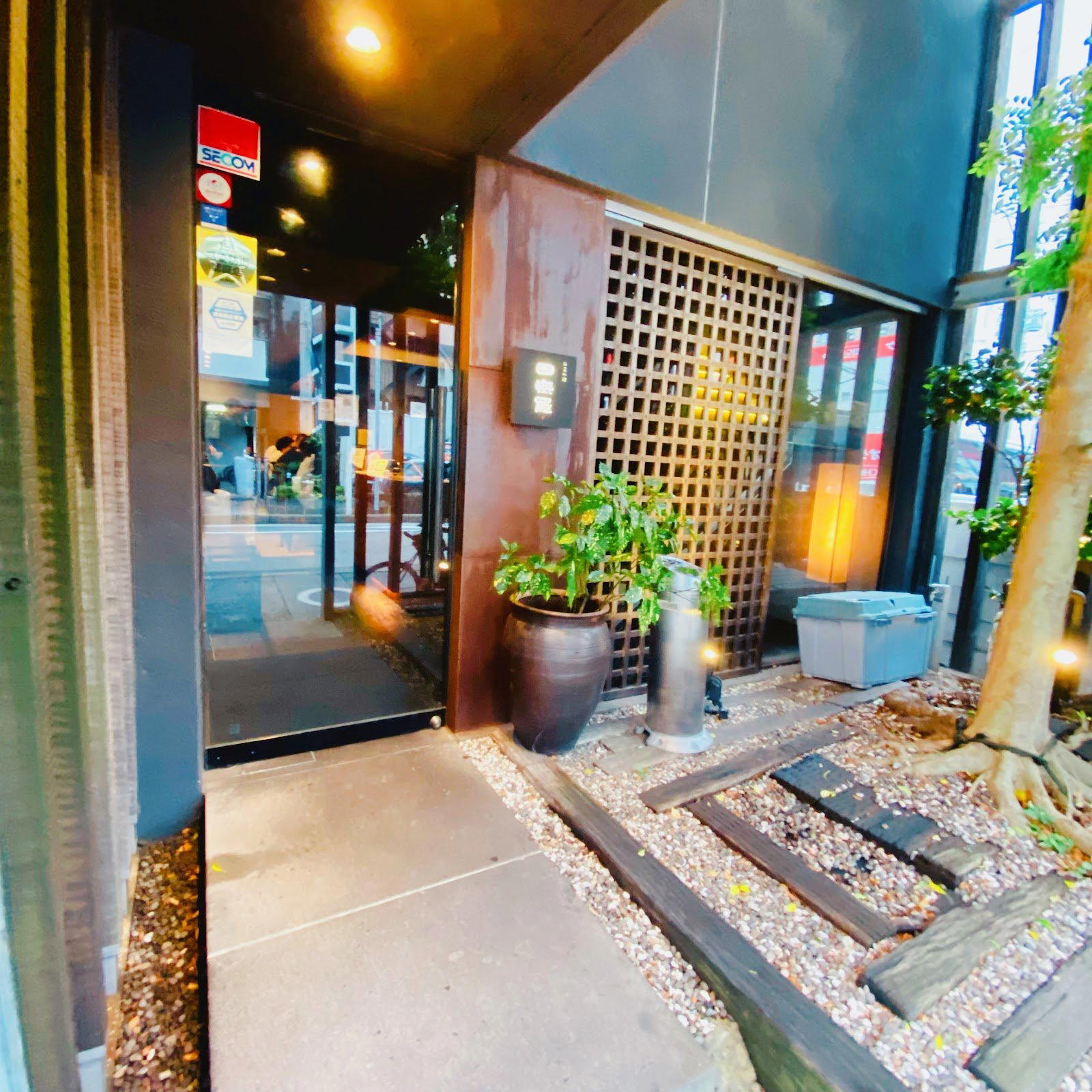
Haruyoshi After Dark: Where Fukuoka's Evening Dining Character Takes Shape
Fukuoka's Chuo Ward has long functioned as the city's dining and nightlife spine, and Haruyoshi, the sub-district where Tamura sits, represents one of its more focused expressions of that character. The streets here fill from early evening onward with a particular kind of Fukuoka diner: not the tourist circuit of Canal City or the ramen pilgrims of Nakasu, but locals who have absorbed the city's food culture and treat a late evening out as a considered activity rather than an afterthought. Tamura, open every night of the week from 17:00 through to midnight, is positioned directly within that rhythm. Seven hours of evening service, seven days a week, is a commitment to the late-diner format that shapes everything about what a visit here feels like. For more on how Haruyoshi and Chuo Ward fit into the broader picture, see our full Fukuoka restaurants guide.
Tabelog Recognition and What It Signals in Context
Japan's restaurant evaluation culture runs in parallel to the Western Michelin axis, and Tabelog, with its crowd-sourced scoring system weighted heavily toward repeat, experienced diners, offers a different kind of signal. A Tabelog Bronze Award and a score of 3.96 in 2025 places Tamura within a select tier: Tabelog's Bronze threshold sits at scores above 3.5 in competitive city categories, and 3.96 represents consistent performance against that benchmark. For context, the platform's scoring distribution means the gap between 3.7 and 4.0 is steeper than it appears numerically. Among the Asian, ethnic, and curry category in Fukuoka, that score indicates a venue that has built sustained credibility with local regulars rather than occasional high-scoring tourist visits. For comparative reference, award-holding restaurants in nearby categories, such as Chikamatsu (Sushi) and Chiso Nakamura, illustrate how Fukuoka's recognition landscape distributes across cuisine types.
The Cuisine Category: Asian, Ethnic, and Curry in a Japanese City
The Tabelog classification of Asian, ethnic, and curry places Tamura in a category that operates quite differently from the Japanese fine dining tier in Fukuoka. In a city where the dominant dining narratives lean toward ramen, hakata-style kushiyaki, and high-precision Japanese cuisine, a restaurant building its reputation around an Asian and curry identity is working against the grain of the local prestige hierarchy, and doing so successfully. Fukuoka's port geography and historical trade connections with the Korean peninsula and parts of Southeast Asia mean the city has genuine context for these cuisines, but establishments earning formal recognition within the category remain comparatively rare. That specificity is part of what the Tabelog score communicates: consistency and conviction within a niche, rather than a broad appeal play.
For readers building a wider Fukuoka itinerary that spans different cuisine types, the contrast with French-influenced fine dining at Goh (French) or the traditional Japanese approach at Asago is instructive. Tamura occupies a genuinely distinct position in the city's dining map, and that distinction is part of its value as a destination.
Drinks and the Evening Format
The editorial angle on any late-evening venue in Japan's izakaya and specialist-restaurant tradition inevitably passes through the drinks program, because in this format, the relationship between food and alcohol is structural rather than incidental. A restaurant open until midnight, every night, in Haruyoshi is not primarily a dinner-and-done proposition. The pacing of a late session here, where the food functions as both the main event and the anchor for extended drinking, reflects a Japanese hospitality model that takes beverage curation seriously even when the wine list or sake selection is not the headline draw.
In Fukuoka specifically, the premium end of this format has increasingly moved toward either sake programs aligned with regional producers or toward wine lists that reflect Japan's growing sophistication in European imports. The Asian and curry category sits in an interesting position relative to that trend: spice-forward, aromatic, and texture-rich food demands drinks with enough character to match without overwhelming, which can mean natural wines, lighter reds, or a considered beer selection as much as a deep cellar. Without specific drinks data for Tamura, the directional point stands: in venues of this category and recognition level in Fukuoka, the drinks program is rarely an afterthought.
For those interested in comparing how drinks programs operate across Fukuoka's higher-credentialed venues, Bekk represents a different point on the city's dining spectrum and provides useful contrast. Further afield in Japan, Harutaka in Tokyo, HAJIME in Osaka, and Gion Sasaki in Kyoto illustrate how the drinks-and-food relationship plays out at the highest tiers of Japanese restaurant recognition. For broader international comparison, Le Bernardin in New York City and Atomix in New York City show how equivalent evening-format commitments operate in a different culinary tradition entirely. Japan's regional diversity also surfaces in venues like akordu in Nara, 1000 in Yokohama, and 6 in Okinawa.
Planning a Visit: Practical Notes
Tamura is located at 3 Chome-22-29 Haruyoshi, Chuo Ward, Fukuoka, a walkable address from the Tenjin area and accessible from the city's subway network. Hours run daily from 17:00 to midnight, which means it fits naturally into a Fukuoka evening that might begin with early drinks elsewhere and move into a late dinner, or conversely works as a primary dinner destination for those comfortable eating on the later side.
Those planning a full Fukuoka stay should also consider our full Fukuoka hotels guide, our full Fukuoka bars guide, our full Fukuoka wineries guide, and our full Fukuoka experiences guide to build out an itinerary that reflects the full range of what Chuo Ward and its surrounds offer.
Frequently asked questions
Is Tamura a family-friendly restaurant?
Tamura opens at 17:00 and runs until midnight every day of the week, which positions it as an evening-oriented venue rather than a daytime family destination. The Haruyoshi sub-district of Chuo Ward skews toward adult dining and after-work culture. Families with older children may find it workable, but the late-night hours suggest the format is designed around adult evening dining.
What kind of setting is Tamura?
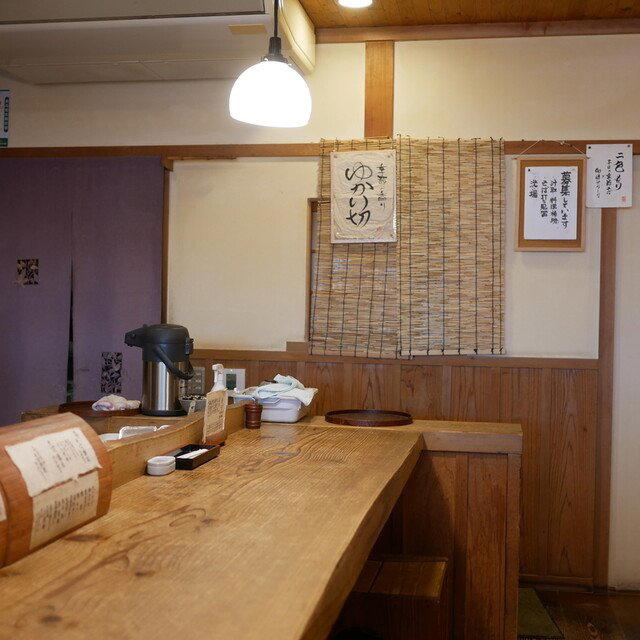
Tamura sits on a Haruyoshi address in Fukuoka's Chuo Ward, a district that functions as the city's evening dining and nightlife corridor. Its Tabelog Bronze Award 2025 with a score of 3.96 places it in the recognised tier of Fukuoka's dining scene. The Asian, ethnic, and curry classification sets it apart from the Japanese fine dining category, pointing toward a more informal, specialist-led format.
What awards or recognition does Tamura have?
Tamura has received recognition including: Tabelog Bronze Award 2025 Score: 3.96 Cuisine: Asian/Ethnic/Curry / Fukuoka Hours: Mon, Tue, Wed, Thu, Fri, Sat, Sun 17:00 - 00:00 Address: Haruyoshi3-22-29, Chuo City, Fukuoka City, Fukuoka Tabelog:.
What's the must-try dish at Tamura?
The Tabelog classification of Asian, ethnic, and curry gives the clearest signal about the kitchen's direction, and the venue's Bronze Award score of 3.96 suggests the cooking warrants attention within that category.
Price and Recognition
| Venue | Cuisine | Price | Awards | Notes |
|---|---|---|---|---|
| TamuraThis venue (the venue you are viewing) | Korean Yakiniku Omakase | $150–200 | Tabelog Bronze | Not listed |
| Chikamatsu | Edomae Sushi Omakase | $200–300 | La Liste Top Restaurants · Tabelog Gold #5 | Sushi |
| Gahoujin 我逢人 | Seasonal Sushi Omakase | $200–300 | Tabelog Bronze #80 | Sushi |
| Genkiippai | Hakata Tonkotsu Ramen | $10–20 | Tabelog 100 #51 | Ramen |
| Matsuyama | Seasonal Kyushu Kaiseki Omakase | $300–500 | Tabelog Silver #74 | Western |
| Mihara Tofuten | Traditional Japanese Tofu Izakaya | $30–50 | Not listed | Tofu |
Recognition history
Dated appearances from independent guides and award organizations, with the underlying list record or original source where available.
Tabelog Bronze
Tabelog
Full recognition history (2 entries)
Tabelog 100 #26 · No. 26
Tabelog · Tabelog 100 - Asian cuisine / Ethnic cuisine - WEST - 2024