
A Michelin Plate recipient on Telok Ayer Street, Tambi operates in Singapore's mid-range innovative dining tier A consistency score that few restaurants at this price point match. The cooking sits within the broader Singaporean tradition of cross-cultural recombination, executed with a precision that punches above its $$ positioning.
Pearl is the En Primeur Club membership app — saves, bookings, and concierge access live there. Same editors, same standards.
- Address
- 132 Telok Ayer St, Singapore 068599
- Phone
- +65 8349 0391
- Website
- gamtansg.creatorlink.net
- Directions
- Get directions
 Saves & bookings on Pearl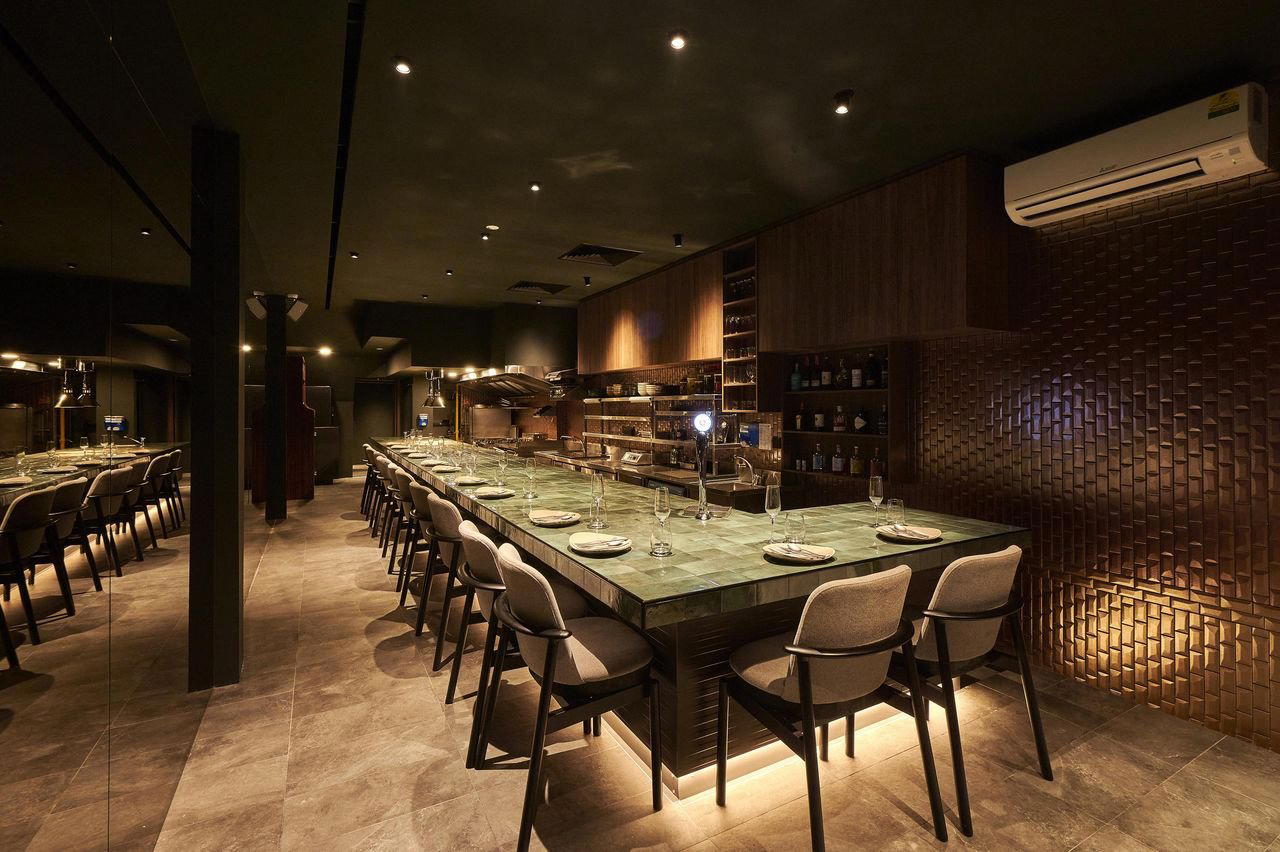
Telok Ayer and the Architecture of Singapore's Mid-Range Innovators
Tambi is a Southern Indian-Korean Fusion restaurant in Singapore, with a Michelin Plate in 2024 and a price point around US$50 per person. The city's $$ innovative restaurants, places recognised by the Michelin Guide without reaching starred status, form a working category where culinary ambition meets genuine accessibility. Tambi, at 132 Telok Ayer Street, has earned its place in that category, holding a Michelin Plate in 2024.
Telok Ayer itself provides useful context. The street runs through what was historically Singapore's earliest commercial and immigrant district, a corridor where Hokkien, Cantonese, Tamil, and Malay communities built temples, mosques, and clan houses within a few hundred metres of each other. That layered cultural geography has never fully dissolved, and the restaurants that have taken root here over the past decade tend to reflect it, not through conscious heritage branding, but through a cooking logic that treats cross-cultural combination as the default rather than the exception. Tambi sits within that tradition.
The Collaborative Engine Behind Innovative Cuisine
In Singapore's innovative dining tier, the kitchens that sustain Michelin recognition over multiple cycles are rarely built on a single personality. The recognition model itself favours consistency, which demands systems: a front-of-house that can translate the kitchen's logic to a mixed international and local clientele, and a floor team capable of pacing a meal that moves between reference points without losing the thread. The Michelin Plate designation functions as a quality floor rather than a ceiling, and maintaining it through 2024 suggests the whole operation is working in alignment.
That kind of score at the $$ price point is not incidental. At higher price brackets, diners arrive with refined expectations and a tolerance for formality that smooths over occasional inconsistencies. At mid-range pricing, the tolerance is narrower and the review pool broader. The service model, the pacing, and the kitchen output are all reading as coherent to a wide cross-section of guests. In Singapore's competitive innovative dining segment, where venues like Meta, Thevar, and Labyrinth operate with starred recognition at higher price points, Tambi's consistency at the Plate level represents a distinct and deliberate position.
What Innovative Means in This City
The cuisine classification of "innovative" covers significant ground in Singapore, and it is worth being specific about what the term implies here. Singapore's most compelling innovative restaurants tend to work from a particular starting position: the city's multi-ethnic pantry, used as raw material for cooking that doesn't resolve into any single tradition. This is different from fusion in the pejorative sense, it is closer to the way a city with no dominant single cuisine develops a culinary logic that is native to hybridity itself.
At the higher end of Singapore's innovative tier, venues like Araya and Chaleur push this into tasting menu territory with European technique applied to Southeast Asian ingredients. The $$ bracket where Tambi operates tends toward more accessible formats, not necessarily shorter or less considered, but structured with a flexibility that allows for à la carte or sharing-plate logic rather than a locked omakase progression. This format suits Telok Ayer's lunch and dinner crowd, which mixes CBD professionals, regional visitors, and a local dining public that moves fluidly between hawker meals and restaurant experiences in the same week.
Across Asia's innovative category more broadly, the Telok Ayer model has parallels. In Seoul, venues like alla prima, Soigné, and Evett operate within a similar logic of Western technique applied to locally rooted ingredients. In Tokyo, MAZ brings South American ingredients into a Japanese fine-dining frame. In Hong Kong, Vea works a French-Chinese axis at the starred level. In Osaka, Fujiya 1935, KAHALA, and Shimmonzen Yonemura in Kyoto each demonstrate how Japanese cities are developing their own versions of this recombinant logic. What distinguishes Singapore's contribution is the density of cultural reference available within a single small city, a depth that its innovative restaurants can draw on without manufacturing exoticism.
How Tambi Sits in the Singapore Tier
Within Singapore's recognised dining hierarchy, the $$ innovative category occupies a specific functional role. The city's upper-end creative cuisine, venues running $$$$ tasting menus with full beverage programs, operates with a different audience and a different set of expectations. Summer Pavilion represents the $$ bracket in a Cantonese register, holding a Michelin star; Tambi holds a Plate at the same price tier in the innovative category. The comparison is instructive: both demonstrate that the mid-range price point in Singapore is not a constraint on recognition, but a deliberate format choice.
For the reader deciding between Tambi and a starred restaurant at twice the price, the question is not quality, it is format and occasion. A Michelin Plate at $$ can deliver serious cooking in a room that asks less of the diner in terms of time, formality, and financial commitment. Singapore's dining calendar is dense enough that a single visit to Telok Ayer can combine Tambi with the neighbourhood's broader food culture, the traditional shophouse coffee shops, the clan association buildings, the competing temples, without the evening becoming a single-point event.
Planning a Visit
Tambi is located at 132 Telok Ayer Street, within walking distance of Telok Ayer MRT station on the Downtown Line and Tanjong Pagar MRT on the East-West Line. The Telok Ayer corridor is well-served by public transport and sits at the edge of the CBD, making it a practical choice for weekday lunch or a pre-theatre dinner. The $$ price range and the venue's reservation policy suggest that booking ahead, particularly for dinner, is advisable.
The city's hospitality infrastructure extends across hotels, bars, wineries, and experiences, each with its own tier structure worth understanding before building an itinerary.
Quick Comparison
Comparable venues nearby, for context on price, style, and recognition.
| Venue | Cuisine | Price | Awards | Notes |
|---|---|---|---|---|
| TambiThis venue — the venue you are viewing | Southern Indian-Korean Fusion | $$ | Michelin Plate | Not listed |
| Sin Hoi Sai (Tiong Bahru) | Traditional Chinese Seafood Zi Char | $$ | Michelin Plate | TIONG BAHRU |
| Mellben Seafood (Ang Mo Kio) | Singaporean Chilli Crab Seafood | $$ | Michelin Plate | SHANGRI-LA |
| Ibid | Modern Asian Fusion Tasting Menu | $$$$ | Michelin Plate | BOAT QUAY |
| Rempapa | Singapore Heritage Cuisine | $$$ | Michelin Plate | CITY HALL |
| Chilli Padi (Joo Chiat) | Authentic Peranakan / Nonya | $$ | Michelin Plate | GEYLANG EAST |
Recognition history
Dated appearances from independent guides and award organizations, with the underlying list record or original source where available.
Michelin Plate
Michelin
Continue exploring
More in Singapore
Restaurants in Singapore
Browse all →
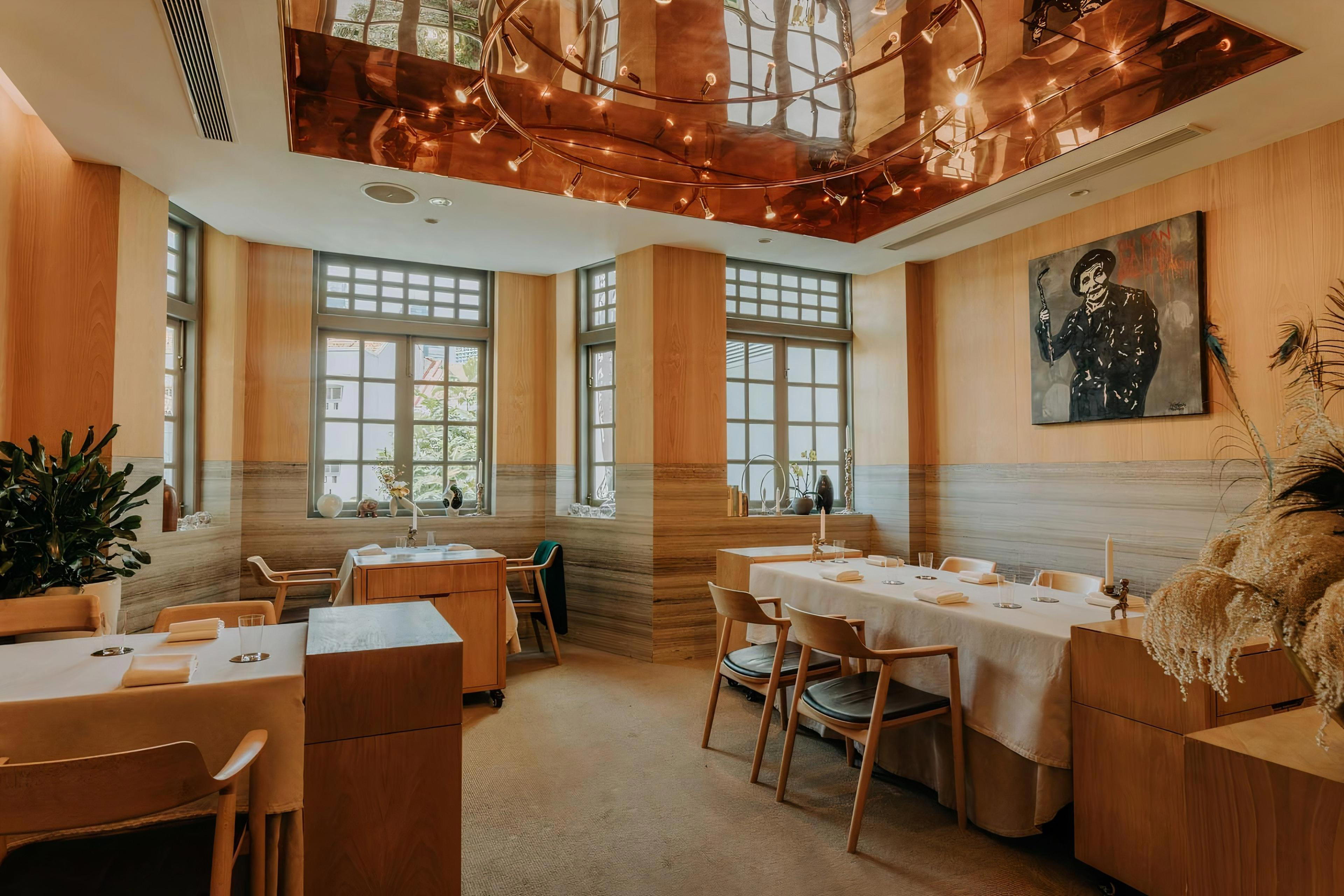
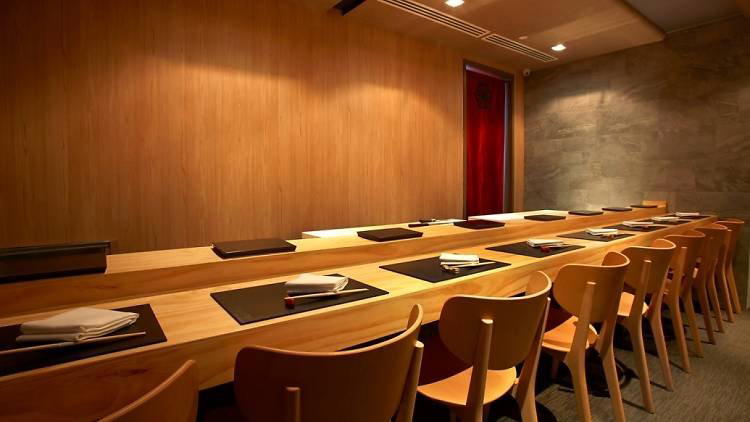
Bars in Singapore
Browse all →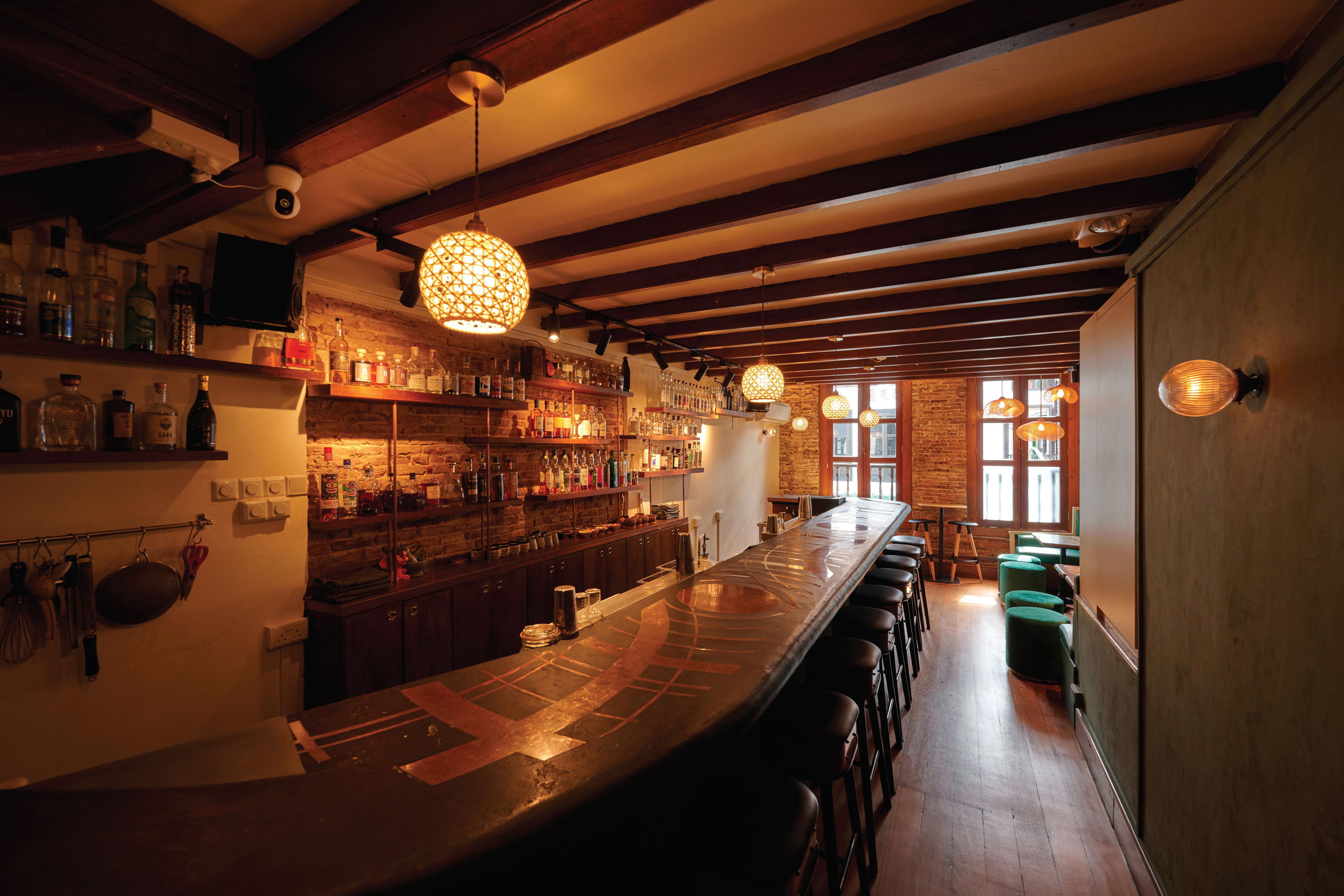
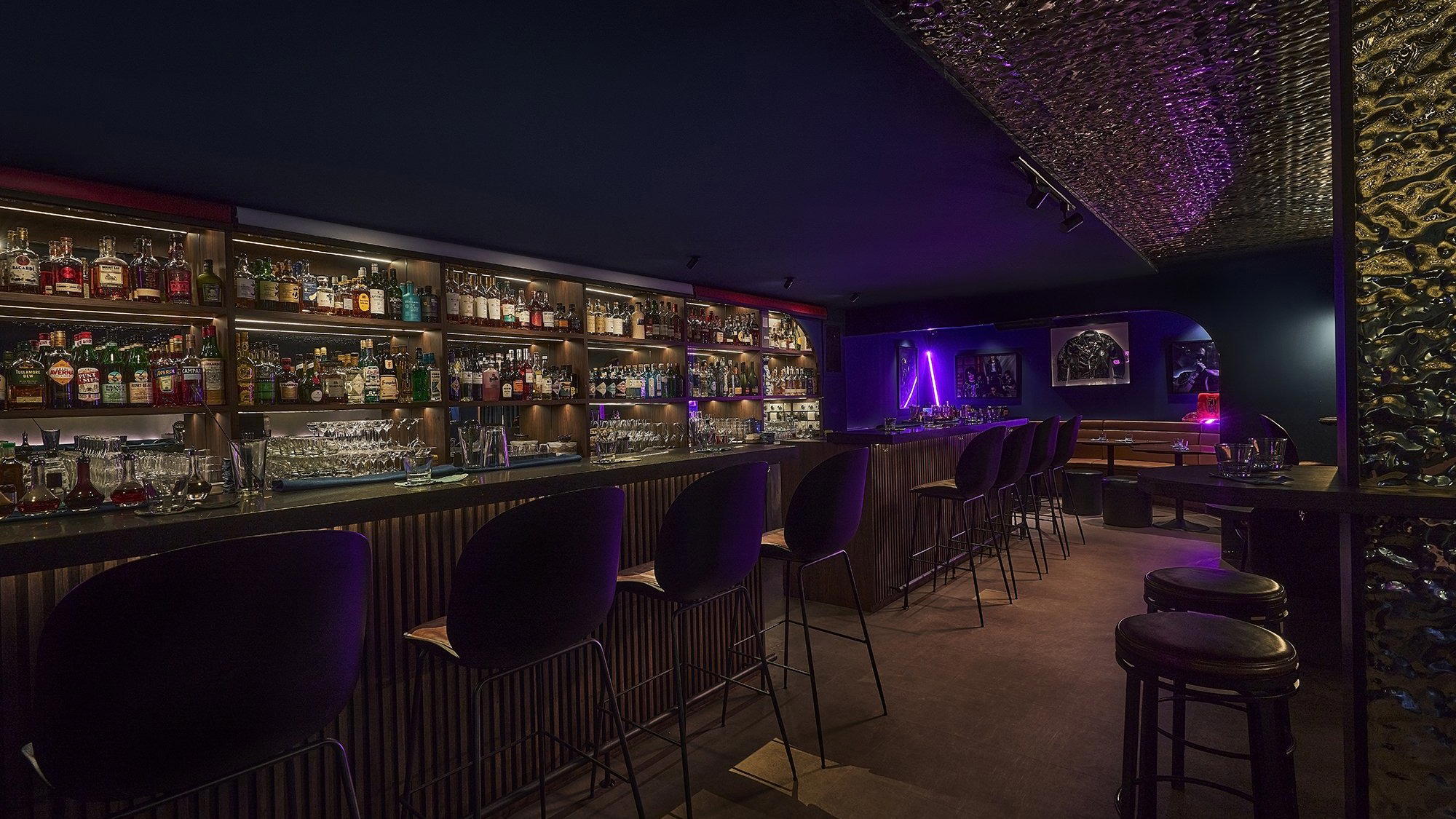
At a Glance
- Trendy
- Modern
- Lively
- Casual Hangout
- Date Night
- After Work
- Open Kitchen
- Sake Program
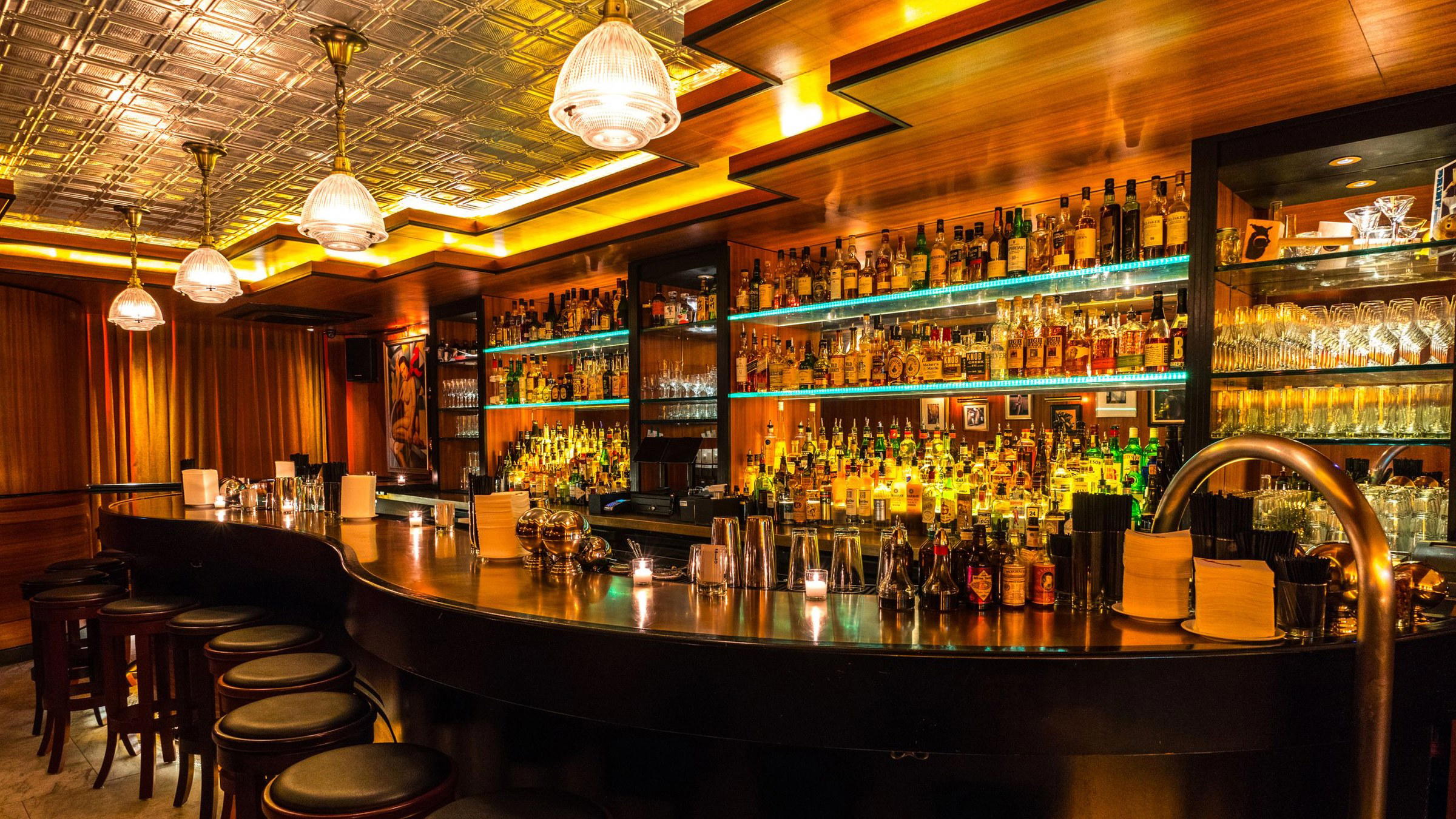
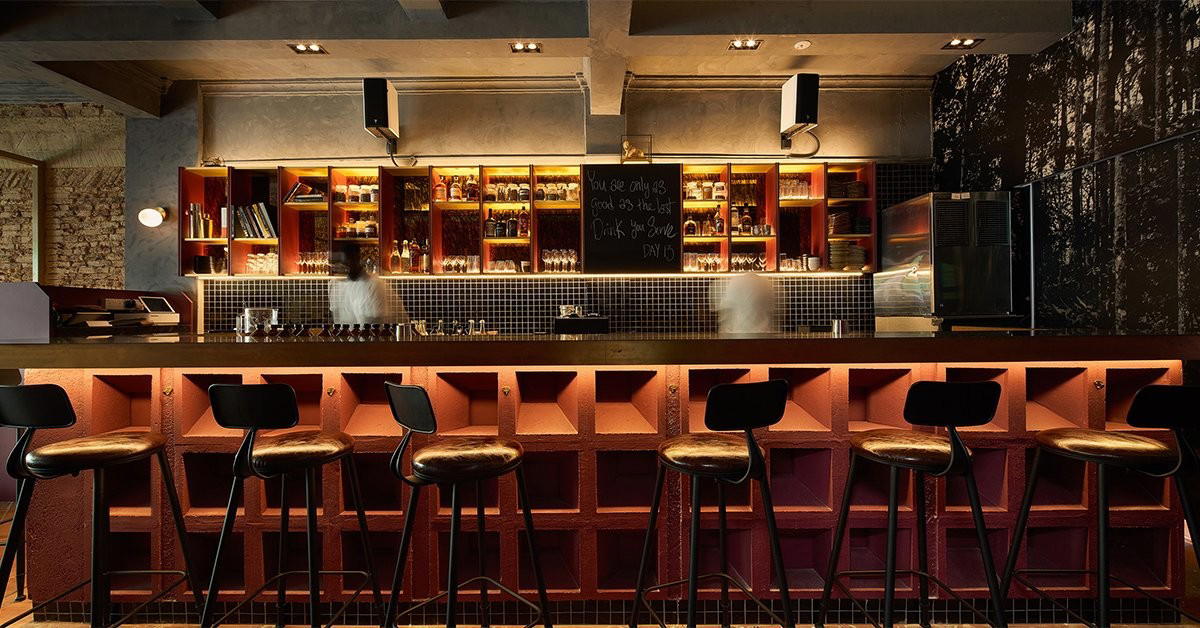
Contemporary and elegant space with green dining tiles, open kitchen view on ground level, and a more formal upstairs area; cool, casual, and loud like an izakaya.