
Rempapa occupies a considered dining room inside the National Gallery Singapore, bringing heritage Singaporean cooking — Peranakan, Hainanese, Teochew — into a setting that matches the civic weight of its address. A Michelin Plate holder since 2024 It sits in the mid-range price tier while delivering food that reads several brackets above its cost.
Pearl is the En Primeur Club membership app — saves, bookings, and concierge access live there. Same editors, same standards.
- Address
- 1 St Andrew's Rd, National Gallery, Singapore 178957
- Phone
- +65 9459 1603
- Website
- rempapa.sg
- Directions
- Get directions
 Saves & bookings on Pearl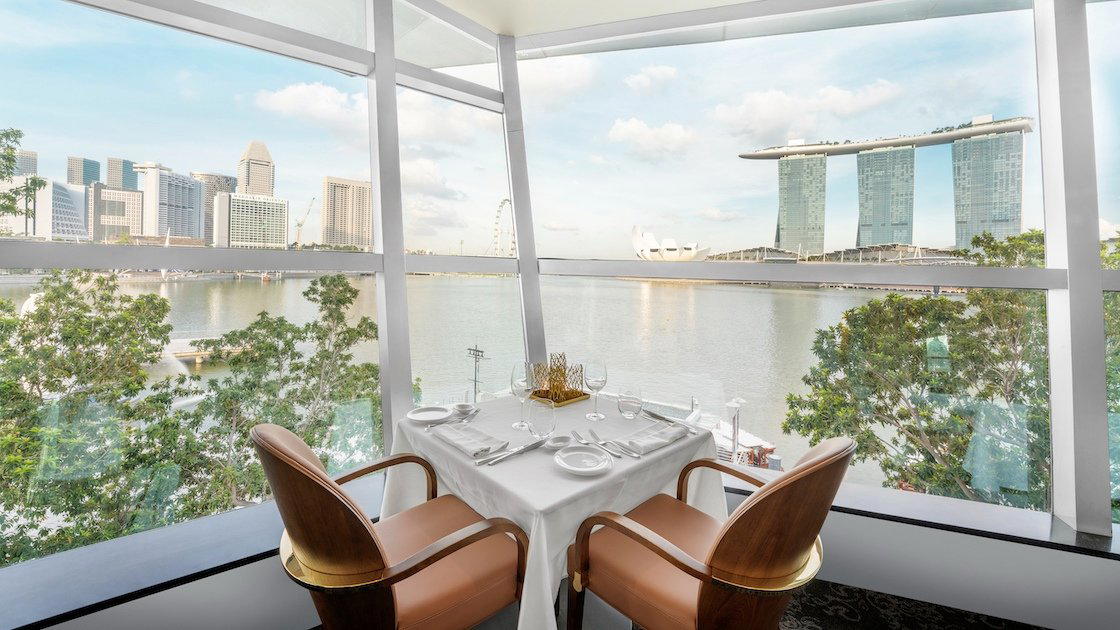
A Civic Address That Sets the Terms
Dining inside the National Gallery Singapore means arriving through one of the city's most architecturally loaded buildings — the former Supreme Court and City Hall, a colonial-era complex that took decades of conservation work to convert into a cultural institution. The dining rooms inside it do not simply occupy floor space; they carry the weight of that setting. Rempapa, positioned within this structure at 1 St Andrew's Road, operates in a context where the physical environment has already made a statement before a single dish arrives.
Singapore's mid-range restaurant scene has widened considerably in the past several years, with a tier of Michelin-recognised venues now operating at the $$ price point — a bracket that once sat below serious critical attention. Rempapa holds a Michelin Plate (2024) and a, positioning it alongside venues like Summer Pavilion in the recognised-but-accessible tier, rather than the city's top-spend omakase and tasting-menu counters.
The Architecture of the Room
The National Gallery's interior conversion retained much of the original civic architecture: high ceilings, grand corridors, and materials that carry the patina of the building's administrative past. Restaurants housed within it necessarily work with these constraints, and the better ones treat the inherited grandeur as a design partner rather than a backdrop to be papered over.
Rempapa's dining space reflects this tension productively. The room carries enough of the gallery's structural character to feel rooted in place rather than inserted into it, a distinction that matters in Singapore, where a number of heritage-building conversions have produced spaces that feel cosmetically attached to their surroundings rather than genuinely integrated. The physical container here does part of the editorial work: it signals that the food inside is not trying to be anonymous or placeless.
This matters for how Singaporean cuisine functions at a restaurant level. Heritage cooking traditions, Peranakan, Hainanese, Teochew, carry their own spatial associations. They originate in domestic and hawker contexts, settings defined by proximity, informality, and inherited habit. Moving them into a civic dining room changes the register without necessarily diminishing the cooking. Rempapa works in that altered register, and the architecture of the National Gallery provides a frame that justifies the shift without overstating it.
What the Food Is Doing
Singaporean cuisine is among the more complex culinary categories in the region, drawing simultaneously from Chinese regional traditions (Cantonese, Hokkien, Teochew, Hainanese), Malay cooking, and the Peranakan synthesis that emerged from generations of cultural overlap. At the hawker level, these traditions exist as distinct tracks. At the restaurant level, the more interesting operations hold them in productive tension rather than collapsing them into a single generic register.
Rempapa's positioning in this space places it in a small but growing peer group of Singapore restaurants treating heritage cooking with the same analytical seriousness that fine-dining kitchens apply to European traditions. The comparison set is instructive: venues like Mustard Seed are doing comparable work in the Peranakan lane, while Boon Tong Kee and Chatterbox operate in the Hainanese chicken rice tradition at different price points and with different ambitions. Kok Sen and Da Shi Jia Big Prawn Mee represent the hawker-adjacent pole of that same tradition.
Rempapa sits at a different point on that spectrum, more considered in presentation, more formal in service register, but anchored in the same source material. The Michelin Plate recognition confirms that the cooking meets an externally verified standard within the heritage Singaporean category, even if the format remains accessible in price.
Heritage Singaporean Cooking in an International Frame
It is worth placing Rempapa's project in a wider frame. Singaporean food has developed a serious international profile over the past decade, partly through diaspora cooking and partly through the city-state's own aggressive promotion of hawker culture (UNESCO-listed since 2020). Overseas, this has produced venues like Old Bazaar Kitchen in Hong Kong and FT Bak Kut Teh in Guangzhou, which carry Singaporean culinary identity into neighbouring markets.
Back in Singapore itself, the pressure on restaurant-format heritage cooking is different. It must justify the price differential from hawker eating while preserving what makes those traditions worth preserving. The most successful operations do this through depth of sourcing, technical precision in dishes that look simple, and environments that add genuine value to the experience. A venue operating inside the National Gallery, with all the spatial and cultural associations that carries, has a structural advantage in making that case.
By contrast, the upper end of Singapore's restaurant market, represented by venues like Zén ($$$$ tasting menus with European contemporary credentials) or Born (creative cuisine at the same price point), is not Rempapa's competitive territory. The comparison that matters is within the recognised heritage Singaporean tier, where the combination of Michelin recognition, civic setting, and mid-range pricing creates a specific and coherent value proposition.
Contextualising the Offer Against the City's Dining Range
Singapore's dining options at the $$ price point include everything from strong hawker centre operators to restaurant-format venues with serious kitchen credentials. What distinguishes Rempapa's position is the combination of setting, recognition, and cooking tradition, three elements that do not always align at this price level. The National Gallery location places it on the civic and tourist map of the city in a way that pure neighbourhood restaurants are not, making it accessible to visitors arriving from the Padang, the Civic District, or the waterfront without requiring advance knowledge of Singapore's residential dining precincts.
For visitors already oriented around the Civic District, the venue sits within reach of the city's major colonial-era landmarks and the financial district. It functions as a considered lunch or dinner option for visitors who want Singaporean cooking at a standard above the hawker level but without the commitment (financial or logistical) of the city's leading tasting-menu restaurants. For a fuller view of where Singapore's dining scene sits across its price tiers and neighbourhoods, see our full Singapore restaurants guide. For accommodation, drinking, and experience context, the Singapore hotels guide, bars guide, and experiences guide cover the broader picture.
Planning Your Visit
Rempapa is located at 1 St Andrew's Road within the National Gallery Singapore, one of the city's most visited cultural institutions and accessible from City Hall MRT station. The $$ price positioning makes it one of the more accessible Michelin-recognised options in the city.
Quick reference:
What Dish Is Rempapa Famous For?
Rempapa's menu draws from the Peranakan, Hainanese, and Teochew traditions that define Singapore's heritage cooking. While no single signature dish is confirmed in public records, the kitchen's focus on these three culinary streams, and its Michelin Plate recognition, signals that dishes rooted in those traditions, such as Peranakan braised preparations and Hainanese-influenced recipes, are central to the offer. For verified dish-level detail, checking the current menu directly at the National Gallery venue is the reliable route.
- Beef Rendang
- Nasi Lemak
- Baca Assam
- Stir-Fried Chee Cheong Fun
- Lamb Leg Rendang
- Kueh Platter
How Rempapa Singapore compares with similar nearby venues.
| Venue | Cuisine | Price | Awards |
|---|---|---|---|
| Rempapa | Singaporean | $$ | Michelin Plate (2024) |
| Song Fa Bak Kut Teh (New Bridge Road) | Singaporean | $ | Not listed |
| Kok Sen | Singaporean | $$ | Not listed |
| Mustard Seed | Singaporean | $$$ | Not listed |
| Da Shi Jia Big Prawn Mee | Singaporean | $ | Not listed |
| Boon Tong Kee (Balestier Road) | Singaporean | $ | Not listed |
Recognition history
Dated appearances from independent guides and award organizations, with the underlying list record or original source where available.
Michelin Guide Plate
Michelin Guide
Michelin Plate
Michelin
Continue exploring
More in Singapore
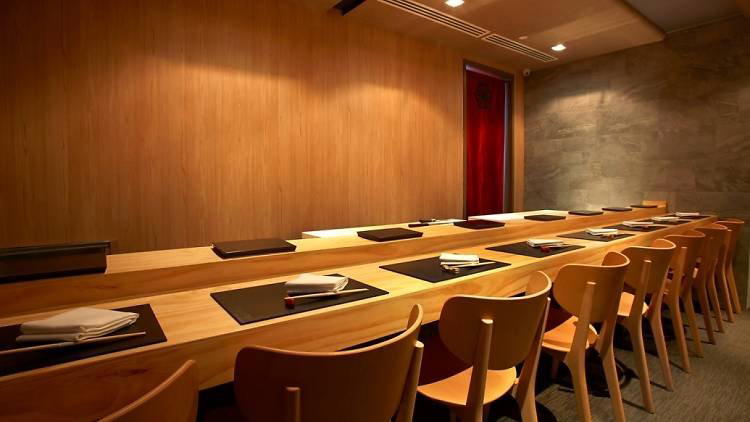
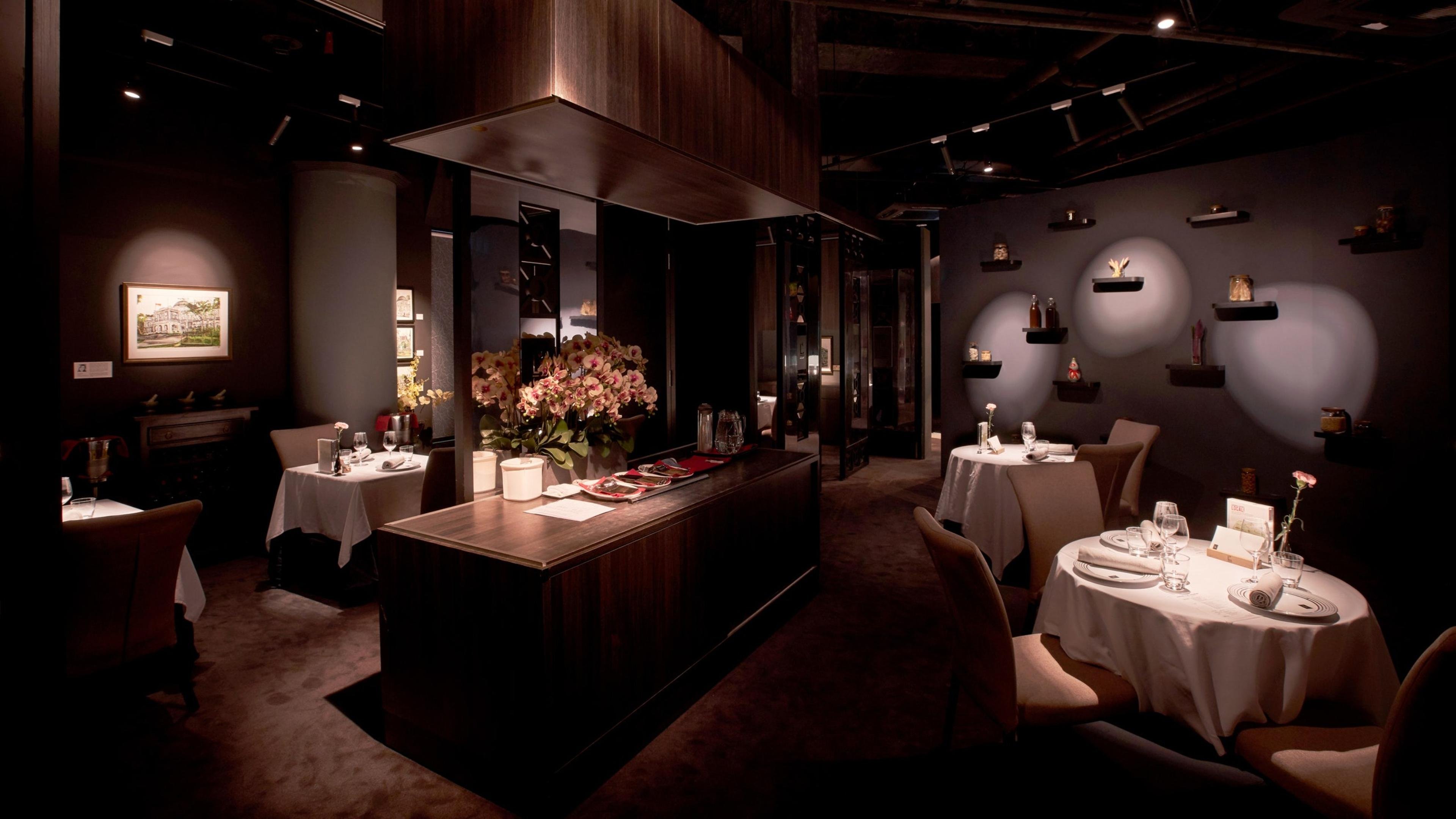
Restaurants in Singapore
Browse all →
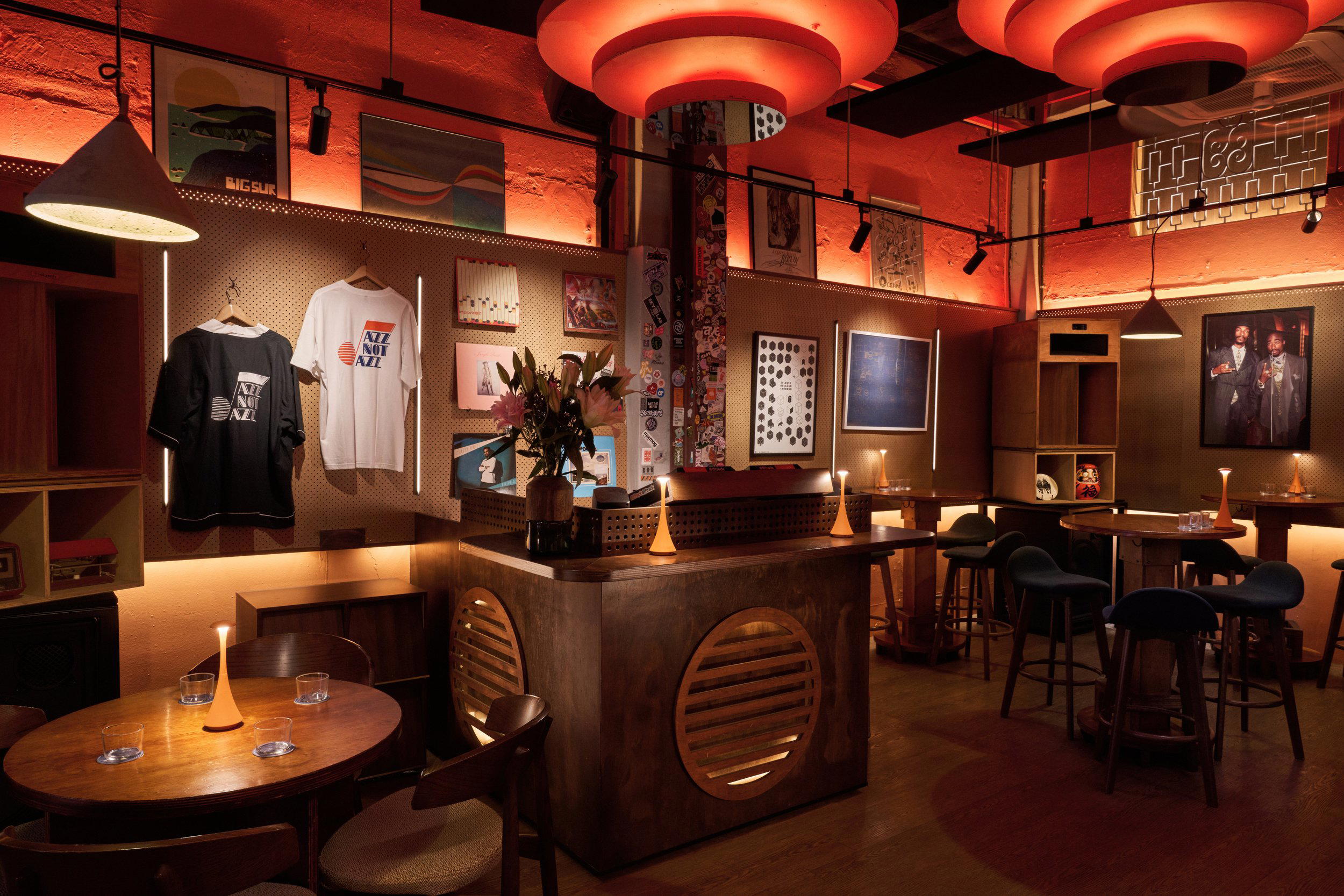
Bars in Singapore
Browse all →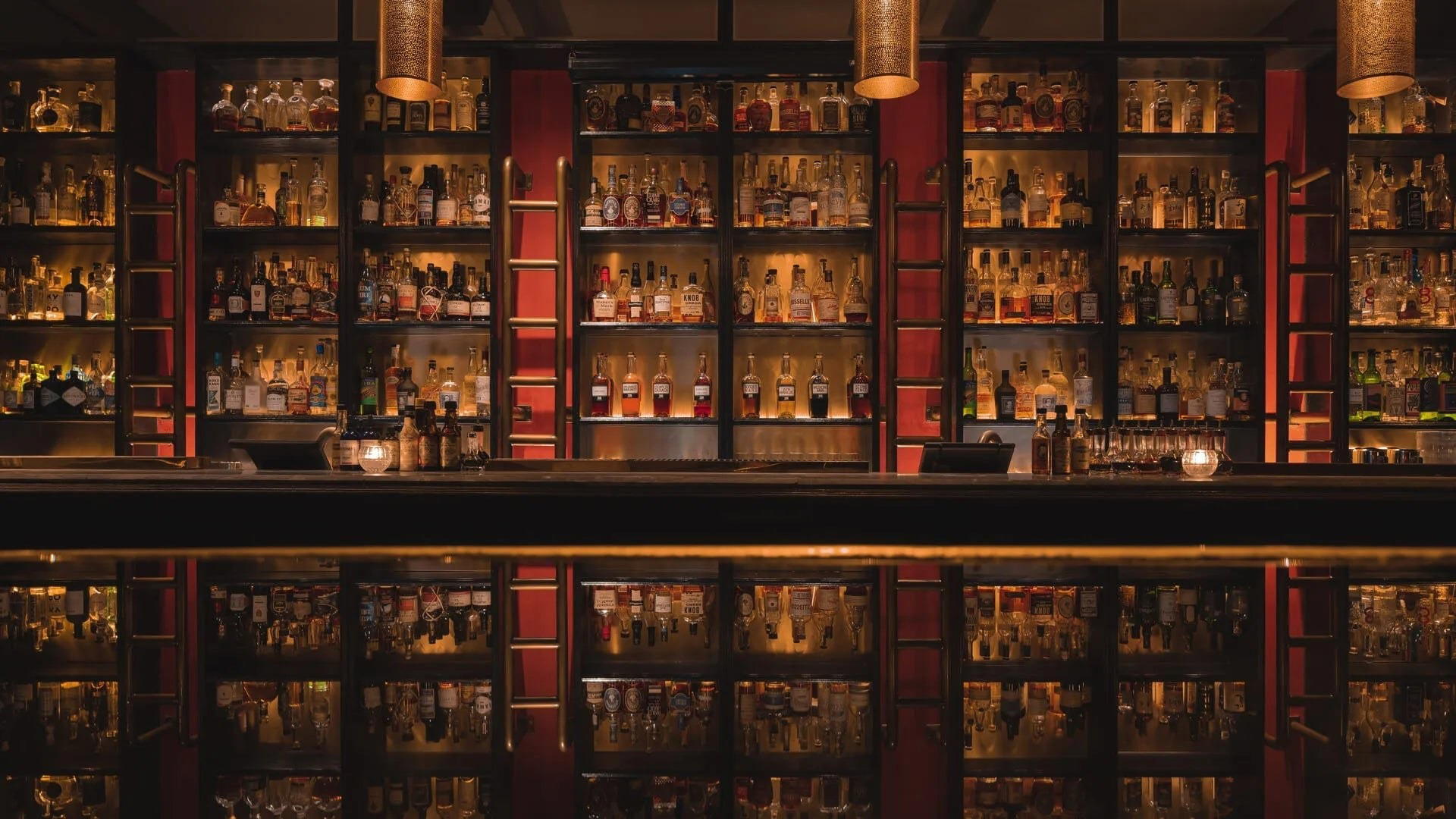
At a Glance
- Elegant
- Cozy
- Classic
- Family
- Group Dining
- Casual Hangout
- Brunch
- Open Kitchen
- Craft Cocktails
- Beer Program
- Local Sourcing
Current opening hours
- Monday
- 9 AM–7 PM
- Tuesday
- 9 AM–7 PM
- Wednesday
- 9 AM–7 PM
- Thursday
- 9 AM–7 PM
- Friday
- 9 AM–7 PM
- Saturday
- 9 AM–7 PM
- Sunday
- 9 AM–7 PM
Hours can change for holidays and private events. Last verified .
Polished yet approachable void deck-style eatery with elegant but unpretentious dining space; warm and nostalgic atmosphere celebrating heritage and family recipes.
Know Before You Go
- Getting there
- 1 St Andrew's Rd, National Gallery, Singapore 178957