
Canada's 100 Best Restaurants #46
Our verdict
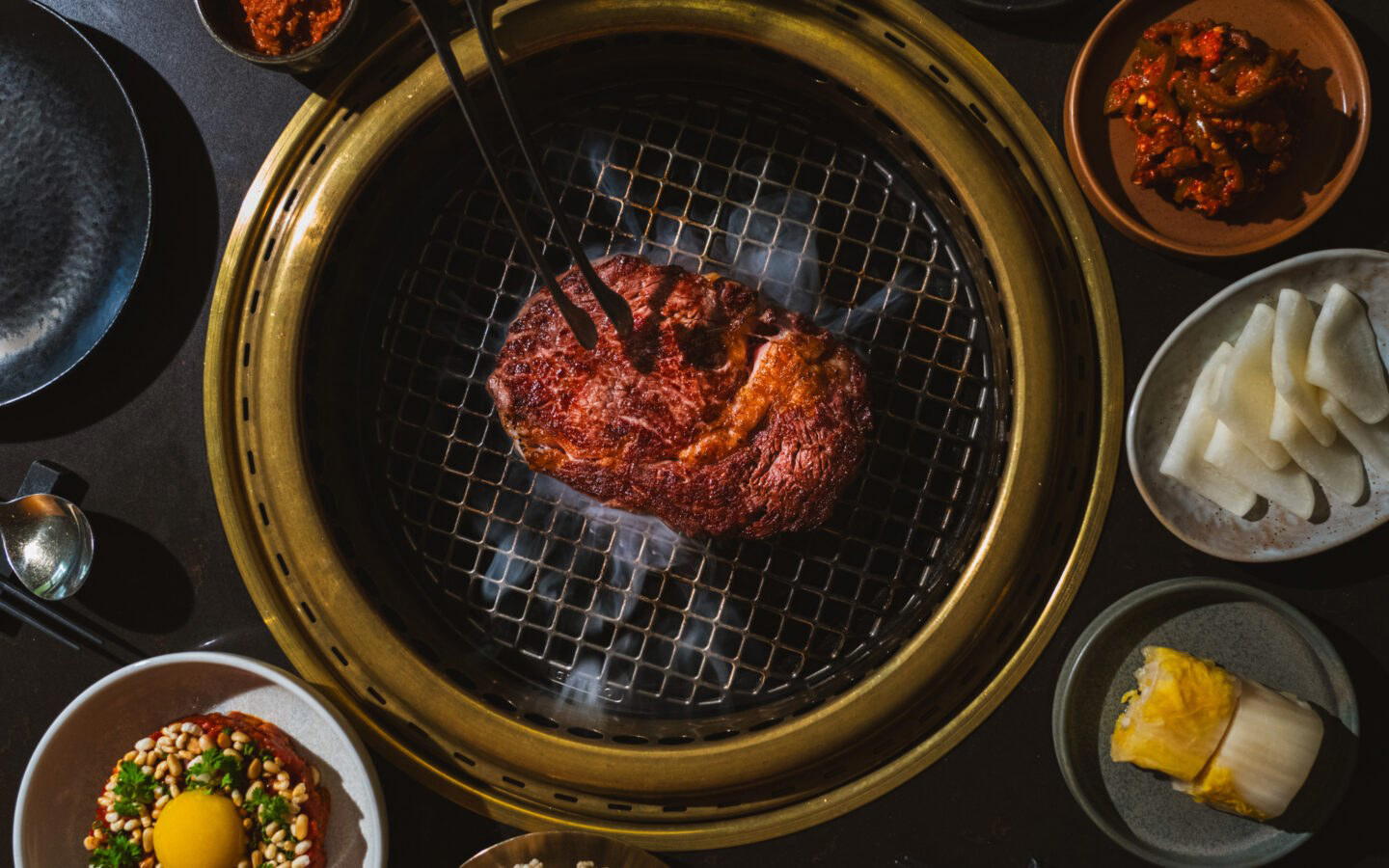
TAKJA BBQ in Toronto delivers modern Korean BBQ with a tasting-menu focus. Must-try dishes include Kansas hanger steak, Guelph rib-eye and Tajima wagyu from Australia, all dry-aged and grilled tableside by a personal griller. Finish with Takja’s interpretation of bingsoo, shaved ice with condensed milk, rice cake and sweet red bean. The restaurant pairs house-fermented ssamjang and kimchi with a wine and cocktail program. Recognized as one of Canada's Best New Restaurants in 2025, TAKJA BBQ combines rich, smoky flavors, precise dry-aging, and tactile, convivial service for an intimate, sensory feast on College Street in Toronto.

Pearl is the En Primeur Club membership app, where members save venues, book tables and use the concierge.
The menu
What to order
- Hansang Tasting Menu
- A5 Wagyu Striploin
- Seafood Pancake with Uni
- Ibérico Pork
- Bingsoo
Where Korean Table Barbecue Meets Serious Sourcing
College Street's western stretch has long attracted the kind of neighbourhood restaurant that rewards regulars rather than chasing visibility. The strip between Dufferin and Lansdowne runs quieter than King West or the Entertainment District, and it is precisely in this lower-pressure environment that TAKJA BBQ, at 962 College St, has built a following around a format that the broader Toronto dining scene is still catching up to: Korean barbecue structured around provenance, not portion size.
The Korean BBQ format is inherently theatrical, but the theatrics usually serve volume. What separates a more considered version of the format is the shift in emphasis toward the origin and treatment of the meat itself. At TAKJA, that shift is made explicit through the tasting menu, which assigns a personal griller to each table and works through a selection of dry-aged cuts sourced from geographically distinct producers. That sourcing geography, spanning Kansas, Guelph, and Australia, is not incidental. It reflects a sourcing logic that has become increasingly common at the premium end of meat-focused restaurants globally, where traceability and breed-specific aging define quality claims more reliably than country of origin alone.
The Sourcing Argument: Dry-Aging Across Three Continents
Dry-aging has moved from specialty butcher shorthand into mainstream restaurant vocabulary over the past decade, but the practice still separates operators who treat it as a technical commitment from those who treat it as a menu descriptor. The tasting menu at TAKJA BBQ works through three distinct sourcing nodes: hanger steak from Kansas, rib-eye from Guelph, and Tajima wagyu from Australia. Each represents a different rearing tradition and aging outcome.
Tajima cattle, the breed behind Kobe beef in Japan, are raised in Australia under strict protocols that have made Australian wagyu one of the more credible alternatives to the Japanese original in terms of marbling genetics. Guelph-sourced beef places the operation squarely within Ontario's agricultural heartland, a region with a growing cluster of farmers oriented toward restaurant-quality production rather than commodity output. The Kansas hanger steak, by contrast, taps into the American Midwest's established grain-fed beef tradition, where the hanger cut's intense musculature makes it particularly responsive to extended dry-aging.
The sustainability framing here is less about organic certification and more about proximity and traceability. Two of the three sourcing regions, Guelph and, to a lesser extent, Australian wagyu operations, operate within supply chains that restaurants in this tier have increasingly scrutinized for environmental footprint. Guelph-to-Toronto is a short supply chain by any measure, which reduces transport emissions relative to sourcing equivalent quality from European or South American producers. That is the kind of structural sourcing decision that distinguishes a program with genuine intent from one that simply curates interesting provenance for menu copy.
The Tasting Menu Format and What It Signals
In Toronto's top-tier restaurant market, the tasting menu format carries specific implications. At Alo or Aburi Hana, the format signals a kitchen in full authorial control, where pacing and progression are fixed. TAKJA's version retains that pacing discipline but relocates the cooking to the table, with the assigned griller functioning as a cross between a kitchen technician and a service host. It is a format that demands a different kind of precision: temperature management, resting time, and sequencing all happen in front of the guest rather than behind a pass.
The city's Korean restaurant community is concentrated but not particularly visible in mainstream fine-dining conversation, which has historically centered on European-inflected tasting menus like those at Don Alfonso 1890 or DaNico. The rise of Korean fine dining in cities like New York, where Atomix operates at two Michelin stars, has shifted critical attention toward Korean culinary formats as vehicles for serious dining rather than casual group outings.
How the Meal Closes: Bingsoo as Punctuation
The dessert course positions the meal in a broader Korean culinary tradition that the savory section, with its international meat sourcing, might otherwise obscure. Bingsoo, the Korean shaved-ice dessert built on condensed milk, rice cake, and sweet red bean, is a staple of Korean summer food culture with roots extending back centuries. TAKJA's version is framed as an interpretation rather than a replica, which is the more honest framing for a dessert served in a Western restaurant context.
Functionally, the bingsoo works as a palate reset after a meal heavy in rendered fat and smoke. The combination of shaved ice and condensed milk produces a texture that sits between sorbet and granita, and the red bean component grounds the sweetness with an earthy, subtly fermented note. It is the kind of course that tells you the kitchen is thinking about the full arc of the meal, not just the meat section that anchors its reputation.
Where TAKJA Sits in Toronto's Broader Dining Picture
Toronto has developed one of Canada's more genuinely pluralist fine-dining ecosystems, with serious Korean, Japanese, and contemporary Canadian operators running alongside the European-heritage restaurants that dominated critical recognition a decade ago. Sushi Masaki Saito and Aburi Hana represent the Japanese end of that spectrum at its most rigorous. TAKJA operates at a different price point and with less critical infrastructure around it, but the sourcing program and tasting format place it in the tier of restaurants that are making considered decisions rather than simply running a well-executed genre piece.
For readers building a Toronto itinerary around the city's full range, our full Toronto restaurants guide covers the spectrum from TAKJA's table-side format to the multi-course progression at Alo. Those planning beyond dining should consult our full Toronto hotels guide, bars guide, wineries guide, and experiences guide for a complete picture of what the city offers across categories.
Nationally, the conversation around provenance-driven dining has advanced furthest at restaurants like Tanière³ in Québec City, AnnaLena in Vancouver, Restaurant Pearl Morissette in Lincoln, and The Pine in Creemore. TAKJA's sourcing program, while more internationally oriented, participates in the same broader argument about knowing where your ingredients come from and building a menu around that knowledge rather than retrofitting provenance claims onto an existing format. Jérôme Ferrer - Europea in Montreal and Narval in Rimouski represent other nodes in this Canadian network where sourcing transparency functions as a structural commitment. Internationally, Le Bernardin in New York City demonstrates how rigorous sourcing can anchor a restaurant's identity across decades.
Know Before You Go
- Address: 962 College St, Toronto, ON M6H 1A5
- Format: Tasting menu with personal table griller; walk-in or reservation recommended
- The move: Book the tasting menu; the bingsoo is the right dessert choice
- Getting there: College Street is accessible via the College streetcar (506) or a short walk from Dufferin Station
- Booking: Contact the restaurant directly; no website or phone number currently listed
Frequently asked questions
at TAKJA BBQ?
The tasting menu is the clearest path through what TAKJA does well. It sequences the dry-aged meat selection, including hanger steak from Kansas, rib-eye from Guelph, and Tajima wagyu from Australia, with an assigned griller managing the cooking at your table. Close the meal with the bingsoo: the shaved ice, condensed milk, rice cake, and red bean dessert is an interpreted take on a Korean classic and a logical end to a fat-rich meat-forward meal.
Do I need a reservation at TAKJA BBQ?
Given that the tasting menu format involves a griller assigned per table, capacity is limited by design. College Street's broader restaurant density means walk-in competition on weekend evenings is real. Contacting the restaurant directly ahead of your visit is the practical approach, particularly if you are planning around the tasting menu.
What is TAKJA BBQ known for?
TAKJA BBQ has built its reputation around a table-side Korean barbecue tasting menu anchored by internationally sourced, dry-aged cuts. The combination of griller-at-table service and a sourcing program that spans Ontario, the American Midwest, and Australian wagyu producers places it in a tier of the Korean BBQ format that is oriented toward ingredient specificity rather than volume. The bingsoo dessert has also become a reference point for the meal.
Recognition, Side-by-Side
Comparable venues nearby, for context on price, style, and recognition.
| Venue | Cuisine | Price | Awards | Notes |
|---|---|---|---|---|
| TAKJA BBQThis venue (the venue you are viewing) | Modern Korean BBQ with Dry-Aged Meats | $100–150 | Canada's 100 Best Restaurants #46 | Not listed |
| The Fry | Korean Fried Chicken | $20–30 | Not listed | Bay Street Corridor |
| BAR PRIMA | Modern Italian | $50–100 | Canada's 100 Best Restaurants #57 | West Queen West |
| JaBistro | Modern Japanese Sushi | $50–100 | Not listed | Entertainment District |
| Milou | French Bistro | $50–100 | Star Wine List | Little Portugal |
| Liliana | Modern Italian with Asian Influences | $50–100 | Not listed | West Queen West |
Recognition history
Dated appearances from independent guides and award organizations, with the underlying list record or original source where available.
Canada's 100 Best Restaurants #46
Canada's 100 Best
Full recognition history (2 entries)
Canada's 100 Best Restaurants #68
Canada's 100 Best
Continue exploring
More in Toronto
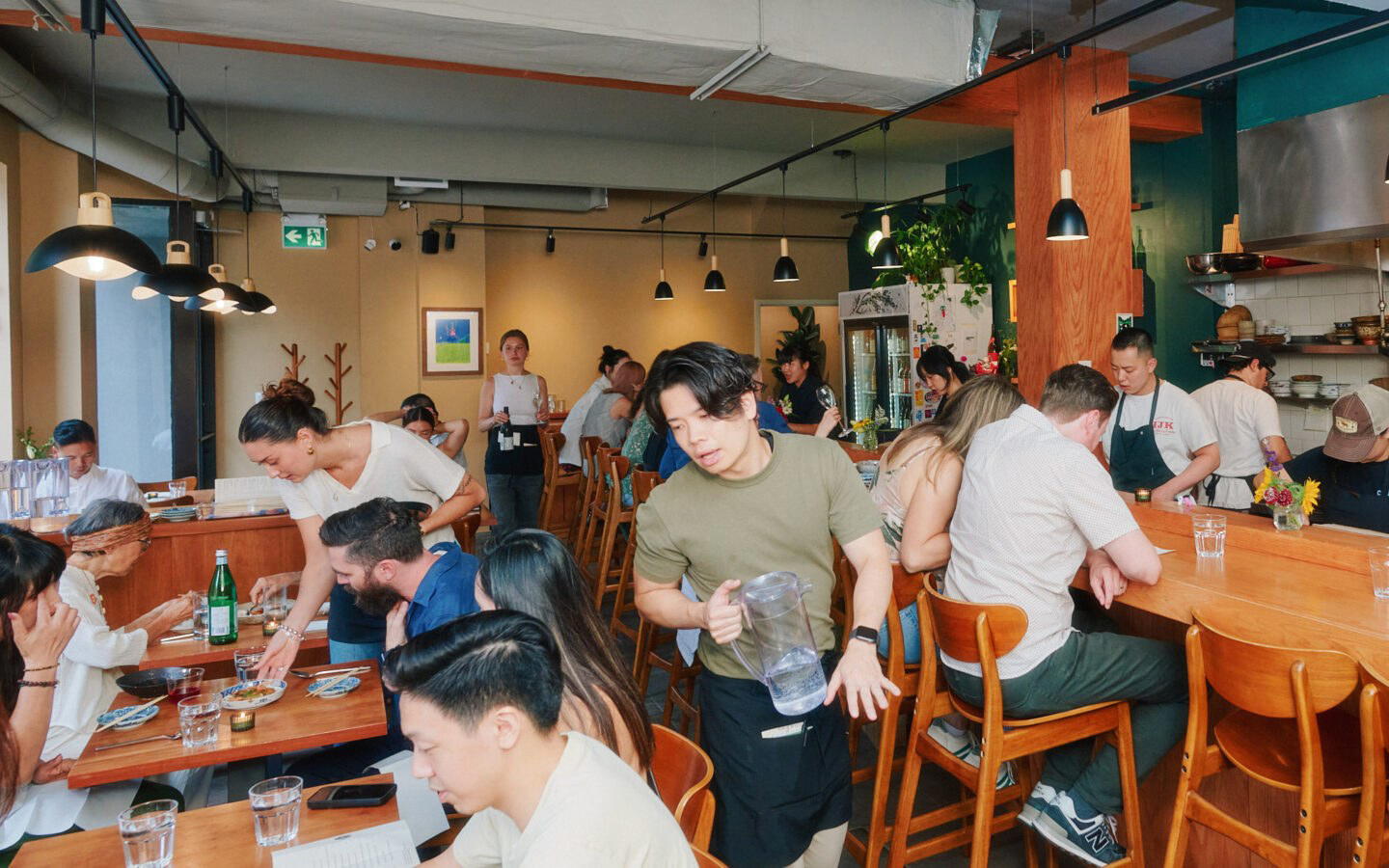
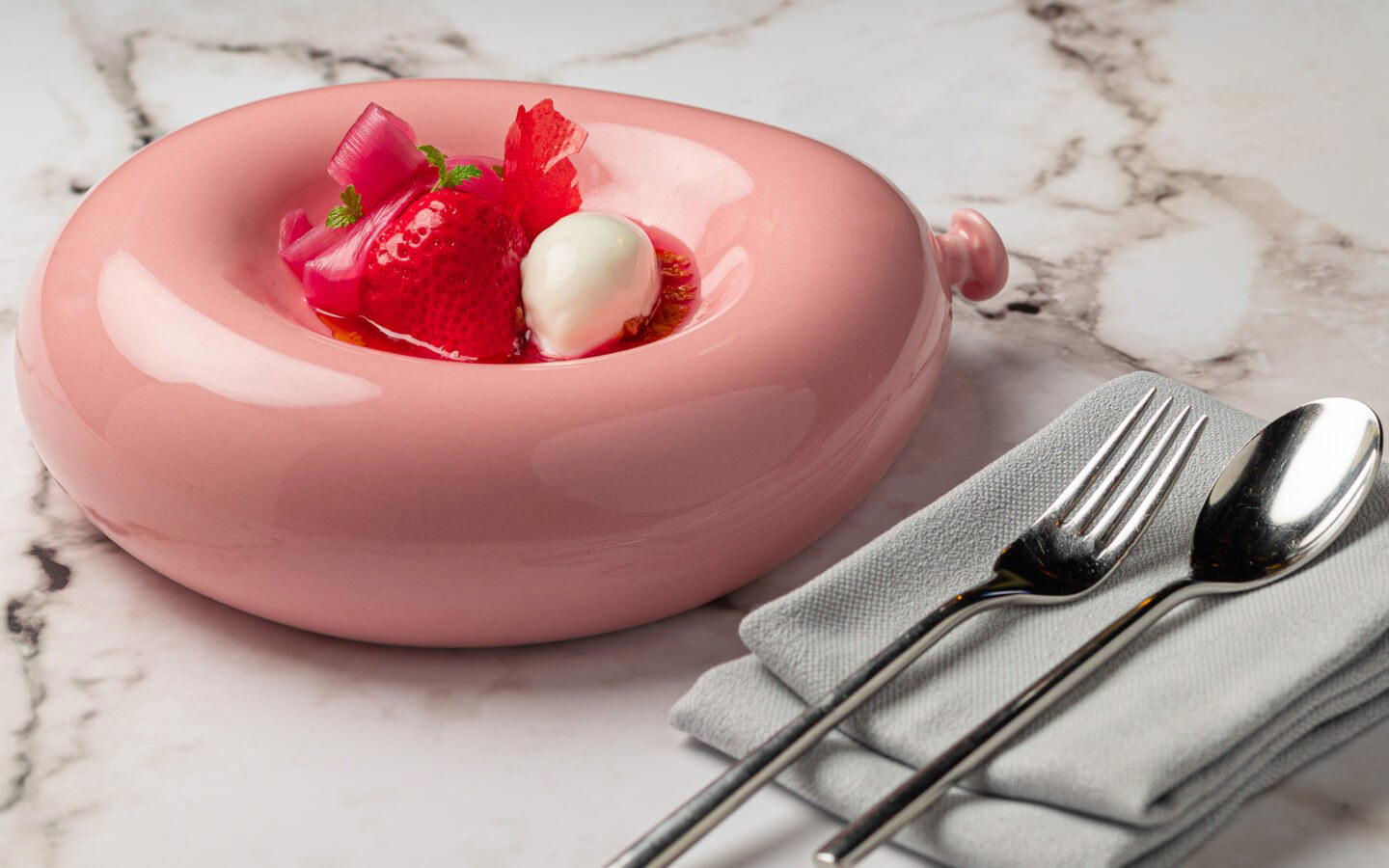
Restaurants in Toronto
All restaurants in Toronto →
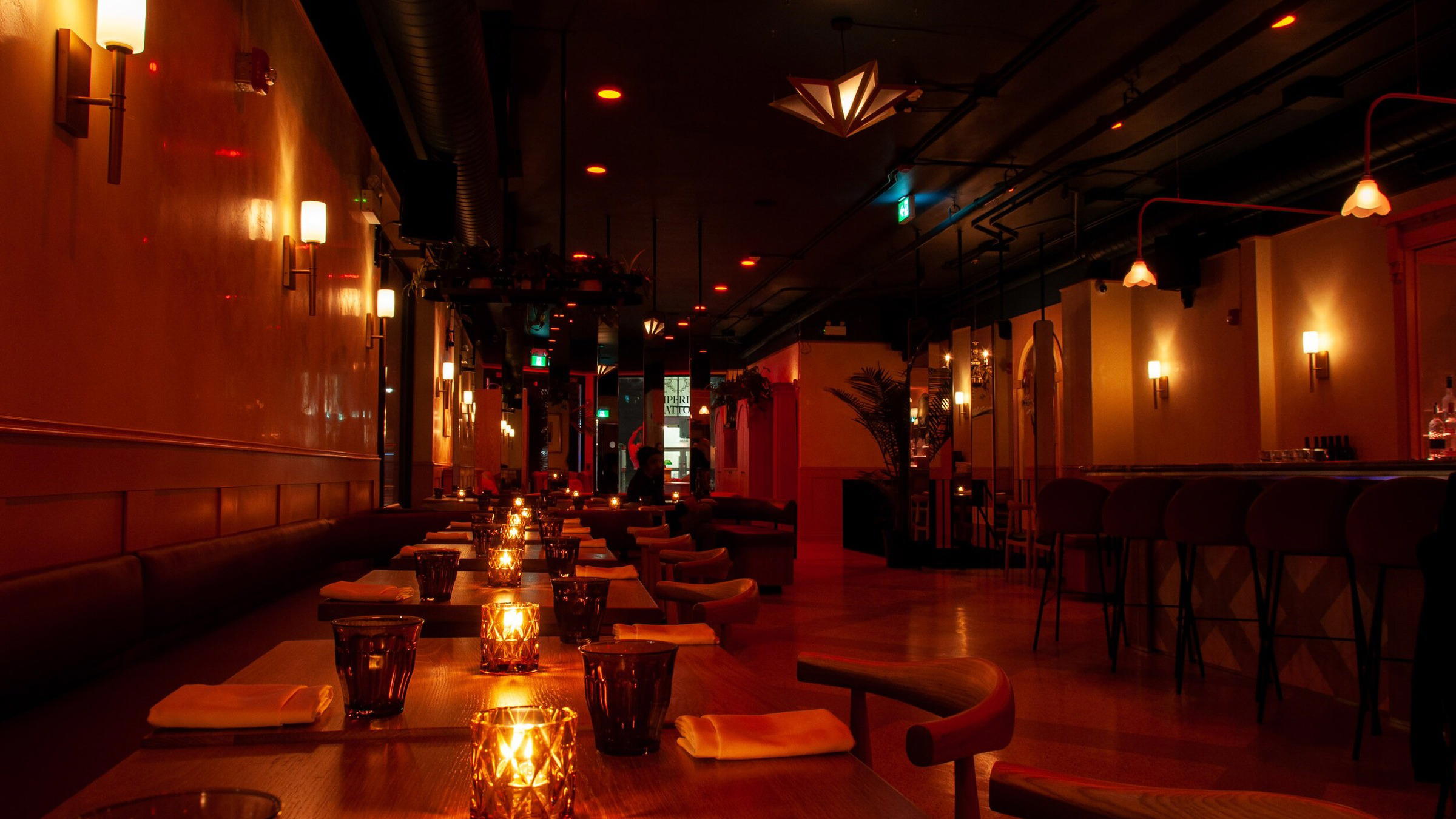
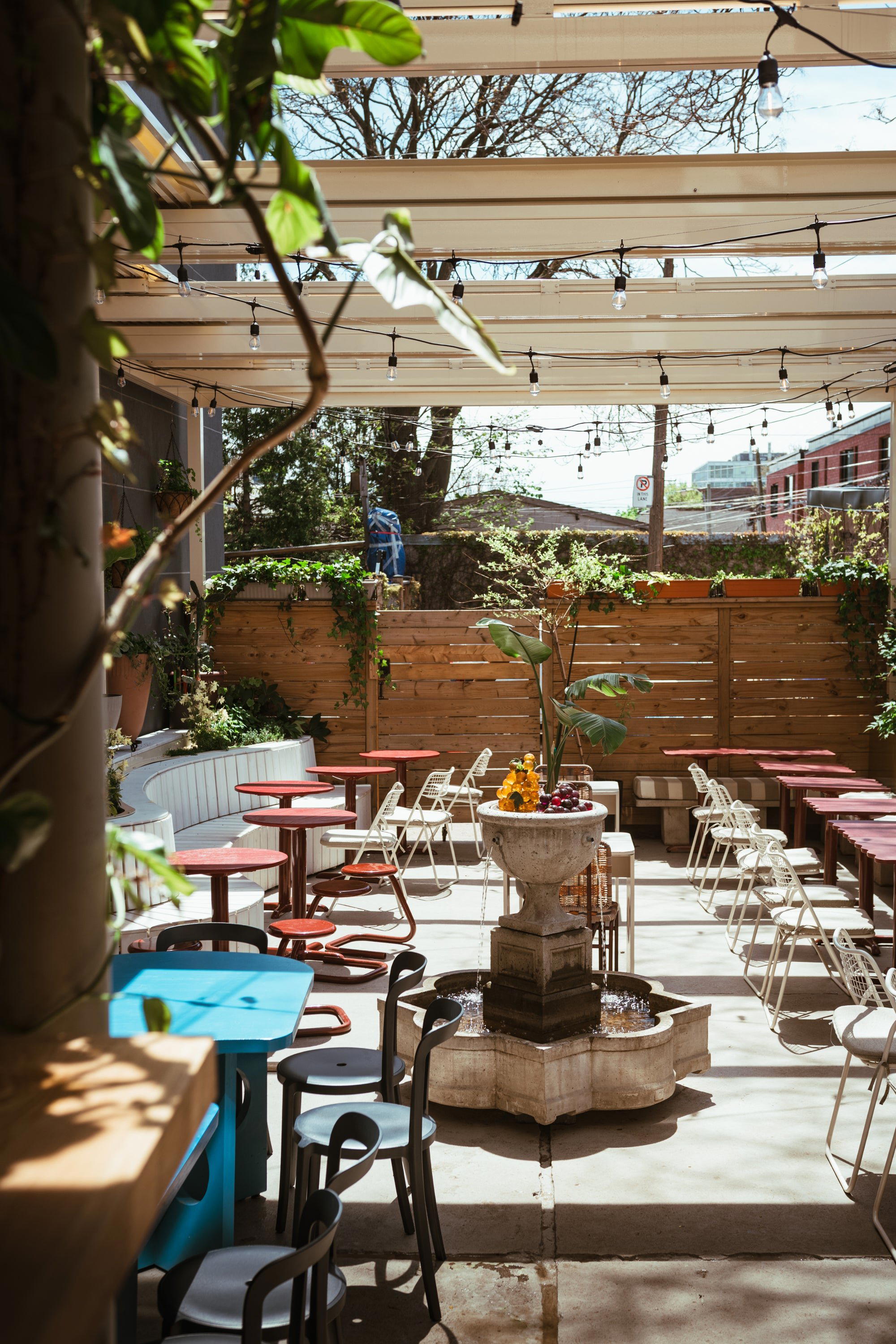
Bars in Toronto
All bars in Toronto →






TAKJA BBQ
The wine
- Natural wine
- Sake program
- Craft cocktails
- Zero-proof drinks
Details
- Sophisticated
- Elegant
- Modern
- Intimate
- Celebration
- Special Occasion
- Group Dining
- Date Night
- Open Kitchen
- Private Dining
- Design Destination
- Natural Wine
- Craft Cocktails
- Sake Program
- Zero Proof
- Farm To Table
- Local Sourcing
- Sustainable Seafood
- Tasting Menu
- A La Carte
- Family Style
- Natural Wine
- Soju
- Signature Cocktails
- Allergy Accommodating
Current opening hours
- Monday
- Closed
- Tuesday
- 5–10 PM
- Wednesday
- 5–10 PM
- Thursday
- 5–10 PM
- Friday
- 5–10 PM
- Saturday
- 5–10 PM
- Sunday
- 5–10 PM
Hours can change for holidays and private events. Last verified .
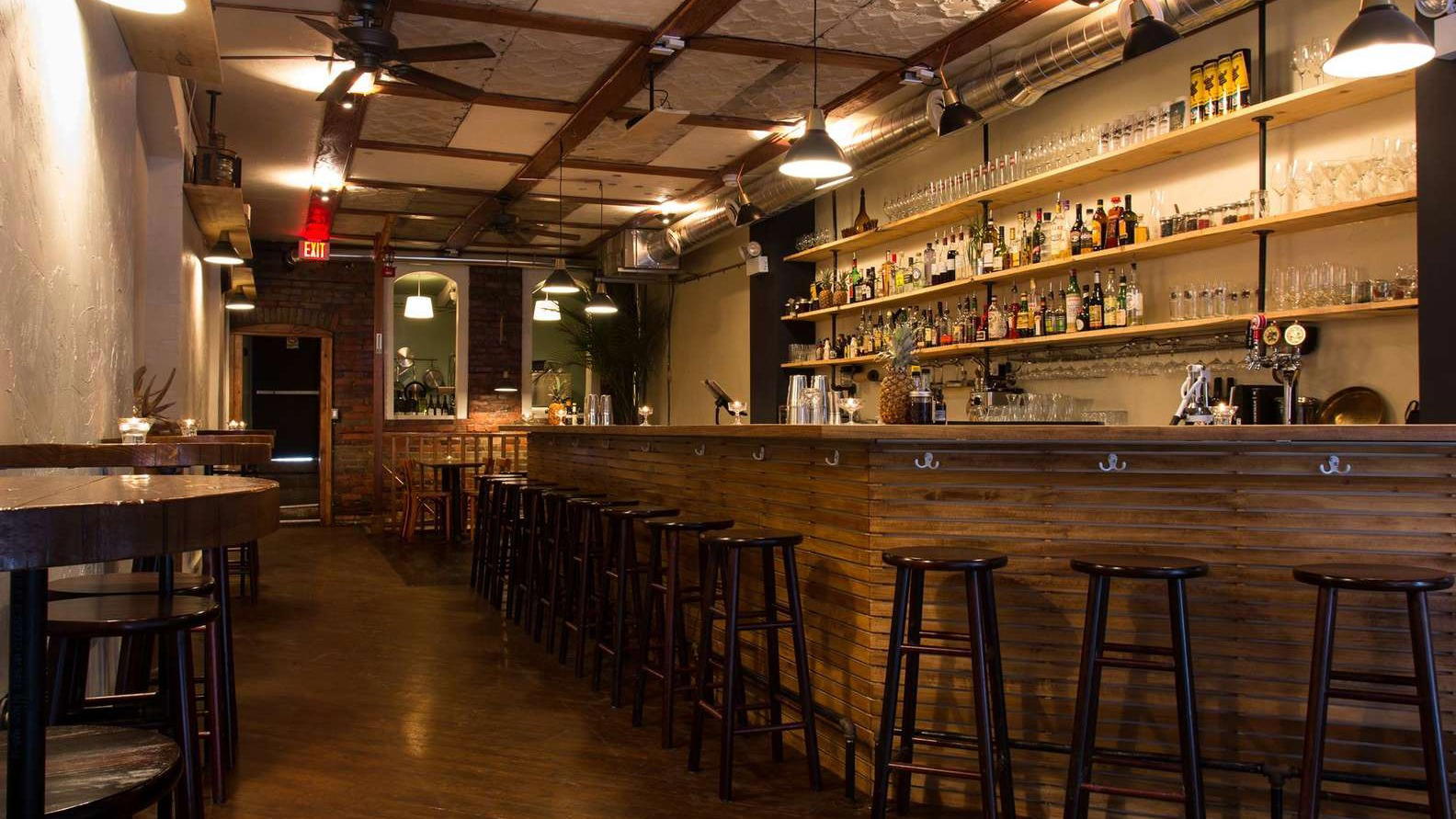
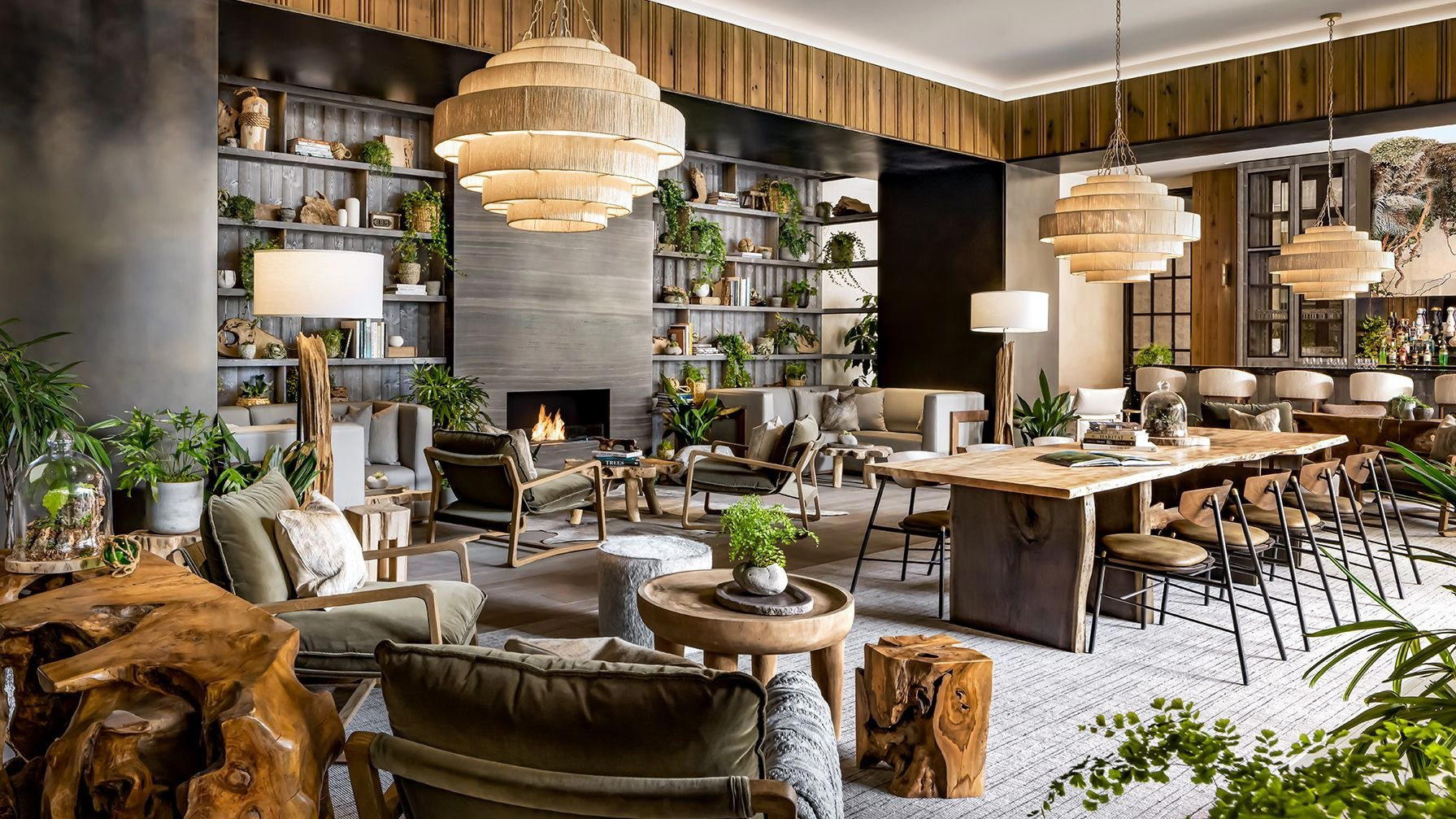
Warm and minimalist with white-oak finishes, teal banquettes, and visible dry-aging fridge; lively yet refined atmosphere with graceful tableside service creating a collective flow.