On East Georgia Street in Vancouver's Grandview-Woodland neighbourhood, Takenaka occupies a corner of the city's Japanese dining conversation that sits apart from the downtown omakase circuit. The address places it in a residential stretch where sourcing story and neighbourhood identity tend to carry more weight than formal credential. A considered option for those tracking where Vancouver's Japanese dining energy is moving.
Pearl is the En Primeur Club membership app — saves, bookings, and concierge access live there. Same editors, same standards.
- Address
- 1370 E Georgia St, Vancouver, BC V5L 2A8, Canada
- Phone
- +16048029982
- Website
- takenakavancouver.com
- Directions
- Get directions
 Saves & bookings on Pearl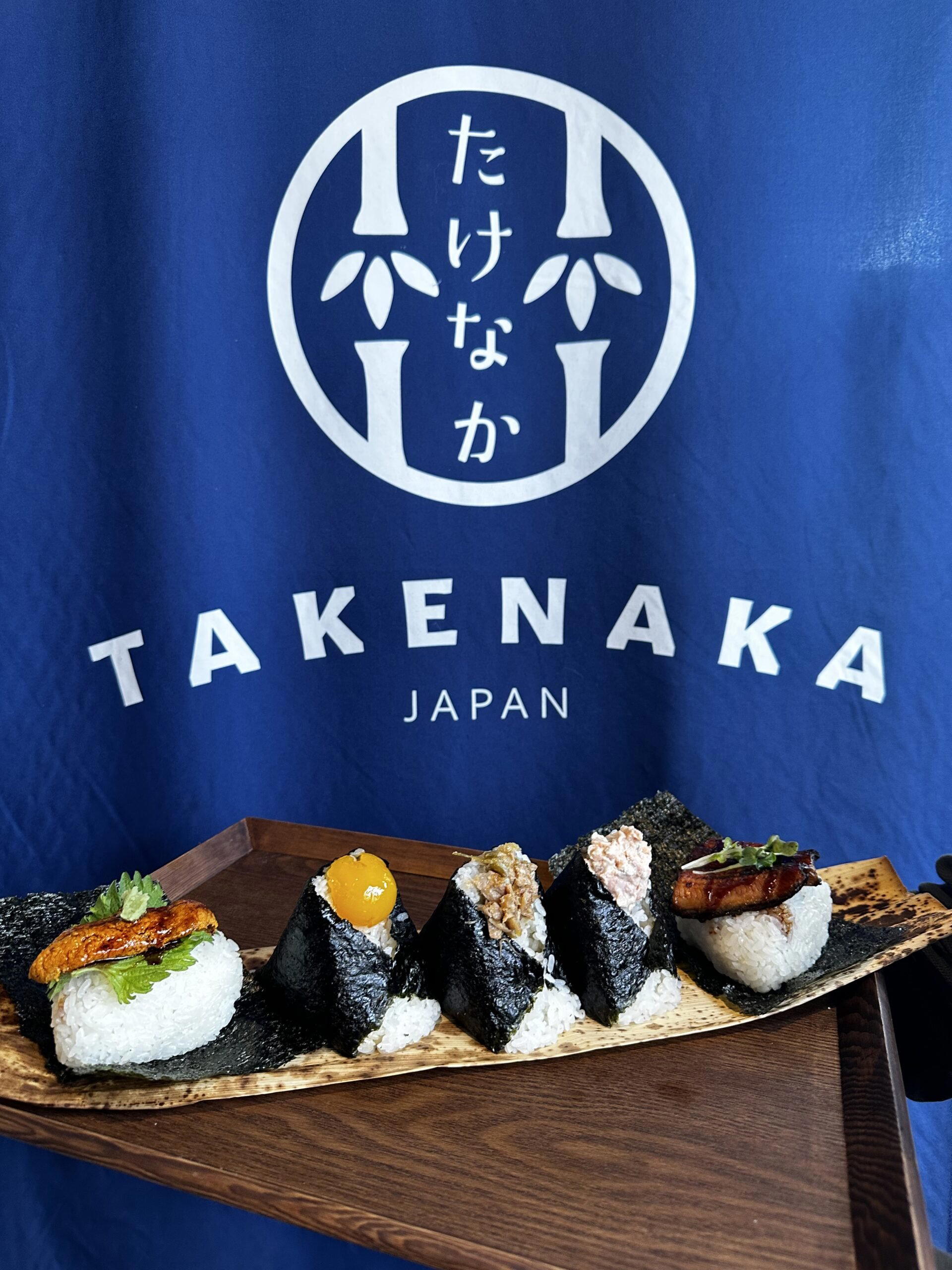
East of the Omakase Circuit
Vancouver's Japanese restaurant scene has developed along two largely separate axes over the past decade. The first runs through downtown and Yaletown, where counter-format omakase rooms compete on Michelin adjacency, imported fish program credentials, and booking queues measured in weeks. The second runs east, through neighbourhoods where the dining proposition tends to rest more on sourcing relationships, neighbourhood integration, and a less ceremonial relationship between kitchen and guest. Takenaka is a modern Japanese onigiri and uni bar at 1370 East Georgia Street in Grandview-Woodland, Vancouver, priced at about $25 per person.
East Georgia is a working residential corridor, not a dining destination in the conventional sense. That geography is itself a signal. Restaurants that plant themselves in blocks like this one are typically making a bet on repeat local custom and word-of-mouth rather than tourist foot traffic or proximity to hotel concierge desks. The physical approach reflects that: no marquee frontage, no velvet-rope adjacency. The building sits in a stretch of the street where the neighbourhood still reads as neighbourhood rather than amenity zone.
Where the Ingredients Come From, and Why That Question Matters
Japanese cuisine in North America has long operated under a particular tension: the tradition demands specific ingredients, many of which are geographically tied to Japan, while the leading contemporary practitioners have learned to read their local environment rather than simply import around it. British Columbia is unusually well-positioned for this negotiation. Pacific salmon, Dungeness crab, local sea urchin from the waters around Haida Gwaii and the Gulf Islands, foraged mushrooms from the Coast Mountains watershed, and kelp varieties harvested along the BC coast all sit within reach of a kitchen willing to build sourcing relationships outside the standard wholesale network.
This matters for how you read a Japanese restaurant on East Georgia Street differently from one in, say, a downtown tower. Venues in higher-traffic, higher-rent positions tend to orient their sourcing toward the proven and the prestigious, because their clientele often arrives with specific expectations. Neighbourhood Japanese restaurants, particularly those operating in Vancouver's eastern residential belt, have more latitude to work with hyper-local product and to evolve their sourcing seasonally without disrupting a fixed narrative. The trade-off is that this story is harder to tell at volume.
Across the broader Canadian restaurant conversation, the sourcing-forward model has gained significant traction. In Ontario, Eigensinn Farm in Singhampton and Restaurant Pearl Morissette in Lincoln have built their identities almost entirely around supply chain control. In Quebec, Tanière³ in Quebec City and Narval in Rimouski have done similar work with northern terroir. Vancouver's Japanese dining community is having its own version of that conversation, just framed through a different culinary vocabulary.
Placing Takenaka in Vancouver's Japanese Dining Tier
To understand where Takenaka sits, it helps to map the comparable set. At the formal end of Vancouver's Japanese dining tier, Masayoshi represents the counter-omakase model with the kind of precision and imported product lineage that puts it in direct conversation with upper-tier counters in Tokyo and New York. At the fusion-inflected middle, Kissa Tanto blends Japanese and Italian sensibilities in a Chinatown room that draws significant critical attention. Both of those venues operate within the downtown-adjacent dining economy.
Takenaka occupies a different position east of that circuit, in a neighbourhood where the relationship between kitchen and regular customer tends to be more direct. That positioning is not a consolation category. In cities like Tokyo, particularly technically serious cooking happens in residential neighbourhoods precisely because the economics allow for longer relationships with both suppliers and guests. Vancouver is not Tokyo, but the principle applies.
For comparison, the contemporary-leaning end of Vancouver's premium dining tier includes AnnaLena and Barbara, both operating at the $$$$ price point in a format that prioritises ingredient provenance and seasonal adjustment. iDen and QuanJuDe Beijing Duck House represents the Chinese fine dining bracket. Takenaka's Japanese focus positions it alongside Masayoshi in category, though the neighbourhood context and apparent format suggest a different competitive register.
How This Fits in the Broader Vancouver Dining Picture
| Venue | Cuisine | Price Tier | Format / Context |
|---|---|---|---|
| Takenaka | Japanese | Not confirmed | East Vancouver neighbourhood; residential address |
| Masayoshi | Japanese | $$$$ | Downtown-adjacent; counter omakase format |
| Kissa Tanto | Fusion (Japanese/Italian) | $$$$ | Chinatown; critically recognised; reservation-forward |
| AnnaLena | Contemporary | $$$$ | Kitsilano; ingredient-led; strong local following |
| Barbara | Contemporary | $$$$ | Downtown; wine-forward; reservation-heavy |
Internationally, the conversation about where serious Japanese cooking happens outside Japan is worth tracking through venues like Atomix in New York City, which has reframed Korean fine dining in a way that illuminates what similar ambition looks like when expressed through a different national culinary vocabulary, and Le Bernardin in New York City, which for decades has modelled what it means to source marine product at the level of serious culinary intention.
Elsewhere in Canada, Alo in Toronto, Jérôme Ferrer's Europea in Montreal, and destinations like Aux Anciens Canadiens in Quebec, The Pine in Creemore, and Barra Fion in Burlington all demonstrate that Canadian dining's most interesting work is often happening at addresses that require a deliberate detour. Takenaka fits that pattern. Bearspaw Golf Club in Calgary represents a different kind of deliberate detour, where destination dining is anchored by setting rather than neighbourhood integration.
Planning Your Visit
Takenaka's address at 1370 East Georgia Street places it in Grandview-Woodland. The restaurant is recommended for reservations and is open Monday through Friday from 8 AM to 2:30 PM, and Saturday and Sunday from 8 AM to 8 PM.
Comparable Spots, Quickly
Comparable venues nearby, for context on price, style, and recognition.
| Venue | Cuisine | Price | Notes |
|---|---|---|---|
| TakenakaThis venue — the venue you are viewing | Modern Japanese Onigiri and Uni Bar | $$ | Not listed |
| Guu with Garlic | Authentic Japanese Izakaya with Garlic Specialties | $$ | West End |
| Temaki Sushi | Modern Japanese Sushi | $$ | Kitsilano |
| Nonna's | Authentic Italian Street Food | $$ | Commercial |
| 55 Dunlevy Ave | Modern Canadian Gastropub | $$ | Strathcona |
| Röosh | Swiss-inspired Comfort Food | $$ | Gastown |
Continue exploring
More in Vancouver
Restaurants in Vancouver
Browse all →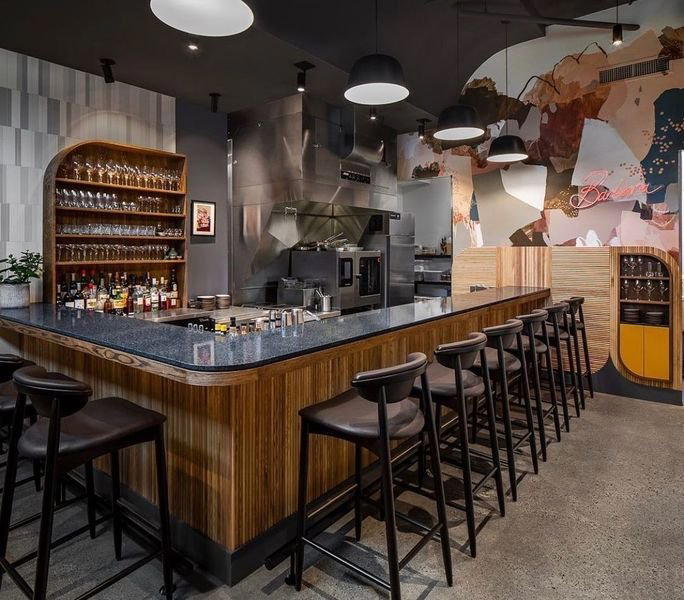
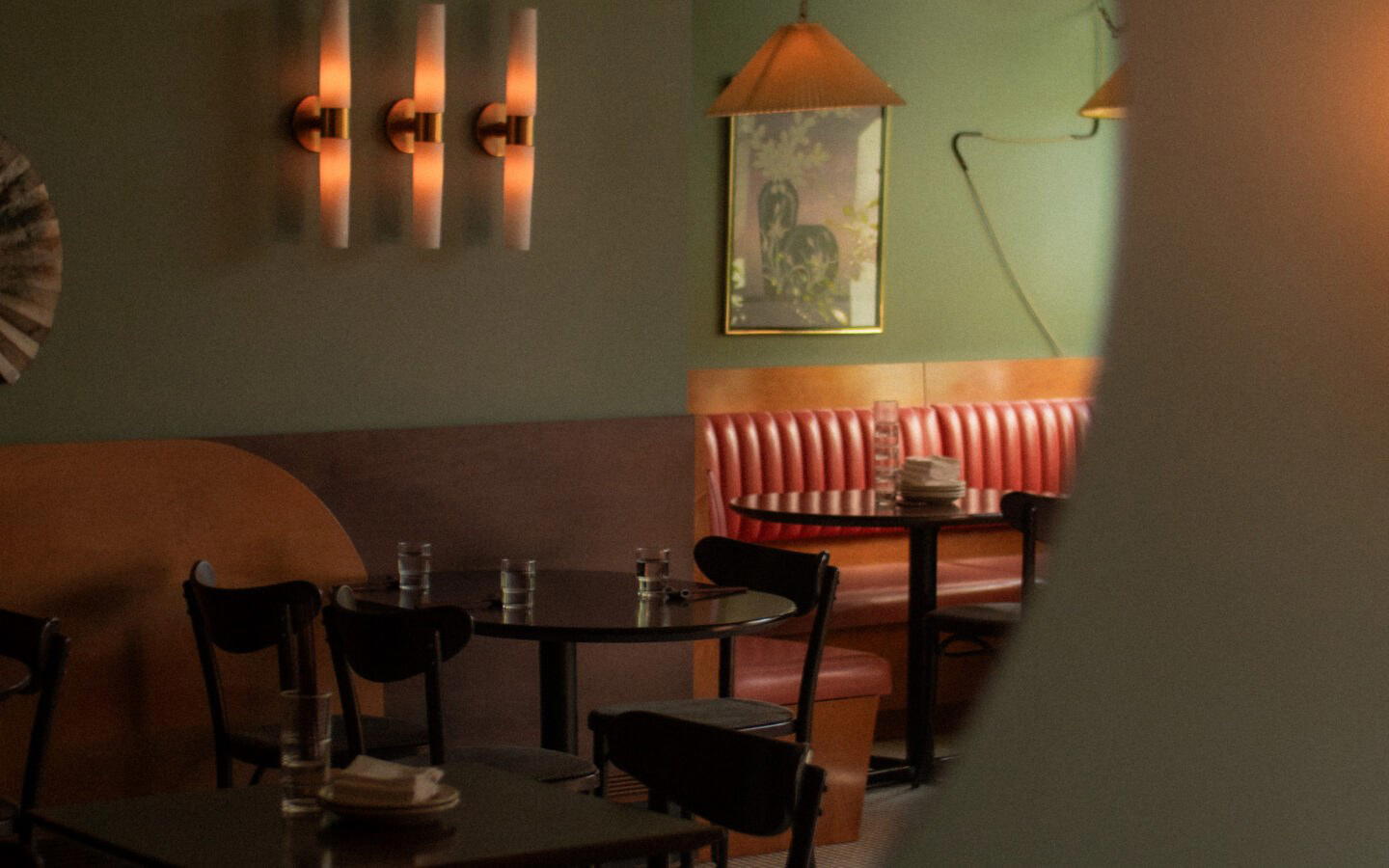
Bars in Vancouver
Browse all →
At a Glance
- Cozy
- Modern
- Casual
- Casual Hangout
- Date Night
- Open Kitchen
- Sake Program
- Local Sourcing
Current opening hours
- Monday
- 8 AM–2:30 PM
- Tuesday
- 8 AM–2:30 PM
- Wednesday
- 8 AM–2:30 PM
- Thursday
- 8 AM–2:30 PM
- Friday
- 8 AM–2:30 PM
- Saturday
- 8 AM–8 PM
- Sunday
- 8 AM–8 PM
Hours can change for holidays and private events. Last verified .
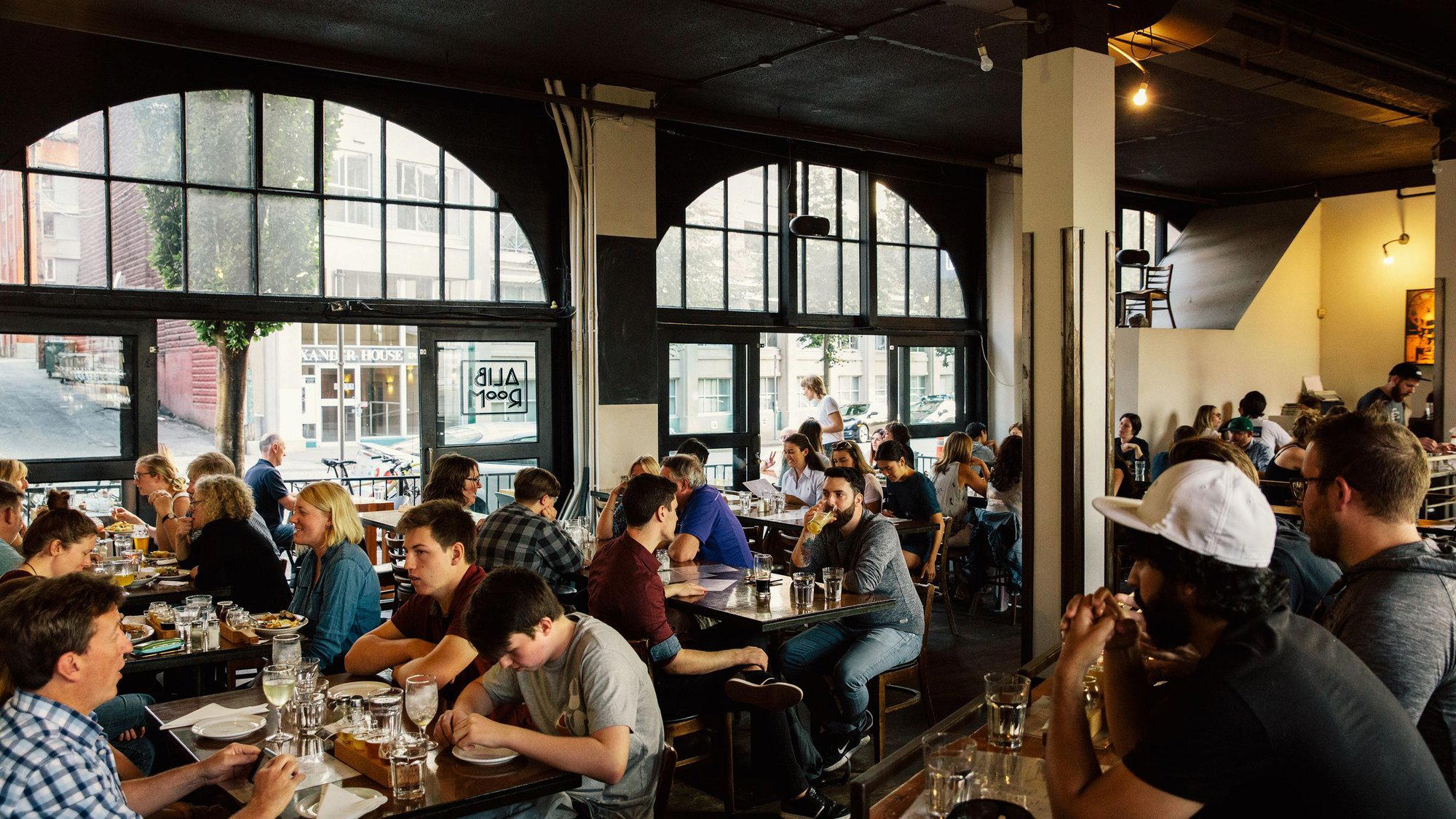
Cozy and welcoming casual atmosphere with a focus on fresh, flavorful Japanese comfort food.