Röosh occupies a Gastown address at 2 Water Street, placing it inside Vancouver's most historically layered dining district. With sparse venue data available, its position in the city's upper-tier contemporary scene invites comparison with neighbours like Kissa Tanto and Masayoshi. What the address signals, at minimum, is a location where the physical container and neighbourhood context do most of the framing.
- Address
- 2 Water St, Vancouver, BC V6B 0C4, Canada
- Phone
- +1 604 681 5411
- Directions
- Get directions
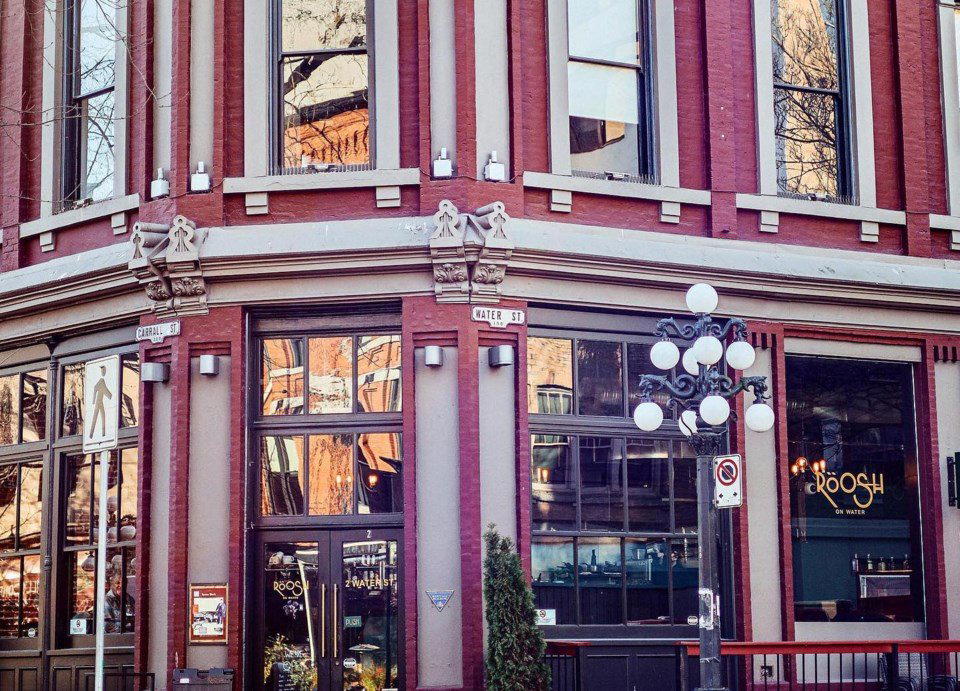
Gastown's Built Environment and What It Demands of Dining
Water Street is one of Vancouver's oldest commercial thoroughfares, a cobblestone stretch where mid-century brick warehouses and cast-iron facades set a tone that most dining rooms in newer parts of the city cannot replicate. The structural vocabulary of the neighbourhood — exposed timber, freight-scale windows, compressed ceilings that open unexpectedly into loft volumes — shapes what a restaurant can and should feel like at street level. Röosh sits at 2 Water Street, a civic address that places it at the eastern anchor of Gastown's primary restaurant corridor, where the neighbourhood transitions from tourist-facing steam-clock territory toward the denser, more local block pattern near Carrall Street.
In cities with strong architectural bones, the leading dining rooms tend to work with the existing structure rather than against it. Gastown has produced several examples of this approach: rooms where the raw material of the building does the atmospheric work, and the furniture, lighting, and service layer on leading without overwhelming the frame. That discipline is harder to maintain than it sounds. The instinct in premium dining is often to fill space, to signal investment through surface and ornament. The rooms that age well in Gastown are typically the ones that resist that instinct.
The Address in Context: Gastown's Premium Dining Tier
Vancouver's serious dining scene has historically concentrated in a few corridors: Cambie Village, Main Street, and the West End have their clusters, but Gastown carries a specific weight as the city's oldest urban core. Both operate at the $$$$ price tier, which in Vancouver's current market reflects tasting-menu formats or high per-cover averages at à la carte.
The competitive implications depend heavily on format and cuisine type, neither of which the available record specifies. What the address does confirm is a choice to operate inside one of Vancouver's most scrutinised dining corridors, where foot traffic brings both casual browsers and deliberate diners, and where the physical room is visible from the street in a way that rooftop or interior-courtyard venues are not.
Further afield in the Vancouver contemporary scene, rooms like AnnaLena and Barbara operate at the same price tier with distinct editorial identities. AnnaLena's Kitsilano positioning and Barbara's tighter, more ingredient-focused format show how differently two rooms at the same price point can construct their offer. The Gastown address for Röosh implies a different set of ambient pressures: a neighbourhood with more evening foot traffic, stronger tourist adjacency, and a built environment that carries its own narrative weight.
What the Physical Container Signals
In premium dining, the design and seating arrangement of a room communicate something before a single dish arrives. The question of how many covers a room holds, how those covers are distributed between bar, banquette, and open table, and how the kitchen is positioned relative to the dining space all shape what kind of experience the operator intends. High-volume rooms optimise for turnover; low-capacity rooms optimise for attention per cover. Gastown's building stock tends to reward the latter approach, because the square footage available in heritage-listed ground-floor retail units rarely supports large banquet-style covers without a sacrifice in proportion.
Rooms that work at 40 to 60 covers in heritage buildings typically achieve a particular quality of ambient sound, which is a more significant factor in fine dining than most pre-booking research captures. The acoustic properties of exposed brick and timber are different from those of poured concrete or drywall, and the better Gastown rooms use that difference rather than engineering it away.
Across Canada, some of the most formally committed dining rooms are those built inside pre-existing structures with strong character. Tanière³ in Quebec City and Eigensinn Farm in Singhampton both demonstrate how the physical container can function as a primary ingredient in the experience. Fogo Island Inn's dining room in Joe Batt's Arm takes this further, where the architecture and landscape are inseparable from what arrives on the plate. Gastown operates at a different scale and within an urban context, but the principle that the room shapes the meal applies as consistently on Water Street as it does anywhere.
Where Röosh Sits in the Broader Western Canada Picture
Vancouver's dining identity within Canada occupies a specific position: Pacific-facing, ingredient-driven, and influenced by one of the country's largest Asian diaspora communities. That last factor is visible in how the city's premium tier handles product sourcing, technique, and reference points. iDen & QuanJuDe Beijing Duck House represents one expression of that identity at the $$$$ tier, where Chinese culinary tradition operates at a price point and formality level more common in Hong Kong or Beijing than in most North American cities. Masayoshi represents another, where Japanese technique is the primary frame.
Contemporary rooms that do not anchor to a single national cuisine tradition tend to position themselves through sourcing provenance, tasting-menu format, or a named-chef credential. Alo in Toronto and Restaurant Pearl Morissette in Lincoln both show how a commitment to a defined methodology, whether wine-driven or technique-driven, creates a legible identity even without a cuisine-category shorthand. For rooms in Gastown operating at the premium tier, legibility of that kind is competitive infrastructure. The neighbourhood rewards clarity of concept because the density of adjacent options means that ambiguity about what a room is doing tends to resolve in favour of the clearer competitor down the street.
For a broader orientation to Vancouver's dining scene and how Röosh fits within the city's current restaurant generation, the EP Club Vancouver guide provides the full editorial map. Comparable premium rooms across British Columbia and the wider Pacific coast, including Cafe Brio in Victoria, and internationally referenced peers like Le Bernardin in New York City and Lazy Bear in San Francisco, fill out the context for where Gastown's better rooms sit relative to the North American premium tier.
Know Before You Go
Address: 2 Water Street, Vancouver, BC V6B 0C4, Canada
Neighbourhood: Gastown, Vancouver
Leading approach: Gastown is walkable from Waterfront Station (SkyTrain) and accessible by multiple bus routes along Hastings Street. Street parking on Water Street is metered and limited during evening service hours
Timing: Gastown's dining corridor is most active Thursday through Saturday evenings; earlier reservations on those nights tend to offer a quieter room in the first seating
Fast Comparison
| Venue | Cuisine | Price | Awards |
|---|---|---|---|
| RöoshThis venue — the venue you are viewing | This venue | Not listed | Not listed |
| AnnaLena | Contemporary | $$$$ | Michelin 1 Star |
| iDen & QuanJuDe Beijing Duck House | Chinese | $$$$ | Michelin 1 Star |
| Kissa Tanto | Fusion | $$$$ | Michelin 1 Star |
| Masayoshi | Japanese | $$$$ | Michelin 1 Star |
| Published on Main | Contemporary | $$$ | Michelin 1 Star |
Continue exploring
More in Vancouver
Restaurants in Vancouver
Browse all →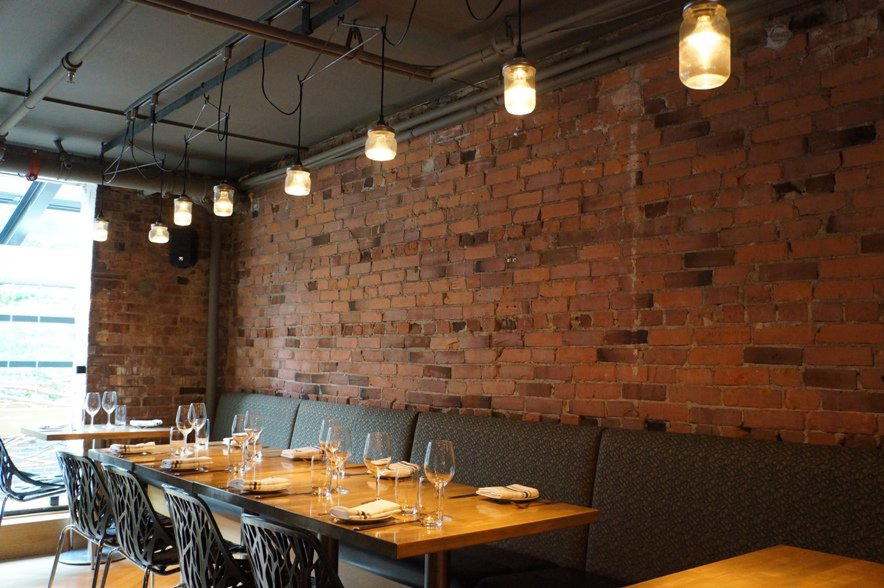
Bars in Vancouver
Browse all →
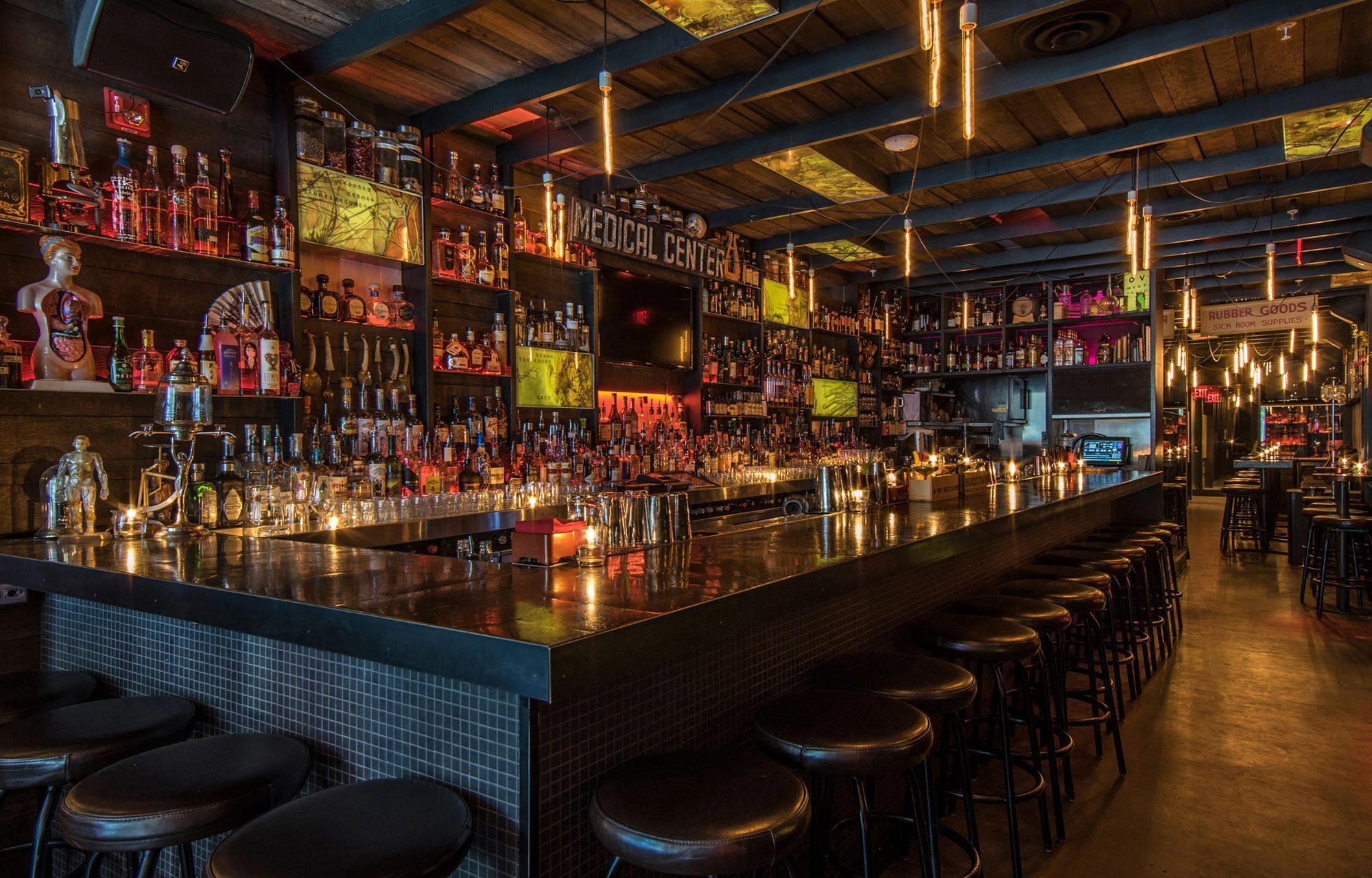
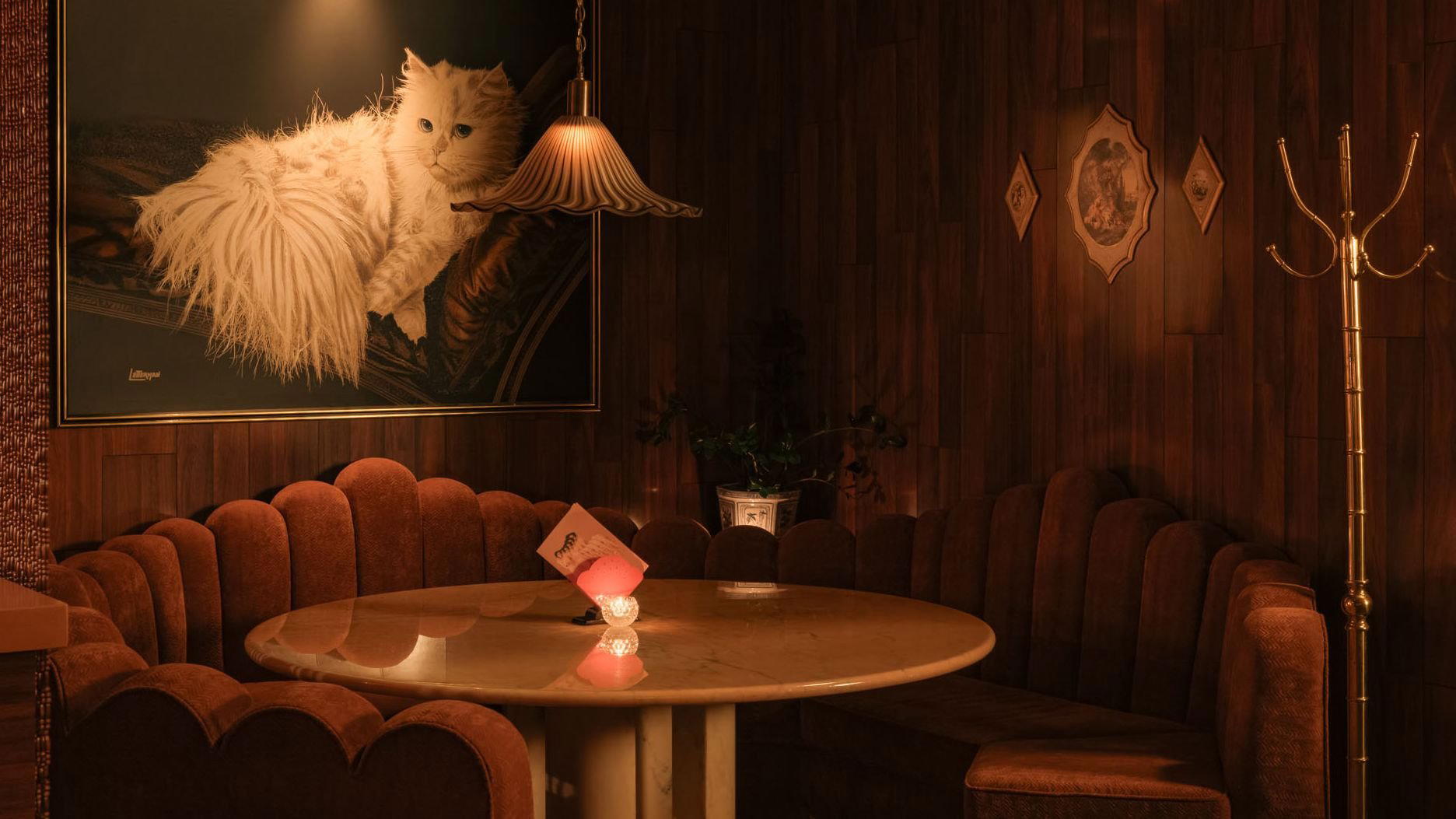
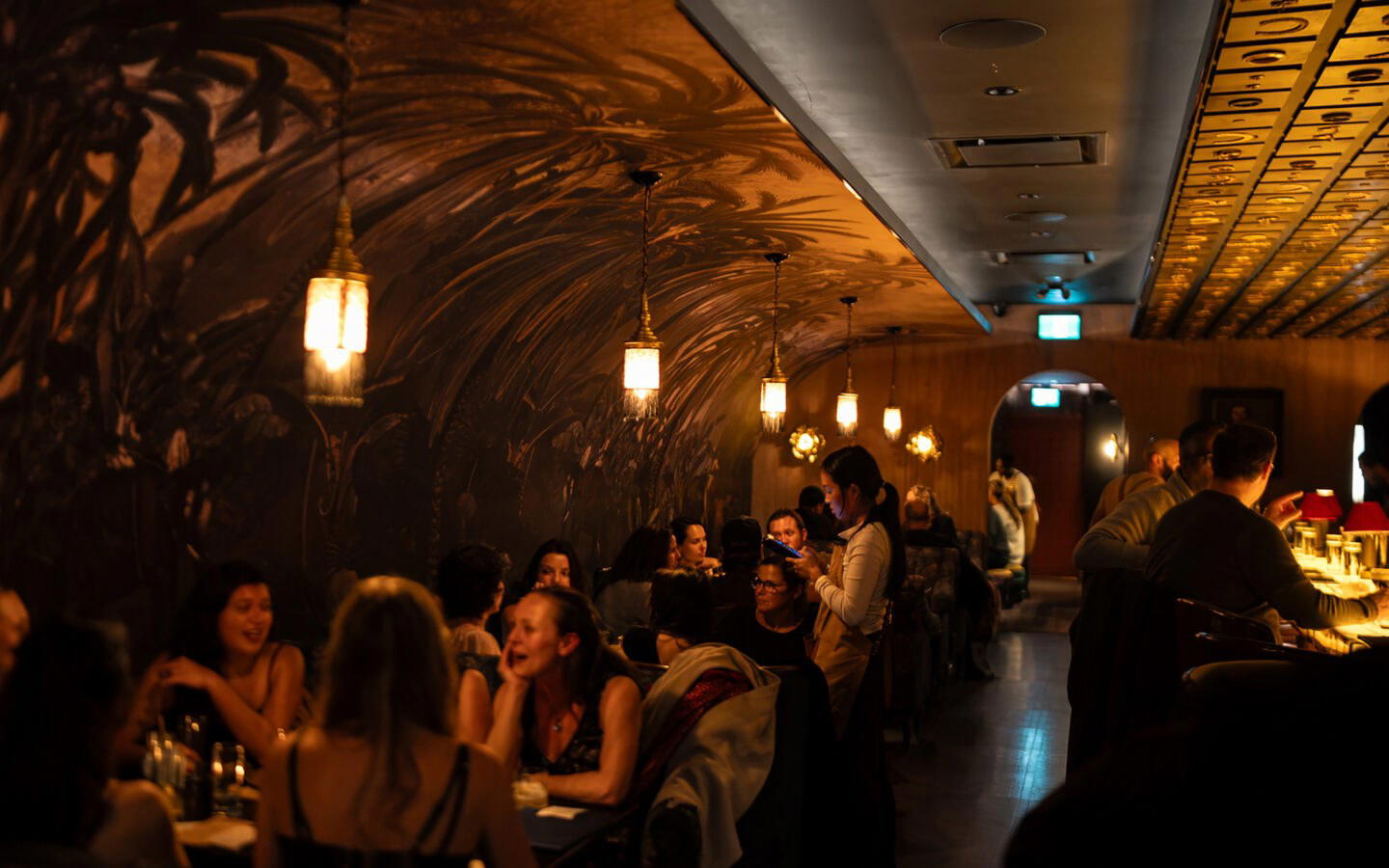
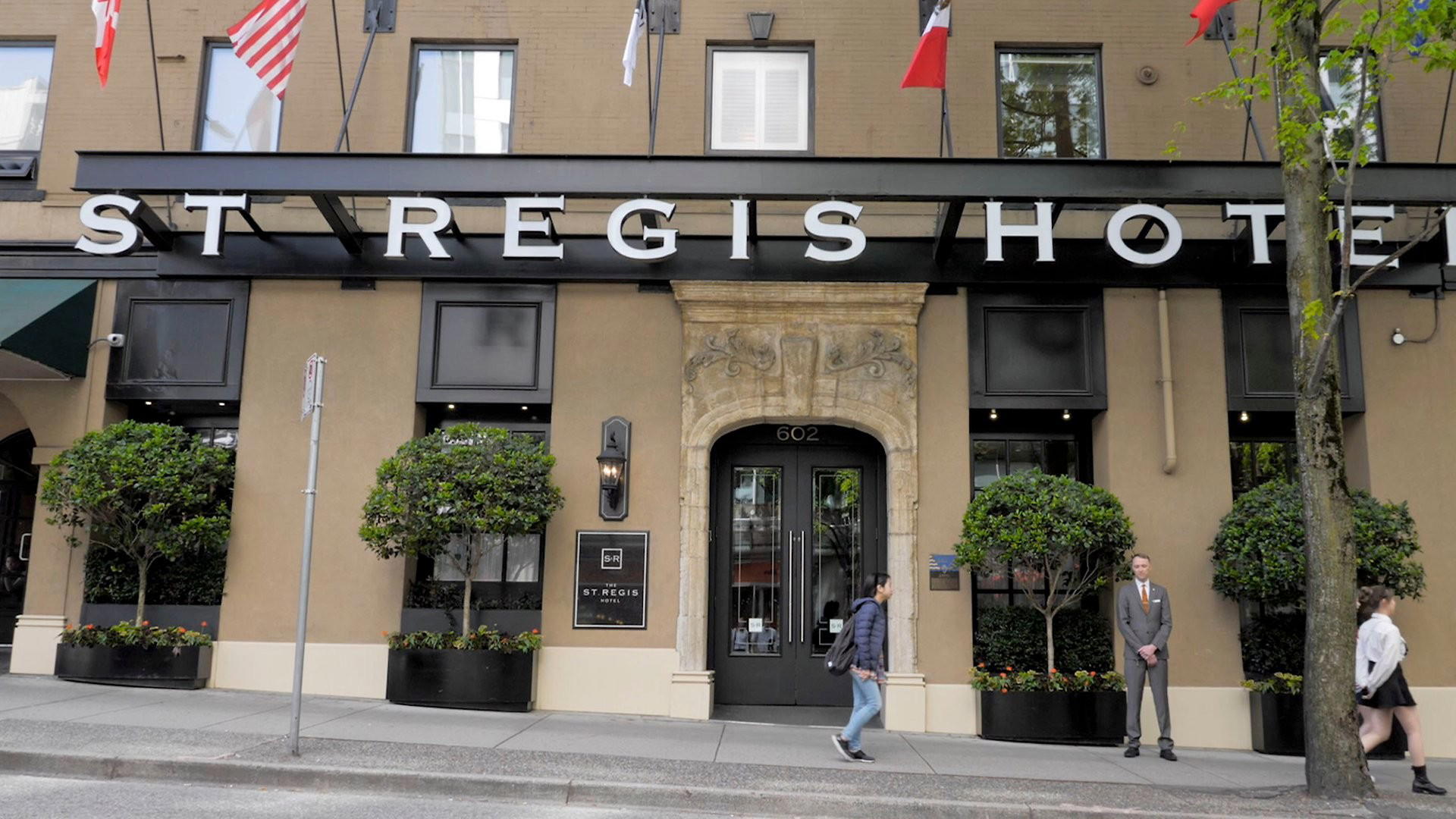
At a Glance
- Rustic
- Cozy
- Trendy
- Casual Hangout
- Date Night
- Historic Building
- Craft Cocktails
- Beer Program
- Local Sourcing
- Street Scene
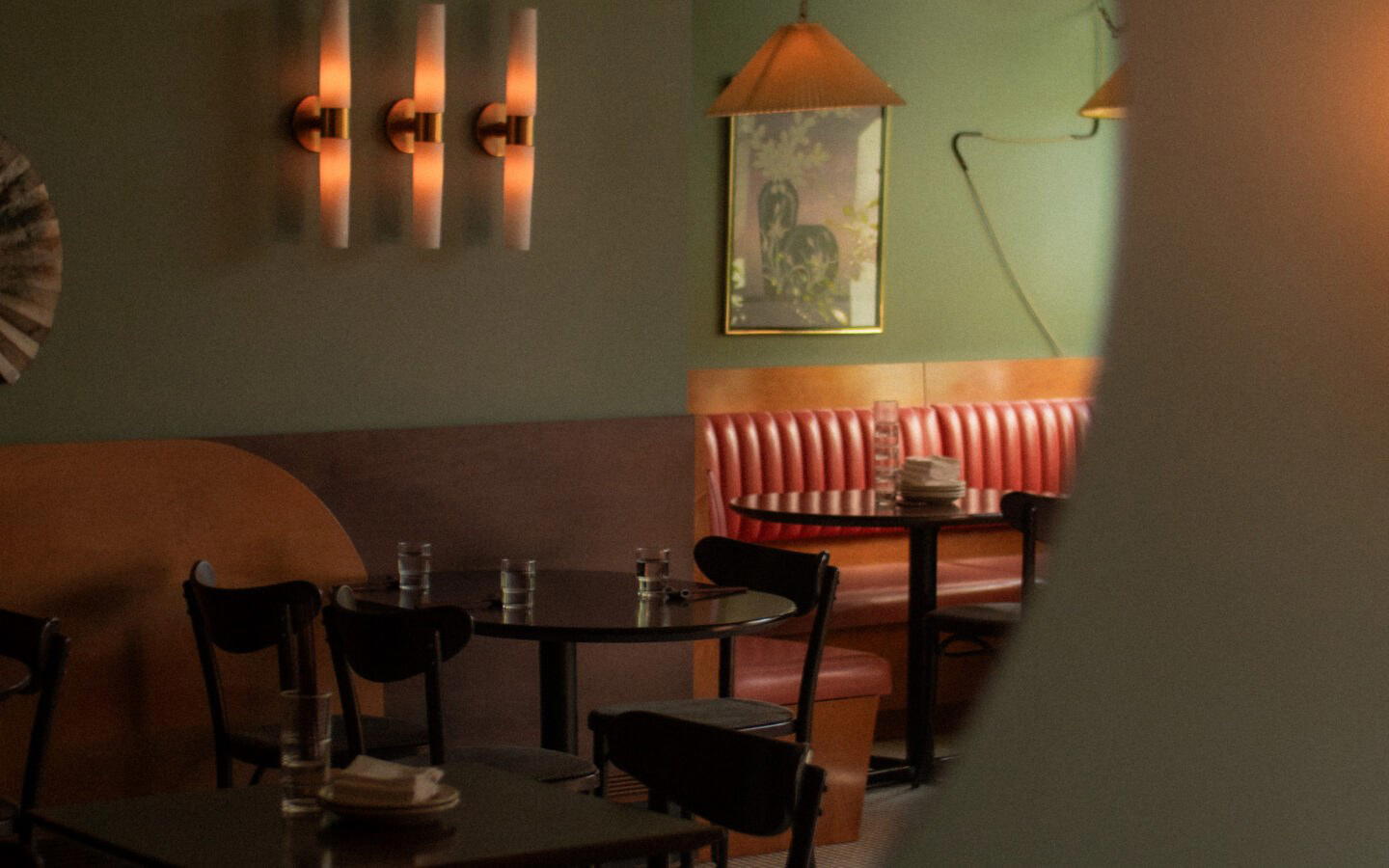
Rustic-yet-welcoming ambience in a retro-chic historic corner bar setting with outside tables.
Know Before You Go
- Getting there
- 2 Water St, Vancouver, BC V6B 0C4, Canada