Camel Burger Food Truck
Our verdict
A street-level food truck on King Fahd Road in Medina, Camel Burger brings an ingredient-forward proposition to a city where fast food typically defaults to imported formats. The draw here is the protein itself: camel meat, sourced from the Arabian Peninsula's most historically embedded livestock tradition, pressed into a burger format that sits squarely between local identity and contemporary casual dining.

Pearl is the En Primeur Club membership app — saves, bookings, and concierge access live there. Same editors, same standards.
- Address
- الملك فهد, Al Hadiqah، طريق اسماء بنت عمرو الطالع بعد بقالة المودة امام, Madinah Saudi Arabia
- Phone
- +966570896906
- Hours
- Daily 5 PM–4:30 AM
- Directions
- Get directions
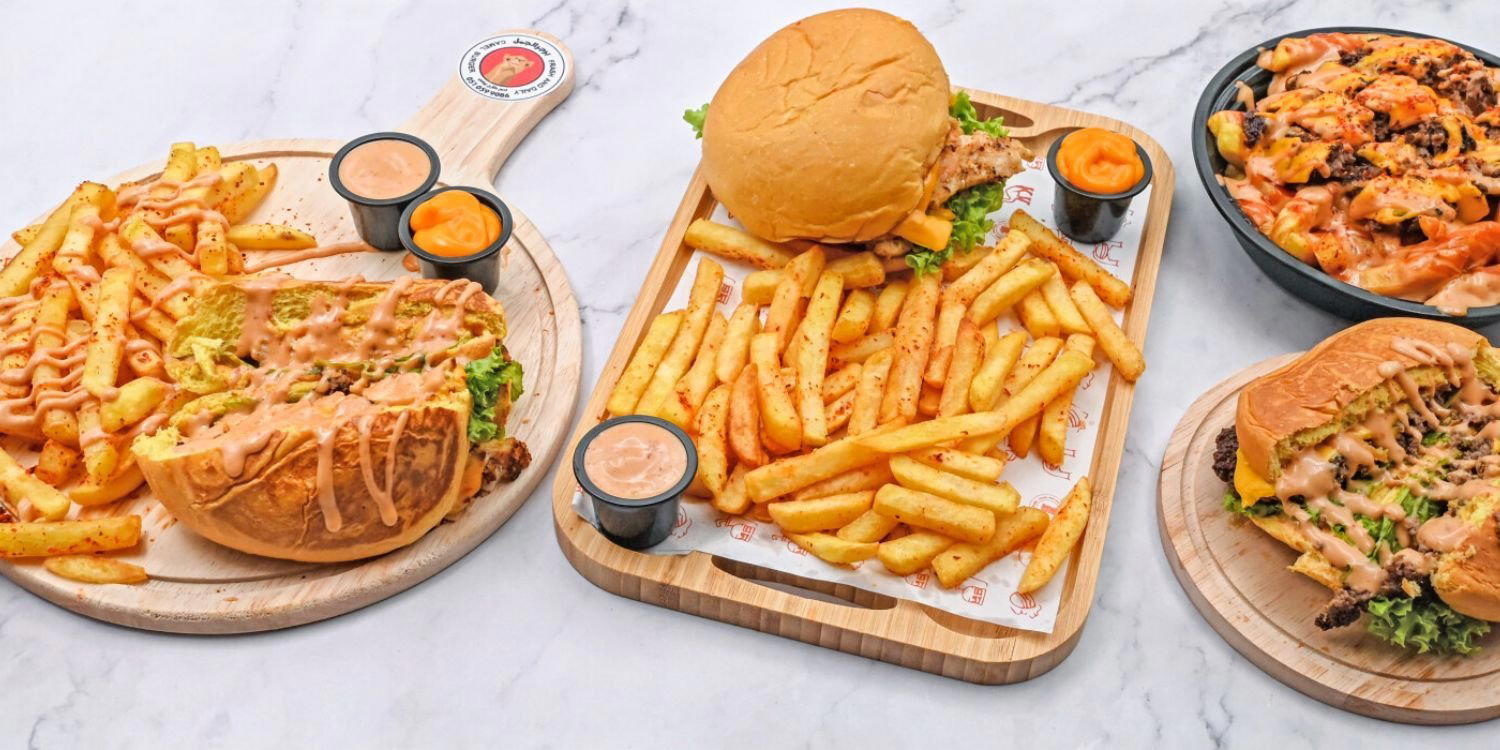
The menu
What to order
- Camel Burger
Where the Arabian Peninsula's Oldest Protein Meets the Burger Format
Medina's street food circuit is not the most documented on Saudi Arabia's dining map, but it is one of the more consequential. Millions of visitors pass through the city each year, most with limited time and an appetite shaped by the rhythms of pilgrimage rather than restaurant reservations. That creates a particular kind of food economy: fast, accessible, and in the better cases, rooted in something the region actually produces. Camel Burger Food Truck, positioned along King Fahd Road near Al Hadiqah, operates inside that economy with a specific ingredient proposition that separates it from the shawarma and fried chicken counters that dominate the same streets.
The ingredient at the center of the operation is camel meat, and that distinction carries more weight than novelty. Camelids have been bred across the Arabian Peninsula for over three thousand years, raised for transport, milk, and meat long before the region's food culture intersected with any imported format. In Saudi Arabia, camel remains embedded in ceremonial cooking and tribal hospitality, but it rarely appears in casual dining contexts. The food truck format changes that calculus, translating a culturally significant protein into something a visitor or resident can consume standing up, on a schedule, without ceremony.
The Sourcing Logic Behind Camel Meat in a Fast-Casual Context
Camel meat sits in a particular position within Arabian food sourcing. It is locally produced at scale, it requires no import chain, and its flavor profile reflects the semi-arid grazing conditions of the Hejaz and Najd regions. Animals typically graze on desert scrub, acacia, and saltbush, which produces a leaner, slightly gamey meat with lower fat content than beef. That leanness creates a technical challenge in burger form: camel patties require either careful fat management or blending to hold together and stay moist through cooking.
The broader trend across Saudi Arabia's emerging casual dining scene, visible in operations from Kuuru in Jeddah to Tama in AlUla, is a move toward sourcing that reflects regional identity rather than defaulting to the global supply chains that defined the Kingdom's food service industry for decades. Camel Burger's proposition fits that directional shift at the most accessible price point on the spectrum. Where Banyan Tree AlUla in Al Ula represents the premium end of ingredient-conscious regional dining, street-level operations like this one represent its democratic edge.
Saudi Arabia has invested significantly in livestock sector development under Vision 2030, with domestic camel breeding tied to both food security and cultural preservation goals. That policy context gives camel meat a degree of supply-chain reliability that other specialty proteins in the region lack. A food truck built around it is not operating on imported scarcity — it is drawing on one of the most deeply established agricultural traditions in the country.
The Setting: King Fahd Road and Medina's Fast Food Geography
The truck is located on King Fahd Road near a neighborhood grocery, in a commercial strip that reflects how Medina's food economy actually functions for the majority of its visitors. This is not the area around the Prophet's Mosque, where food options skew toward hotel dining rooms and multinational chains serving pilgrimage-season demand. King Fahd Road operates at a different register: a working arterial road where locals and longer-stay visitors eat on practical terms.
Finding the truck requires some navigation. The address references a point past a neighborhood grocery (Al Mawada), which suggests a spot embedded in local retail flow rather than tourist infrastructure. For visitors accustomed to the GPS-pinned precision of dining in cities like Riyadh or Jeddah, where operations like Lunch Room in Riyadh or yello in Ad Diriyah occupy well-marked commercial addresses, the approach to Camel Burger requires more patience. That is a reasonable trade given the specificity of what's on offer.
Food truck culture in Medina does not have the organized festival infrastructure that has developed in Riyadh or the Red Sea coastal cities. Trucks tend to be fixed-pitch operations tied to residential and commercial neighborhoods rather than rotating pop-up events. Camel Burger appears to operate on that model, functioning as a neighborhood fixture rather than a destination stop.
Camel Burger in the Context of Saudi Arabia's Casual Dining Evolution
Saudi Arabia's casual dining market has diversified considerably in the past five years. International formats still dominate by volume, but regional operators have moved into the casual tier with more confidence, particularly in cities outside Riyadh. Operations like Shawarmer (شاورمر) in Shaqra represent the franchise-scaled end of the local fast food category, while smaller single-site concepts occupy a different niche: less polished, more specific, and often more interesting as expressions of what a particular city or region actually eats.
Camel Burger sits in the latter camp. It does not have the brand architecture of a scalable chain, nor the critical recognition that attaches to award-tracked restaurants like Khayal Restaurant in Jeddah or technically ambitious operations like Takara in Khobar. What it has is a protein that almost no other casual operator in the city is working with, in a format accessible to anyone within a few riyals.
For context on how ingredient-led casual dining scales elsewhere, the contrast with fully realized fine-dining programs in other markets is instructive. Operations like Le Bernardin in New York City or Atomix in New York City demonstrate what happens when sourcing philosophy becomes the structuring principle of an entire restaurant. Camel Burger is not operating at that level, but the underlying instinct — build the menu around what the region actually produces, is the same.
For anyone eating across Saudi Arabia's wider restaurant spectrum, our full Medina restaurants guide maps the broader options available in the city, from pilgrimage-adjacent hotel dining to street-level spots like this one. Related casual formats across the Kingdom include kol restaurant in Jizan and بروست طازة in Ta If, both of which reflect how Saudi casual dining varies by region and local food culture.
Planning a Visit
No verified hours, phone number, or booking mechanism are listed for Camel Burger Food Truck, which is consistent with how most fixed-pitch street operations in Medina function: you show up, or you don't. The address on King Fahd Road near the Al Mawada grocery provides the leading navigational anchor available. Visiting during daytime hours is a reasonable default for food truck operations in this part of the city, though peak pilgrimage periods may affect both traffic patterns and the truck's operating schedule. Cash remains the dominant payment method at street food operations across Medina, and the format suggests pricing in the range typical of Saudi casual fast food rather than sit-down dining. No seating infrastructure should be assumed.
Frequently asked questions
Is Camel Burger Food Truck a family-friendly restaurant?
It is a food truck on King Fahd Road in Medina, which means access is open, the format is informal, and there is no table service or reservation requirement. Families visiting Medina who want a low-barrier, culturally specific meal will find the concept practical.
What kind of setting is Camel Burger Food Truck?
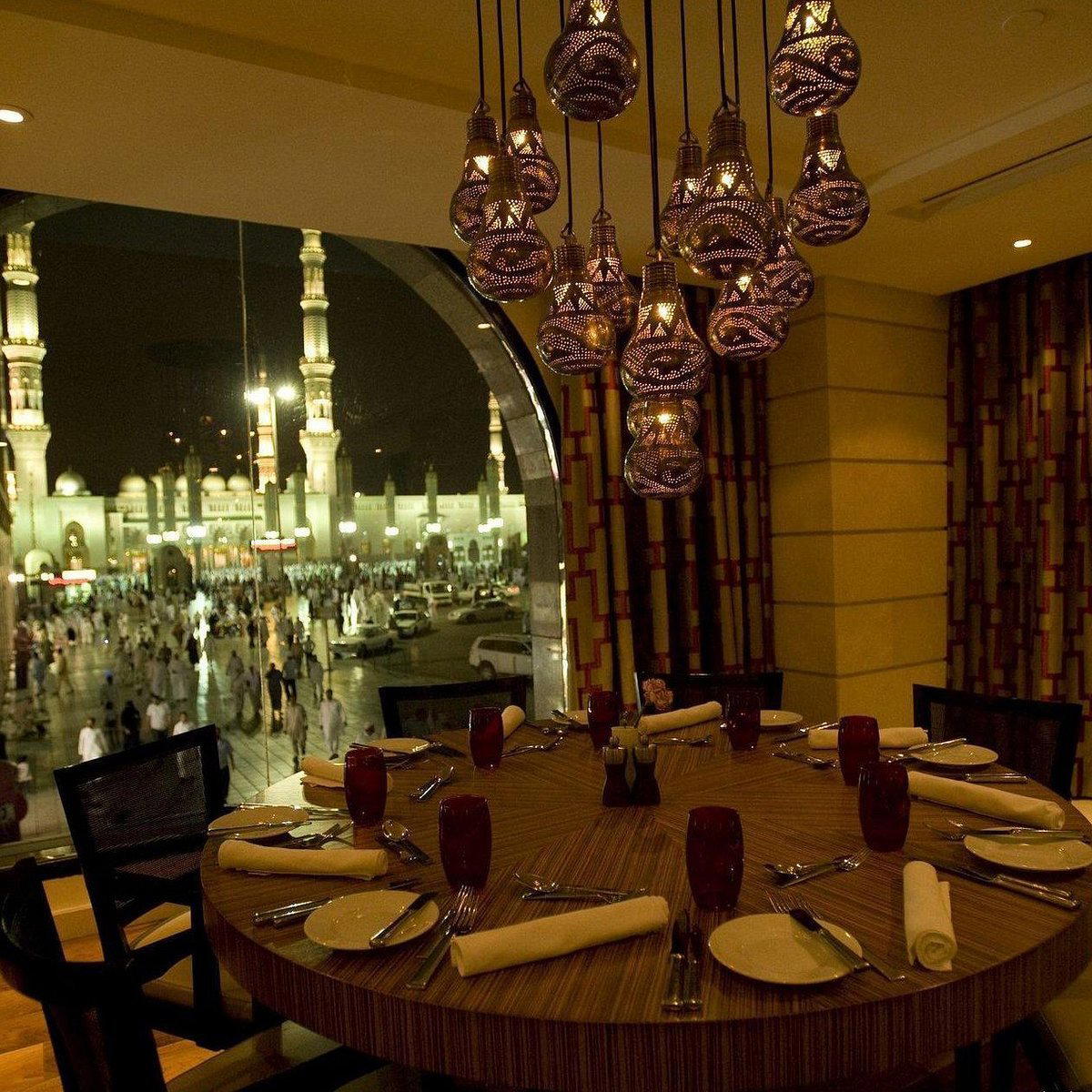
The operation runs from a fixed-pitch truck on King Fahd Road near a neighborhood grocery in Medina, placing it squarely within Saudi Arabia's street food economy rather than its restaurant sector. Expect a standing or takeaway format with no table service. The surrounding commercial strip reflects how everyday food purchasing works in this part of the city rather than a destination dining corridor.
Why is camel meat used in a burger format unusual in Saudi Arabia?
Camel meat is well established in traditional Saudi cooking, particularly for ceremonial occasions and tribal hospitality, but applying it to a fast-casual burger format remains a minority approach in the country's casual dining market. Most operators working with camel meat do so in grilled or slow-cooked preparations rather than burger assemblies. Camel Burger Food Truck in Medina is one of the few operations in the city to build its entire identity around that format shift.
What's the signature dish at Camel Burger Food Truck?
The truck's concept centers on camel meat burgers, applying a fast-casual burger format to one of the Arabian Peninsula's most historically significant proteins. Camel meat has deep roots in Saudi food culture but is rare in this particular casual format, which is what distinguishes this operation from generic burger trucks.
Where exactly is Camel Burger Food Truck?
Camel Burger Food Truck is located at الملك فهد, Al Hadiqah، طريق اسماء بنت عمرو الطالع بعد بقالة المودة امام, Madinah Saudi Arabia, Medina.
How It Stacks Up
| Venue | Cuisine | Price | Awards |
|---|---|---|---|
| Camel Burger Food TruckThis venue — the venue you are viewing | Camel Burgers | $10–20 | Not listed |
| تكية - TAKYA | Saudi Arabian | Not listed | Not listed |
| Kuuru | Nikkei (Japanese-Peruvian Fusion) | Not listed | Michelin Plate · World's 50 Best #6 |
| Lunch Room | Innovative Arabian Brunch | $30–50 | World's 50 Best #31 |
| Marble | American Steakhouse | $150–200 | World's 50 Best #12 |
| Aseeb | Authentic Najdi Cuisine | $30–50 | Michelin Plate · World's 50 Best #39 |

Details
- Casual Hangout
- Standalone
- A La Carte
- Halal
Current opening hours
- Monday
- 5 PM–4:30 AM
- Tuesday
- 5 PM–4:30 AM
- Wednesday
- 5 PM–4:30 AM
- Thursday
- 5 PM–4:30 AM
- Friday
- 5 PM–4:30 AM
- Saturday
- 5 PM–4:30 AM
- Sunday
- 5 PM–4:30 AM
Hours can change for holidays and private events. Last verified .
Casual street food atmosphere from a mobile truck.