Jun

Jun brings a decade-plus of Japanese culinary training back to Hsinchu, translating it into a menu that pairs Japanese technique with local ingredients and considered creative touches. Champion rice from Taitung cooked in Mt Fuji spring water, salt-cured grilled fish seasoned with dried salmon roe, and a koya tofu dessert mark a kitchen operating well above its neighbourhood profile. For Hsinchu diners, it occupies a clear tier of its own.
Pearl is the En Primeur Club membership app — saves, bookings, and concierge access live there. Same editors, same standards.
- Address
- 148, Section 1, Tiedao Road, East District
- Phone
- +886 965 606 582
- Directions
- Get directions
 Saves & bookings on Pearl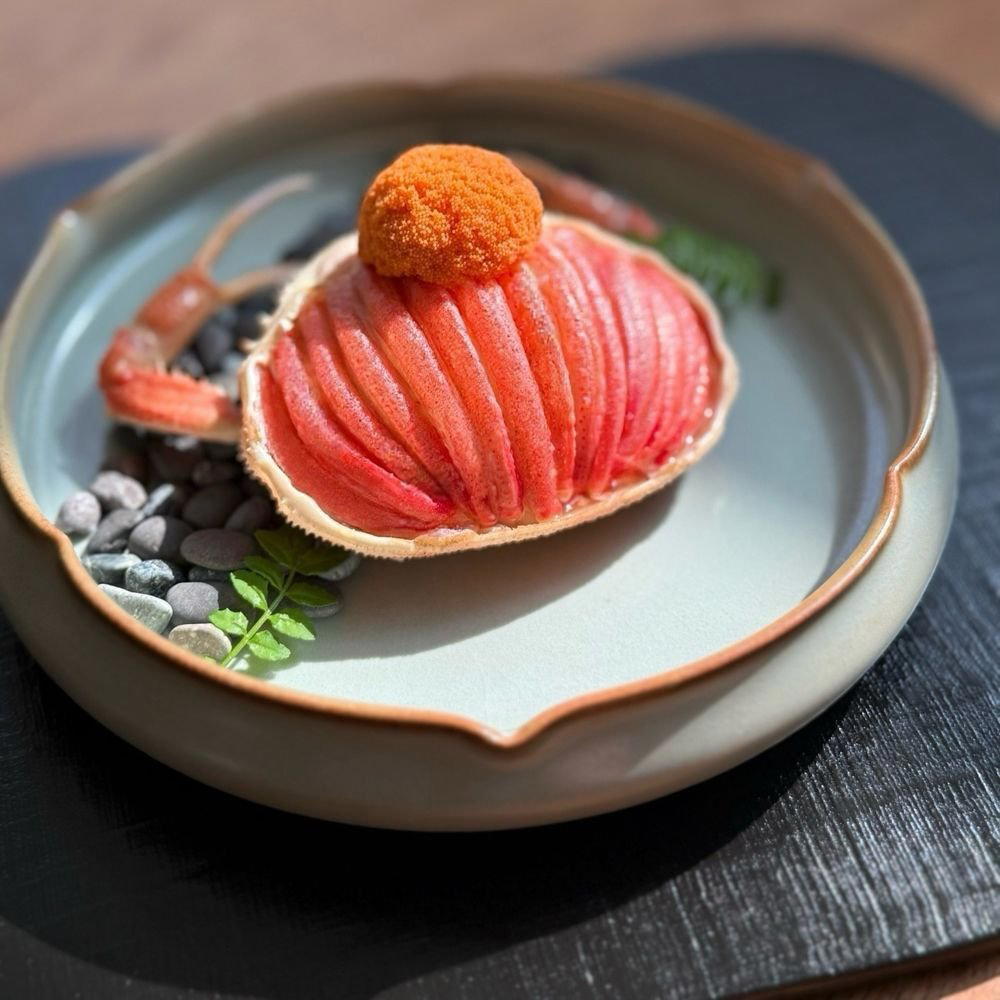
Where Japanese Technique Meets a Taiwanese Homecoming
Tiedao Road in Hsinchu's East District is not the kind of address that draws visitors from Taipei for dinner. The street runs through a working part of the city, practical and unhurried, more concerned with daily commerce than restaurant theatre. Jun sits at number 148 along Section 1, and arriving there on a quiet evening, the contrast between the setting and what the kitchen produces is part of the point.
The Menu as a Dialogue Between Japan and Taiwan
The kitchen's orientation is Japanese, shaped by more than ten years of experience working in Japan and across Taiwan before the chef returned to Hsinchu to open the restaurant. That biographical fact matters less as a narrative than as a calibration point: the technical foundation here is Japanese, but the application is not imitative. Jun does not replicate a Tokyo omakase format or shadow a kaiseki template. It uses Japanese methods as a grammar and then writes its own sentences.
The grilled fish course demonstrates this well. The seasoning is salt, but salt combined with dried salmon roe, which dissolves into the flesh and adds an umami register that direct mineral salt cannot reach. The technique is precise and the effect is cumulative rather than immediate, the kind of result that comes from understanding how fermented and cured elements interact with heat and protein. It reads as Japanese in its restraint and as something specific to this kitchen in its particular solution.
The rice course is equally considered. Champion rice from Taitung, one of Taiwan's most respected rice-growing regions, is cooked in spring water sourced from Mt Fuji. The choice of water is not purely symbolic: mineral content affects the gelatinisation of starch during cooking, and soft, low-mineral water from Fuji produces a cleaner, more delicate grain texture than harder municipal water. Cooking in a donabe, a traditional Japanese clay pot, controls heat distribution in a way that maintains moisture without creating steam-pressure softening. The result is rice that functions as a dish rather than a backdrop, which is a meaningful distinction in Japanese-influenced cooking where grain quality is a direct editorial statement from the kitchen.
Dessert, koya tofu mousse with toffee sauce and strawberries and pistachios, closes the menu on a register that is neither traditionally Japanese nor conventionally Western. Koya tofu, freeze-dried tofu with a porous, absorbent texture, is a Japanese pantry staple rarely seen in dessert formats. Its neutral, slightly mineral character absorbs the toffee without losing its own structural identity. The addition of strawberries and pistachios introduces colour and crunch in a way that signals a kitchen willing to work across reference points without losing coherence.
Service, Setting, and the Team Behind the Room
In small restaurants operating at this level of ambition, the dynamic between kitchen, floor, and guest shapes the experience as much as any single dish. Jun's format, given its neighbourhood context and the profile of a chef-driven restaurant returning to a hometown base, suggests a tight operation where front-of-house knowledge extends to ingredient sourcing and technique. That is the model that works in this tier: not formal service choreography, but informed conversation about what is being served and why.
The city draws a technology-sector professional class through TSMC and its supply chain, and that demographic supports a local dining culture more sophisticated than the city's culinary profile would suggest to an outside observer. Jun is a direct beneficiary of that dynamic, operating in a city where a knowledgeable regular clientele sustains serious cooking without requiring the external validation of a major awards cycle. For comparison with how that dynamic plays out elsewhere in Taiwan, GEN in Kaohsiung and Zhu Xin Ju in Tainan both operate in secondary cities with similar patterns of local expertise sustaining high-craft kitchens.
Hsinchu's broader dining scene covers significant range. For traditional Taiwanese eating, Dongmen Rice Noodle Soup and Hai Kou Guabao represent the city's street-food lineage. Chang Chang Kitchen and Garden.V occupy different registers in the mid-market tier, while Cat House adds further variety to the neighbourhood dining circuit.
Planning Your Visit
Jun sits at 148, Section 1, Tiedao Road, East District, Hsinchu City. Reservations are recommended.
Cuisine and Recognition
Comparable venues nearby, for context on price, style, and recognition.
| Venue | Cuisine | Price | Awards | Notes |
|---|---|---|---|---|
| JunThis venue — the venue you are viewing | Modern Japanese | $$$ | Michelin Plate | Not listed |
| 皿富器食 | Modern Taiwanese Fine Dining | $$$ | Not listed | East District |
| 森森çè æ°ç«¹æ¸ å¤§åº | Japanese Robatayaki | $$$ | Not listed | East District |
| Nung Wei Hsiao Chu | Hakkanese | $$ | Bib Gourmand | Xiangshan District |
| CHILLIESINE 淇里思印度餐廳-新竹店 Indian Restaurant Hsinchu | 道地印度料理 | $$ | Not listed | 東區 |
| 廟口鴨香飯 | Taiwanese Stinky Tofu | $$ | Not listed | East District |
Recognition history
Dated appearances from independent guides and award organizations, with the underlying list record or original source where available.
Michelin Plate
Michelin
Continue exploring
More in Hsinchu City
Restaurants in Hsinchu City
Browse all →
Bars in Hsinchu City
Browse all →
At a Glance
- Modern
- Elegant
- Sophisticated
- Date Night
- Special Occasion
Current opening hours
- Monday
- 5–10 PM
- Tuesday
- Closed
- Wednesday
- 5–10 PM
- Thursday
- 5–10 PM
- Friday
- 5–10 PM
- Saturday
- 5–10 PM
- Sunday
- 5–10 PM
Hours can change for holidays and private events. Last verified .
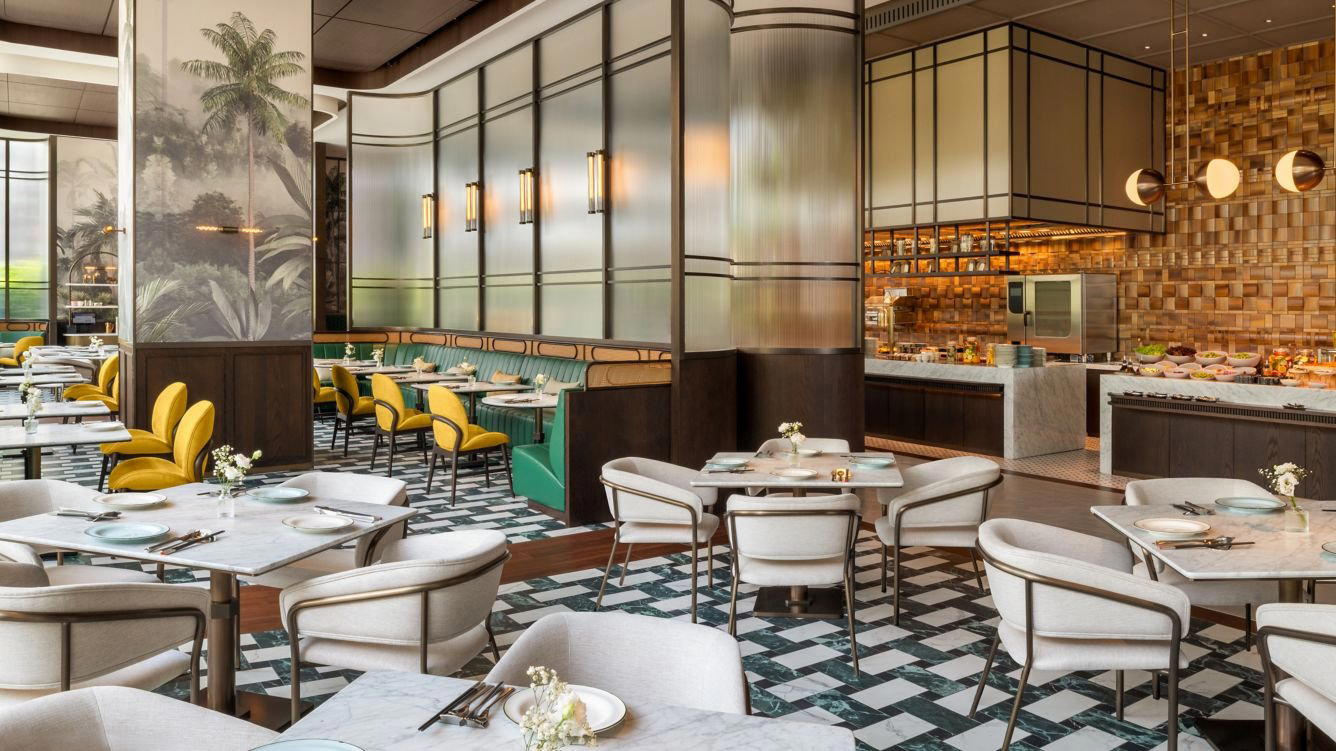
Modern and refined dining atmosphere with creative presentation and attention to culinary detail.