Taiko
Our verdict
Taiko occupies a address in Prague 3's Žižkov district, a neighbourhood that has become a reliable indicator of where the city's dining scene moves next. The restaurant operates in a broader context of Prague's growing appetite for East and Southeast Asian cooking, placing it in a tier defined less by tourist traffic and more by local food-conscious regulars who treat the area as a proving ground for new formats.

Pearl is the En Primeur Club membership app — saves, bookings, and concierge access live there. Same editors, same standards.
- Address
- Husitská 63, 130 00 Praha 3-Žižkov, Czechia
- Phone
- +420776586146
- Website
- taiko-ramen.cz
- Directions
- Get directions
The menu
What to order
- Tonkotsu Ramen
- Chicken Katsu Kare
- Karaage
- Takoyaki
Žižkov and the Geography of Prague's Asian Dining Scene
Prague's relationship with Asian cuisine has shifted considerably over the past decade. What was once a thin layer of generic pan-Asian restaurants concentrated near Old Town Square has given way to a more considered and geographically dispersed set of addresses, several of them in districts that tourists rarely bother to reach. Žižkov, Prague 3, is among the clearest examples of this drift. The neighbourhood carries a reputation built on working-class history and a dense bar culture, but its restaurant stock has been quietly diversifying, and Taiko on Husitská sits inside that pattern.
The address places the restaurant at some remove from the high-footfall corridors of Prague 1, which matters editorially. Restaurants that survive and earn loyalty in Žižkov tend to do so on repeat custom and word-of-mouth rather than tourist overflow. That dynamic shapes the dining room atmosphere in a way that distinguishes these addresses from the more performance-oriented venues closer to the historic centre.
The Cultural Weight of Japanese Cooking in Central Europe
Japanese cuisine carries particular significance in Central European capitals because it arrived relatively late and, in many cases, in diluted form. The early wave of Japanese restaurants in Prague, as in Warsaw or Budapest, was largely defined by sushi conveyor belts and simplified teriyaki menus aimed at novelty rather than cultural fidelity. The second wave, which began gaining traction in the 2010s, brought a more serious engagement with technique, ingredient sourcing, and the structural logic of Japanese meal formats.
That shift mirrors what happened in cities like London and Paris a decade earlier, where the gap between Japanese-influenced cooking and genuinely Japanese cooking became a critical fault line. In Prague, the venues that crossed that line earned disproportionate loyalty from a relatively small but growing cohort of diners who had travelled to Japan or encountered serious Japanese cooking elsewhere in Europe. Atomix in New York City represents the apex of this kind of cultural translation at the fine-dining level; the question for Prague addresses like Taiko is where they sit on that spectrum between approachable interpretation and technical depth.
For readers comparing Prague's more formal dining options, La Degustation Bohême Bourgeoise operates in an entirely different register, anchoring the Czech-French fine dining tradition with tasting menus that reflect local culinary heritage. Alcron similarly represents the modern European strand of Prague's serious dining. Taiko occupies a different lane, one defined by cuisine origin rather than format prestige.
Žižkov as a Testing Ground
The district's character is worth understanding before visiting any restaurant there. Husitská is not a dining street in the conventional sense. It lacks the curated restaurant rows of Vinohrady or the tourist-facing density of Malá Strana. Arriving at an address on Husitská requires some degree of intentionality, which filters the clientele in ways that tend to benefit quality-driven restaurants. The diners who make the trip have usually looked the place up, read about it, or been sent there by someone whose judgment they trust.
This dynamic is consistent with what you find at other notable Czech addresses outside major city centres. BRATRS in Brno operates on a similar principle, building its audience through reputation rather than proximity to tourist infrastructure. Bylo, nebylo in Liberec is another example of a Czech restaurant that earns its following at some distance from the obvious dining circuits.
Žižkov in the Broader Prague Dining Map
Prague's dining geography rewards those willing to move between districts. The historic centre concentrates the formal and internationally recognised addresses. Prague 2 and Prague 3 have become the zones where more experimental and cuisine-specific restaurants establish themselves, often at price points that reflect a local rather than tourist-facing market. For readers building an itinerary across the city, Alma and Amano represent further reference points in Prague's mid-to-upper tier, each operating with distinct culinary identities. 420 Restaurant offers another angle on the city's contemporary dining conversation.
For those approaching Prague from other Czech cities, the contrast is instructive. Gokana Japanese restaurant in Ostrava shows how Japanese cooking has spread beyond Prague to secondary Czech cities, each developing its own version of the cuisine in response to local demand and available talent. Hello Vietnam in Karlovy Vary and La Chica in Plzen similarly demonstrate that the Czech appetite for Asian and international cooking extends well beyond the capital.
Readers planning a broader Czech dining tour will also find useful reference points in U Lípy in Hrensko, ARRIGŌ in Děčín, Restaurace Dr. Grill in Havirov, and Vinařství Gurdau in Kurdejov for a wider read on the country's dining and wine offer. In Prague itself, Emperor Square in Prague 1 anchors the Asian dining conversation closer to the centre.
Planning Your Visit
Taiko is located at Husitská 63, Praha 3-Žižkov, a short tram or metro ride from the city centre. Žižkov is most easily reached from Florenc or Žižkov tram stops. Given the neighbourhood's character, an evening visit works naturally alongside a wider exploration of the district's bars and cafés, many of which operate late into the night. Prague's better Asian restaurants in non-tourist districts tend to fill quickly on weekends, particularly from early autumn through spring when the city's after-work dining culture intensifies.
For the fullest read on where Taiko fits in the city's restaurant hierarchy, our full Prague restaurants guide maps the scene across price tiers and cuisines. Fine dining at the international reference level is represented in our coverage by addresses such as Le Bernardin in New York City, which provides a useful calibration point for readers assessing where Prague's serious restaurants sit on a global scale.
Frequently asked questions
What is Taiko known for?
What's the must-try dish at Taiko?
What's the ideal way to book Taiko?
How does Taiko fit into the wider dining scene in Žižkov, and is it suitable for visitors unfamiliar with the neighbourhood?
Nearby-ish Comparables
Comparable venues nearby, for context on price, style, and recognition.
| Venue | Cuisine | Price | Notes |
|---|---|---|---|
| TaikoThis venue — the venue you are viewing | Japanese Ramen & Street Food | $10–20 | Not listed |
| Yami Sushi House | Japanese Sushi and Fusion | $20–30 | Josefov |
| Restaurant KATSURA | Authentic Japanese Washoku | $20–30 | Veleslavin |
| BON | Japanese Ramen, Soba & Udon | $10–20 | Vinohrady |
| Bánh Mì Má Lúm | Authentic Vietnamese Bánh Mì | $10–20 | Libuš |
| Grand Café Orient | Cubist Czech Cafe | $20–30 | Stare Mesto |


Details
- Cozy
- Trendy
- Modern
- Casual Hangout
- After Work
- Open Kitchen
- A La Carte
- Vegan Options
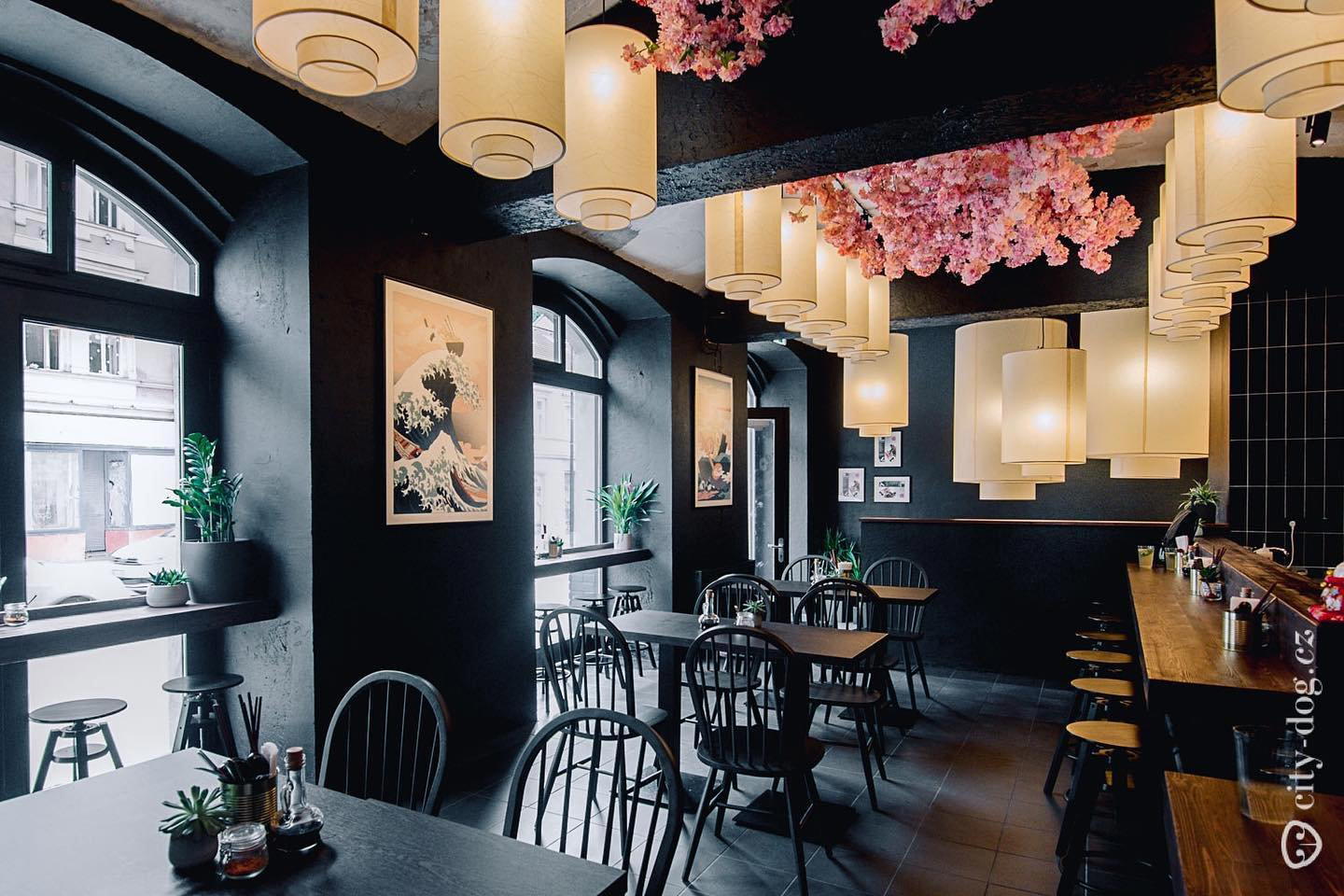
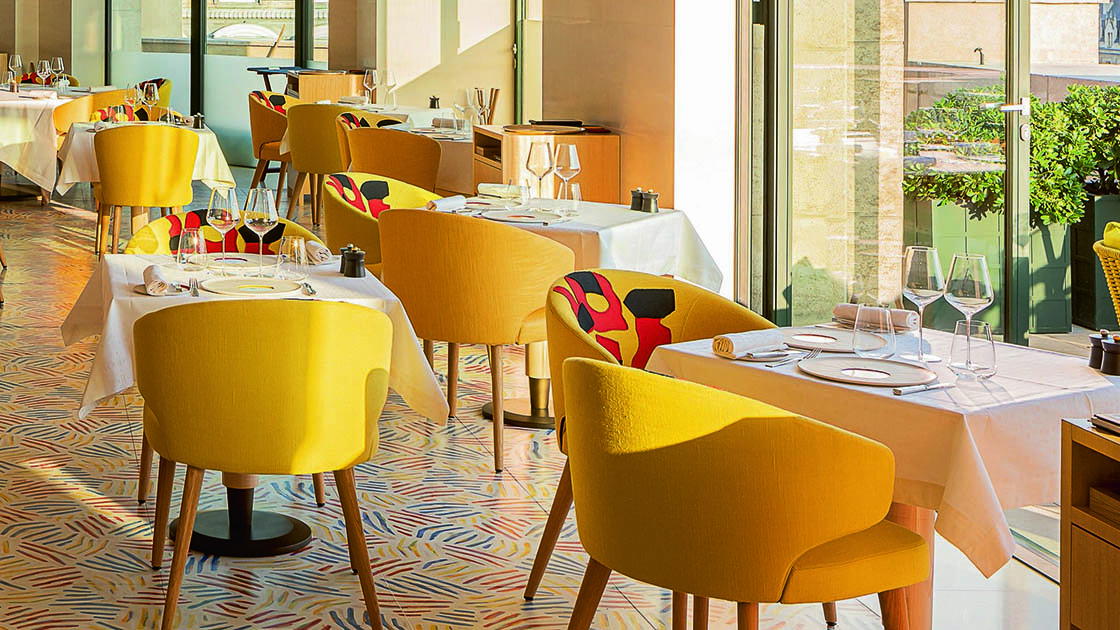
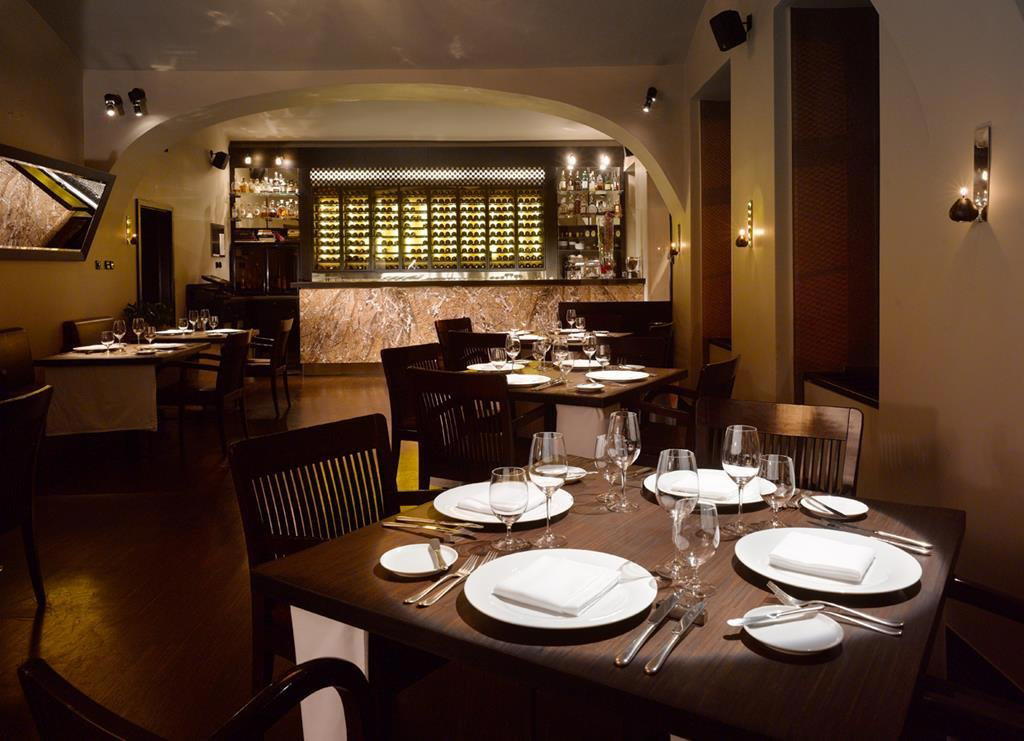
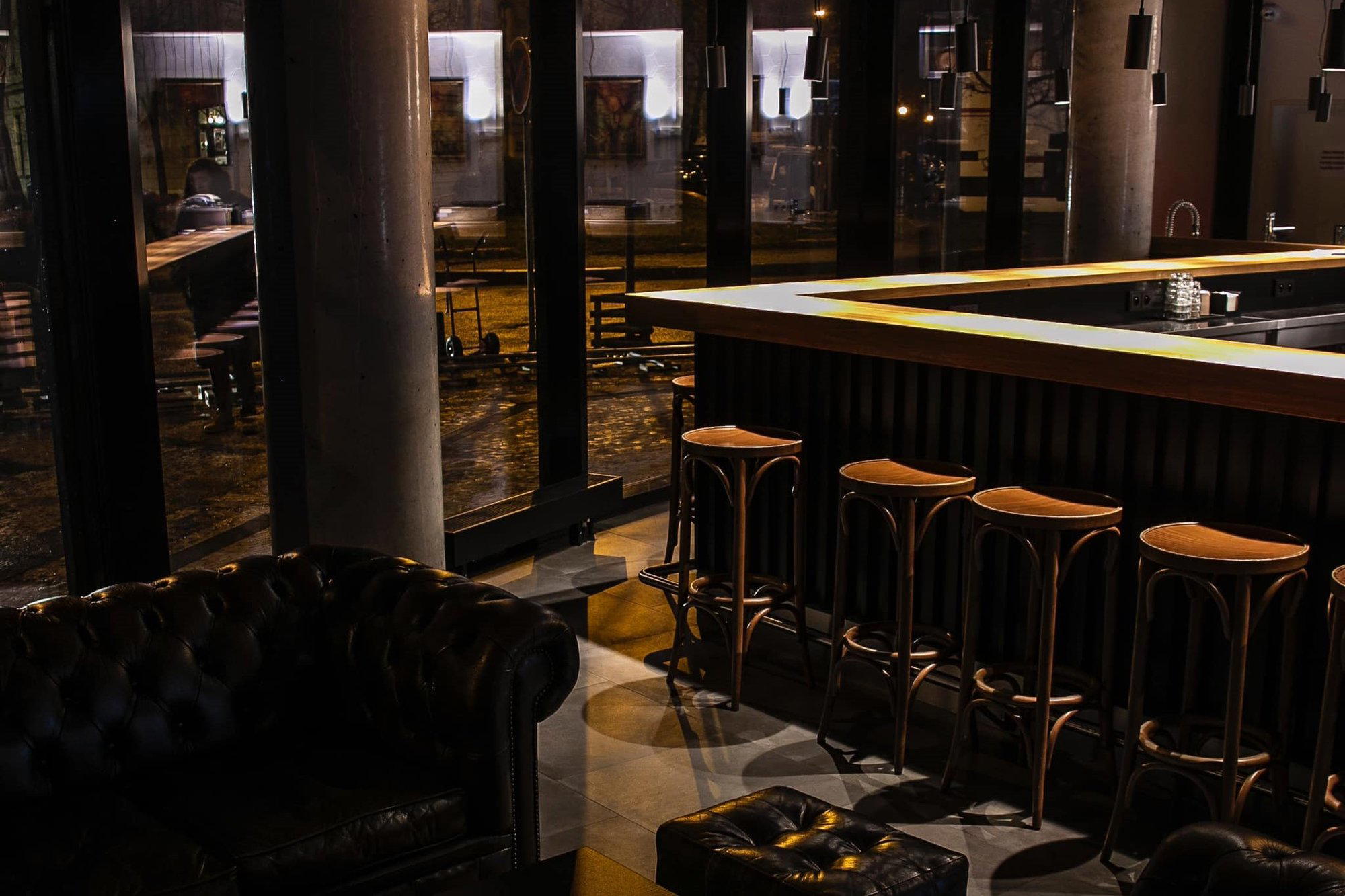
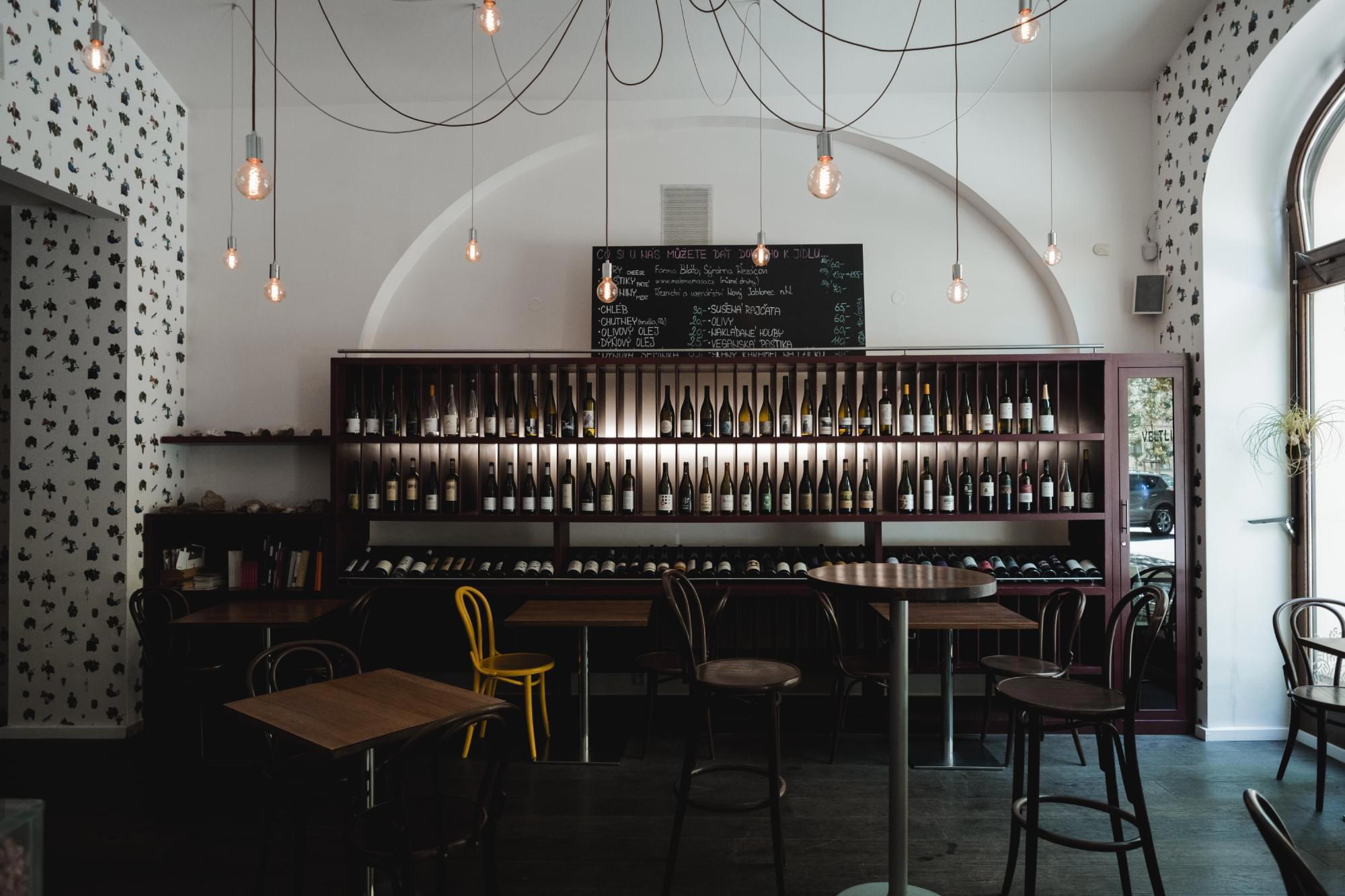
Lovingly decorated cozy space with welcoming atmosphere, anime decor, and cheerful staff creating a hip, lively vibe.