Veltlin


Star Wine List · Falstaff Wine Bar - 94 Falstaff Points
Veltlin, in Prague's Karlín district, is one of the city's most focused wine bars, built around the vineyards and traditions of the former Austro-Hungarian empire. Its programme of natural and biodynamic wines draws a serious crowd that comes to drink carefully and stay unhurried. For anyone approaching Central European wine with genuine curiosity, this is the address in Prague that earns repeated visits.

Pearl is the En Primeur Club membership app — saves, bookings, and concierge access live there. Same editors, same standards.
- Address
- Křižíkova 488/115, 186 00 Karlín, Czechia
- Phone
- +420 725 535 395
- Hours
- Mon–Sat 5–11 PMSun 3–9 PM
- Website
- veltlin.cz
- Directions
- Get directions
The Ritual of Drinking Well in Karlín
Arrive at Křižíkova on a weekday evening and the shift in register is immediate. Karlín, the district that rebuilt itself methodically after the 2002 floods, has become Prague's most coherent neighbourhood for residents who want to eat and drink seriously without crossing the river into the tourist-dense Old Town. The streets here carry a particular kind of confidence: independent wine bars, thoughtful kitchens, and a crowd that tends to linger rather than move on. Veltlin fits that tempo precisely.
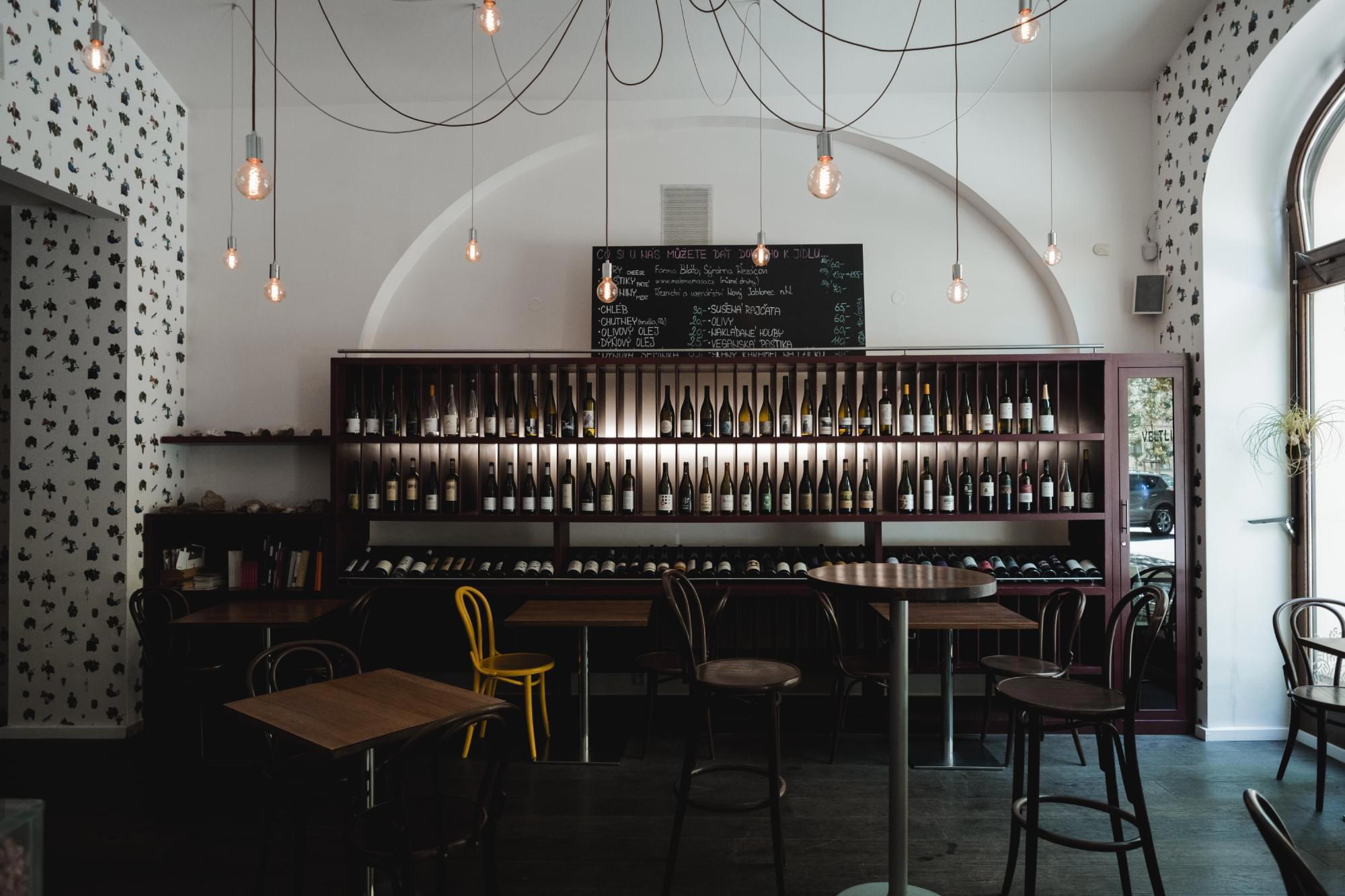
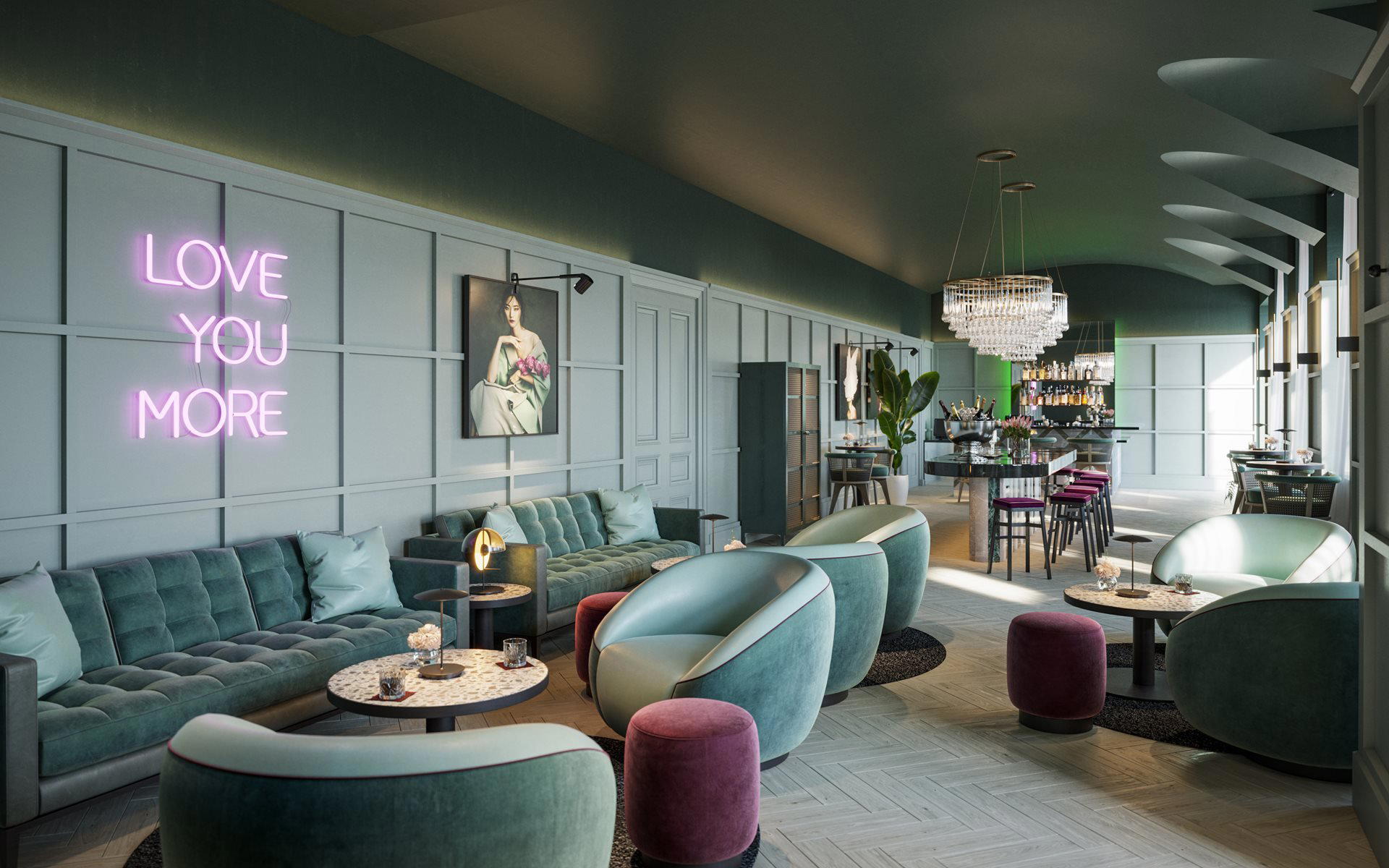
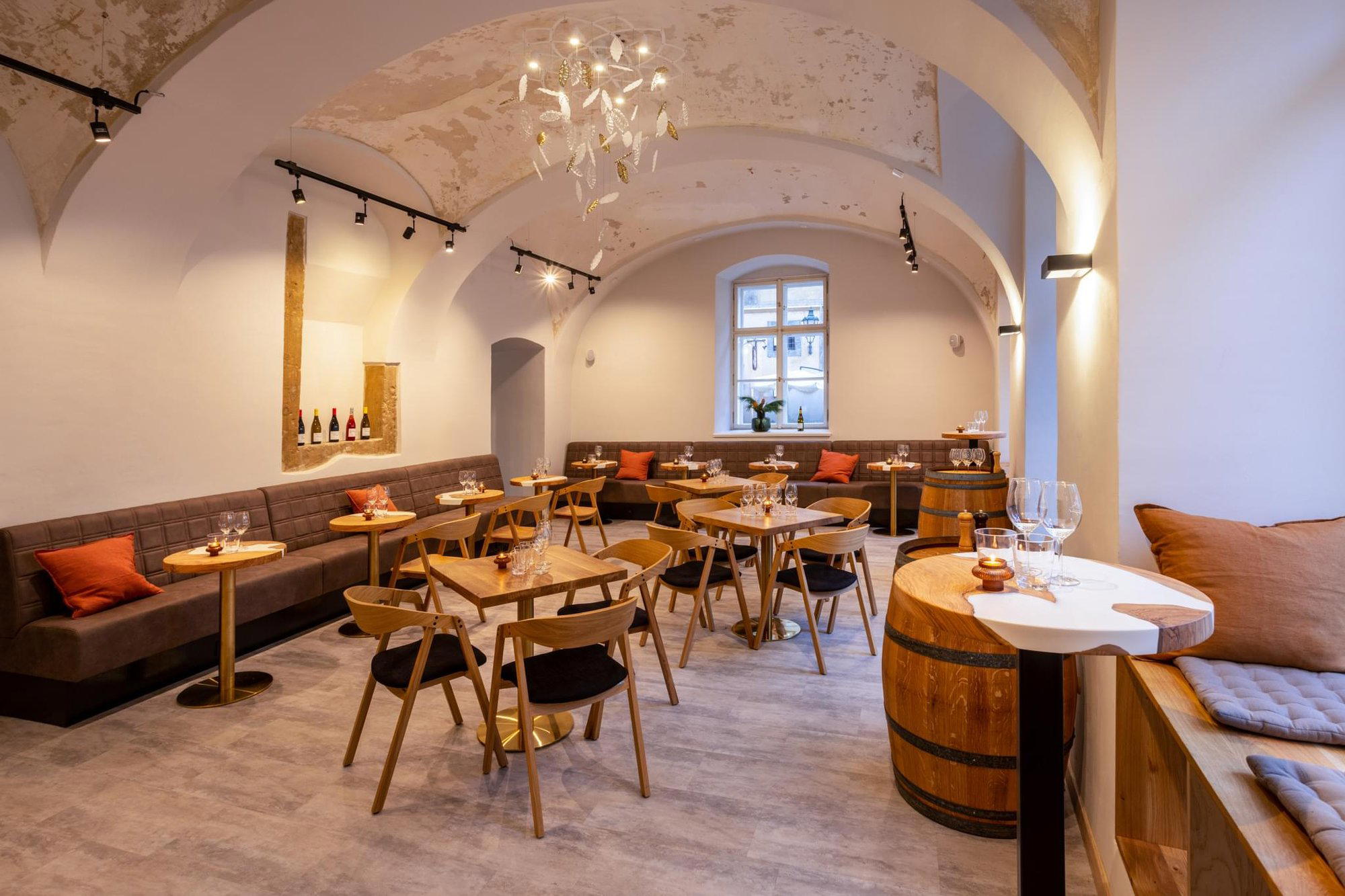
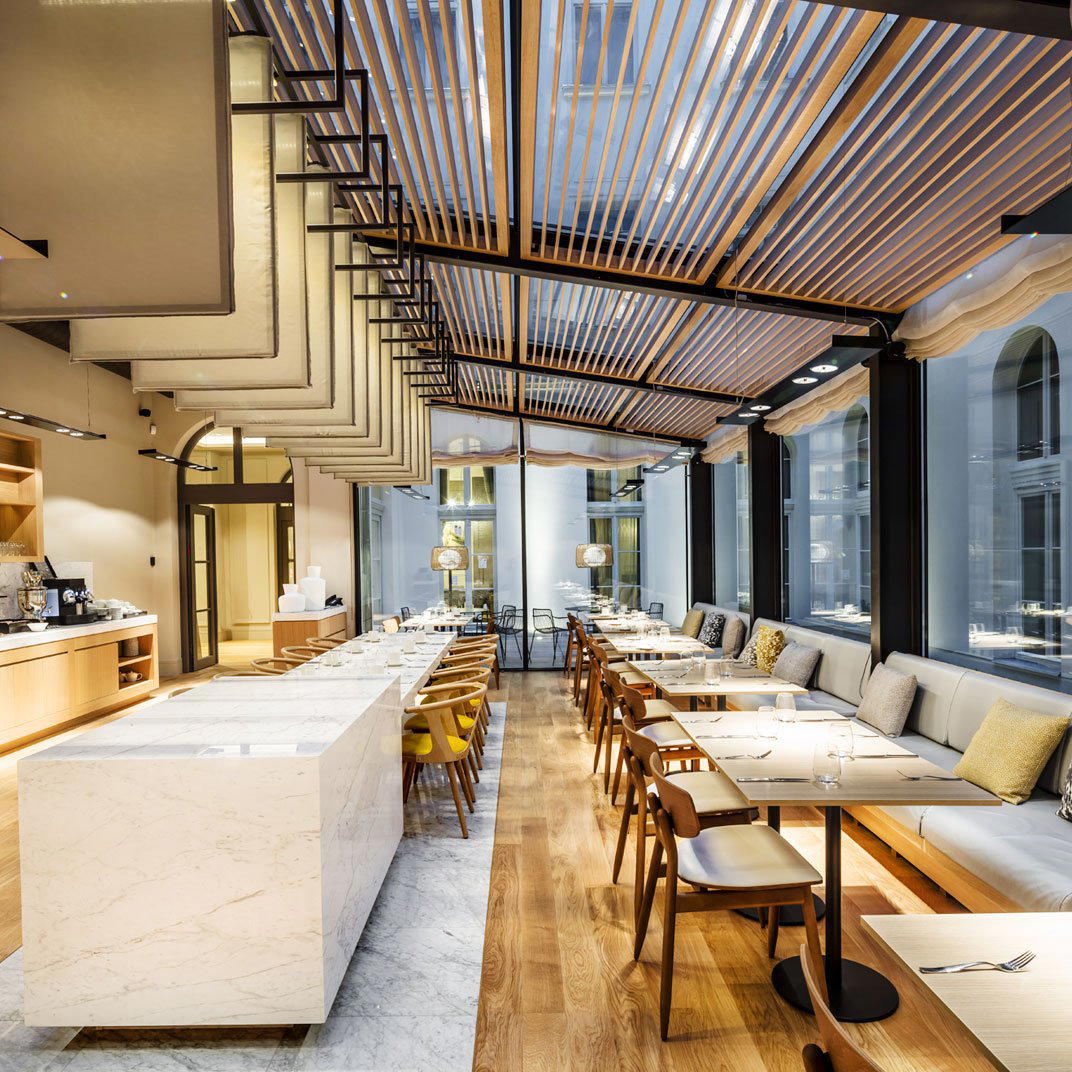
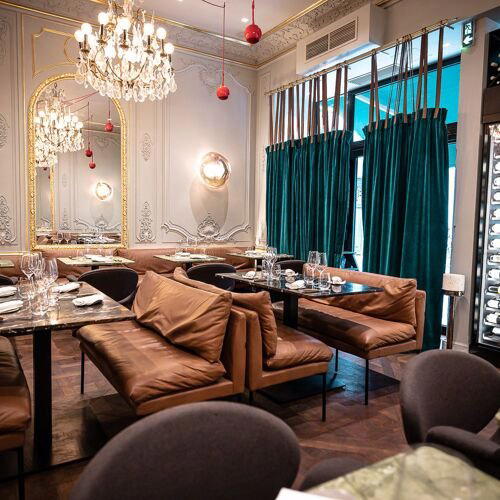
Inside, the atmosphere is closer to a knowledgeable friend's well-stocked cellar than to the marble-and-spotlight aesthetic that defines hotel wine programmes across Central Europe. That distinction matters when you're thinking about how to spend an evening. The physical environment shapes the ritual, and Veltlin's environment asks you to settle in, to ask questions, and to take your time with a glass before committing to a bottle.
The Wines of the Former Empire: Why This Niche Matters
Prague sits at the cultural centre of what was, until 1918, one of the most geographically diverse wine-producing territories in Europe. The Austro-Hungarian empire covered vineyards now attributed to Austria, Hungary, the Czech Republic, Slovakia, Slovenia, Croatia, and parts of northern Italy. These are not marginal regions. Austrian Grüner Veltliner and Riesling from the Wachau and Kremstal carry serious critical weight; Hungarian Furmint from Tokaj is among the world's most age-worthy whites; Moravian wines from southern Czechia, particularly from appellations around Znojmo and the Palava hills, have attracted international attention as producers in the region have moved toward lower-intervention methods.
Veltlin has anchored its entire identity to this geographic and historical frame. That specificity is less common than it sounds. Most wine bars in Prague maintain a broadly European list with a nod toward France and Italy, keeping natural and biodynamic options as a subsection rather than a foundation. A bar that orients itself around the former empire's vineyards is committing to something more particular: a story about place, shared agricultural heritage, and wine traditions that were interrupted by political borders but have never entirely disappeared. For Autentista wine & champagne bar, the lens is Champagne and fine wine broadly; for Vrbice 345 in Vrbice, the focus turns specifically to South Moravian production. Veltlin occupies a third position: the empire as editorial principle.
Natural Wine and the Pacing of a Proper Evening
The bar's orientation toward natural and biodynamic producers aligns it with a movement that has reshaped serious wine bars across Europe over the past decade, but the alignment here has a regional logic rather than a trend-following one. Lower-intervention winemaking has deep roots in the Alpine and Pannonian zones: small producers in Burgenland, Styria, and Moravia were farming without synthetic inputs well before the natural wine category had a name. Drinking through this list, then, is less about joining a contemporary movement and more about returning to something older.
That framing shapes how an evening at Veltlin tends to unfold. The ritual isn't a tasting flight with scored glasses and printed descriptors. It's a conversation: what region are you curious about, what styles do you tend toward, how much do you want to be guided versus explore. This kind of exchange between guest and staff is the defining characteristic of a wine bar operating at a serious level, and it requires staff who understand the list not as inventory but as argument.
Elsewhere in Prague's drinking scene, the format diverges sharply. Black Angel's Bar runs a theatrical cocktail programme rooted in the city's Art Deco heritage. Almanac X Alcron Prague offers a hotel bar experience with the production values that come with that setting. AnonymouS Bar takes a concept-forward approach to cocktails. Veltlin is none of these things. It belongs to a narrower category: the specialist wine bar where the list itself is the point, and where sitting at a table for two hours over three glasses is considered a reasonable and complete evening.
For those exploring what distinguishes Prague's drinking culture more broadly, our full Prague restaurants guide maps the city's current scene across formats and neighbourhoods. The range is wider than most first-time visitors expect.
Karlín as Context
Understanding Veltlin requires understanding what Karlín has become. Before 2002, the district was primarily a working-class residential neighbourhood with little culinary identity. The floods that year were catastrophic, but the reconstruction that followed created an unusual urban condition: a neighbourhood rebuilt largely within a single decade, attracting residents and operators who wanted something genuine rather than tourist-facing. The result is a district with a notably high concentration of independent food and drink operations serving a local and expat clientele with specific expectations.
Wine bars in this environment compete differently than they do in the Old Town or Vinohrady. The customer base is repeat-visit driven, comparison-savvy, and unlikely to be satisfied by a generic European list. That pressure has been generative. The bars and restaurants that have taken root in Karlín tend to have a clearer point of view than their equivalents elsewhere in the city, and Veltlin's Austro-Hungarian frame is a clear expression of that pressure working well.
Planning Your Visit
Veltlin is located at Křižíkova 488/115 in Karlín, reachable from the city centre via tram or metro (Florenc station is the closest major hub, a short walk east). The neighbourhood character means weekday evenings are more conducive to the unhurried, conversational format the bar rewards; weekend visits attract a slightly higher volume. Given its reputation as one of Prague's more focused wine destinations, booking ahead is advisable for groups, though the bar's specific reservation policy is best confirmed directly. Current hours and contact details are available through the venue directly, as these vary seasonally.
For travellers building a broader drinking itinerary across serious wine and cocktail programmes internationally, bars like Kumiko in Chicago, Jewel of the South in New Orleans, Julep in Houston, Superbueno in New York City, Bar Leather Apron in Honolulu, and The Parlour in Frankfurt on the Main represent the same tier of deliberate, programme-driven hospitality in their respective cities.
Cuisine-First Comparison
Comparable venues nearby, for context on price, style, and recognition.
| Venue | Cuisine | Price | Awards | Notes |
|---|---|---|---|---|
| VeltlinThis venue — the venue you are viewing | wine_bar | $30–50 | Star Wine List · Falstaff Wine Bar - 94 Falstaff Points | Not listed |
| Autentista wine & champagne bar | wine_bar | $30–50 | Star Wine List · Falstaff Wine Bar - 93 Falstaff Points | Praha 1 |
| AnonymouS Bar | cocktail_bar | $20–30 | Falstaff Bar - 94 Falstaff Points · Top 500 Bars Best Bars #275 | Stare Mesto |
| DOX Centre for Contemporary Art | Bar | $10–20 | Not listed | Holesovice |
| Bokovka Wine Bar | wine_bar | $20–30 | Star Wine List | Stare Mesto |
| Hemingway Bar | cocktail_bar | $20–30 | Top 500 Bars Best Bars #253 | Nove Mesto |
Recognition history
Dated appearances from independent guides and award organizations, with the underlying list record or original source where available.
Star Wine List
Star Wine List
Falstaff Wine Bar - 94 Falstaff Points
Falstaff
Details
- Cozy
- Intimate
- Minimalist
- Sophisticated
- Date Night
- Group Outing
- Solo
- Casual Hangout
- Special Occasion
- Standalone
- Design Destination
- Seated Bar
- Lounge Seating
- Natural Wine
- Conventional Wine
Current opening hours
- Monday
- 5–11 PM
- Tuesday
- 5–11 PM
- Wednesday
- 5–11 PM
- Thursday
- 5–11 PM
- Friday
- 5–11 PM
- Saturday
- 5–11 PM
- Sunday
- 3–9 PM
Hours can change for holidays and private events. Last verified .
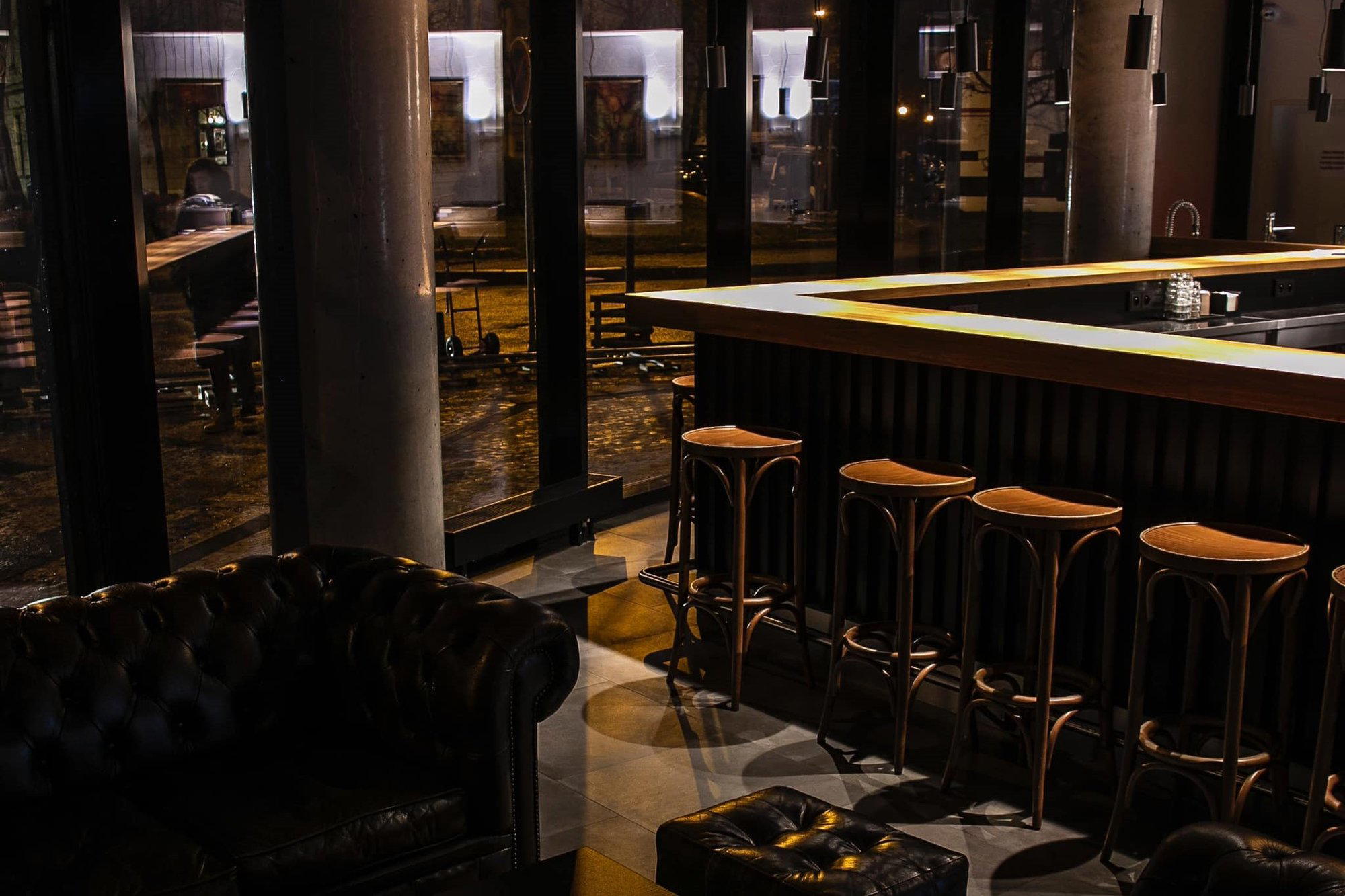
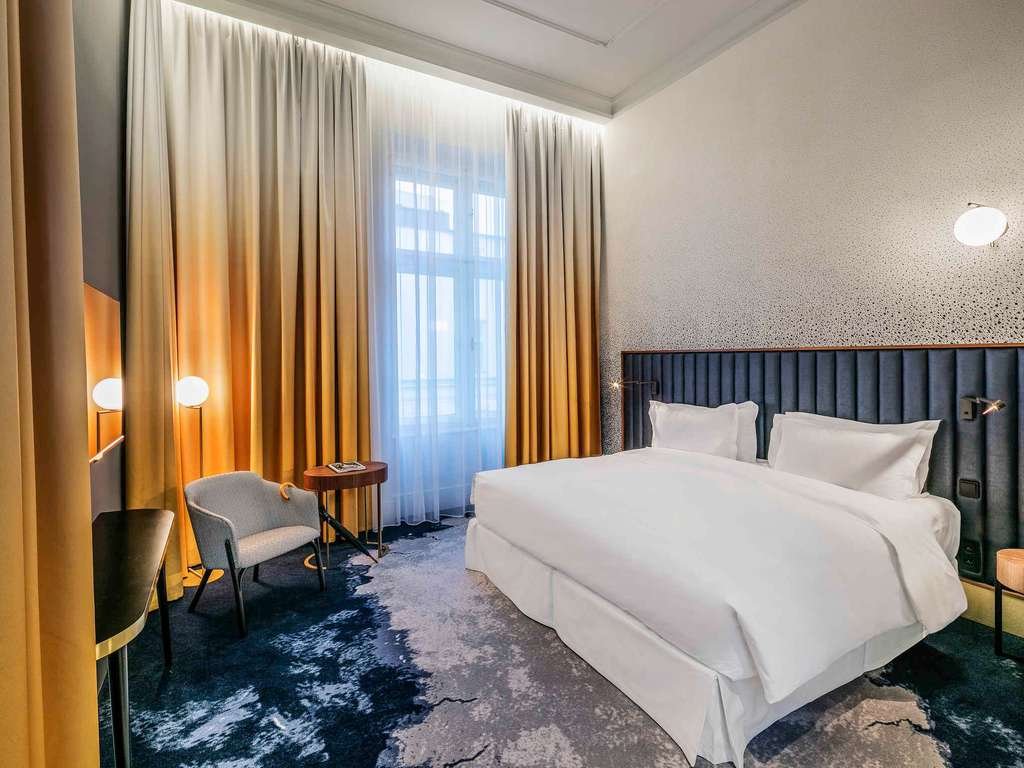
Cozy and inviting with simple, minimalist interior featuring gorgeous wallpapers; warm and welcoming atmosphere that feels like having a personal sommelier guide you through wine discoveries.