Vinařství Gurdau
Vinařství Gurdau sits in the South Moravian village of Kurdějov, at the heart of one of the Czech Republic's most active wine-growing zones. The winery operates within a tradition of small-plot viticulture that defines this corner of Moravia, where the distance between vineyard and cellar is measured in minutes rather than miles. Visitors come here as much to understand the region as to taste the wine.
Pearl is the En Primeur Club membership app — saves, bookings, and concierge access live there. Same editors, same standards.
- Address
- Kurdějov 300, 693 01 Kurdějov, Czechia
- Phone
- +420702011877
- Website
- gurdauvinarstvi.cz
- Directions
- Get directions
 Saves & bookings on Pearl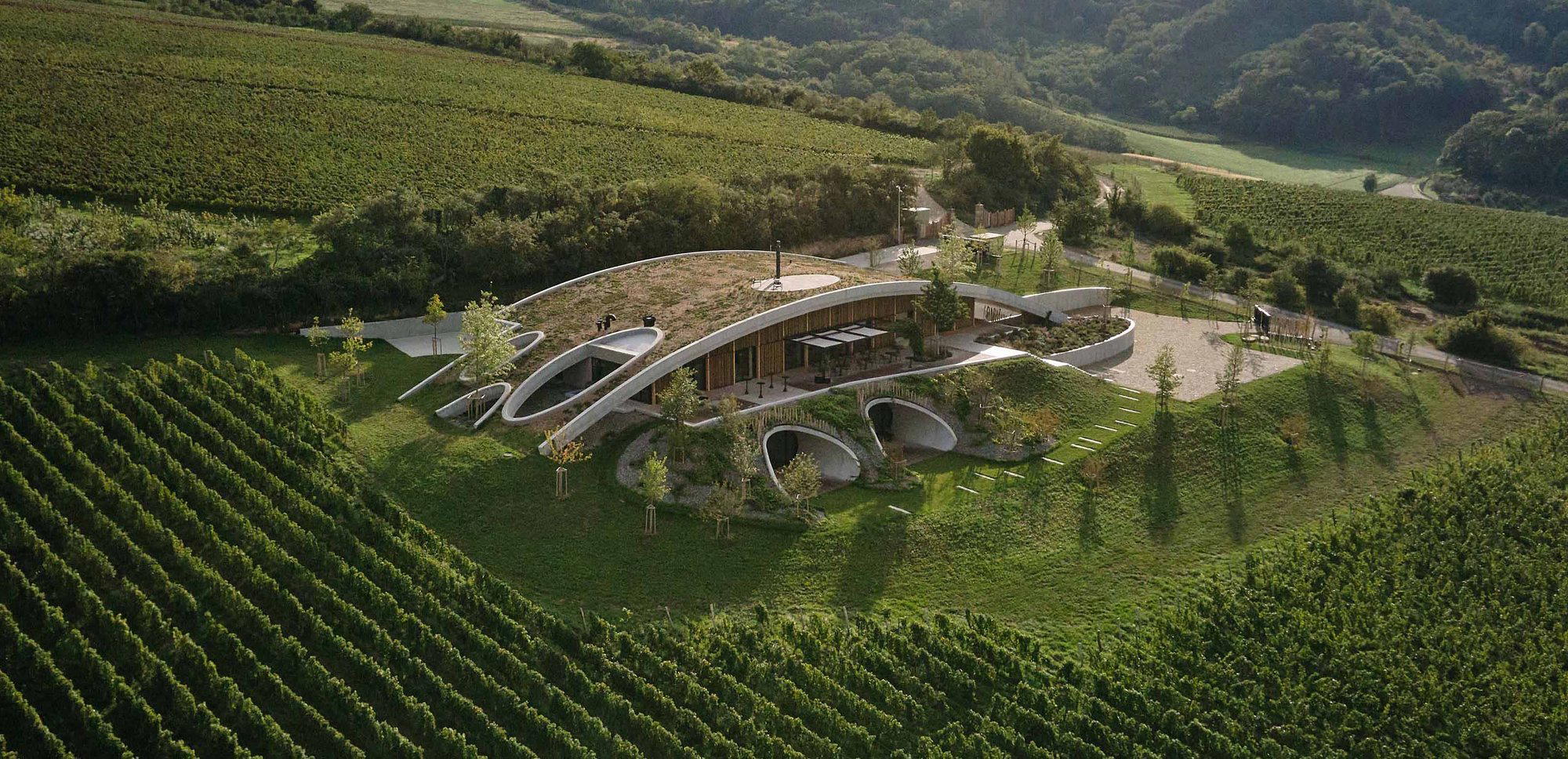
South Moravian Viticulture and Where Kurdějov Fits
The villages south of Brno, Pavlov, Němčičky, Bořetice, Kurdějov, form a loose constellation of small producers that collectively make South Moravia the serious wine-producing territory in the Czech Republic. The region accounts for the vast majority of Czech wine output, but the more meaningful story is qualitative rather than volumetric: a generation of small-scale growers has shifted focus toward site-specific production, shorter intervention, and direct-to-visitor sales that bypass the retail infrastructure that once defined how Czech wine reached drinkers. Vinařství Gurdau, based at Kurdějov 300 in the village of Kurdějov, sits inside that movement.
Kurdějov itself is a compact settlement with an outsized reputation among wine travellers who know South Moravia well. The surrounding slopes carry vineyards with calcareous and clay-heavy soils that push white varieties, Welschriesling, Müller-Thurgau, Sauvignon Blanc, Moravian Muscat, toward a distinctive mineral register. The area's altitude and the thermal influence from the Pannonian plain to the southeast create growing conditions that differ meaningfully from the cooler, more northerly Czech sub-regions. Producers here are not trying to replicate Burgundian or Austrian models; the better ones are learning to articulate what these specific plots actually produce.
Sourcing as the Central Argument
In Moravian village wineries of this type, the sourcing conversation is inseparable from the product itself. Grapes grown within walking distance of the cellar carry a traceability that larger cooperative-era operations structurally cannot match. The logic is simple but consequential: when the distance from vineyard to press is negligible, decisions about harvest timing, sorting, and handling happen with a specificity that longer supply chains erode. South Moravia's leading small producers have built their reputations on exactly this compression of geography.
Kurdějov's vineyards occupy a position that benefits from the Pálava hills' rain shadow to the west, producing relatively dry growing seasons that reduce disease pressure and allow growers to make later harvest decisions without the same fungal-risk calculus that complicates winemaking further north. For visitors trying to understand why wines from this village carry a particular concentration and structural firmness, that climate context is the first piece of the answer. The second is soil depth: the shallower calcareous sections push vines to work for water, which tends to concentrate phenolics and aromatics in ways that deeper, more generous soils do not.
The Village Winery Format in Practice
Across South Moravia, small wineries operating on the sklep (wine cellar) model have developed a visitor format that differs substantially from the appointment-heavy tasting rooms of Napa or the grands châteaux of Bordeaux. The expectation here is informality and directness: you arrive, you taste from what has been opened or is ready to pour, and the conversation tends toward the practical, what is in bottle now, what the current vintage looks like, what the producer thinks is worth cellaring. There is no theatre around it, and that restraint is part of the appeal for visitors who have grown tired of scripted hospitality.
Vinařství Gurdau operates within this regional format. As with most producers at this scale in Kurdějov, the winery functions as both production site and point of contact for visitors, and the experience of tasting here is shaped more by the agricultural calendar than by any fixed program. Spring and autumn tend to draw more visitors, spring when the previous vintage has settled into bottle, autumn during harvest when the activity in the cellar and vineyard gives context that is harder to find in the quieter months. Visitors planning a trip to the South Moravian wine villages would do well to treat Kurdějov as part of a broader route that also takes in neighbouring producers, since the comparative tasting across villages is where the region's diversity becomes legible.
For practical planning purposes: Kurdějov is reachable from Brno in under an hour by car, and the town of Mikulov, which functions as the informal capital of the Pálava wine zone, lies roughly twenty minutes south. Visitors combining Vinařství Gurdau with the broader region will find that a half-day in Kurdějov pairs naturally with an afternoon in Mikulov or a drive through the Pálava Protected Landscape Area.
Where This Fits in the Czech Wine Picture
Czech wine does not occupy a prominent position in international fine wine conversation, but that absence of external attention is partly what keeps South Moravia's better small producers accessible. The comparison set for Vinařství Gurdau is not the grand-format dining experiences you find at La Degustation Bohême Bourgeoise in Prague, nor the polished urban restaurant scene represented by BRATRS in Brno. The point of reference is regional and agricultural: other Moravian village producers working the same soil types, making similar volume decisions, and competing for the attention of a wine-literate visitor base that is slowly expanding as Czech wine earns recognition beyond its borders.
That recognition has been building through wine media and specialist importers rather than through the award infrastructure that drives broader market awareness. The result is a category of producer that rewards direct engagement: visiting, tasting, buying at source. The wholesale and retail routes for South Moravian wine outside the Czech Republic remain thin, which means that for international visitors, a trip to Kurdějov may represent one of the few viable ways to access these wines in any meaningful depth. That logistical reality gives village winery visits here a weight they might not carry in more commercially developed wine regions.
For those building a wider Czech travel itinerary, the regional dining context extends well beyond Moravia. Our coverage ranges from U Lípy in Hrensko in Bohemian Switzerland to Chapelle in Písek in South Bohemia, and from Bohém in Litomyšl to Cattaleya in Čeladná in the Beskydy foothills. Our full Kurdějov restaurants guide maps the local options in more detail. For those travelling further afield and curious about how Czech hospitality compares to international benchmarks, the contrast with venues like Le Bernardin in New York City or Atomix in New York City illustrates how differently the same impulse toward sourcing rigour can express itself across contexts.
Planning Your Visit
South Moravian wine tourism has a relatively compact high season running from late April through October, with the harvest period in September and October drawing particularly engaged visitors. The villages around Kurdějov are quiet in winter, and while cellars remain active, visitor access is less predictable outside the warmer months. Travelling by car gives greater flexibility, and the road network connecting Kurdějov to Brno, Mikulov, and the wider Pálava region is well-maintained. Visitors combining the winery with broader regional exploration will find that neighbouring producers, local restaurants in Mikulov, and the Pálava hills themselves make a compelling two-day itinerary without requiring any significant logistical complexity.
Fast Comparison
Comparable venues nearby, for context on price, style, and recognition.
| Venue | Cuisine | Price | Notes |
|---|---|---|---|
| Vinařství GurdauThis venue — the venue you are viewing | Wine Tasting with Light Bites | $$ | Not listed |
| Barva im Manifesto Market | Authentic Ukrainian Street Food | $$ | Smichov |
| Takumi Praha | Authentic Japanese Ramen | $$ | Nove Mesto (New Town) |
| Emperor Square | Asian Fusion & Sushi | $$ | Nové Město |
| Koza zůstala celá | Vegetarian Czech Buffet | $$ | Skalka |
| Pho Special | Vietnamese Pho Noodle Bar | $$ | Liberec III-Jeřáb |
Continue exploring
More in Kurdejov
Restaurants in Kurdejov
Browse all →
Wineries in Kurdejov
Browse all →
At a Glance
- Rustic
- Scenic
- Elegant
- Minimalist
- Special Occasion
- Celebration
- Wine Cellar
- Terrace
- Extensive Wine List
- Local Sourcing
- Vineyard
- Garden
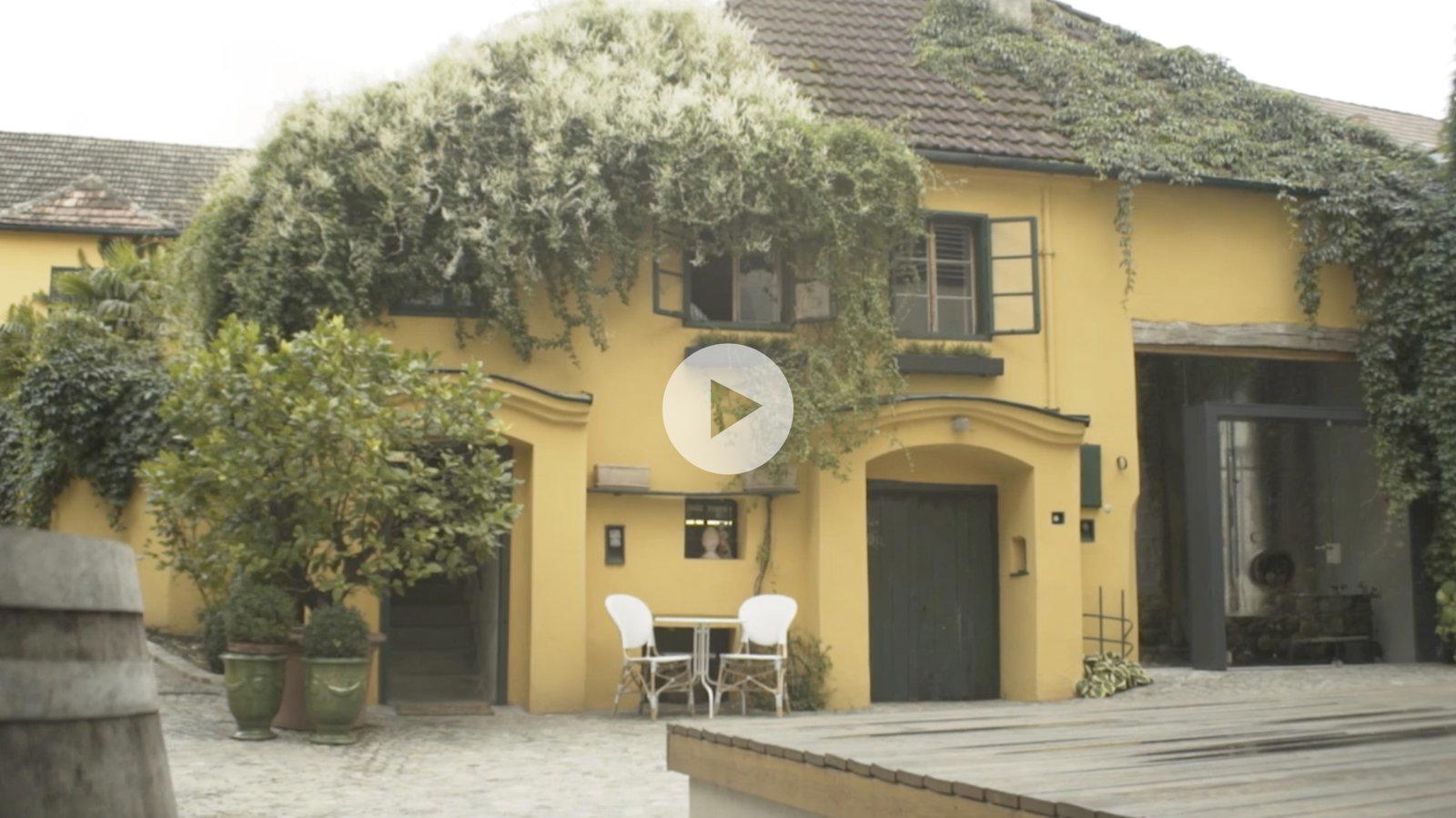
Minimalist and elegant architecture amid dramatic vineyards, featuring exposed concrete, glass, and wood, creating a sophisticated yet humble atmosphere for wine tastings and gatherings.