La Degustation Bohême Bourgeoise




Among Prague's Michelin-starred addresses, La Dégustation Bohème Bourgeoise occupies a specific position: a Czech-French tasting counter where seasonality and native ingredients drive a set menu format that has earned consistent international recognition, including a Michelin star and a Star Wine List top ranking. The vaulted dining room on Haštalská, with its open kitchen and curated wine programme, draws a clientele that returns for the discipline of the format as much as the food itself.
Pearl is the En Primeur Club membership app — saves, bookings, and concierge access live there. Same editors, same standards.
- Address
- Haštalská 18, 110 00 Staré Město, Czechia
- Phone
- +420 733 332 771
- Website
- ladegustation.cz
- Directions
- Get directions
 Saves & bookings on Pearl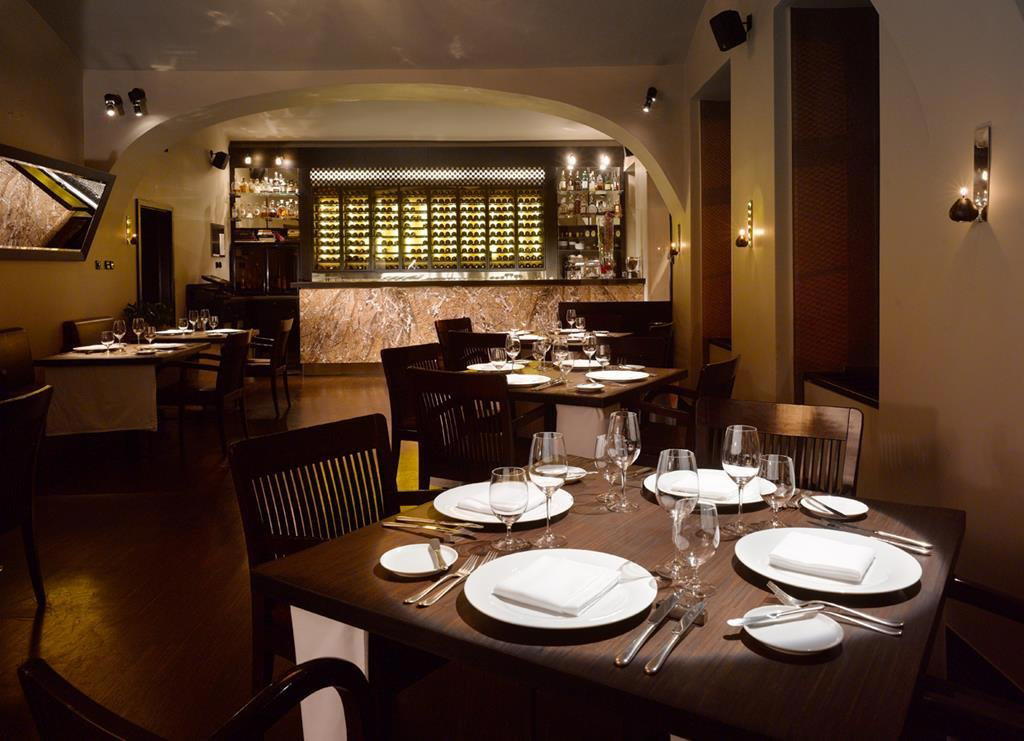
The Room Sets the Tone Before the Menu Does
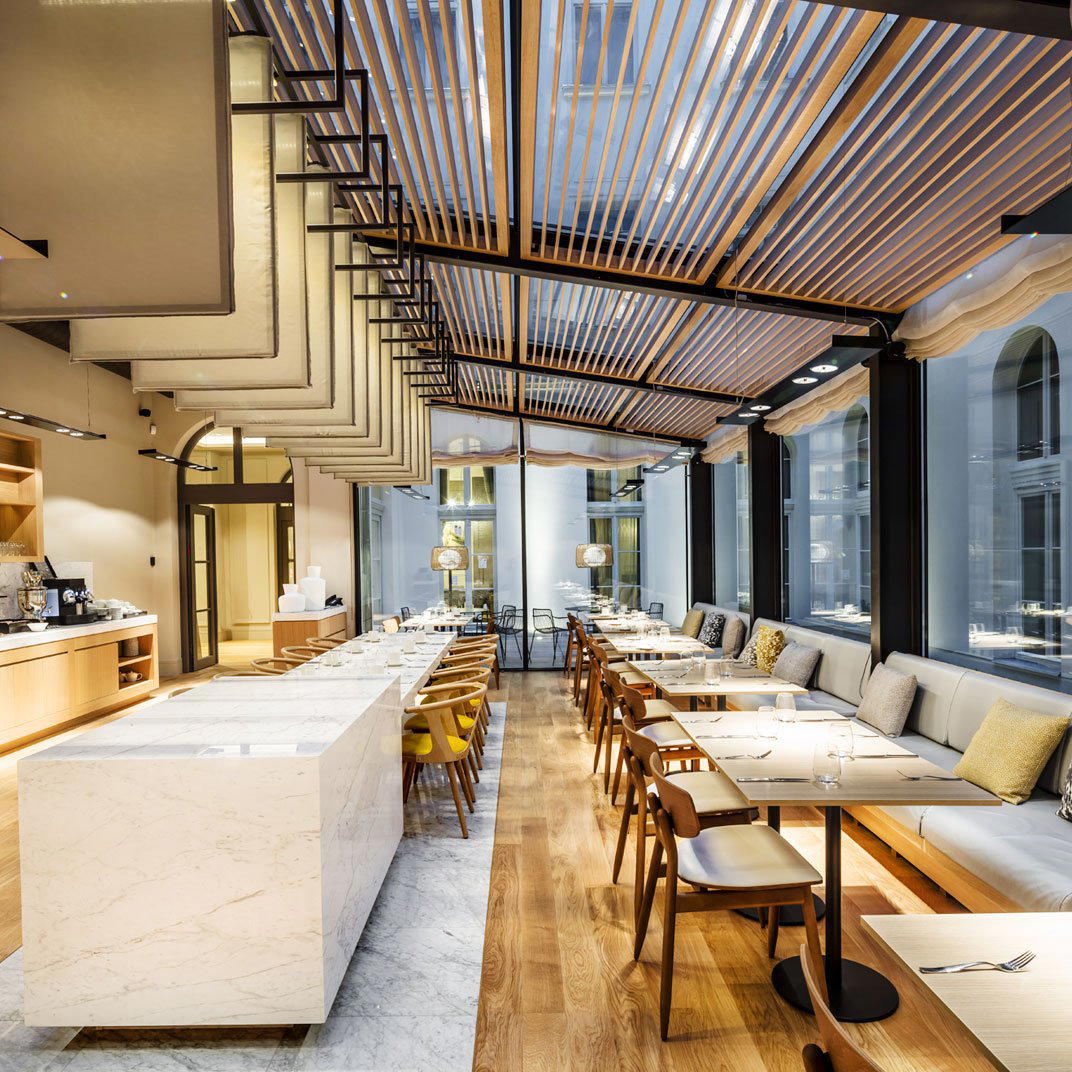
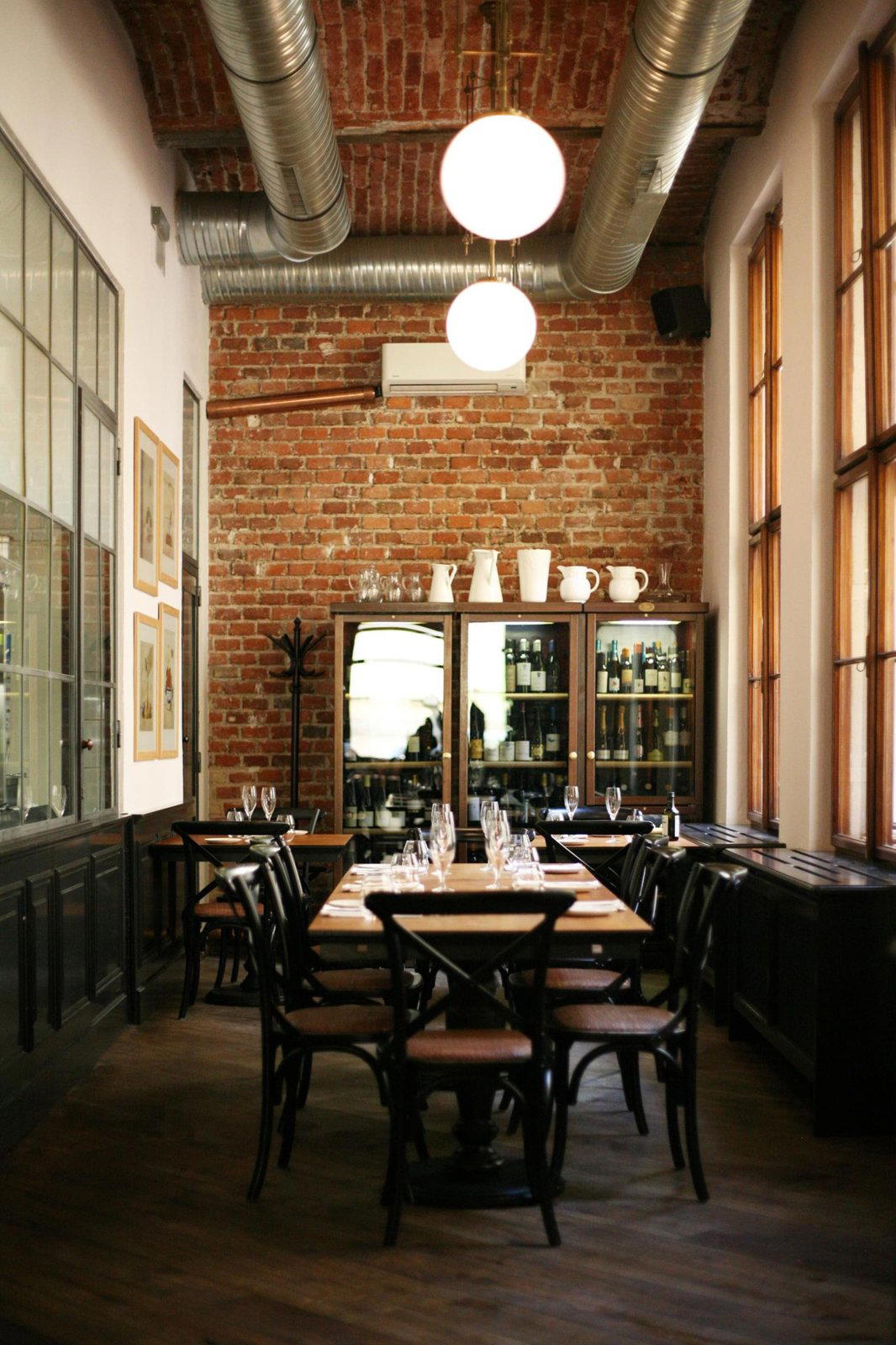
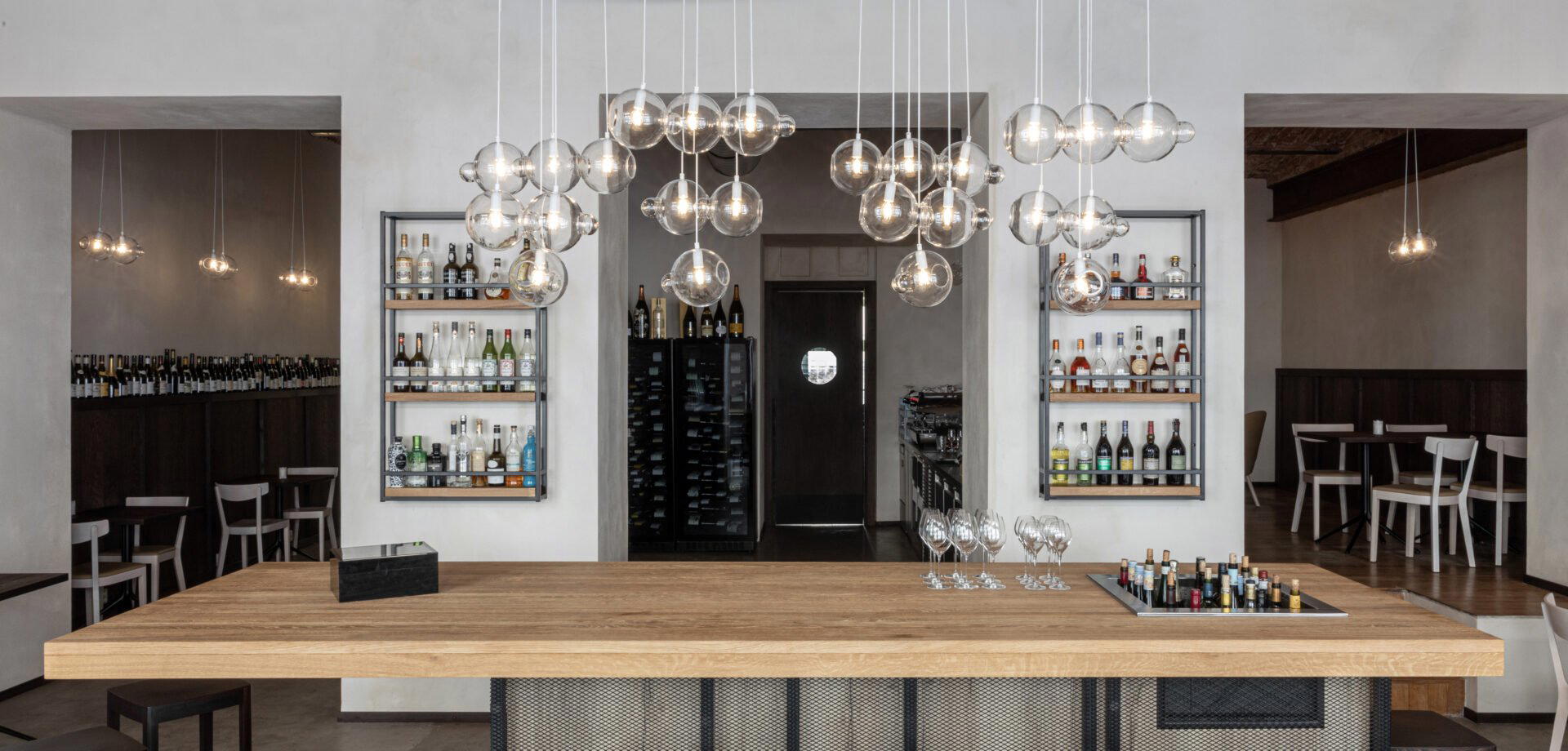
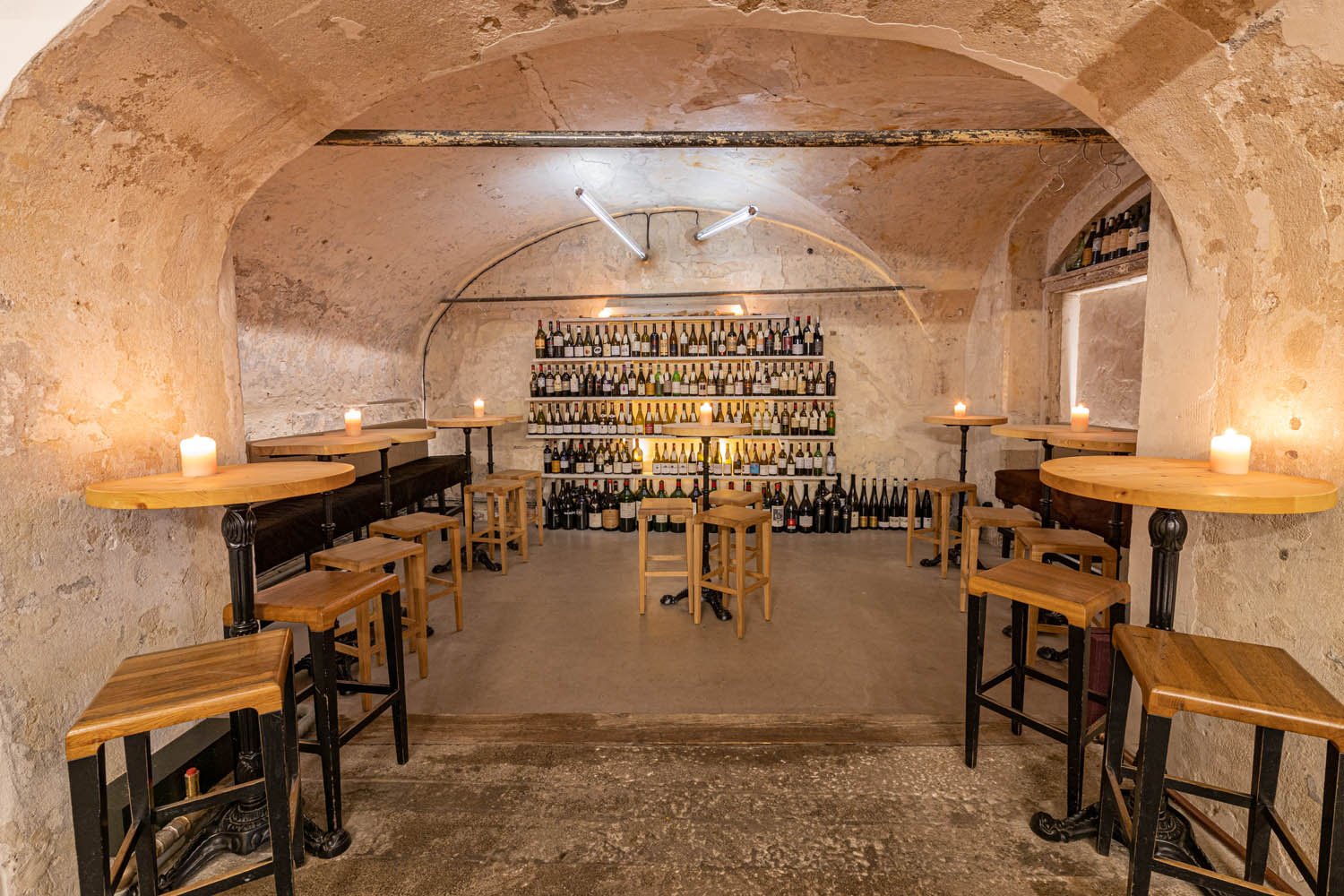
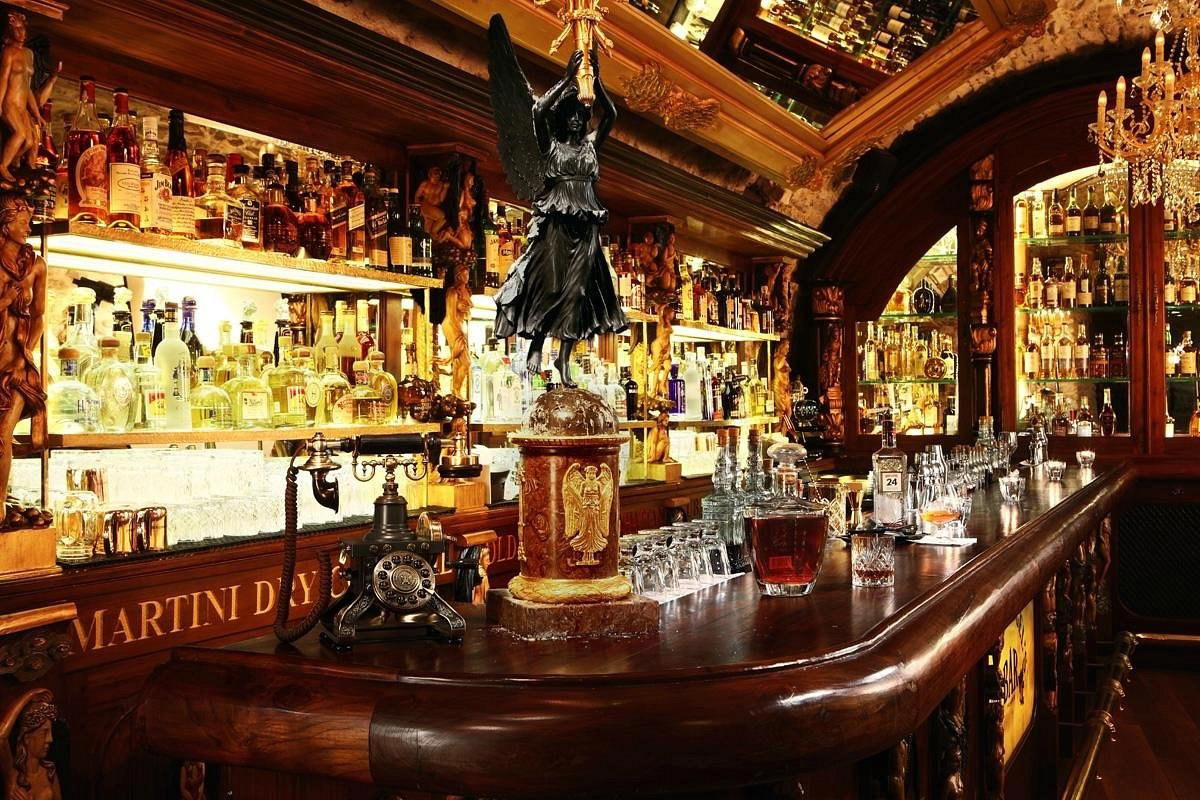
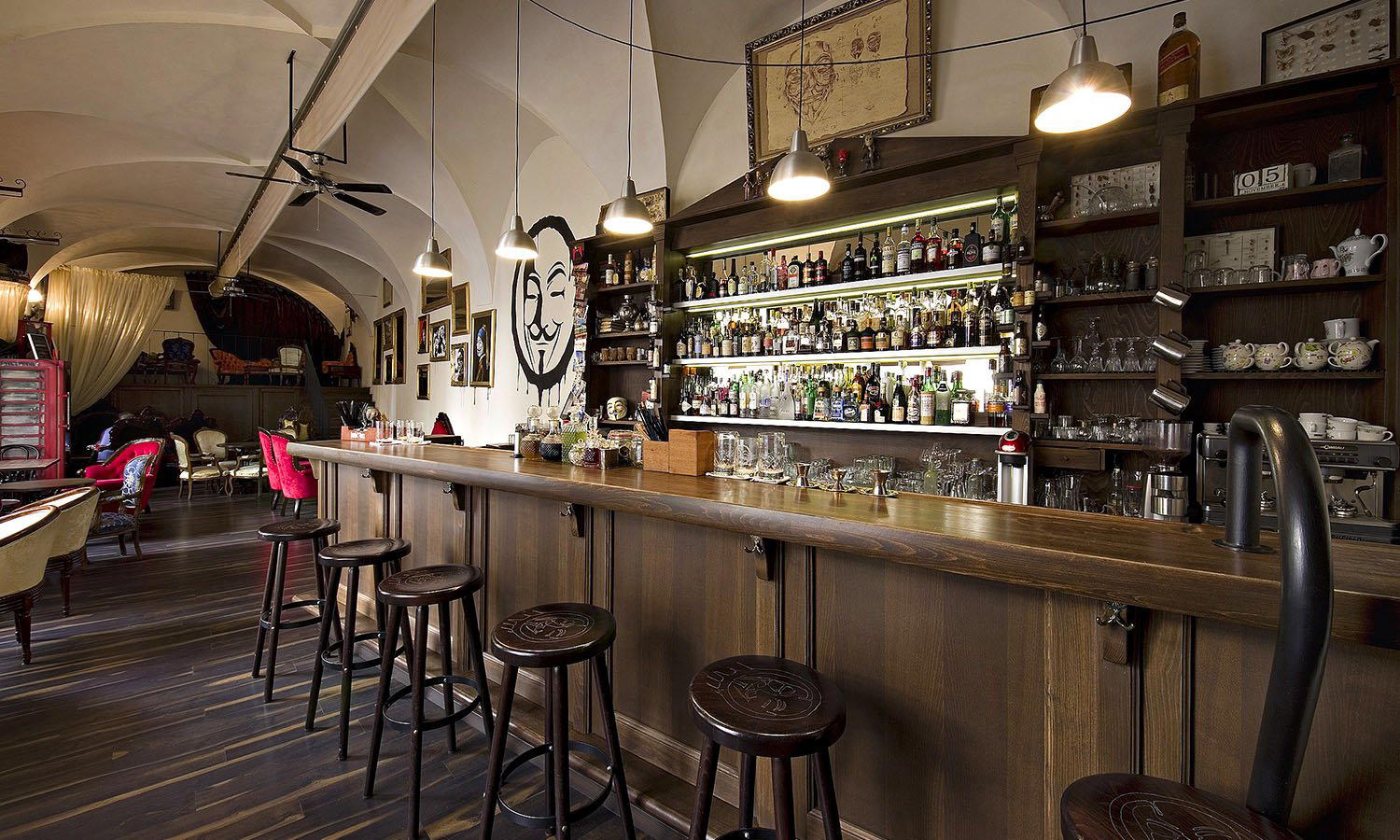
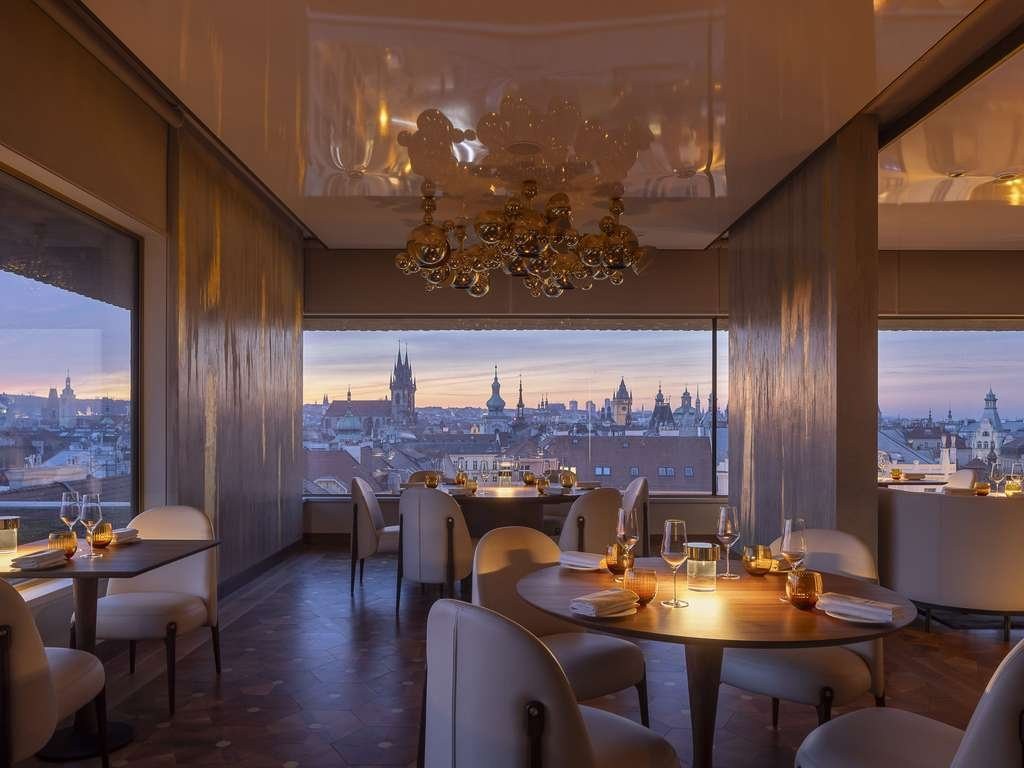
On Haštalská, a quiet street in Staré Město just clear of the Old Town's highest-traffic corridors, the building that houses La Dégustation Bohème Bourgeoise announces little from the outside. Inside, the L-shaped room does the work. A vaulted ceiling runs above a space where striking chandeliers and a glass wine cabinet occupy the sightlines before anything on the plate does. From one axis of the room, the kitchen is completely open, the brigade visible throughout service. That transparency is structural, not theatrical: it frames what happens here as a craft to be observed, not a spectacle to be sold.
The tile pattern in the kitchen carries through to both the restaurant floor and the printed menu, a coherent design signal that the details of the room and the details of the food are held to the same standard. For regulars, those small continuities become part of what makes the room feel calibrated rather than assembled.
Where La Dégustation Sits in Prague's Fine Dining Order
Prague's upper tier of restaurants has grown more defined over the past decade. At one end, internationally trained chefs work French or European frameworks with global reference points; at the other, a smaller cohort commits to Czech ingredients and culinary tradition as the primary material. La Dégustation Bohème Bourgeoise, under chef Oldřich Sahajdák, operates firmly in the latter category, treating Czech produce and seasonal availability as the non-negotiable foundation of a format that is nonetheless French in its structural logic: a set menu, wine pairings, service rhythm.
That positioning gives the restaurant a comparable set that extends beyond Prague. La Liste placed it at 81.5 points in 2025 and 77 points in 2026, situating it within a competitive tier of European tasting-menu restaurants that includes addresses with far larger international profiles. Its Michelin star, awarded in 2024, confirms the formal standing. For comparison, other Prague restaurants reviewed within EP Club's coverage, including Alcron and Alma, occupy adjacent but distinct positions in the city's fine dining order, making La Dégustation the clearest local benchmark for Czech-anchored, tasting-menu fine dining.
Beyond Prague, the French-technique-meets-local-produce model has proven durable at addresses like Le Bernardin in New York City, where ingredient fidelity and format discipline sustain long-term critical standing. The Czech iteration is narrower in international recognition but consistent in its logic. For context on Korean tasting-menu discipline operating at a similar level of format rigour, Atomix in New York City provides a useful structural comparison.
What Keeps the Regulars Returning
The set menu format is the key variable. There is no à la carte option to fall back on, no editing of the sequence. Guests commit to the kitchen's current reading of Czech seasonality, which means the experience shifts meaningfully across the year. A diner who comes in late autumn is eating a different restaurant than one who visits in early spring, even if the room, the service team, and the formal structure remain constant. That variability is what sustains repeat visits rather than undermining them.
The wine programme adds a second layer of reason to return. Star Wine List ranked it number one in its category for 2025, a recognition that places the cellar and its curation alongside Europe's most considered programmes. The list is described as carefully curated in relation to the food, which in practice means pairings are built to track the seasonal movements of the menu rather than to showcase the cellar independently. Regulars who follow the pairing option across multiple visits are, in effect, tracking two parallel programmes simultaneously.
Service at La Dégustation is described as cheerful and relaxed rather than formal, a disposition that matters in a tasting-menu format where the meal runs long and the guest is not in control of pacing. The atmosphere follows the same register: the room is sleek without being austere, the service engaged without being performative. For a clientele that returns frequently, that tone is the baseline rather than a pleasant surprise.
The Czech Ingredient as the Programme's Fixed Point
The French-Czech designation used to categorise La Dégustation points at the underlying logic: French technique applied to Czech materials, with seasonality as the programme's governing constraint. This is a more demanding brief than it may appear. Czech culinary tradition has historically been associated with hearty, winter-oriented cooking rather than the delicate seasonal sequencing of a tasting menu. Translating that larder into a format with French structural ambition requires both a deep knowledge of local producers and a willingness to let the ingredient set define what the menu can and cannot do in any given month.
That constraint is, in part, what gives the restaurant its identity within a broader central European fine dining movement. Restaurants like Cattaleya in Čeladná and Chapelle in Písek represent the same broader tendency in Czech fine dining: European technique anchored to Czech and Moravian produce, operating at a level of ambition that was largely absent from the country's restaurant scene twenty years ago. Bohém in Litomyšl and ARRIGŌ in Děčín extend that pattern into smaller cities, evidence that the model has spread beyond Prague. La Dégustation occupies stronger examples from that hierarchy in the capital, where the concentration of international visitors and a more developed fine dining audience sustains the price point and format that the programme requires.
Planning a Visit
La Dégustation Bohème Bourgeoise is open every day of the week, with lunch service running from 11:30 AM to 1:30 PM and dinner from 6 PM through midnight. The address is Haštalská 18 in Staré Město, within walking distance of the Old Town Square but on a street that carries none of the tourist-facing commercial density of the main routes. At the €€€€ price tier, this is Prague's upper bracket, comparable to what a Michelin-starred tasting menu costs in Vienna or Warsaw rather than what a mid-range Prague dinner costs, and guests should plan accordingly. The wine pairing option, given the Star Wine List recognition, is worth factoring into the budget from the outset rather than treating as an optional addition.
Other Prague restaurants worth considering in the same planning window include 420 Restaurant, Amano, and Antricote Steakhouse for different points on the price and format range. Beyond Prague, ATELIER bar & bistro in Brno and Babiččina zahrada in Průhonice represent the Czech fine dining scene at a regional level for those extending their itinerary outside the capital.
The Essentials
Comparable venues nearby, for context on price, style, and recognition.
| Venue | Cuisine | Price | Notes |
|---|---|---|---|
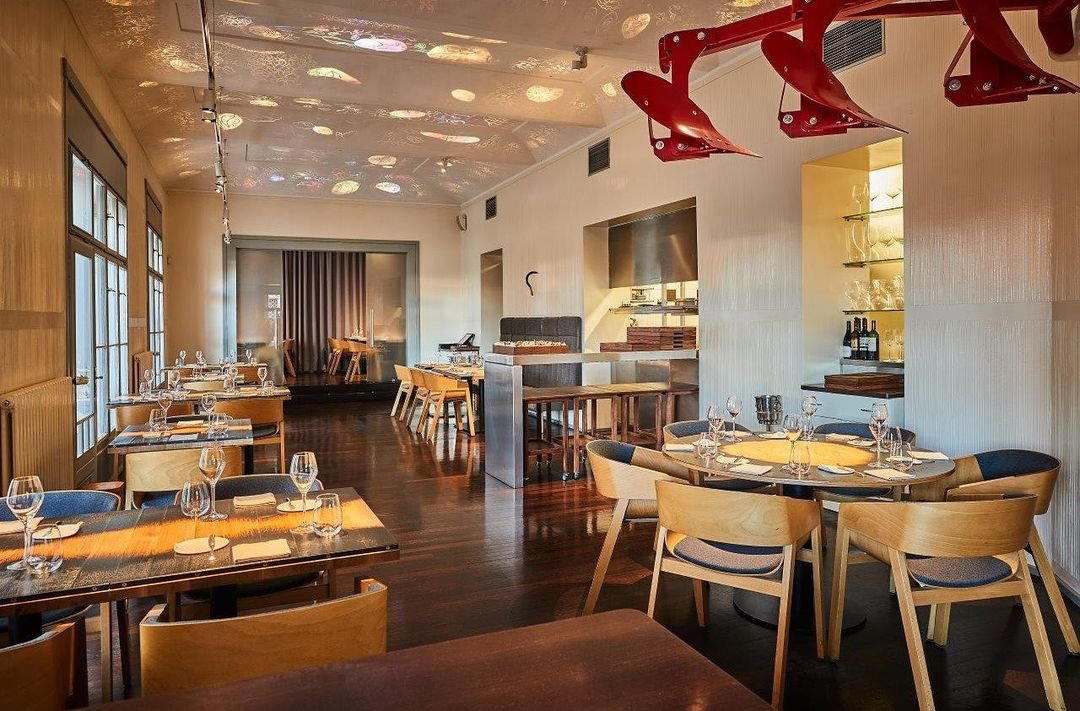
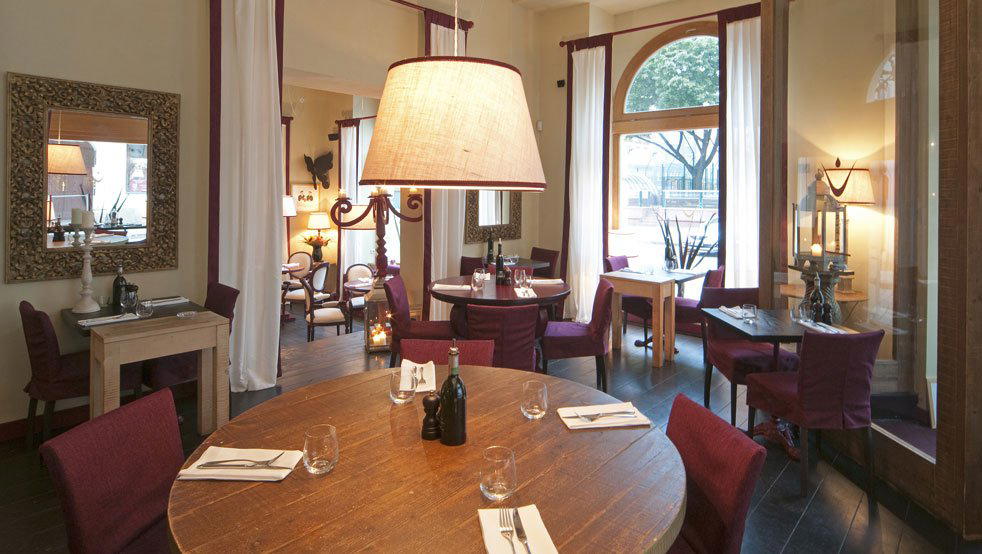
| La Degustation Bohême BourgeoiseThis venue — the venue you are viewing | Josefov, Modern Czech Fine Dining | $$$$ | Not listed |
| Field Restaurant | Josefov, Modern European Fine Dining | $$$$ | Not listed |
| Coda | Not listed | $$$$ | Mala Strana, Modern Czech & European Fine Dining |
| LEVITATE | Not listed | $$$$ | Vinohrady, Asian-Scandinavian Fusion Fine Dining |
| Štangl | Karlin, Modern Czech Seasonal | $$$$ | Not listed |
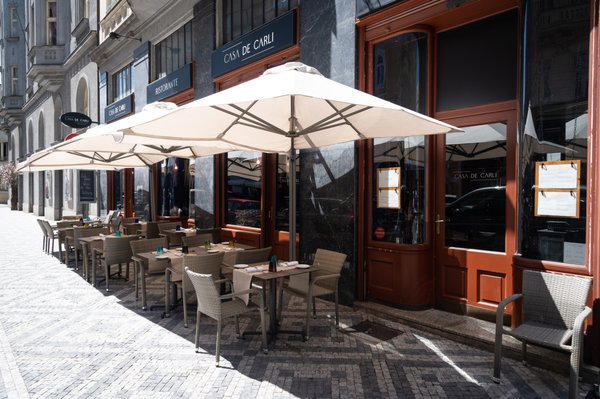
| Casa De Carli | Josefov, Modern Italian Fine Dining | $$$ | Not listed |
Recognition history
Dated appearances from independent guides and award organizations, with the underlying list record or original source where available.
Falstaff Restaurant - 95 Falstaff Points
Falstaff
La Liste Top Restaurants
La Liste
Michelin 1 Star
Michelin
Star Wine List
Star Wine List
La Liste Top Restaurants
La Liste
Michelin 1 Star
Michelin
Star Wine List
Star Wine List
Michelin 1 Star
Michelin
At a Glance
- Elegant
- Sophisticated
- Intimate
- Classic
- Date Night
- Special Occasion
- Historic Building
- Sommelier Led
- Local Sourcing
Current opening hours
- Monday
- 11:30 AM–3 PM, 6 PM–12 AM
- Tuesday
- 11:30 AM–3 PM, 6 PM–12 AM
- Wednesday
- 11:30 AM–3 PM, 6 PM–12 AM
- Thursday
- 11:30 AM–3 PM, 6 PM–12 AM
- Friday
- 11:30 AM–3 PM, 6 PM–12 AM
- Saturday
- 11:30 AM–3 PM, 6 PM–12 AM
- Sunday
- 11:30 AM–3 PM, 6 PM–12 AM
Hours can change for holidays and private events. Last verified .
Mellow atmosphere with arched ceilings, wooden tables, and neutral palette focusing attention on artfully plated food.