DOX Centre for Contemporary Art
DOX Centre for Contemporary Art anchors Prague's Holešovice district as one of Central Europe's most consequential private contemporary art institutions. Across a sprawling industrial complex in Praha 7, the centre pairs gallery programming with a dirigible-shaped structure and a public-facing café and bar that attract as wide a crowd as any purely hospitality-led venue in the neighbourhood.
Pearl is the En Primeur Club membership app — saves, bookings, and concierge access live there. Same editors, same standards.
- Address
- Poupětova 1, 170 00 Praha 7-Holešovice, Czechia
- Phone
- +420 295 568 123
- Website
- dox.cz
- Directions
- Get directions
 Saves & bookings on Pearl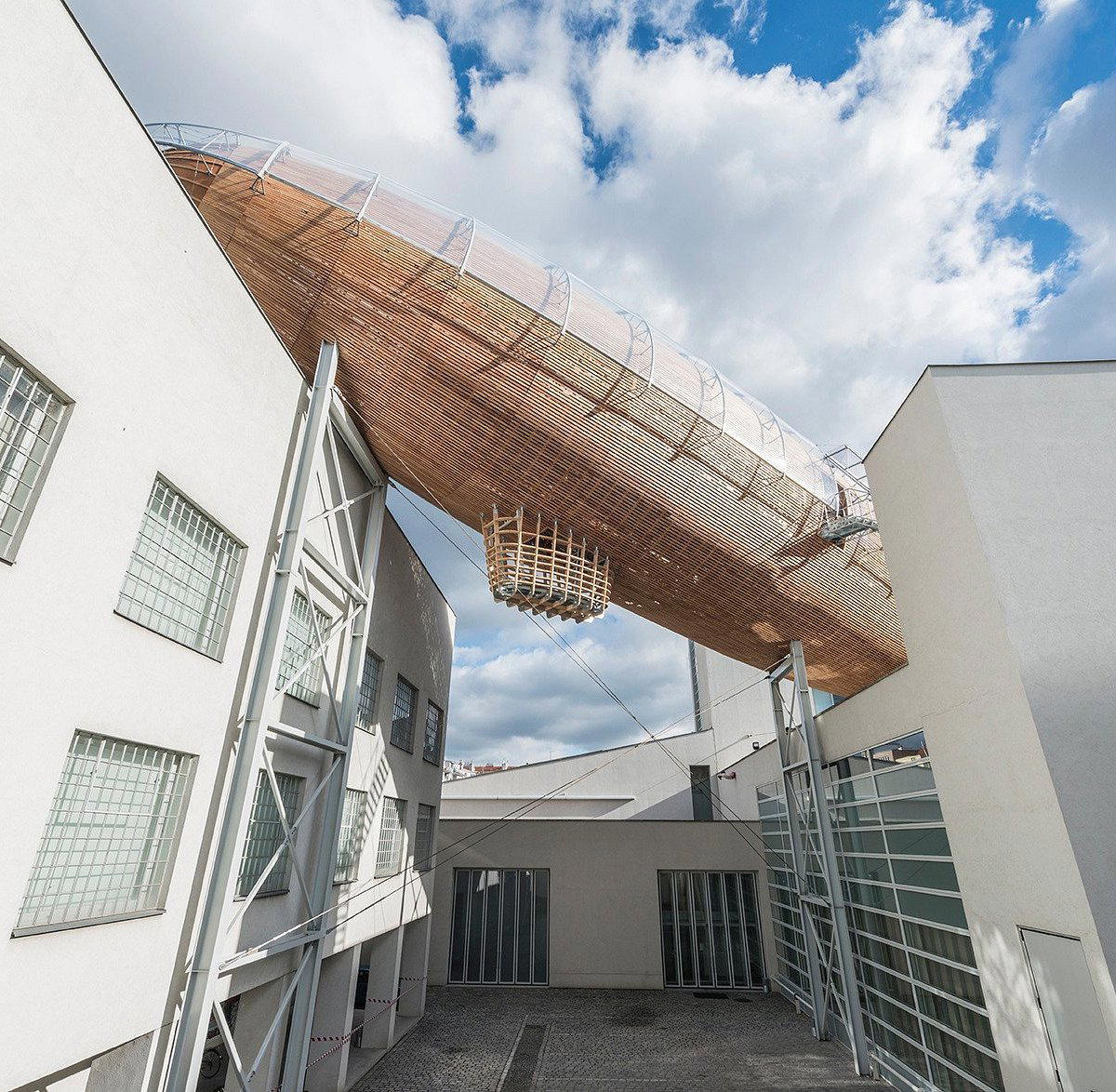
Where Holešovice Concentrates Its Cultural Weight
Prague's seventh district has been absorbing creative infrastructure since the late 1990s, when artists and gallerists priced out of Vinohrady and Žižkov began occupying the former factory blocks along the Vltava bend. DOX Centre for Contemporary Art, on Poupětova street in Praha 7-Holešovice, sits at the mature end of that migration. The complex is no longer an experiment: it is the fixed point around which the neighbourhood's gallery scene organises itself. Arriving on foot through the surrounding residential blocks, the shift from brick apartment facades to the centre's corrugated industrial exterior registers immediately. The dirigible-shaped structure, a permanent architectural feature extending above the main building, is visible from several streets away and functions as an orientation marker for the entire district.
Holešovice is worth understanding as a category before treating DOX as a single destination. In a city where much of the arts infrastructure remains concentrated in Staré Město and Malá Strana, Praha 7 represents the clearest counterargument. The district houses the National Gallery's Veletržní palác, several independent project spaces, and a food and bar scene that has evolved in direct response to the creative worker and visitor demographic rather than the tourist circuit. DOX sits inside that ecosystem, drawing both the local creative community and the international visitor cohort that plans itineraries around contemporary art rather than medieval architecture.
The Bar Inside a Contemporary Art Institution
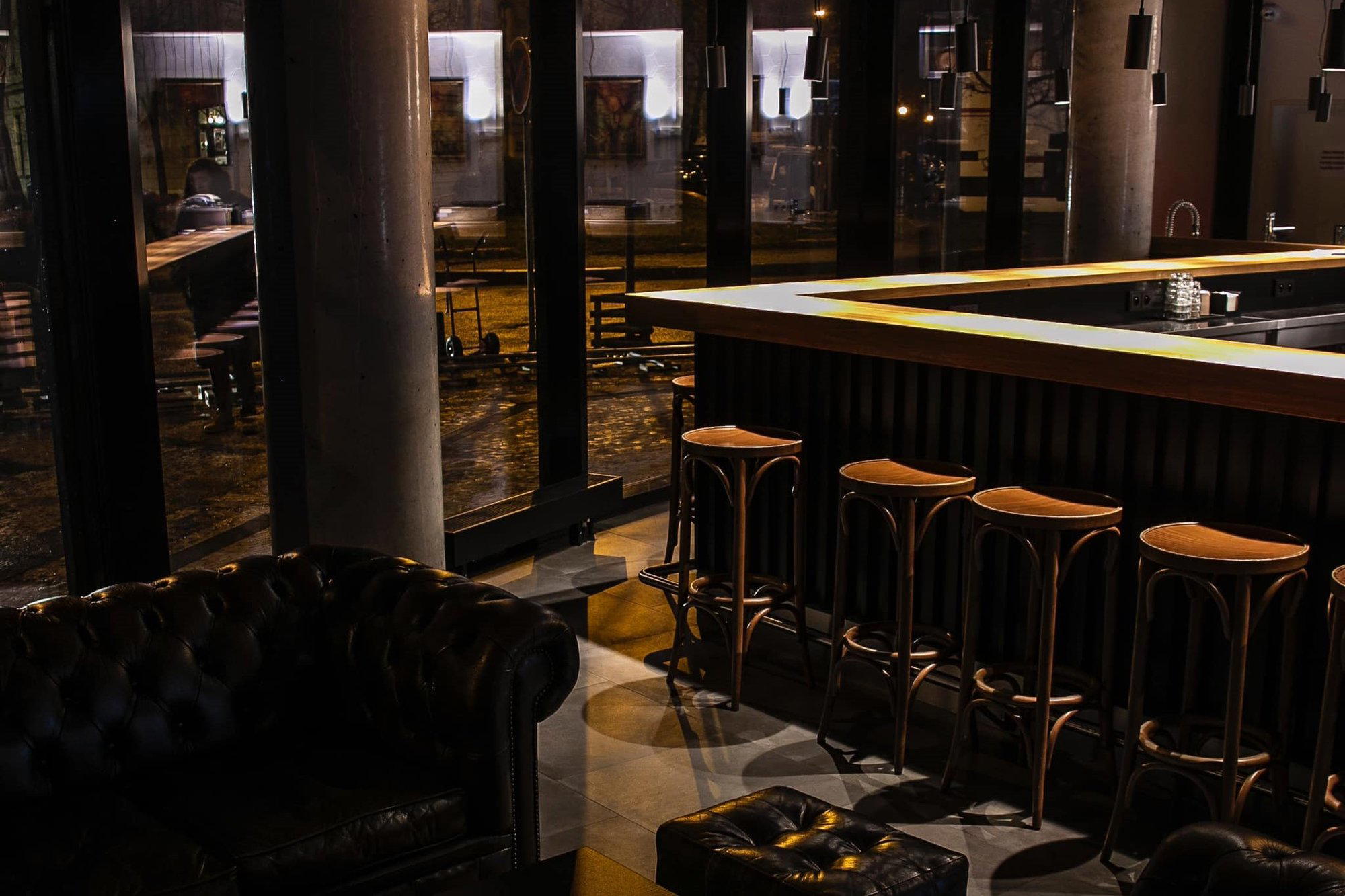
The bar at DOX operates within a cultural complex rather than as a standalone hospitality program. The bar here operates as part of a broader cultural complex rather than as a standalone hospitality program. That context shapes everything: the approach to service, the mix of patrons, and the pace of the space. Bars that operate inside major cultural institutions across Europe, from the café at the Stedelijk in Amsterdam to the Tate Modern's terrace bar in London, tend to follow a pattern where the programming of the institution sets the rhythm of the bar. Busy exhibition openings produce crowded, energised service periods; quieter afternoons shift the space toward slower, more deliberate engagement.
What distinguishes the better examples in that category is whether the bar team treats the institutional context as a constraint or as material. The craft bars that have emerged in Prague over the last decade, among them Black Angel's Bar and AnonymouS Bar in the old town, and Almanac X Alcron Prague in the hotel circuit, have built their identity primarily through the technical program. An institution-embedded bar has a different set of resources to draw on, including the physical environment, the captive audience of exhibition visitors, and the opportunity to reflect the centre's international programming in beverage choices.
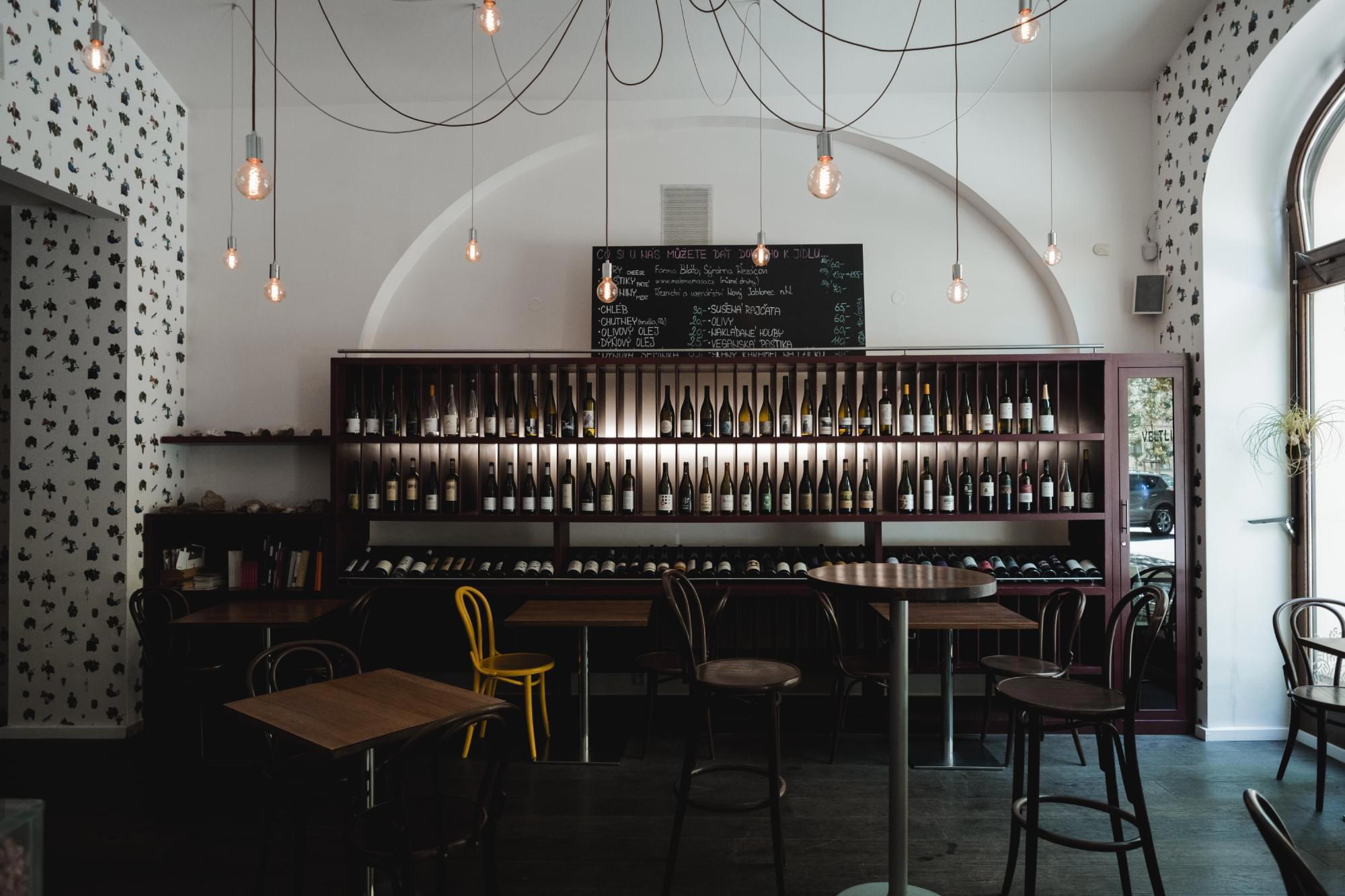
Prague's wine bar movement adds a parallel reference point. Autentista wine and champagne bar in the city centre has built a following through rigorous list curation. DOX's bar operates in a different register: less specialist, more inclusive, reflecting the institution's mandate to serve a broad public. That breadth is a deliberate choice, not a compromise.
Holešovice's Hospitality Ecosystem in Context
Visitors who extend their time in the neighbourhood will find that the bar and café at DOX connects logically to a wider circuit. The district's food and drink offer has become genuinely varied over the past five years, with natural wine bars, Vietnamese-influenced canteens, and specialty coffee operations clustered within walkable distance of the centre. For those building a longer stay around Holešovice, DOX functions as an anchor point rather than the entirety of the itinerary.
The comparison to bar programs in other cities with strong cultural-institution hospitality is instructive. Kumiko in Chicago and Jewel of the South in New Orleans both operate with a craft-first philosophy in which the training and palate of the person behind the bar shapes the entire experience. Bar Leather Apron in Honolulu and Julep in Houston demonstrate how a defined point of view, about spirits, about service, about hospitality, can make a bar legible and trusted even to first-time visitors. The institutional bar at DOX draws on a different logic: the point of view is partly curatorial, shaped by the exhibitions running upstairs as much as by any individual behind the counter. That is neither better nor worse than the specialist model; it is a different format with different strengths.
Internationally, Superbueno in New York City, The Parlour in Frankfurt, and Vrbice 345 in Vrbice each demonstrate how bar programs can carry a strong sense of place and host intention. The question for any visitor to DOX is whether the art centre format delivers a comparable sense of intentionality at the bar, or whether the hospitality is best understood as an extension of the gallery experience rather than a stand-alone proposition.
Planning a Visit to DOX
DOX Centre for Contemporary Art is located at Poupětova 1 in Praha 7-Holešovice, reachable by tram from the city centre with stops close to the complex. The neighbourhood is walkable from the Vltavská metro station. Exhibition programming changes across the year, so checking the centre's current schedule before visiting is a reliable way to ensure the gallery spaces are open and the programme aligns with your interests. The bar and café within DOX serve visitors during gallery hours, making the space practical as a midpoint in a longer Holešovice afternoon. Pricing at institutional café and bar spaces in Prague sits below premium cocktail bars in Staré Město and Vinohrady.
Just the Basics
Comparable venues nearby, for context on price, style, and recognition.
| Venue | Cuisine | Price | Notes |
|---|---|---|---|
| DOX Centre for Contemporary ArtThis venue — the venue you are viewing | Holesovice, Bar | $$ | Not listed |
| Wine List | Not listed | $$ | Karlin, wine_bar |
| Black Angel's Bar | Stare Mesto, speakeasy | $$$ | Not listed |
| Almanac X Alcron Prague | Not listed | $$$$ | Nove Mesto, cocktail_bar |
| Vinograf | Not listed | $$ | Praha 1, wine_bar |
| Bokovka Wine Bar | Not listed | $$$ | Stare Mesto, wine_bar |
At a Glance
- Modern
- Trendy
- Industrial
- Casual Hangout
- Design Destination
- Terrace
- Outdoor Terrace
- Lounge Seating
- Street Scene
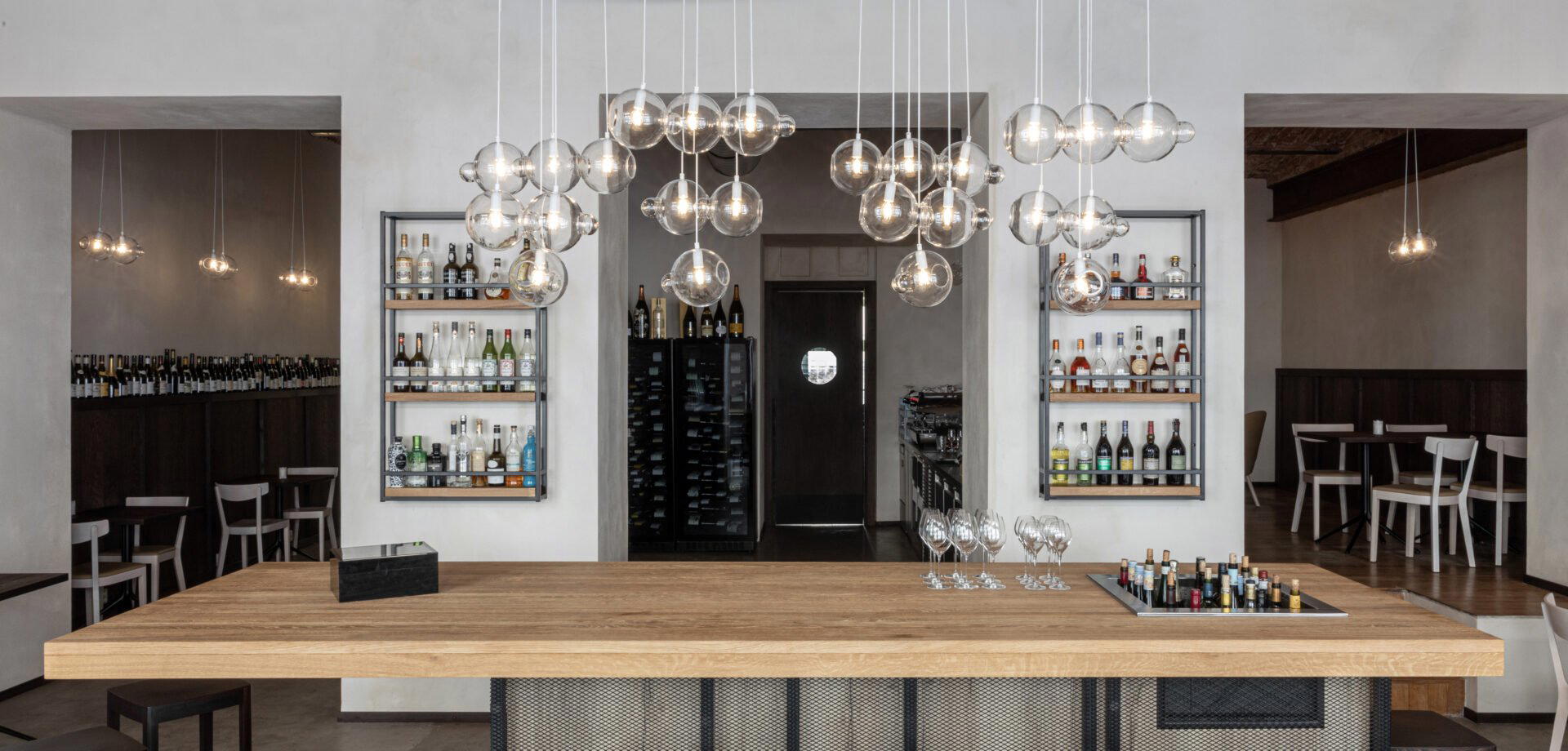
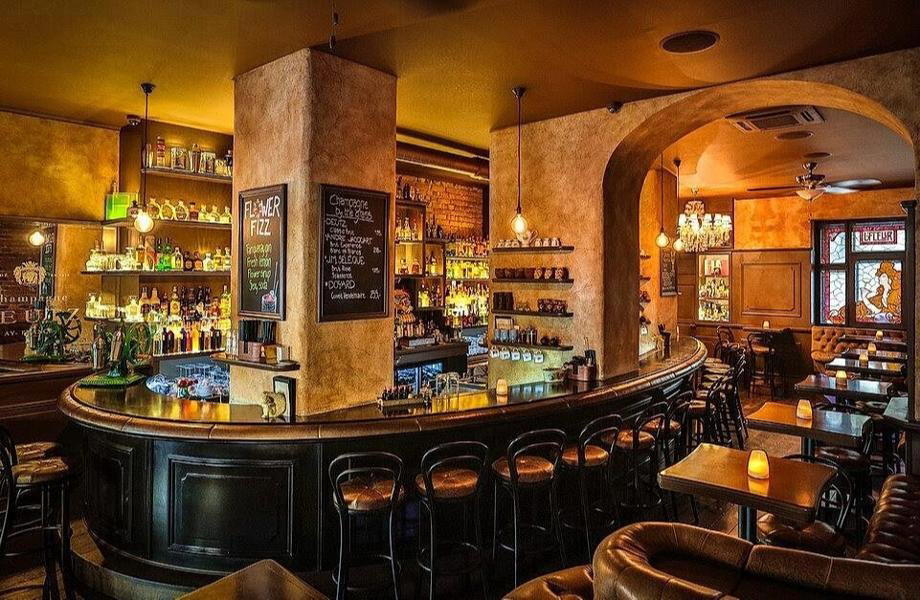
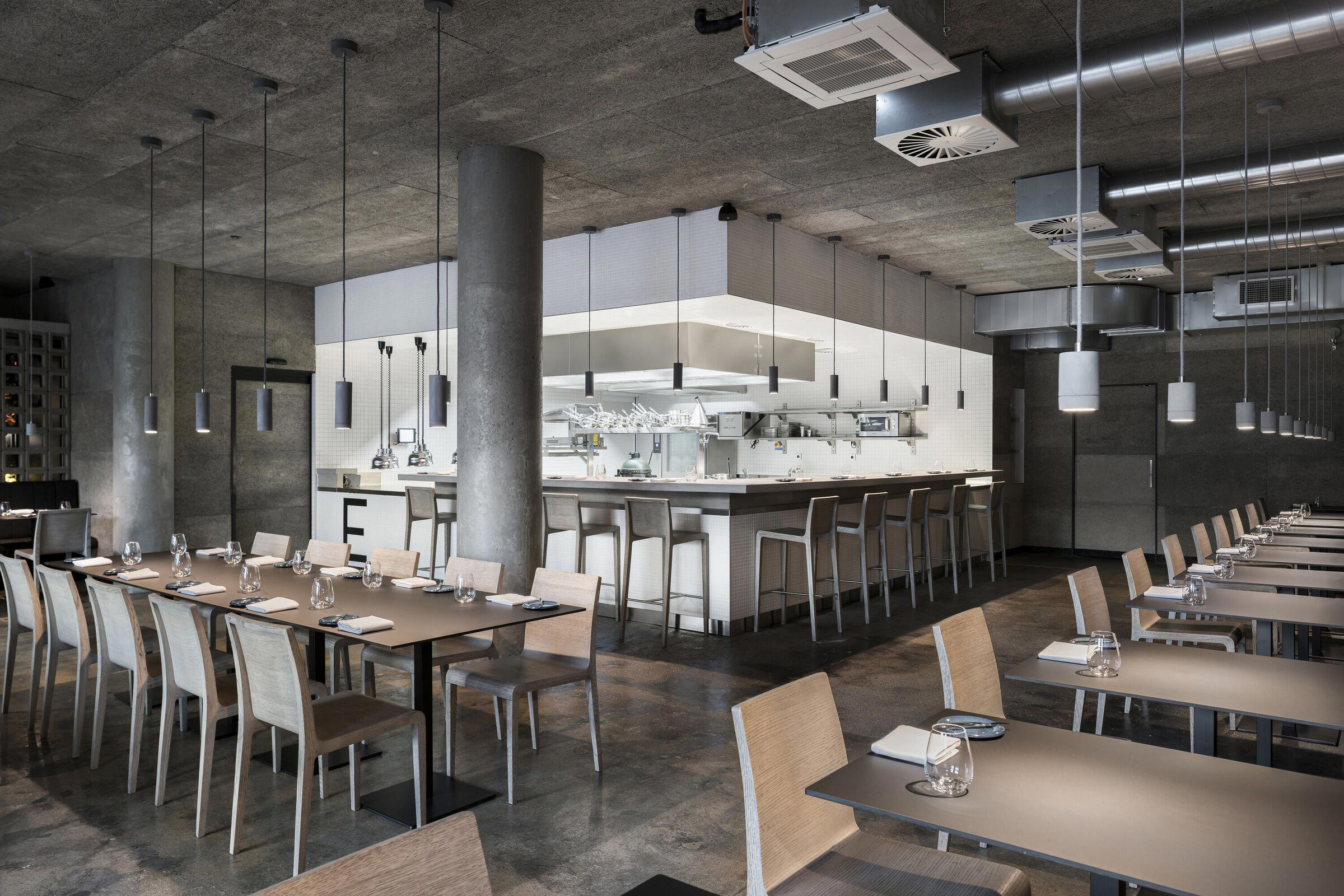
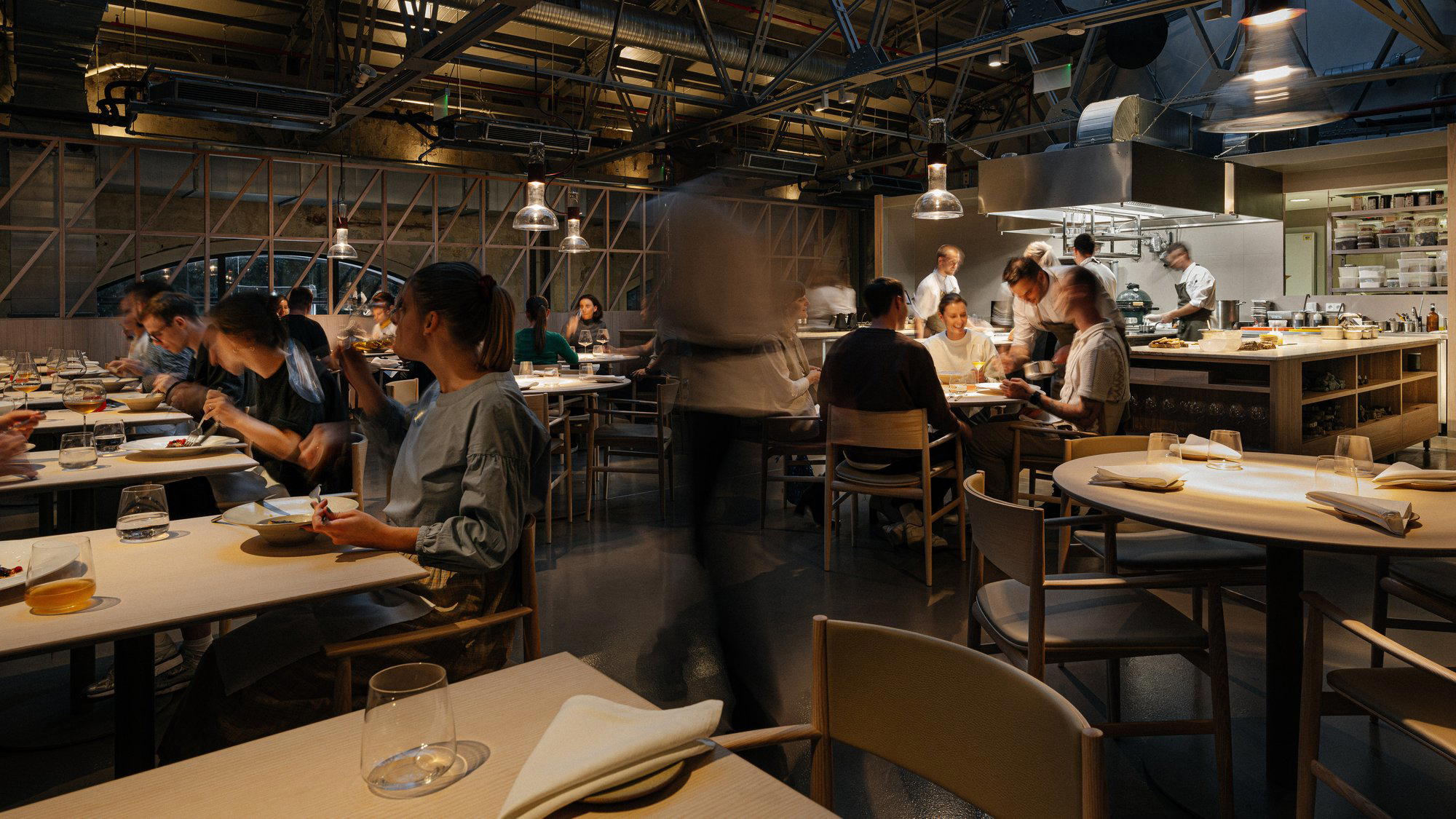
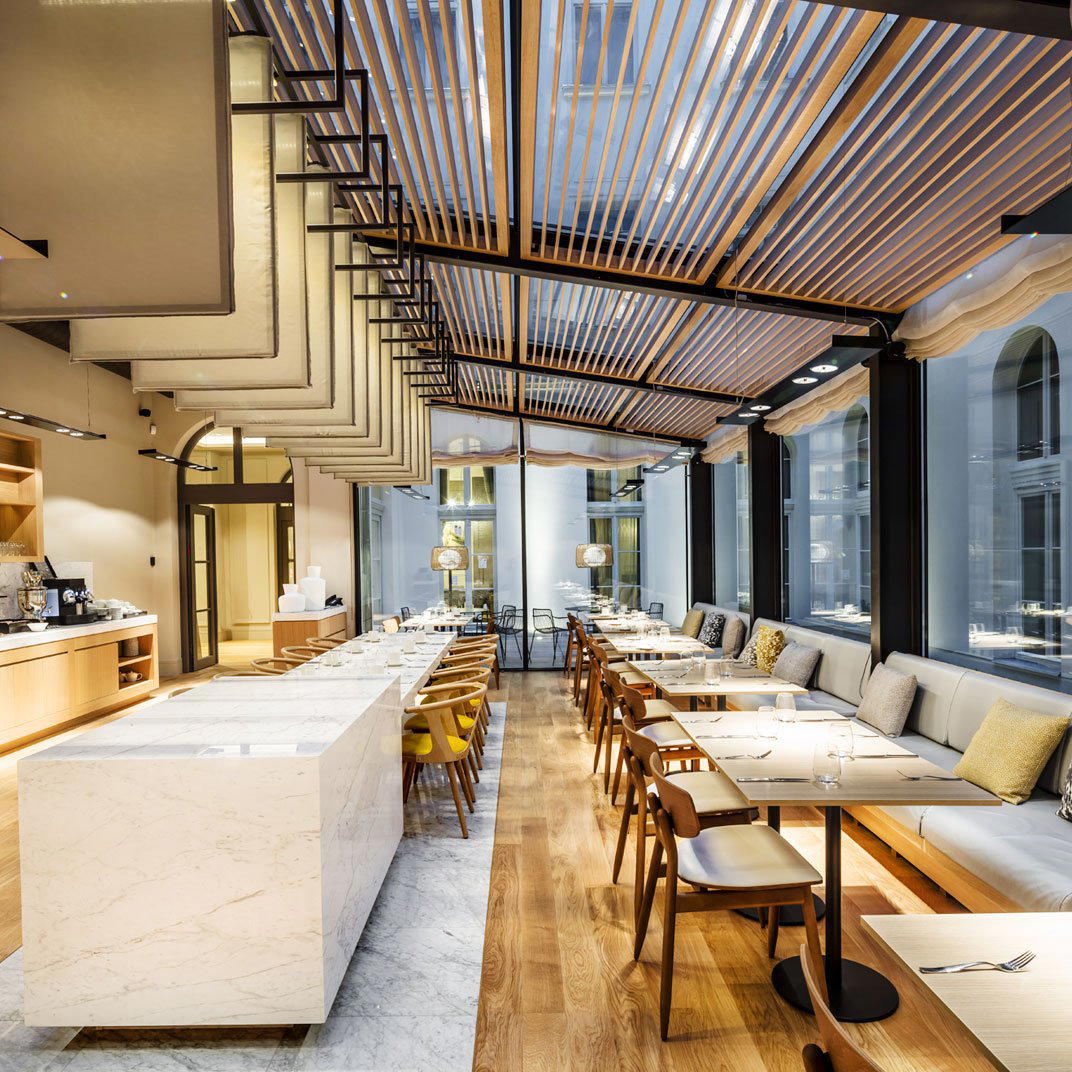
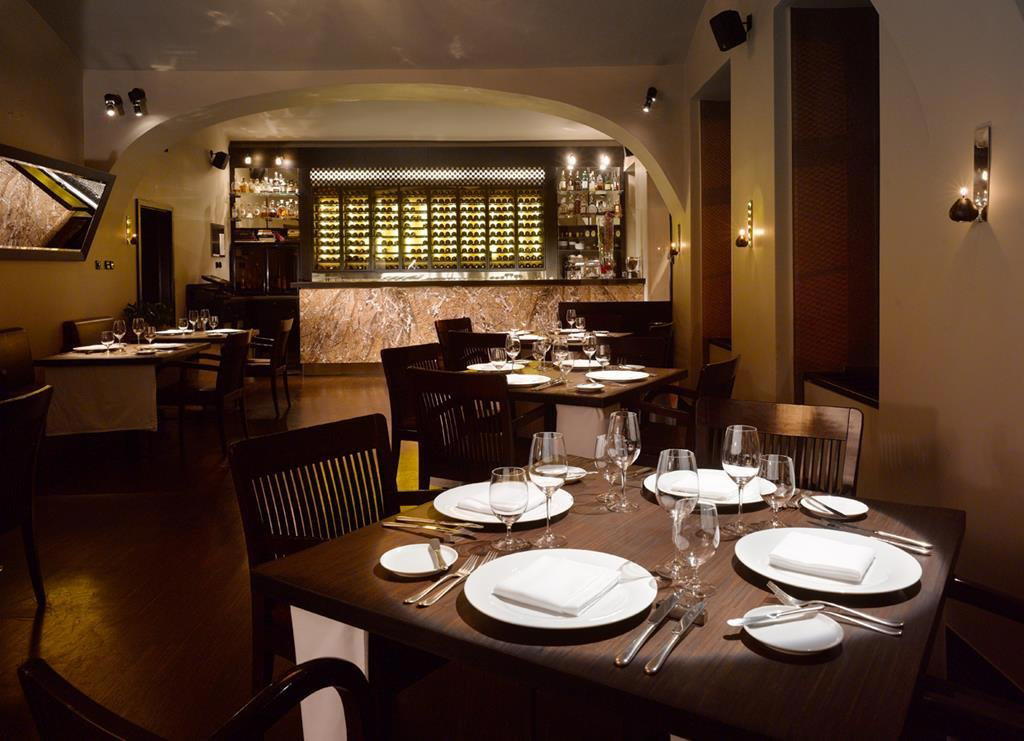
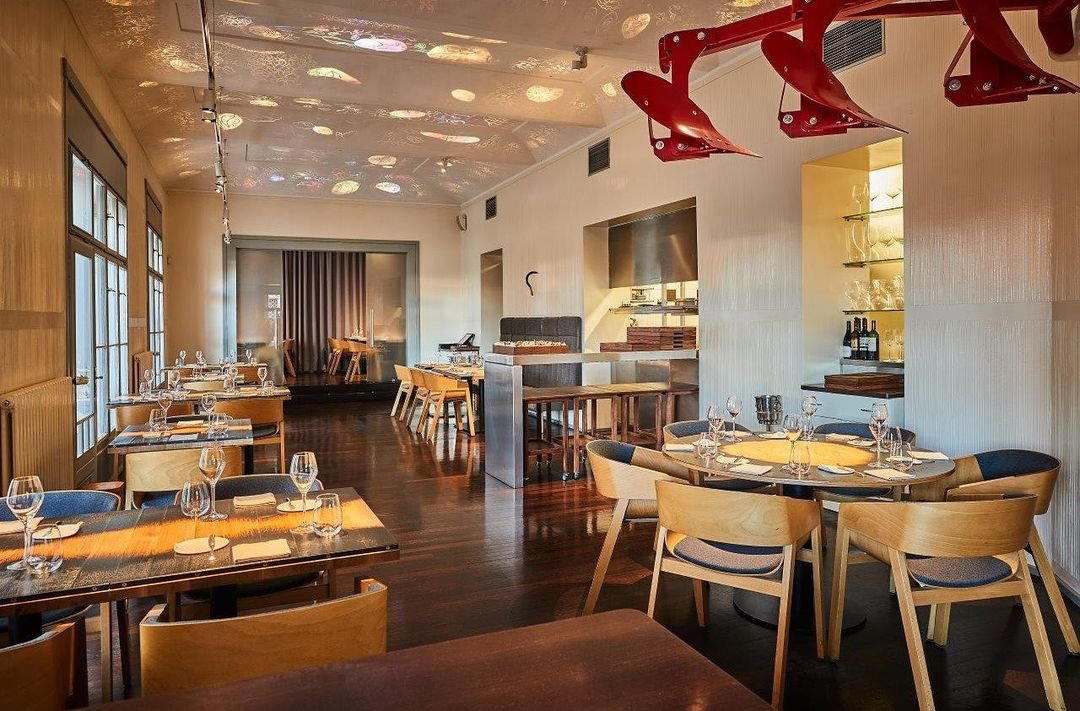
Modern industrial atmosphere with lively contemporary art displays and terrace views.