Restaurant KATSURA
Restaurant KATSURA occupies a basement-level space beneath the Diplomat Prague hotel in Dejvice, positioning itself within a small tier of Japanese-leaning fine dining that operates largely outside Prague's Old Town circuit. Where the city's most-discussed tasting menus lean French-Czech or Modern European, KATSURA offers a different structural logic, one built around Japanese culinary discipline in a neighbourhood accustomed to embassy-district discretion.
Pearl is the En Primeur Club membership app — saves, bookings, and concierge access live there. Same editors, same standards.
- Address
- negative 2nd fl, basement elevator, DIPLOMAT PRAGUE, Evropská 15, 160 00 Praha 6-Dejvice, Czechia
- Phone
- +420734709870
- Website
- katsura-praha.com
- Directions
- Get directions
 Saves & bookings on Pearl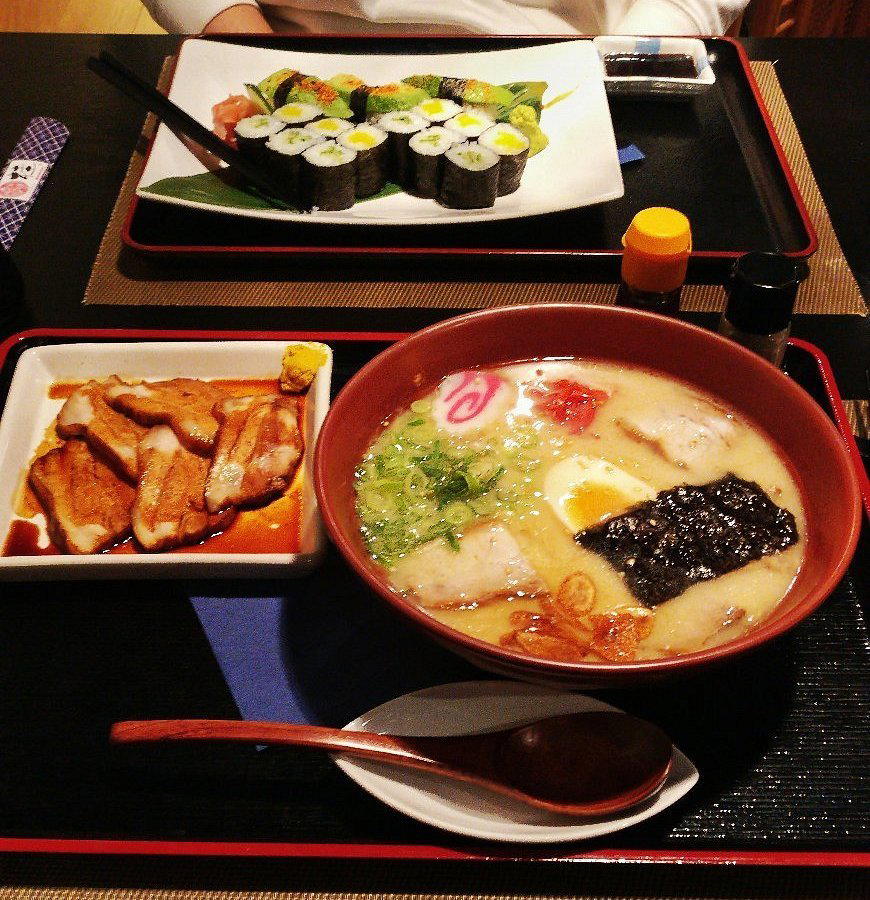
Below Street Level in Dejvice
Prague's serious dining scene divides along a familiar fault line: the Old Town and Malá Strana restaurants that feed the city's tourist-heavy centre, and a quieter ring of neighbourhood addresses that operate at a different register entirely. Dejvice sits firmly in the second category. The district's identity is shaped by embassies, consulates, and the kind of long-term international residents who eat out not for occasion but for habit. Restaurant KATSURA is an Authentic Japanese Washoku restaurant in Prague 6-Dejvice, with a price point of about $25 per person. It operates within that context, occupying the negative second floor of the Diplomat Prague on Evropská, reached by basement elevator, below the hotel's main footprint, in a spatial configuration that signals intention before the first course arrives.
That descending approach matters. In cities where Japanese fine dining has established a clear market position, Tokyo obviously, but also London, Paris, and New York, where venues like Atomix have made Korean-Japanese precision a reference point for serious diners, the physical environment carries weight. A basement counter insulates against street noise, controls ambient temperature, and frames the meal as a deliberate act of removal from the city outside. Whether KATSURA deploys that logic consciously or by architectural circumstance, the result is a setting that functions differently from Prague's street-level competition.
What the Menu Structure Tells You
The editorial angle most useful for understanding KATSURA is not chef biography or provenance story, it is menu architecture. How a kitchen organises a meal, what sequencing it imposes, what choices it extends or withholds, reveals more about a restaurant's actual ambitions than any press-release language about philosophy or inspiration.
Prague's most architecturally ambitious menus tend to run through a French or Central European framework. La Degustation Bohême Bourgeoise operates at the city's formal upper tier with a French-Czech structure priced at €€€€, where each course functions as a chapter in a local culinary argument. Alcron runs a Modern European format that aligns with the international hotel-dining grammar its setting implies. KATSURA's position inside the Diplomat Prague creates a natural parallel to Alcron, but the Japanese orientation, if the name and address are read as deliberate signals, points toward a different kind of menu logic entirely.
Japanese tasting formats, at their most structured, treat sequencing as the primary act of authorship. The progression from lighter to more concentrated flavours, the placement of raw preparations relative to cooked, the management of rice as structural anchor rather than accompaniment, these are decisions that a well-executed Japanese menu makes explicitly, in ways that French and Modern European formats often leave implicit. A diner approaching KATSURA with that framework in mind will read the meal differently than one arriving with Central European fine-dining expectations.
What is observable from the venue's structural position is that a Japanese restaurant operating at hotel fine-dining level in Dejvice is addressing a comparable set that extends beyond Prague. The comparison venues are not just 420 Restaurant or Alma in the local market, but also the broader category of Japanese fine dining in capital cities where expat and diplomatic communities sustain a clientele that travels and compares.
The Dejvice Context and Why It Matters
Location shapes expectation in ways that menus alone cannot. Restaurants in Prague's Old Town, however accomplished, operate inside a tourism-inflected frame: the audience is partly transient, partly first-time, and the room frequently includes people for whom this is their one Prague meal. Dejvice does not function that way. The Diplomat Prague's address on Evropská serves a district where the regular clientele includes Czech professionals, long-posting diplomats, and international business travellers who have been to the hotel before and will return. That audience tends to be more experienced with formal dining formats and less in need of orienting context.
For a Japanese restaurant specifically, that demographic profile is meaningful. Japanese fine dining requires a certain baseline familiarity to be read correctly, not because the food is inaccessible, but because the menu architecture depends on a diner who is not surprised by the structure. A Dejvice audience, on average, brings more of that fluency than a first-visit Old Town crowd. This gives KATSURA a practical operating advantage that a comparable concept placed on Pařížská or near the Charles Bridge would not enjoy in the same form.
For travellers mapping Prague's dining options by neighbourhood rather than ranking, the Diplomat Prague location also implies logistical convenience. The hotel sits on Evropská with direct metro access, Dejvická station places it within easy reach of the city centre without requiring a deep commitment to the outer districts. Visitors staying elsewhere in Prague and considering KATSURA as a dinner destination should factor 15 to 20 minutes from central addresses, depending on mode of transport. Those staying at the Diplomat itself have the obvious advantage of a basement elevator rather than a taxi.
Other serious Czech dining that operates outside the Prague spotlight includes BRATRS in Brno and, at the more casual end of the Czech scene, addresses like Bylo, nebylo in Liberec, a reminder that the country's dining ambition is not concentrated in the capital alone. Within Prague itself, the contrast between KATSURA's neighbourhood positioning and the Old Town-adjacent confidence of Emperor Square in Prague 1 or Amano illustrates how much address shapes market positioning before food quality enters the equation.
Japanese cuisine in the Czech Republic more broadly remains an underrepresented category at the formal end. Gokana Japanese restaurant in Ostrava represents the format at a regional level; the gap between that tier and hotel fine dining in Prague is substantial, which positions KATSURA in a thin but coherent bracket. For context on how Japanese fine dining operates at its most technically demanding international level, the New York reference point of Le Bernardin, a different cuisine but a parallel formal register, illustrates what sustained precision and institutional investment look like across many years.
At a Glance
Comparable venues nearby, for context on price, style, and recognition.
| Venue | Cuisine | Price | Notes |
|---|---|---|---|
| Restaurant KATSURAThis venue — the venue you are viewing | Veleslavin, Authentic Japanese Washoku | $$$ | Not listed |
| Yami Sushi House | Josefov, Japanese Sushi and Fusion | $$ | Not listed |
| Taiko | Not listed | $$ | Praha 3, Japanese Ramen & Street Food |
| Café Savoy | Not listed | $$$ | Mala Strana, Czech & French-Inspired Fine Dining Café |
| Kogo Havelská | Stare Mesto, Italian | $$ | Not listed |
| ZEM Restaurant | Not listed | $$$ | Praha 1, Avant-Garde Czech Bistronomy with Izakaya Influence |
At a Glance
- Cozy
- Elegant
- Intimate
- Date Night
- Business Dinner
- Hotel Restaurant
- Sake Program
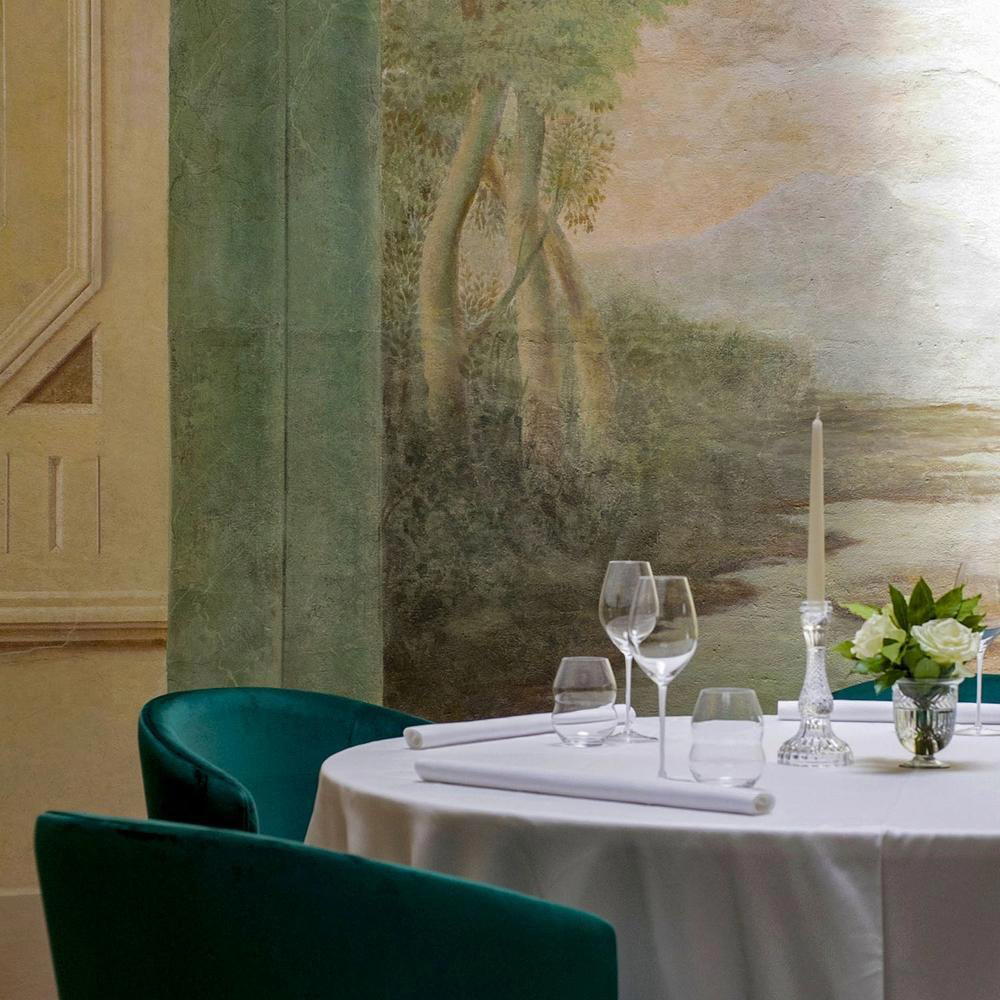
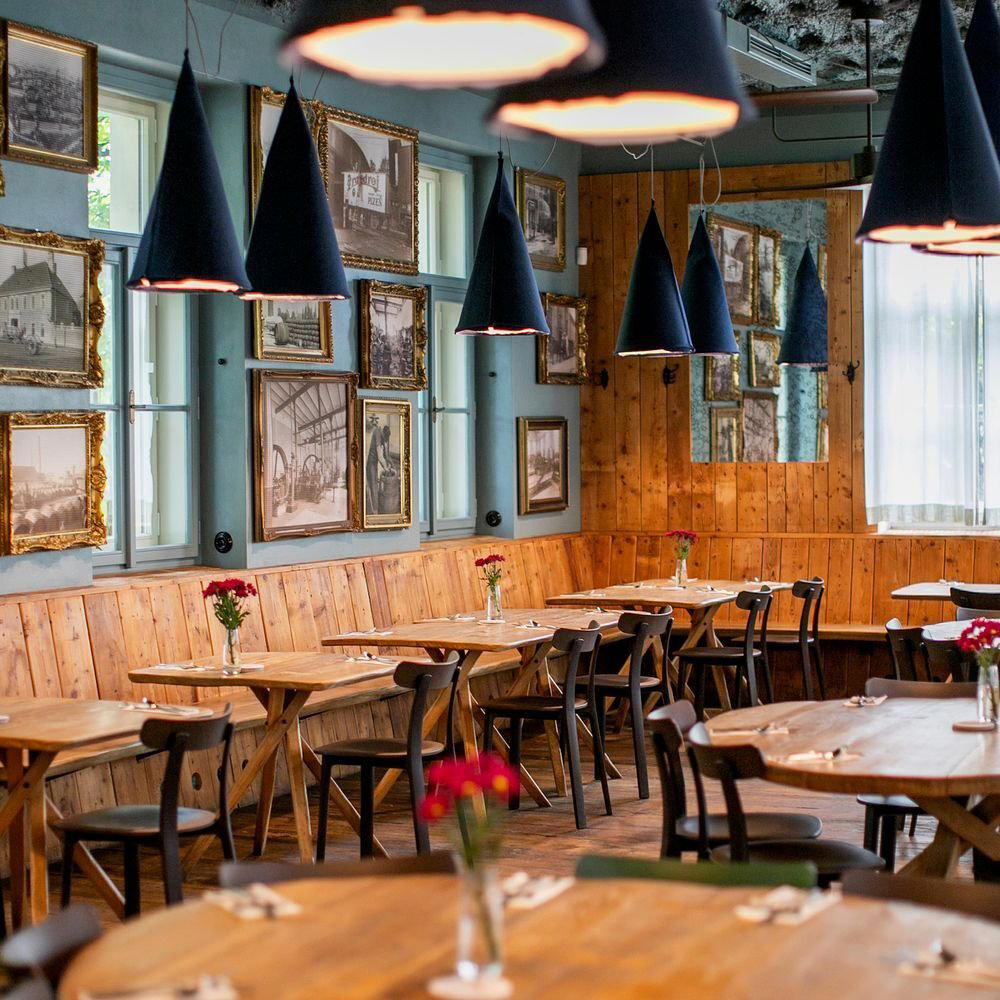
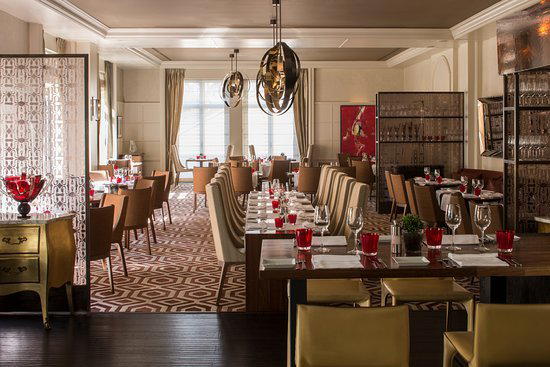
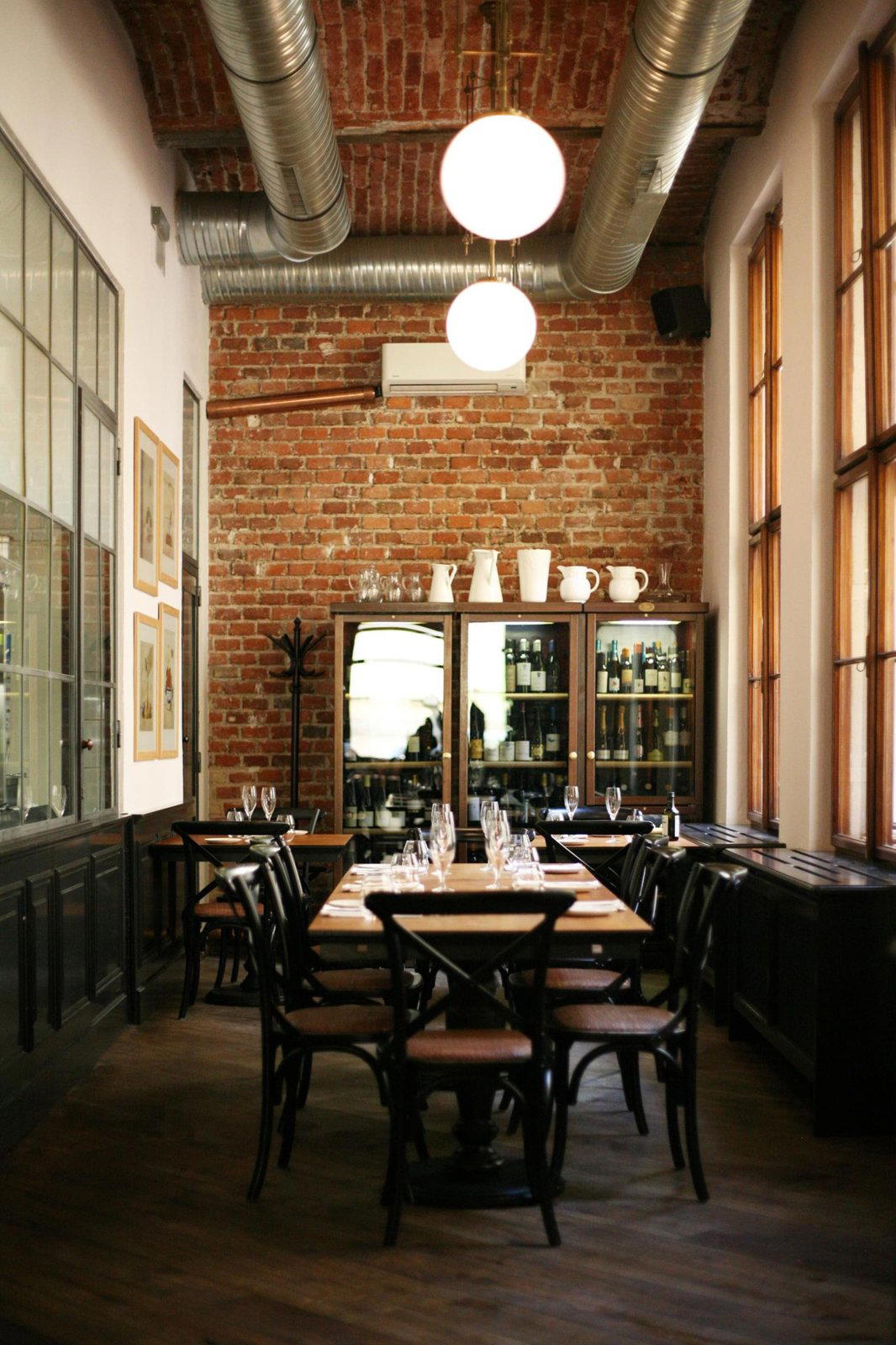
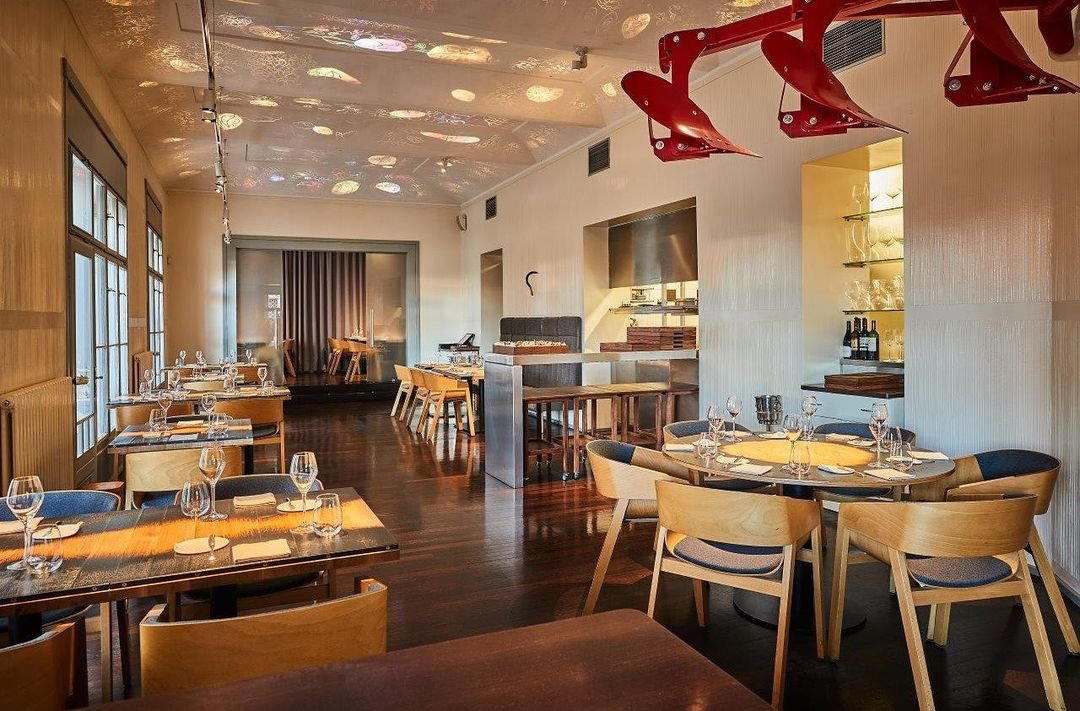
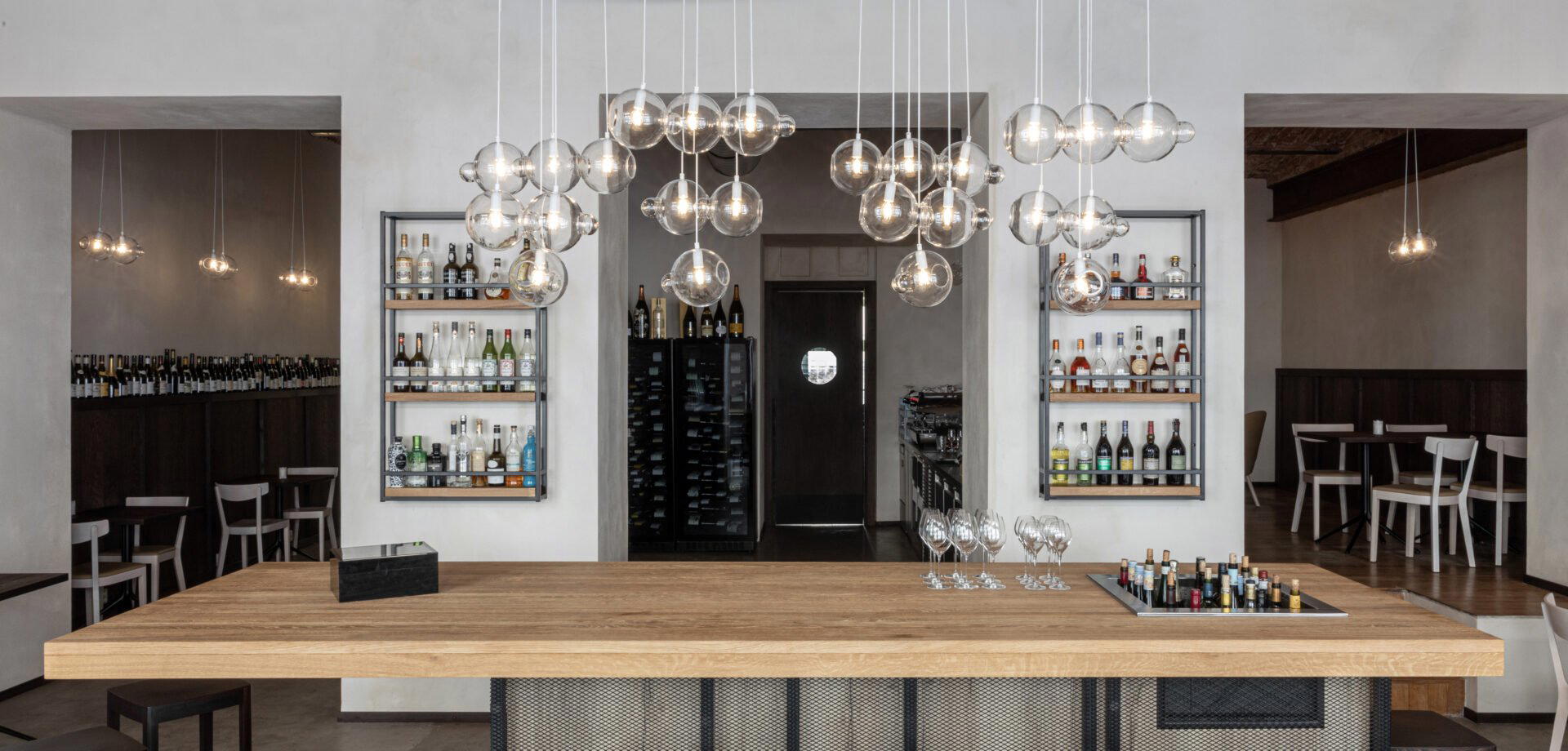
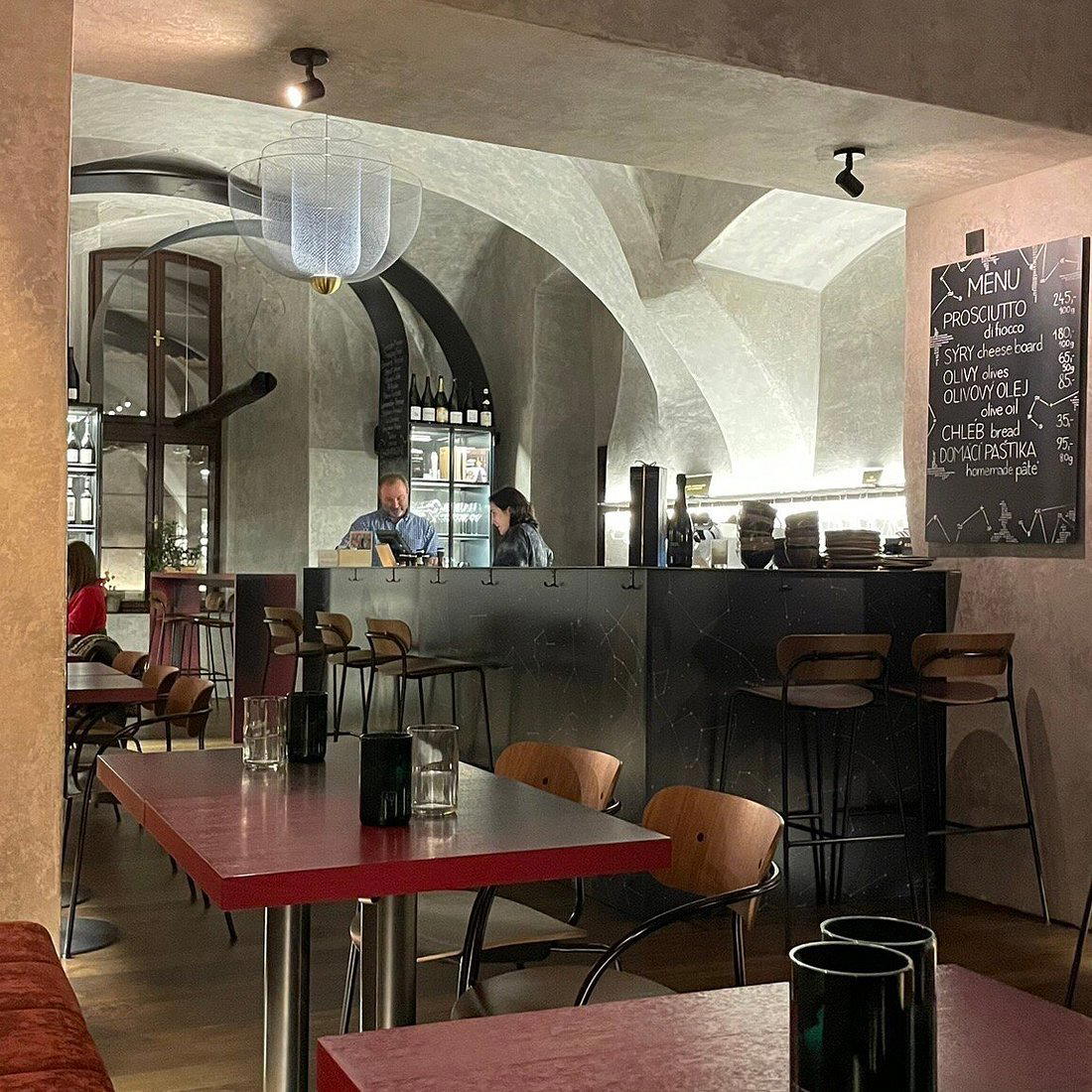
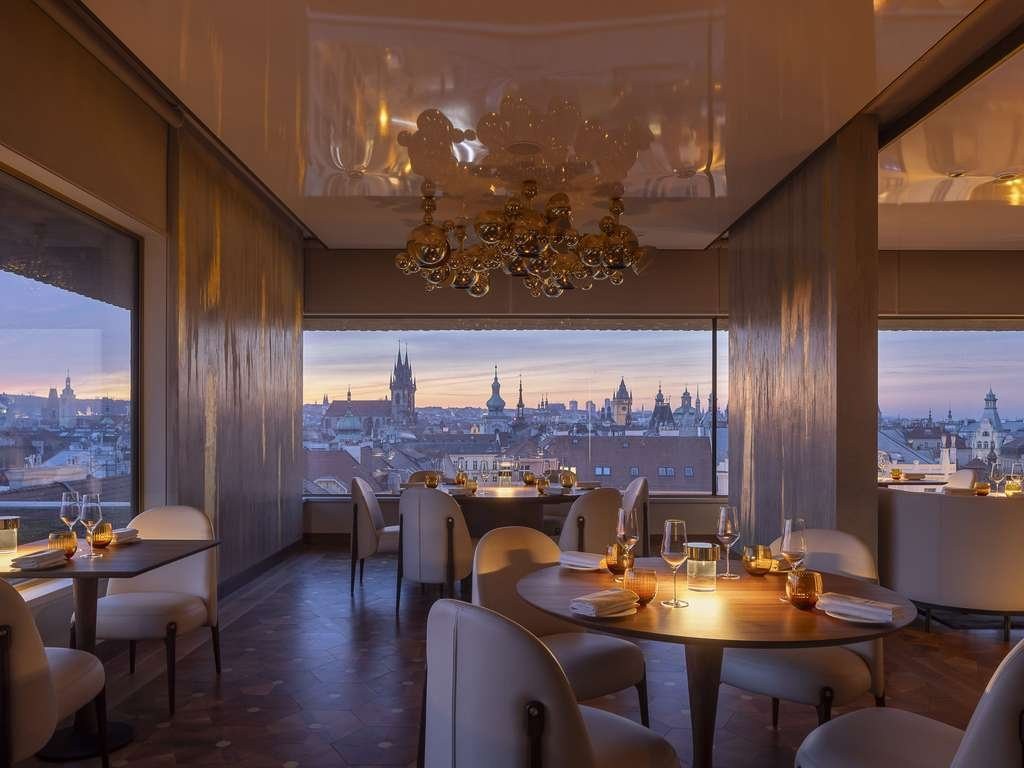
Cozy and inviting with a warm, authentic Japanese atmosphere fusing contemporary comfort and heritage, though some note it could benefit from improved lighting and decor.