Gokana Japanese restaurant
A Japanese restaurant on Zámecká street in central Ostrava, Gokana sits within a city that has developed a modest but growing appetite for Asian dining over the past decade. The address places it in Moravská Ostrava, the historical core, making it accessible for both residents and visitors exploring the city's evolving food scene alongside European alternatives.
Pearl is the En Primeur Club membership app — saves, bookings, and concierge access live there. Same editors, same standards.
- Address
- Zámecká 1666/17, 702 00 Moravská Ostrava a Přívoz, Czechia
- Phone
- +420720588588
- Website
- gokana.cz
- Directions
- Get directions
 Saves & bookings on Pearl
Japanese Dining in an Industrial City Finding Its Table
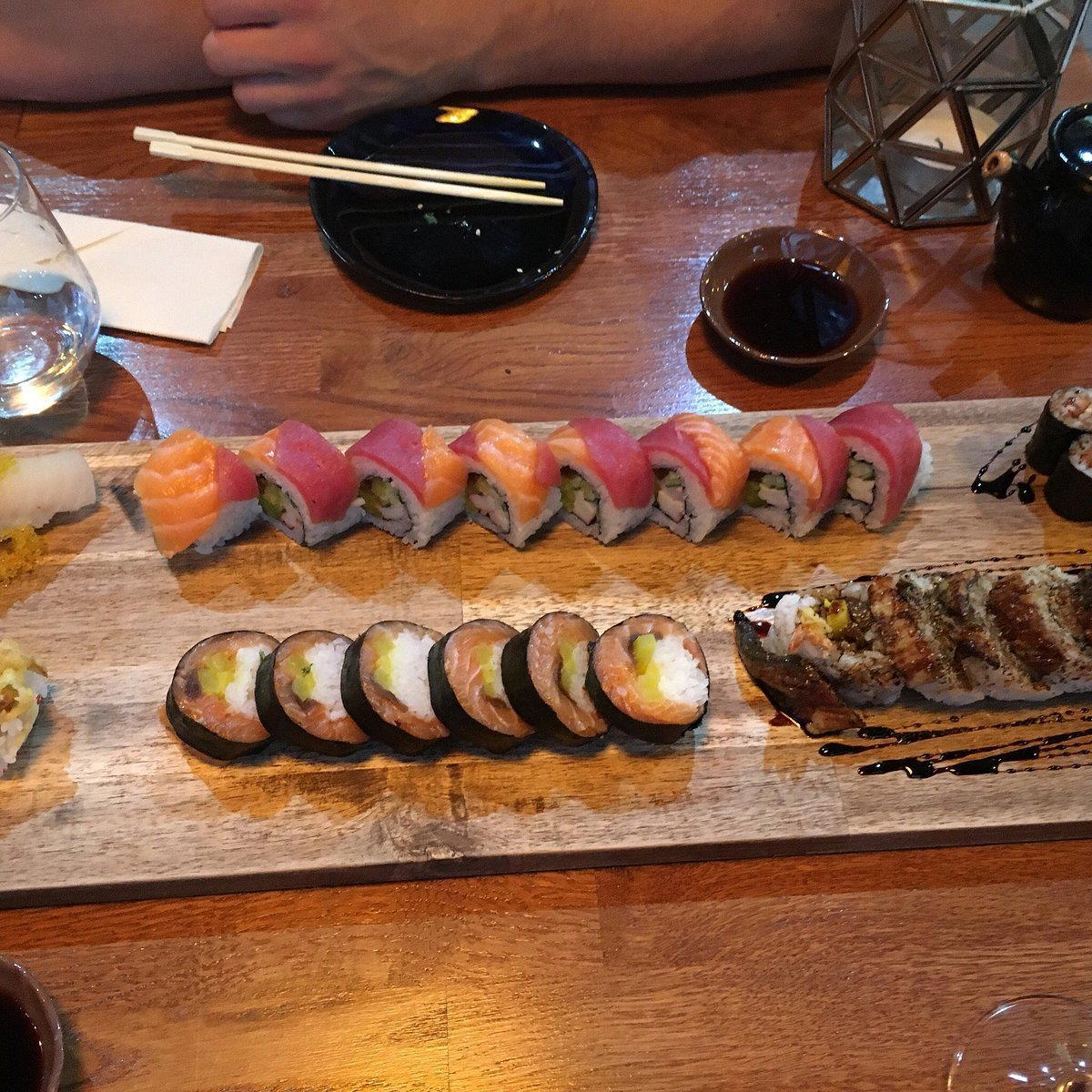
Ostrava has spent the better part of two decades rebuilding its identity. A city shaped by steel and coal, it now reads differently: gallery conversions, renovated brewery spaces, and a restaurant scene that has moved beyond Central European staples into territory that would have seemed unlikely in the mid-2000s. That shift includes a growing presence of Asian dining concepts, and Gokana Japanese restaurant on Zámecká street sits within that broader arc as a modern Japanese sushi restaurant in Ostrava. The address, in Moravská Ostrava's historical core, places it among the pedestrian-friendly streets that have become the city's default destination for evening dining.
Japanese cuisine's arrival in Central European cities like Ostrava follows a pattern visible across the region: sushi came first, carried by a wave of pan-Asian concepts in the 2000s, followed by a gradual refinement toward more specific regional traditions. Cities like Prague and Brno led that curve, with Ostrava tracking slightly behind but catching up. Gokana occupies a Zámecká address that signals urban centrality rather than suburban convenience, which in Ostrava's context suggests a venue oriented toward a dining-out crowd rather than a quick-lunch market.
What Japanese Tradition Means in This Context
Japanese restaurant culture carries specific expectations that travel imperfectly. In Tokyo or Osaka, the distinctions between an izakaya, a ramen-ya, a kaiseki counter, and an omakase sushi room are understood without explanation. Each format implies its own rhythm, price tier, and level of interaction between kitchen and guest. When those formats migrate to European cities outside London, Paris, or Amsterdam, they tend to compress: a single venue covers more ground, menus broaden, and the format becomes less specific. That compression is not necessarily a failure, it is an adaptation to markets where the customer base for, say, a twelve-seat omakase counter simply does not yet exist at scale.
Ostrava's position within Czech dining sits at some distance from Prague's more developed international restaurant scene. La Degustation Bohême Bourgeoise in Prague represents the capital's ceiling for formal dining, a Michelin-starred tasting menu built on Czech culinary heritage interpreted through classical French discipline. Ostrava operates in a different register entirely, where the relevant comparison is not national fine dining but the local competition for international cuisine done with genuine care. Within that frame, a Japanese restaurant in central Ostrava is addressing a specific gap in a market that remains predominantly Central European in orientation.
The Zámecká street location, the address reads Zámecká 1666/17, 702 00 Moravská Ostrava a Přívoz, is worth noting for practical reasons. The street runs through the city's most walkable central zone, close to the cultural and commercial activity that draws foot traffic on weekday evenings and weekends. This is not the kind of address that relies on destination dining loyalty alone; it benefits from passing urban life.
The Wider Czech Dining Map
Understanding Gokana in context means understanding where Japanese cuisine sits within Czech dining culture more broadly. The Czech Republic has a strong rooted food identity, pork, dumplings, fermented dairy, game, and its most celebrated restaurants tend to work with or against that tradition. Na Spilce in Pilsen leans into that heritage directly; Tlustá Kachna in Chrudim takes a regional approach. More contemporary venues like Long Story Short Eatery and Bakery in Olomouc and Cattaleya in Čeladná show the direction younger kitchens are moving. Against that backdrop, a Japanese restaurant in Ostrava is working in a distinct lane, not competing with the Czech culinary tradition so much as offering an alternative for diners who want something outside of it.
The comparison that matters more for Gokana's immediate positioning is its relationship to other Ostrava venues operating in the same city context. Tsurī sushi and fusion represents the closest peer in Ostrava's Japanese and fusion dining segment, while BERNIES GRILL and WINE RESTAURANT operates in a different international cuisine register, grill-led, wine-focused, that targets a similar evening dining demographic. These venues collectively define what Ostrava's non-Czech dining tier looks like in the current moment.
For reference points beyond the Czech Republic, the discipline that separates the better Japanese restaurants from generic pan-Asian venues in European cities is usually traceable to sourcing decisions and technique specificity. Venues like Le Bernardin in New York City set a standard for fish-focused precision that informs what serious fish cookery looks like at any price tier, while chef-driven formats like Lazy Bear in San Francisco demonstrate how a defined culinary point of view creates a recognisable identity regardless of cuisine type. These are not direct comparisons to Gokana, they operate in an entirely different market, but they illustrate the range of ambition that exists within serious restaurant culture.
Planning a Visit
Gokana's Zámecká address in the centre of Moravská Ostrava is reachable by tram, with the city's central network running through the surrounding streets. For visitors staying in central Ostrava hotels, the location is walkable from most of the district's accommodation. Reservation is recommended, particularly for larger groups or weekend evenings when central Ostrava restaurants tend to fill earlier.
For those building a wider Czech itinerary, the restaurant landscape beyond Ostrava includes venues worth anchoring a route around: Pavillon Steak House in Brno, Chapelle in Písek, ARRIGŌ in Děčín, Perk Restaurant in Šumperk, Dvůr Perlová voda in Budyně nad Ohří, V Bezovém Údolí in Kryštofovo Údolí, Malá Dvorana in Karlovy Vary, and Šupina a Šupinka in Třeboň.
Cost and Credentials
Comparable venues nearby, for context on price, style, and recognition.
| Venue | Cuisine | Price | Notes |
|---|---|---|---|
| Gokana Japanese restaurantThis venue — the venue you are viewing | Not listed | $$$ | Not listed |
| Tsurī sushi & fusion | Poruba, Japanese Sushi & Fusion | $$$ | Not listed |
| BERNIES GRILL & WINE RESTAURANT | Not listed | $$$ | Stodolní, Steakhouse & Grill with Wine Focus |
| BON | Not listed | $$ | Vinohrady, Authentic Japanese Ramen & Soba |
| Bánh Mì Má Lúm | Libuš, Authentic Vietnamese Bánh Mì | $$ | Not listed |
| Terasa U Prince | Not listed | $$$$ | Stare Mesto (Old Town), International Grill with Czech Influences |
At a Glance
- Modern
- Elegant
- Minimalist
- Sophisticated
- Date Night
- Business Dinner
- Casual Hangout
- Open Kitchen
- Sake Program
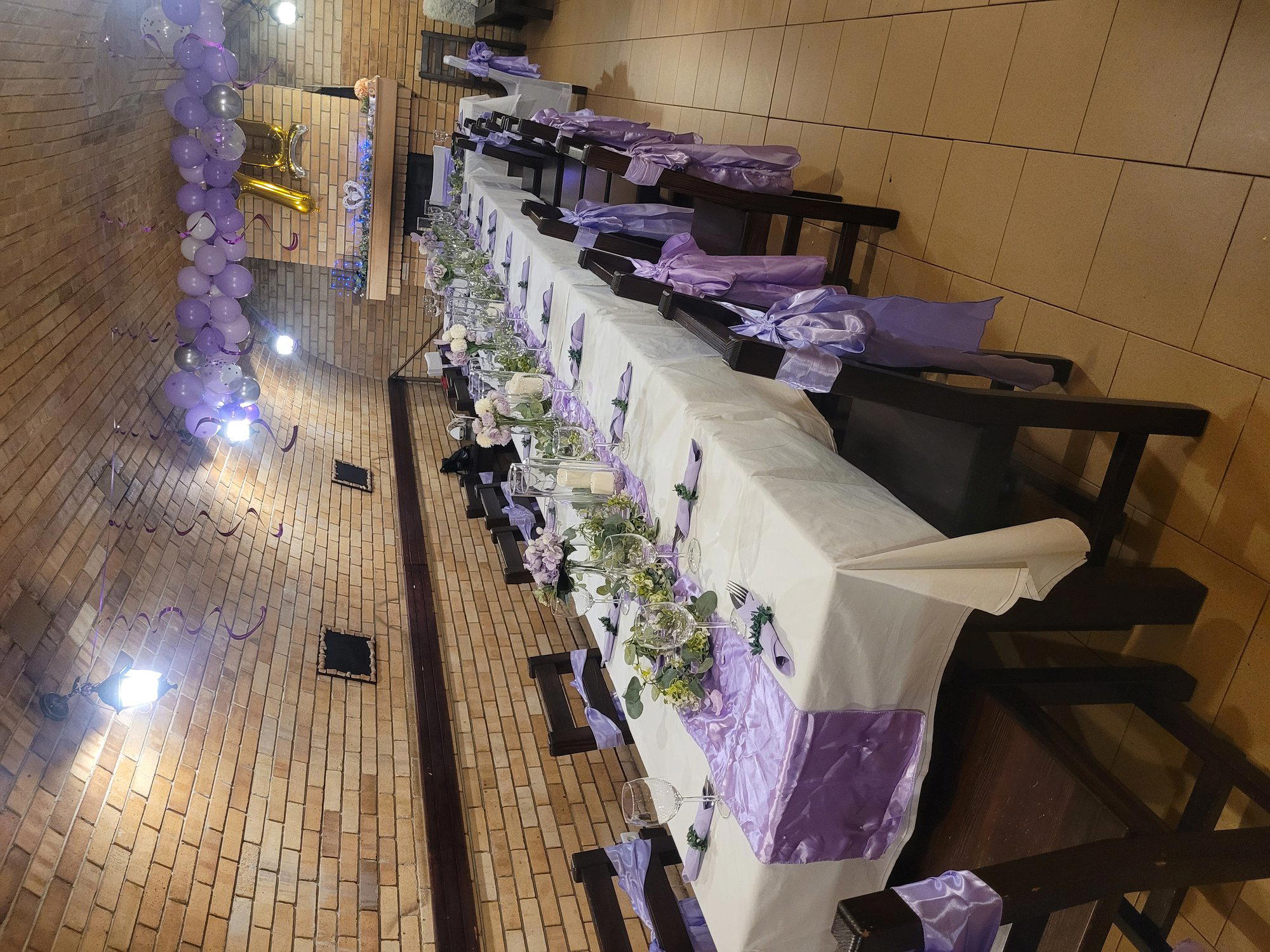
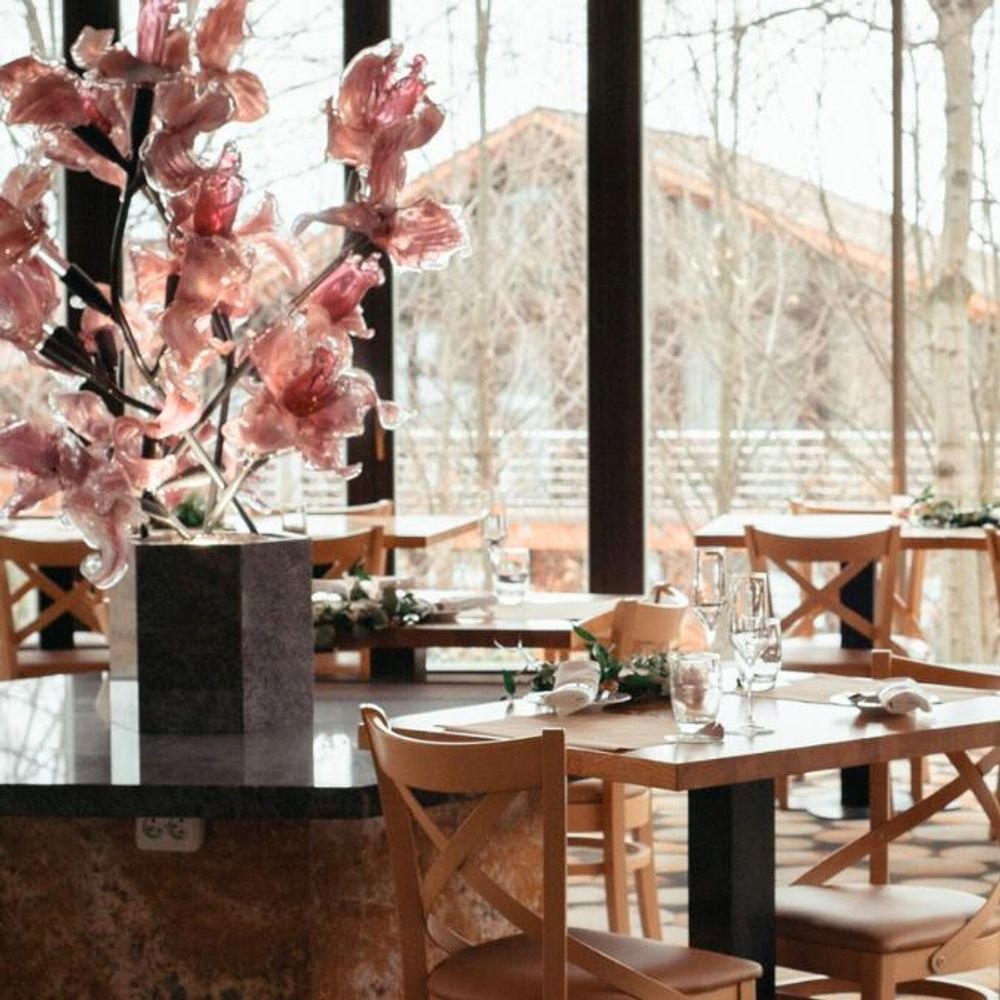
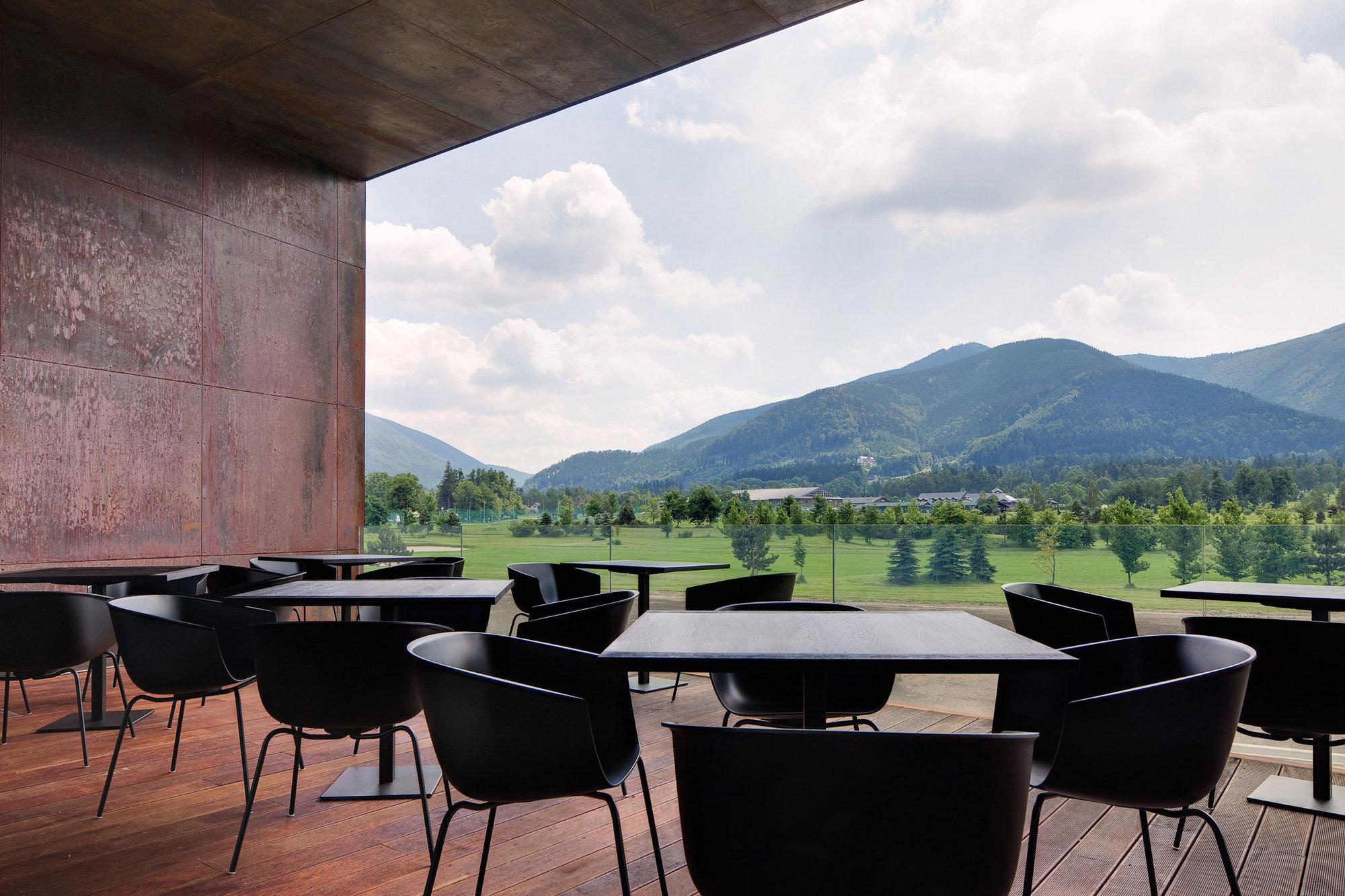
Modern minimalism with clear Japanese Feng-Shui lines blended with local Ostrava details, creating a relaxed yet elegant atmosphere praised for its nice environment especially upstairs.