Alma

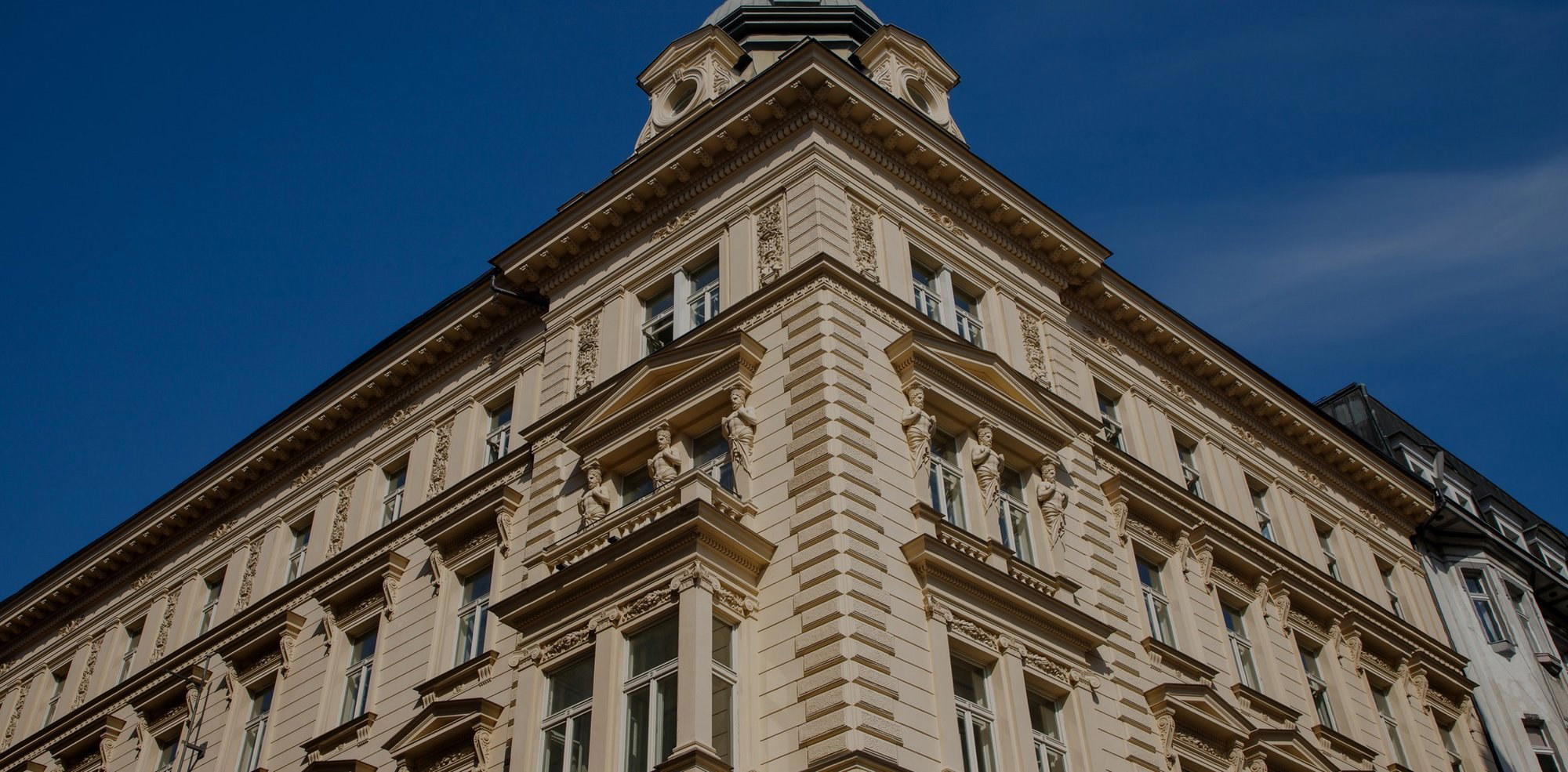
Alma brings the weight of Portuguese culinary tradition to the heart of Prague's Nové Město district, operating from an 18th-century building that once housed the Bertrand bookshop, recognised as the world's oldest. The kitchen works across two menus anchored in Henrique Sá Pessoa's signature approach and a dedicated tribute to Portuguese fish and seafood, with a wine program weighted toward natural and biodynamic producers.
Pearl is the En Primeur Club membership app — saves, bookings, and concierge access live there. Same editors, same standards.
- Address
- V Jirchářích 150/8, Nové Město 110 00, 1 Praha 1, Czechia
- Phone
- +420 601 150 800
- Website
- almaprague.cz
- Directions
- Get directions
 Saves & bookings on Pearl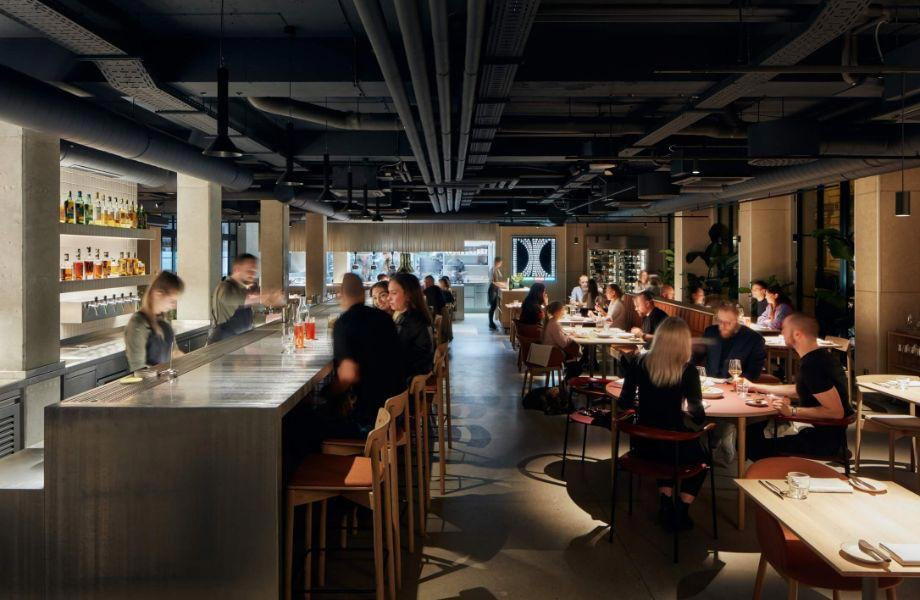
A Lisbon Sensibility in a Central European Setting
Prague's fine-dining scene has long drawn its reference points from France, Austria, and the Czech culinary revival led by places like La Degustation Bohême Bourgeoise. Modern Czech cuisine arriving at this level of formal ambition is, by contrast, a rarer proposition in Prague and across Central Europe generally. Alma sits at the intersection of two distinct traditions: the precision and ceremony of European fine dining, and the ingredient-led, coast-anchored cooking of Portugal, where fish, shellfish, and the structural use of preserved and fermented flavours have shaped a cuisine that remains underrepresented in high-end rooms outside Lisbon and Porto.
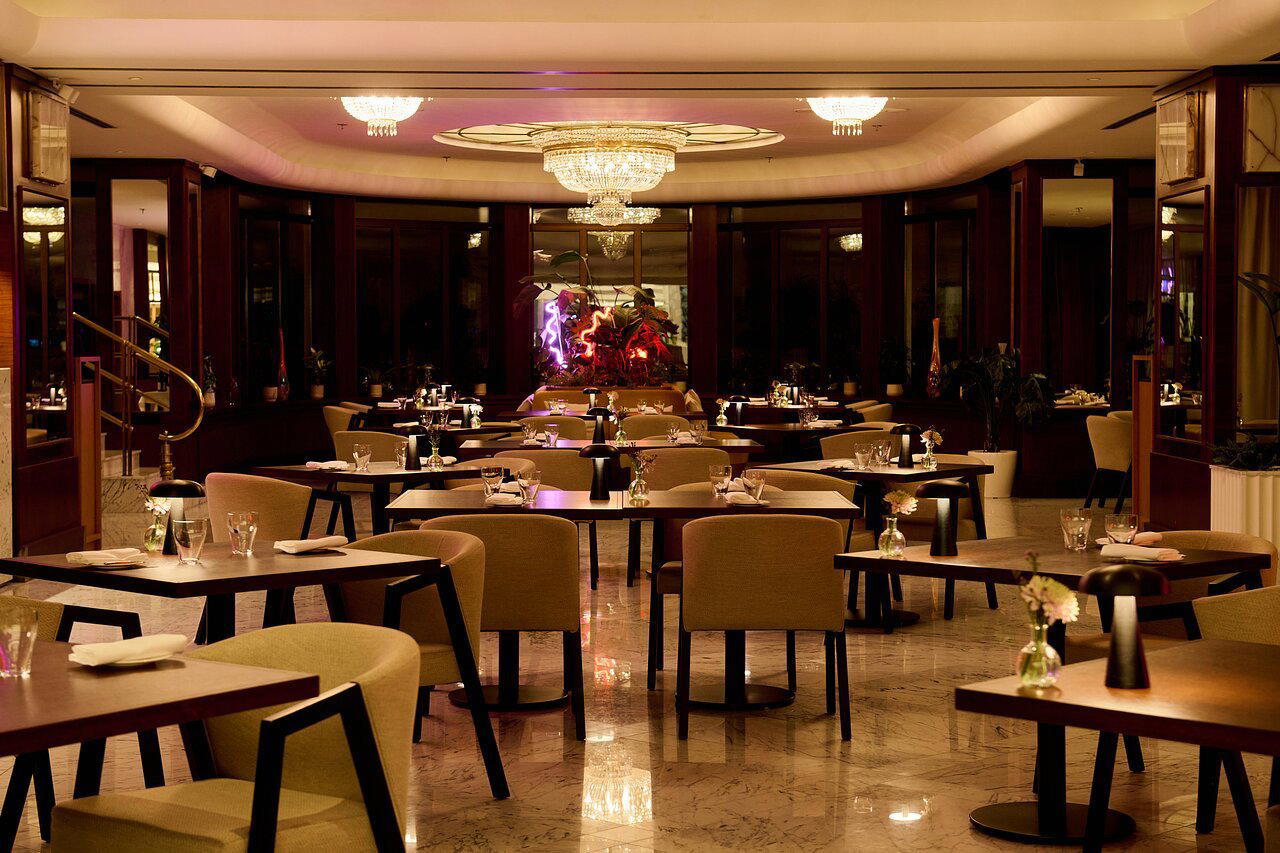
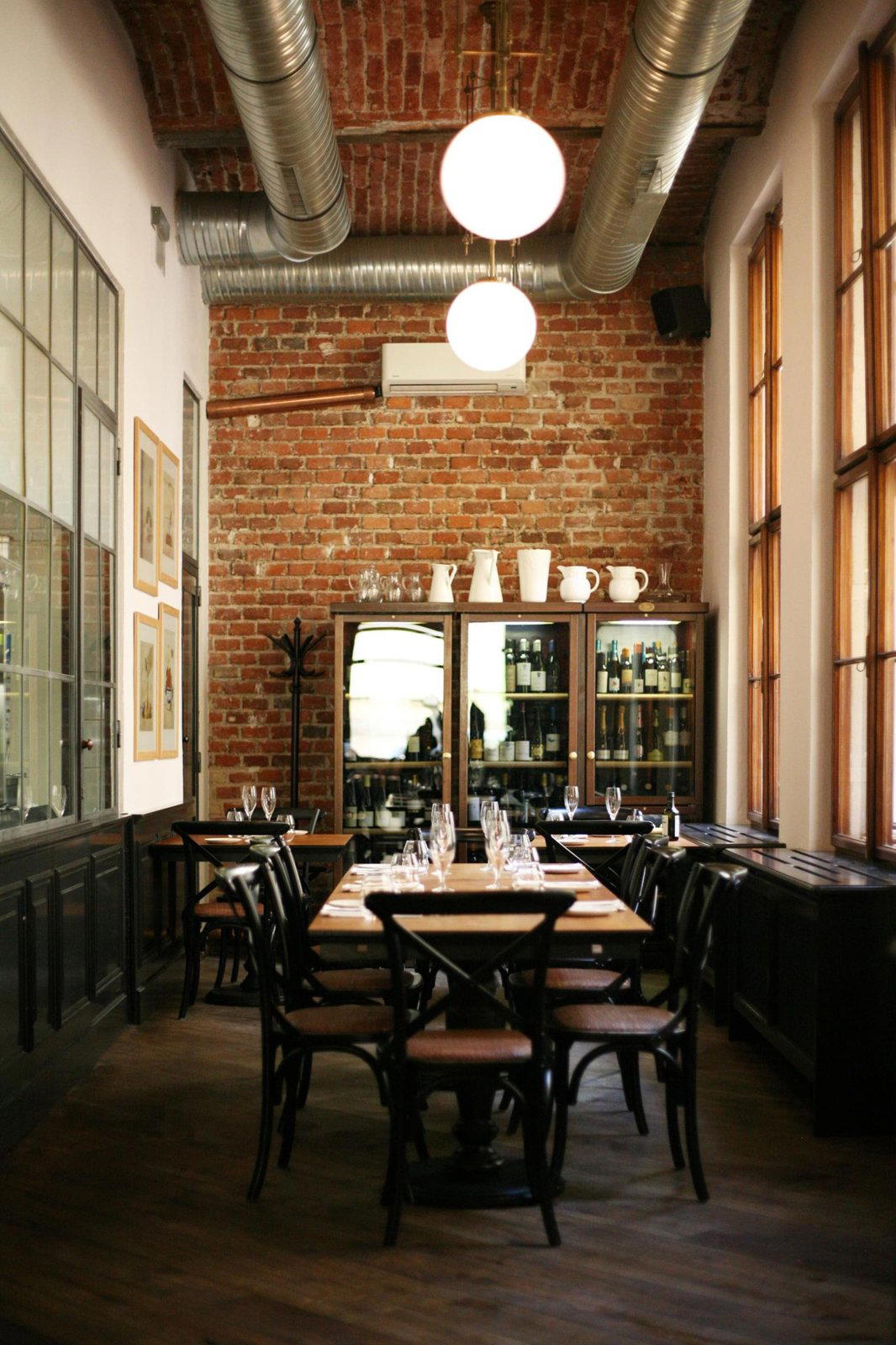
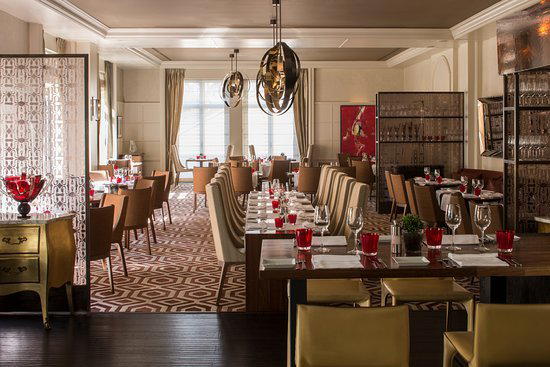
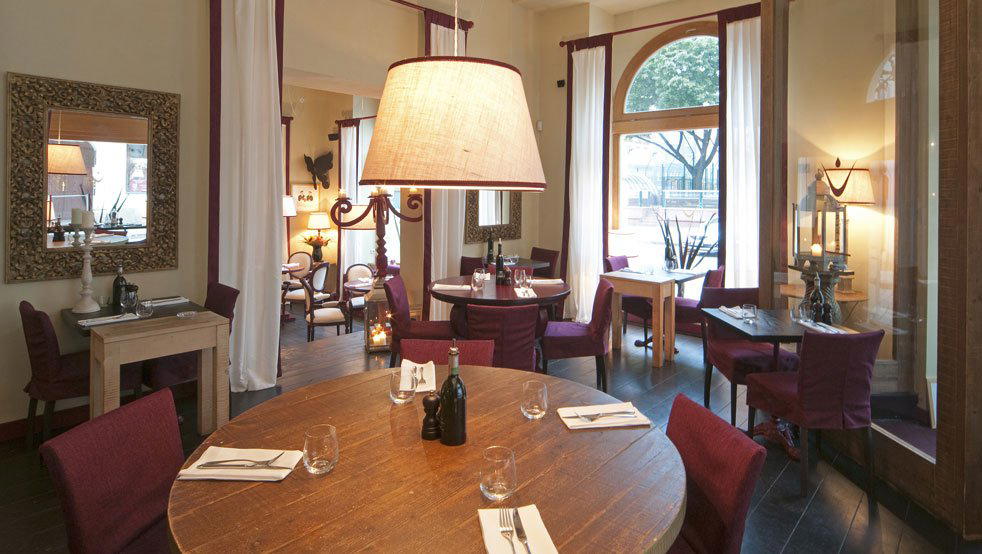
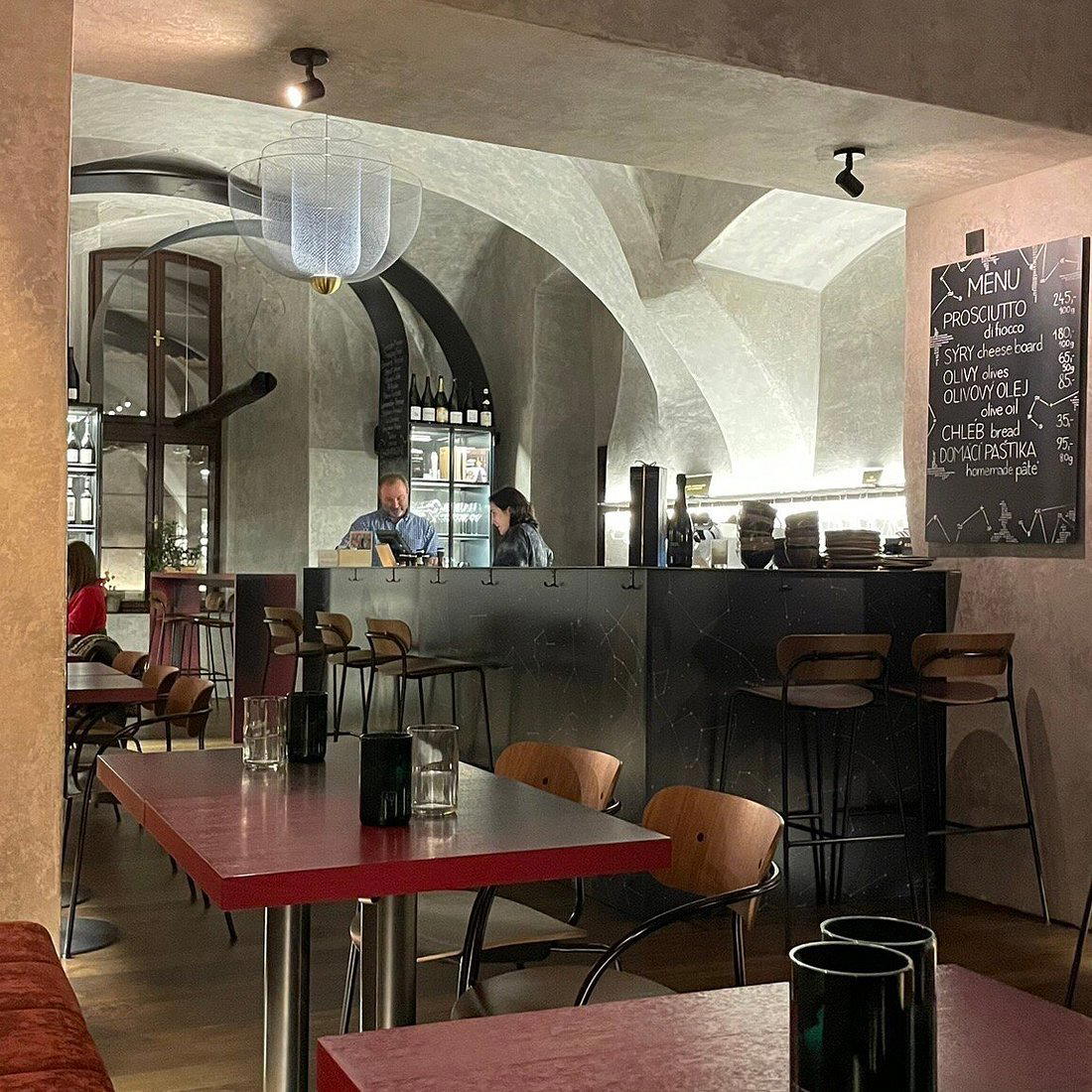
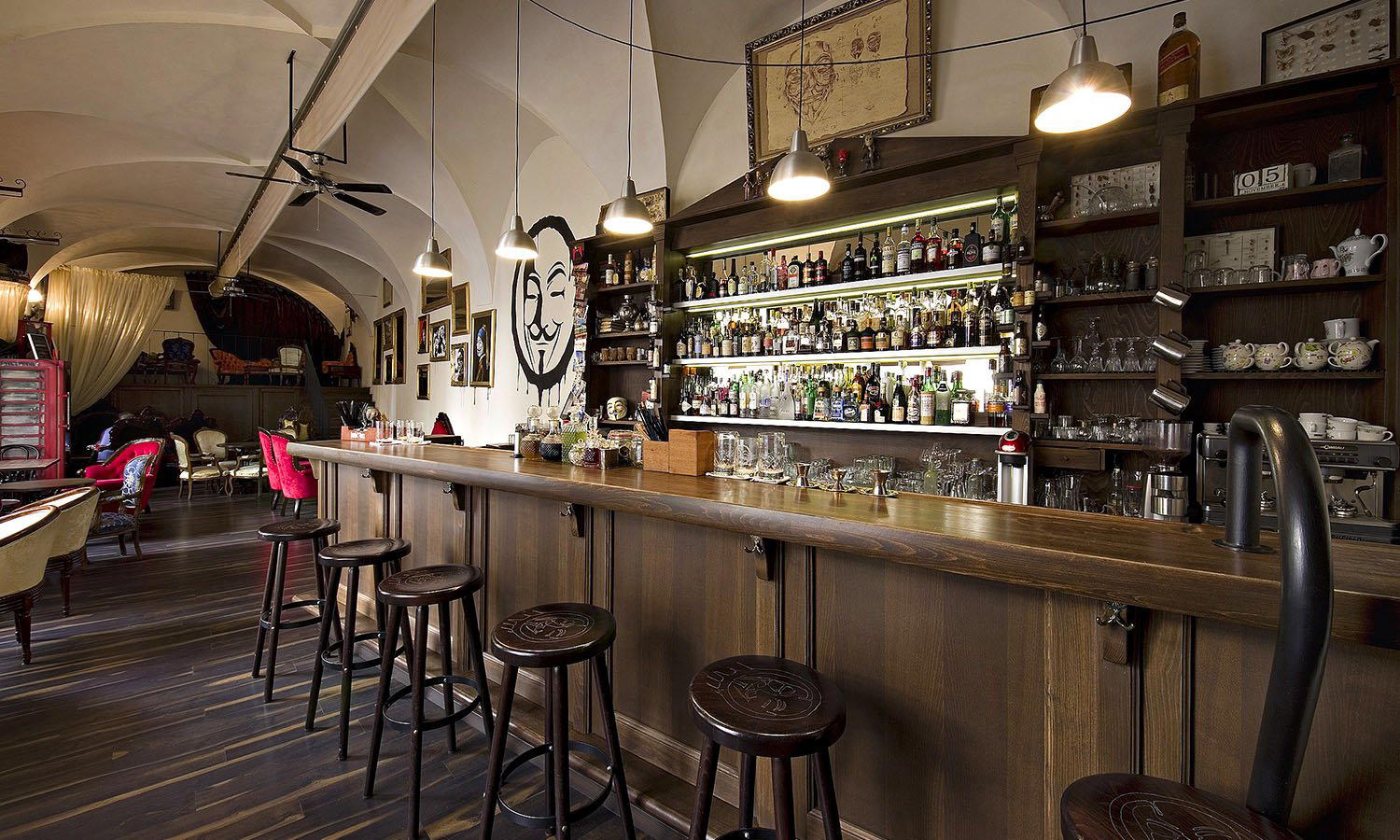
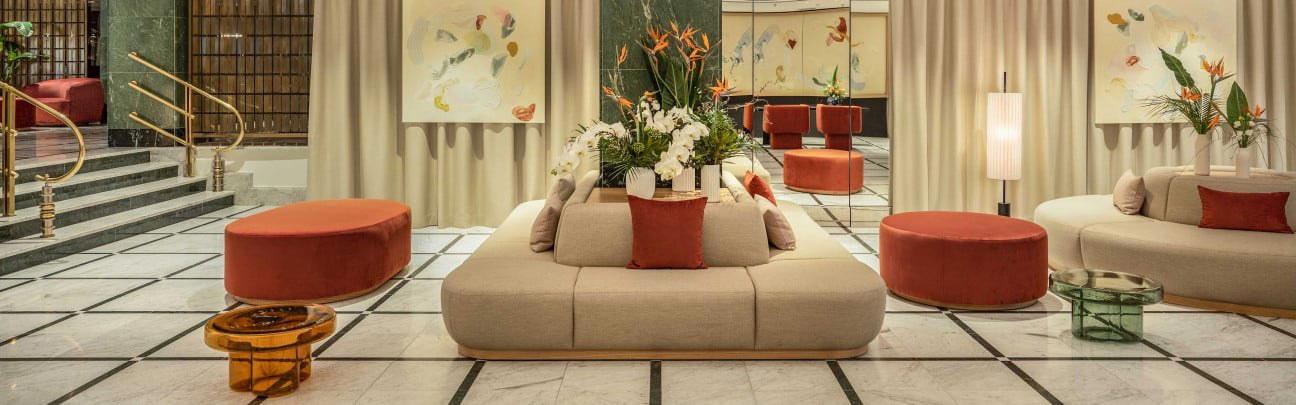
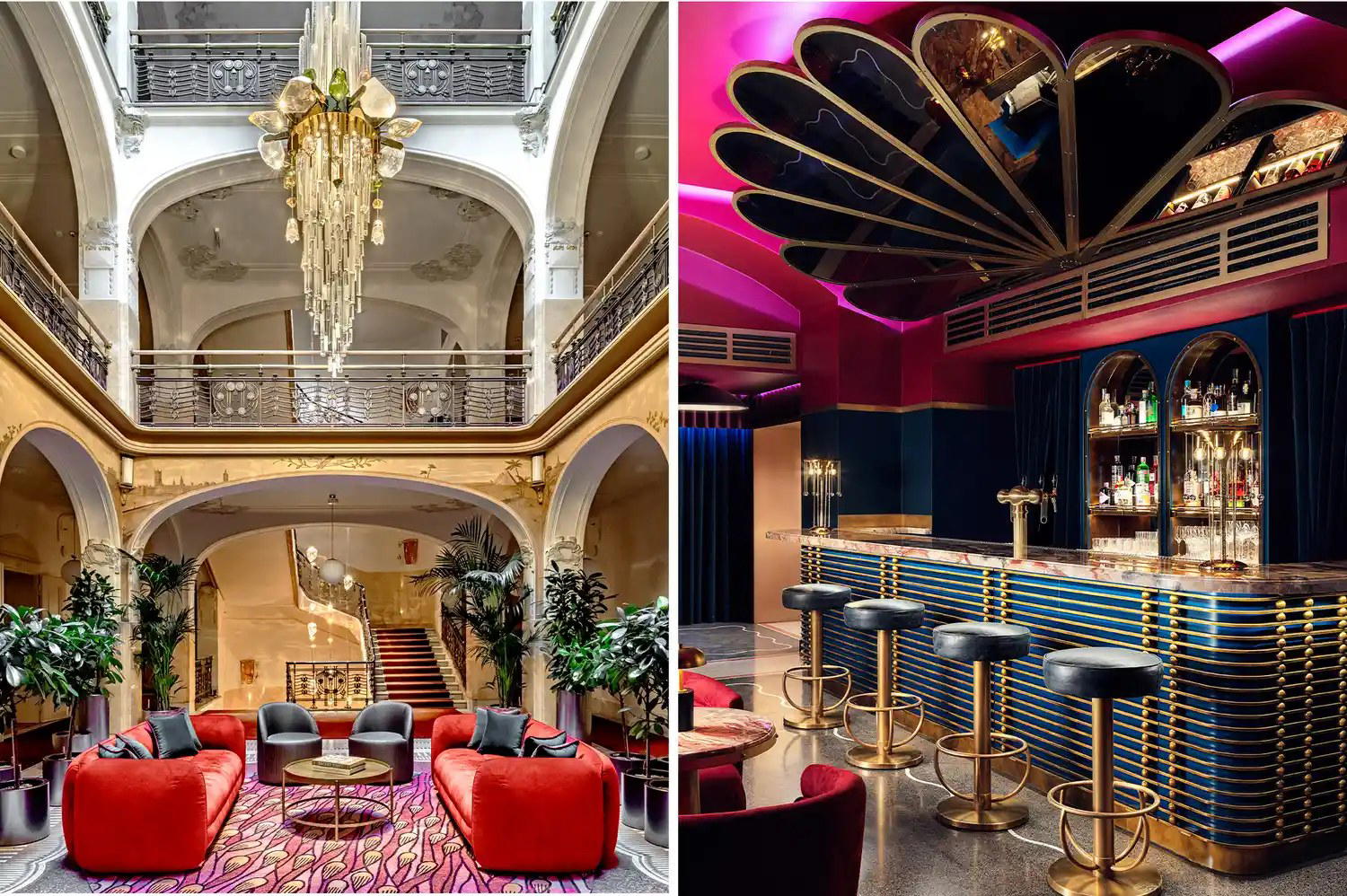
The building at V Jirchářích 150/8 in Nové Město frames all of this before a dish arrives. That provenance gives the contemporary interior a quality of layered time, the decor reads as modern, with clear character, but it operates inside a shell that predates most of the culinary traditions being served within it.
Portuguese Cuisine at the Table: What the Menus Represent
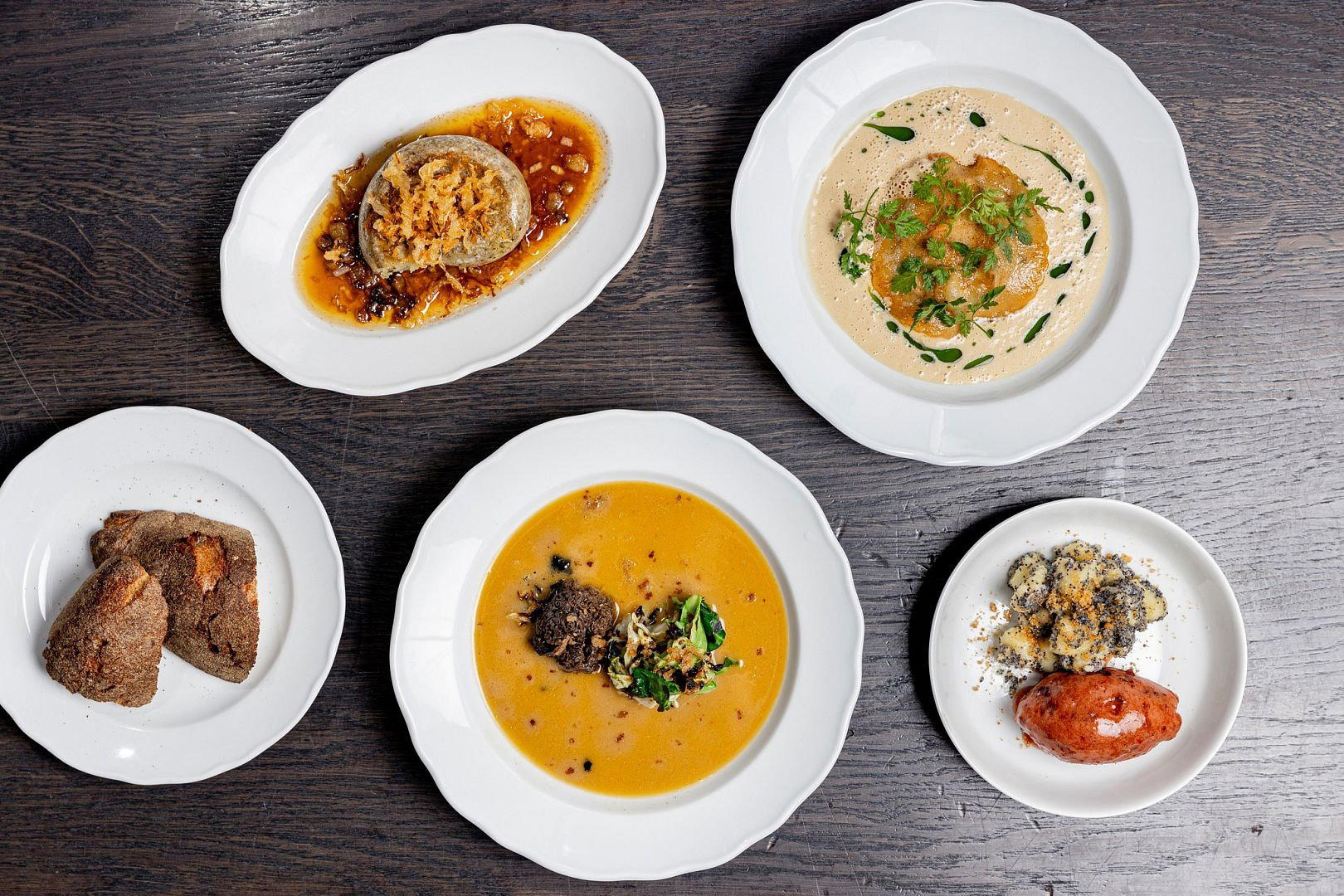
Two menus anchor the kitchen's output. The first, named Alma, draws on Henrique Sá Pessoa's signature dishes, a set of preparations that have defined his culinary identity across his career in Lisbon. The second, Costa a Costa, shifts the frame entirely toward Portugal's coastline: a tribute to the fish and seafood traditions that run through Portuguese cooking as a structural constant rather than a seasonal add-on.
The documented dishes on these menus give a clear read on the kitchen's register. Scarlet shrimp with pumpkin, harissa, and black garlic places Iberian seafood inside a broader Mediterranean spice vocabulary, harissa's North African origins reflecting the cross-cultural layering that has always characterised Portuguese cooking, shaped by centuries of maritime trade. Portuguese-style baked mullet with grilled sea lettuce and sour pepper works within the country's deep tradition of whole-fish cookery, where technique is secondary to the quality of what arrives from the water. Lamb with red cabbage migas and smoked aubergine anchors the land-facing side of the menu in the rustic, bread-based preparations that are foundational to the interior regions of Portugal.
Migas, bread broken down and rehydrated with fat, stock, or cooking juices, is one of those dishes that signals a kitchen's relationship with Portuguese culinary history rather than a simplified version of it. Its presence here, alongside the smoked aubergine, places the menu in dialogue with a tradition of peasant ingenuity that has been absorbed into high-end Portuguese cooking over the past two decades, much as cassoulet or ribollita have been in their respective national contexts. Atomix in New York City offers a useful comparative frame.
The Service Dynamic
In formal European dining rooms, the relationship between kitchen and floor has shifted over the past decade. The older model, where the chef remains behind closed doors and service acts as translator, has given way, in many of the more serious rooms, to a more porous arrangement. At Alma, the chef is documented as a regular presence in the dining room, moving between tables and participating in service directly. This kind of integration changes the texture of a meal: it accelerates information transfer between kitchen and guest, and it signals a particular attitude toward hospitality that treats service not as a separate department but as an extension of cooking itself.
That framing matters: in fine dining, the gap between technically excellent food and a memorable meal is almost always bridged by service, and Prague's fine-dining tier, which includes technically accomplished rooms like Alcron and 420 Restaurant, competes partly on how well this gap is closed.
The Wine Program: Natural and Biodynamic in Context
Prague has developed a credible natural wine culture over the past several years, with a handful of venues making it a programmatic commitment rather than a token presence on the list. Alma's wine program has been recognised specifically as one of the stronger natural and biodynamic selections in the city, with a focus on small, independent European producers. This matters in the context of Portuguese cuisine: the country's wine map has expanded significantly among natural wine practitioners, with producers in the Alentejo, Dão, and Vinho Verde regions working in ways that align with the low-intervention philosophy Alma's list appears to reflect.
ATELIER bar & bistro in Brno and ARRIGŌ in Děčín each represent how this approach is taking shape outside the capital. Within Prague, the wine offering at Alma places it in a different competitive set from restaurants where the list is treated as secondary to the food.
Where Alma Sits in Prague's Dining Map
Prague's fine-dining tier has become more internationally legible over the past decade. The city is no longer assessed only against Central European benchmarks; it is compared to other mid-sized European capitals with serious culinary ambitions. Within that frame, a Portuguese fine-dining room of Alma's profile occupies a specific niche: it brings a cuisine with distinct cultural roots to a market where that cuisine has almost no other formal representation at this level.
For comparison, the seafood-focused rigor of a room like Le Bernardin in New York City illustrates what sustained commitment to fish and shellfish cookery can produce over decades. Alma's Costa a Costa menu reflects a similar single-mindedness about the Portuguese coast, with a kitchen structure and menu architecture that take the source material seriously. Elsewhere in the Czech Republic, rooms like Cattaleya in Čeladná, Chapelle in Písek, and Bohém in Litomyšl show how ambitious cooking is distributing itself across the country, but the Portuguese fine-dining format Alma occupies remains specific to Prague.
Other Nové Město dining options worth considering include Amano, Antricote Steakhouse, and Babiččina zahrada in Průhonice for those extending their search to the wider metro area.
Planning Your Visit
Alma is located at V Jirchářích 150/8 in Prague's Nové Město district, within walking distance of the city centre. As a formal fine-dining address, booking ahead is advisable; the combination of limited covers, a recognised wine program, and a distinctive cuisine position means the room runs at capacity more often than casual dining alternatives. Reservations are recommended. Diners with dietary requirements or allergies should communicate these at the time of booking to give the kitchen sufficient time to adjust the tasting menu format accordingly.
Price Lens
Comparable venues nearby, for context on price, style, and recognition.
| Venue | Cuisine | Price | Awards |
|---|---|---|---|
| AlmaThis venue — the venue you are viewing | Not listed | $$$ | Bib Gourmand |
| Field Restaurant | Josefov, Modern European Fine Dining | $$$$ | Michelin 1 Star |
| Casa De Carli | Josefov, Modern Italian Fine Dining | $$$ | Michelin 1 Star |
| Výčep | Vinohrady, Modern Czech Gastropub | $$ | Bib Gourmand |
| Štangl | Karlin, Modern Czech Seasonal | $$$$ | Michelin 1 Star |
| La Degustation Bohême Bourgeoise | Josefov, Modern Czech Fine Dining | $$$$ | Michelin 1 Star |
Recognition history
Dated appearances from independent guides and award organizations, with the underlying list record or original source where available.
Star Wine List
Star Wine List
At a Glance
- Modern
- Trendy
- Cozy
- Elegant
- Date Night
- Special Occasion
- Business Dinner
- Open Kitchen
- Craft Cocktails
- Natural Wine
- Farm To Table
- Local Sourcing
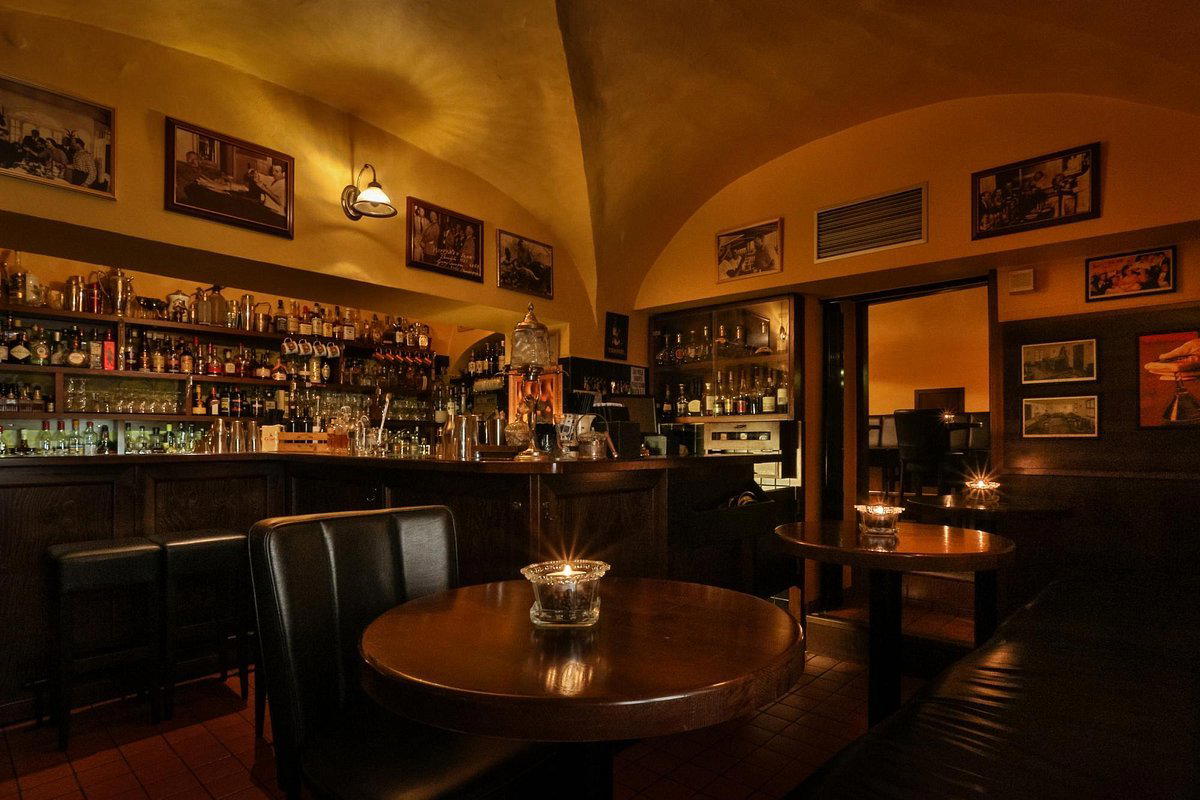
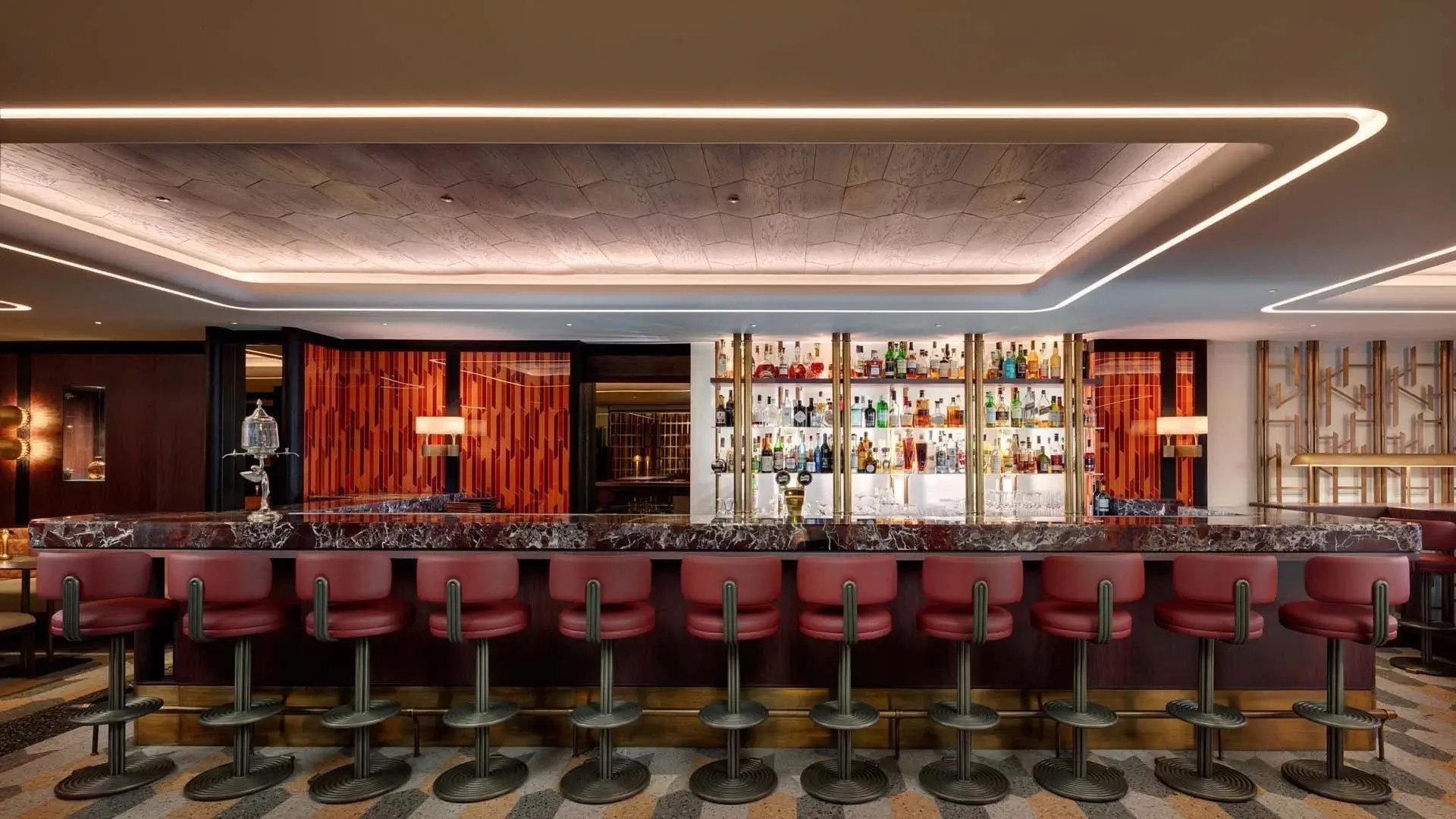
Modern industrial vibe with open kitchen, relaxed yet stylish atmosphere, though noise levels can be high during peak times.