Yami Sushi House
Our verdict
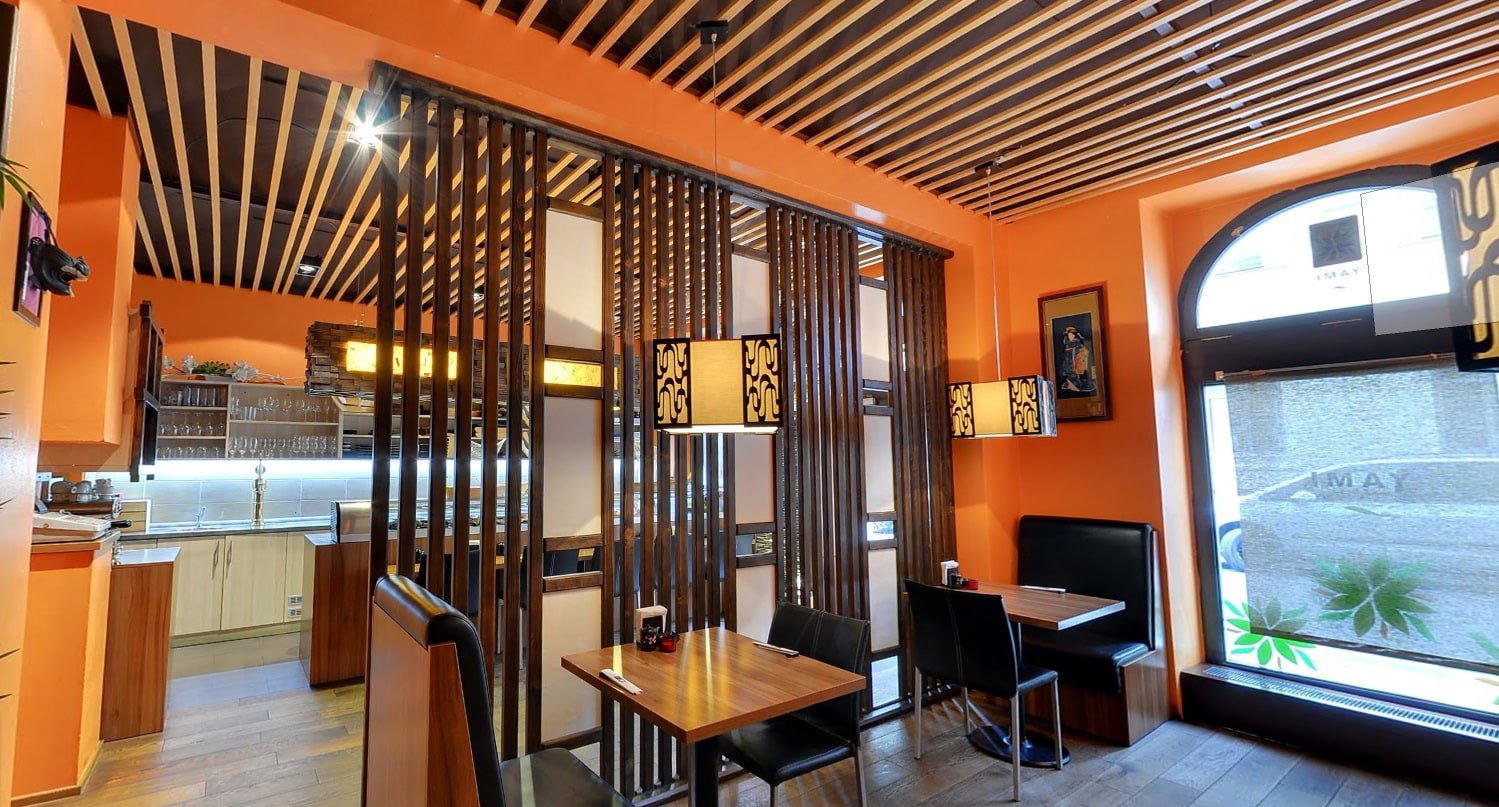
Yami Sushi House occupies a Staré Město address on Masná, placing Japanese counter dining within walking distance of Prague's Old Town core. The restaurant joins a small cohort of Asian specialists operating in a city whose dining scene has, until recently, been defined by Czech and Central European traditions. For visitors tracking Japanese cuisine across Central Europe, it represents one of Prague's more seriously positioned sushi addresses.

Pearl is the En Primeur Club membership app, where members save venues, book tables and use the concierge.
Sushi in the Old Town: What the Address Signals
Prague's Staré Město has spent the last decade acquiring restaurants that sit at a remove from the tourist-trail schnitzel houses without fully committing to the kind of high-stakes tasting-menu ambition you find at La Degustation Bohême Bourgeoise or Alcron. The neighbourhood's stone streets and Baroque facades create a setting where any interior that steps away from folkloric décor signals something deliberate. Masná, a short, slightly tucked street in the northern pocket of Staré Město, sits in that in-between register: central enough to draw visitors, quiet enough that the clientele skews toward people who came specifically rather than stumbled in.
Yami Sushi House, at number 3 on that street, operates inside a city where Japanese dining has historically occupied a narrow band: either mid-market delivery-adjacent sushi bars or a handful of more considered addresses trying to hold a line on quality without the supply infrastructure that Tokyo, London, or New York take for granted. That context matters. Placing a sushi house in Staré Město in 2024 is a different proposition than it would have been ten years ago, when Prague's Japanese options were sparser and the customer base less calibrated to distinguish between formats.
The Central European Sushi Scene, and Where Prague Sits in It
Across the Czech Republic, Japanese cuisine has expanded beyond Prague's first district, with operations appearing in cities as different as Ostrava, where Gokana has built a footprint, and Brno, where BRATRS represents a different kind of contemporary dining energy. Prague remains the deepest market, partly because the volume of international visitors sustains demand even when local appetite fluctuates seasonally. The autumn and early winter period, October through December, is when the city's restaurants tend to run at their most focused, with tourist crowds thinning to a more purposeful traveling cohort and kitchen teams settling into their rhythms after the summer churn.
For Japanese cuisine specifically, that seasonal rhythm carries weight. Fish supply chains into landlocked Central European cities are materially different from what coastal markets manage, and a kitchen that performs well in the leaner sourcing months of late autumn is generally operating with more discipline than one that coasts on summer abundance. How a sushi house manages its sourcing and formats its menu under those constraints is one of the more honest indicators of what the kitchen actually values.
Team Dynamics and the Restaurant's Operating Logic
In a sushi context, the collaboration between the person behind the counter, whoever manages the floor, and whoever curates the beverage list shapes the experience more directly than in almost any other format. The counter format, if Yami operates one, compresses the distance between kitchen and guest in ways that expose every handoff. A floor team that understands the pacing of an omakase or nigiri sequence keeps the experience coherent; one that doesn't creates friction that even technically sound fish preparation can't fully absorb.
Prague's more considered restaurants have increasingly understood this. The shift is visible at addresses like Alma and Amano, where front-of-house investment has kept pace with kitchen ambition. The question for any Japanese specialist in the city is whether the beverage program, sake selection, by-the-glass wine discipline, non-alcoholic pairings, has received equivalent attention or remains an afterthought. A sake list in Prague in 2024 is still a differentiator; the import infrastructure exists, but the knowledge base to deploy it well remains concentrated in a small number of addresses.
For reference, the highest-stakes collaborative programs in Japanese dining globally, including what Atomix in New York has built around Korean tasting-menu service, demonstrate how much weight the team dynamic carries when cuisine is precise and the format is intimate. That standard is relevant context even for restaurants operating well below that price tier, because it clarifies what the format demands of every person on the floor.
The Old Town Dining Context
Eating well in Staré Město requires some triangulation. The neighbourhood's dining options run from tourist-facing Czech staples to serious European tables like those at Emperor Square, with a growing number of mid-tier international addresses filling the space between.
Visitors approaching from the direction of the Old Town Square will find Masná a shift in register from the more commercial streets to the south. The street itself has a working, non-curated quality that tends to attract restaurants relying on the quality of the room rather than the prestige of the address. That can cut both ways: it keeps rents at a level that allows kitchen investment, but it also means the venue has to earn discovery rather than benefit from foot traffic.
For broader context on dining across the region, Hello Vietnam in Karlovy Vary, La Chica in Plzen, and Bylo, nebylo in Liberec illustrate how Czech cities outside the capital are building their own international dining identities, which adds pressure on Prague addresses to maintain a lead in quality and format sophistication. Additional Czech Republic addresses worth tracking include U Lípy in Hrensko, Restaurace Dr. Grill in Havirov, ARRIGŌ in Děčín, and Vinařství Gurdau in Kurdejov for wine. For comparable precision-driven dining at the international reference tier, Le Bernardin in New York City represents what sustained seafood-focused kitchen discipline looks like over decades.
Planning a Visit
Yami Sushi House is located at Masná 1051/3, Staré Město, Prague 1, a walkable distance from the Old Town Square and accessible by metro via the Staroměstská stop on Line A. Booking ahead is advisable for dinner service, particularly in the autumn and winter months when restaurant capacity across Staré Město tightens and the more purposeful dining crowd is in the city. Current hours, pricing, and reservation options are best confirmed directly with the venue, as details were not available at time of publication. For a fuller orientation to what Prague's restaurant scene currently offers across price tiers and formats, the EP Club Prague restaurants guide maps the city's dining options with the same editorial framework. The nearby 420 Restaurant also provides a useful reference point for what contemporary Prague dining looks like in the same district.
Frequently asked questions
What's the vibe at Yami Sushi House?
What do regulars order at Yami Sushi House?
Is Yami Sushi House a good option for visitors who want Japanese food in central Prague rather than the usual Czech restaurant circuit?
Comparable Options
A small set of peers for context, based on recorded venue fields.
| Venue | Cuisine | Price | Awards | Notes |
|---|---|---|---|---|
| Yami Sushi HouseThis venue (the venue you are viewing) | Japanese Sushi and Fusion | $20–30 | Not listed | Not listed |
| La Degustation Bohême Bourgeoise | Modern Czech Fine Dining | $100–150 | 1 Michelin Star · La Liste Top Restaurants | French-Czech |
| Alcron | Modern Central European with Plant-Forward Focus | $50–100 | Star Wine List | Modern European |
| Benjamin | Modern Czech Tasting Menu | $50–100 | Michelin Plate · Wine Spectator Award of Excellence | Modern Cuisine |
| Café Imperial | Classic Czech Brasserie | $30–50 | Michelin Plate | Traditional Cuisine |
| Dejvická 34 by Tomáš Černý | Modern Italian & Mediterranean | $30–50 | Michelin Bib Gourmand · Falstaff Restaurant - 93 Falstaff Points | Italian |
Continue exploring
More in Prague
Restaurants in Prague
All restaurants in Prague →

Details
- Cozy
- Relaxed
- Casual Hangout
- Date Night
- Open Kitchen
- Terrace
- Sake Program
- A La Carte
- Vegetarian Friendly
- Vegan Options
- Gluten Free Options
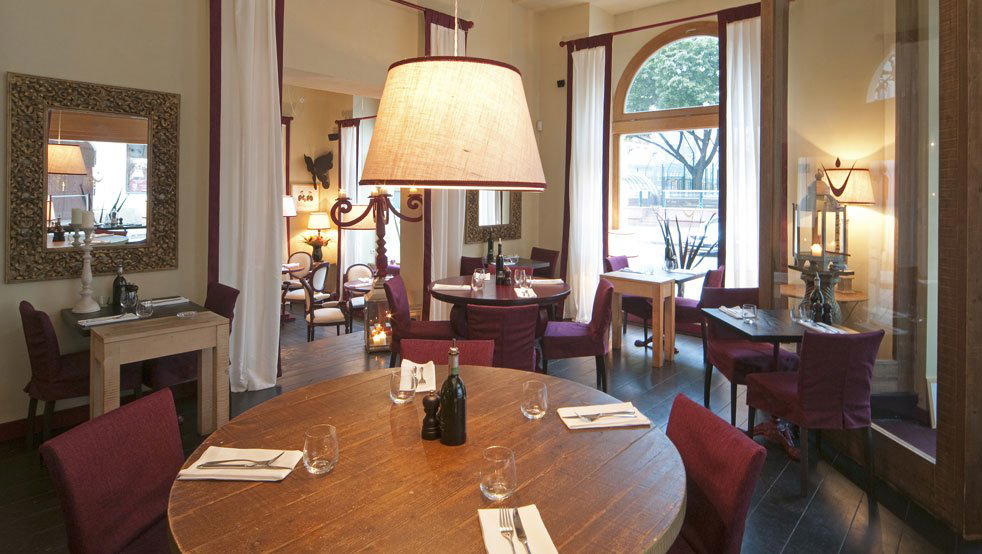
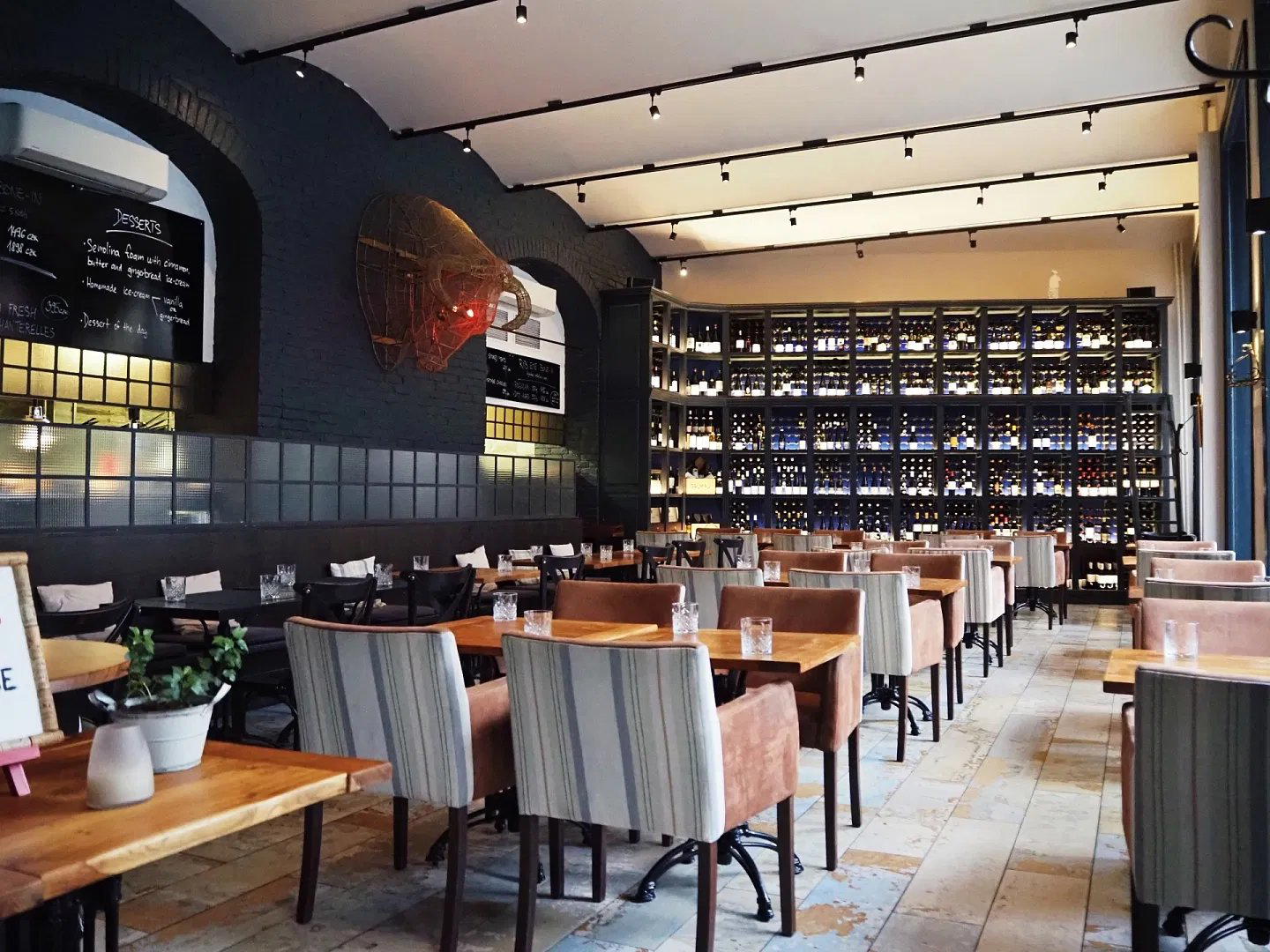
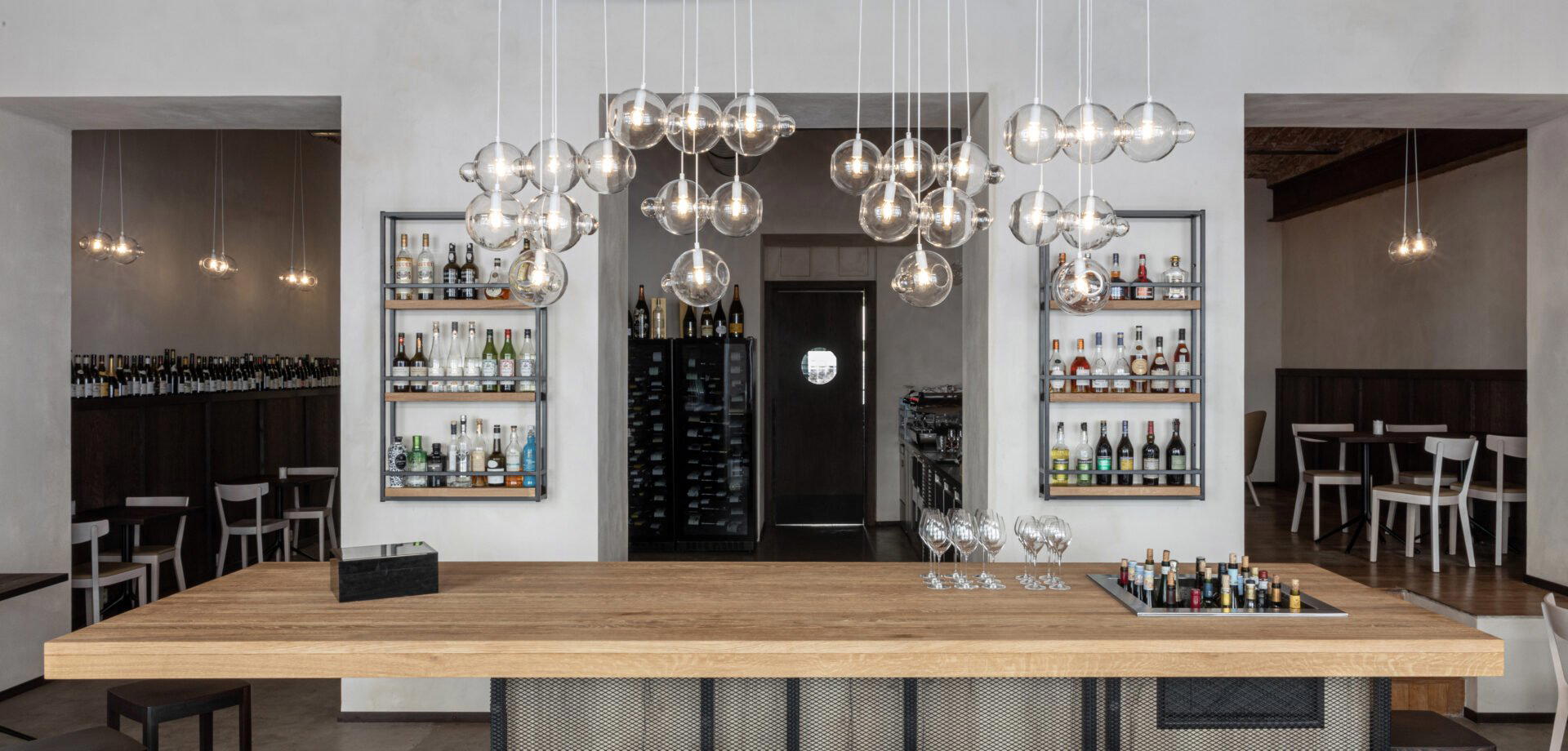
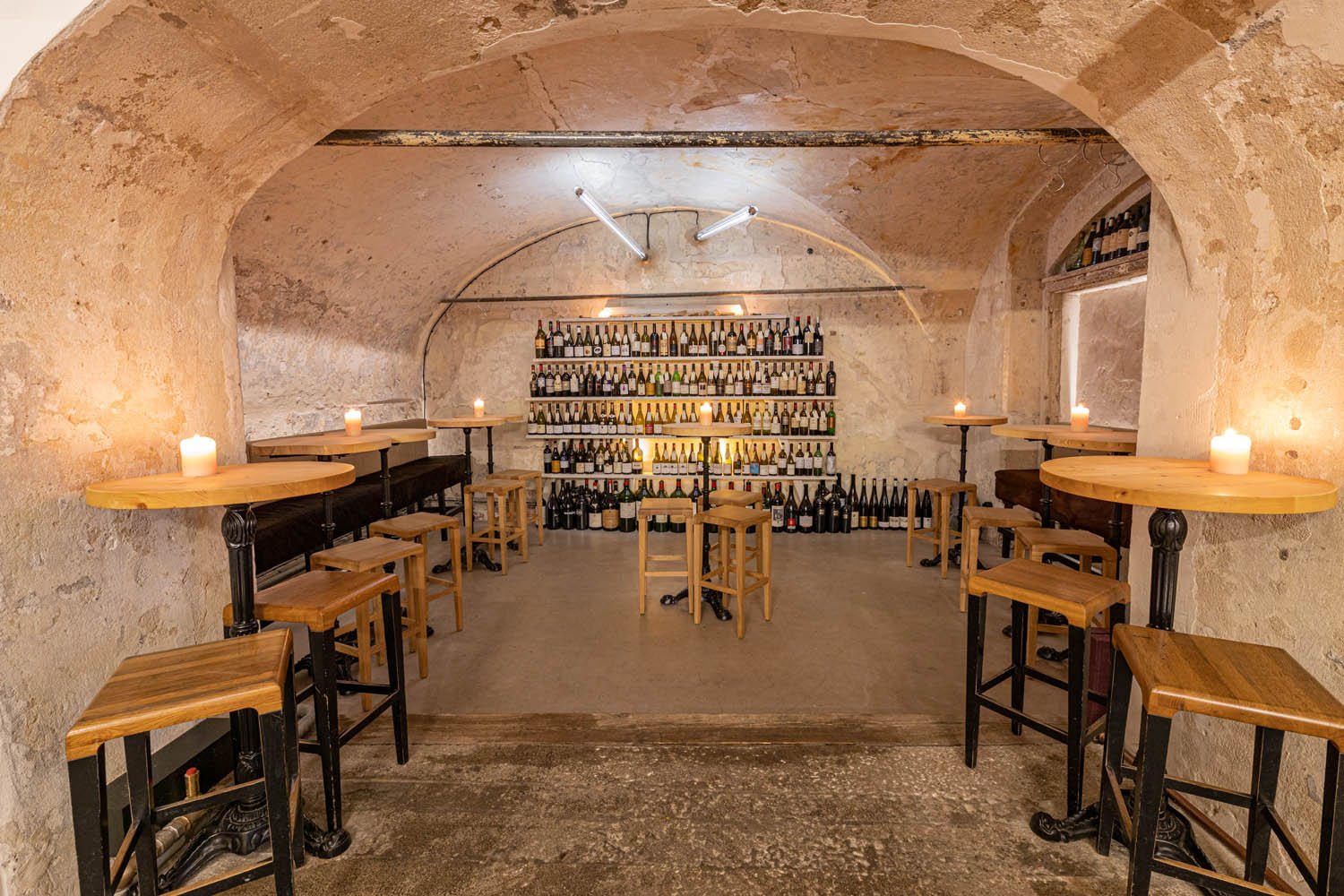
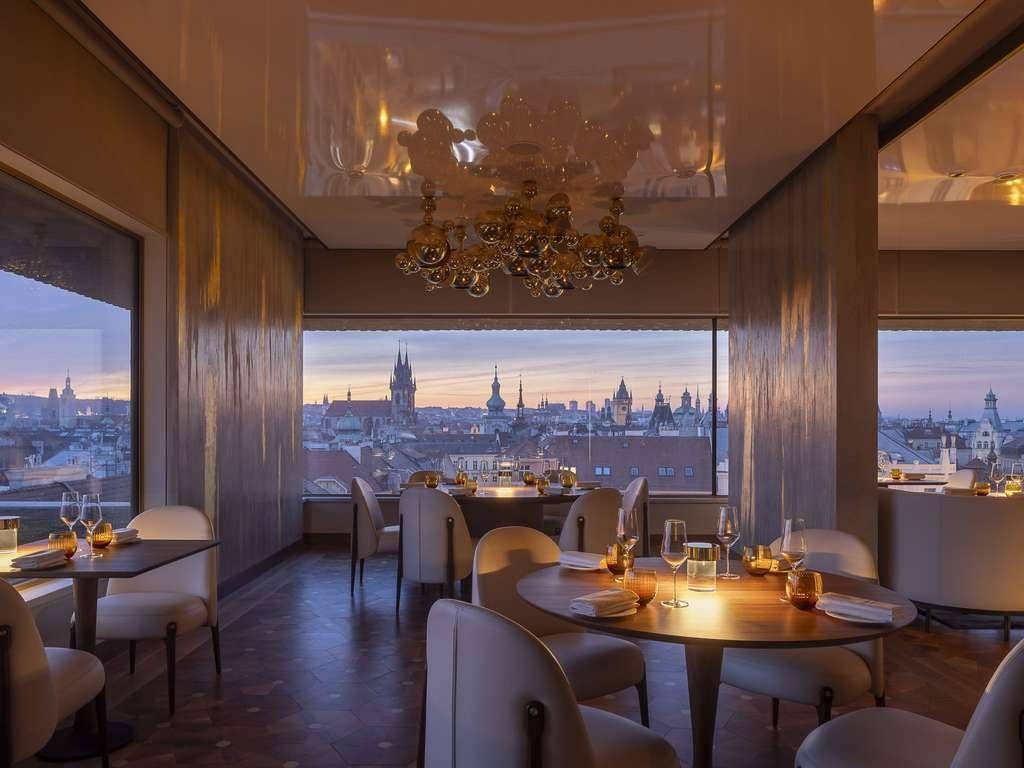
Unpretentious and cozy interior with relaxing ambience and comfortable tables.