420 Restaurant



Positioned directly on Old Town Square, 420 Restaurant operates from a building whose soaring nave-like interior creates one of Prague's most arresting dining rooms. The kitchen works a contemporary Czech register, with dishes like pike-perch with semolina porridge grounded in regional sourcing and classical technique. A Michelin-recognised kitchen, a curated wine programme, and terrace tables facing the 1410 astronomical clock make this a serious address for the square.
Pearl is the En Primeur Club membership app — saves, bookings, and concierge access live there. Same editors, same standards.
- Address
- Staroměstské nám. 480/24/110 00, 110 00 Staré Město, Czechia
- Phone
- +420 722 420 099
- Website
- 420restaurant.cz
- Directions
- Get directions
 Saves & bookings on Pearl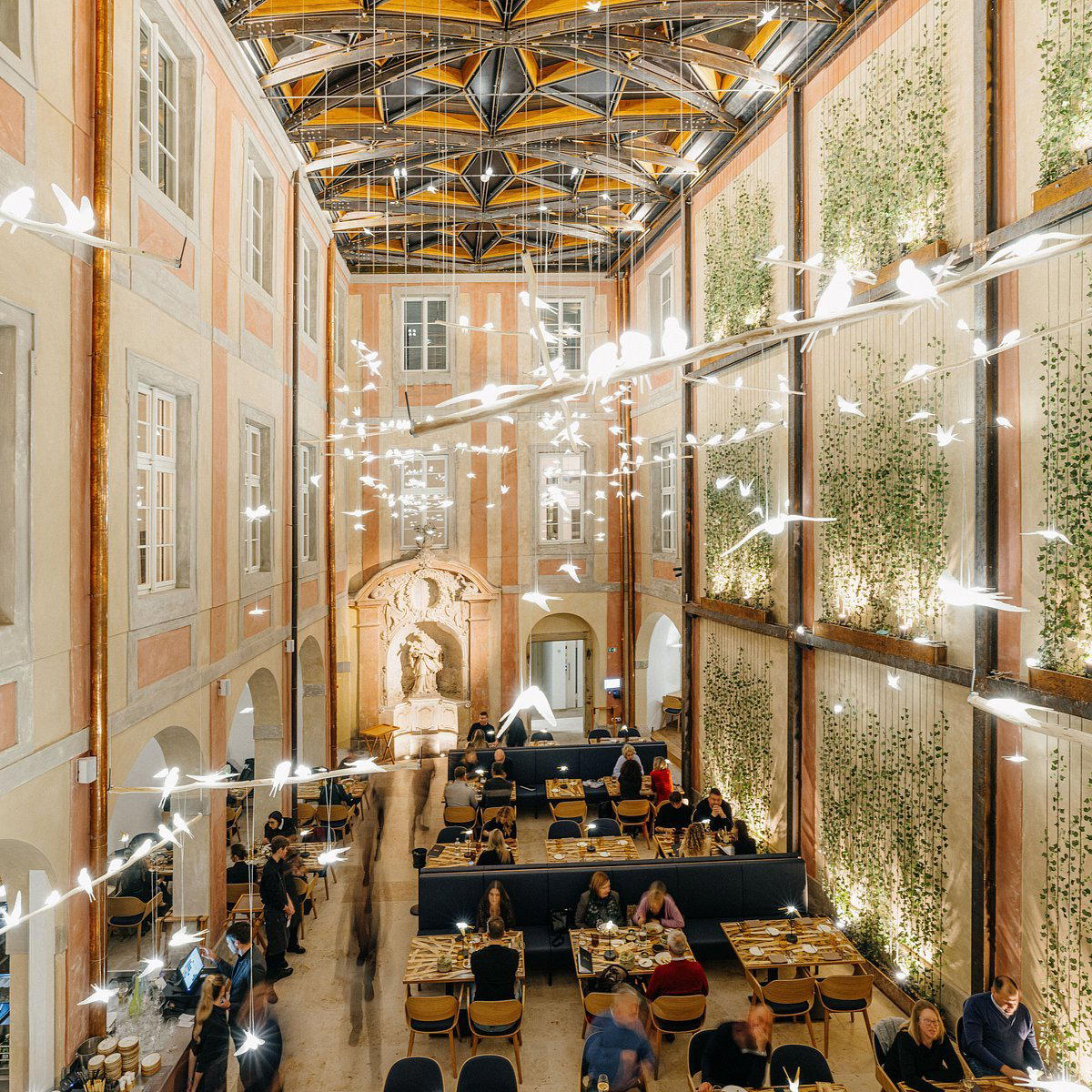
Where the Astronomical Clock Sets the Dining Hour
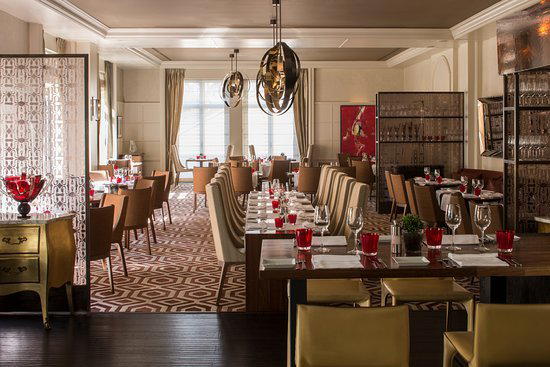
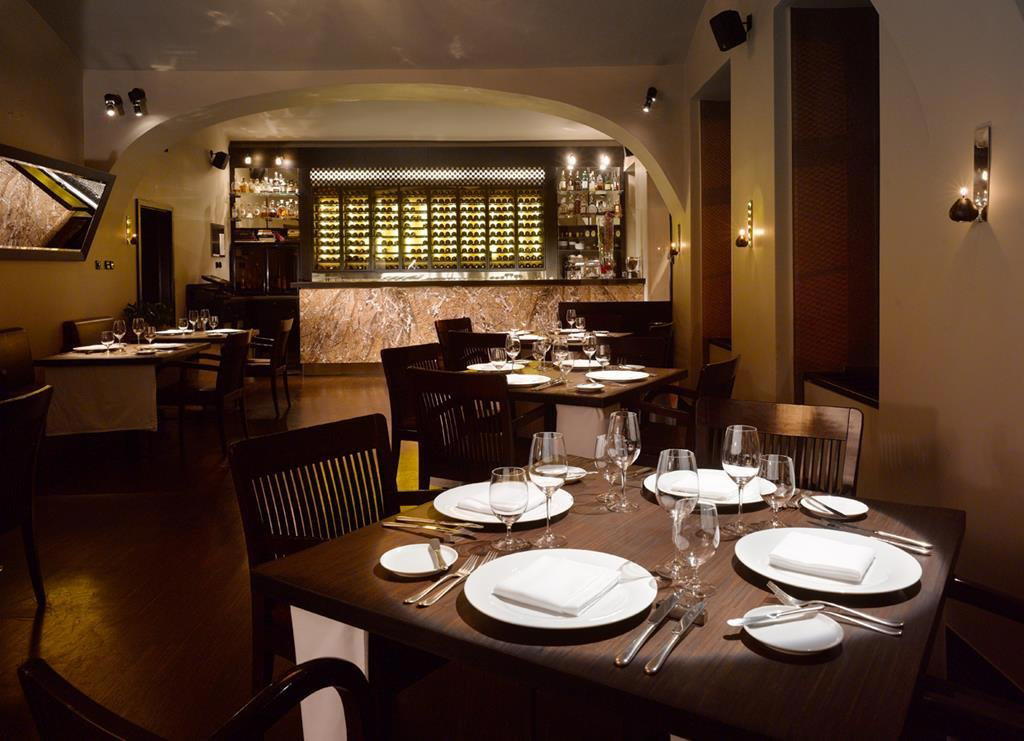
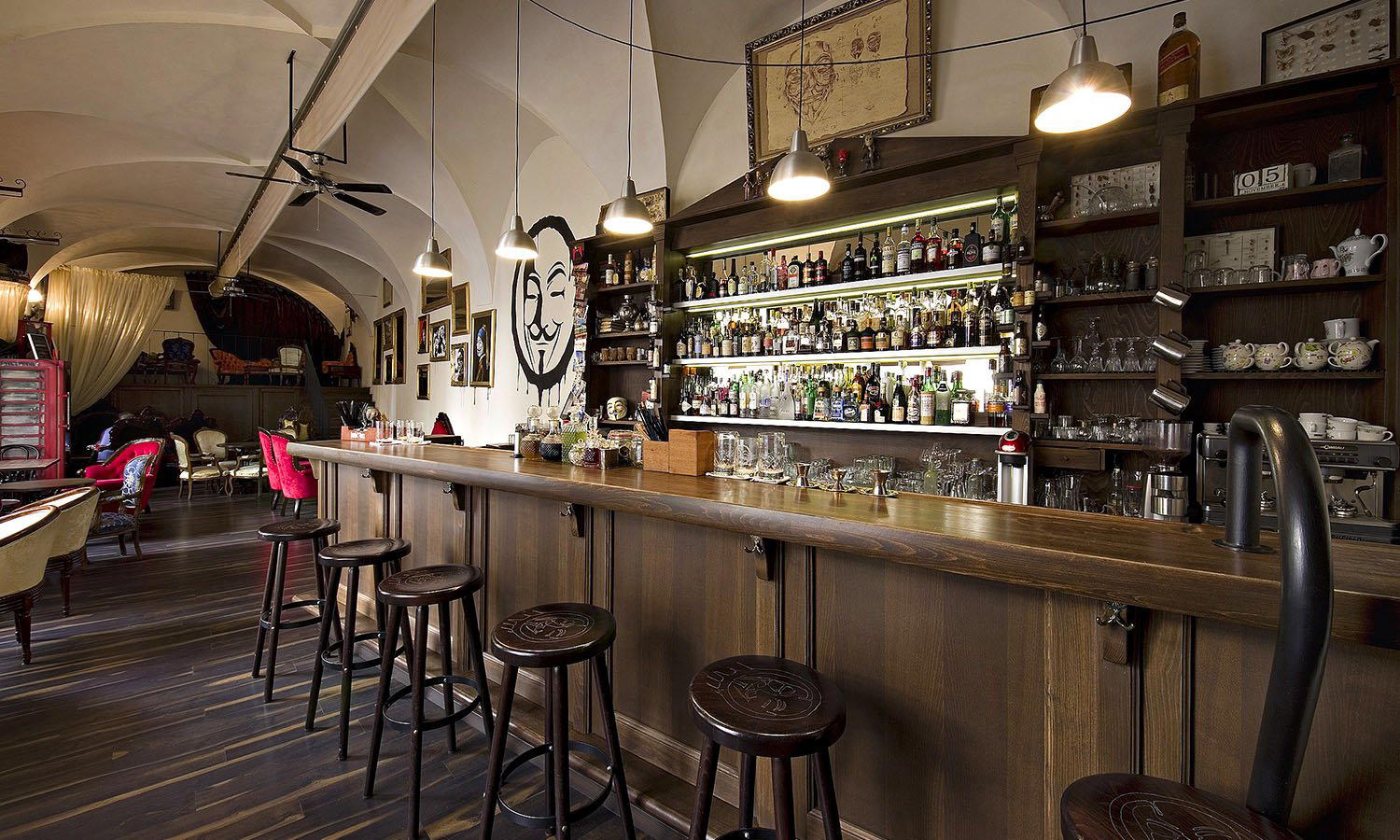
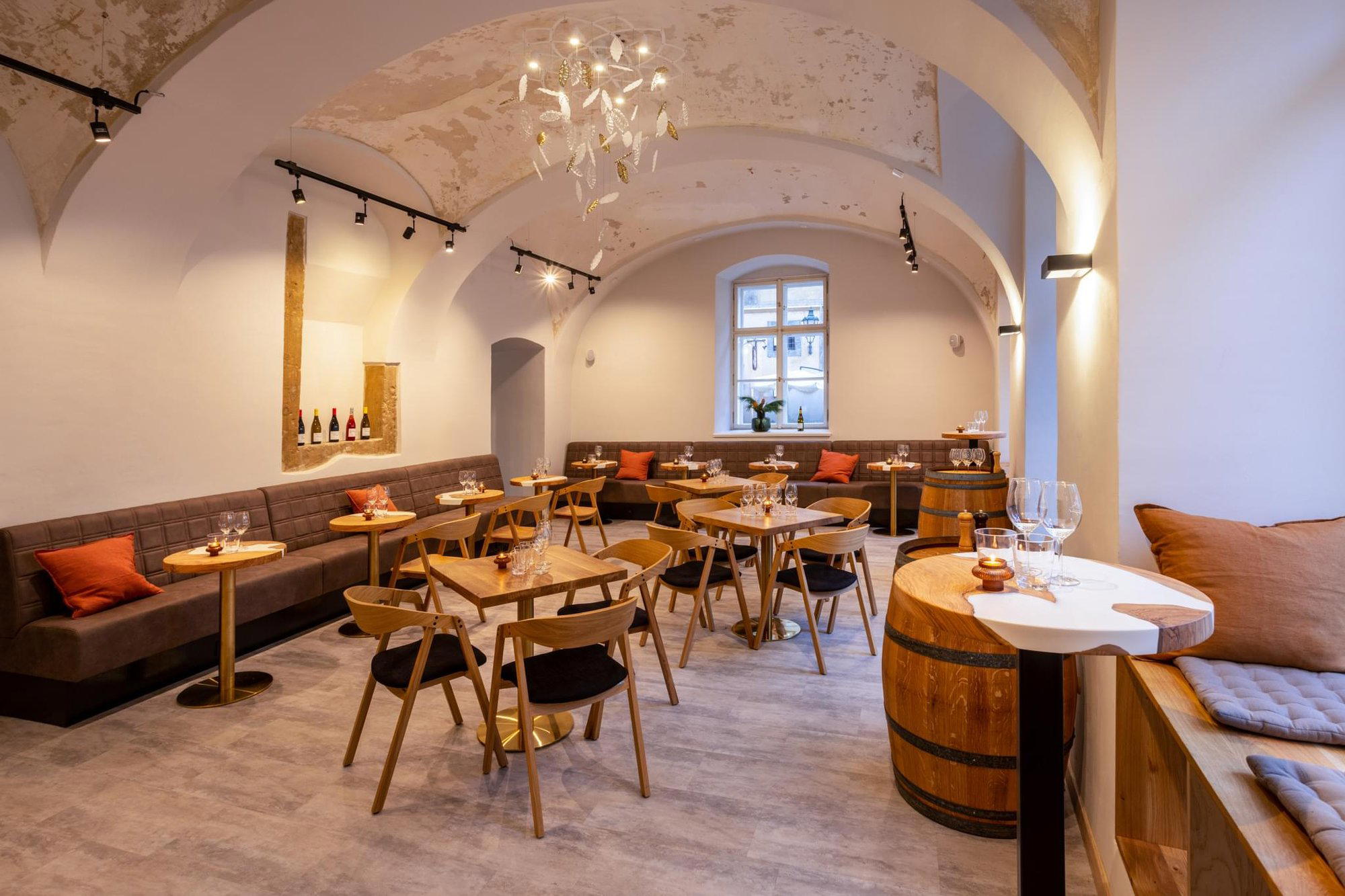
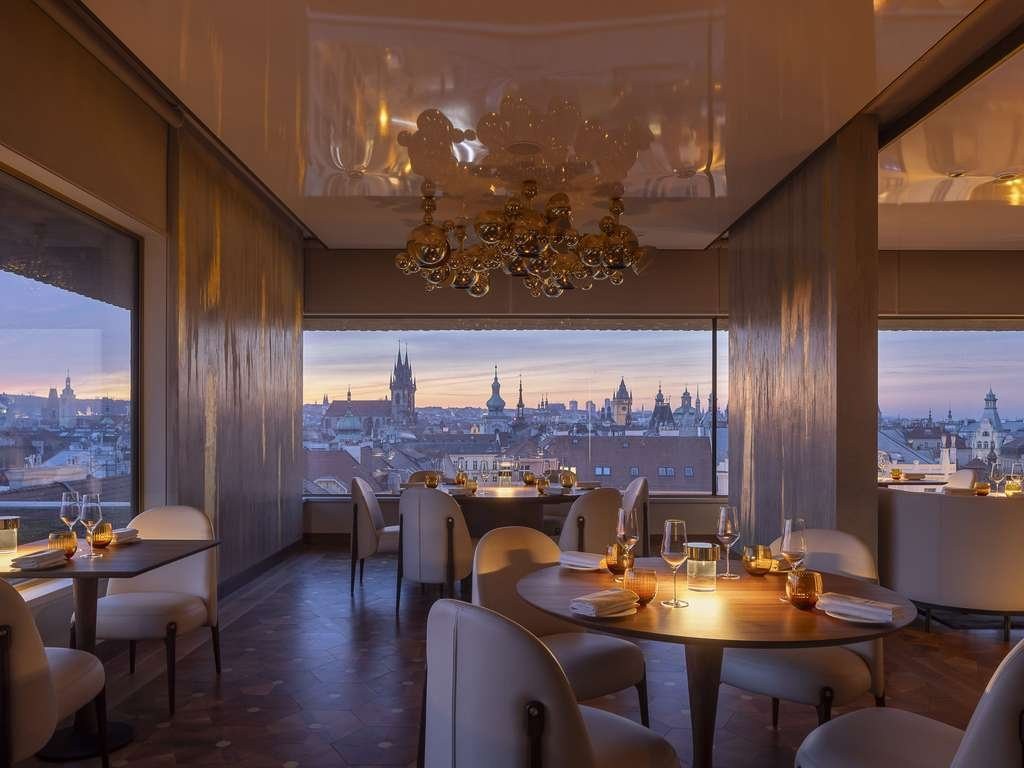
Old Town Square exerts a particular pressure on restaurants that occupy it. The tourist density is high, the foot traffic relentless, and 420 Restaurant sits in that geography but operates against its grain. It is a modern Czech restaurant in Prague’s Old Town, with a recommended reservation policy and a price point of about $35 per person. The building itself frames the experience before a dish arrives: a soaring interior modelled less on a dining room than a church nave, with a distinctive glass roof overhead and period architecture. The contrast between that preserved envelope and the sleek modern furnishings inside is deliberate and visually coherent, not the uneasy collision it can be in historic rooms that have been refitted without editorial instinct.
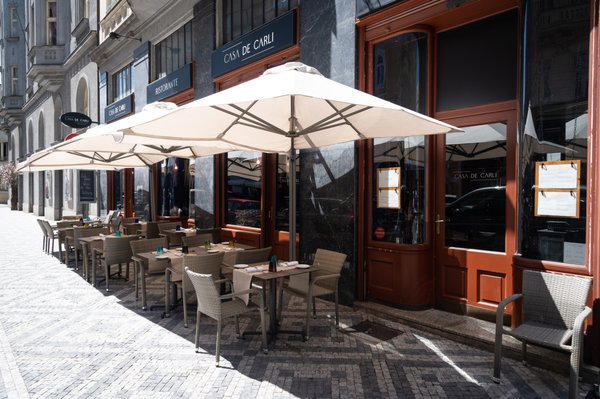
From the terrace, the view runs directly to the Old Town Hall and the astronomical clock, a mechanism that has marked the hour since 1410. Terrace seats are predictably in demand, and the booking calculus here mirrors what you find at other prime-square addresses across Central Europe: the earlier you plan, the better your options. Inside, the open kitchen positioned at the entrance functions as an immediate signal about the kitchen's confidence, placing the prep work in full view rather than concealing the operation behind closed doors.
The Regional Source Underneath the Contemporary Plate
Contemporary Czech cuisine is at an interesting inflection point. For most of the post-communist period, Prague's fine dining scene leaned toward French and international idioms as markers of sophistication, treating local ingredients and traditions as something to be transcended rather than refined. That logic has been reversing gradually, and the better kitchens in the city now treat Bohemian and Moravian sourcing as a competitive asset rather than a liability. La Degustation Bohême Bourgeoise, the city's most decorated Czech-French address, built its reputation precisely on that reversal.
420 Restaurant operates within the same broader shift. The kitchen's stated orientation toward regional traditions means the sourcing logic runs through the menu structurally, not as occasional garnish. Pike-perch is a freshwater species native to Central European rivers and lakes, and its appearance alongside semolina porridge, a preparation with deep roots in Bohemian peasant cooking, reads as a considered alignment of ingredient and context rather than a trend-chasing move. The Escoffier veal schnitzel with truffle sauce positions classical French technique as a reference point, not a destination, using it to frame rather than obscure the underlying Czech material. This is a similar calibration to what kitchens in other Central European capitals have been working through: borrowing the French vocabulary while re-anchoring the sourcing.
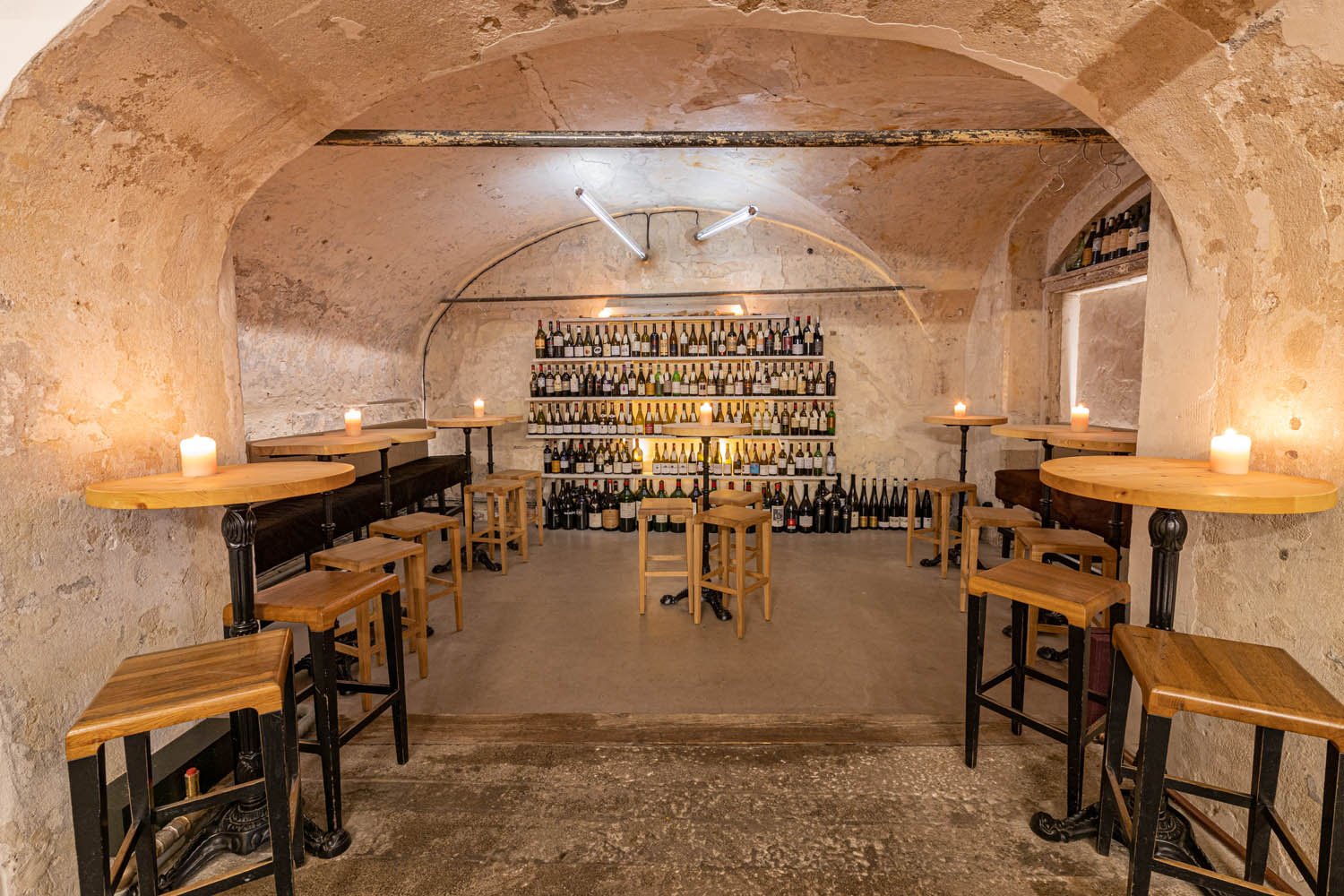
That sourcing logic extends beyond the main kitchen. The vaulted stone cellar beneath the restaurant houses a shop stocking house-made baked goods and meat products, a detail that signals how seriously the operation takes the full food chain. In an era where many restaurants source their charcuterie and bread from specialist suppliers, keeping that production in-house reflects both a particular quality standard and an alignment with the regional traditions the menu references above ground.
A Wine Programme Built for the Kitchen
Prague's premium restaurant wine programmes have expanded considerably over the past decade, with several addresses building lists that extend meaningfully into Moravian wine alongside the French and Italian anchors that still dominate the upper tier. The wine offering at 420 is described as curated specifically to complement the kitchen's contemporary dishes rather than assembled independently. That pairing logic matters most when the food is working with fermented, cured, and grain-based elements, the kinds of preparations that appear on a menu grounded in regional tradition, where the conventional French-Italian defaults can sometimes work against the food rather than with it. A list built around the kitchen's actual output is a more useful instrument than a prestigious but mismatched cellar.
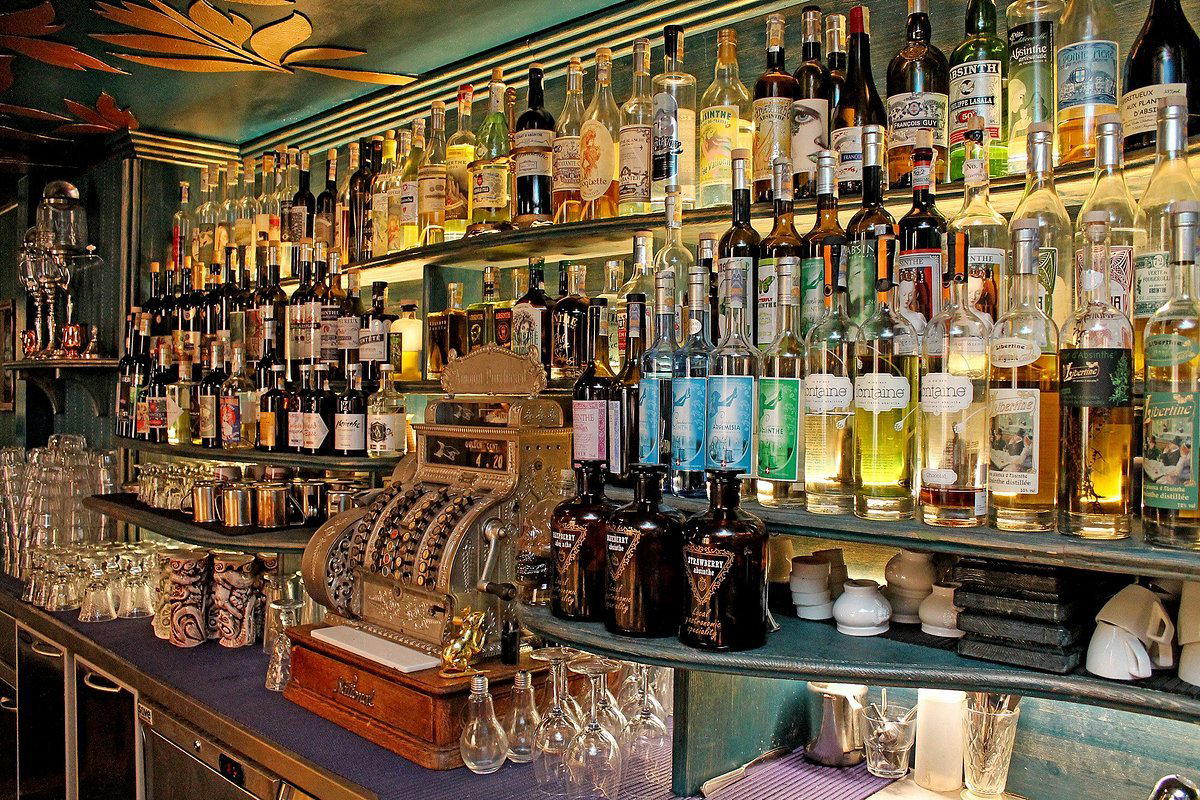
The wine list is curated to complement the kitchen's contemporary dishes. At 420, the emphasis appears to be on curation depth relative to the menu rather than sheer volume.
Prague's Old Town Dining in Context
The Old Town dining scene splits roughly between addresses that treat the location as sufficient justification and those that treat it as a platform requiring a strong kitchen to justify. 420 occupies the latter category, which places it in a narrower competitive set than the square's volume might suggest. For visitors building a Prague dining itinerary, the city's notable addresses concentrate in a relatively small geographic area. Beyond Old Town, Alma and Amano represent different points on the contemporary European spectrum, while Antricote Steakhouse anchors the carnivore-led end of the mid-to-upper tier.
The broader Czech dining conversation extends well outside Prague. Kitchens such as ARRIGŌ in Děčín, ATELIER bar and bistro in Brno, Babiččina zahrada in Průhonice, Bohém in Litomyšl, Cattaleya in Čeladná, and Chapelle in Písek collectively indicate that the regional sourcing conversation is not confined to the capital. Prague's restaurants benefit from, and in some cases drive, that national momentum. Internationally, the comparison point for kitchens working classical foundations through a regional-sourcing lens sits at a high bar: Le Bernardin in New York represents the French technical tradition at its most disciplined, while Atomix in New York shows what happens when a kitchen grounds classical precision in a specific cultural tradition without compromise.
Planning a Visit
420 Restaurant is located at Staroměstské náměstí 480/24, in the heart of Old Town, directly on the square facing the astronomical clock. The address is walkable from most central Prague hotels and a short distance from the nearest metro access points. Given the terrace's exposure to one of Europe's highest-footfall squares, advance booking for outdoor tables is advisable, particularly across the summer months and during the late autumn market season when the square draws additional visitors. The cellar shop is worth factoring into arrival or departure timing if house-made provisions are of interest.
Comparison Snapshot
Comparable venues nearby, for context on price, style, and recognition.
| Venue | Cuisine | Price | Awards | Notes |
|---|---|---|---|---|
| 420 RestaurantThis venue — the venue you are viewing | Modern Czech | $$$ | Michelin Plate | Not listed |
| Eska | Modern Czech with Neo-Nordic Influences | $$$ | Not listed | Karlin |
| Mlýnec | Modern Czech Fine Dining | $$$ | Michelin Plate | Josefov |
| Grand Cru | Modern International Fine Dining | $$$ | Michelin Plate | Pelc Tyrolka |
| Antricote Steakhouse | Premium European Steakhouse | $$$ | Michelin Plate | Josefov |
| Pot au Feu | Traditional French Bistro | $$$ | Michelin Plate | Josefov |
Recognition history
Dated appearances from independent guides and award organizations, with the underlying list record or original source where available.
Falstaff Restaurant - 93 Falstaff Points
Falstaff
Michelin Plate
Michelin
Star Wine List
Star Wine List
At a Glance
- Modern
- Elegant
- Romantic
- Well Known
- Date Night
- Special Occasion
- Celebration
- Open Kitchen
- Terrace
- Historic Building
- Extensive Wine List
- Street Scene
Current opening hours
- Monday
- 11:30 AM–10:30 PM
- Tuesday
- 11:30 AM–10:30 PM
- Wednesday
- 11:30 AM–10:30 PM
- Thursday
- 11:30 AM–10:30 PM
- Friday
- 11:30 AM–10:30 PM
- Saturday
- 11:30 AM–10:30 PM
- Sunday
- 11:30 AM–10:30 PM
Hours can change for holidays and private events. Last verified .
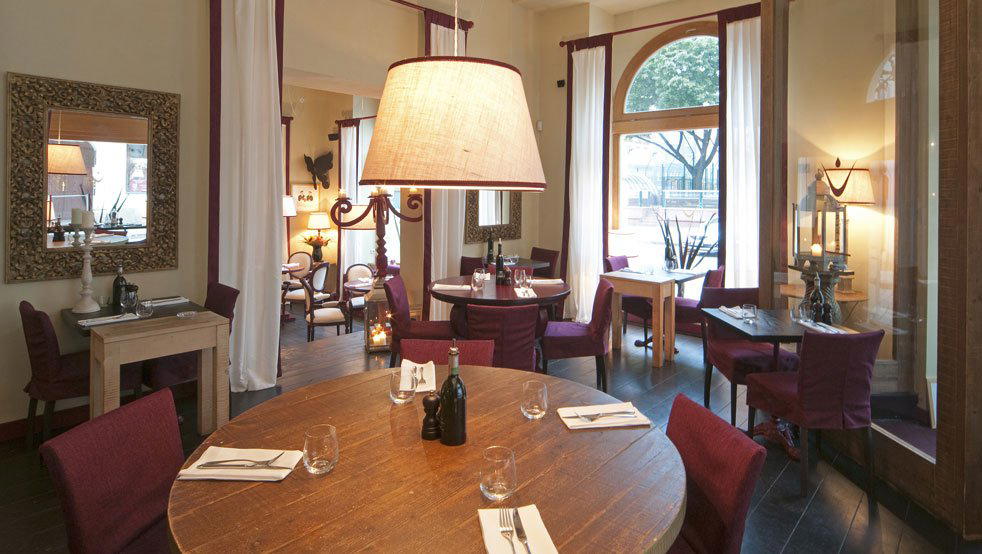
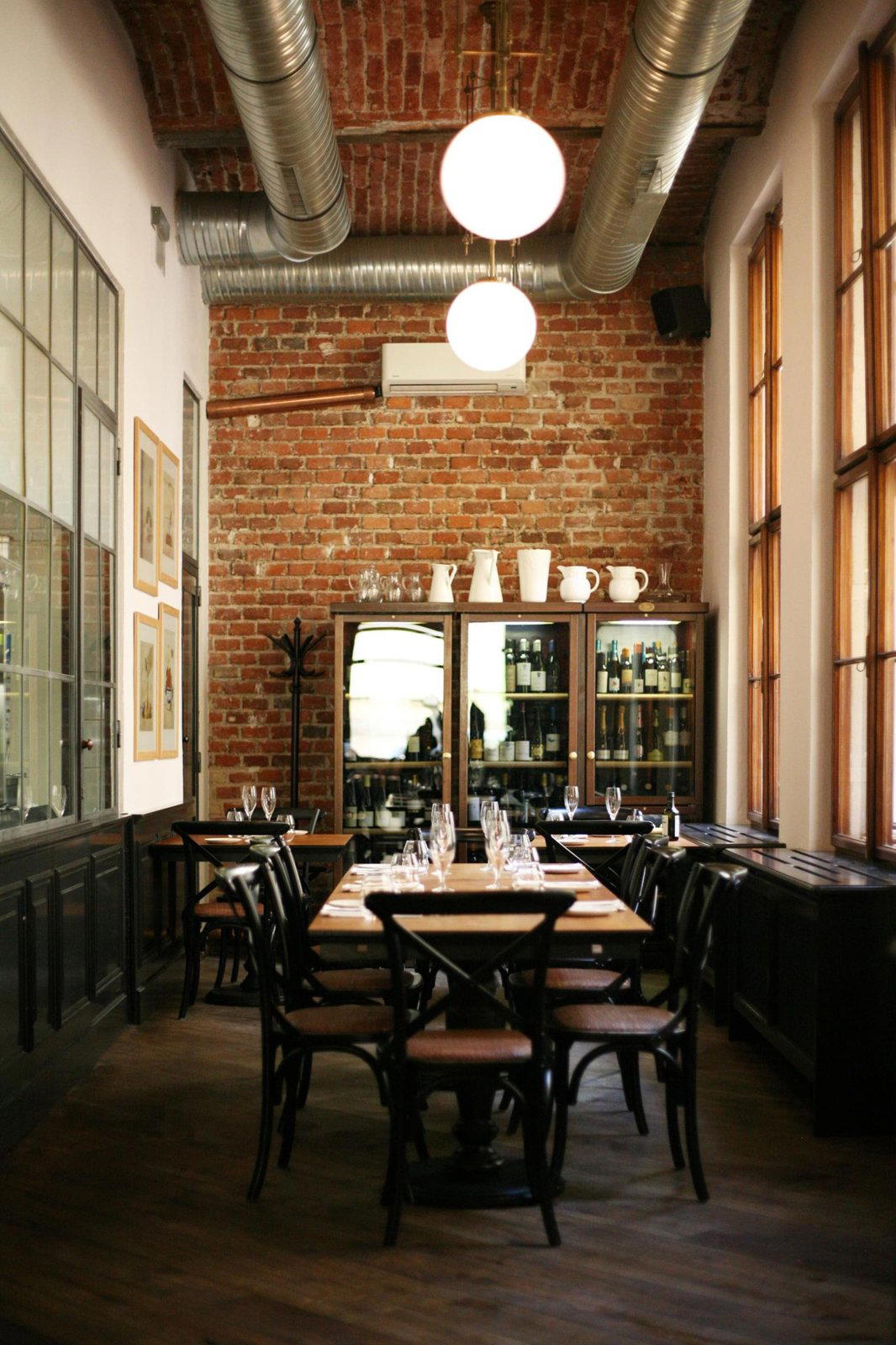
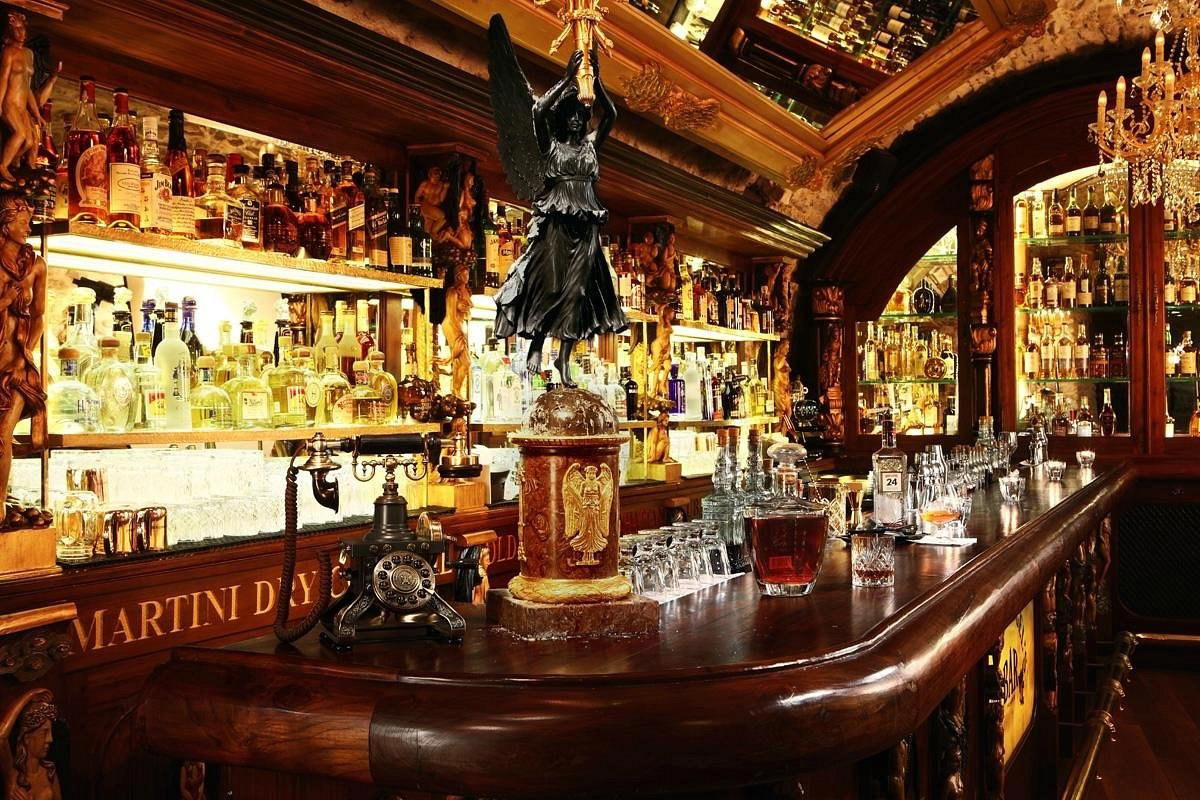
Modern and elegant with sleek furnishings, phenomenal wall decor, glass ceiling, and a historic yet contemporary atmosphere.