Grand Café Orient
Grand Café Orient occupies a restored Cubist interior at Ovocný trh 19 in Prague's Old Town, placing it within a rare architectural tradition that shaped Central Europe in the early twentieth century. The café sits inside the House of the Black Madonna, one of the few surviving examples of Czech Cubist architecture anywhere, making its dining room as much a cultural document as a place to eat or drink.
Pearl is the En Primeur Club membership app — saves, bookings, and concierge access live there. Same editors, same standards.
- Address
- Ovocný trh 19, 110 00 Staré Město, Czechia
- Phone
- +420 224 224 240
- Website
- grandcafeorient.cz
- Directions
- Get directions
 Saves & bookings on Pearl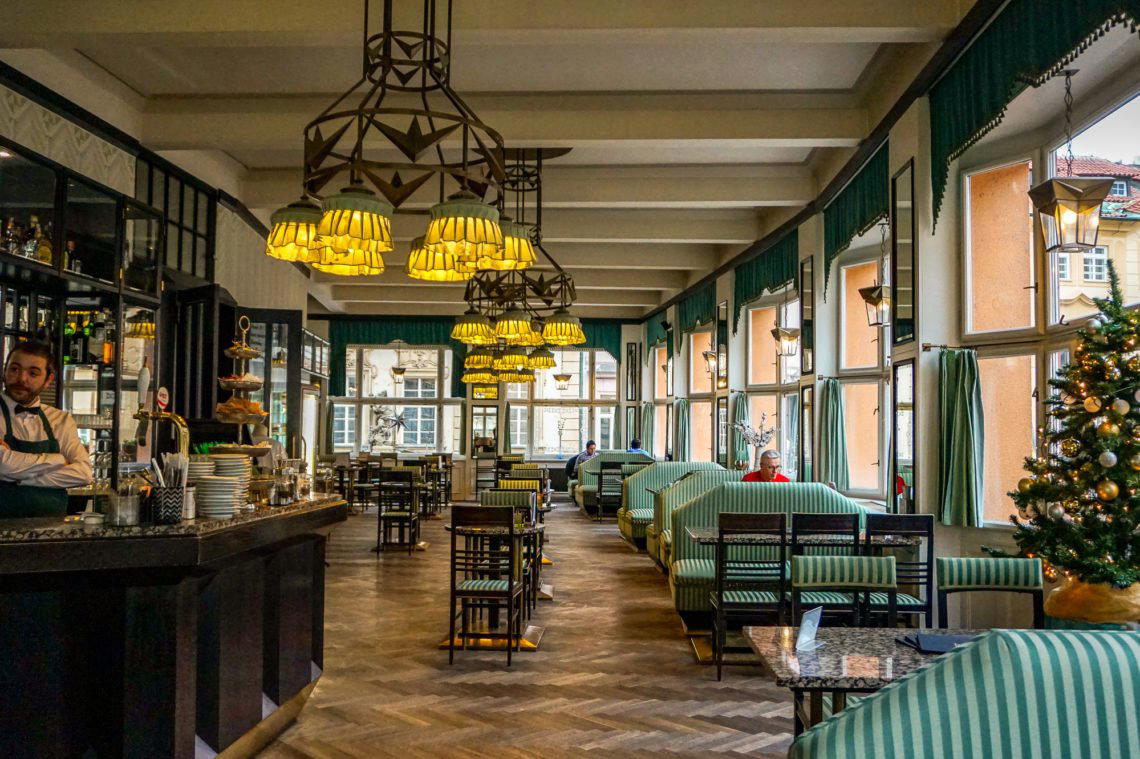
A Room That Explains Prague's Architectural Ambition
The upper floors of the House of the Black Madonna on Ovocný trh have been drawing architectural historians since the building opened in 1912. Grand Café Orient is a Cubist Czech cafe in Prague at Ovocný trh 19, with casual dress and reservations recommended. Czech Cubism, the movement that produced it, was a short-lived but singular experiment: unlike French Cubism, which stayed on canvas, the Czech variant moved into three dimensions, reshaping furniture legs, door frames, lamp brackets, and staircase banisters into faceted, angular forms. few interiors survive in anything close to original condition. Grand Café Orient is one of them, and that fact frames everything else about the experience before a single order is placed.
Entering through a building that houses the permanent Czech Museum of Cubism on its lower floors, the café occupies a space where the architecture is the primary event. The geometric detailing, the period furniture, and the restored decorative programme of the original 1912 interior represent a form of preservation that most European cities failed to achieve through the upheavals of the twentieth century. Prague's relative architectural continuity through the communist era, which froze redevelopment rather than encouraging it, is partly responsible for spaces like this surviving at all. That context matters when you are sitting inside it.
Czech Café Culture and What It Actually Means
The Central European café tradition that Grand Café Orient participates in is distinct from both the French brasserie and the Italian espresso bar. The Viennese kavárna model that spread through the Habsburg territories in the nineteenth century positioned the café as a prolonged social and intellectual space: somewhere you arrived without a fixed departure time, read, argued, met, and ate modestly. Prague's own version of this tradition produced a generation of writers and intellectuals who used cafés as offices. Kafka is the name most often attached to this history, but the culture ran considerably wider.
That tradition has a complicated relationship with the present. Post-1989 Prague reopened its café culture to commercial redevelopment, and the result was uneven: some historic spaces were well restored, others were converted into tourist operations with period aesthetics but none of the substance. Grand Café Orient sits in the more considered part of that recovery, where the restoration effort has been applied to both the physical fabric and the intent of the space. Whether it fully delivers on the intellectual weight of the original kavárna tradition is a question the visitor answers for themselves, but the physical conditions for it exist.
Where This Fits in Prague's Dining Scene
Prague's food and drink offer has stratified considerably over the past decade. At the leading end, restaurants like La Degustation Bohême Bourgeoise (French-Czech) operate formal tasting-menu formats with serious wine programmes and regional sourcing arguments. Alcron (Modern European) works a similar upper tier. Below that sits a middle band of casual-to-mid-market dining: Alma, Amano, and 420 Restaurant each occupy positions in that space, as does the long-established Alcron at the more formal end.
The restaurant does not compete directly with any of them. Its comparable set is defined by format rather than cuisine: historic cafés where the architectural and cultural context is the point, and where the food and drink serve that context rather than leading it. Café Imperial on Na Příkopě operates in a comparable register, with an Art Nouveau ceramic interior and a traditional Czech menu at comparable price positioning. The distinction between them is largely one of architectural period and neighbourhood character. Both sit within the orbit of Old Town, and both attract a mix of informed visitors and local regulars who value the room above the plate.
For visitors building a broader picture of serious Czech hospitality beyond Prague, the regional spread is worth noting. Na Spilce in Pilsen, Pavillon Steak House in Brno, and Tlustá Kachna in Chrudim each represent different expressions of Czech dining culture at a regional level. Further afield, Long Story Short Eatery & Bakery in Olomouc, Cattaleya in Čeladná, Chapelle in Písek, Dvůr Perlová voda in Budyně nad Ohří, Perk Restaurant in Šumperk, ARRIGŌ in Děčín, and V Bezovém Údolí in Kryštofovo Údolí suggest a Czech dining culture that extends well beyond the capital.
The Neighbourhood and When to Go
Ovocný trh sits just east of Celetná Street in the heart of Staré Město, close enough to Old Town Square to be within the densest tourist corridor in the city. That proximity is both the café's commercial advantage and its primary challenge: the area is heavily trafficked between April and October, and the pressure that tourist volume puts on historic spaces is real. Mid-morning on a weekday, or in the quieter months from November through February, the room functions closer to its intended character. The winter light through the period windows, the relative absence of crowds, and the pace of a slow coffee or a glass of Moravian wine make a more persuasive case for the space than a busy Saturday afternoon in July.
The museum itself is worth time: the permanent collection of Czech Cubist works gives the café's interior considerably more context than arriving cold.
Planning Your Visit
The restaurant is located at Ovocný trh 19 in Staré Město, a short walk from the Náměstí Republiky metro station on Line B. Given the café format, reservations are not always essential, but the room is small and the interior tables with the leading architectural views fill quickly on weekday mornings and weekend afternoons. Arriving early in the day is the more reliable strategy, particularly if you want time to sit without pressure. The surrounding area rewards a longer visit: the nearby Municipal House, Celetná Street's Baroque facades, and the Cubist Museum on the building's lower floors all extend the visit naturally without requiring significant additional planning.
For those building a longer Prague itinerary that runs from historic café culture through to the city's more ambitious contemporary dining, the contrast between a morning here and an evening at a restaurant operating in the tasting-menu format illustrates the full range of what Prague's food and hospitality culture now covers. That range is broader than most visitors expect, and it rewards a structured approach.
Price Lens
Comparable venues nearby, for context on price, style, and recognition.
| Venue | Cuisine | Price |
|---|---|---|
| Grand Café OrientThis venue — the venue you are viewing | Stare Mesto, Cubist Czech Cafe | $$ |
| Červený jelen | Josefov, Modern Czech Steakhouse | $$ |
| mEating point | Josefov, Czech Brasserie | $$$ |
| Mincovna | Josefov, Modern Czech Brasserie | $$ |
| Kuchyň | Hradcany, Modern Czech | $$ |
| Eatery | Holesovice, Modern Czech | $$$ |
At a Glance
- Classic
- Well Known
- Historic
- Cozy
- Casual Hangout
- Brunch
- Historic Building
- Terrace
- Street Scene
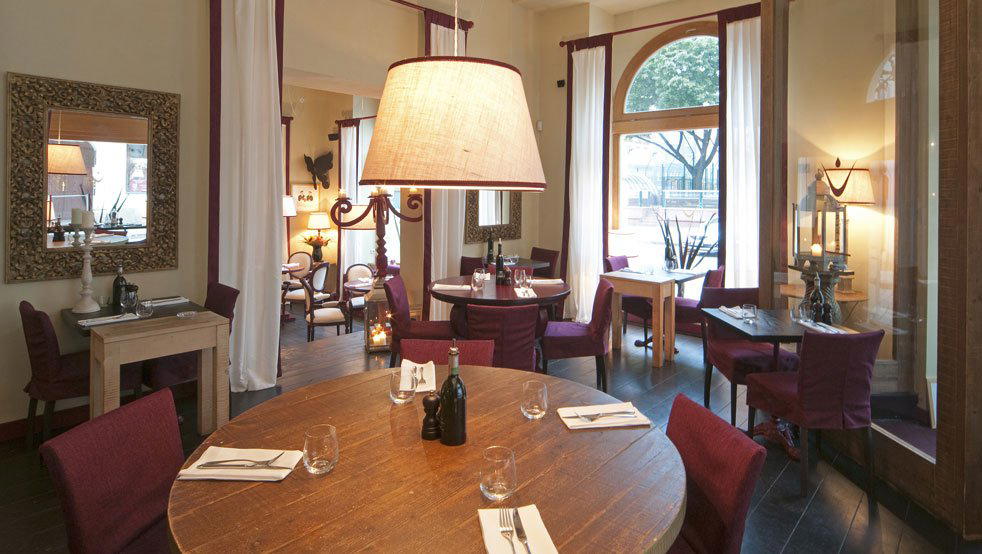
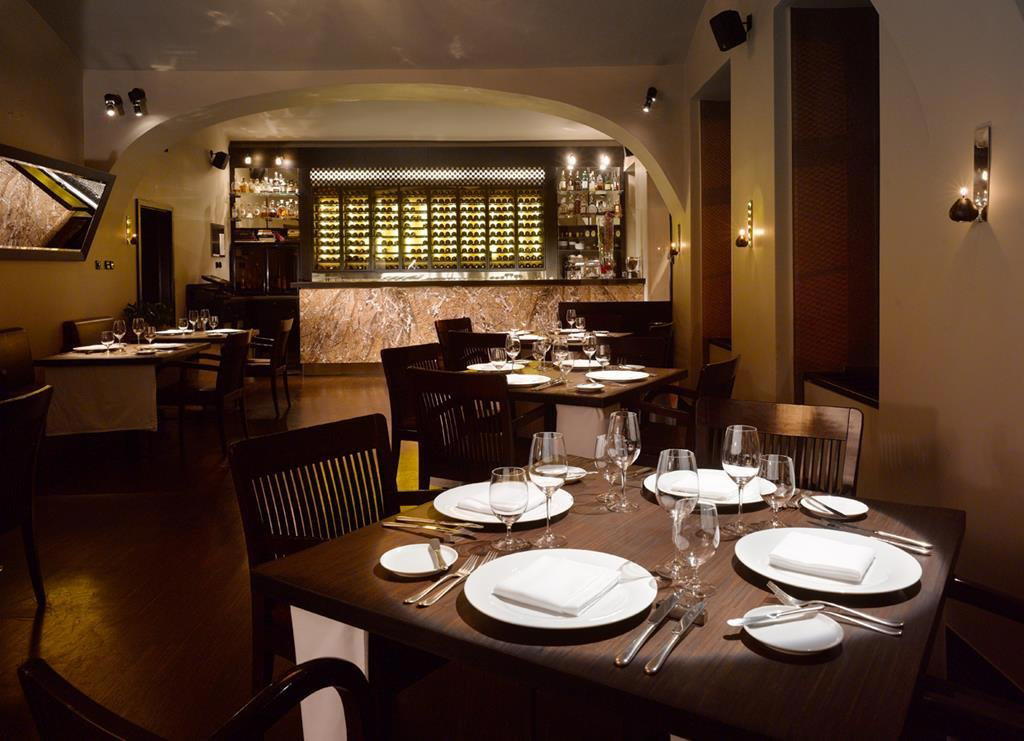
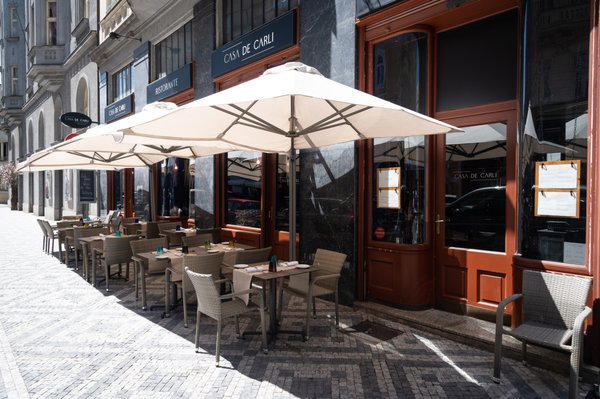
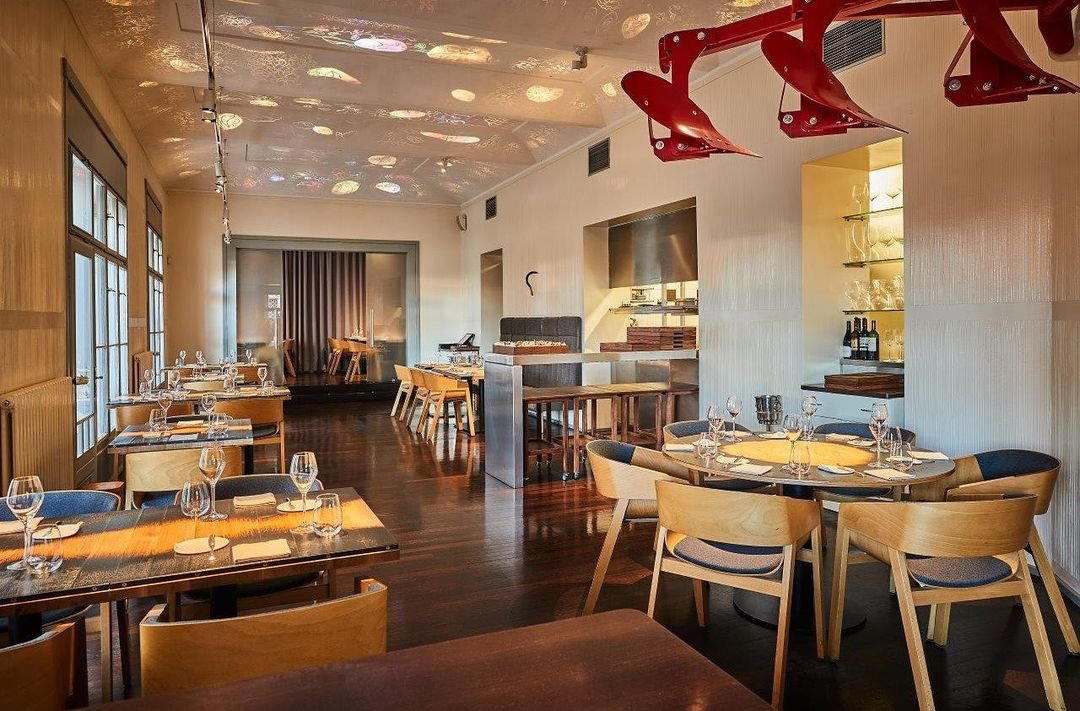
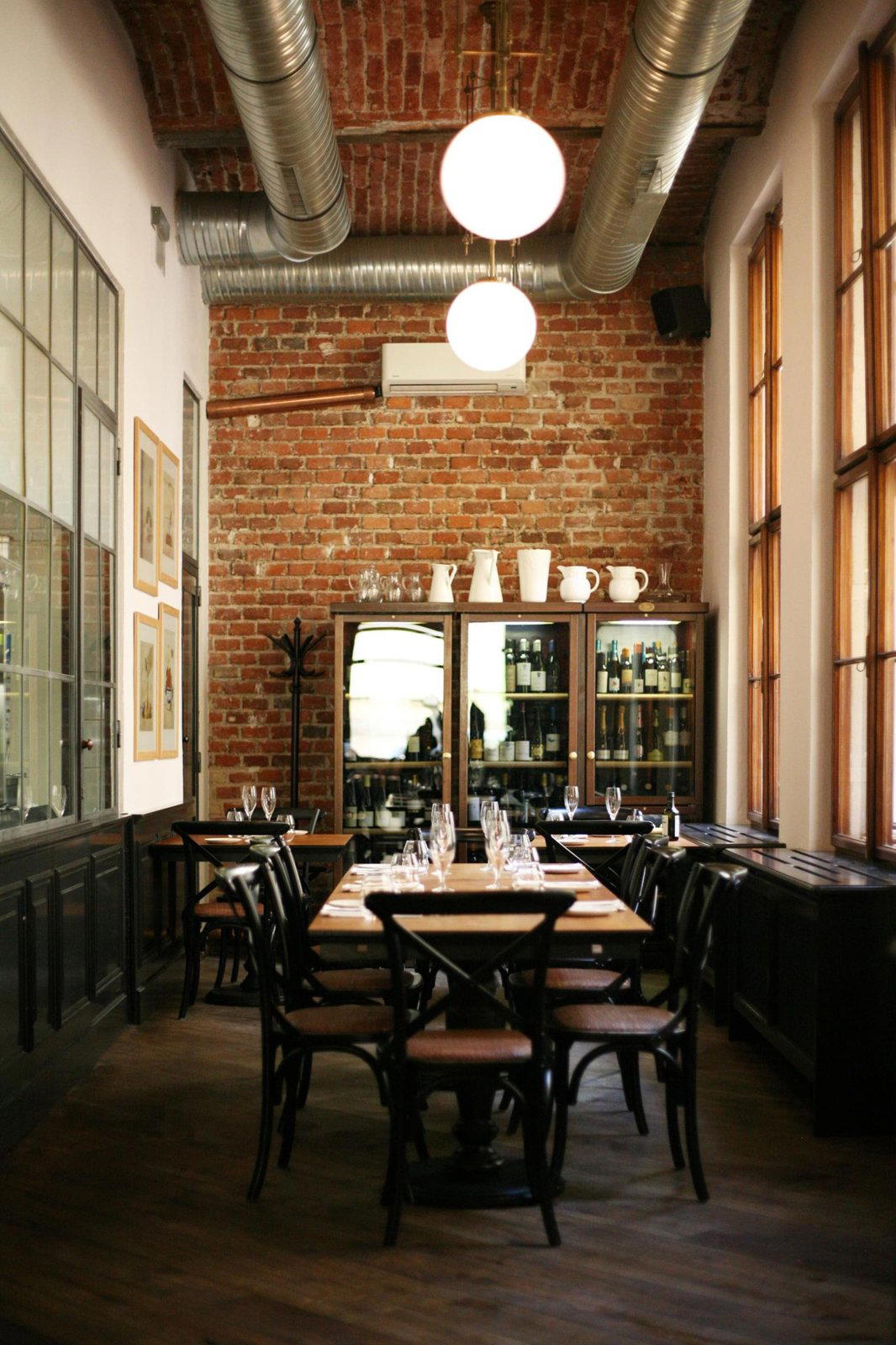
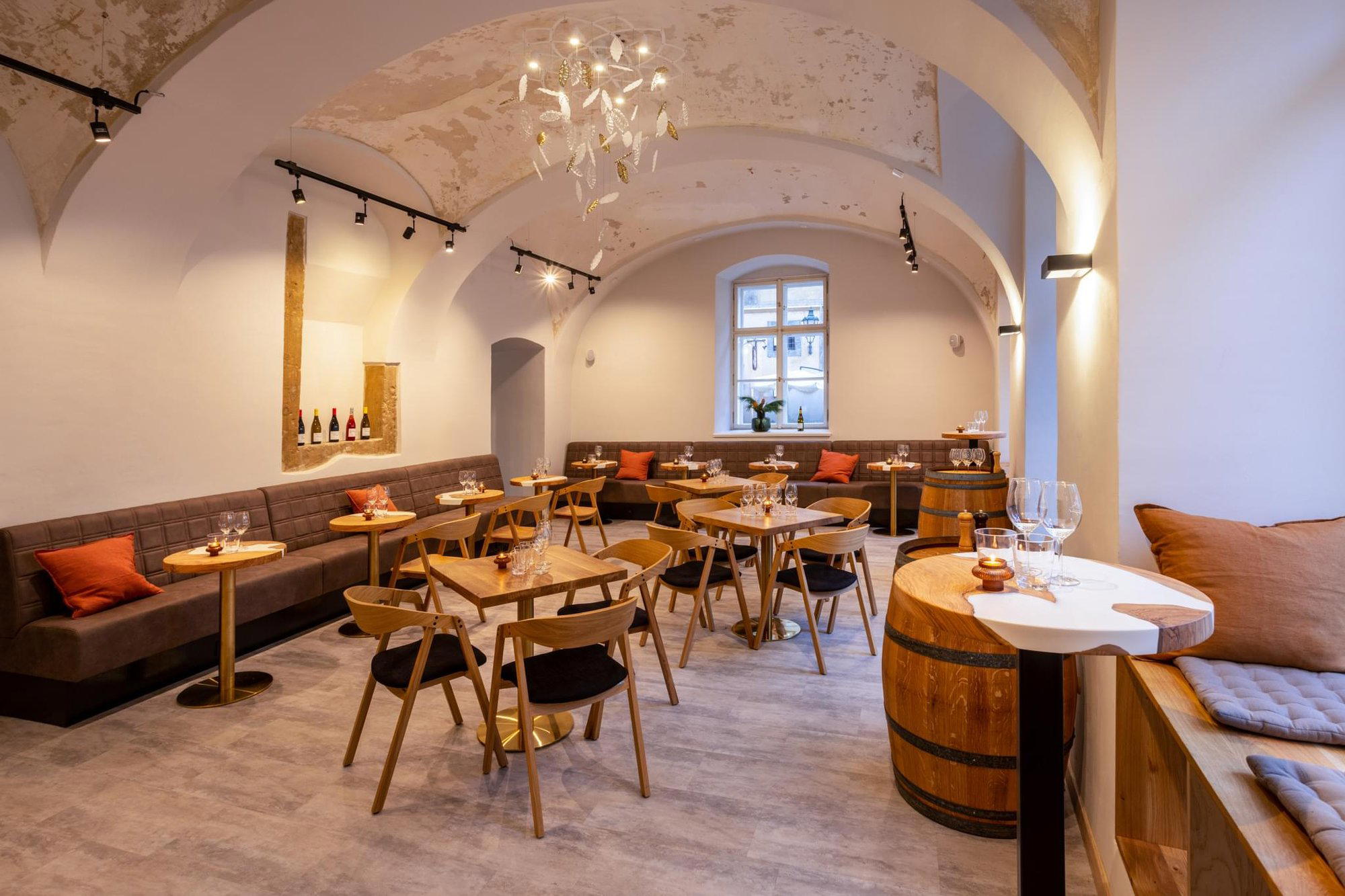
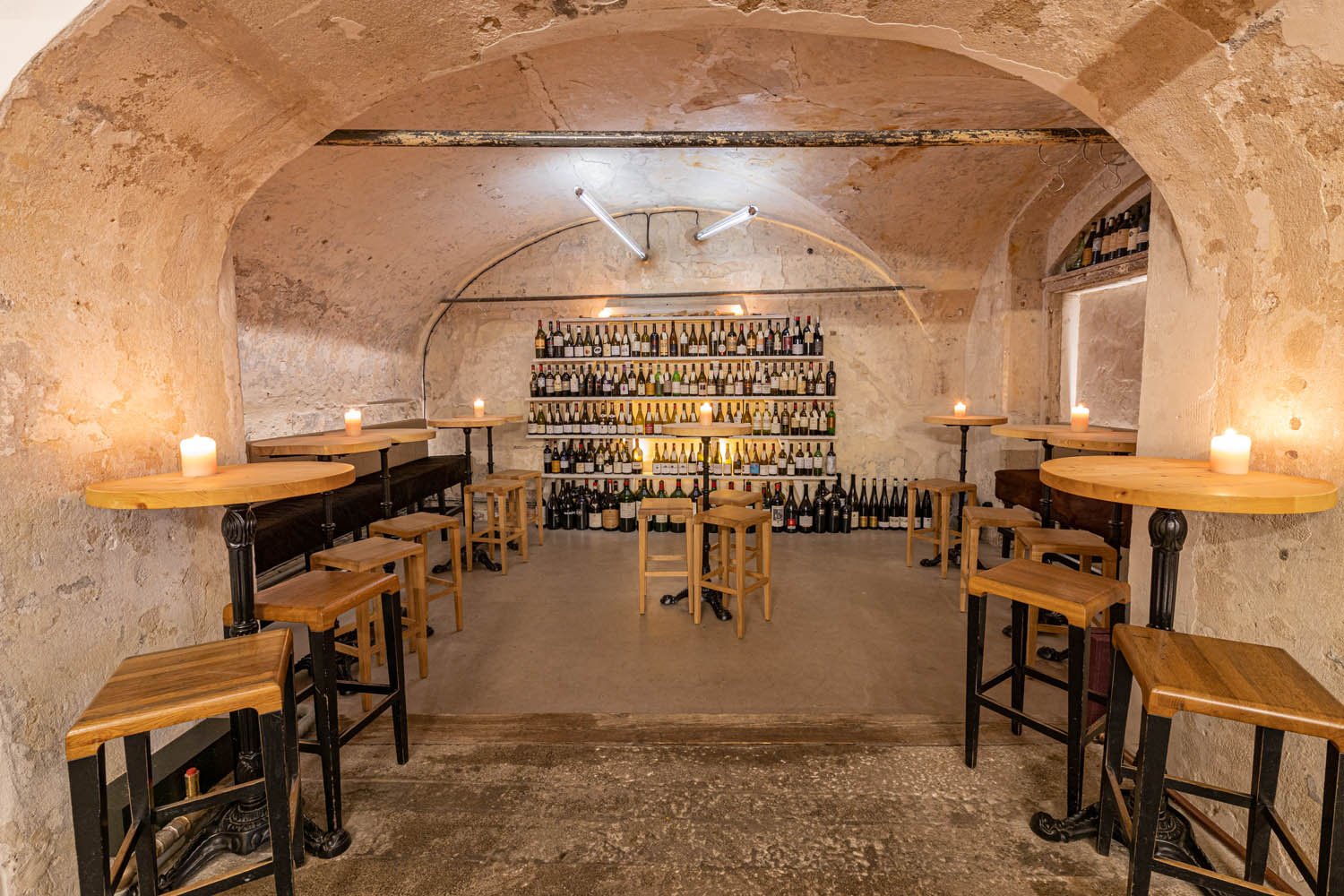
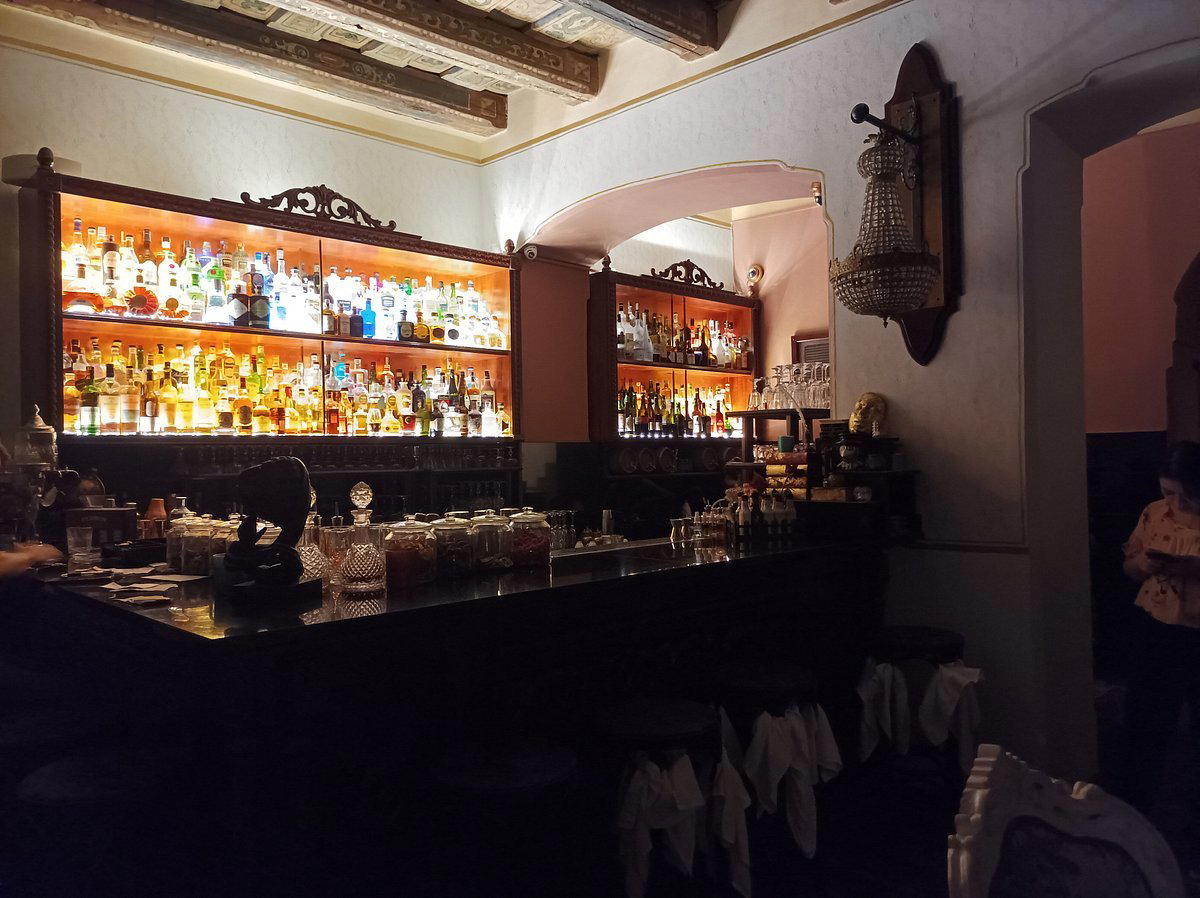
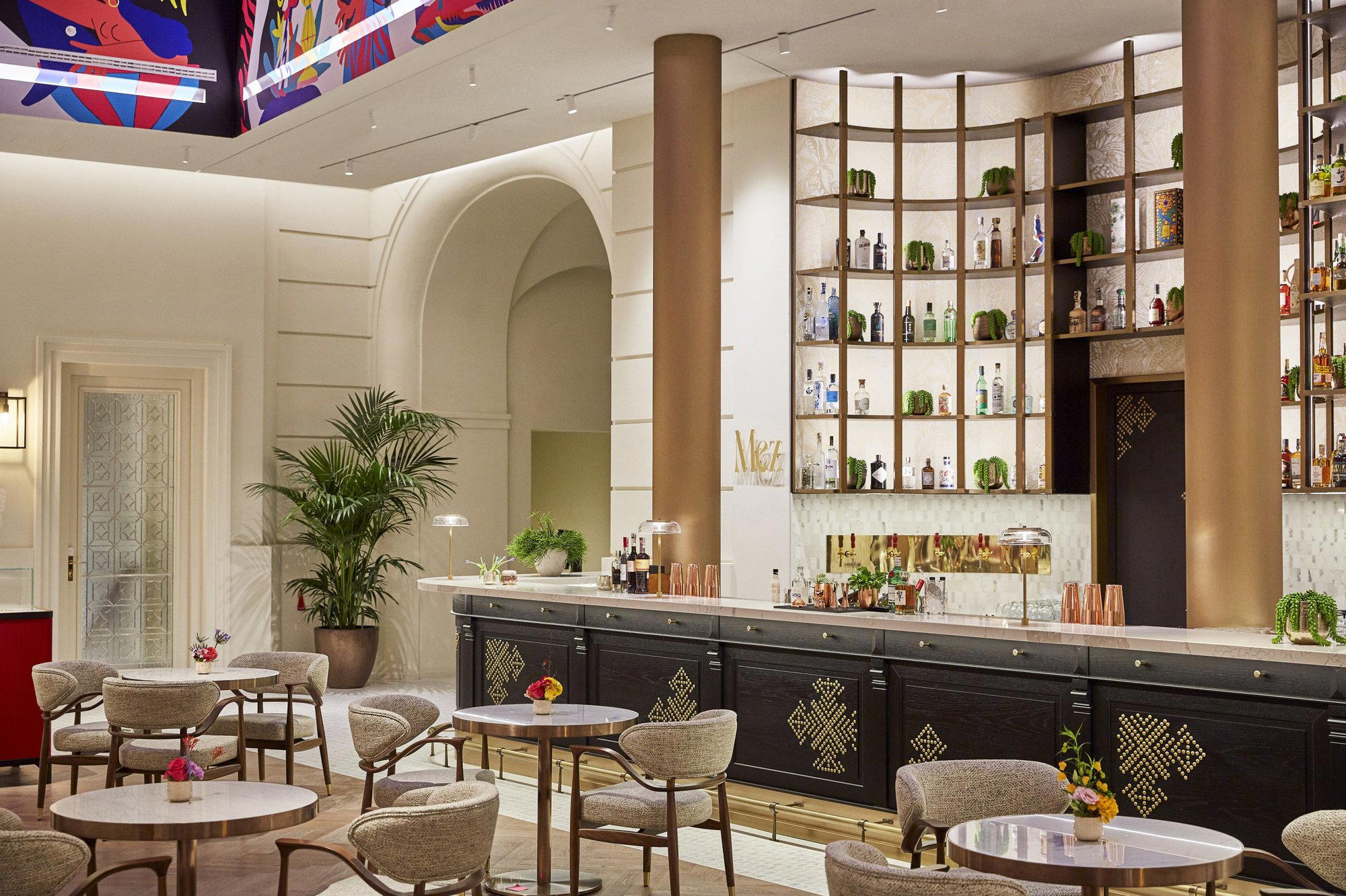
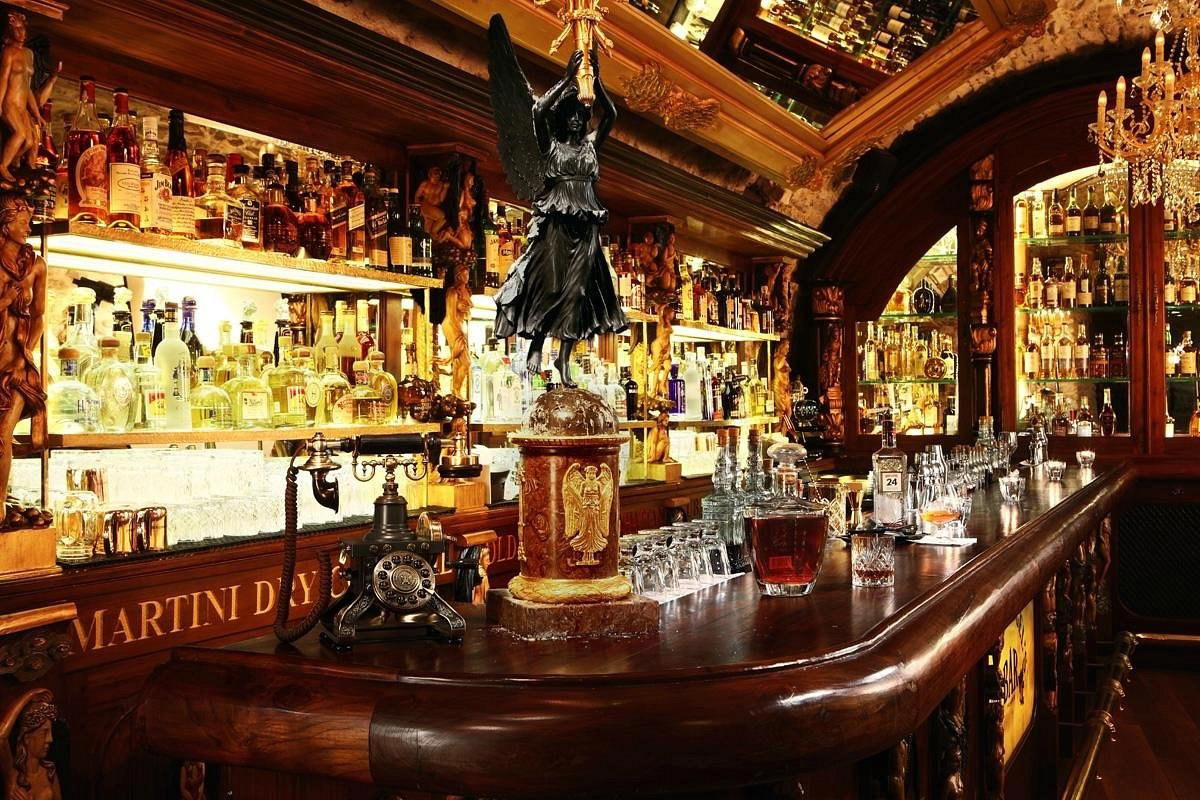
Enchanting Cubist interior with geometric designs, silk-shaded brass lanterns, and marble-topped bar creating a historic yet cozy atmosphere.