Café De Tacuba
Few restaurants in Mexico City carry the weight of history that Café De Tacuba does. Operating from its address in the Centro Histórico since 1912, it sits in a different tier from the modern tasting-menu circuit occupied by Pujol or Quintonil — one defined by continuity, traditional Mexican cooking, and a dining room that reads as a living document of the capital's past.
Pearl is the En Primeur Club membership app — saves, bookings, and concierge access live there. Same editors, same standards.
- Address
- C. de Tacuba 28, Centro Histórico de la Cdad. de México, Centro, Cuauhtémoc, 06010 Ciudad de México, CDMX, Mexico
- Phone
- +52 55 5521 2048
- Website
- cafedetacuba.mx
- Directions
- Get directions
 Saves & bookings on Pearl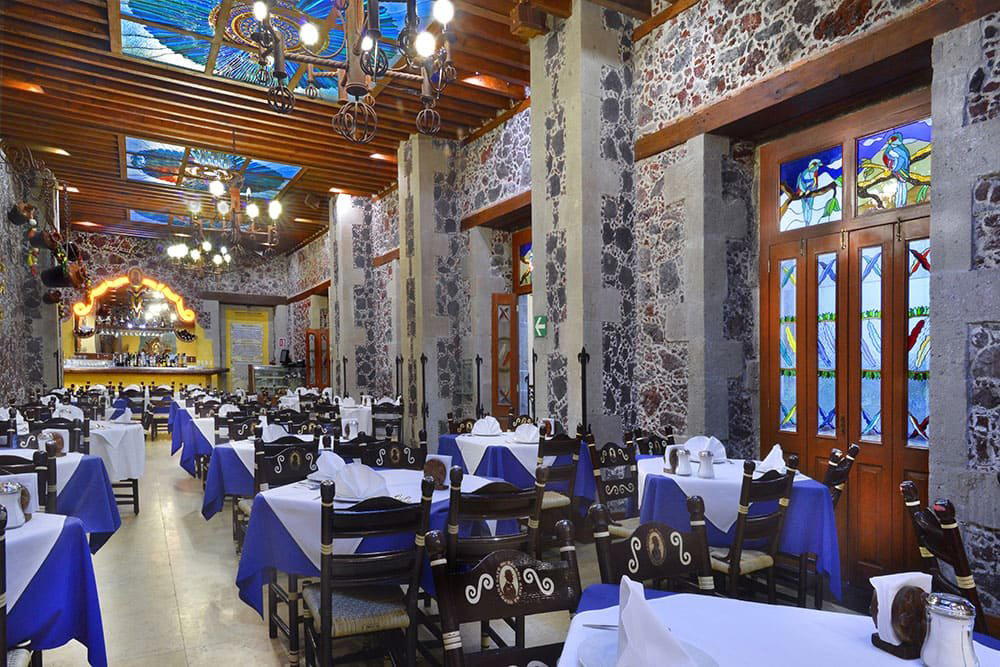
Where the Centro Histórico Sets the Table
Mexico City's Centro Histórico is one of the densest concentrations of layered history in the Americas, and the dining culture that surrounds the Zócalo reflects that compression. The neighbourhood operates on different terms from Polanco or Roma Norte: the restaurants here are not chasing tasting-menu recognition or positioning against the modern Mexican canon represented by Pujol or Quintonil. They are, in the main, custodians of a more continuous tradition — one that predates the contemporary fine-dining conversation by generations.
Café De Tacuba, on Calle de Tacuba just west of the cathedral district, has occupied that custodial role since 1912. More than a century of uninterrupted service in a single location is a rare credential in any city; in Mexico City, where the restaurant scene has been reshaped repeatedly by economic cycles and shifting neighbourhood fortunes, it is an unusually durable one. The building itself carries the visual grammar of colonial Mexico — tiled interiors, high ceilings, painted murals, and entering it involves a shift in register that no amount of contemporary design can replicate. This is not nostalgia as an aesthetic choice; it is nostalgia as the actual condition of the space.
The Arc of a Meal in the Traditional Mexican Register
Understanding what Café De Tacuba offers requires locating it in the right culinary tradition. Mexican restaurant dining has two broad streams: the contemporary, technique-forward approach that draws international attention and earns placement on lists alongside Le Bernardin or Lazy Bear, and the longer, quieter tradition of regional Mexican cooking served without conceptual framing. Café De Tacuba belongs emphatically to the second stream. A meal here follows the logic of traditional Mexican hospitality rather than any tasting-menu progression: antojitos and soups anchor the early stages, moles and stews form the core, and the dessert selection draws on convent-era recipes that predate the republic.
That sequencing matters because it reflects a culinary vocabulary that operates differently from the creative Mexican cooking now practised at restaurants like Em or Sud 777. Where those kitchens reinterpret traditional ingredients through contemporary technique, Café De Tacuba's value proposition is the unmediated version: the mole negro rendered according to long-established method, the tamales and enchiladas served as they would have been understood by diners in the early twentieth century. For a reader accustomed to the creative end of the Mexican dining spectrum, this distinction is worth sitting with. The experience is not a simplified version of the contemporary, it is a different project entirely.
The breadth of the menu is itself a signal of the kitchen's orientation. Traditional Mexican cooking encompasses enormous regional diversity, and a long-standing establishment like this one tends to serve as a compendium of that range rather than a specialist in any single regional tradition. Dishes from central Mexico dominate, which makes geographical sense given the location, but the scope across the card reflects the generalist ambition of the classic Mexican comedor at its most ambitious scale. Compare this to the tightly edited menus at destination restaurants across the country, Levadura de Olla in Oaxaca, focused on Oaxacan tradition, or KOLI Cocina de Origen in Monterrey, rooted in the north, and the structural difference becomes apparent. Café De Tacuba reads wide; those restaurants read deep.
Place in the Mexico City Dining Hierarchy
Price positioning matters in this context. The contemporary fine-dining tier in Mexico City, anchored by restaurants like Pujol and Quintonil, operates at peso price points that translate to significant sums even relative to global fine-dining benchmarks. Café De Tacuba sits at a considerable remove from that bracket. It is not priced as a destination restaurant; it is priced as a working institution that serves the full spectrum of the city's visitors and residents. That accessibility is part of its function. The dining room at Café De Tacuba on a weekday afternoon is a genuinely cross-sectional space, families, tourists, office workers, and longtime regulars occupy the same tiled room without the social sorting that a Polanco reservation implies.
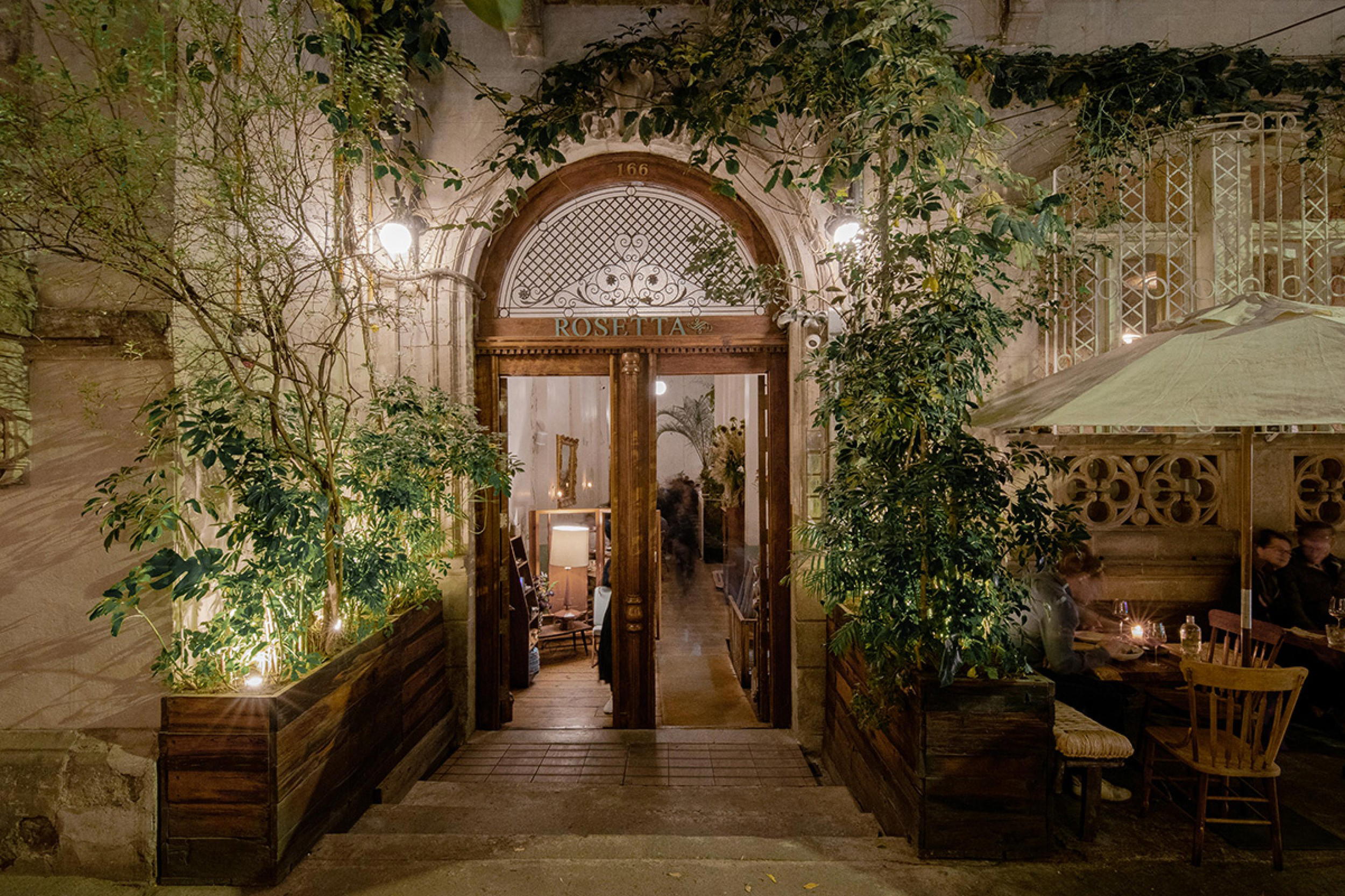
This places it in a peer group that includes the city's other long-standing traditional restaurants rather than the contemporary names. It is a different comparison set from Rosetta in Roma Norte, which has positioned itself as a creative destination with a considered design identity, or the newer generation of experience-led concepts. Café De Tacuba's competition is, in some sense, time itself, the question is not whether it outperforms its contemporary peers but whether the tradition it represents remains a live and satisfying one for the diner in front of it.
The Centro Histórico as Context
Arriving at Café De Tacuba from elsewhere in the city involves engaging with the Centro Histórico on its own terms. The neighbourhood is dense, loud, and historically saturated in a way that the residential and commercial districts to the west are not. Walking distance from Templo Mayor and the Palacio de Bellas Artes, the restaurant sits at a natural inflection point in any serious exploration of the capital's pre-modern layers. Diners combining a morning at the archaeological zone with lunch at Café De Tacuba are following a logic that the city itself suggests, the culinary and architectural registers of colonial and early-republic Mexico overlap in this part of the centro in ways they do not anywhere else in the city.
For those building a broader picture of Mexican dining across the country, Café De Tacuba represents a useful anchor point. The modern destinations, Animalón in Valle de Guadalupe, Le Chique in Puerto Morelos, HA' in Playa del Carmen, Arca in Tulum, Alcalde in Guadalajara, Pangea in San Pedro Garza García, Olivea Farm to Table in Ensenada, and Lunario in El Porvenir, speak to where Mexican cooking is going. Café De Tacuba speaks to where it has been, and that is a different and complementary kind of knowledge. Our full Mexico City restaurants guide maps both traditions across the capital.
Planning a Visit
Café De Tacuba is located at Calle de Tacuba 28 in the Centro Histórico, within walking distance of the city's major historical monuments and well-served by metro from elsewhere in the city. Given its long-standing profile and the volume of Centro Histórico visitors, the dining room can fill quickly at peak lunch hours, particularly on weekends, arriving at opening or on a weekday afternoon tends to allow for a more considered experience of the space. The accessible price point means the restaurant functions as a reasonable choice across most visit formats, from a solo lunch between museum stops to a family meal drawing on the breadth of a long traditional menu.
How Café De Tacuba Mexico City compares with similar nearby venues.
| Venue | Cuisine | Price |
|---|---|---|
| Limosneros | Mexican | $$ |
| Azul Histórico | Mexican | Not listed |
Continue exploring
More in Mexico City
Restaurants in Mexico City
Browse all →
Bars in Mexico City
Browse all →

At a Glance
- Classic
- Well Known
- Historic
- Family
- Casual Hangout
- Brunch
- Historic Building
- Live Music
Current opening hours
- Monday
- 8 AM–10:30 PM
- Tuesday
- 8 AM–10:30 PM
- Wednesday
- 8 AM–10:30 PM
- Thursday
- 8 AM–10:30 PM
- Friday
- 8 AM–10:30 PM
- Saturday
- 8 AM–10:30 PM
- Sunday
- 8 AM–10:30 PM
Hours can change for holidays and private events. Last verified .
Warm and inviting Old Mexico atmosphere with colonial-era paintings of Aztecs, conquistadors, and Sor Juana on the walls, enhanced by wandering musicians on certain days.
Know Before You Go
- Getting there
- C. de Tacuba 28, Centro Histórico de la Cdad. de México, Centro, Cuauhtémoc, 06010 Ciudad de México, CDMX, Mexico