La Mascota
La Mascota occupies a traditional address on Calle de Mesones in Mexico City's Centro Histórico, placing it inside one of the capital's oldest and most character-laden dining corridors. The venue sits in the mid-tier of Centro dining, where ritual and setting matter as much as the plate. Visitors looking for a read on Mexico City's historic-centre eating culture will find a useful reference point here.
Pearl is the En Primeur Club membership app — saves, bookings, and concierge access live there. Same editors, same standards.
- Address
- Calle de Mesones 20, Centro Histórico de la Cdad. de México, Centro, Cuauhtémoc, 06080 Ciudad de México, CDMX, Mexico
- Phone
- +52 55 5709 3414
- Directions
- Get directions
 Saves & bookings on Pearl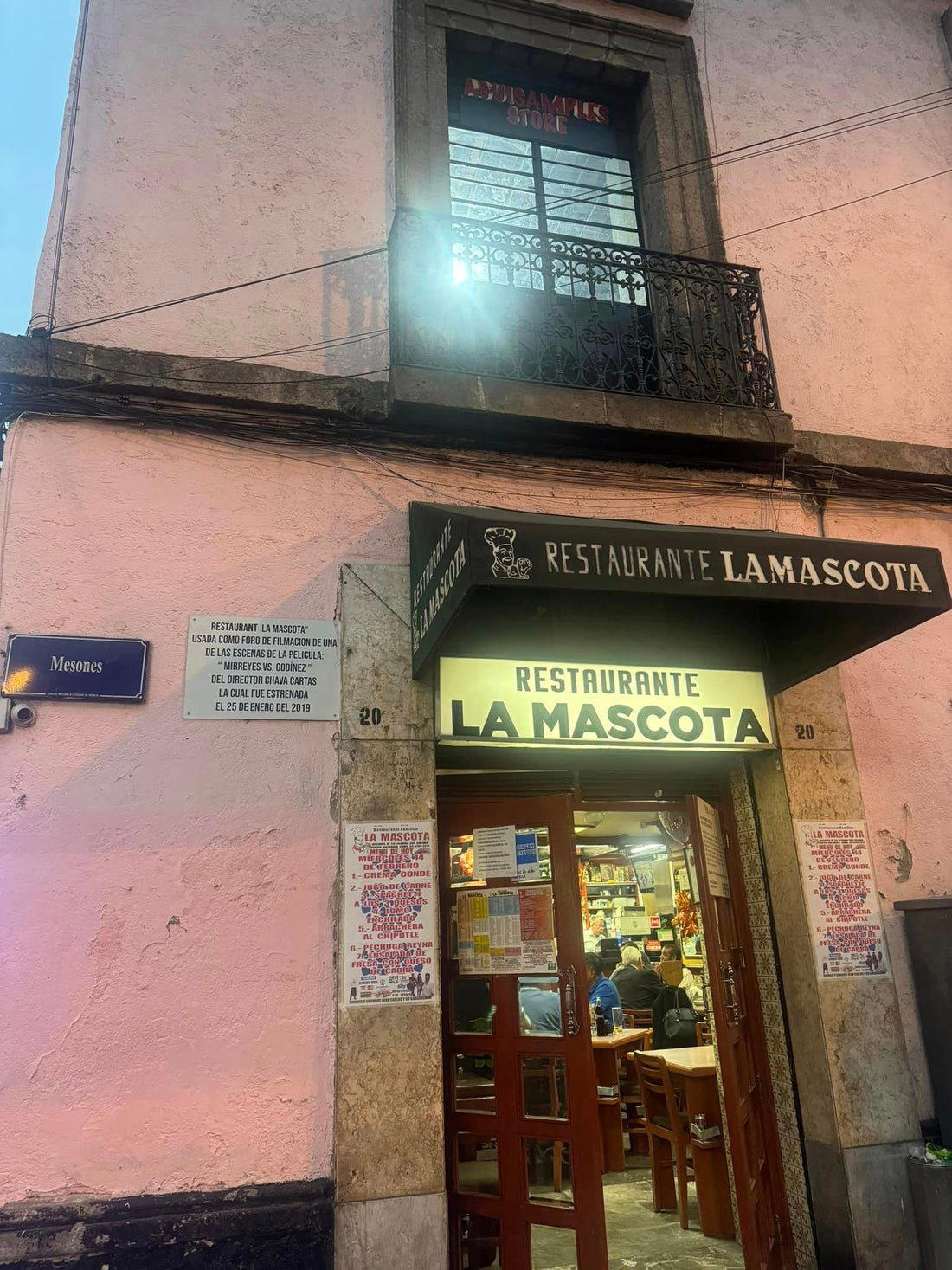
Eating in Centro Histórico: What the Ritual Tells You
Mexico City's Centro Histórico operates on a different clock than the capital's newer dining districts. Colonia Roma and Polanco move at the pace of reservation apps and tasting-menu countdowns. Centro, the 16th-century grid of streets around the Zócalo, where buildings carry centuries of layered use, moves closer to the rhythms of a working city. Lunch begins before noon and peaks hard between one and three in the afternoon. Tables fill with office workers, market vendors, and the occasional tourist who wandered far enough from the main square to find a room with no English menu and no QR code. La Mascota, at Calle de Mesones 20, sits in that fabric.
Mesones is a side street that runs east through the historic centre, parallel to the busier corridors feeding into the Mercado de la Merced zone. The address puts La Mascota inside a stretch of Centro that tourists pass through rather than stop at, which says something useful about where it fits: this is eating for the city, not for visitors performing the city.
The Pacing of a Centro Comida Corrida
The dominant eating ritual in this part of Mexico City is the comida corrida, a structured midday meal, typically three to five courses, priced by the set and timed around the working lunch. Understanding this format is more useful than any specific menu knowledge before you arrive. The sequence is fixed: soup or pasta first, then a dry rice course (sopa seca), then a main protein with sides, and often a small dessert or coffee to close. The decision-making is minimal. You choose your main; the kitchen decides the rest.
This format has deep roots in Mexico City's cantina and fonda tradition. Where the cantinas of Colonia Centro historically served free botanas alongside drinks, the fonda model offered a structured daily meal to working populations who needed speed, volume, and consistency over variety. The comida corrida survives because those needs haven't disappeared, and because the format produces a kind of eating that tasting-menu restaurants at Pujol or Quintonil don't attempt: fast, sociable, unselfconscious, and priced for daily repetition.
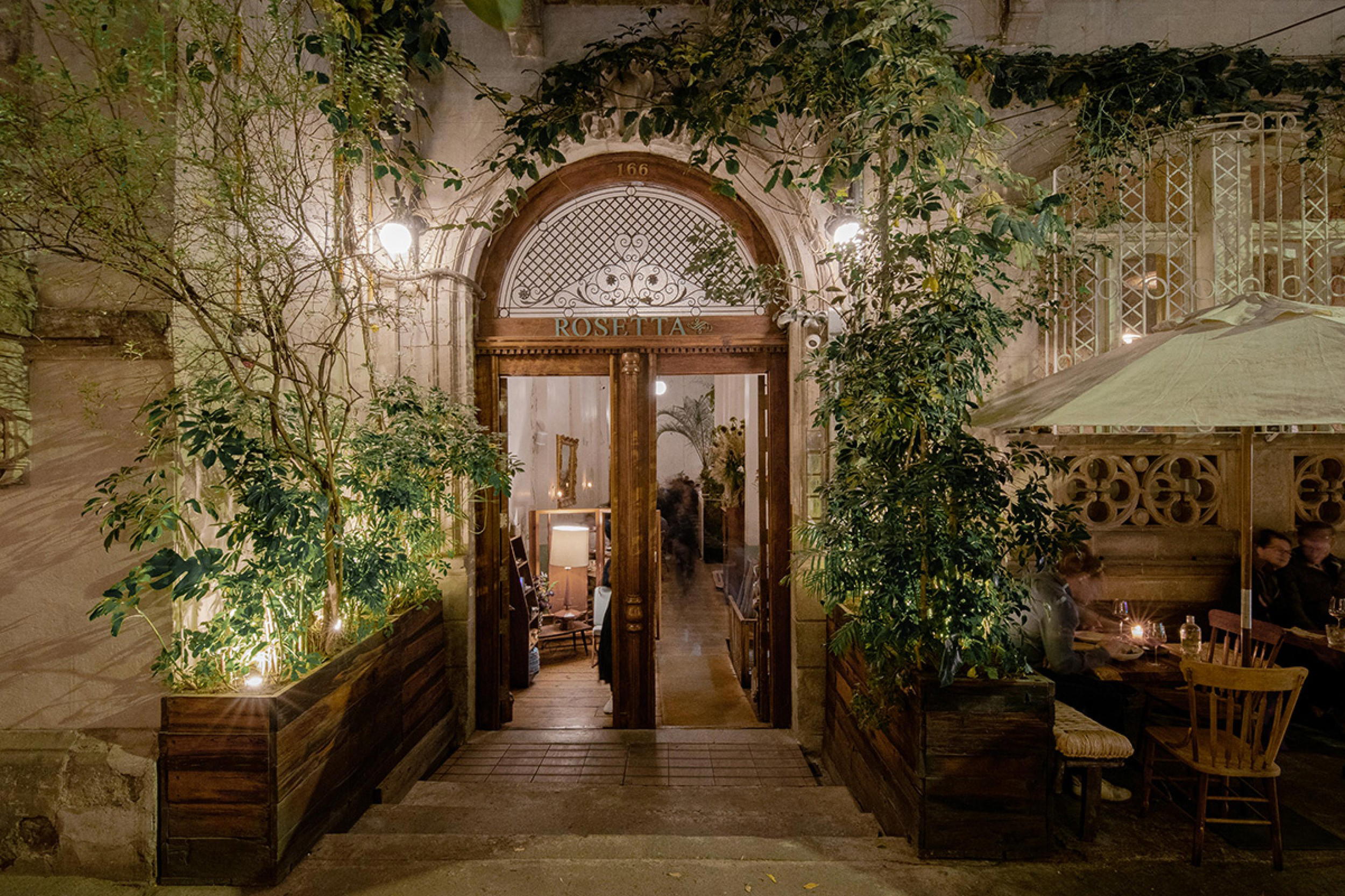
At La Mascota's price tier, broadly comparable to Rosetta on a value-per-course basis if not in style, the meal is a transaction that carries genuine cultural weight. You are not paying for novelty. You are paying to eat how the city eats.
What the Room Signals
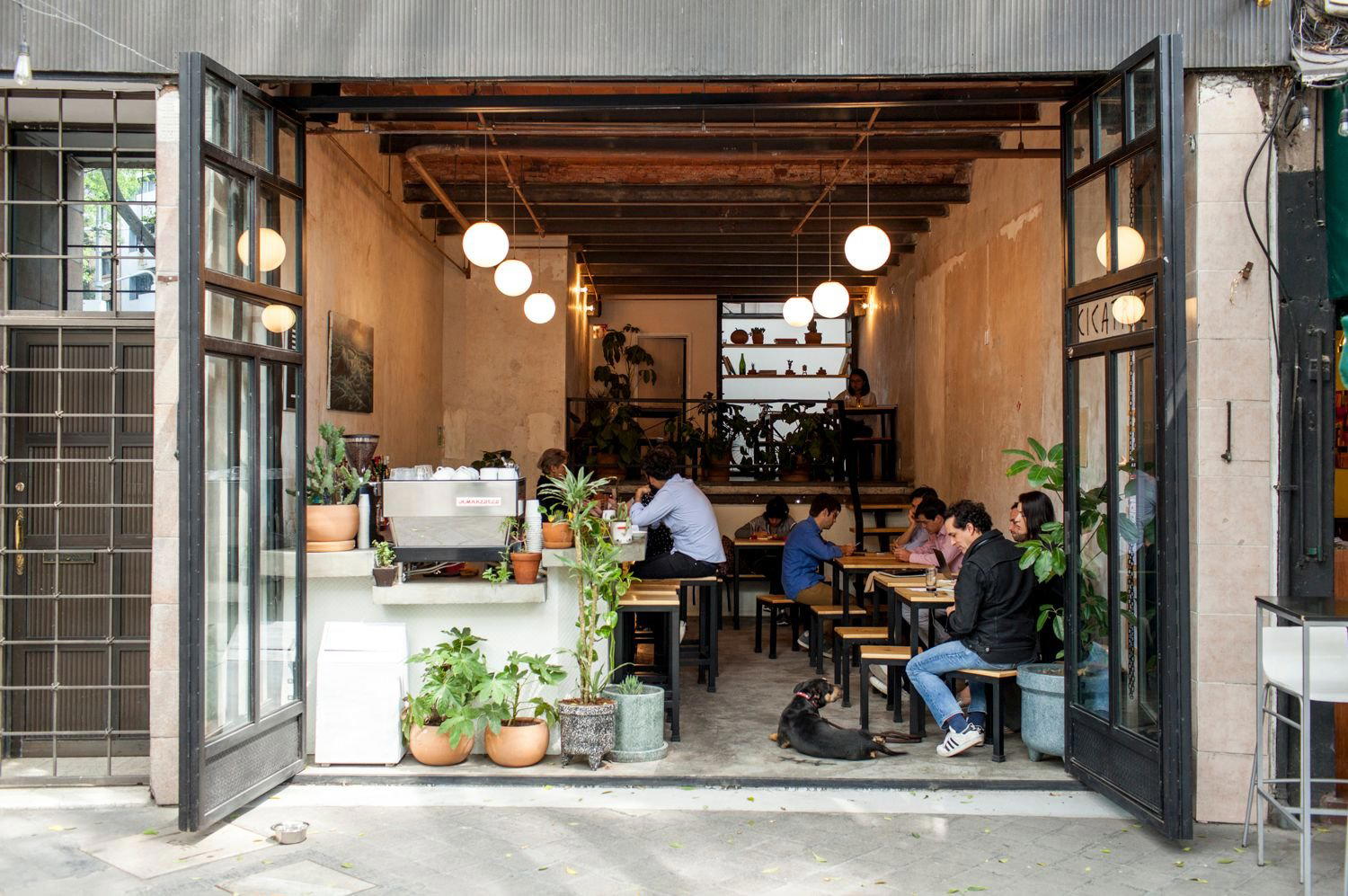
Centro Histórico dining rooms in this category tend to share a set of physical characteristics: tiled floors, walls painted in saturated colour, formica-topped tables or oilcloth covers, and a television that may or may not be on. Service is quick because it needs to be, turnover during comida hour is high and the kitchen runs a fixed menu. These rooms are not designed for lingering. The meal has a shape, and the shape ends.
This stands in contrast to the format discipline of places like Em or Sud 777, where the architecture of the meal is itself a deliberate experience and pacing is controlled by the kitchen as a form of editorial control. In Centro, the comida corrida format is the editor, and it has been for generations.
How La Mascota Sits in the Broader Mexico Scene
Mexico's restaurant conversation in the last decade has concentrated heavily on a certain kind of ambition: tasting menus rooted in indigenous ingredients, destination dining in the Yucatán at places like HA' in Playa del Carmen or Le Chique in Puerto Morelos, and farm-grounded programs like Animalón in Valle de Guadalupe or Olivea Farm to Table in Ensenada. The northern cities have their own serious programs at Pangea in San Pedro Garza Garcia and KOLI Cocina de Origen in Monterrey. Oaxaca's food culture runs through places like Levadura de Olla, and Guadalajara keeps its own serious dining scene through Alcalde and others.
Against that backdrop, Centro Histórico's traditional lunch rooms occupy a different register entirely. They are not competing with Lunario in El Porvenir or drawing the same reader as Huniik in Merida. They address a different question: what does Mexican eating look like when it is not performing itself for a critical audience? The restaurant answers that question from a historic-centre address that has been answering it, in various forms, for a long time.
A Pricing-First Comparison
Comparable venues nearby, for context on price, style, and recognition.
| Venue | Cuisine | Price | Notes |
|---|---|---|---|
| La MascotaThis venue — the venue you are viewing | Not listed | $$ | Not listed |
| Café De Tacuba | Centro, Traditional Mexican | $$ | Not listed |
| La Jacinta Restaurant | Not listed | $$ | San Ángel Inn, Casual Mexican with botanero influences |
| El Parnita | Not listed | $$ | Centro Urbano Benito Juarez, Modern Mexican Antojería |
| Barrio Café | Hipodromo, Nicaraguan & Mexican Café | $$ | Not listed |
| Los Panchos Restaurant | Not listed | $$ | Nva Anzures, Traditional Mexican Carnitas |
Continue exploring
More in Mexico City
Restaurants in Mexico City
Browse all →
Bars in Mexico City
Browse all →
At a Glance
- Classic
- Lively
- Well Known
- Casual Hangout
- After Work
- Historic Building
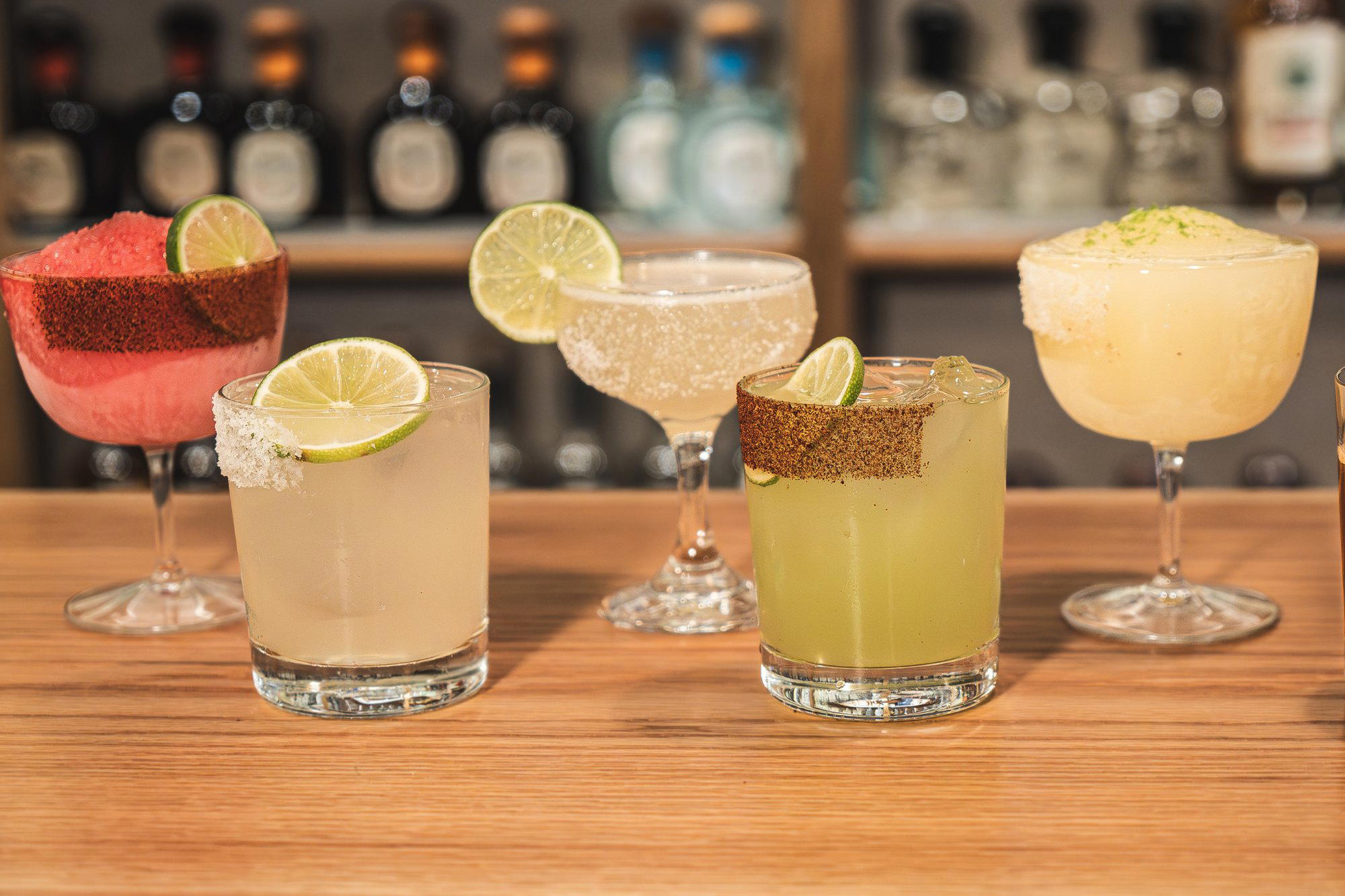
- Craft Cocktails
Current opening hours
- Monday
- 1–11:30 PM
- Tuesday
- 1–11:30 PM
- Wednesday
- 1–11:30 PM
- Thursday
- 1 PM–12 AM
- Friday
- 1 PM–2 AM
- Saturday
- 1 PM–2 AM
- Sunday
- 1–11 PM
Hours can change for holidays and private events. Last verified .
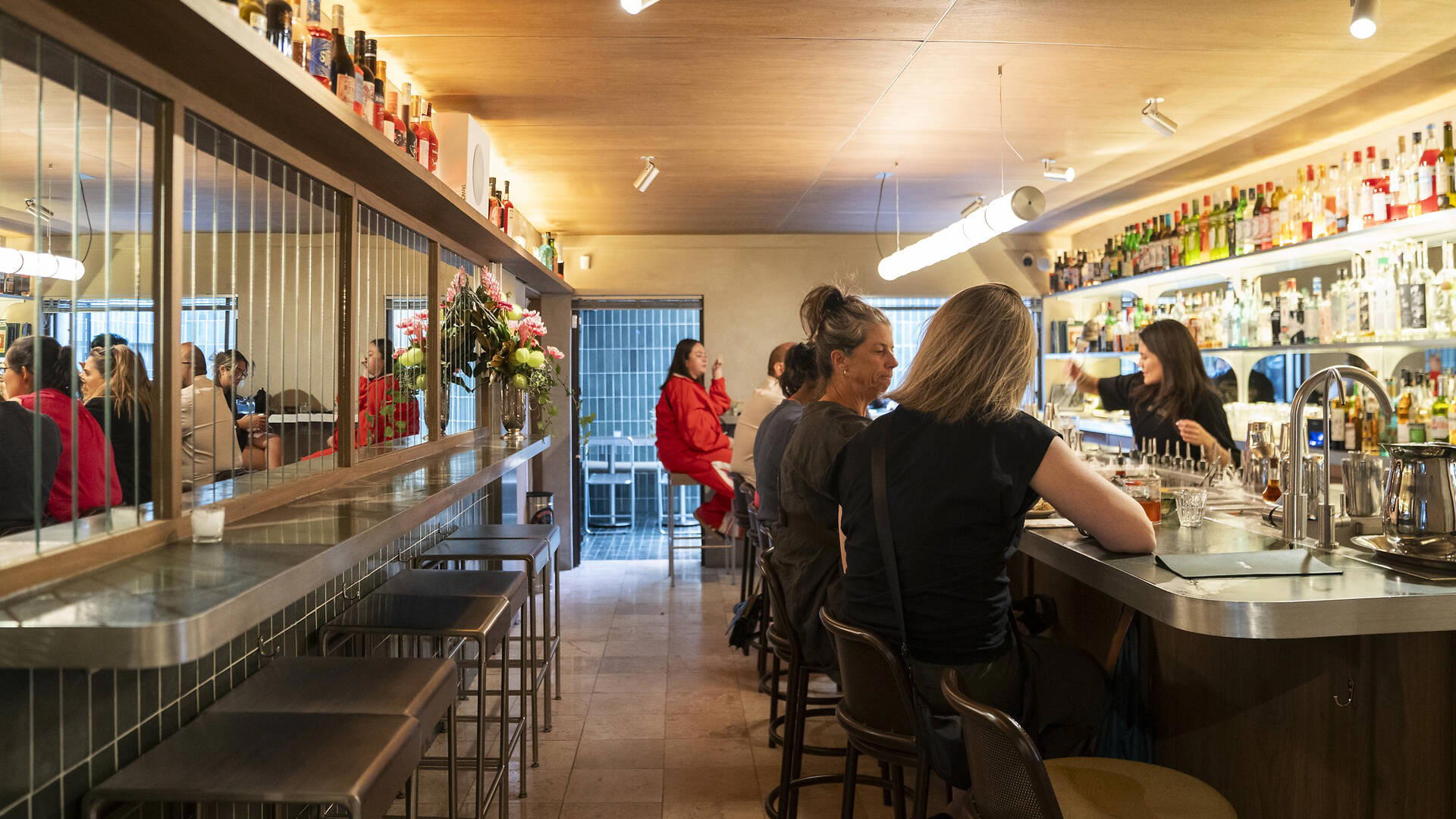
Lively old-school atmosphere with music, karaoke, mariachis, and animated crowds in a tight, authentic space.