Tacos "El Paisa"
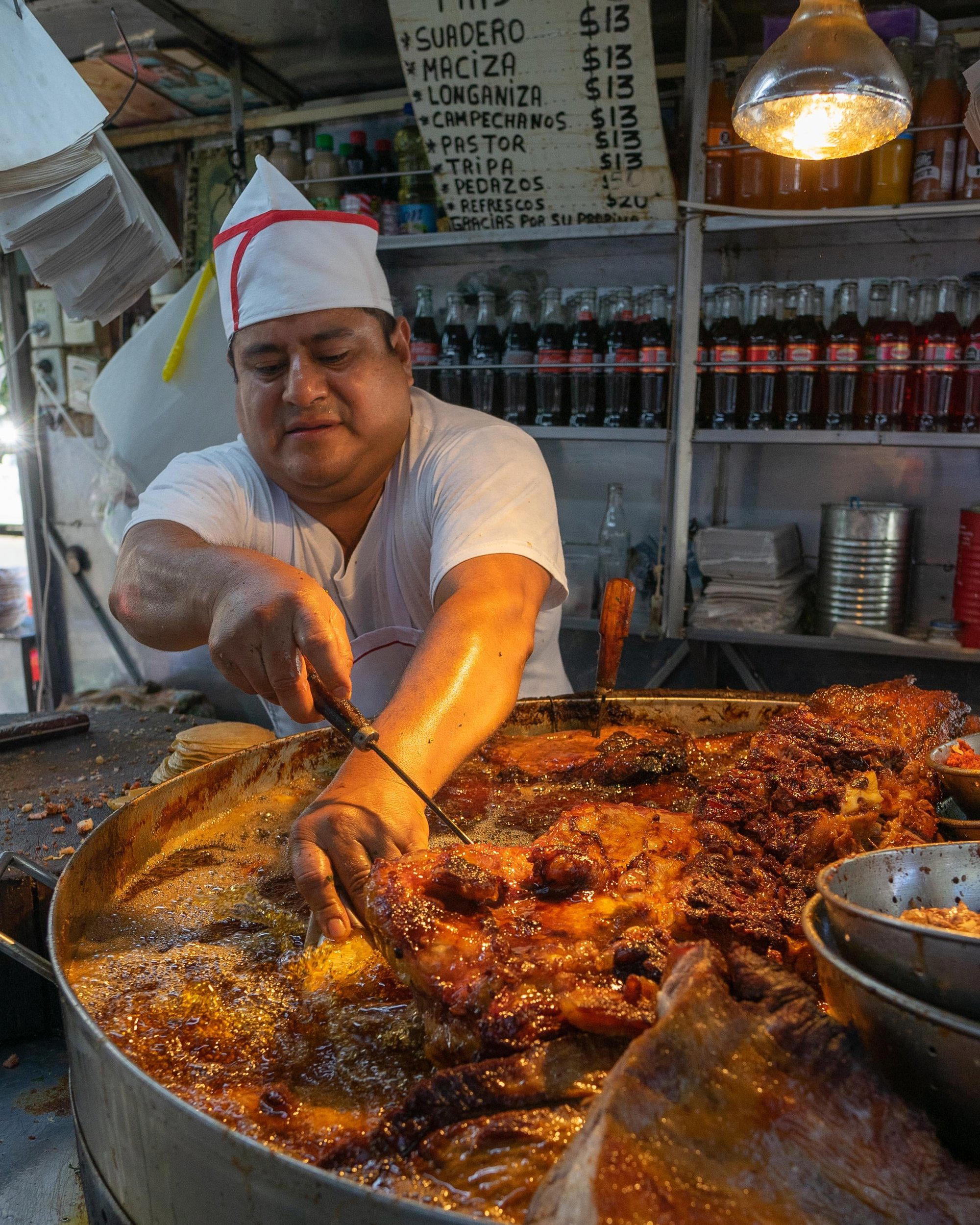
On a quiet block in San Rafael, Tacos "El Paisa" represents the kind of taco stand that shapes how Mexico City residents actually eat day to day. Street-level, cash-forward, and rooted in the working rhythms of Cuauhtémoc, it occupies the informal tier that fine-dining restaurants at the other end of the price spectrum quietly reference as their culinary foundation. For anyone tracking Mexico City's food culture beyond the tasting-menu circuit, this is a reference point worth knowing.
 Discover on Pearl
Pearl is the En Primeur Club membership app — saves, bookings, and concierge access live there. Same editors, same standards.
- Address
- Joaquin Garcia Icazbalceta 36, San Rafael, Cuauhtémoc, 06470 Ciudad de México, CDMX, Mexico
San Rafael and the Street Taco as Civic Institution
The colonias just west of the historic centre, San Rafael, Santa María la Ribera, Guerrero, have long operated as the connective tissue between Mexico City's working-class north and its more polished western neighbourhoods. San Rafael in particular sits in that specific urban register: not yet colonised by wine bars and co-working spaces, but close enough to Roma Norte and Condesa that the two worlds occasionally collide on the same block. Joaquín García Icazbalceta, the street where Tacos "El Paisa" operates, runs through the middle of this geography, and that address is itself an editorial point. The taco stands that survive here do so because local residents return daily.
In a city where the taco is both breakfast and post-midnight meal, the informal street counter occupies a role that has no real equivalent in most other food cultures. At the high end of Mexico City's restaurant scene, places like Pujol and Quintonil have spent years translating the logic of street food into composed tasting menus, earning international recognition in the process. But the reference point those kitchens draw from is precisely the kind of operation that Tacos "El Paisa" represents: high-repetition, ingredient-focused, and accountable to a neighbourhood clientele with no patience for inconsistency.
What the Informal Tier Tells You About Mexican Cooking
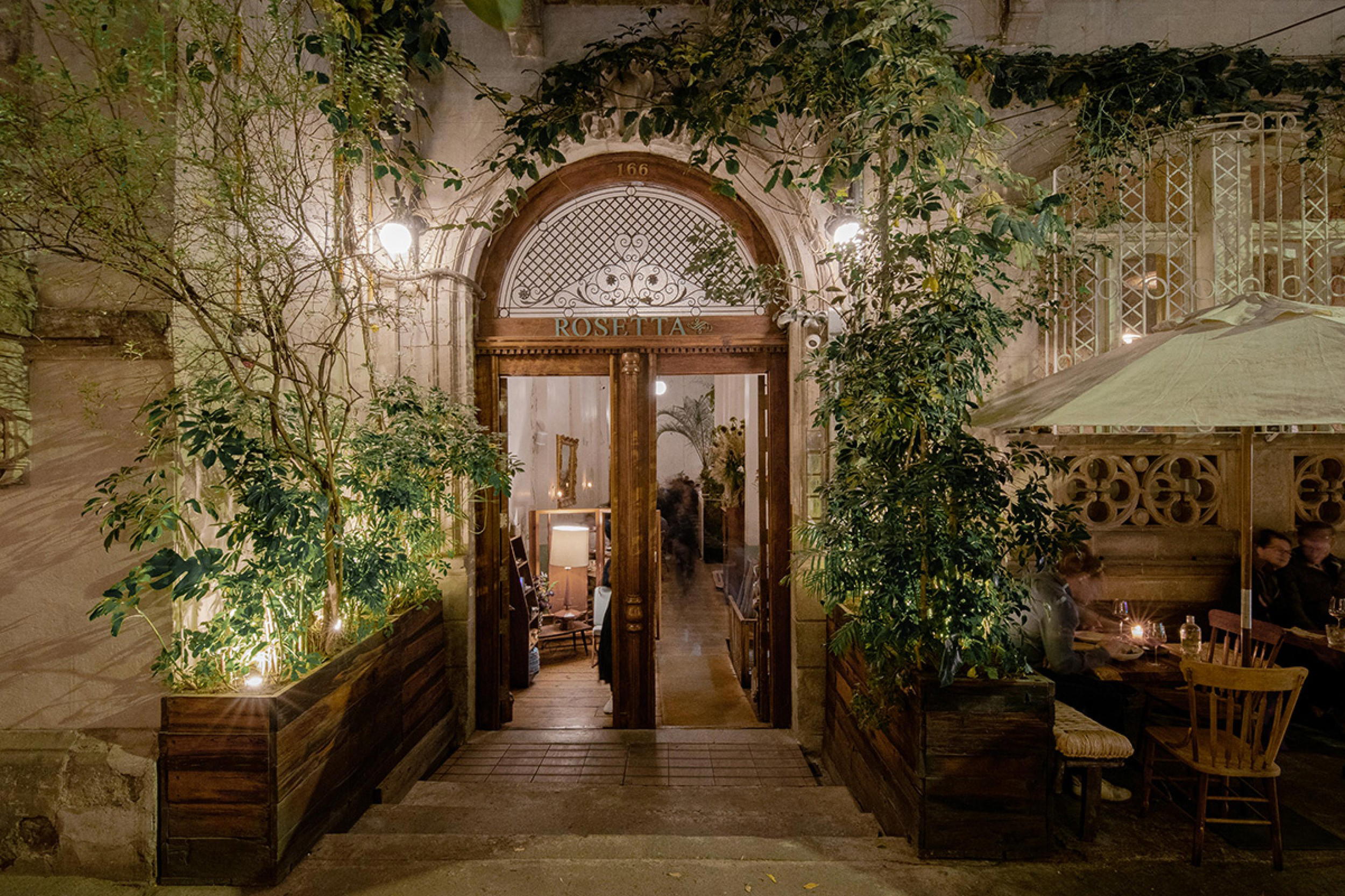
Mexico City's food culture is structured in layers that rarely interact but constantly inform one another. At the tasting-menu tier, you find chefs from Em and Sud 777 working with heirloom corn varieties and regional cheese producers. At the mid-range, spots like Rosetta blend European technique with Mexican produce in a way that still acknowledges the street as a reference. And at the base layer, the one that functions without a dining room, a wine list, or a reservation system, taco stands like El Paisa operate as the load-bearing structure of the whole edifice.
The taco al pastor, for instance, is not a simple preparation. The vertical spit, the layered marination, the timing required to carve properly from an active trompo, these are technical demands that casual observers consistently underestimate. A taquero working a busy counter in San Rafael is managing heat, protein texture, and assembly speed simultaneously, serving dozens of covers an hour with no brigade and no pass. The craft here is real; it is simply compressed into a format that costs a fraction of a tasting menu.
This is the context that makes street-level taco culture in Mexico City worth understanding on its own terms, not as a budget alternative to fine dining but as a distinct discipline with its own hierarchy of quality. Across Mexico, the same logic applies at different registers: Levadura de Olla in Oaxaca and Huniik in Merida both sit in a tier that still maintains explicit reference to informal food traditions, even as the presentation moves upmarket. The informal end of the spectrum is not the starting point that diners graduate from; it is the ongoing source material.
Cuauhtémoc's Position in the City's Food Map
The delegación Cuauhtémoc contains more of Mexico City's food culture than any other administrative unit in the capital. From the taco counters of Tepito and La Guerrero to the mid-century torterías of Doctores and the more recent bar and restaurant openings along Álvaro Obregón, the borough functions as a cross-section of how the city eats across income levels and generational cohorts. San Rafael sits near the middle of this range, with a neighbourhood character shaped by its historic housing stock, its proximity to Parque Sullivan, and a commercial street life that still runs on foot traffic rather than delivery apps.
For visitors oriented toward Mexico City's higher-profile dining districts, San Rafael represents a short detour with a different quality of encounter. The same curiosity that drives a traveller to Animalón in Valle de Guadalupe or Le Chique in Puerto Morelos for regional specificity applies here, scaled down to a street corner. The specificity is the point. Mexico's food culture at the international level, tracked through operations like KOLI Cocina de Origen in Monterrey, Alcalde in Guadalajara, and Pangea in San Pedro Garza García, draws from regional tradition in ways that only make sense once you have spent time at the informal end of the food system.
Reading a Taco Stand in Its Own Register
The metrics that matter at a place like Tacos "El Paisa" are different from those applied to a Michelin-tracked restaurant. There are no tasting notes or wine pairings to evaluate. The questions are more direct: Is the tortilla pressed fresh or from a bag? Is the protein rested before service? Does the salsa verde carry acid without losing its body? Is the counter clean, the oil fresh, and the line moving? These are the signals that regulars read automatically, and that visitors who pay attention can learn to read too.
In the wider context of Mexico City's taco geography, which also includes the carnitas specialists of Tepito, the barbacoa counters that open only on weekends, and the canasta operations that pedal through morning traffic, San Rafael's taco stands occupy a mid-intensity register. Less theatrical than the city's destination taqueries, but consistently functional in a way that matters more to the people eating there every week. For a broader map of where Tacos "El Paisa" sits within Mexico City's full dining range, the EP Club Mexico City restaurants guide covers the territory from street level to tasting counter.
The same attentiveness that earns places like Olivea Farm to Table in Ensenada or Lunario in El Porvenir recognition for ingredient sourcing and regional rootedness applies, in compressed form, to the decisions made at a taco counter: what protein, from where, prepared how, and served with what. The scale is different. The discipline is the same.
Planning Your Visit
Address: Joaquín García Icazbalceta 36, San Rafael, Cuauhtémoc, 06470, Mexico City. Neighbourhood context: San Rafael sits between Reforma and the historic centre; the nearest Metro station on Line 2 (Revolución) is walkable. Reservations: Not applicable, walk-in, counter service only. Dress: No code; street casual is the norm. Budget: Street taco pricing; cash is standard at this tier of operation. Timing: Mid-morning through early afternoon tends to be peak for taco stands operating in this colonia; weekend hours can vary. Regional comparison: For visitors building a wider picture of Mexican dining, this tier pairs well with the HA' in Playa del Carmen for a sense of how coastal and capital food cultures diverge.
Category Peers
Comparable venues nearby, for context on price, style, and recognition.
| Venue | Cuisine | Price | Awards | Notes |
|---|---|---|---|---|
| Tacos "El Paisa"This venue — the venue you are viewing | Authentic Mexican Taqueria | $ | , | |
| El Pialadero de Guadalajara | Traditional Jalisco | $ | , | Nva Anzures |
| Tacos Don Juan | Traditional Mexican Tacos | $ | 2 recognitions | Condesa |
| Círculo del Sureste | Traditional Yucatecan | $$ | , | Tabacalera |
| Los Panchos Restaurant | Traditional Mexican Carnitas | $$ | , | Nva Anzures |
| Taqueria El Abanico | Traditional Mexican Carnitas Taqueria | $ | , | Tránsito, Cuauhtémoc |
Continue exploring
More in Mexico City
Restaurants in Mexico City
Browse all →
Bars in Mexico City
Browse all →


At a Glance
- Lively
- Rustic
- Hidden Gem
- Casual Hangout
- Late Night
- Open Kitchen
Bustling street-side atmosphere with crowds on plastic stools under canopies, filled with the sounds and scents of grilling meat and chopping.