Los Panchos Restaurant
Los Panchos Restaurant, on Tolstoi 9 in the Anzures neighbourhood of Miguel Hidalgo, sits inside a dining tradition that Mexico City takes seriously: the long, unhurried meal. The address places it among a concentration of mid-century cantina-style spaces where the ritual of eating matters as much as what arrives on the table. Booking ahead is advisable for evening sittings.
Pearl is the En Primeur Club membership app — saves, bookings, and concierge access live there. Same editors, same standards.
- Address
- Tolstoi 9, Anzures, Miguel Hidalgo, 11590 Ciudad de México, CDMX, Mexico
- Phone
- +52 55 5254 5390
- Website
- lospanchos.mx
- Directions
- Get directions
 Saves & bookings on Pearl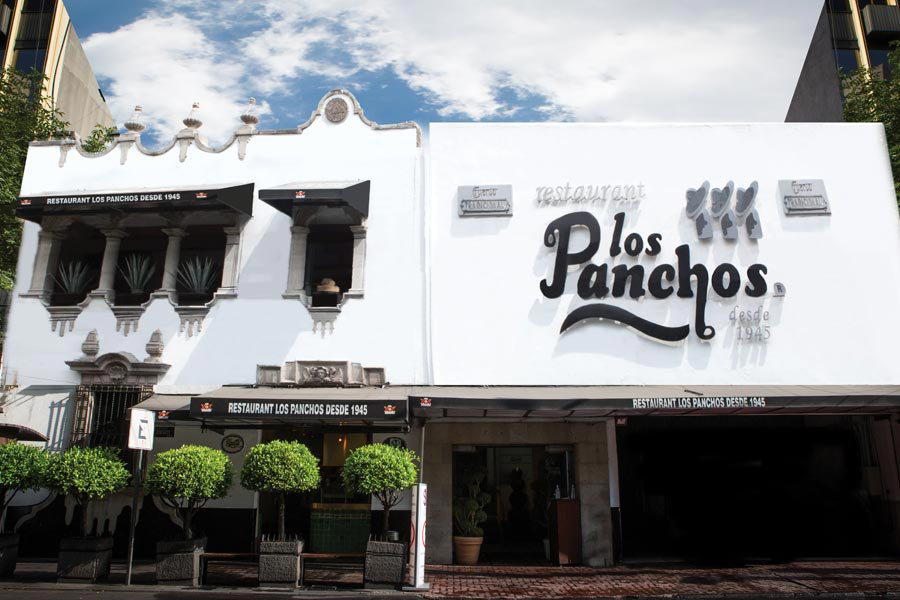
The Anzures Table: Where Mexico City Still Eats on Its Own Terms
There is a particular cadence to eating in Anzures that distinguishes it from the louder dining corridors of Polanco or the design-conscious rooms of Roma Norte. The neighbourhood, contained within the Miguel Hidalgo borough, draws a clientele that tends to arrive with time: time for a second round, time to let a conversation finish before asking for the bill. Restaurants here do not perform urgency. Los Panchos Restaurant, at Tolstoi 9, occupies that tradition rather than departing from it. The address is residential-adjacent, the kind of block where the approach on foot carries its own deceleration, and the room, when you arrive, confirms the expectation.
Mexico City's dining culture has always operated on a spectrum between spectacle and ceremony. At one end sit the internationally tracked tasting-menu rooms — Pujol, Quintonil, Em — where the progression of courses is the architecture of the evening. At the other end, older establishments treat the meal as something that simply happens, course by course, with no announced structure. Los Panchos belongs to the latter tradition. The eating here is not curated; it accumulates.
The Ritual of the Mexican Sit-Down
Understanding how a meal like this functions requires some context about how Mexico City's longer-standing restaurants handle pacing. In the city's established neighbourhood dining rooms, a table is held, not turned. Arrival is acknowledged; menus follow when you have settled. The rhythm of service tends to track the table's appetite rather than a kitchen's output schedule. Salsas, tortillas, and small side preparations arrive and are replenished without being announced. The negotiation between what you ordered and what the kitchen sends is informal but consistent.
This model contrasts sharply with the structured omakase progressions you find at Le Chique in Puerto Morelos or the choreographed tasting formats at Animalón in Valle de Guadalupe. At those addresses, the guest surrenders sequence to the kitchen. At a room like Los Panchos, the guest retains some control, choosing, adjusting, returning to something they liked. Both models are legitimate expressions of Mexican hospitality; they simply operate at different registers.
The question of what to order at Los Panchos is one that the venue's data does not answer with specificity, and it would be a misrepresentation to fabricate signature dishes here. What is reliable general knowledge is this: restaurants at this address and neighbourhood category in Mexico City tend to anchor their menus around preparations that reward repetition, dishes where quality is demonstrated through consistency across visits rather than novelty on a single occasion. If the cuisine type follows Anzures convention, grilled preparations, bean-based foundations, and tortilla-served proteins form the backbone. A useful approach for first visits to rooms of this type is to ask what has been on the menu the longest. Longevity in a Mexico City neighbourhood restaurant is its own form of credentialing.
Placing Los Panchos in Mexico City's Wider Dining Map
Mexico City now operates multiple distinct dining economies simultaneously. The tasting-menu tier, tracked by the Latin America's 50 Best rankings and Michelin's Mexico City guide, prices against international comparators and draws a globally mobile clientele. Below that, a mid-tier of chef-driven neighbourhood rooms, including addresses like Rosetta in Roma and Sud 777 in Pedregal, commands serious attention from the local food press. And then there is the layer of established neighbourhood restaurants, some decades old, that operate largely outside the award circuit without suffering for it.
Los Panchos sits in this third tier by geography and character. Anzures is not where critics converge for launches or where new concepts arrive to test a market. It is where Mexico City eats regularly, steadily, without occasion as the pretext. That positioning is not a limitation; it is a different kind of seriousness.
This pattern holds across the country. In Oaxaca, Levadura de Olla occupies a similar role: anchored in tradition, uninterested in spectacle, trusted by a local clientele that treats it as a default rather than a destination. In Guadalajara, Alcalde sits closer to the contemporary tier, but even there, neighbourhood loyalty coexists with critical attention. The Mexican restaurant that survives on community patronage is a different institution from the one that survives on destination dining, and often a more durable one.
Getting There and Planning the Visit
Tolstoi 9 in Anzures is accessible from Polanco on foot or by short taxi, and sits within easy reach of the Auditorio metro station on Line 7. The neighbourhood has no single dominant arrival point, which suits its character: people come from different directions, at different hours, without the gravitational pull that a single famous address generates. For those exploring the wider Mexico City dining map, our full Mexico City restaurants guide covers the city's tasting-menu rooms alongside neighbourhood establishments across multiple boroughs.
What the location and category suggest is that weekday lunch sittings tend to be more relaxed at rooms of this type, while weekend evenings draw fuller rooms and longer waits. Calling ahead rather than booking through a platform is consistent with how established neighbourhood restaurants in this part of the city tend to operate. The dress code, where one exists at all in Anzures, leans informal.
For points of comparison beyond Mexico City, the broader EP Club Mexico coverage includes KOLI Cocina de Origen in Monterrey, Pangea in San Pedro Garza García, Olivea Farm to Table in Ensenada, Lunario in El Porvenir, HA' in Playa del Carmen, and Arca in Tulum. For context on how Mexico's neighbourhood dining culture sits within a broader international frame, the dinner-as-ritual format at Lazy Bear in San Francisco and the classical service tradition at Le Bernardin in New York City offer useful points of contrast.
Continue exploring
More in Mexico City
Restaurants in Mexico City
Browse all →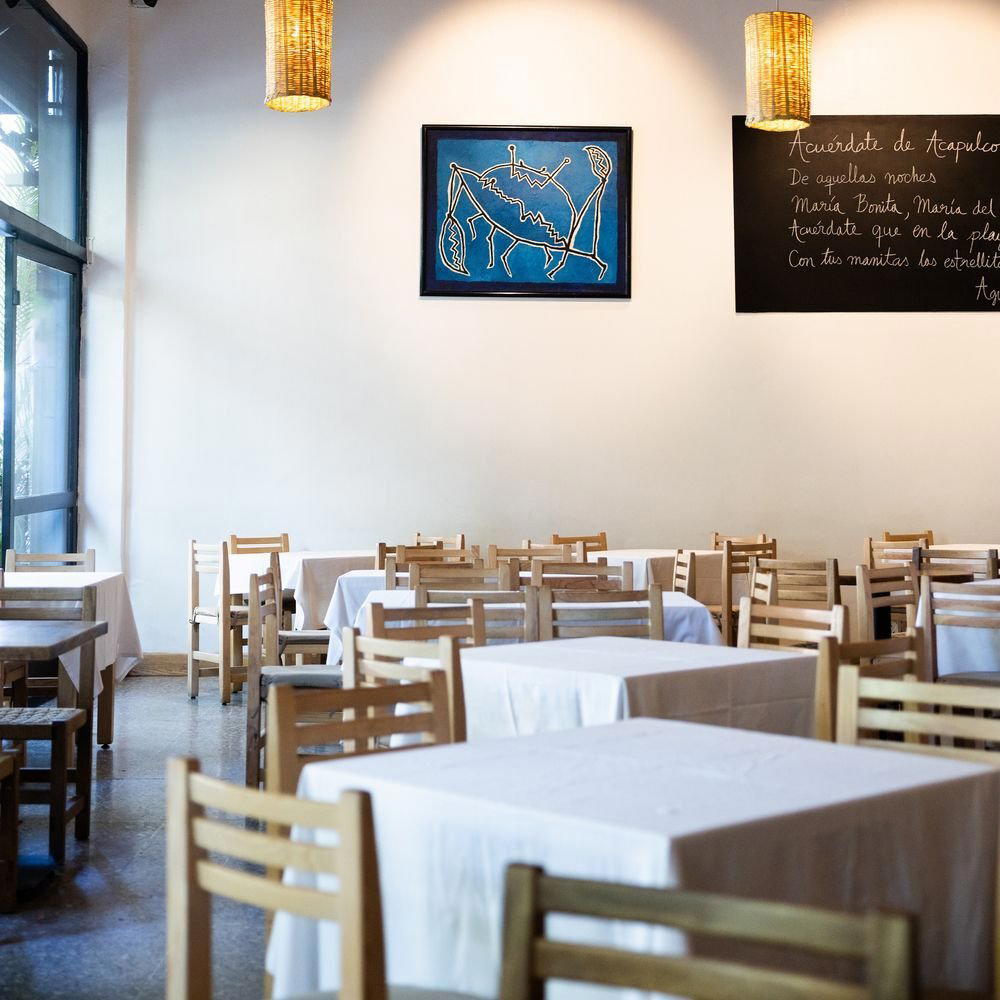
Bars in Mexico City
Browse all →
At a Glance
- Classic
- Well Known
- Lively
- Family
- Casual Hangout
- Group Dining
- Historic Building
Current opening hours
- Monday
- 9 AM–9:30 PM
- Tuesday
- 9 AM–9:30 PM
- Wednesday
- 9 AM–9:30 PM
- Thursday
- 9 AM–9:30 PM
- Friday
- 9 AM–9:30 PM
- Saturday
- 9 AM–9:30 PM
- Sunday
- 9 AM–9:30 PM
Hours can change for holidays and private events. Last verified .
Know Before You Go
- Getting there
- Tolstoi 9, Anzures, Miguel Hidalgo, 11590 Ciudad de México, CDMX, Mexico