El Pialadero de Guadalajara
El Pialadero de Guadalajara sits on Hamburgo in the Juárez neighbourhood, bringing the taquería and cantina traditions of Guadalajara into one of Mexico City's most active dining corridors. The menu reads as a document of western Mexico's regional cooking: birria, tortas ahogadas, and the market-stall formats that define tapatío street culture. For visitors working through the capital's broader restaurant scene, it offers a clear regional counterpoint to Mexico City's own culinary identity.

Juárez, Regional Positioning, and What the Address Signals
The Juárez neighbourhood in Cuauhtémoc has spent the past decade consolidating as one of Mexico City's most concentrated dining corridors. Hamburgo and the surrounding streets now hold everything from Michelin-recognised tasting menus at Pujol and Quintonil to informal cantinas that have been in operation for decades. The density of the strip means that a restaurant's positioning within it carries weight: sitting on Hamburgo 332 places El Pialadero de Guadalajara squarely inside a peer set where diners are actively comparing options across price tiers and cuisine styles.
What the name announces matters here. Guadalajara's culinary identity is distinct from Mexico City's, and the capital has long had a complex relationship with provincial cooking from Jalisco. Birria, tortas ahogadas, and tejuino have earned national recognition, but they tend to appear in the city either as street-corner approximations or as nostalgic reference points inside larger menus. A restaurant that plants the Guadalajara name in Juárez is making a specific claim about regional authenticity in a neighbourhood where creative Mexican cooking, represented by places like Em and Rosetta, has set a high bar for specificity and sourcing. The claim is geographic before it is gastronomic.
The shortlist, unlocked.
Hard-to-book tables, cellar releases, and concierge-planned trips.
Get Exclusive Access →How the Menu Structure Frames the Regional Argument
In western Mexican cooking, the architecture of a menu is rarely arbitrary. The sequence in which dishes appear, the division between antojitos and platos fuertes, and the presence or absence of set-format options all signal which tradition the kitchen is drawing from. Guadalajara's restaurant culture has historically organised itself around the informal but codified structures of the mercado and the cantina: food arrives in rounds rather than courses, sharing is assumed, and the menu is dense with options that reward familiarity over first-visit browsing.
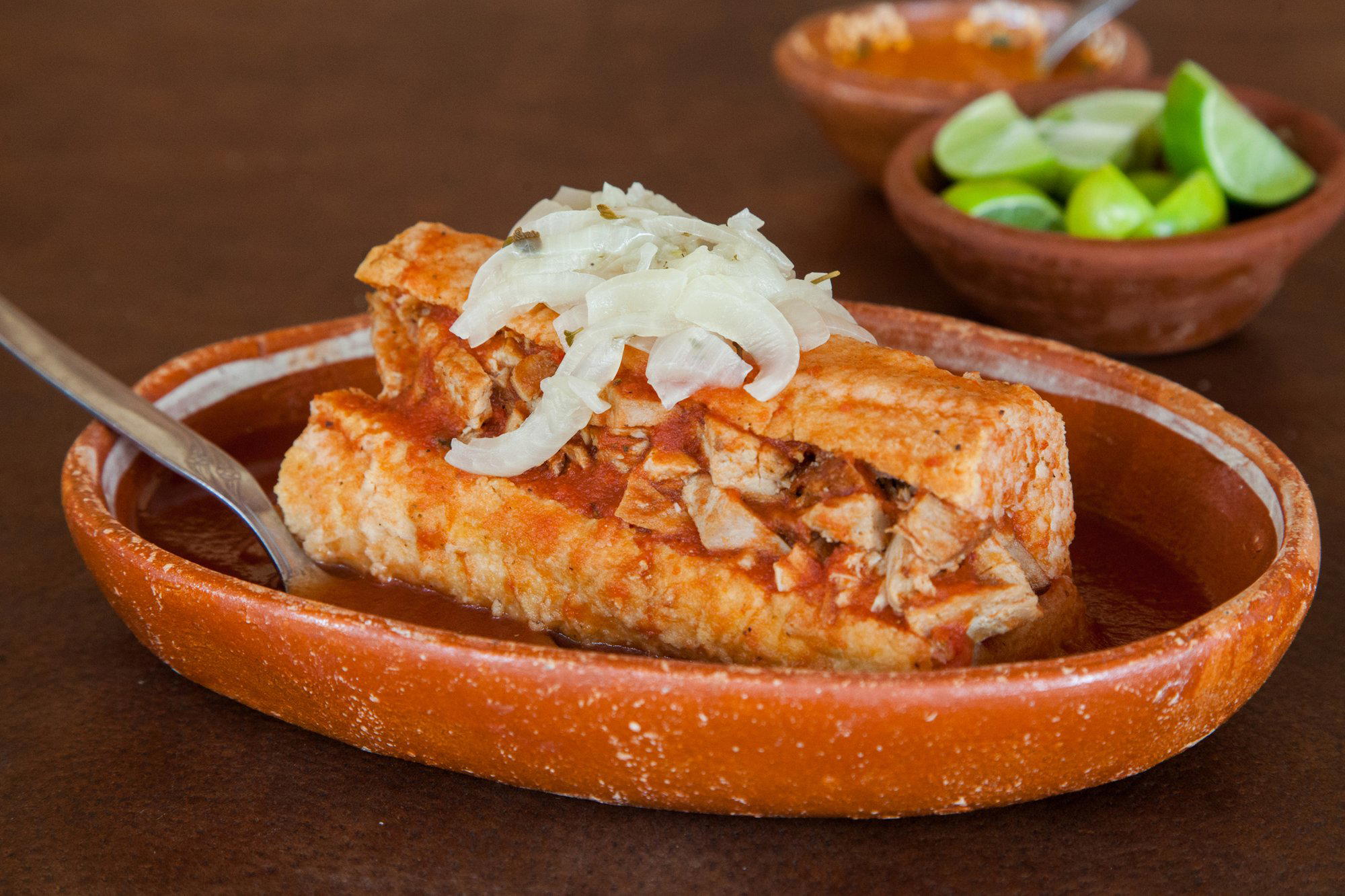
If El Pialadero de Guadalajara applies that logic to a Juárez address, the menu architecture itself becomes the editorial point. A torta ahogada, Guadalajara's signature drowned sandwich, is not a dish that works well as a composed plate or a tasting element. It is a format with its own physics: the bread must be the right density to absorb the chile sauce without collapsing, the carnitas or beef must be sliced at the right thickness, and the whole thing arrives as a single, committed object. A kitchen that builds its identity around that dish is committing to a format that resists fine-dining translation, and that commitment is its own signal of intent.
Birria in its Jalisco form follows a similar logic. The consommé, the slow-braised meat, the double-dipped and griddle-crisped taco, the salsa and onion and cilantro served on the side: this is a structured presentation with deep regional rules. In Mexico City, birria has become broadly popular, appearing in hundreds of formats at every price point. A restaurant that foregrounds the Guadalajara version is positioning against that dilution, arguing for the original proportions and the original occasion. For the visiting diner, this distinction is worth understanding before you order: the point is not novelty but fidelity.
Mexico's regional dining scene has expanded considerably in the past decade. Formats like Animalón in Valle de Guadalupe, Levadura de Olla in Oaxaca, and KOLI Cocina de Origen in Monterrey have each made the case for their own city's or region's cooking with a degree of editorial seriousness that a previous generation of Mexico City diners might have dismissed. El Pialadero de Guadalajara operates in that same current, even if its register is less formal than those comparators.
The Juárez Context and the Peer Set Question
Juárez functions, in practical terms, as a neighbourhood where multiple dining registers coexist within walking distance. The presence of high-concept tasting menus alongside cantinas and taquerías is not accidental: the residential and commercial mix of the neighbourhood sustains a broad enough economic spread to keep all of them viable. For the diner building an itinerary across two or three days, this density is useful. A meal at El Pialadero de Guadalajara occupies a different register than an evening at Sud 777 or a reservation at one of the tasting-menu counters further along the strip, but it belongs in the same itinerary as evidence of what the city's dining culture can hold simultaneously.
Mexico's broader restaurant geography shows how regional specificity plays out at different price and format levels. Le Chique in Puerto Morelos, HA' in Playa del Carmen, and Pangea in San Pedro Garza Garcia each argue for a local culinary identity through different formal strategies. Alcalde in Guadalajara makes the case for Jalisco cooking from within the city itself, with a format and price tier that places it in conversation with the capital's creative Mexican scene. El Pialadero de Guadalajara, operating at a different register, makes a parallel argument from Mexico City's side of that exchange.
For a comparative frame outside Mexico, the tension between regional fidelity and metropolitan adaptation appears in restaurants across categories: it is the same structural question that a regional French bistro addresses when it opens in Paris, or that Lazy Bear in San Francisco and Le Bernardin in New York City each answer, in their own ways, when they commit to a specific culinary tradition inside a large and competitive urban market. The format of the commitment differs across those examples, but the underlying editorial question is the same: what does fidelity to a source tradition look like when you have moved it to a different address?
For a fuller map of where El Pialadero de Guadalajara sits within the capital's dining options, our full Mexico City restaurants guide covers the neighbourhood-level distinctions and price-tier spread that make this city one of the most structurally interesting dining markets in the Americas. Those planning to extend into other Mexican regions should also look at Lunario in El Porvenir and Olivea Farm to Table in Ensenada for how the country's northern wine and produce corridors are shaping a different kind of regional argument. Arca in Tulum represents yet another geographic register, where the regional sourcing logic is applied to a coastal format with its own distinct audience.
Planning Your Visit
Contact information and booking details are not confirmed in current records; verify directly before visiting. Address: Hamburgo 332, Juárez, Cuauhtémoc, 06600 Ciudad de México. Neighbourhood: Juárez sits within walking distance of Zona Rosa and Paseo de la Reforma, with metro access at Insurgentes and Sevilla on Line 1. Timing: Regional cantina formats in Mexico City typically peak at midday through mid-afternoon on weekdays; weekend demand across Juárez is higher and arrival timing matters more than advance booking for informal formats. Price context: No confirmed pricing is available; budget expectations should be calibrated against the informal-to-mid cantina tier that Jalisco-style restaurants occupy in the capital.
The shortlist, unlocked.
Hard-to-book tables, cellar releases, and concierge-planned trips.
Get Exclusive Access →Frequently Asked Questions
Price and Positioning
A short peer table to compare basics side-by-side.
| Venue | Price | Awards | Notes |
|---|---|---|---|
| El Pialadero de Guadalajara | This venue | ||
| Pujol | $$$$ | Michelin 2 Star | Mexican, $$$$ |
| Quintonil | $$$$ | Michelin 2 Star | Modern Mexican, Contemporary, $$$$ |
| Rosetta | $$ | Michelin 1 Star | Italian, Creative, $$ |
| Em | $$$ | Michelin 1 Star | Mexican, $$$ |
| Comedor Jacinta | $$ | Mexico, Mexican, $$ |
Need a table?
Our members enjoy priority alerts and concierge-led booking support for the world's most difficult tables.
Get Exclusive AccessThe shortlist, unlocked.
Hard-to-book tables, cellar releases, and concierge-planned trips.
Get Exclusive Access →